


Madhubani/Mithila Pa...
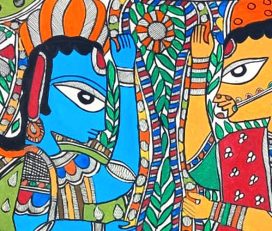
Mithila painting, is a vibrant and deeply symbolic folk art tradition originating from the Mithila region of Bihar, India, and adjoining parts of Nepal.
Madhubani, Bihar, India...
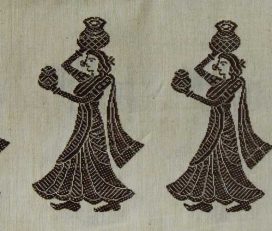
 Siddipet, Telangana, India...
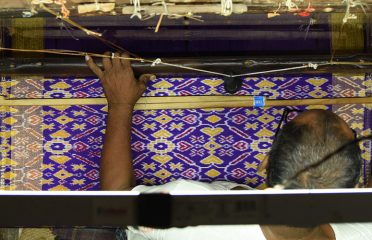
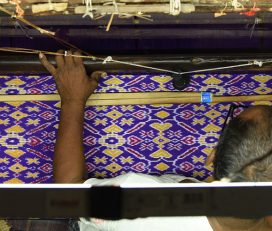 Pochampally, Telangana, India...
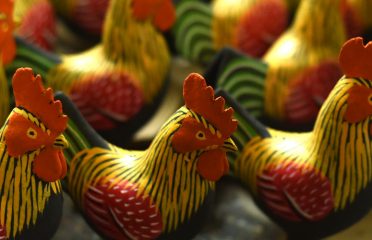
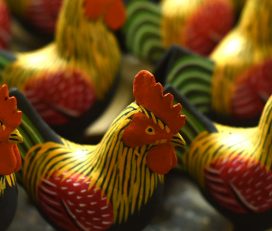 Nirmal, Telangana, India...
Mithila painting, is a vibrant and deeply symbolic folk art tradition originating from the Mithila region of Bihar, India, and adjoining parts of Nepal.
Madhubani, Bihar, India...
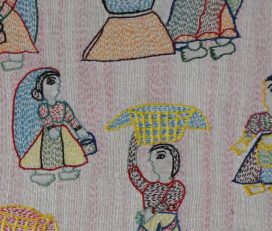
Sujani is a distinctive embroidery tradition of Bihar, particularly practised in Muzaffarpur district and surrounding villages.
Bhusra, Bihar, India...

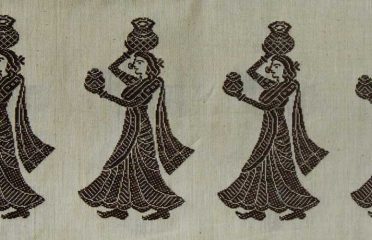
Arani silk, also known as Arni silk, is a celebrated handloom tradition of Tamil Nadu, produced primarily in Arani, Tiruvannamalai.
Arani, Tamil Nadu, India...
Let us talk… if you feel the same love for handmade, and would like to support us by sharing your research or by contributing financially to our documentation efforts.
Reach us at [email protected]
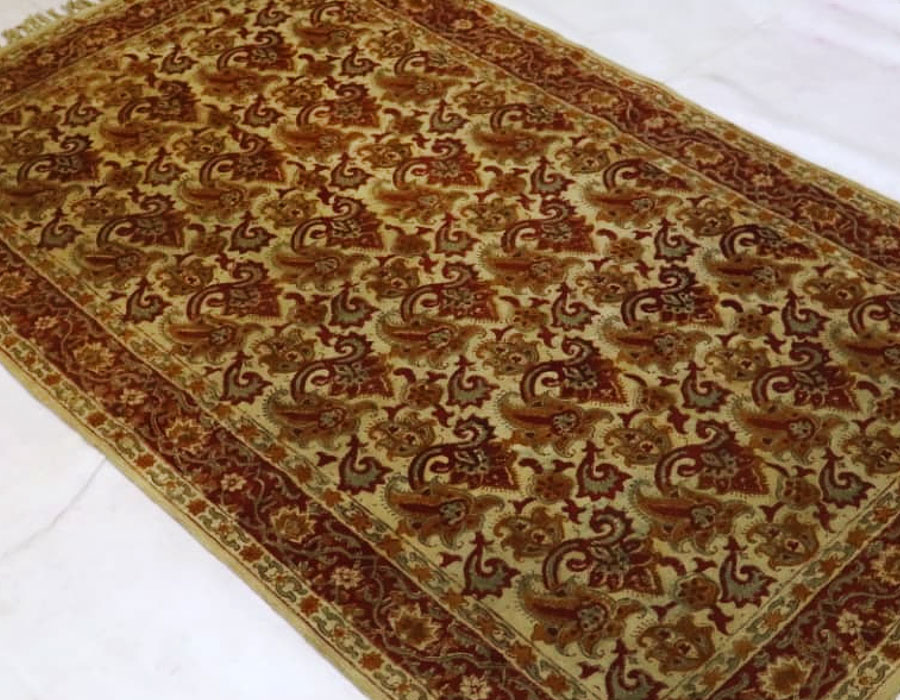
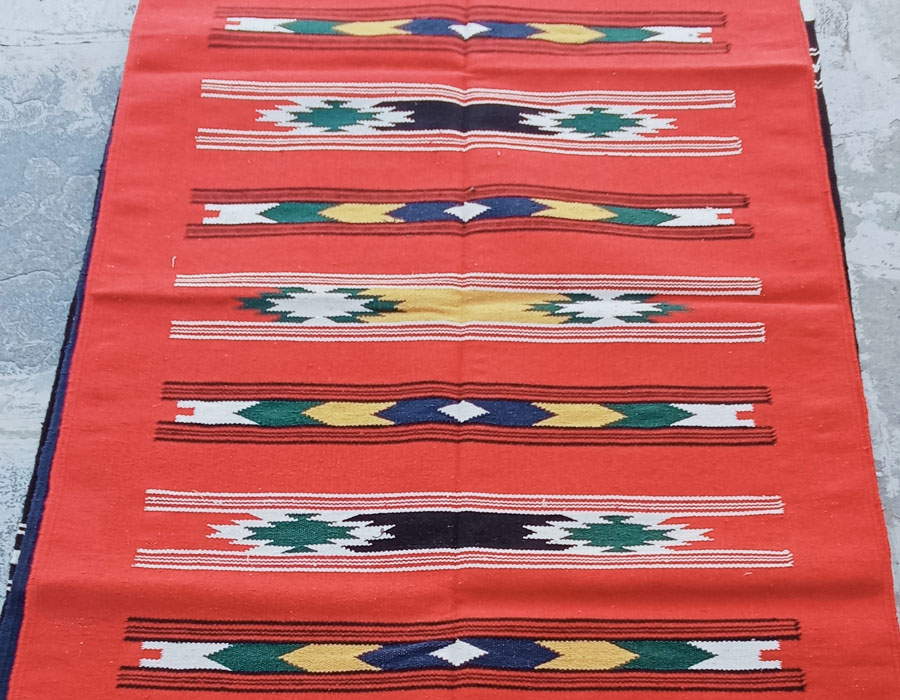
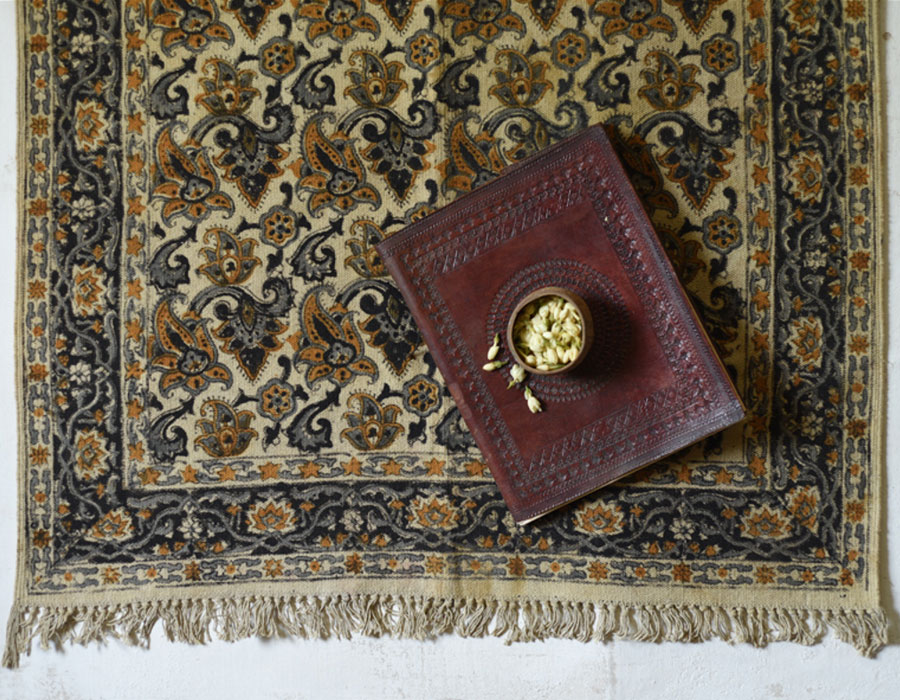
Today, Warangal dhurries are primarily used in living rooms and other areas of the home. Owing to their strong weave and washable nature, they are suitable for households across different social and economic backgrounds. In contemporary urban interiors, dhurries add texture and warmth to tiled floors while also introducing a sense of Indianness to the space. Available in a range of sizes, they are highly versatile and can be used in multiple ways, such as a centrepiece in a living room, beside the bed, as a pooja aasan, during namaaz, or even as a wall hanging.
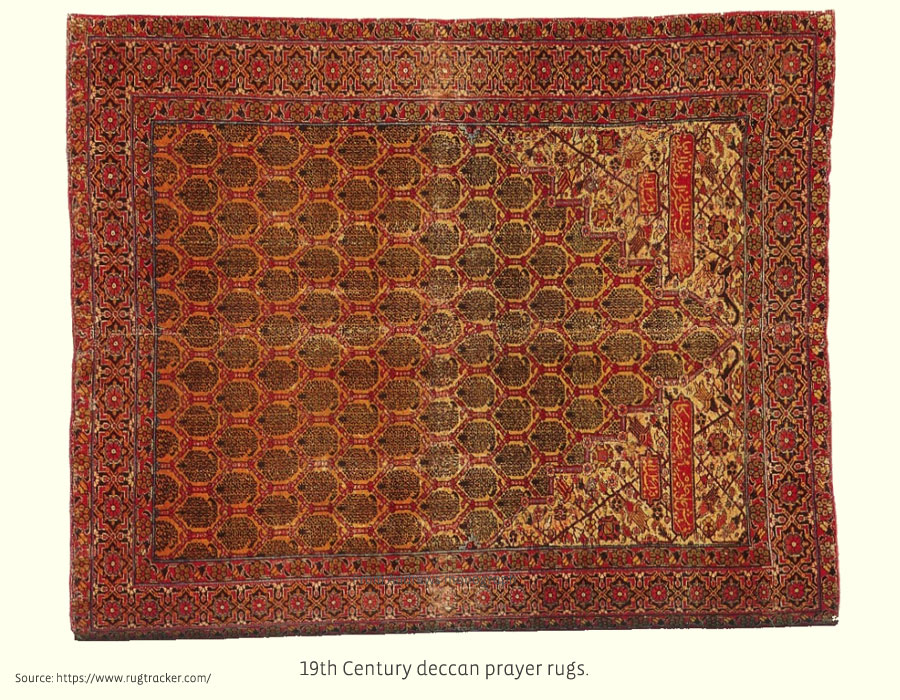
Historically, Warangal was renowned for both carpet weaving and dhurrie production. These textiles were primarily woven for three distinct purposes. The first was the Jainamaaz or Musallah, a prayer rug made for the Muslim community. The ancestry of the Jainamaaz can be traced to one of the earliest surviving examples of a flat-weave rug, left behind by Aurangzeb in 1686 at the Jama Masjid in Bijapur. The Jainamaaz typically features a single mihrab (prayer arch motif) or multiple arches known as saf. Such rugs continue to be widely used, ensuring a steady demand for dhurries from the weaving clusters of Warangal.
The second category comprised Jamkhanas or Shathranjis, which were used during special occasions and ceremonial gatherings. These featured intricate geometric patterns inspired by local nature, architecture, and everyday life. In the eighteenth century, Shathranjis were commonly woven in striped patterns using blue, red, or white and were used in domestic settings. These designs later gained popularity in European markets as well.
The third type consisted of simpler dhurries intended for everyday use. The eighteenth century also witnessed a revival of dhurrie production in Indian jails, where inmates produced a wide range of pieces, from coarse utilitarian dhurries to highly refined and elaborate examples. These were known as “jail dhurries” or pictorial dhurries, in which geometric motifs such as lozenges were combined with natural elements like birds and foliage.
Dhurries were also used to establish or reinforce social status. Both large and small dhurries were laid out during grand feasts or while entertaining guests. In large households with hierarchical social structures, different dhurries were reserved for different occasions and spaces. Dhurries were used by both commoners and royalty as floor coverings, bedding, and even as wrapping.
Today, the carpet industry in Warangal has almost completely faded, and dhurrie weaving remains the primary textile activity in the region. However, traces of the earlier carpet tradition can still be seen in printed dhurries, where Kalamkari printers experiment with block layouts inspired by the compositions once woven into knotted carpets.
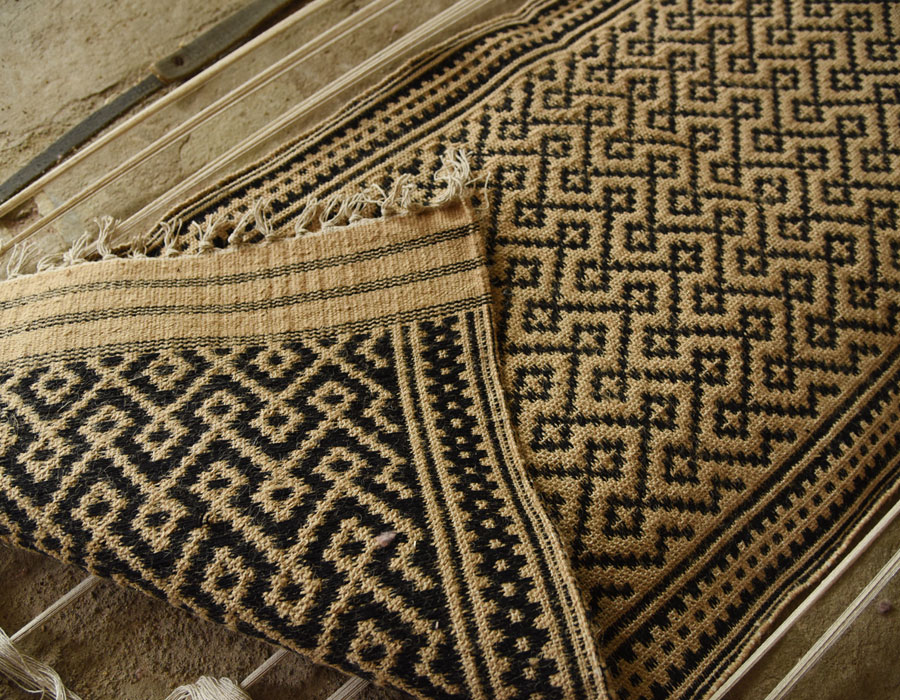
The significance of the dhurrie in Indian culture is immense. Close your eyes and go back 25–30 years, and you will recall that for almost every occasion, weddings, community gatherings, religious events, or even school functions , dhurries were what people sat on.
They were not limited to public spaces alone; dhurries were an essential part of every household. Before laying a mattress on the floor, the dhurrie was always the first layer. During meals, it could simply be folded and laid out for everyone to sit together in a row. Many of us spent countless hours sitting, playing, or resting on dhurries at our dada-dadi or nana-nani’s homes.
Despite years of continuous use, dhurries remained remarkably strong and durable. Many families used the same piece for 30–40 years, a true testament to their quality and craftsmanship. Though a dhurrie may appear to be just a piece of fabric, it carries deep cultural value and holds a lasting place in our way of life.
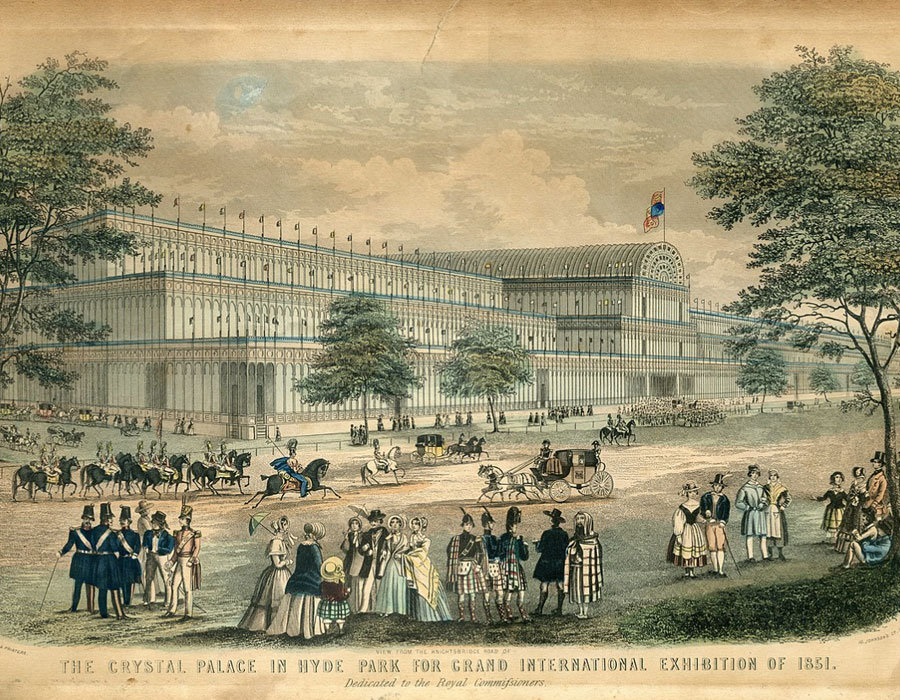
Two Dhurrie carpets, woven in silk, were once displayed at the Great London Exhibition of 1851 titled ‘The Exhibition of the Works of Industry of all Nations’ held in London. Such was the excellence of their craftsmanship that it stole the attention of many. Sir George Birdwood recounted that the carpets had a fine count of stitches, about 12000 to a square inch, highlighting the proficiency of the weaver. It was this exhibition that brought the dhurrie weaving to world’s attention. The impact of this exhibition reverberated in the Delhi Exhibition of 1902 where an entire section was devoted to cotton dhurries and woollen flat-weaves. Interestingly, most of the dhurries exhibited in 1902 were made in jail workshops across the subcontinent.
The significance of Warangal Dhurries is evident in the fact that it was granted a GI tag in March 2018 to ensure that uniqueness of the craftsmanship is not violated and the name “Warangal Durries” is attributed to products manufactured in Warangal only. In fact, the craftsmanship was nationally recognised much earlier in 2015 when Pitta Ramulu became the first weaver from this century-old industry to win the National Handloom Award.
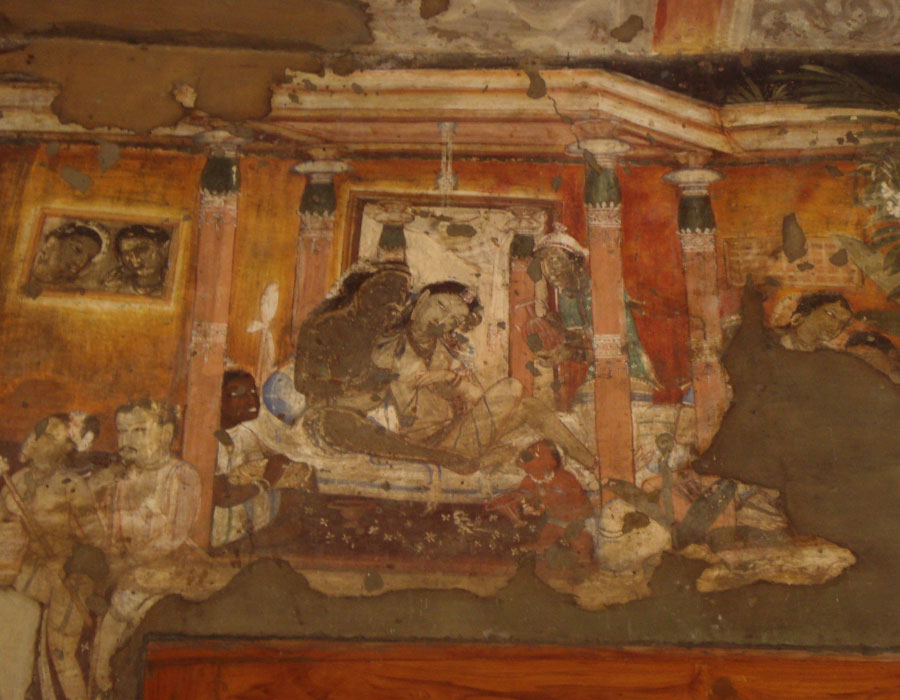
Sitting on the floor has been a long-standing tradition in India. Several historical texts refer to early forms of floor coverings. Texts such as the Arthashastra (around 300 BCE) mention royal floor treatments made from animal hair and plant fibres. It listed floor coverings under phalgu which was basically a category for items of lesser values, included in a more comprehensive list of commodities.. Kautilya also distinguished between different weaving techniques and woven products to categorize different types of floor coverings. This categorization included talicchaka (carpet), katavanaka (mat), and pravaraka (rug). During this period, floor coverings were in demand, helped in improving trade, and generated income. The Ajanta Caves and their murals further indicate the architectural richness of domestic interiors. These murals depict rooms furnished with cushions, trays, bookrests, carpets, curtains, musical instruments, and other objects, demonstrating the use of floor coverings in India well before the formal documentation of carpet history in the country.
An important distinction must be made between carpets and durries. Carpets are knotted textiles, whereas durries are woven without knotting. Many early references describe floor coverings made from natural fibres, which aligns more closely with woven traditions like durries.
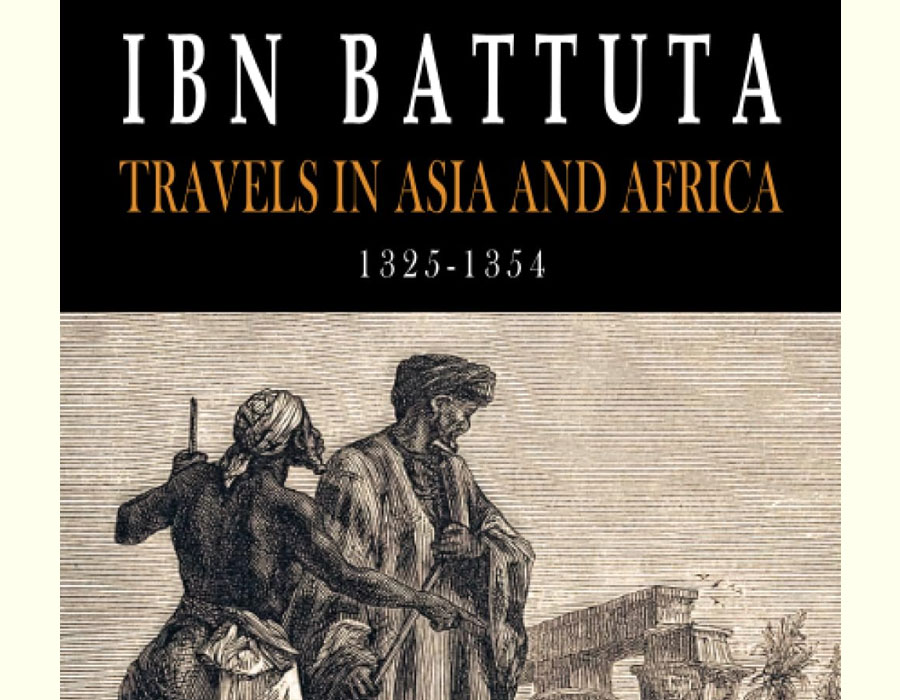
One of the earliest detailed accounts comes from Ibn Battuta, a traveller who journeyed extensively between 1325 and 1354. His writings provide valuable insights into various aspects of life, including clothing, food habits, social customs, and domestic spaces. Ibn Battuta mentions carpets in different parts of India and specifically notes their use in the Deccan city of Daulatabad in the early fourteenth century CE. His accounts are especially significant, as there are few other reliable sources describing Indian floor coverings prior to the fifteenth century. If floor coverings were present in royal courts during this period, it is reasonable to assume that simpler versions also existed in domestic households.
Another important reference comes from Vasco da Gama, who visited Calicut (present-day Kozhikode) in 1498 CE. Describing a merchant’s house, he wrote: “We were admitted to a court within it, where there was a verandah roofed with tiles. Many carpets had been spread, and there were two large candlesticks like those at the royal palace.” This account further confirms the widespread use of floor coverings in both elite and mercantile spaces during the late fifteenth century.
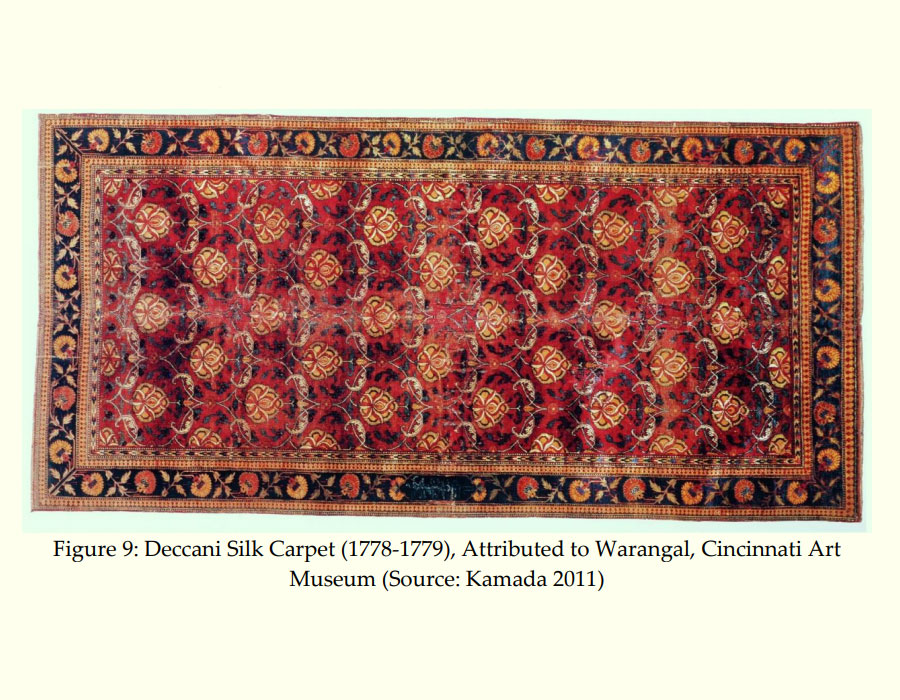
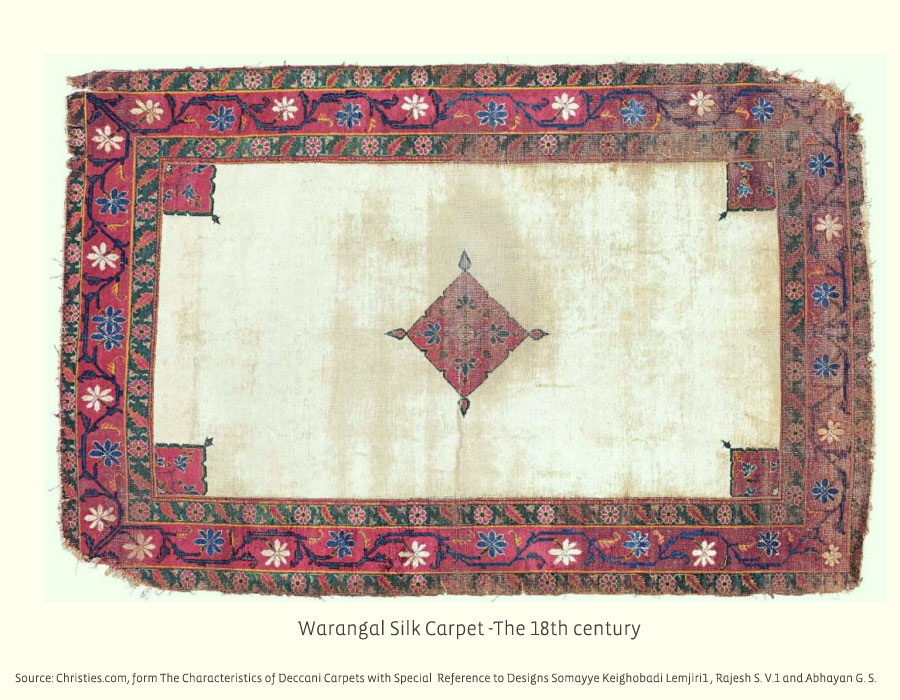
Many foreign travellers, including Portuguese, French, and British visitors, also recorded observations in their travel accounts that indicate the value and high status of carpet-making in South India. These texts provide extensive knowledge of South Indian carpet designs. While external influences are evident, the carpets continued to retain a strong regional essence.
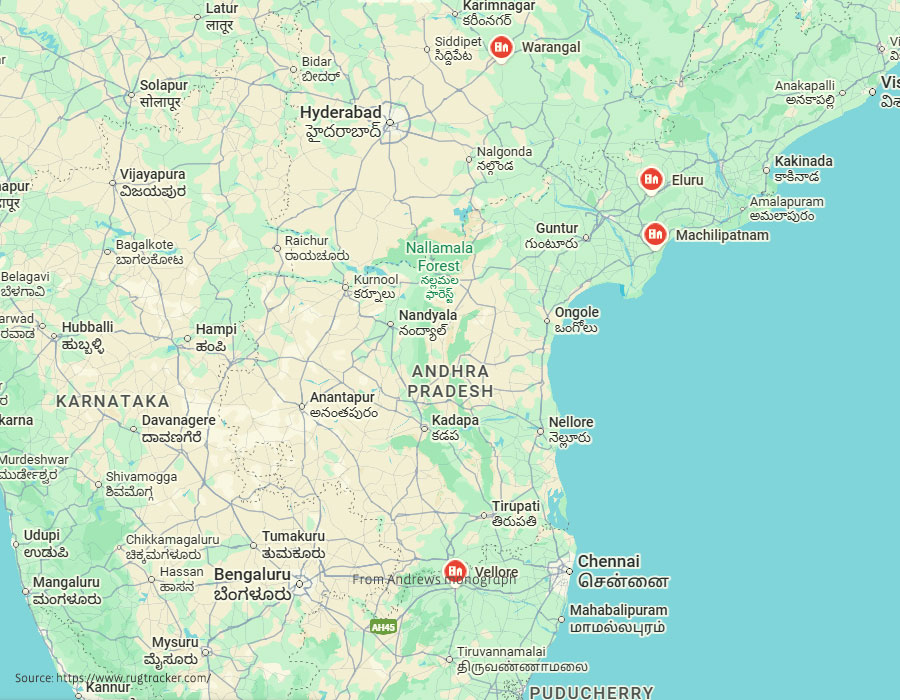
The designs were largely based on repetitive pattern systems. Such patterns were not limited to carpets alone but were also widely employed across various Indian arts, crafts, and architectural traditions. Centres such as Vellore, Warangal, Eluru, and Masulipatnam were particularly renowned for this kind of production.
These carpets may also have drawn inspiration from Mughal design traditions. The some lattice pattern, in particular, appears to have travelled south either through Mughal designers who settled in Deccani palaces and courts or through Mughal carpets that were exported to southern India.
Warangal stands out as one of the most significant clusters for dhurrie weaving. Earlier examples reflect a high level of mastery in silk carpet weaving, although today the practice is largely limited to cotton and jute. Formerly a part of the Nizam’s Golconda province until its capture by the Mughals in 1725, Warangal was a designated centre for carpet weaving and supplied carpets and prayer mats to Muslim royalty (Divakala, 2021).
The dhurrie craft flourished in Warangal due to the abundant availability of cotton and the presence of efficient spinning mills. Today, only a few craftsmen continue to keep the tradition alive, and the craft has gradually shifted from highly intricate artistic expressions to more functional and utilitarian designs.
Sanskrit provides valuable insights into early patterns and design concepts. In Sanskrit, the word dhara refers to a “continuous line or series” as well as a “margin, edge, or border.” The word dhari in both Assamese and Hindi means “line.” This linguistic connection suggests that dhurries, much like grass mats, may have originated with simple horizontal striped designs.
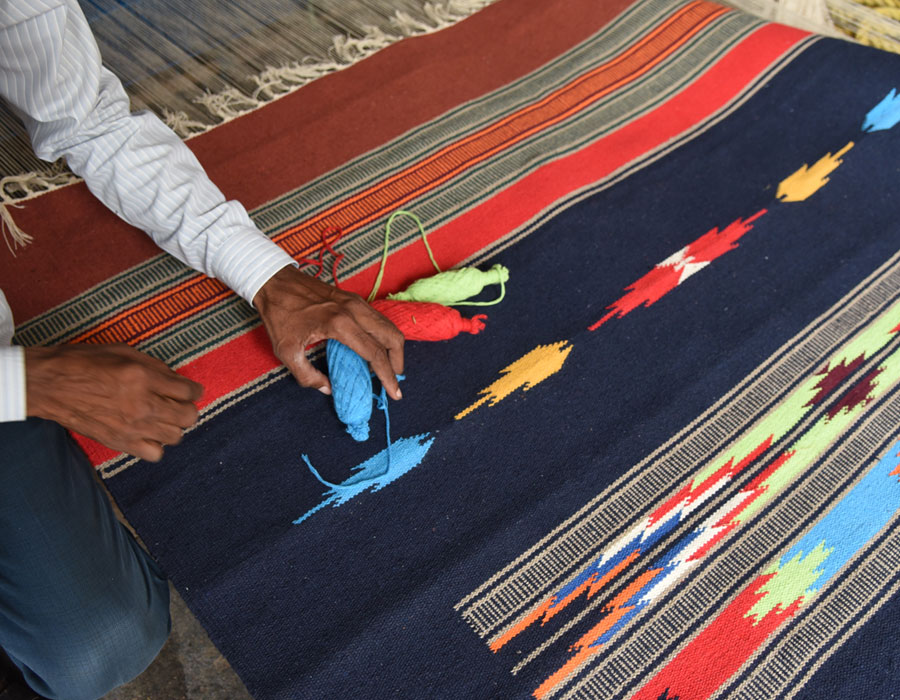
According to Pukka Indian: 100 Objects That Define India, dhurrie weavers do not follow a measured or drawn pattern while translating a design onto the loom. Instead, a conductor orally communicates the pattern to the weavers in a rhythmic manner, and the weavers interpret and translate it into woven form. Common patterns found on dhurries include horizontal stripes, geometric and angular motifs, flat weaves with extra-weft patterning, flora and fauna, and occasionally human figures in pictorial dhurries. In jainamaz, motifs such as the mihrab and saf are also commonly seen.
Warangal dhurries traditionally made extensive use of red and blue, often combined with neutral colours. Following the Great Exhibition of 1851, dhurrie weaving experienced a significant rise in popularity both in India and abroad. This period saw notable innovation in design patterns and colour palettes. A new palette emerged, characterised by the use of primary colours with clear separations, replacing the earlier Indian practice of blending tonal shades.
One of the major factors behind this shift, and the subsequent change in trade dynamics, was the realisation among European importers that India offered a more economical source of carpets compared to Persia or Turkey. This encouraged UK-based carpet manufacturers to establish outlets in India and commission Indian weavers to produce dhurrie designs specifically for the European market.
If Warangal dhurries are categorised in a simplified manner, they can be broadly divided into three types:
1. Plain Cotton Dhurries
These are colourful cotton dhurries woven using the extra-weft technique. Artisans explore a wide range of motifs such as Illam, Dil, Gadya, temple borders, Irak, star, and others. Variations in size, colour, and placement of motifs bring freshness to each design. This type of weaving requires a high level of skill, and the number of artisans practising this technique has been gradually declining.
2. Plain Dhurries with Print
In this category, artisans weave simple cotton dhurries in off-white or natural shades. After weaving, Kalamkari block prints, most often traditional motifs, are applied to the surface of the dhurrie.
3. Jute Dhurries
Jute dhurries offer a sense of sophistication in both colour and design. These are particularly appreciated in urban markets and among international buyers for their natural texture and contemporary aesthetic.
The above categories reflect the current scenario. Historically, as discussed in the earlier section, the work was far more intricate, and silk was also used in dhurrie weaving. The Padmashali community has sustained this craft for over a century and continues to preserve it today. Dhurrie weaving is the community’s hereditary occupation, with knowledge and skills passed down orally across generations. In recent times, weavers have adopted techniques such as ikat yarn patterning and Kalamkari printing in dhurries to reduce time and physical labour while adapting to changing market demands.
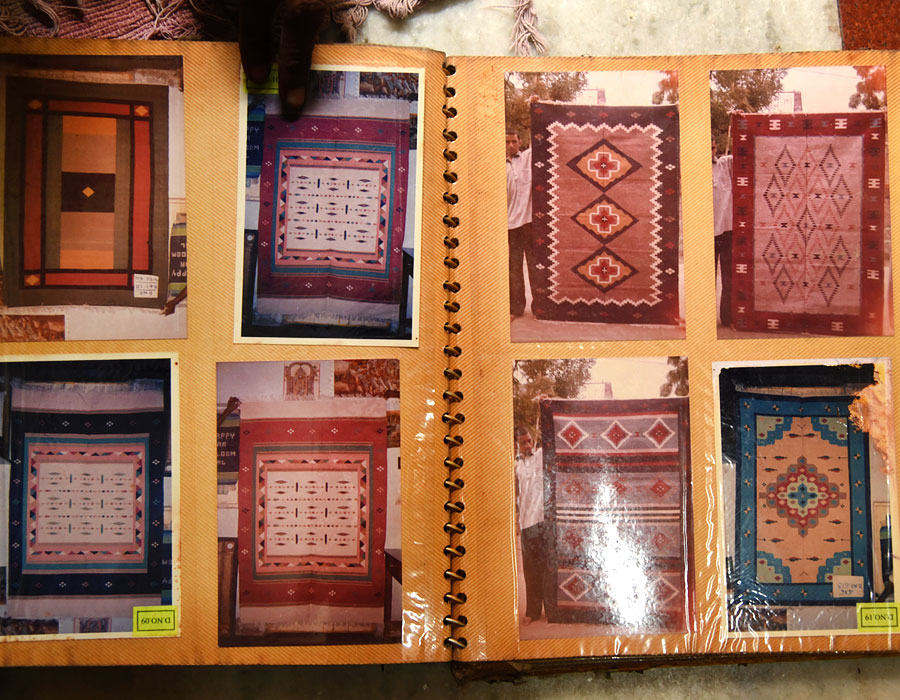
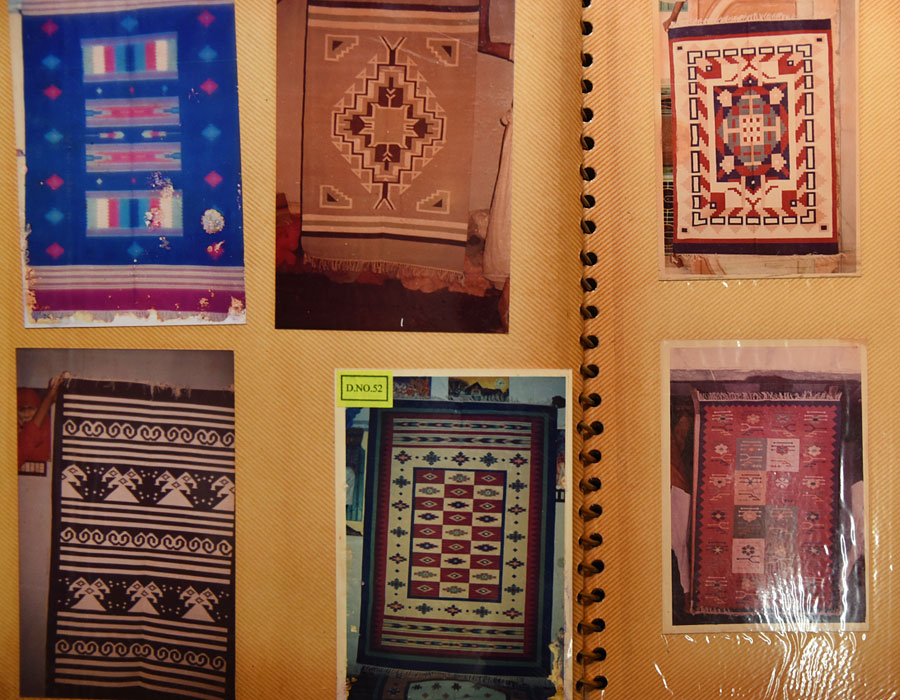

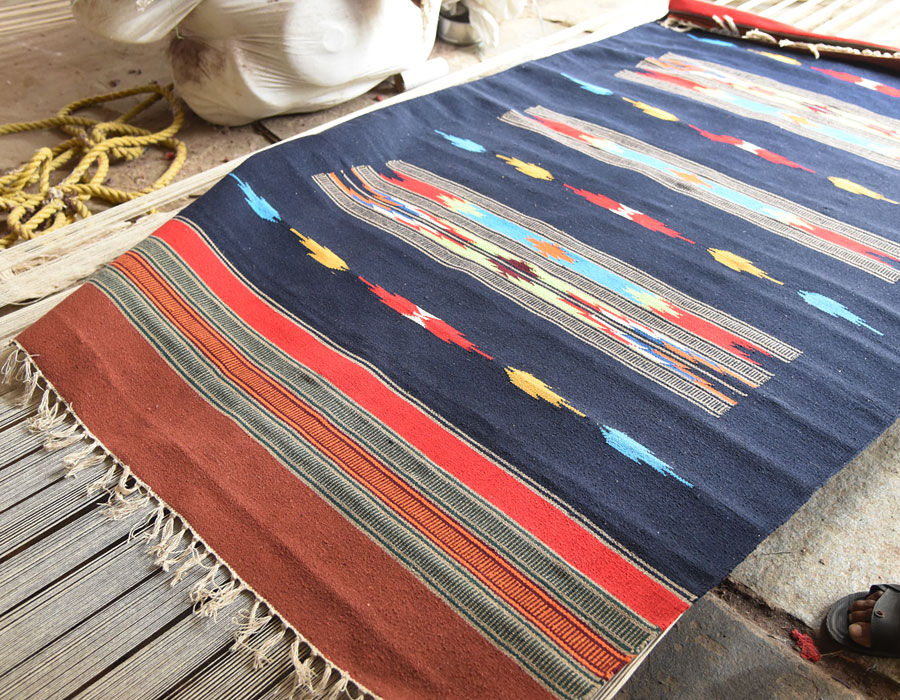
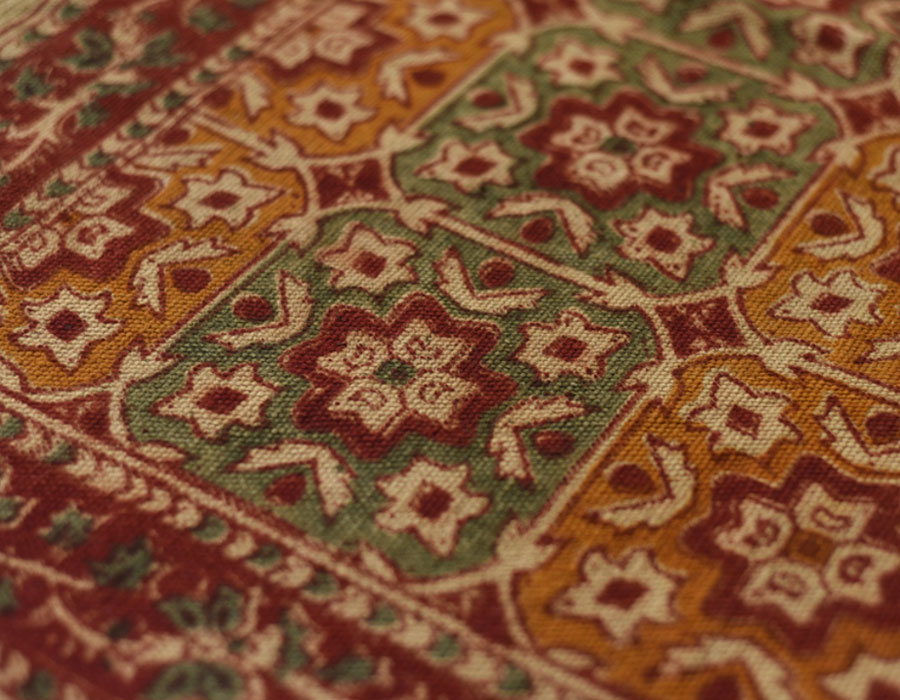
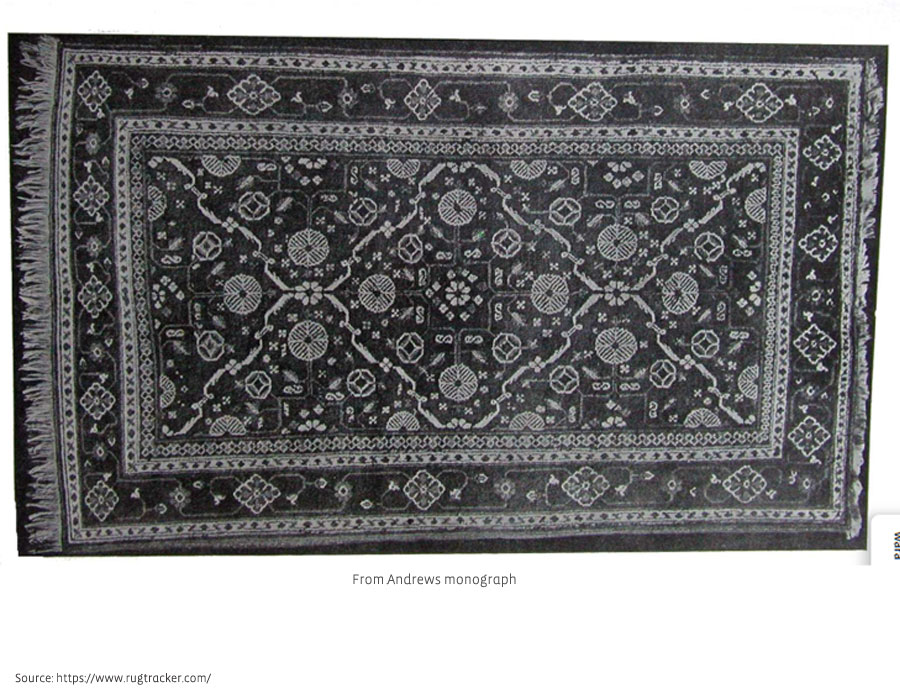
The durries and carpets of Warangal are truly a matter of pride for the region and the state. Historically, they were renowned across the world for their fine weaving, superior craftsmanship, and pleasing, harmonious colour combinations. These qualities gave Warangal carpets a distinctive identity and ensured their recognition in both domestic and international markets.
Earlier, Warangal carpets occupied a unique and respected position in the trade. Even in surviving historic pieces, one can clearly observe the exceptionally high quality of materials, precision in weaving, and richness of detail. Well into the recent centuries, Warangal carpets continued to make a significant impact on European markets and held a substantial share in exports until the early twentieth century.
Over time, however, Warangal carpets gradually lost their market stability and production scale. Carpets were increasingly replaced by durries, largely due to the high cost of carpet production and a declining demand in the market. While durries ensured the survival of weaving activity in the region, the shift also led to changes in design complexity and material quality.
Today, the presence of inexpensive, machine-made products has further diminished the charm of handcrafted dhurries. Many of the extensive and intricate design skills that once defined the Warangal cluster have nearly disappeared. Field observations also indicate that most master weavers are above the age of fifty, while younger generations show limited interest in taking up weaving as a profession.
Several studies highlight that weavers in the region face multiple challenges related to the procurement of raw materials, access to finance, health concerns, working conditions, and limited market opportunities. These factors collectively affect not only the sustainability of the craft but also the overall well-being of the weaving community.
Our study suggests that many of these challenges can be addressed relatively quickly. What is most urgently required is focused marketing support and thoughtful design intervention. By repositioning Warangal dhurries and carpets as refined and stylish home décor products, through improved design, presentation, and storytelling, the region has the potential to revive the legacy and charm that once defined Warangal’s textile heritage.
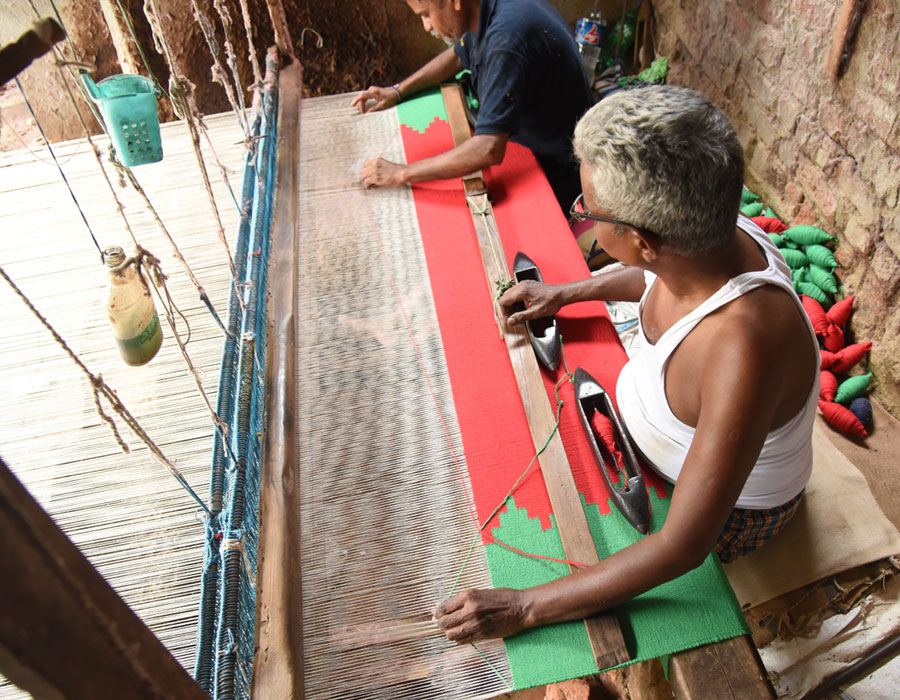
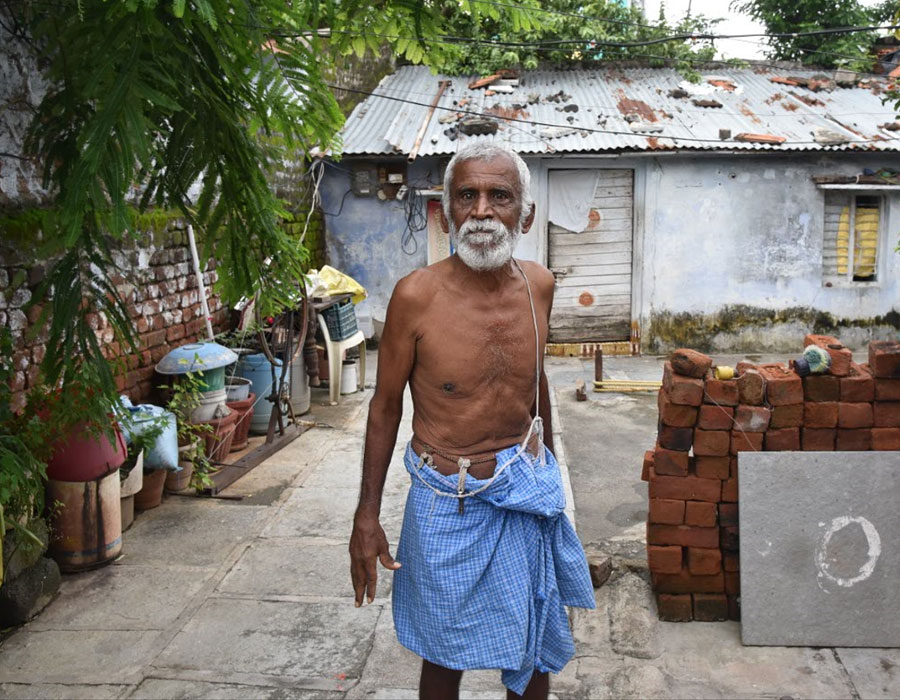
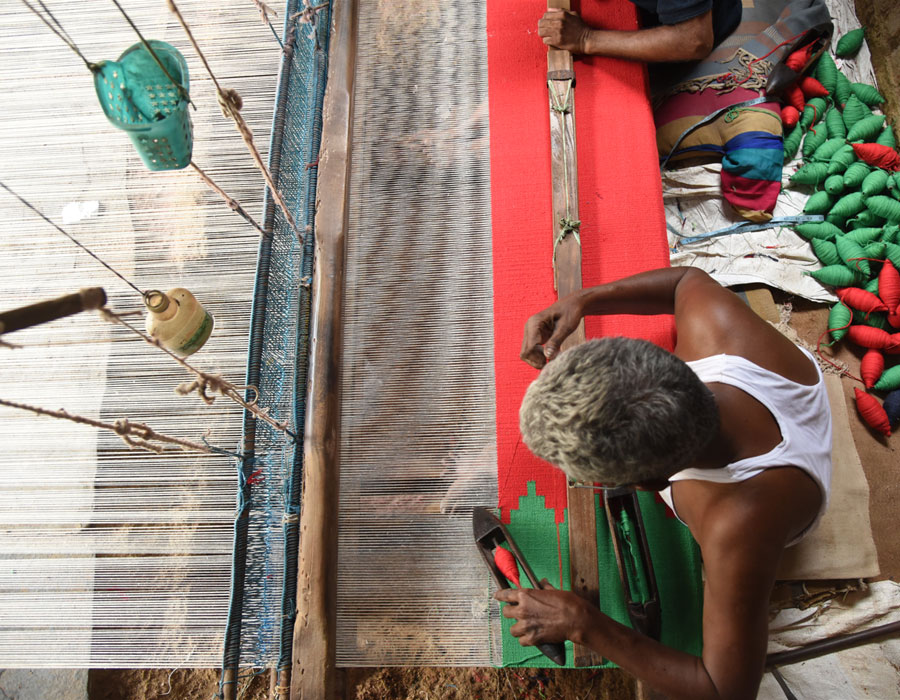
The process of dhurrie weaving can be broadly divided into two main categories. The first involves simple flat weaving, followed by printing on the woven surface. The second is the extra-weft technique, in which artisans lift specific warp yarns and pass the weft yarn across them. This technique allows the creation of intricate and well-defined geometric patterns on the surface of the dhurrie.
In both processes, the types of yarns used are largely the same. The variation lies primarily in the weaving method and the level of skill involved, rather than in the raw materials themselves.
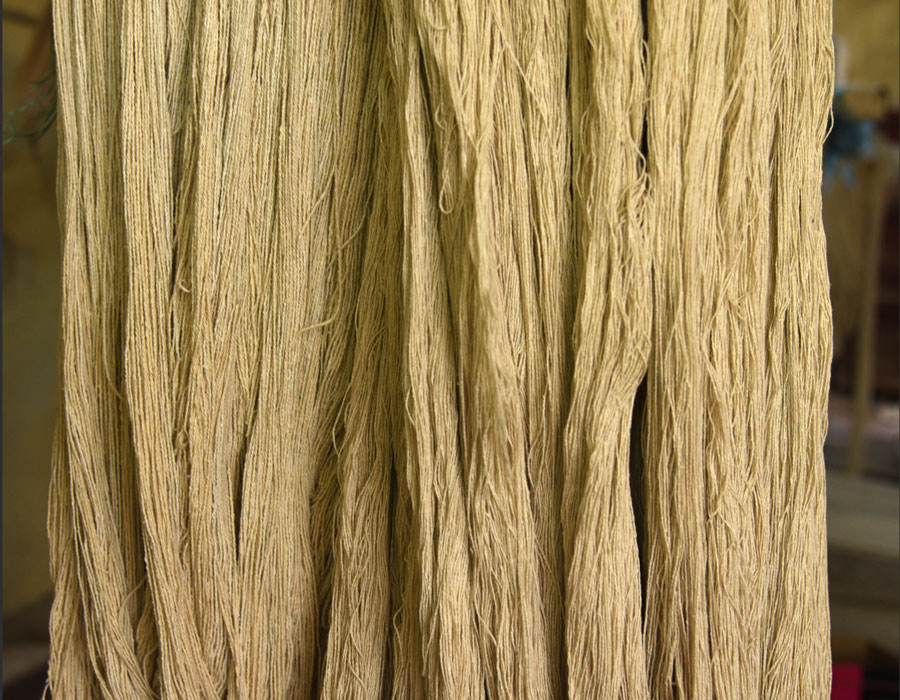
Warangal dhurries use natural raw materials such as cotton, wool, jute, and wool. The yarns are mostly coloured using chemical dyes, though some artisans also use natural dyes.
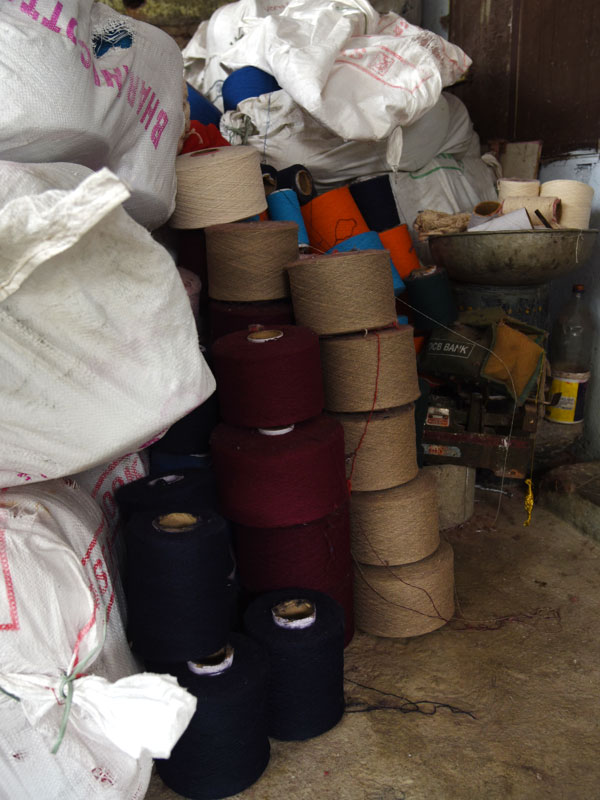
For cotton warps, the main yarn counts are 2/6, 3/6, and 6/6, which are purchased from Coimbatore.
For the weft, artisans use 4s and 3/6 count cotton or jute, which they procure from Coimbatore or Panipat.
They also mentioned that they have a small dyeing unit where azo-free dyeing is carried out. Otherwise, most of the yarn is sourced directly in pre-dyed form.
These yarn counts give an idea of the quality, strength, and thickness of the yarn. For example:
2/6 cotton yarn: Made of six individual plies (strands) of size-2 cotton yarn twisted together.
3/6 cotton yarn: Made of six plies of size-3 cotton yarn twisted together.
Higher ply and finer count generally indicate stronger and smoother yarn, which influences the quality, durability, and feel of the dhurrie.
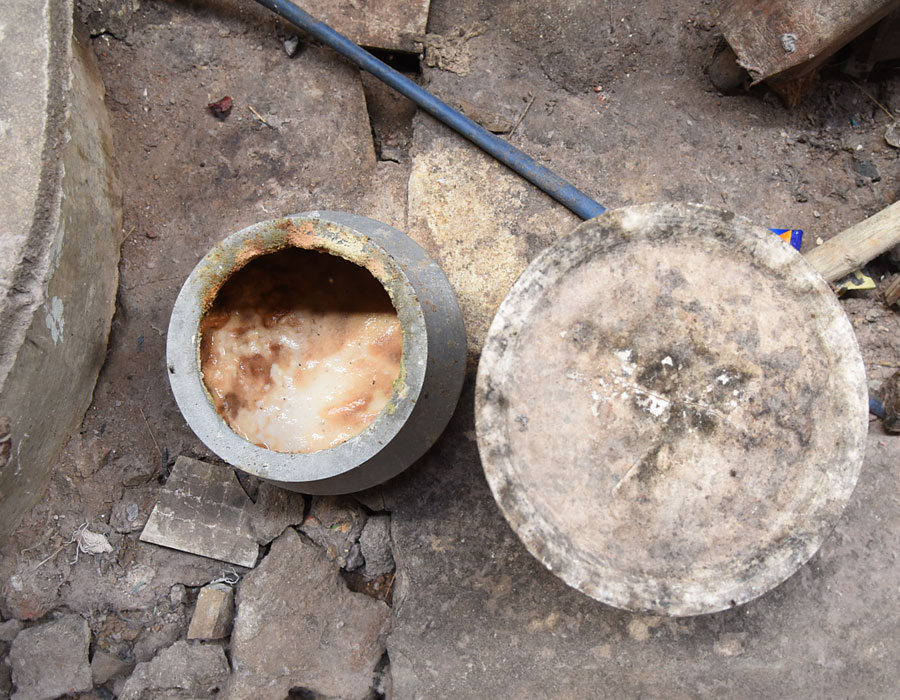
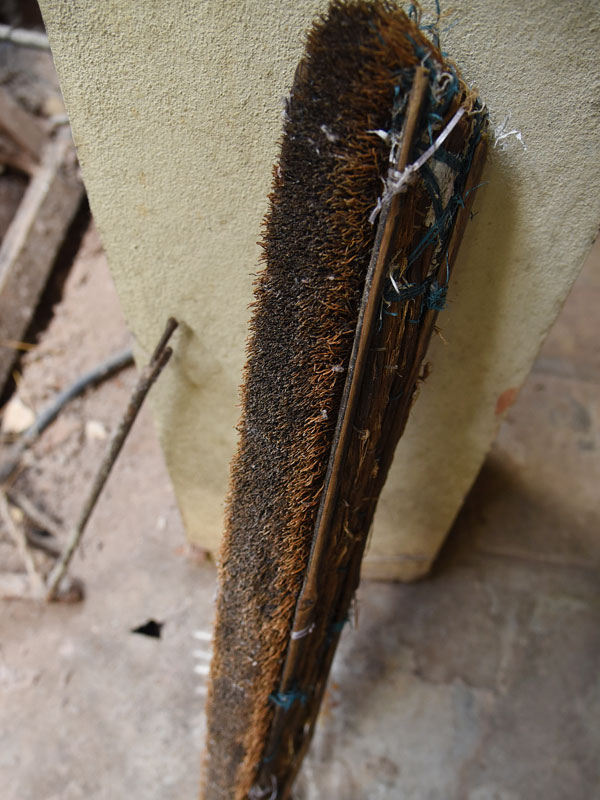
Rice water-a starchy liquid from soaking or boiling rice, acted as a natural sizing agent
The tools used in Warangal dhurrie weaving are simple and hand-operated. They are comparatively basic when compared to tools used in silk or jacquard weaving. The focus is on functionality and maintaining proper yarn tension rather than complex mechanisms. The main tools include:
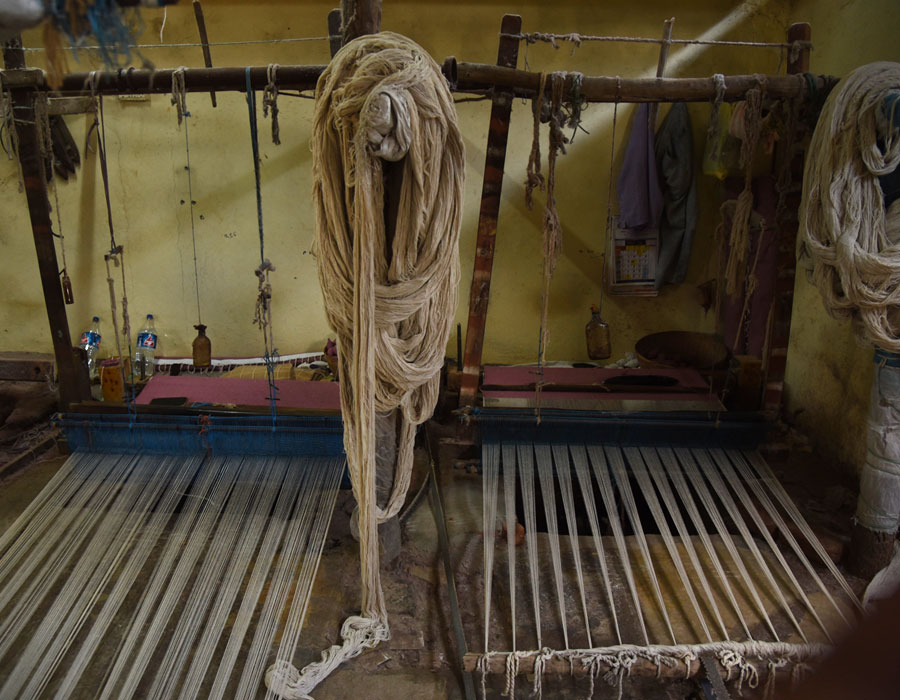
Pit Loom (Maggam): A wooden pit loom is used for weaving dhurries. Artisans use a 2-pedal loom for cotton weaving and a 6-pedal loom for jute weaving. The loom structure is simple, and the key quality they aim to achieve is consistent tension in the warp threads.
Reed (Ponay): Since the yarn used is thick, artisans commonly use a 10-dent reed, meaning there are 10 ends per inch.
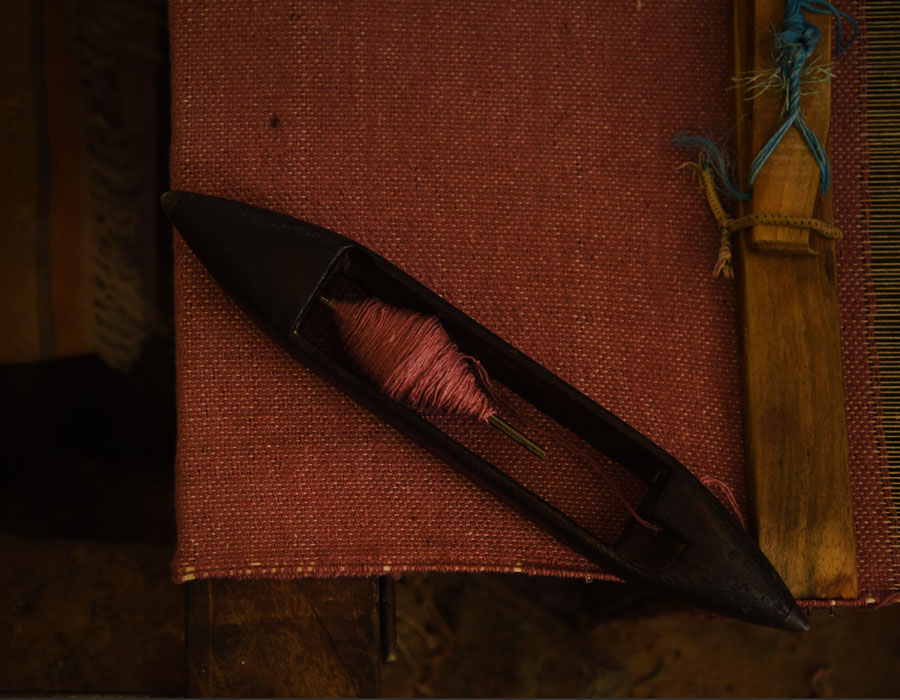
Shuttle (Nada): Used for passing the weft yarn through the warp during weaving.
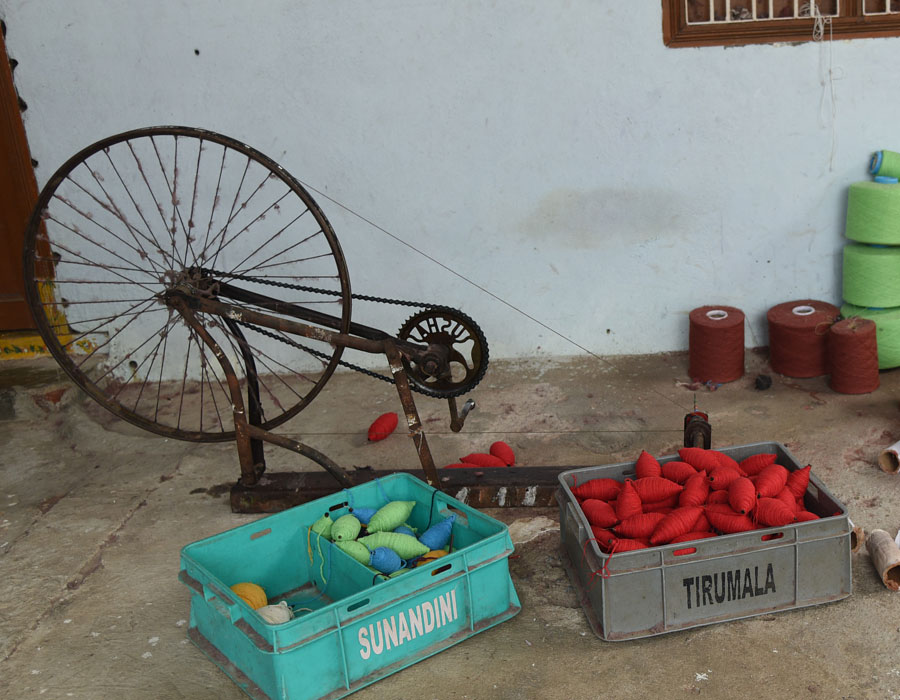
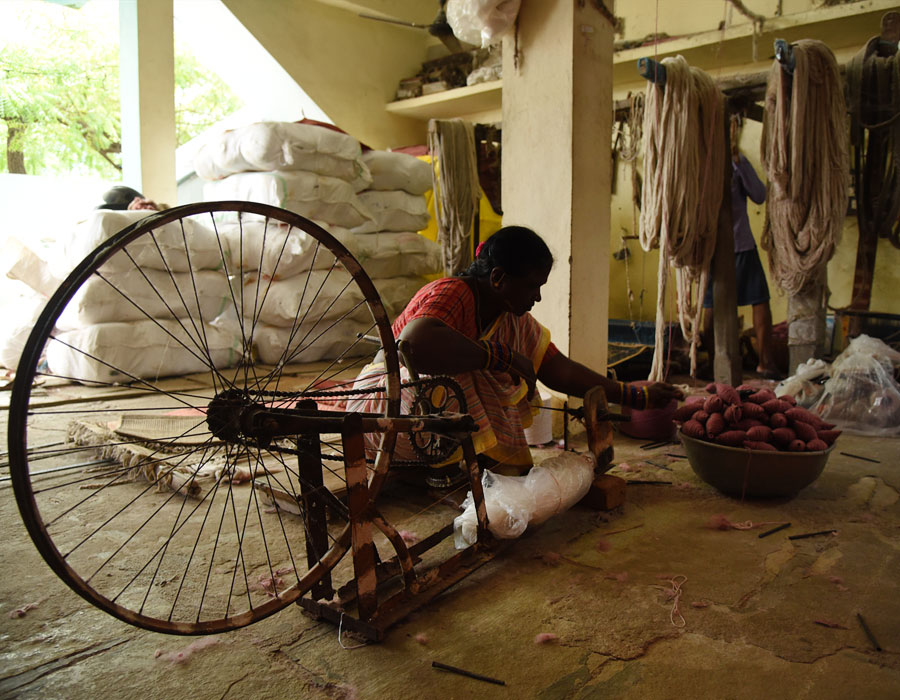
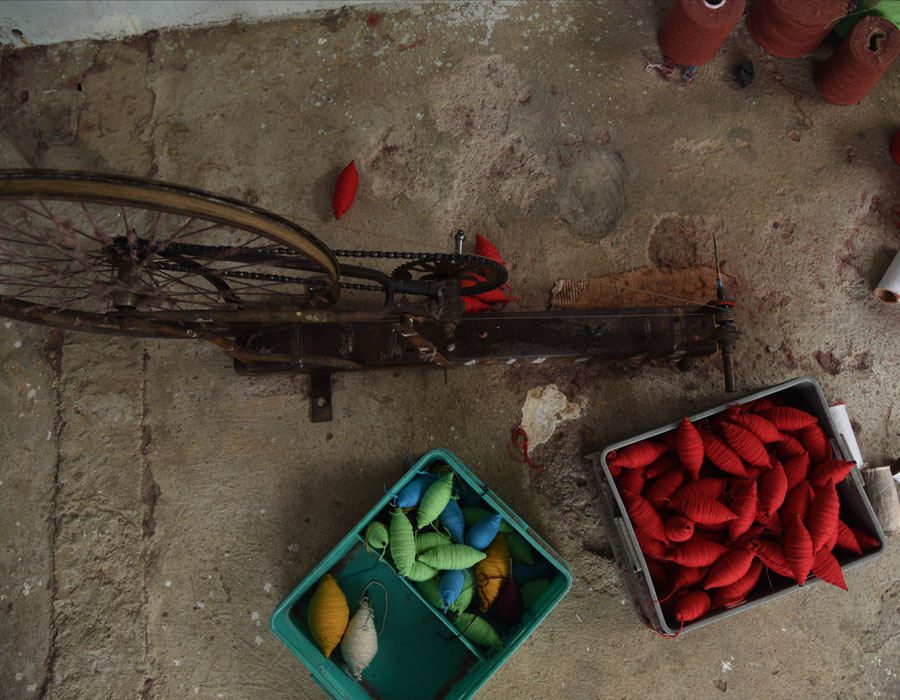
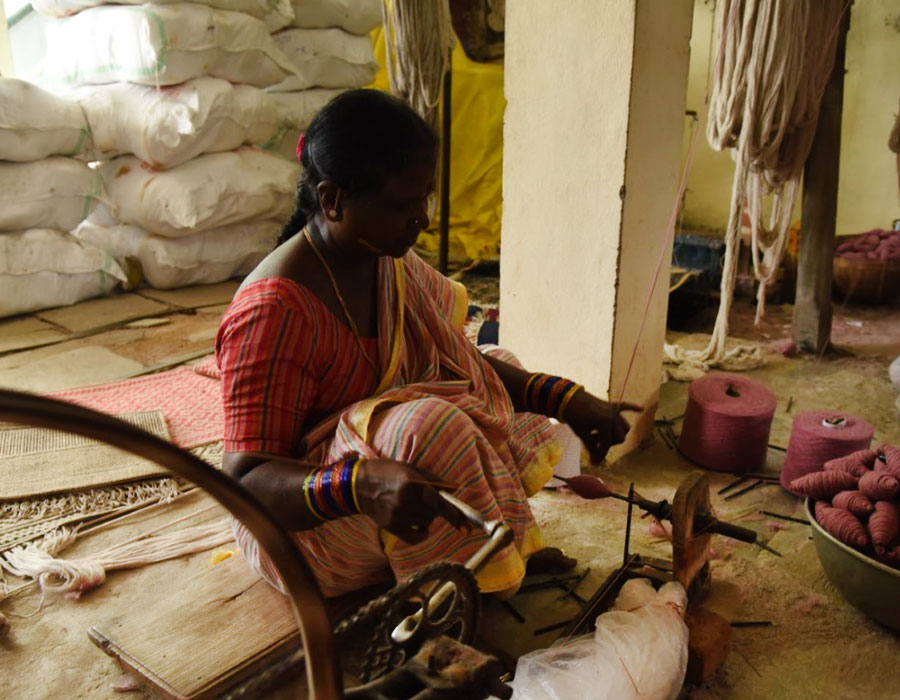
Charkha (Ratnam): Used for winding the weft yarn onto bobbins. Both traditional wooden charkhas and metal charkhas made from cycle rims are in use.
Traditional Brush: Used to apply rice water onto the yarn to strengthen it and improve weaving performance.
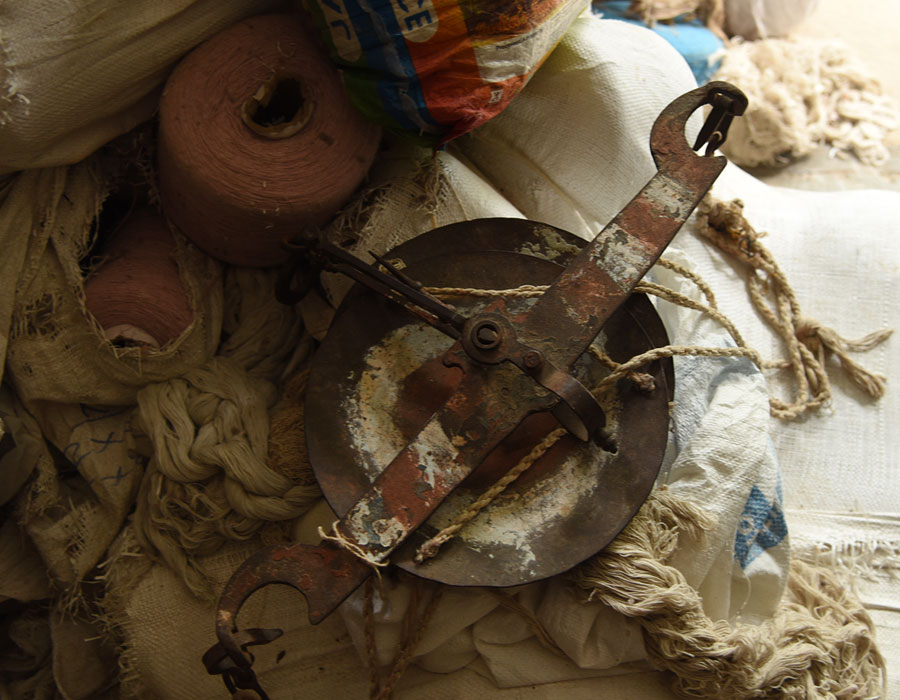
Thread Cutting Tools: Simple hand tools used for cutting yarn during the weaving process.
No Rituals
While the design patterns in Dhurrie weaving have changed over the years, its basic craft techniques remained largely the same. The dhurries were mainly woven on horizontal looms. In the Deccan and peninsular India, the rich alluvial soil ensured an abundant supply of cotton, which was then used to weave fine dhurries. Late 19th century colonial records document that some of the finest cotton dhurries of “very fine texture” were woven in Rangpur in the Bengal Presidency as well as in Warangal and Hyderabad in the Madras Presidency (Ahuja, 1999).
Warangal dhurrie weaving primarily involves two main stages: yarn dyeing and weaving.
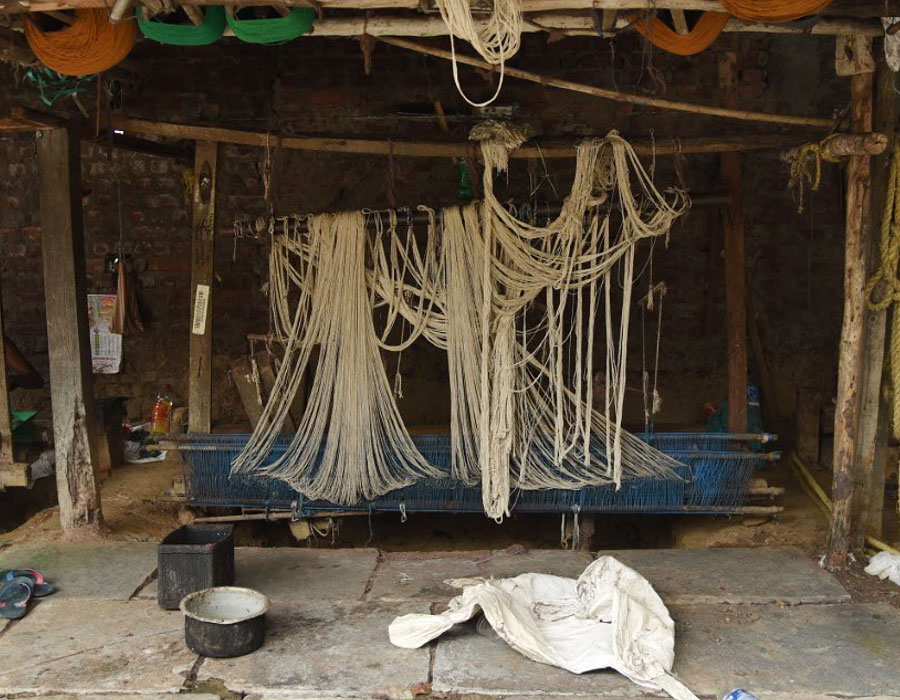
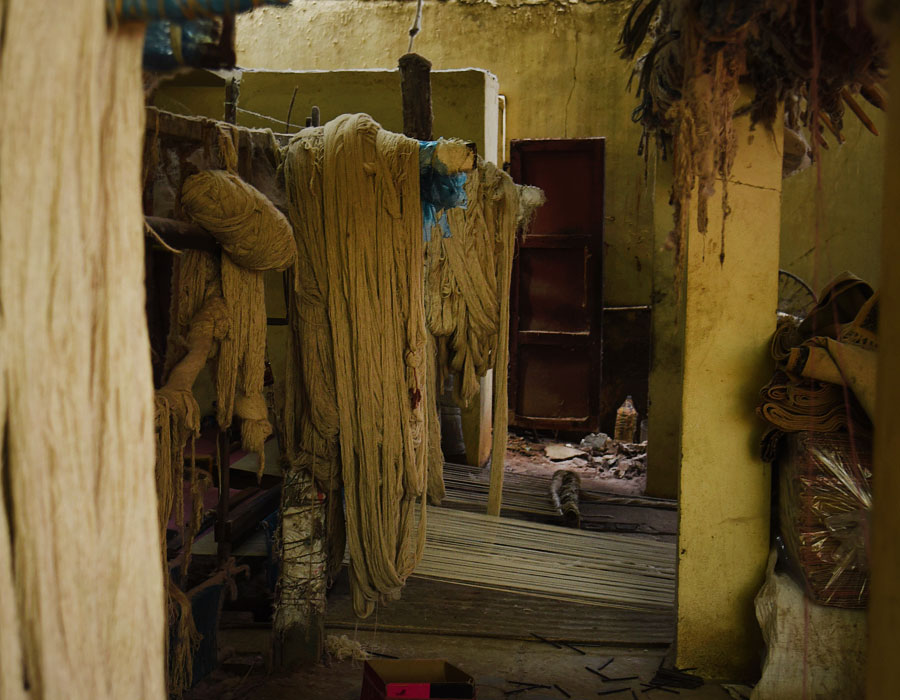
The process begins with soaking the yarn in boiling water mixed with azo-free dyes. Once dyed, the yarn is dried under the sun. After drying, the fibres are arranged on a charkha to untangle them and align them parallel to each other. The yarn is then wound onto bobbins using the charkha, a process known as winding. This step helps in cleaning the yarn and removing imperfect fibres, ensuring smoother weaving.
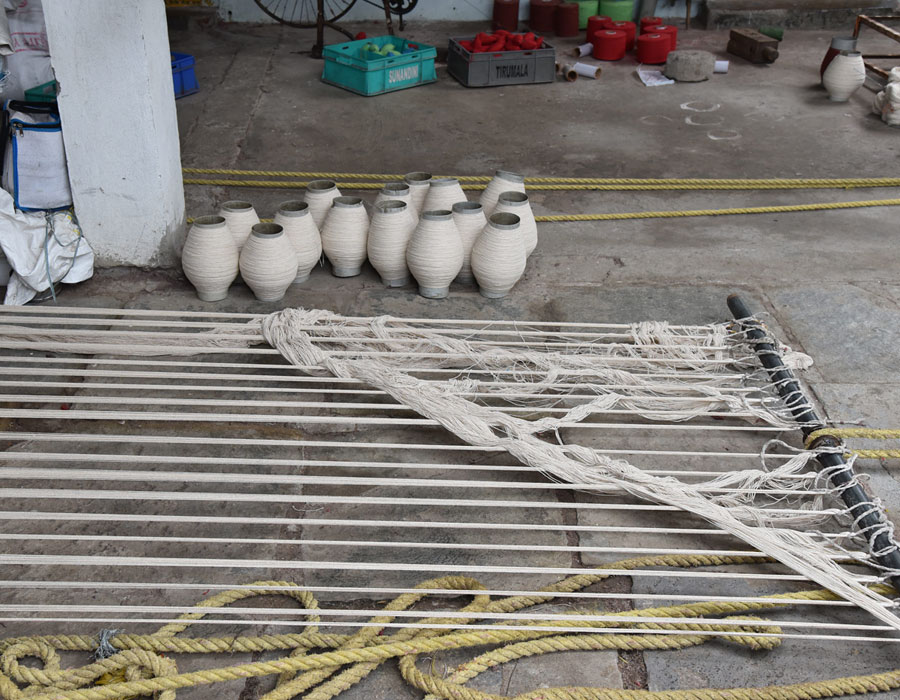
The next stage involves warp setting and denting. This process is carried out on a drum-type wooden frame, where the warp threads are measured, arranged, and bound onto the frame. Once prepared, the warp is carefully transferred to the loom for weaving.
Winding, The dyed hank intended for the weft is first unwound and stretched over a circular bamboo frame. It is then wound onto a small wooden rod known as the kande (pirn rod) using a charkha.
Traditionally, pit looms are used for weaving Warangal dhurries. A pit loom is a pedal-operated loom in which the artisan sits with their feet placed inside a pit below ground level to operate the pedals, while weaving the dhurrie above ground. In this method, the shuttle is passed by hand, allowing greater control over the weft. This technique is commonly used for extra-weft-based designs, where artisans manually manipulate the threads to create intricate colour patterns and motifs.
In contrast, frame looms use a pulling mechanism to move the shuttle. These looms are equipped with treadles, which increase weaving speed and are mainly used for plain dhurries or simple border designs. In such weaving, artisans usually use a panja (beater) to pack the weft tightly; however, in Warangal, artisans often rely on the loom frame itself to maintain tension and compactness, and the panja tool is generally not used. Typically, artisans set up 2–4 dhurrie warps at a time on the loom. After the weaving is completed, the dhurries are cut from the loom. The loose ends are then finished by knotting, which is done by another skilled artisan.
To introduce innovation and diversify their products, artisans are also experimenting with Kalamkari printing on dhurries. For this process, the woven dhurries are sent to Machilipatnam, where traditional Kalamkari printing is carried out, combining weaving and surface design techniques.


Sustainable Practice
The name of the city is derived from the Telugu word Orugallu- Oru' meaning one and the word 'gallu' meaning stone. The term Orugallu signifies that the entire city of Warangal was created on one stone or hillock. The city mainly comprises hills and natural rock formations. It was also known with the names of Tolini Koranakula, Akshalinagaram, and Vorakalli. An ancient literary text, Aravabinakosam written by Raghunatha Bhaskar, calls the city as Ekasila Nagaram.
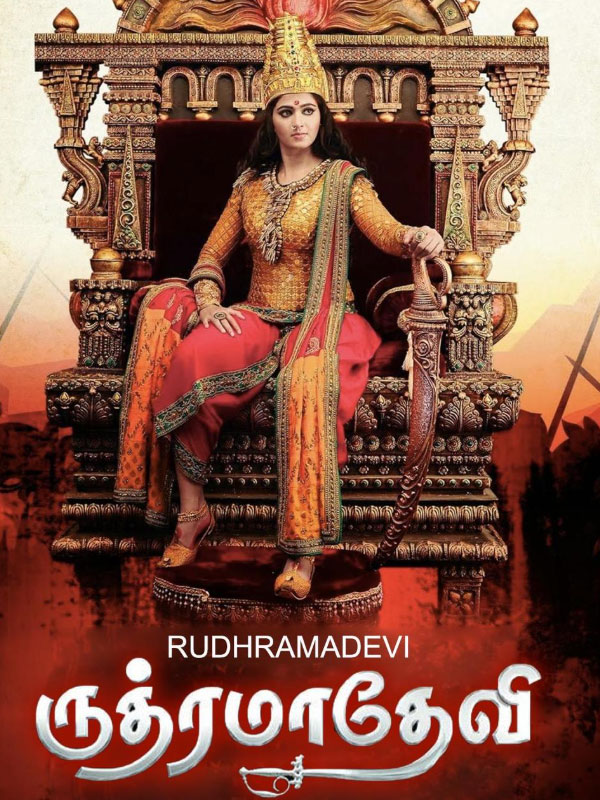
Warangal was once the ancient capital of the Kakatiya dynasty of the Andhra region which flourished in the 12th century. Many rulers including Beta Raja, Rudra Deva, and Rani Rurdrama Devi came to the throne during different periods of time and left an unforgettable legacy. In the seventeenth century, Warangal was under the rule of the Bahmani Kingdom when it was annexed by the Mughals. In the eighteenth century, it became part of the Hyderabad state under the British until 1948 when it eventually became part of independent India. In 1956, the Warangal district became a part of Andhra Pradesh under the State Reorganisation Act as it was a Telugu speaking region. After separate Telangana agitation, the Telangana State was formed on 2nd June, 2014 and Warangal became part of Telangana State.
Located approximately 150 kilometers away from the city of Hyderabad, Warangal is considered one of the best heritage cities of India. The city was one of the 12 heritage cities in the HRIDAY scheme. It is the second largest city of Telangana, encompassing an area of around 1,766 sq kilometres. The city of Warangal is the district headquarters in Telangana state and lies on the eastern side of the Deccan Plateau. It lies at the latitude 17.9693° N and longitude 79.5926° E, 900 ft above the main sea level. Three main mountain ranges characterise Warangal. On the southeastern side, the mountains range from Parakala to Aswaaraopeta in Khammam District. Another mountain range extends upto Adilabad, Further, Chandragiri hills and Metal hills in Hasanparthi are popular mountain ranges (History of Warangal Municipal Corporation, n.d.). Rivers like Godavari, Akeru, Muneru, and Paleru flow through Warangal.
The city has an extensive network of roads and railways. Buses and taxis travel frequently between Hyderabad and Warangal, covering a journey of about 3 hours. Nearest Railway Station-Warangal railway station; Connected to all major cities of India like Mumbai and Delhi
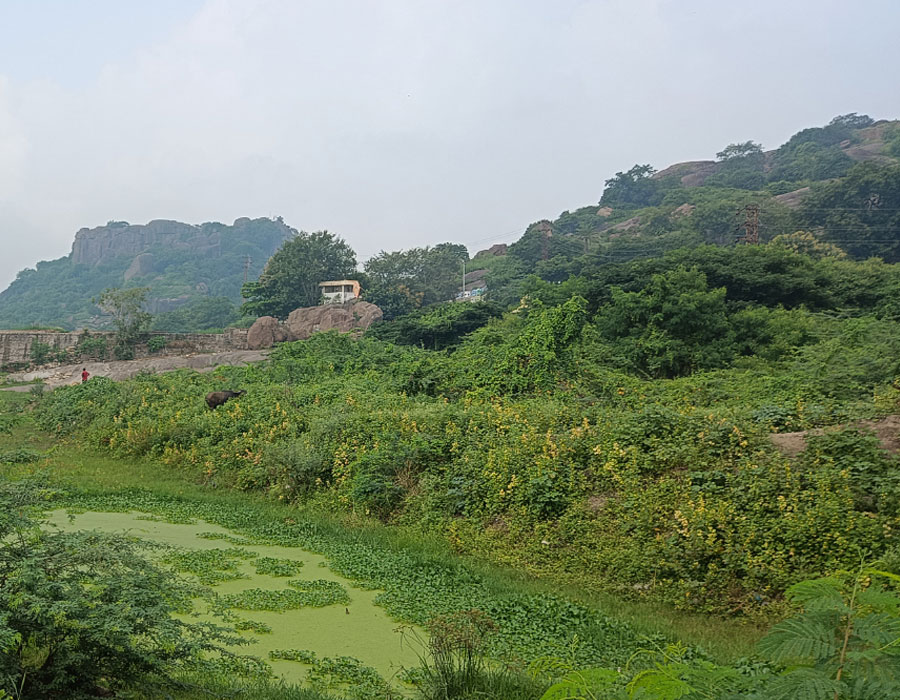
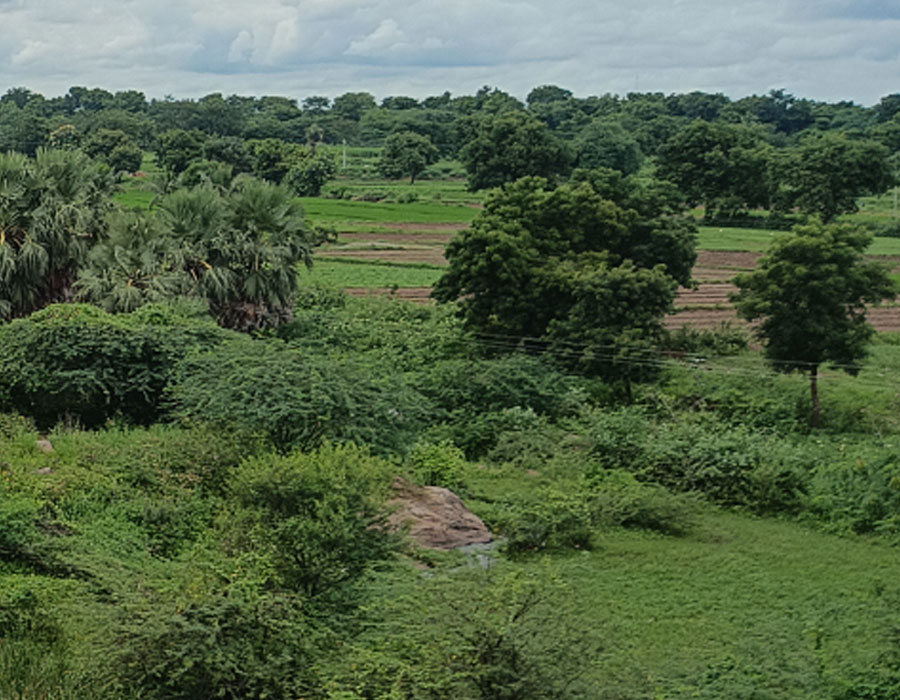
Warangal receives rainfall only during the southwest monsoon and maintains a dry and hot weather for the rest of the year. The monsoons come from June to September while the winters occur between December and February. The best time to visit Warangal is between October and March.
Warangal, the district headquarters, is a city with strong civic infrastructure and growing urban amenities. It is home to reputed educational institutions, most notably NIT Warangal, one of India’s leading technical institutes. The city also provides dependable healthcare, banking facilities, and comfortable accommodation options.
Today, Warangal is undergoing a rapid transformation. Rooted in its historic Kakatiya legacy, the city is being shaped into a Smart City through planned infrastructure upgrades, including Outer Ring Roads, improved drainage, expanded green corridors such as the Pagra Riverside project, and improved regional connectivity. Backed by sustained government investment, Warangal is positioning itself as an emerging urban hub with development patterns similar to Hyderabad.
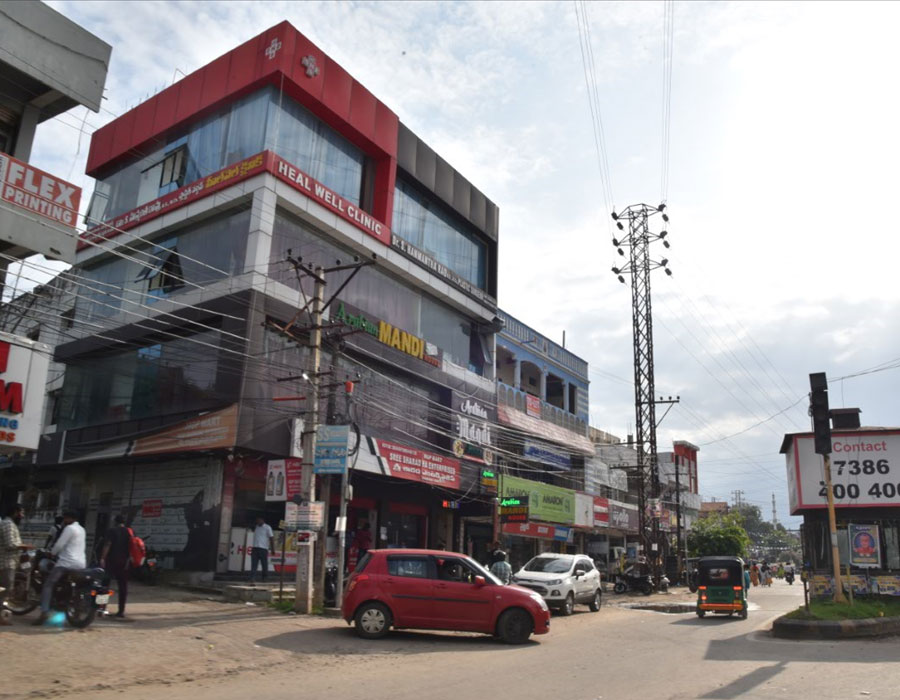
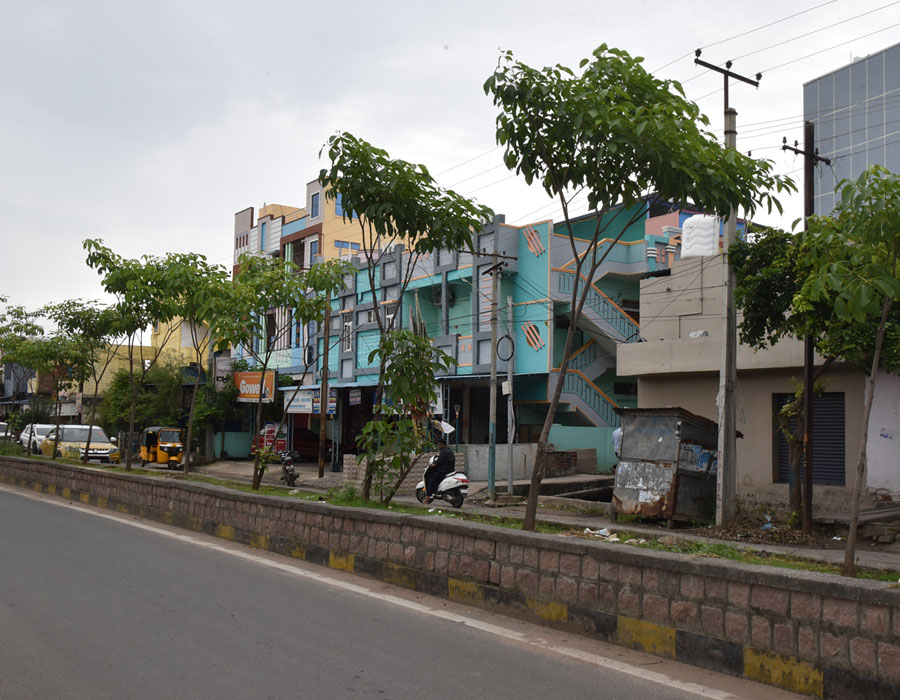
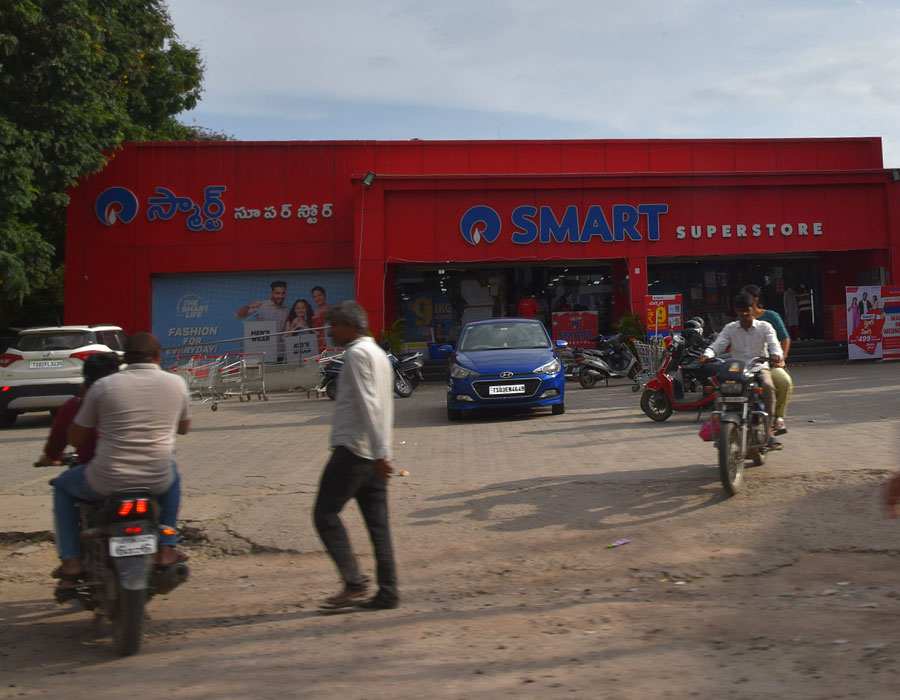
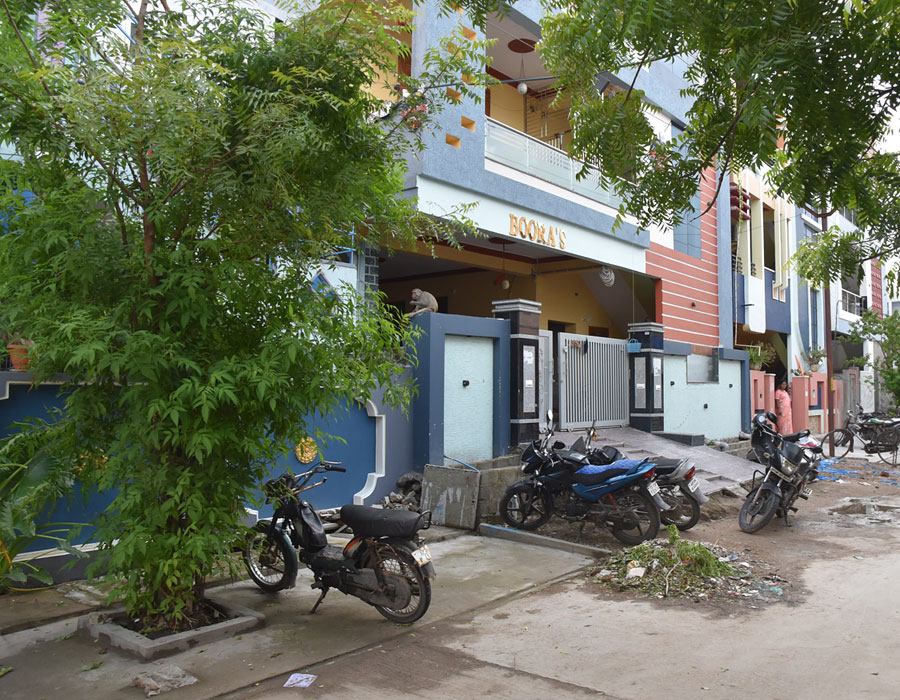
Today, the city’s architecture is largely modern in character. Most residential buildings are constructed using brick and concrete, and at first glance, they do not display many distinctive architectural features. Commercial and market buildings also resemble those found in many other Indian cities. However, in some older neighbourhoods, one can still find houses with traditional sloping roofs covered in clay tiles, which offer a glimpse into the city’s earlier built traditions. One striking feature that remains prominent is the use of colour. Many houses are painted in vibrant hues, lending the city a lively character and reflecting the local cultural sensibility.
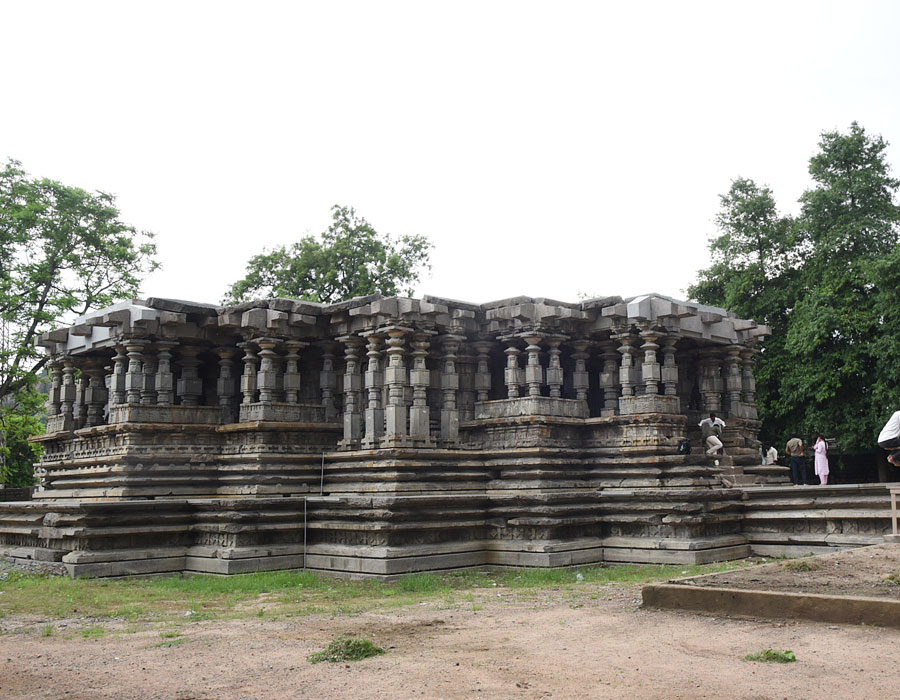
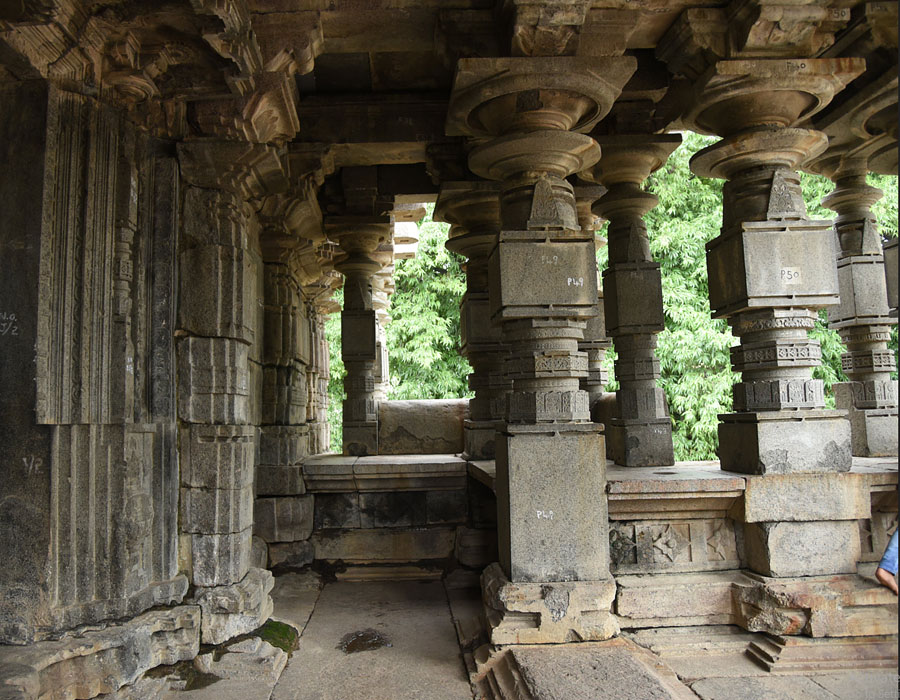
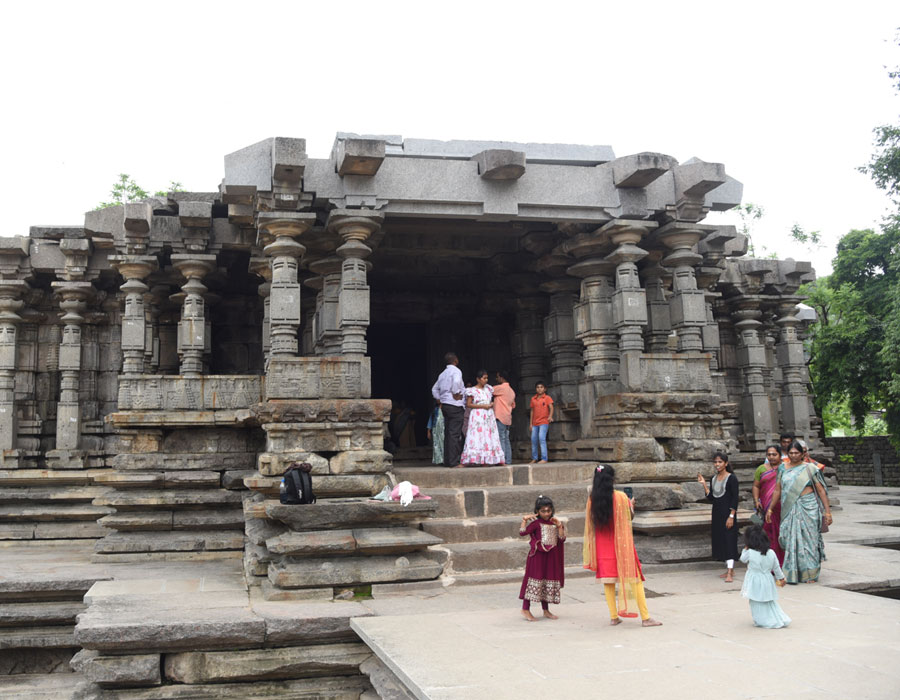
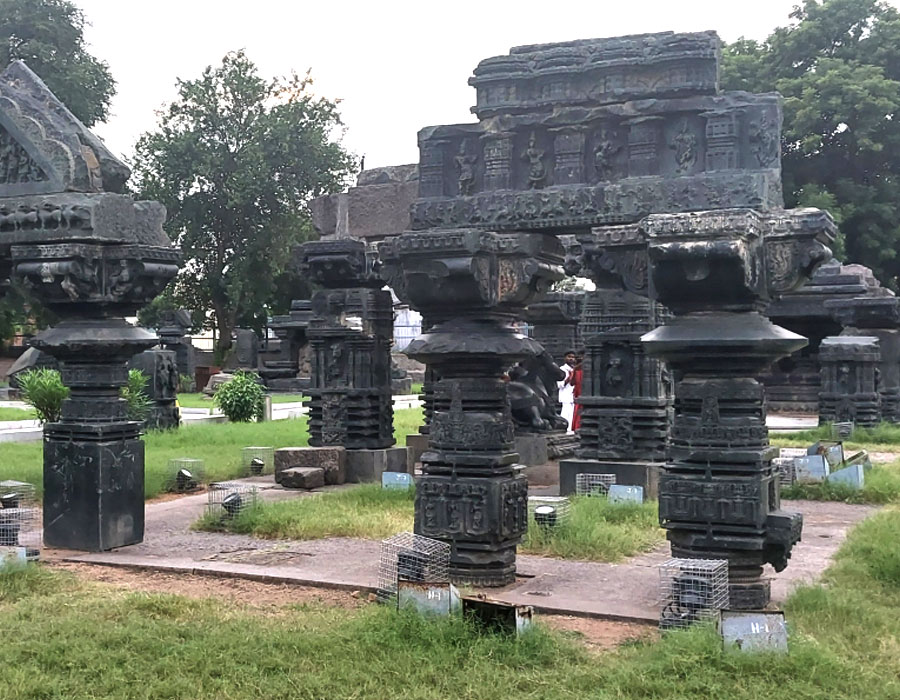
To truly understand Warangal’s architectural heritage, one must visit the Thousand Pillar Temple. This remarkable monument stands as a unique example of refined ancient architecture and aesthetic mastery. The construction of each pillar inspires awe, especially when one considers the precision of carving and finishing achieved without the aid of modern machinery. At times, the craftsmanship appears almost impossible by contemporary standards.
Other significant architectural landmarks include the Warangal Fort and the Sri Bhadrakali Devasthanam, both of which further illustrate the region’s rich architectural legacy. Together, these monuments offer valuable insights into the historical depth, technical skill, and artistic vision that once defined the built environment of Warangal.
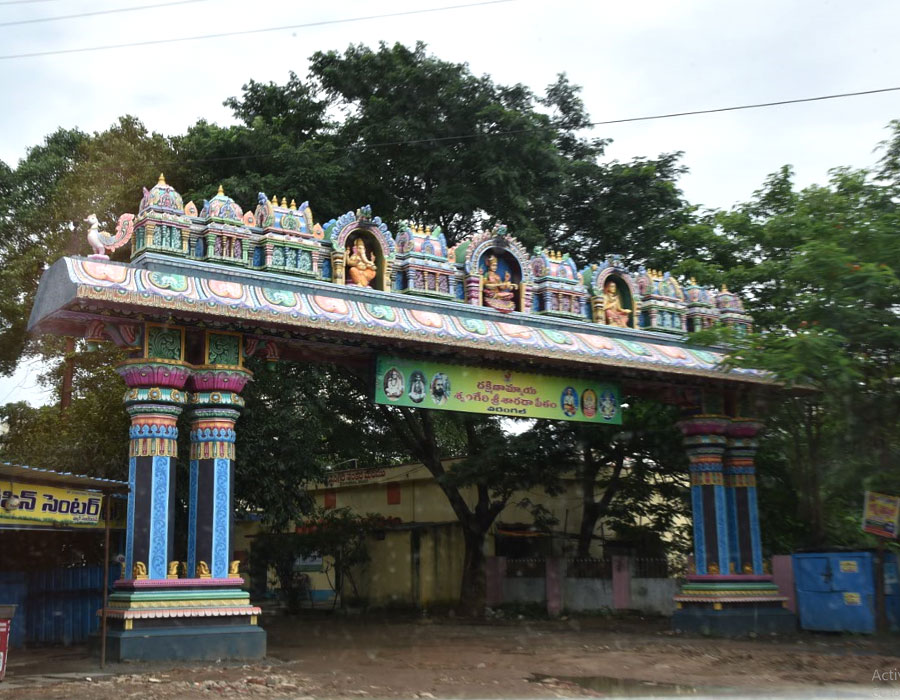
When one visits Warangal, the culture of the city appears similar to that of other cities in Telangana and Andhra Pradesh. Owing to its close proximity to Hyderabad, Warangal also reflects certain urban influences from the capital. The city presents a peaceful coexistence of Hindu and Muslim communities, with a social fabric shaped by mutual respect and shared traditions.
A wide range of festivals from both religions are celebrated across the city, including Holi, Diwali, Dussehra, Raksha Bandhan, Ram Navami, Vinayak Chavithi, Sankranthi, and Ugadi, as well as Ramadan, Eid-ul-Fitr, Eid-al-Adha, Milad-un-Nabi, and Moharram. In addition, region-specific festivals such as Bonalu, Bathukamma, the Kakatiya Festival, Shakambari Festival, and Sammakka-Sarakka Jatra hold special significance and attract people from across the region.
Most residents speak Telugu, hindi and Urdu, with many also having working knowledge of Hindi and English. The city has a literacy rate of 84.16 percent, indicating a largely educated population.
A deeper exploration of Warangal, particularly through its historic monuments, reveals the city’s rich and layered past. Warangal is a heritage city and is included in the list of World Heritage sites by UNESCO. Numerous films and historical narratives recount the stories of its royal lineage and brave rulers. These monuments also reflect a distinctive aesthetic sensibility, allowing one to imagine the grandeur of the city as it once was. Although the visual landscape has evolved over time, the people continue to carry a strong sense of pride in their heritage and actively celebrate it.
The overall cultural vibe of the city is simple and grounded, and the people are generally warm and welcoming. Traditional attire in Warangal shows strong influences from Andhra Pradesh. Many women prefer to wear simple sarees, often paired with a single choti (braided hair), while men commonly wear a lungi with a shirt or trousers in muted colours. As with many towns today, younger generations show increasing influence from urban styles of dressing.
Warangal has a predominantly agrarian social structure. Agriculture, small-scale industries, and the service sector are the major contributors to the local economy. A large portion of the population depends on agriculture and service-related occupations for their livelihood. The primary crops grown in the region include paddy, maize, cotton, chillies, groundnut, and pulses. In addition to agriculture, trade, textiles, food processing, and transportation play important roles in sustaining the local economy.
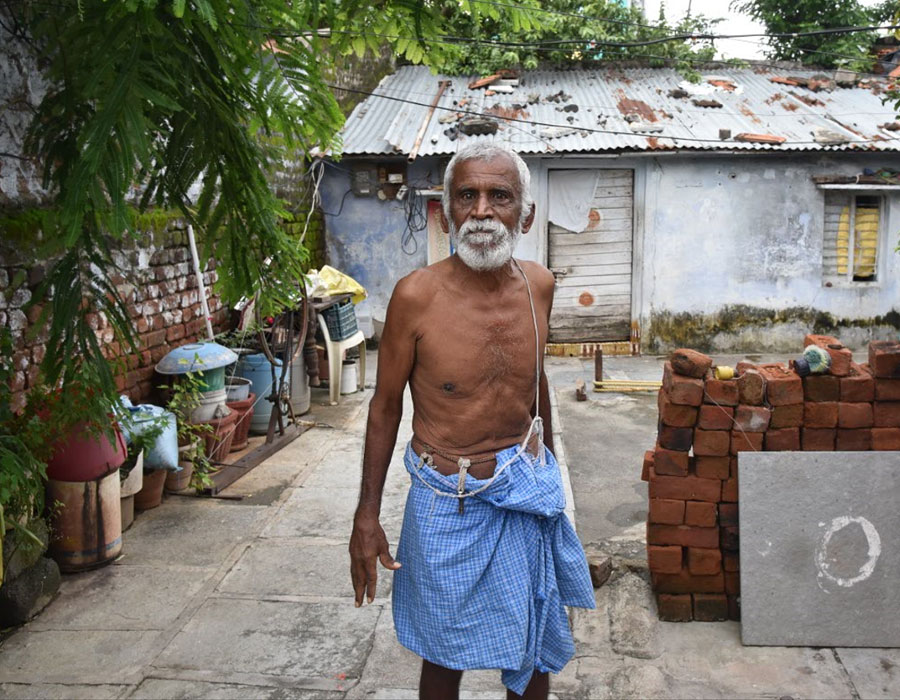
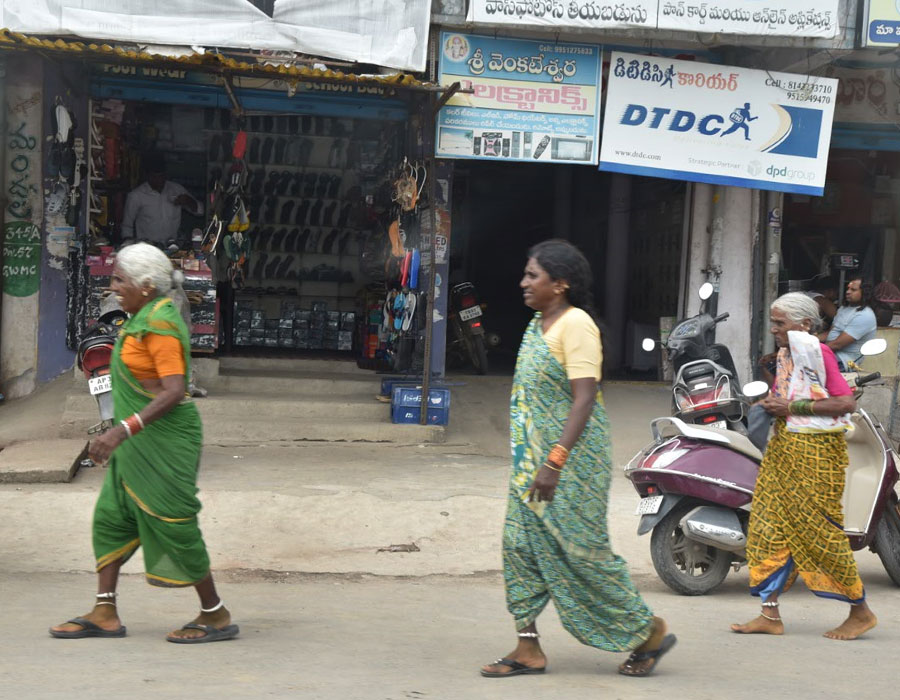
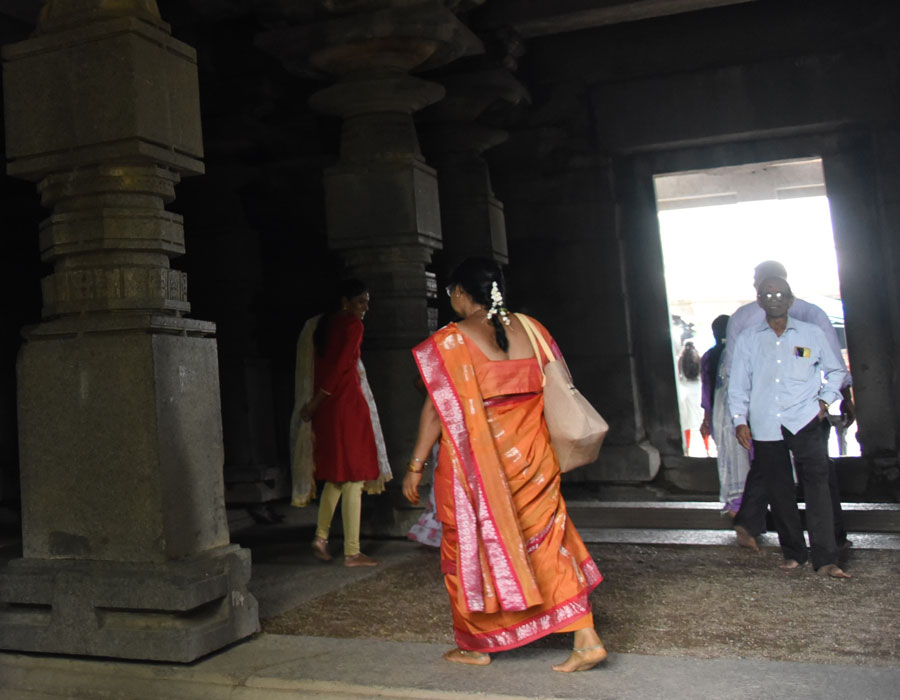
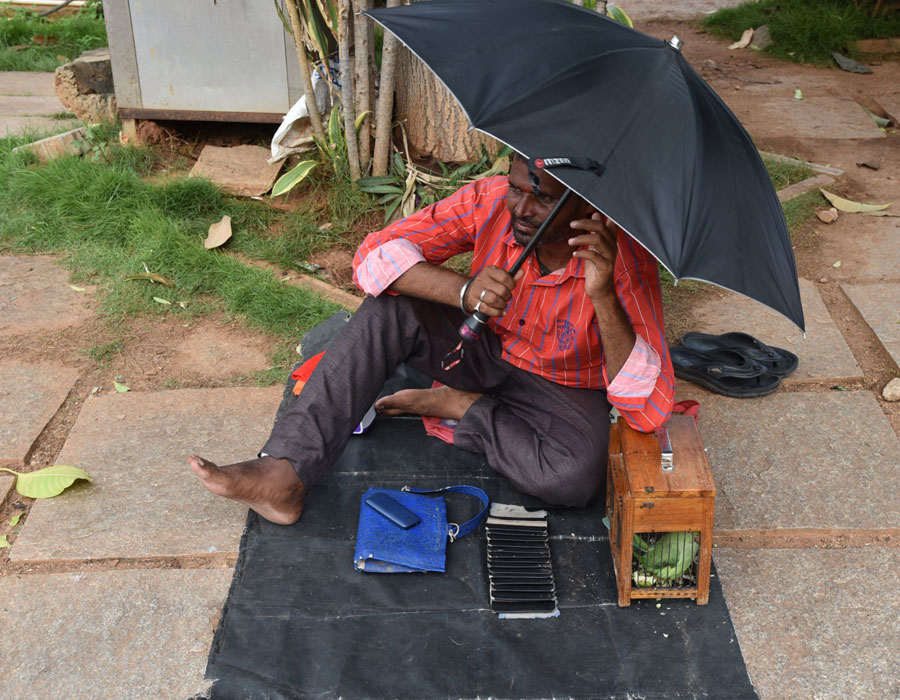
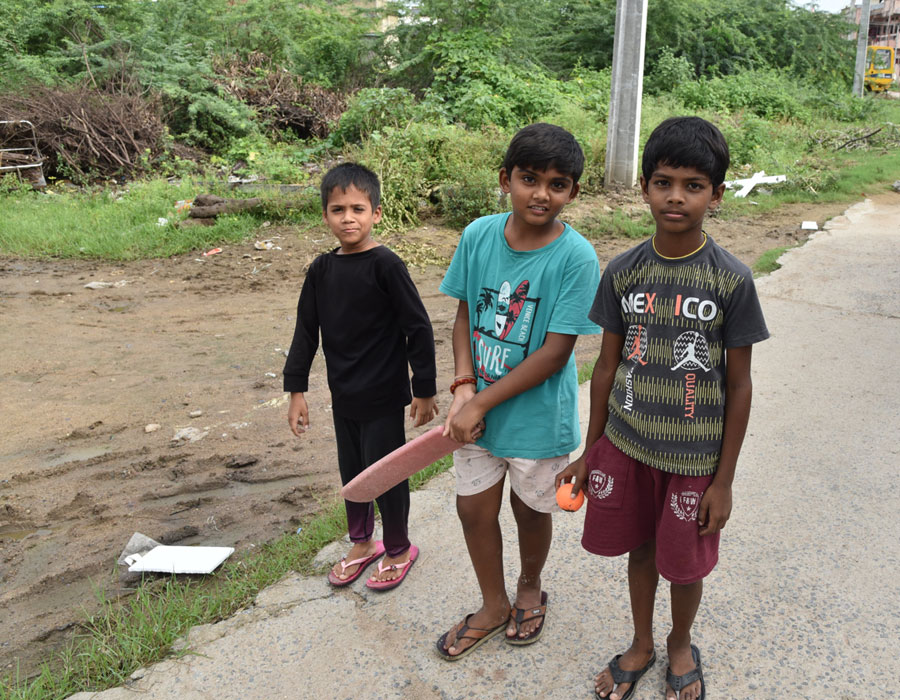
Warangal has many historical landmarks such as Warangal Fort, Sri Bhadrakali Devastanam, Thousand Pillar Temple, Ekashila Gutta, Kakatiya Musical Garden, and Bhadrakali Geo-Bio Diversity Cultural Park.
Warangal is known for its Hyderabadi biryani, Sajja roti, and Puran poli, among other delicacies.
List of craftsmen.
Team Gaatha
https://docs.google.com/document/d/1QNWpQnkUpHwyPA07CJ9Hdk3FLfIUlpanqyvLX4UsNAI/edit?tab=t.0
https://handicrafts.nic.in/crafts/All_Crafts/Craft_Categories/Textile/Carpet_Rugs_and_Durries/Warangal_Durries/WarangalWebPage.html
https://www.newindianexpress.com/states/telangana/2018/Apr/18/telangana-gi-tag-for-adilabad-dokra-warangal-dhurries-1803041.html
https://gwmc.gov.in/knowyourcorporation.aspx#:~:text=Warangal%20is%20the%20head%20quarters,above%20the%20main%20sea%20level.
The Characteristics of Deccani Carpets with Special Reference to Designs Somayye Keighobadi Lemjiri1 , Rajesh S. V.1 and Abhayan G. S.1
Traditional Textiles and Embroidery of India By Mr. Rohit Manglik · 2023
