


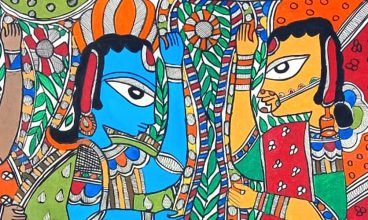
Madhubani art, also widely known as Mithila painting, is a vibrant and deeply symbolic folk art tradition originating from the Mithila region of Bihar, India, and adjoining parts of Nepal. Characterised by its eye-catching geometric patterns and bold double-line outlines, the art form is heavily inspired by Hindu mythology and nature. For centuries, it was […]
Read More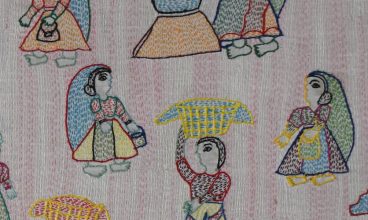
Sujani is a distinctive embroidery tradition of Bihar, particularly practised in Muzaffarpur district and surrounding villages. Traditionally, women recycled worn-out cotton saris and dhotis, layering them and joining them with dense running stitches to create quilts, blankets, baby wraps and ceremonial gifts. Unlike purely decorative embroidery, Sujani is known for its narrative character, depicting village […]
Read More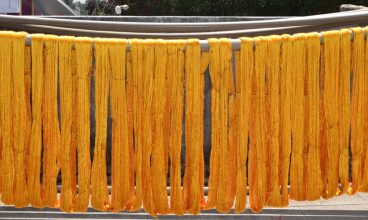
Arani silk, also known as Arni silk, is a celebrated handloom tradition of Tamil Nadu, produced primarily in Arani, Tiruvannamalai. Known for mulberry silk sarees, pure zari borders, lighter drapes and intricate motifs, the craft is sustained by hereditary weaving communities. The korvai technique joins the body, border and pallu by hand, while the sarees […]
Read More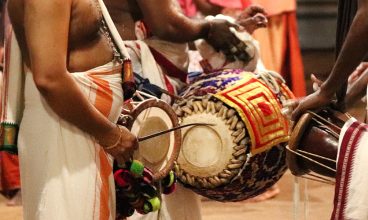
Peruvemba, a village near Chittur-Thathamangalam in Palakkad district of Kerala, is known for a longstanding tradition of making leather-based percussion instruments. For around two centuries, artisans of the Kadachi Kollan community have produced instruments such as the mridangam, maddalam, chenda, tabla, timila and idakka. The craft has given the village a distinctive place within Kerala’s […]
Read More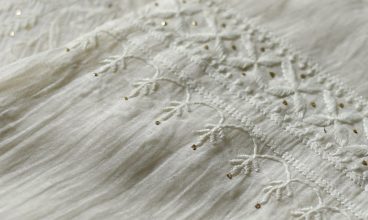
Chikankari embroidery from Lucknow is one of India’s most renowned and refined needlework traditions. Traditionally worked with white cotton thread on fine white fabric, it is known for its delicate “white-on white” embroidery. With a history spanning over two centuries, Chikankari is an important source of livelihood, particularly for women artisans. In recognition of its […]
Read More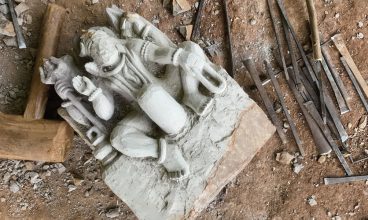
The stone carving Bastar occupies a distinctive position within the artistic heritage of central India, representing one of the oldest surviving forms of indigenous sculptural practice in the region. Rooted in the forested landscapes of southern Chhattisgarh, the craft has evolved through centuries of interaction between tribal communities, locally available stone resources, and deeply embedded […]
Read More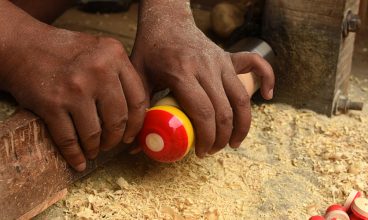
Chitrakoot Wooden Toys are a traditional handicraft of the Chitrakoot region of Uttar Pradesh and Madhya Pradesh, renowned for their handcrafted wooden forms finished with vibrant natural lacquer. Made on hand-operated lathes using locally sourced wood, these toys combine functionality, aesthetic appeal, and cultural significance. Reflecting the region’s rich woodworking heritage, they include spinning tops, […]
Read More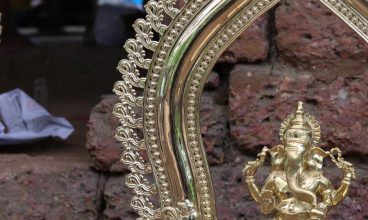
Kunhimangalam, a heritage village in Kerala’s Kannur district, is renowned as one of the state’s oldest centres of traditional bell metal casting. Practised primarily by the hereditary Moosari artisans of the Vishwakarma community, the craft employs the ancient lost-wax casting technique to produce Panchaloha idols, temple lamps, ritual objects, bells, and domestic utensils. Combining centuries […]
Read More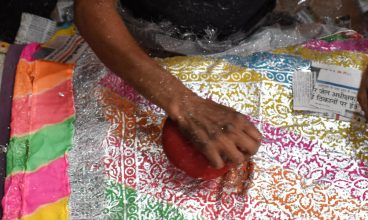
Chaapa, also known as Chhapa or Behari Chaapa, is a distinctive textile decoration tradition practised among Muslim communities in Bihar, particularly in the Magadh region. Unlike conventional block printing, where wooden blocks are used with dyes or pigments, Chaapa relies on a combination of adhesive and extremely thin metallic foil to create decorative motifs on […]
Read More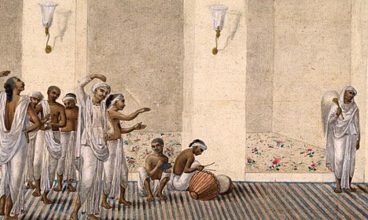


Among the many schools of painting that emerged during the transition from Mughal sovereignty to British colonial rule, Patna Kalam occupies a distinctive position within the history of South Asian art. Flourishing between the mid eighteenth and early twentieth centuries in the urban centre of Patna, the school developed through the migration of Mughal-trained painters […]
Read More