



Sujani Craft ~Bhusra...
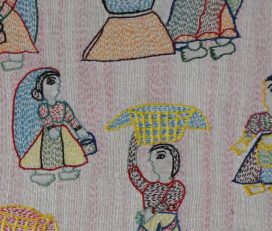
Sujani is a distinctive embroidery tradition of Bihar, particularly practised in Muzaffarpur district and surrounding villages.
Bhusra, Bihar, India...

 Kumhar para, kumhar para, Sona...
 Kondagaon, Chhattisgarh, India...
 Kondagaon, Chhattisgarh, India...
 Kondagaon, Chhattisgarh, India...
Sujani is a distinctive embroidery tradition of Bihar, particularly practised in Muzaffarpur district and surrounding villages.
Bhusra, Bihar, India...

Arani silk, also known as Arni silk, is a celebrated handloom tradition of Tamil Nadu, produced primarily in Arani, Tiruvannamalai.
Arani, Tamil Nadu, India...
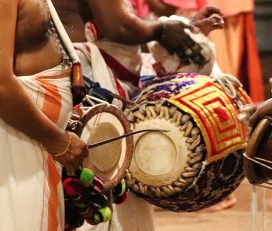
Peruvemba, a village near Chittur-Thathamangalam in Palakkad district of Kerala, is known for a longstanding tradition of making leather-based percussion instruments.
Peruvemba, Kerala, India...
Let us talk… if you feel the same love for handmade, and would like to support us by sharing your research or by contributing financially to our documentation efforts.
Reach us at [email protected]

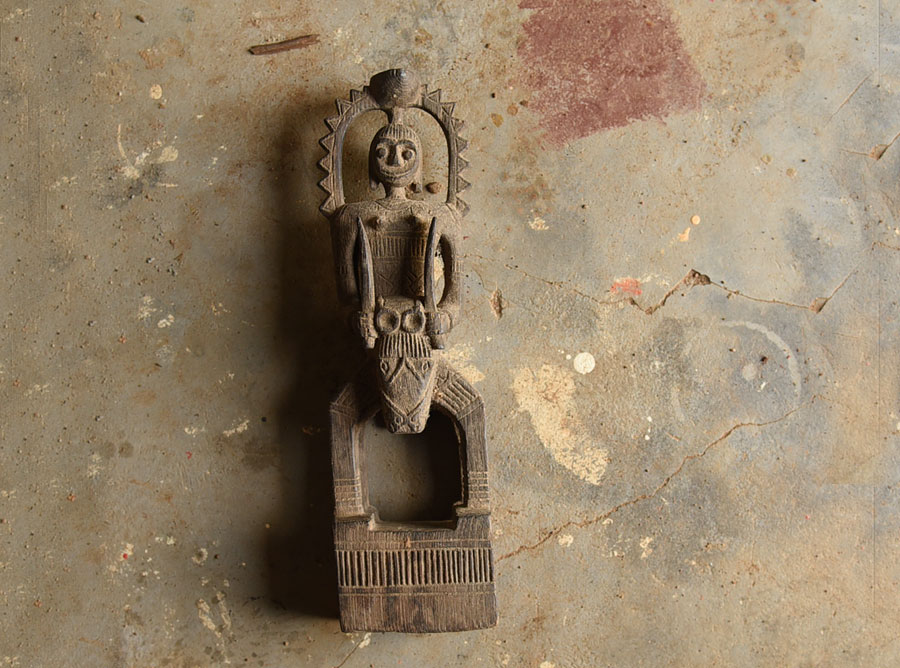
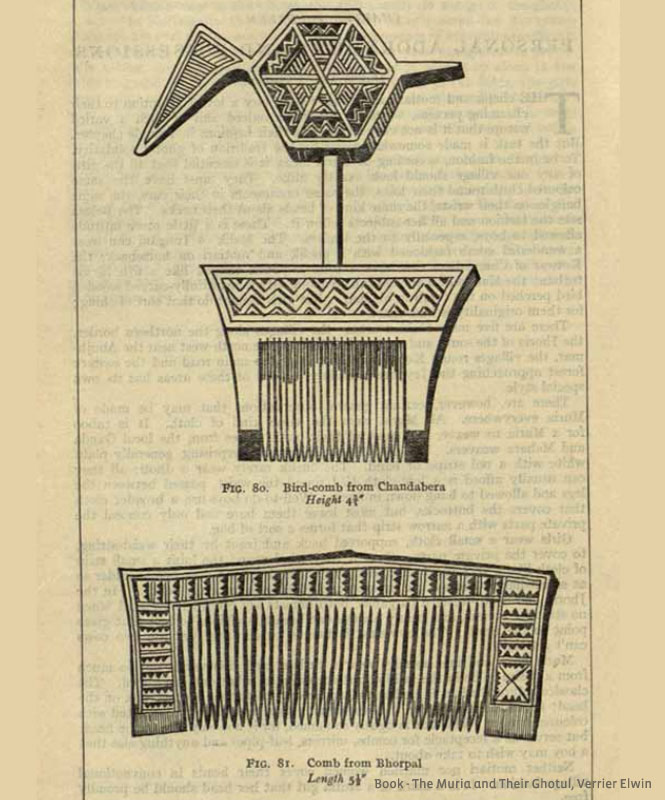
The Muria tribe of Chhattisgarh is famous for their carved wooden khakis or pedias (combs), which are used in Ghotuls (dormitories). The Ghotuls have an age-old tradition of gifting combs to express one’s love and desire. The boys (Cheliks) in these Ghotuls would spend days carving intricate designs on the combs to give them to the girls (Motiari) they covet. The girls also play an integral part in this Ghotul wooing tradition by collecting and wearing multiple combs to display their popularity. While the number of combs symbolized the desirability of the girls in the Ghotuls, their size and intricacy of design highlighted the boys’ devotion to their Motiaris. A renowned historian, Ramchandra Guha, in his book ‘Savaging the Civilized: Verrier Elwin, His Tribals and India (1999), mentions that ‘Training the young in the arts of sex and the conventions of social life, the ghotul was also a stimulus to artistic expression. Its walls were painted with models of motiaris and tigers, its pillars carved with animals fighting or tribals dancing … The art of combing and comb-making was highly developed. Combs came in many shapes and sizes, carved by the chelik for his motiari. They were used for the hair and to titillate the skin on the arm and back. If a girl possessed a large number of combs, it implied that “she has a very devoted lover”.’ These combs served dual purposes of functionality and aesthetic design. To make them aesthetically pleasing, the boys would chisel their clan totems, flowers, fruits, tribal designs, and even artistic renditions of female breasts. The former director of the Adivasi Lok Kala Akademi in Bhopal, Dr Kapil K. Tiwari, notes that the girls in the Ghotuls select and present one comb from their desired suitors to their mothers upon reaching the marriageable age. This specifies her choice of a life partner.
Wooden murtis or statues are the most prominent wooden products crafted by the local artisans. These statues were typically black or light brown in colour and were exquisitely carved to depict a wide range of themes, practices, and traditions. The craftsmen also made wooden masks for the Gond people. These masks are usually decorative items, but they are also used by artists in dance and folk performance to cover their faces. Masks are also used as scarecrows in the fields and worn for hunt dances. Masks are generally made of Semal, Doomar, Tendu, Bel, Siwana, Sal, Ira, Sagon, and other locally available woods (IGNCA, n.d.).
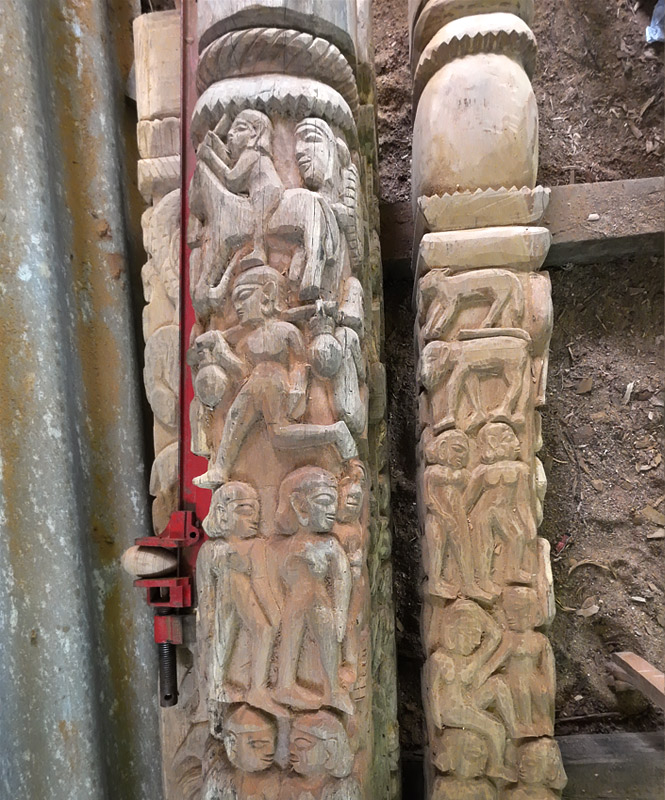
Huge wooden pillars called ‘Mrityu Stambh’ (Death pillars) in Hindi and ‘Urfgatta’ or ‘Urfkal’, are also erected over the graves of the people to identify them. These pillars are intricately carved to depict details in remembrance of the deceased person. The person’s hobbies, dreams, lifestyle, and stories, and the reason for their death are beautifully chiselled on the pillars. This megalithic culture has been mainly followed by the Muria, Maria, and Gond tribes of Bastar, believed to be 3000 years old, and it started during the agriculture stage of the evolution of humans with stone (Drolia, 2016). According to veteran archaeologist C. L. Raikwar, these memory pillars are ‘tribals owned maqbara’ and are placed on the head-side of the buried person.
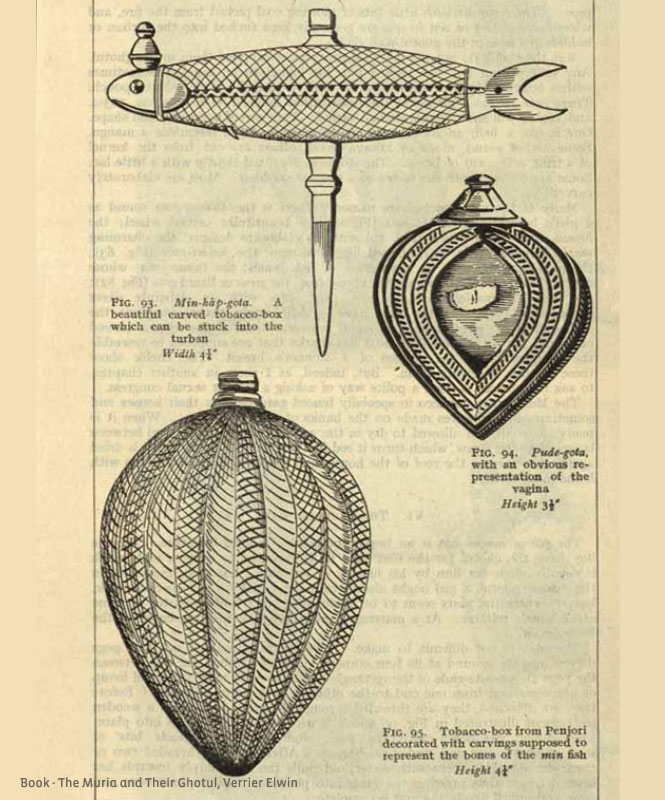
Tobacco pouches called ‘chunoti’ in the local language are also made by the artisans. Tobacco chewers powder the leaves and mix them with lime and fill this powder into these wooden pouches, which are always carried by the elderly villagers. These pouches, too, display intricate carvings. In addition to this, wooden panels with relief carvings narrating a story, myth, or legend also found a place in this craft tradition.
Apart from this, artisans create wooden forms ranging from small objects to large-scale pieces such as furniture, pillars, and other elements, especially for the urban market. These works mostly depict tribal life, daily activities, and animal forms. Due to their unique appeal, they are widely appreciated, which has helped Bastar wood carving gain popularity in urban spaces.
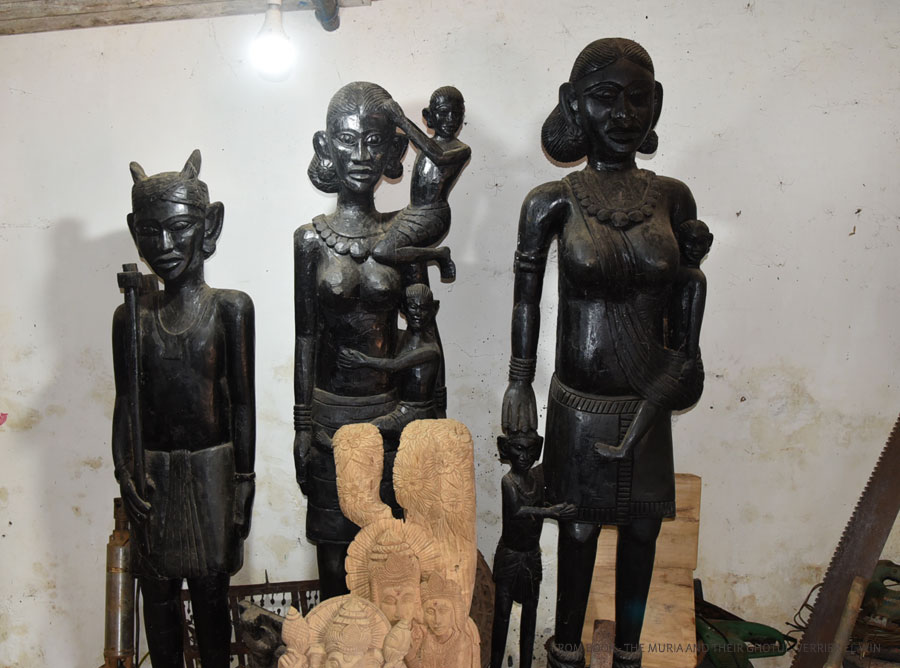
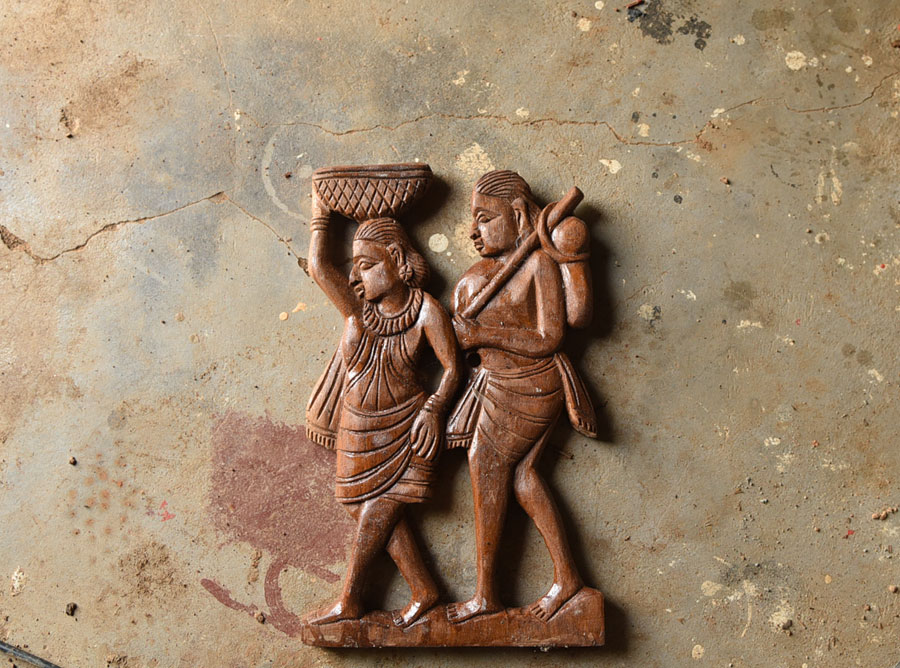
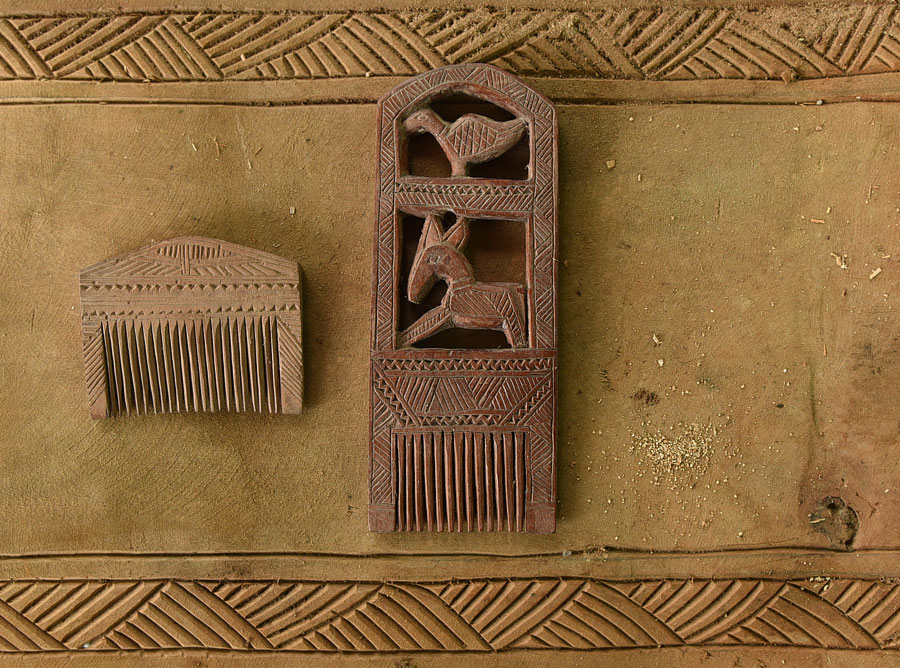
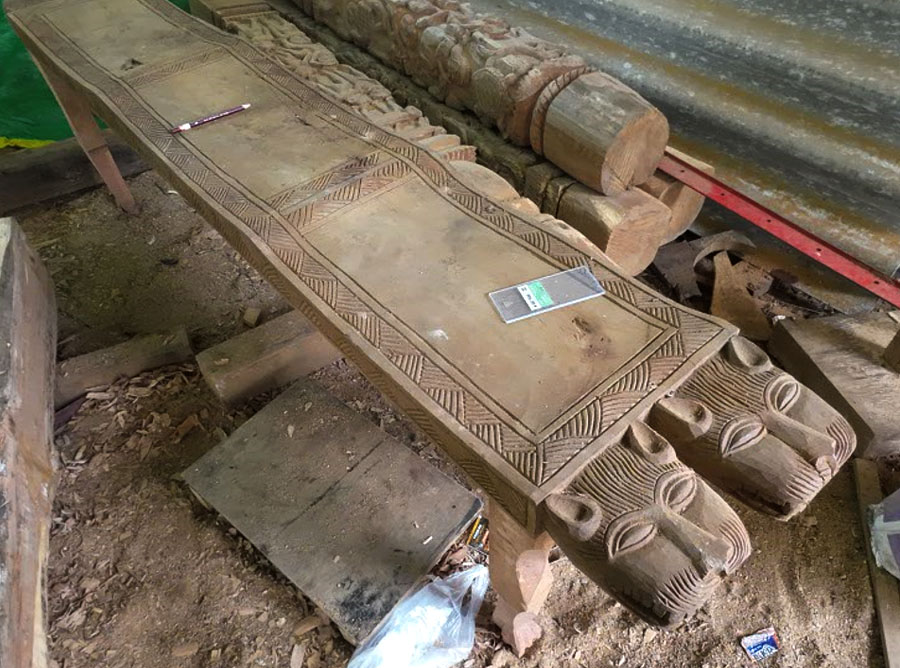
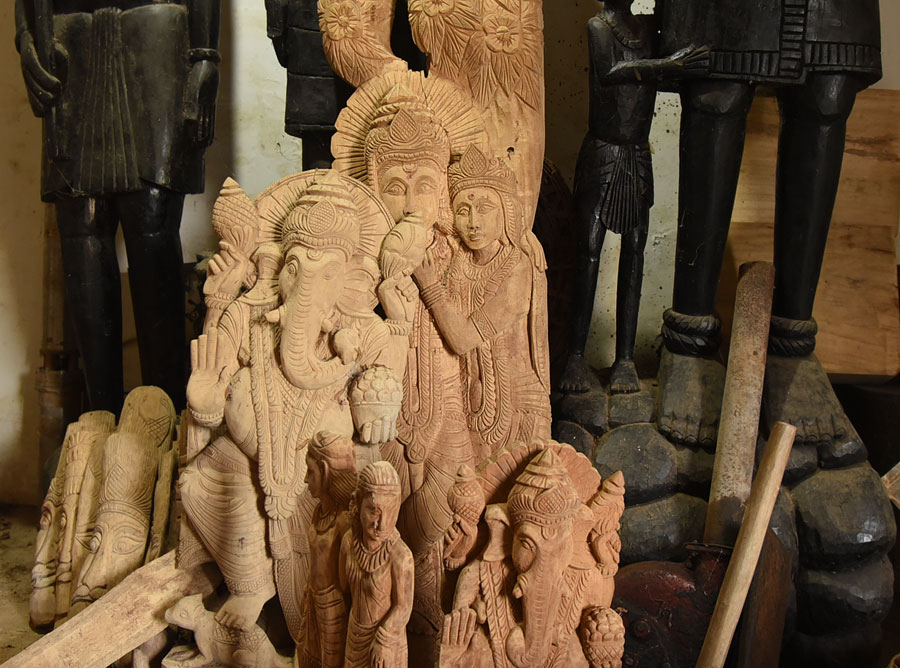
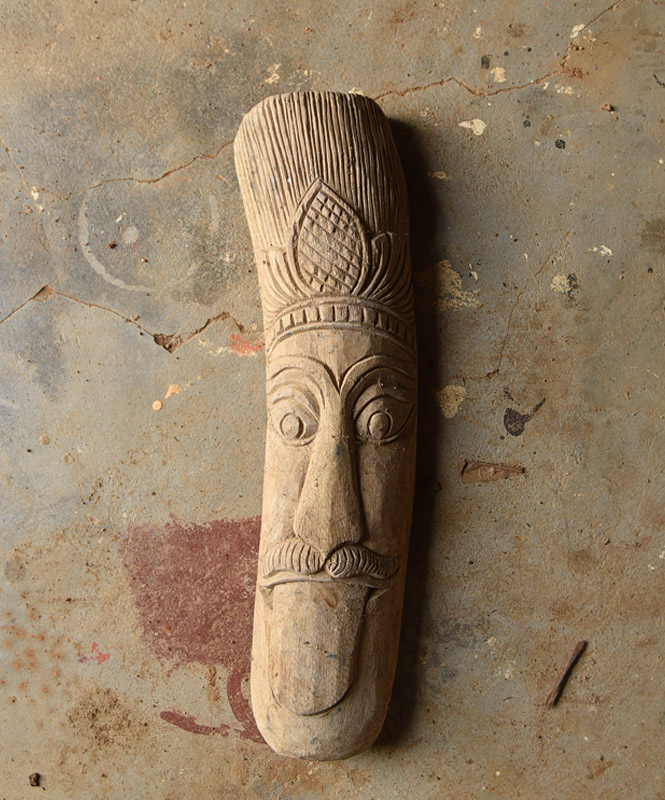
Wood carving in Bastar did not emerge as a commercial art form. It is a way of living, a practice of making objects that hold both beauty and meaning. It is an art that can impress, evoke emotion, and bring back memories of loved ones.
Artisans transfer their creative instincts into everyday spaces. The Ghotul was one such important place, especially within the Muria community. Today, very few Ghotuls remain, but earlier they functioned as central community spaces and were vital to social and cultural life.
In the book The Muria and Their Ghotul, Verrier Elwin describes the richness of this tradition:
“As you move west across the centre of the Muria country you find more and more elaborate carving. The ghotul has stimulated artistic creation, not only in the realm of personal adornment but also in wall painting and wood carving. The chelik desire that their ghotul should really be ‘lovely as a bison’s horns’. In many of the Jhoria ghotul there are excellently carved pillars.”
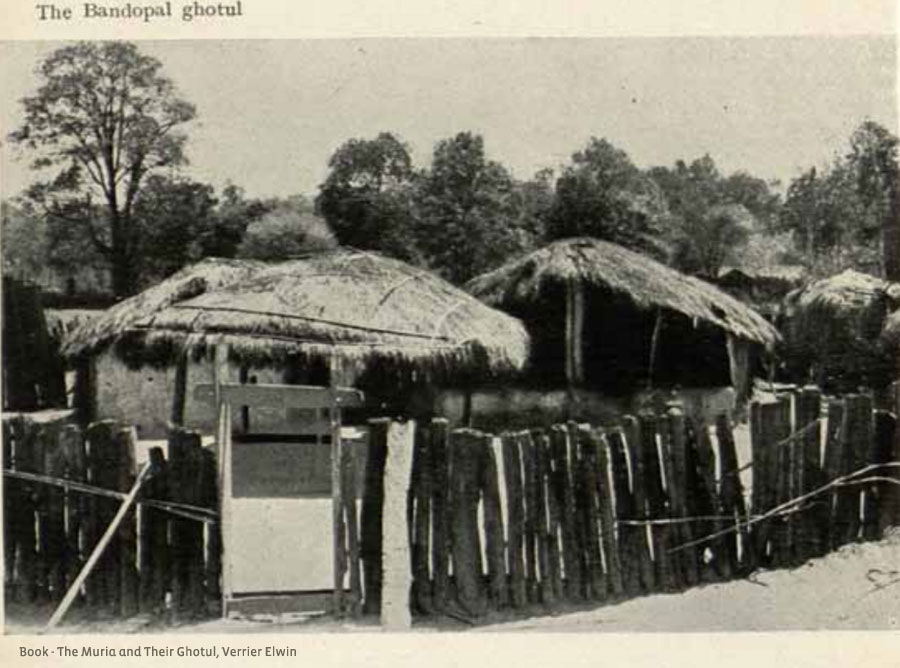
Elwin further documents carved pillars found in villages such as Aimer, Nayanar, Remawand, Amgaon, Bandopal, Malinar, and Koher. At Aimer, pillars feature carvings of birds, tortoises, the moon, dancing boys and girls performing the Hulki, and elephants. Many pillars include pidha, carved seats believed to support the roof. In Amgaon, each pillar has four such pidha, while in Nayanar, pillars are decorated with tortoises and hooded snakes projecting from all four corners.
Today, Bastar wood carving has gained recognition in urban contexts as well. The strength of this craft lies in its expression and imagination. The artisans approach carving as storytellers. Unlike formal design processes where a fixed design is planned for a standardized wooden block, these artisans respond intuitively to the existing form of the wood, transforming it into a narrative. Their freedom of imagination allows them to see and create in ways that are deeply organic and culturally rooted.
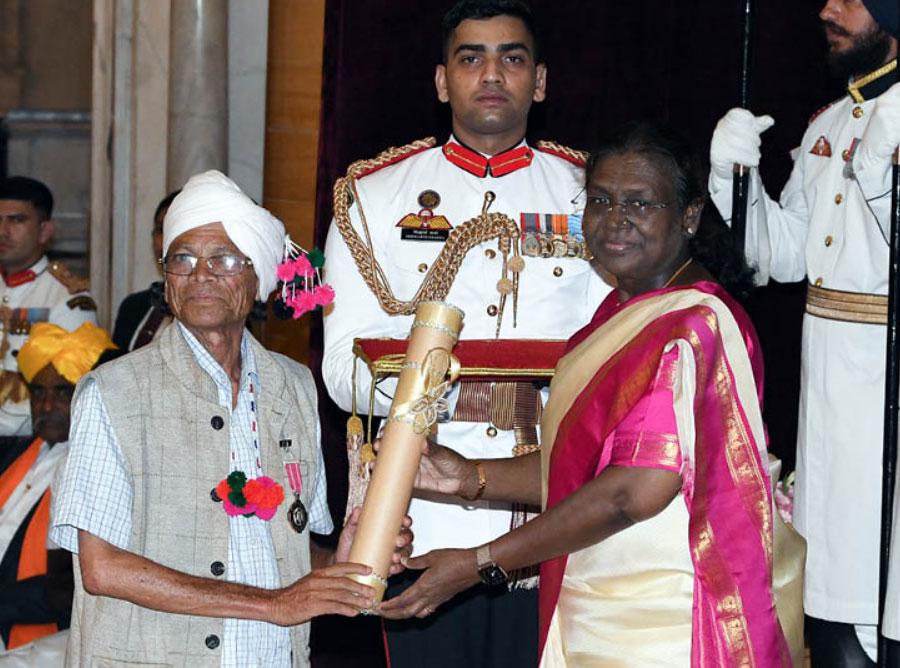
The craft recently gained widespread recognition among national and international audiences when Pandi Ram Mandavi,, one of the native craftsmen of the Garh Bengal village in the Narayanpur district, was awarded Padma Shri in 2025 for dedicating his life to preserving this wood carving tradition. He was honoured for his contributions in promoting the Gond Wood Crafts and for making a unique bamboo wind whistle called ‘Sulur’ or ‘Bastar flute’. Due to his lifetime commitment to preserving and promoting the rich tribal heritage, he is considered a legend of the region. Beginning his journey with wooden combs and bamboo flutes in childhood, he expanded his repertoire through the years to include relief sculptures in wooden panels, standing sculptures, wooden swords, walking sticks, and whistling bamboo flutes. A significant aspect of his work was that these goods were not mere wooden products; they were works of art with each piece telling a distinctive story or narrative of the Muria people, their struggles, their joys, and their customs and traditions. He worked tirelessly to bring the craft into the limelight through different workshops and exhibitions. He created a community of talented artisans who could share and support their skills with each other as well as the youth. He motivated the youth to learn and engage in this craftsmanship and showcase the world the various narratives embedded in each piece to preserve their tribal heritage. He made a remarkable contribution in preventing the craft from fading into oblivion.
In 1993, the Chhattisgarh Handicrafts Development Board set up the Shilpgram Sevagram Narayanpur to give a boost to the local crafts of this culturally significant region of Narayanpur. It also strived to rehabilitate the locals from the Naxal hit zones and provide them with a source of livelihood. The Sevagram was not limited to the bamboo craft and also encompassed craftsmen practising on wrought iron, stonework, terracotta and seeshal craft. Here, the craftsmen from different states also teach their craftsmanship to the locals.
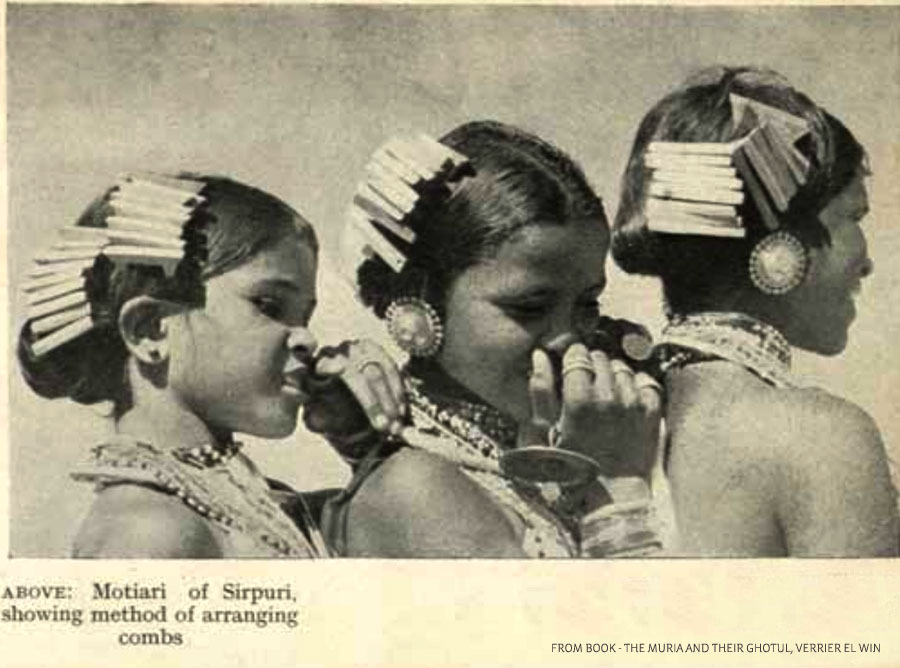
The Gonds of Bastar are divided into two groups, the Māria and the Muria. The Māria are the wilder group and are apparently named after the Mad, the hilly country of Bastar. The derivation of Muria is sometimes traced to mur, meaning a root. Both explanations, however, must be regarded as conjectural. The Murias are those Gonds who live in the plains and are considered more settled and civilised than the Mārias.
One interesting Gond story describes the creation of the world. In the beginning there was water everywhere, and God was born on a lotus leaf and lived alone. One day he rubbed his arm, and from this rubbing he created a crow, which sat on his shoulder. He also created a crab, which swam over the waters. God ordered the crow to fly over the world and bring back some earth. The crow searched everywhere but found none. It then noticed the crab, which was supporting itself with one leg resting on the bottom of the sea. The tired crow perched on the crab’s soft back, leaving marks that are still visible on the bodies of crabs today.
When asked about earth, the crab replied that it could find some if its body were made hard. God agreed and hardened the crab’s back, as it remains today. The crab then dived to the bottom of the sea and found the earthworm, Kenchna. Grasping it by the neck, it left a mark that is still seen on the earthworm’s body. The earthworm brought up earth in its mouth, which the crab carried to God. God scattered this earth over the waters, and patches of land appeared. As God walked upon the earth, a boil arose on his hand, from which Mahādeo and Pārvati were born.
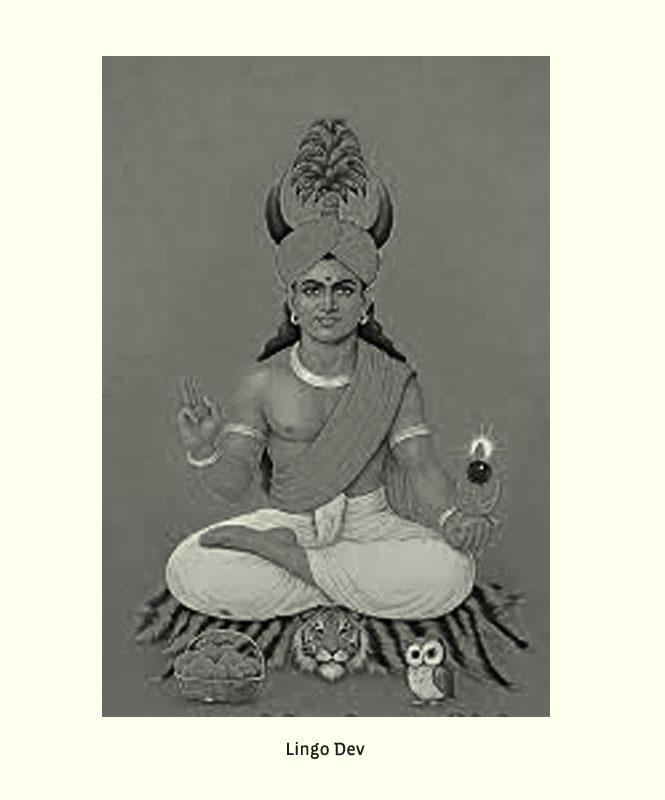
Lingo emerges as the quintessential divine hero of Gond mythology. He is portrayed as a figure of great spiritual purity and ascetic power, bridging the world of tribal ancestors and the divine. In the legends, he is often attributed Brahmanic qualities, such as overcoming the gods through extreme fasting and self-discipline, reflecting a blending of original Gond belief with later Hindu influence. Beyond his role as a liberator who freed the ancestors from Siva’s mountain prison, Lingo is revered as a cultural founder who organized the Gonds into tribes, established social laws, and introduced sacred music and ritual practices. Through his presence, a narrative of bondage is transformed into one of order and civilization.
Not all Murias know the detailed legend of Lingo, though all worship him and regard him as the founder of the ghotul. One account of his birth tells that on Dhawalgiri, the yellow flowers of the Pahindi tree conceived through thunder and lightning sent by Bhagwān. From the flower fell turmeric, and at sunrise the blossom burst open, giving birth to Lingo, a perfect child marked by a diamond on his navel and sandalwood on his forehead.
Growing alone, Lingo sought his people and found the four Gonds, who accepted him as their brother. He taught them to clear land and cultivate fields, bringing rain and abundance. When a herd of nīlgai destroyed the crop, Lingo showed the Gonds how to track them. All were killed except an innocent old bull and one doe, from whom the nīlgai race survived.
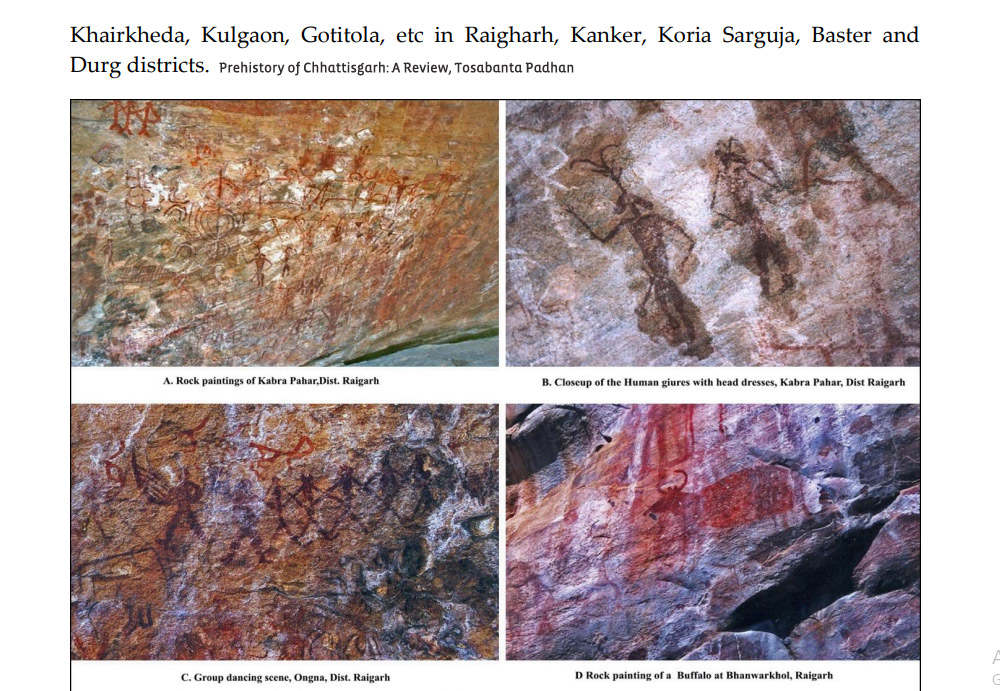
Sustainable traditions often leave few physical traces in history. Tribal communities have lived in forests for thousands of years, as evidenced by 10,000–15,000-year-old cave paintings. They were among the earliest people to extract iron from ore. Yet practices such as wood carving are difficult to trace archaeologically, as wood returns to the soil over time due to weather, termites, and natural decay.
In contrast, the political and cultural history of the Gonds is well documented. Spread across eight Indian states, the central region of India came to be known as Gondwana, a vast and autonomous kingdom with a strong Gond cultural identity. Historical records describe Rajgond as a prosperous free state with 52 forts. Gupta-period inscriptions and later genealogies record the Gond rulers and their forest kingdoms over several centuries.
Old texts describe the Gonds as people deeply connected to nature, with extensive knowledge of forests, medicinal plants, and healing practices. Over time, many became respected native healers. The Gond community itself is not a single tribe but a network of many subgroups and gotras, including the Maria and Muria, who inhabit the Bastar region.
One Muria myth describes the first great journey as the coming of Lingo and his brothers to the earth. After they had shaped the world by raising mountains and carving rivers, the earth wept, saying there was no one to serve or worship her. Lingo reassured her and set out with his brothers to find priests. They travelled to Lanjhi and Dhamda, where Raja Naitam and Raja Markam lived with their families and people. Lingo told them that the Middle World was ready and led them on the journey. Laden with possessions, the two rajas travelled slowly and fell behind the others.
When the party reached a great river, Lingo and his brothers wove tall grass into a rope to help the people cross. Once across, the subjects cut the rope out of jealousy, leaving the two rajas stranded. As they attempted to cross, the rope gave way and they sank into the river, weeping. The dandai fish, king of the water creatures, sent a tortoise to save them, and since then the Markami and Naitami honour the tortoise as their sacred protector. At last, all reached the Middle World, where the rajas offered a black calf to Mother Earth and became her first priests. All gods are said to have come from Lanjhi–Dhamda, except Danteshwari and Maoli, who came from Warangal.
Once again, it is very difficult to trace the history of wood carving in this region. However, one thing is clear: the people living here cannot survive without a deep understanding of trees, seasons, plants, animals, insects, and soil. This knowledge was not acquired from books but learned through experience and passed down from one generation to the next. There is no doubt that such practices have been part of human life since our earliest evolution.
The themes of Narayanpur wooden craft provide a glimpse into the tribal way of life. Craftsmen depict scenes from nature, including the flora and fauna of the region, which are deeply revered in their culture and carry strong symbolic meanings.
Alongside natural themes, craftsmen also carve local mythology, rituals, religion, and folklore onto wooden objects. Everyday life is portrayed through sculptures of various forms and scales, from hunting scenes to women travelling to fetch water for their families. These moments are rendered with remarkable sensitivity and precision.
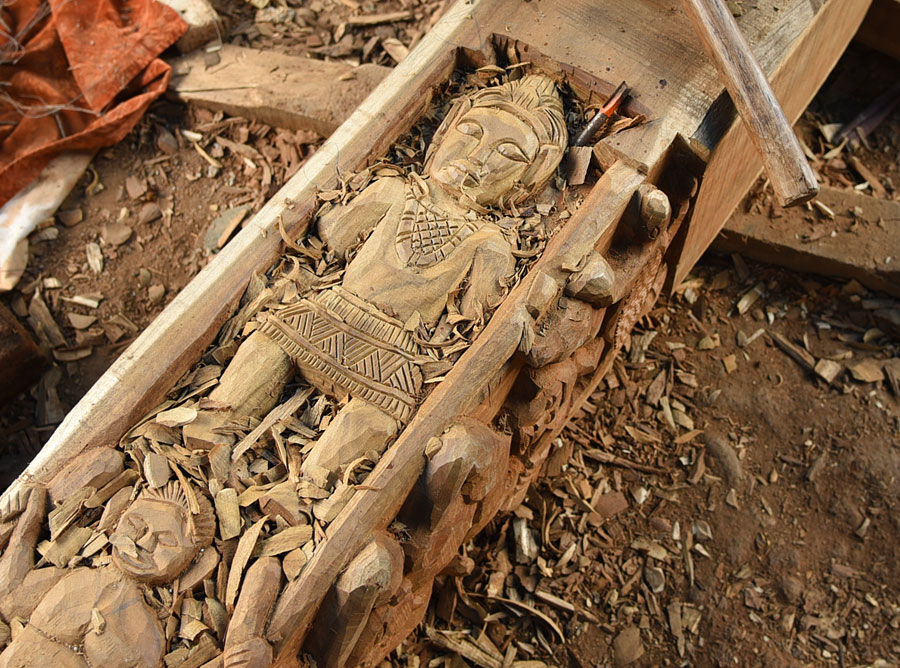
The figures often display exaggerated features such as elongated limbs and faces, creating a sense of movement and vitality in the sculptures. To enhance detail, artisans fill surfaces with varied line patterns such as zigzag, cross-hatching, and parallel lines. The defining character of this tribal art lies in its rawness and organic forms. Such expression emerges from an intuitive creative process, unbound by formal or stereotyped training, where the artisan works instinctively, drawing freely without the constraints of measured tools.
Religious themes featuring tribal gods and goddesses, their associated stories, and festivals are also popular in both local and urban markets. During Bastar Dussehra, the chariot of Mata Danteshwari is crafted entirely from Sal and Tinsa wood and adorned with intricate carvings that bring together multiple narrative and symbolic themes.
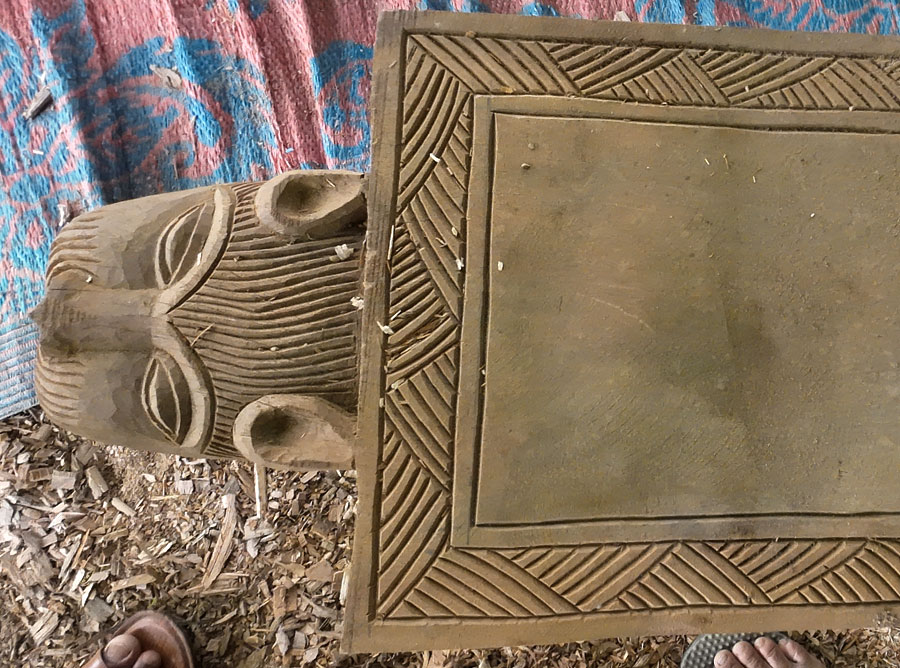
One of the major challenges that this craft faces is invisibility in the domestic and international markets. While the Padma Shri recipient, Chendru Mandavi, was successful in bringing Narayanpur wood carving tradition into the spotlight and instilling a sense of pride and awe among people, the problem persisted. In this case, the recognition did not bring in more sales. In an interview with Vistaar Digital, he pointed out how there are virtually no products of this tradition in the market,s even though he has created several pieces for museums and people, both in India and abroad. There is also minimal to no government support to preserve and promote this carving tradition. Due to this, people are heavily dependent on agriculture to sustain their livelihood. However, agricultural practices also pose challenges to the tribes because of lack of proper irrigation systems and high reliance on monsoons, which are most often unpredictable. The lack of interest among the youth to learn and take up this craft tradition as their occupation also serves as a major hindrance for the craftsmen. While modern education and the digital world could be blamed for this, the major factor is the unsteady employment and low wages, which provide no incentives or motivation to the youth to carry on this tradition.
Additionally, Narayanpur is not a not well developed region. It is a remote and isolated area with no proper roads or transport system, making it difficult for people to travel or place orders for these wooden products.
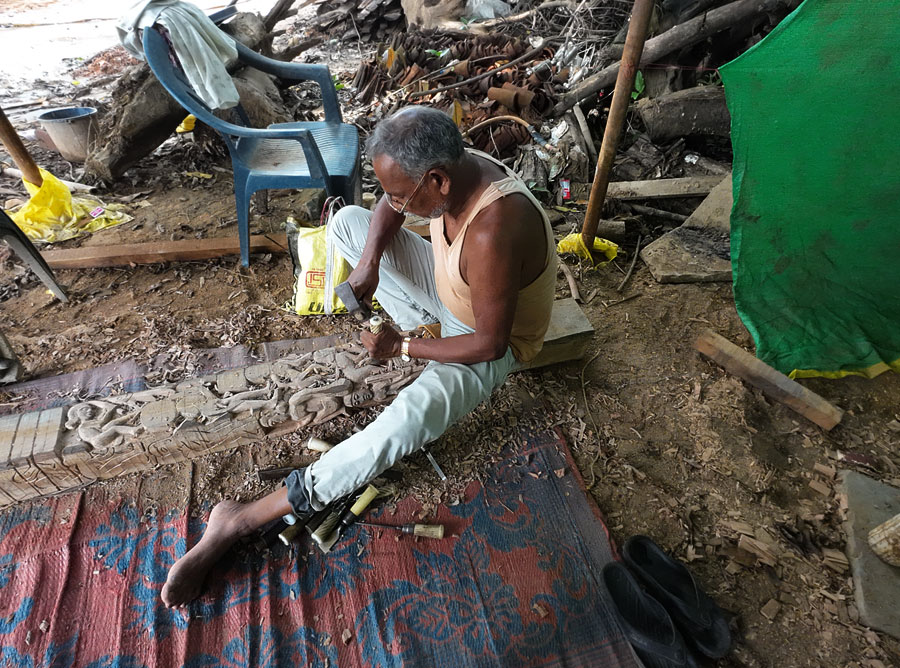
The process of wood carving may appear simple and easy to understand, but it requires physical strength, a deep knowledge of wood, and, most importantly, imagination. Artisans from Narayanpur are masters of this craft. Their special quality lies in their ability to see possibilities in the original form of the wood that others cannot perceive.
Artisans primarily use locally available wood such as sal, sagoon, haldu, and sivna to make wooden objects. These woods are chosen not only for their durability but also for their texture and grain, which add depth and character to the finished pieces.
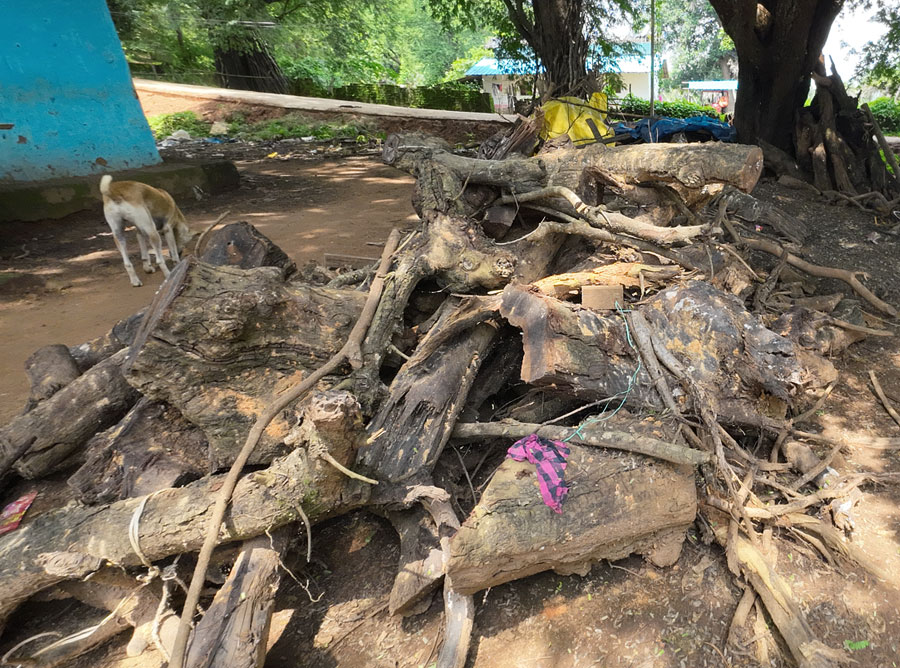
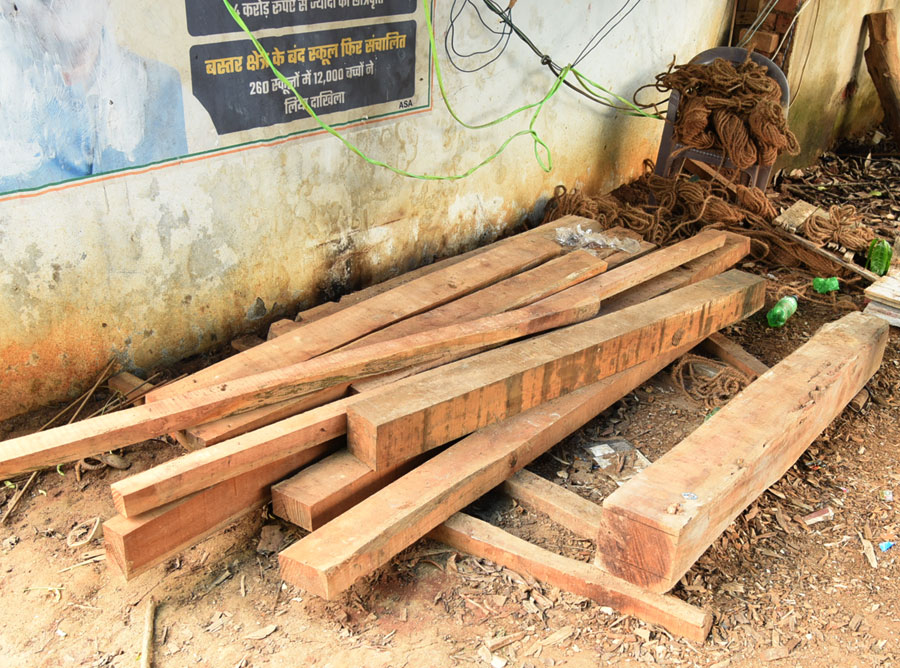

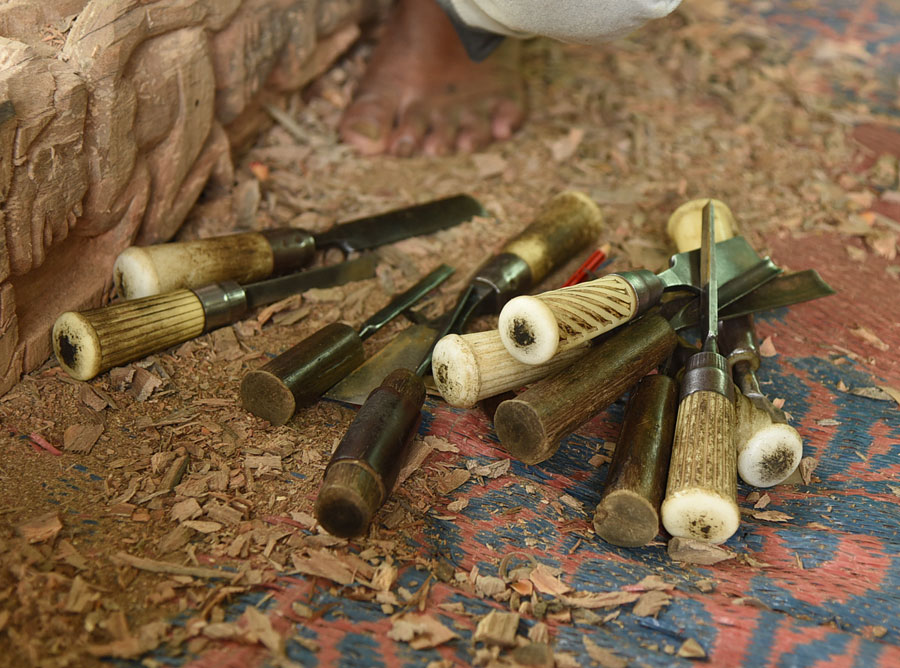
For wood carving, the same tools are used for making different types of cultural objects.
Hacksaw (Aari)- this was used to cut a wooden log or piece into a desired shape
Adze (Basula)- it is a heavy tool with a curved edge at 90° to the handle and is used for cutting or shaping large pieces of wood.
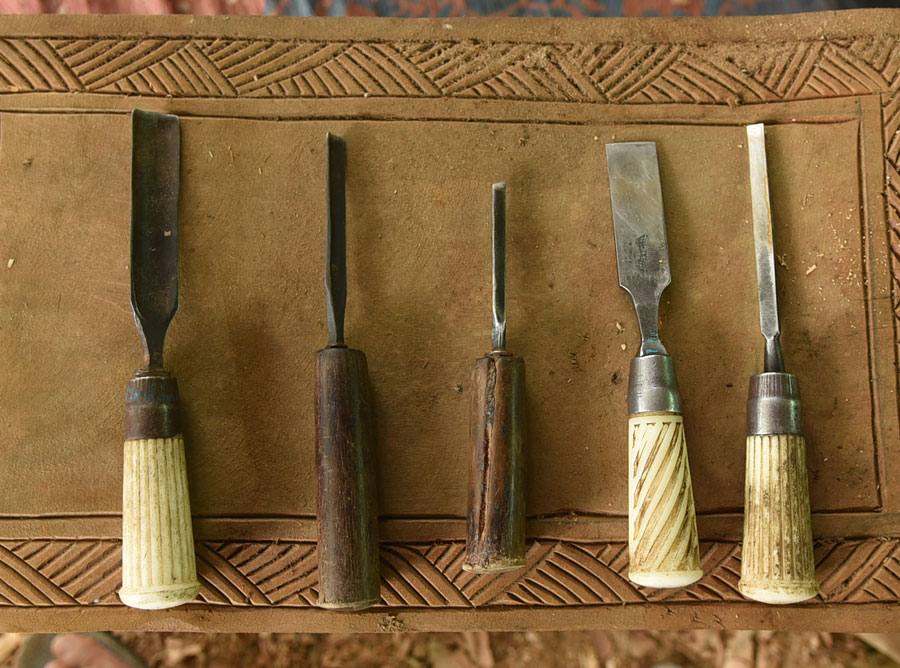
Chisel (Kachak)- it is a tool with a sharp end that is used for cutting or shaping wood or stone.
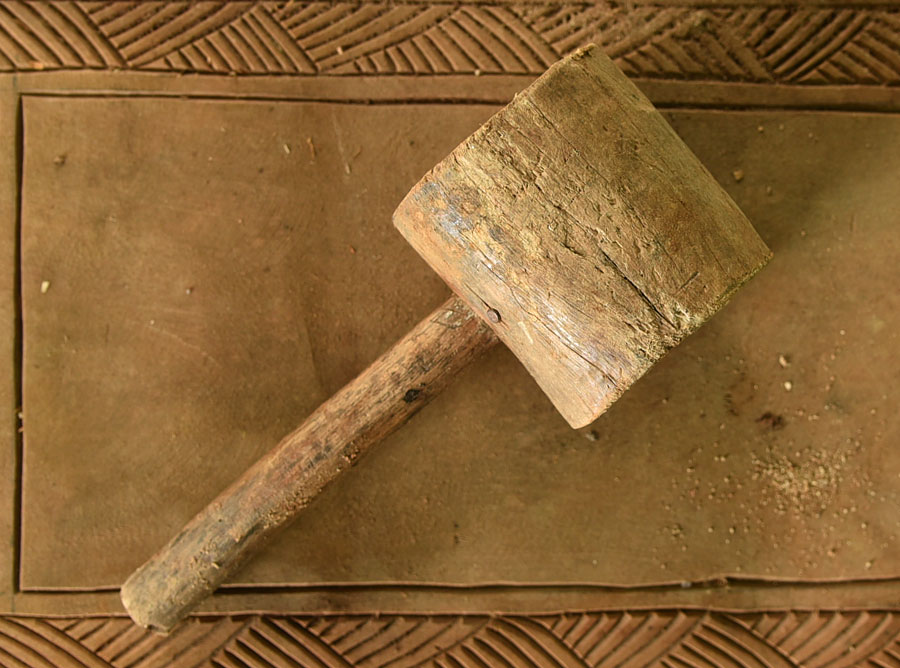
Hammer (Mutel) -this tool was used with the chisel to provide the required pressure to cut off the wood piece in accordance with the design
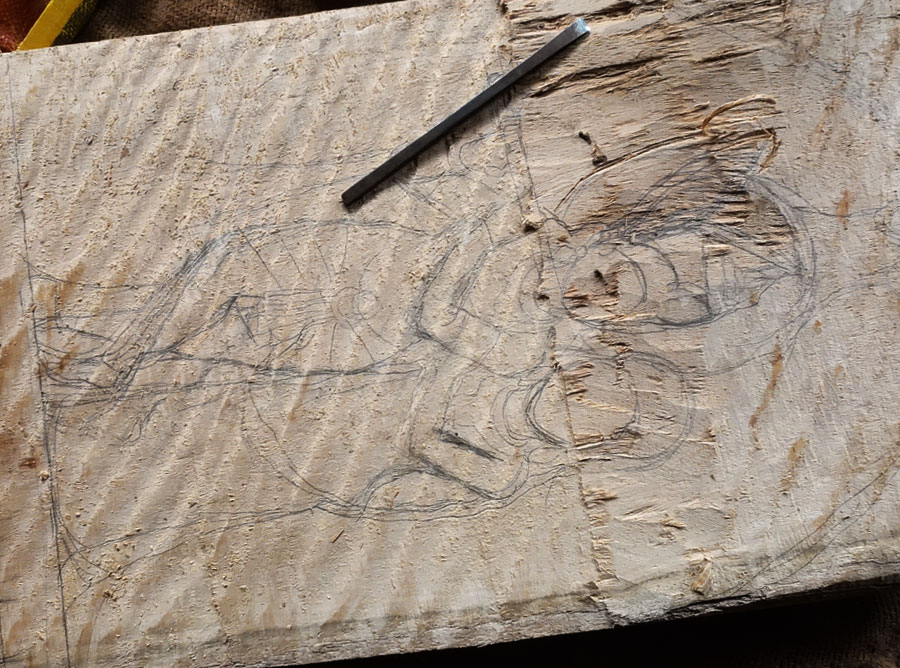
Coal and pencil– used to draw on the wood
Sandpaper – After the final round of carving, artisans nowadays also use sandpaper to give the surface a smooth finish.
Some other tolls are Pattasi, Bidna, scale are also use
We did not observe any specific rituals performed during the process of wood carving or before beginning the work. Instead, the craft largely supports and reflects rituals connected to tribal life. One such example is an important ritual of the Bison Horn Murias of Chhattisgarh.
Traditionally, the Bison Horn Murias practised slash-and-burn cultivation on hill slopes. Herds of wild bison often destroyed their crops by grazing on the fields, which led the community to develop a ritual dance to drive the animals away. Drawing on an ancient masking tradition, they began wearing masks shaped like bison heads during these dances. After successfully protecting their crops, the community adopted this practice as an annual ritual, performed during ceremonial hunting expeditions.
We observed that artisans work according to their mood and rhythm. At times, they work continuously on a demanding piece that may take 20–25 days, or even several months, to complete, depending on the size of the wooden log and the intricacy of the design. At other times, they set aside unfinished pieces and return to them when the mood or demand arises.
The process begins with selecting an appropriate piece of wood and cutting it into the required form using a hacksaw. A basula is then used to roughly shape the wood. Later, the basic figure is drawn on the surface, and carving begins by hand. Larger chisels are used first to remove excess wood, followed by finer chisels such as soje bidna, gol bidna, and korni for detailing.
In the case of wooden combs, the carver first sketches designs on the upper part using pencil or charcoal and removes the excess wood. The motifs and figures are then carefully chiselled out with a hammer and bidna. The spacing of the teeth is measured using a bamboo stick and marked with a pencil. A hacksaw and chisel are then used to cut the teeth, which are finally smoothed by hand.
After carving is complete, different surface treatments are applied depending on the object and its intended use. Sometimes a wood polish is used, at other times the surface is burnt to achieve a matte black finish, and occasionally mobile oil is applied to the wood.
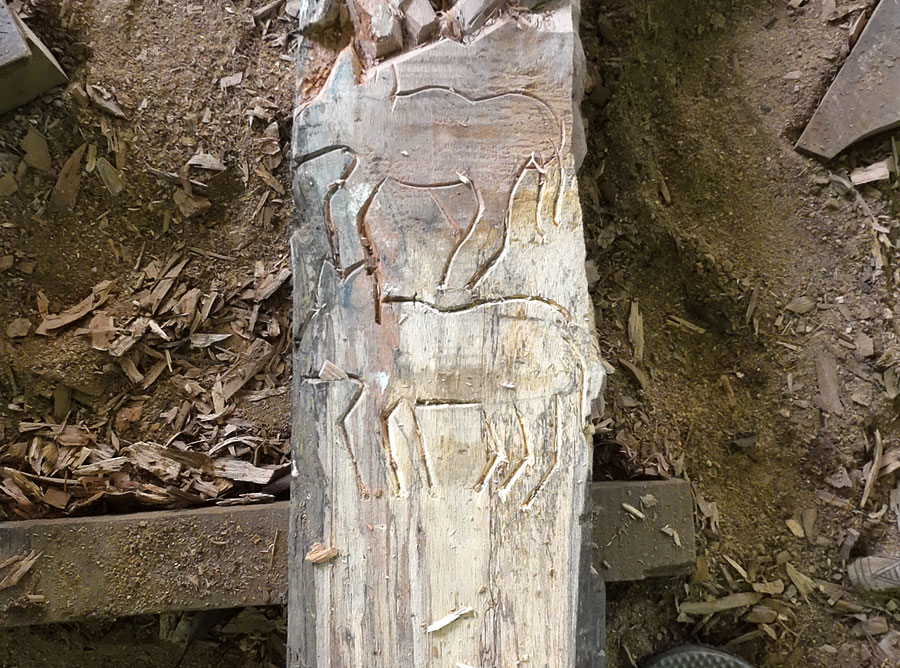
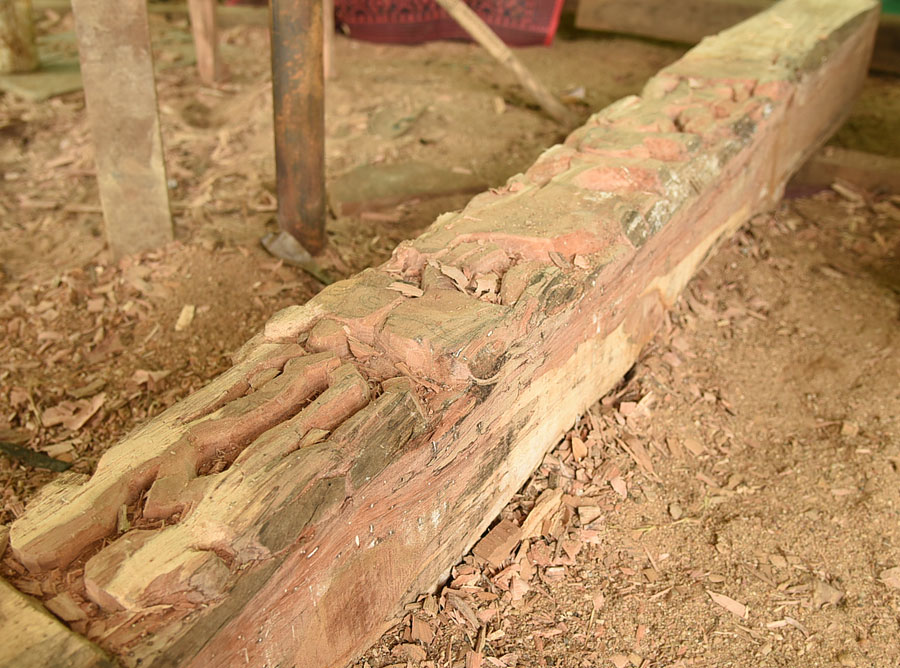
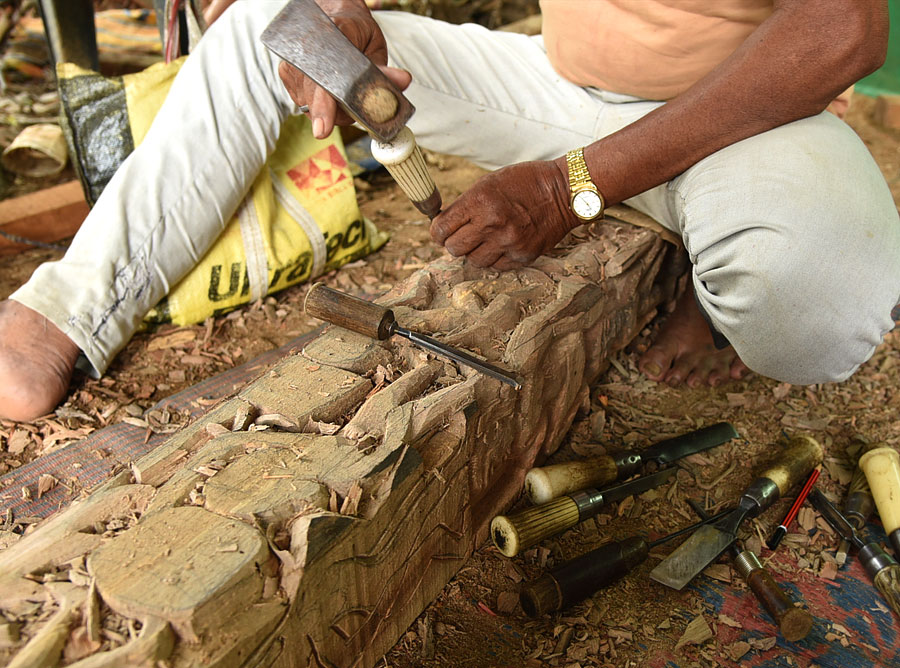
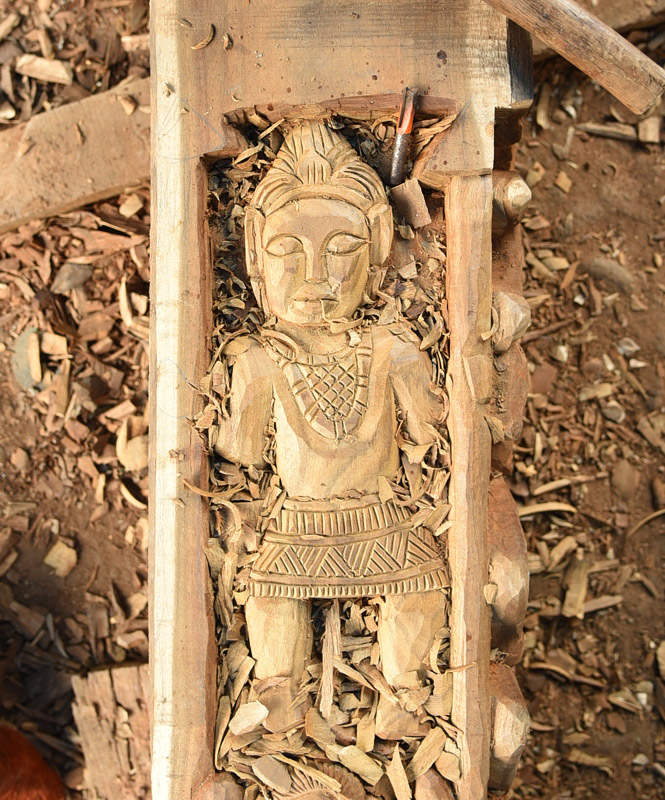
While the craft form is largely sustainable and eco-friendly, the wood scraps produced during the carving process cannot be used again. A large number of felled trees would also prove detrimental to the environment. However, due to a lack of widespread demand, this problem has not occurred yet.
Traditionally known as Dandakaranya in the Ramayana and associated with the Kosala kingdom in the Mahabharata, the Bastar region has a long and layered history. By the 5th century CE it was ruled by the Nala king Bhavadatta Varman, and in 1324 the Bastar princely state was founded by Annama Deva, brother of the last Kakatiya ruler, under the patronage of the local goddess Danteshwari. Over the centuries, Bastar was ruled by successive dynasties, experienced internal conflicts and divisions, and eventually split into kingdoms centred around Jagdalpur and Kanker, with Jagdalpur emerging as the capital. The region remained largely independent until the rise of the Marathas in the 18th century, after which it gradually came under British administration. By the mid-19th century, Bastar was incorporated into the Central Provinces, its tribute reduced to a nominal amount, marking the end of its long era as an autonomous forest kingdom.

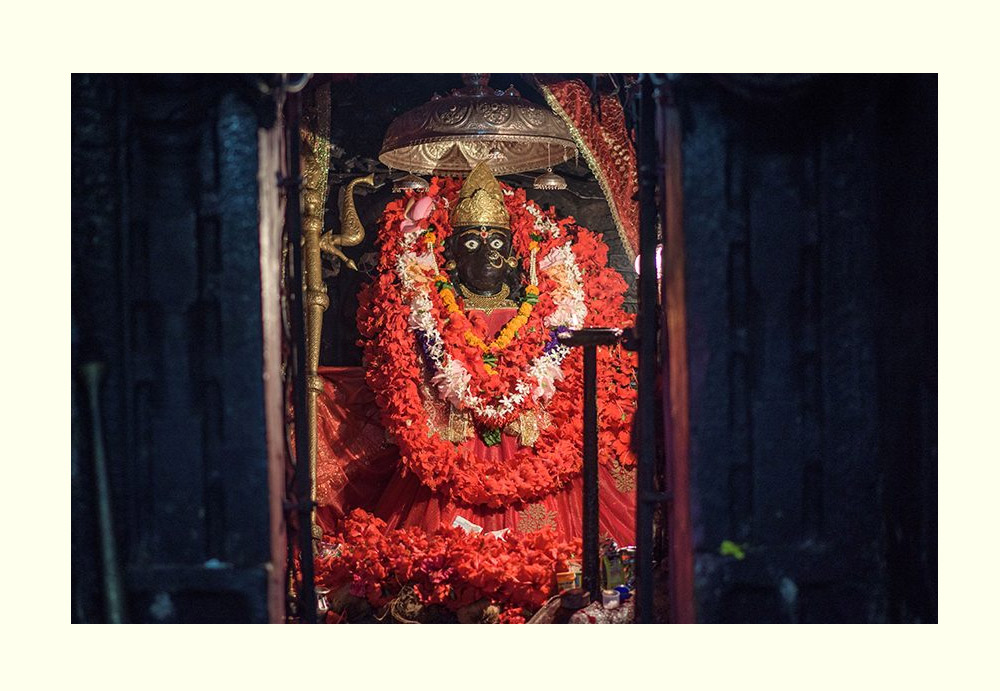
Narayanpur is one of the thirty-three districts of the Chhattisgarh state, encompassing an area of 6640 square kilometres. It is surrounded by Bijapur, Kanker, Bastar, Dantewada, and Gadhchiroli (MH) districts. The district is divided into two sections, namely, Narayanpur and Orcha. This district comprises 366 villages. Narayanpur town is the administrative headquarters of this district. Narayanpur is a part of the Bastar division of Chhattisgarh. It is surrounded by dense forests, mountainous hills, rivers, waterfalls, and natural caves. The district lies at the latitude North 19º 13 to N 190 56' and longitude East 80º 39' to E 81º 30', 2000 feet above sea level. Three rivers, namely, River Madin, River Kukur, and River Meroli, flow through the district. These rivers are perennial sources of water for the locals. The Narayanpur District is entirely hilly and covered with dense forest.
The district has an extensive network of roads with relatively efficient bus services available connecting the district with major cities like Raipur, Jagdalpur, and Rajnandgaon, among others.
Nearest Railway Station- Narayanpur Railway Station
Nearest town - Jagadalpur (120 km away)
Nearest Airport- Swami Vivekananda International Airport (RPR) in Raipur or Maa Danteshwari Airport (JGB) in Jagdalpur
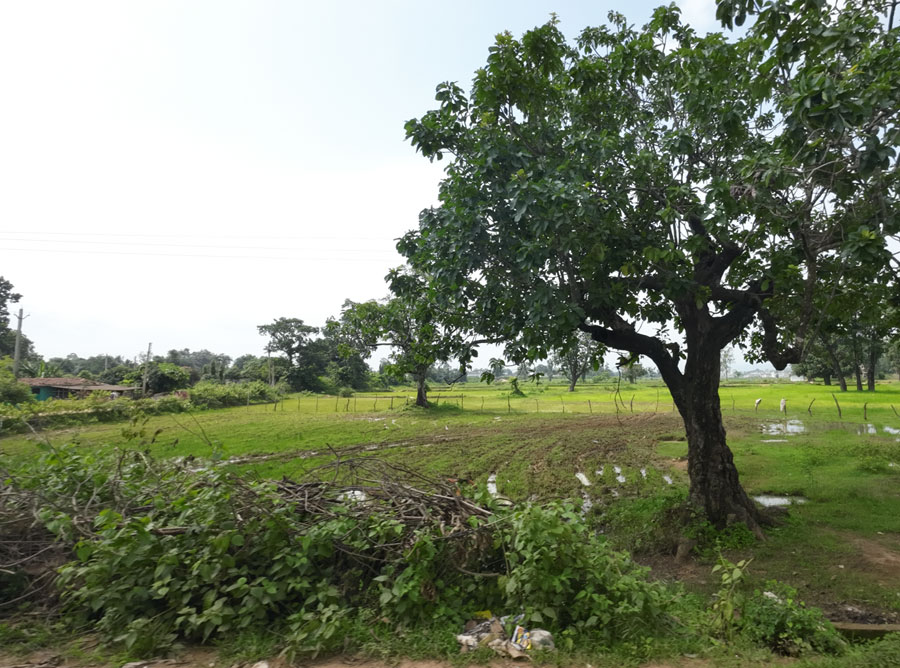

The Narayanpur district is one of the few places in India with untouched natural beauty. This region is home to the famous Abujhmad Forest, a mysterious and largely untouched expanse of greenery that has intrigued researchers, explorers, and nature lovers alike. The term ‘Abujhmad’ means ‘incomprehensible plateau’ in Hindi and ‘sal forest’ in the Gondi language. The total forest area of Narayanpur district is 211691.5 hectares. Trees like Saul, Teak, and mixed forests are also found in the Narayanpur district.
The climate of the Chhattisgarh state is mainly co-humid average temperature of 42° C in the summers and 23°C in the winters. And the average annual rainfall is 1200 to 1500 mm.

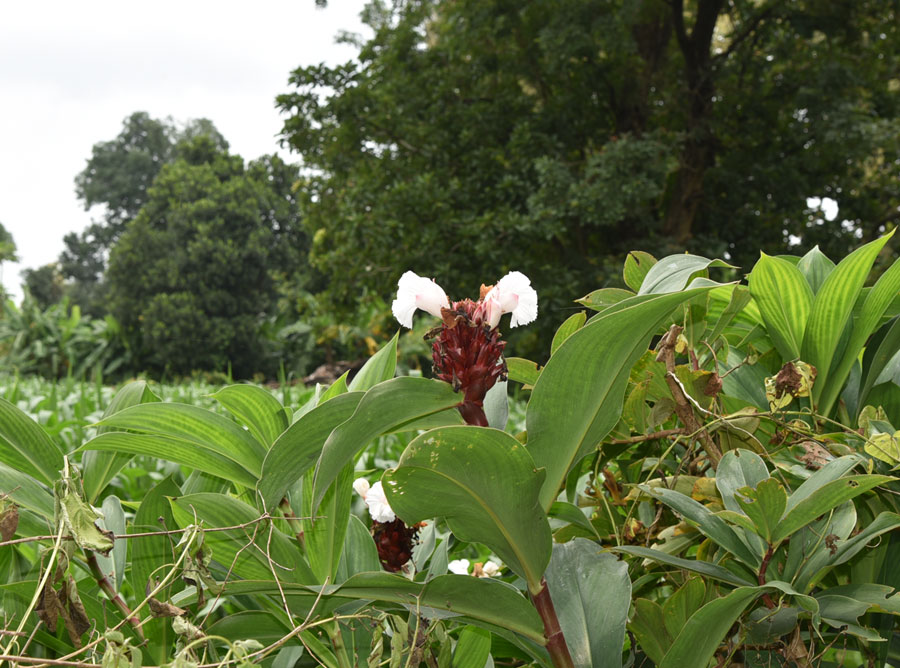
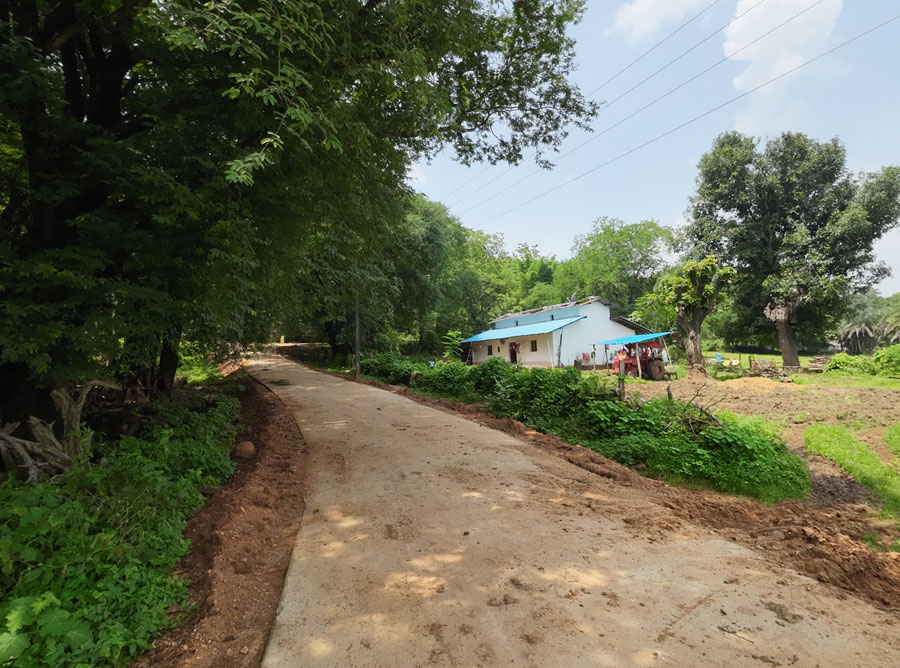
Narayanpur is a district headquarters and therefore has most basic facilities such as electricity, water supply, schools, colleges, and a hospital. It is also well connected by road. Due to its large tribal population, the town has several facilities dedicated to tribal communities, including hostels, craft centres, and support institutions.
While most daily necessities are easily available within the town, Narayanpur does not yet offer the same level of amenities as Kondagaon, particularly in terms of good hotels and restaurants. However, the charm of the town lies in its local character. It retains an unpretentious atmosphere that makes you feel rooted in place, much like many other small towns across the region.
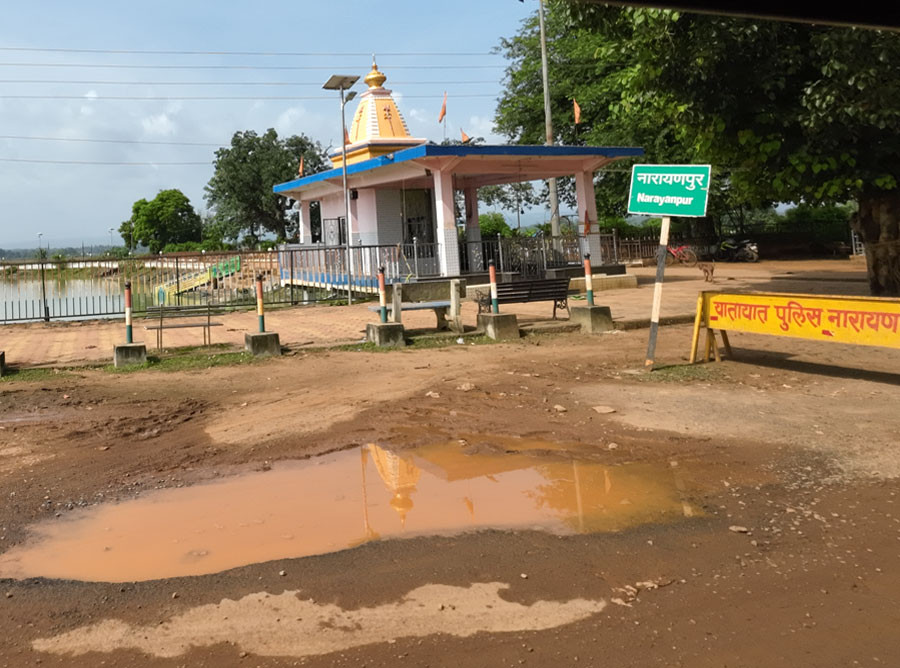
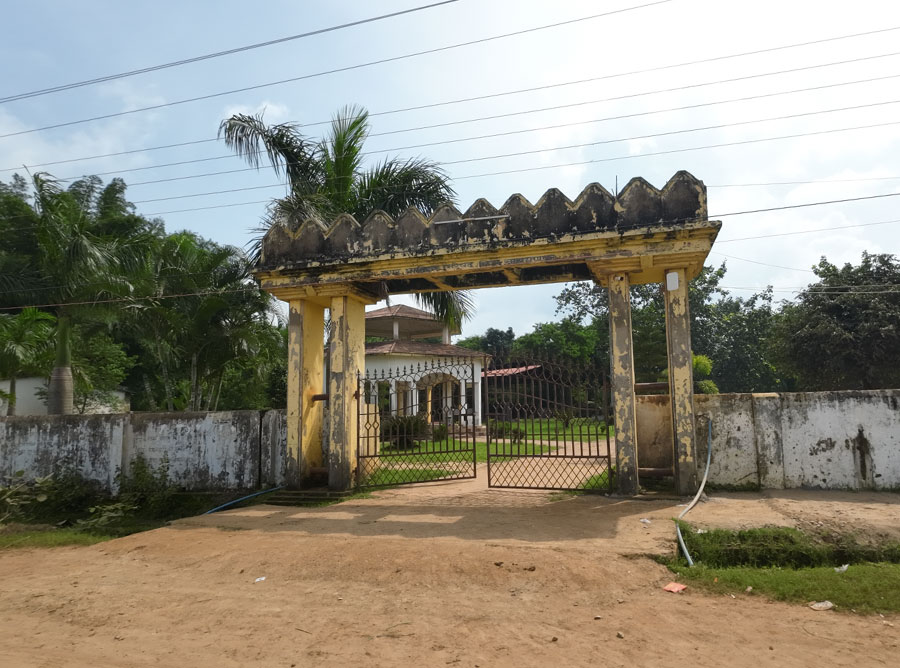
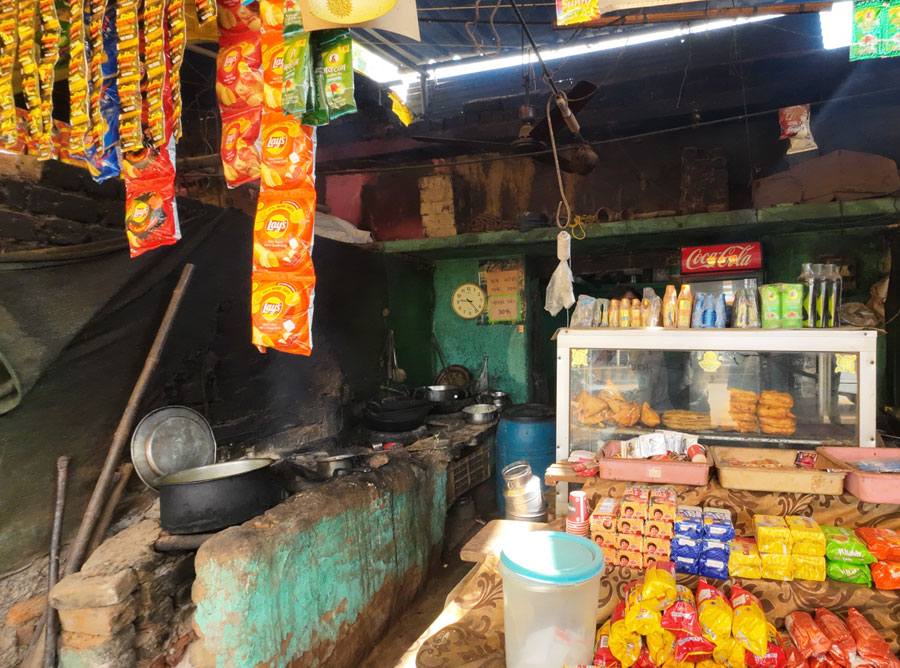
Narayanpur town today resembles many other small cities, with most buildings constructed using brick and cement. Even modest houses typically have brick walls finished with cement plaster, while roofs are usually sloping and made from materials such as tin sheets, asbestos sheets, or roof tiles.
In contrast, tribal communities such as the Gond, Muria, and Maria continue to live in villages close to nature, depending heavily on the surrounding forests and maintaining a harmonious relationship with their environment. Narayanpur is the least populated district of Chhattisgarh, with more than half of its people living in villages, where vernacular architecture can still be experienced. Most village homes are kaccha or mud-brick structures with sloping roofs. Many houses have boundary walls made of bamboo or wood, sometimes finished with mud plaster, and almost every household includes a designated corner for animals. These homes are highly functional, with spaces organized around daily activities. While small details are customized according to individual needs, the houses are not built for display. Instead, they reflect a way of life rooted in practicality and a deep closeness to nature.
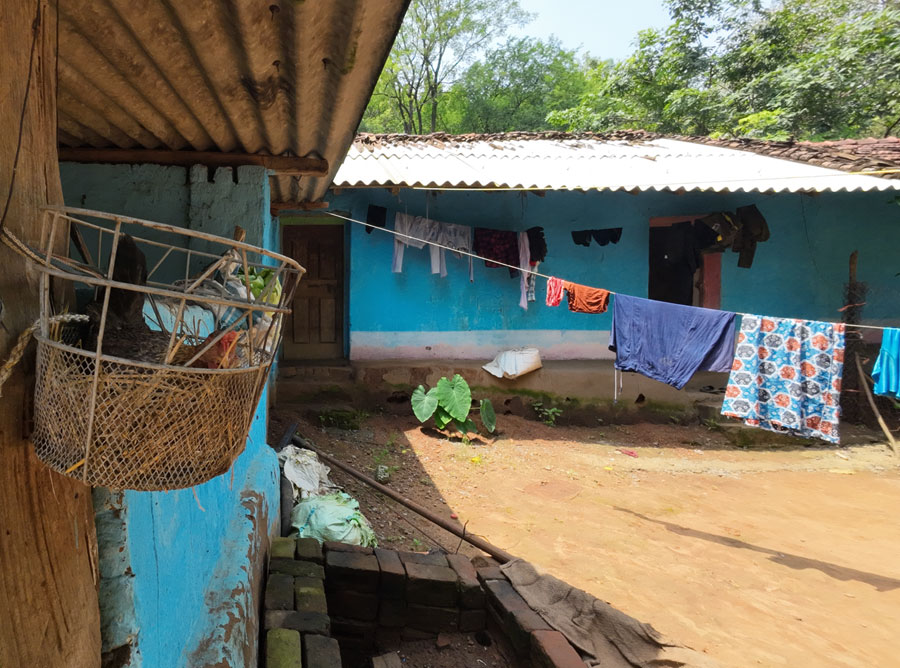
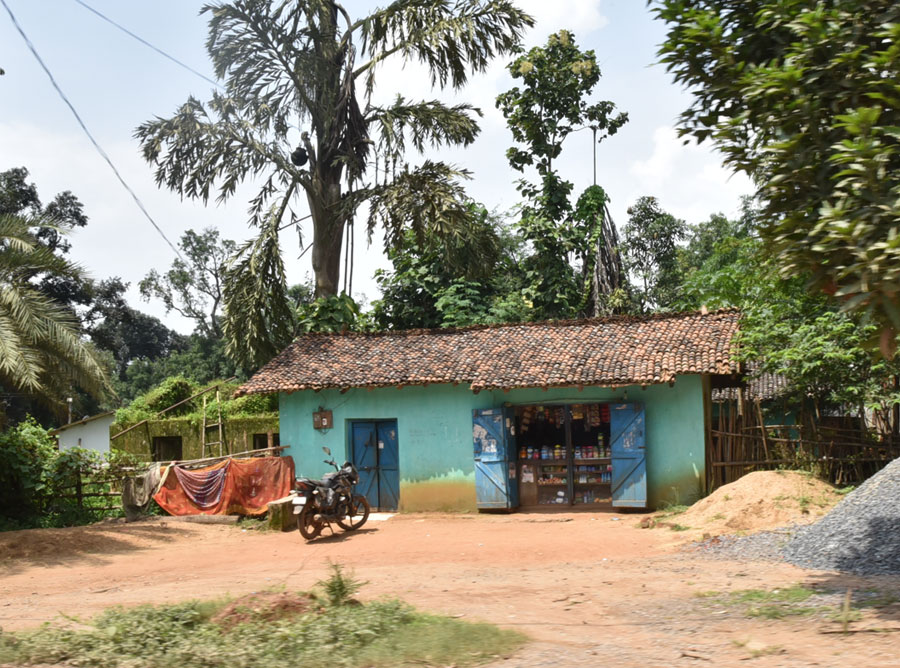
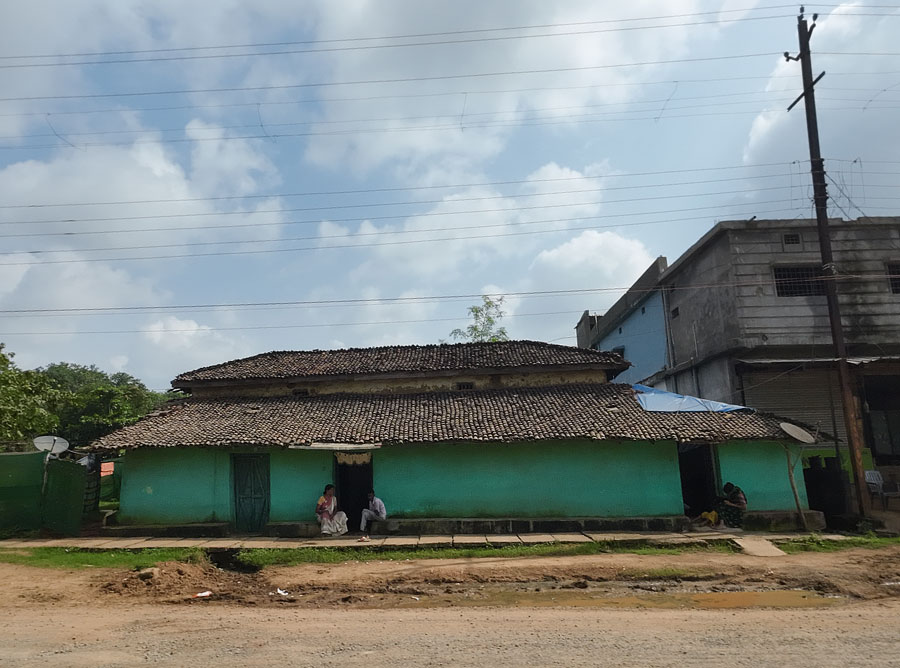
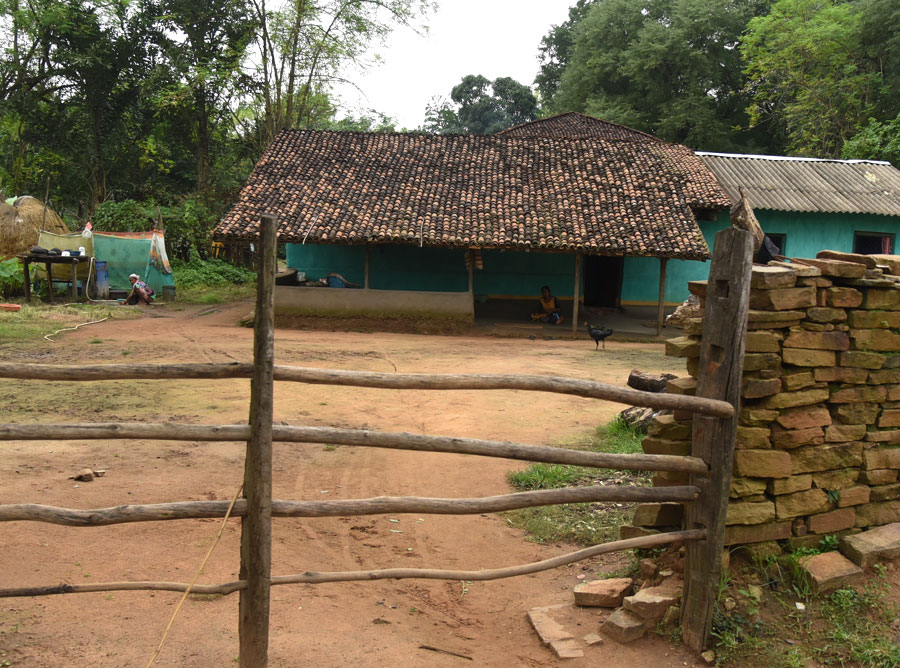
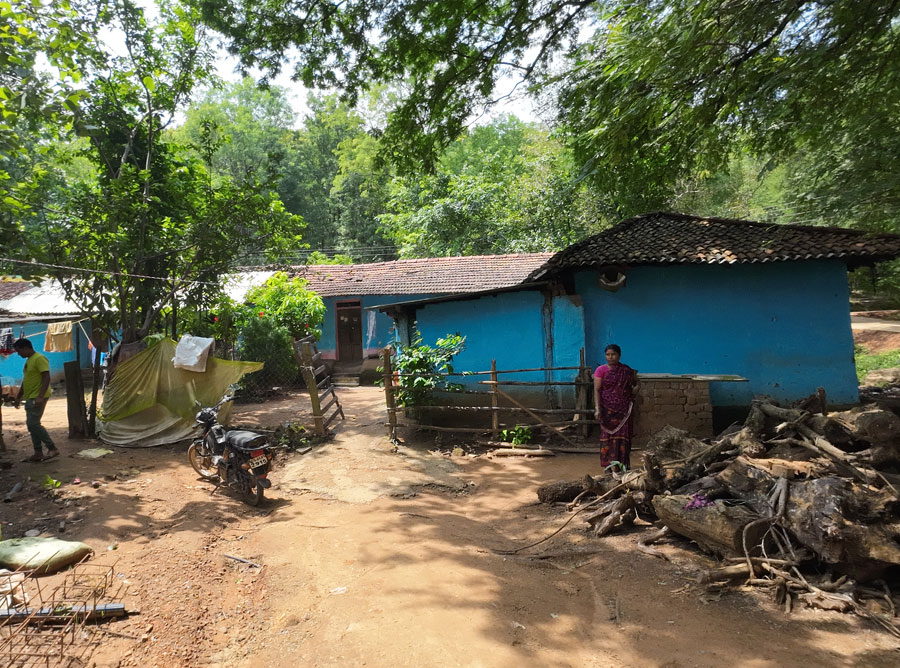
Large parts of Narayanpur are inhabited by the tribal people who prefer to live deep in the forest, away from civilization and its norms. Each tribe practises and preserves its own distinctive art and culture. The place presents a peaceful coexistence of Hindus, Muslims, Christians, and other minority religious groups. The tribes follow their own rituals and practices and mainly worship nature. According to the Census 2011, the Gondi language is largely spoken in the Narayanpur district, followed by Halbi, Santali, Chhattisgarhi, Hindi, and Bengali. The dialects of each tribe differ from one another.
The Ghotul culture still exists in a few districts of Bastar, including Narayanpur. The Ghotuls in the Muria tribe are traditional youth dormitories that serve as an important social and cultural institution. It is a place where unmarried boys and girls gather in the evenings to learn discipline, community values, songs, dances, craft skills, and the customs of their tribe. The young people are called Chalik-Mottei. Sincethe Ghotul culture has been declining over the years, the state government is actively taking initiatives to revive this Gond tradition by proposing to build new Ghotul structures in several districts.
Amus Tihar is considered the first festival of the tribes of Chhattisgarh. It marks the beginning of the festive season in the region. Amus is celebrated on the new moon day in the month of Sawan (Shravan). In most areas of Chhattisgarh, this festival is celebrated as Hareli. It is called Hariali in Haryana. The festival is celebrated in the rural areas to prevent any disease and epidemics. Farmers worship their equipment when the new moon appears. The festival brings different tribes together to celebrate the occasion with great fervour. Another festival that is celebrated with great enthusiasm is the Narayanpur Mata Mavli Mela. This religious festival is held annually and attracts visitors from several regions. It is celebrated to honour local deities and occupies an important place in the district’s cultural landscape. Devotees participate in prayers and processions, seek blessings, and celebrate the spiritual aspects of the festival. The mela offers different kinds of rituals, ceremonies, and offerings. Folk dance, music, and other performances become sources of entertainment for the visitors and provide a glimpse into the lives and stories of the locals. A traditional market is also set up at the festival, selling a wide range of goods, including local handicrafts, clothes, jewelry, and traditional foods. The mela is also significant because it is the place where the artisans and craftsmen display their works of art.
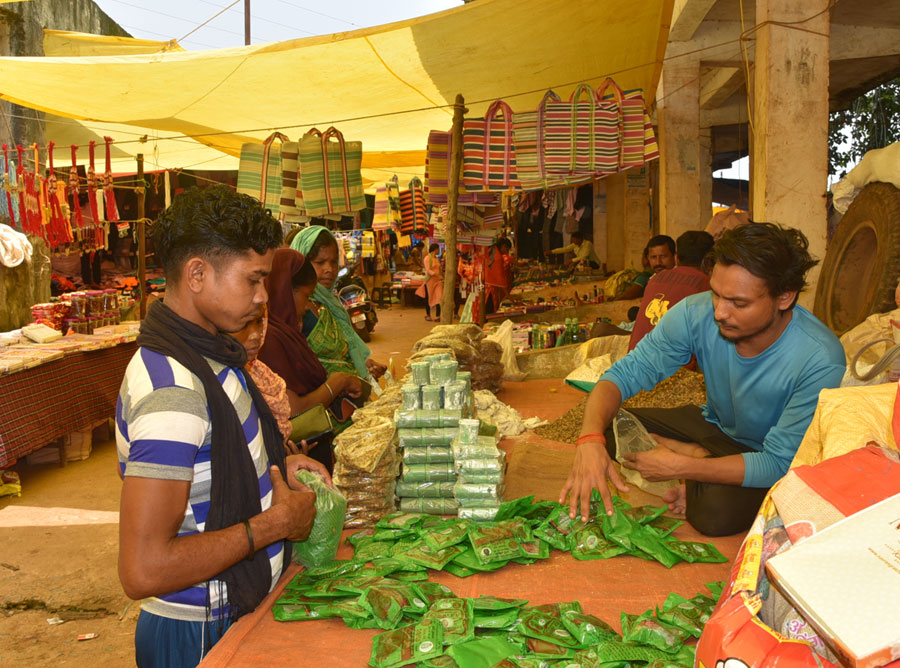
The surrounding culture of Narayanpur can be experienced in its weekly haat, where people from various tribal communities gather to purchase everyday necessities. These markets also reveal how both men and women actively participate in social and economic life. The haat offers insight into what people wear, what they make, and what they eat, making it a living expression of local culture. One can also find locally brewed alcoholic drinks made from palm sap, rice, or mahua.
In local culture, liquor drinking is both a duty and a pleasure. Mahua spirit is considered a duty because it is offered to the gods at every important occasion, including festivals, the naming of a child, marriages, and funerals. The juice of the sago palm, as well as landa, is also commonly consumed in social and ritual contexts.
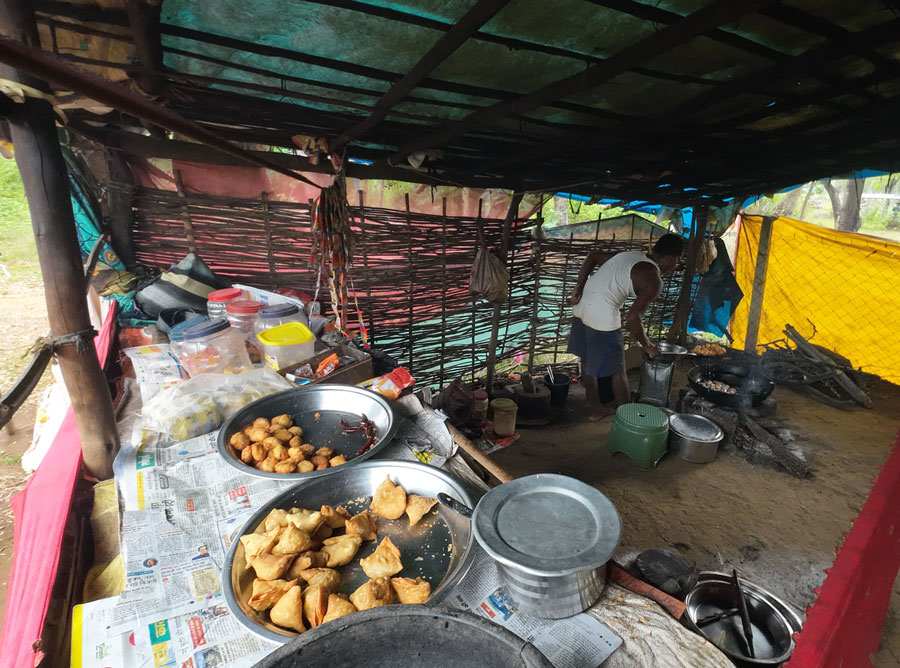
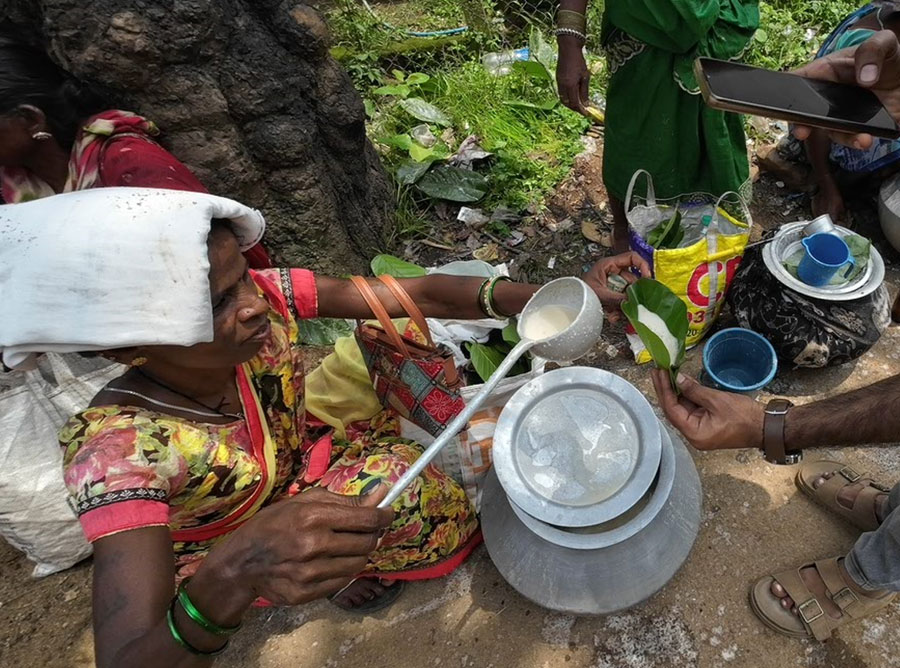
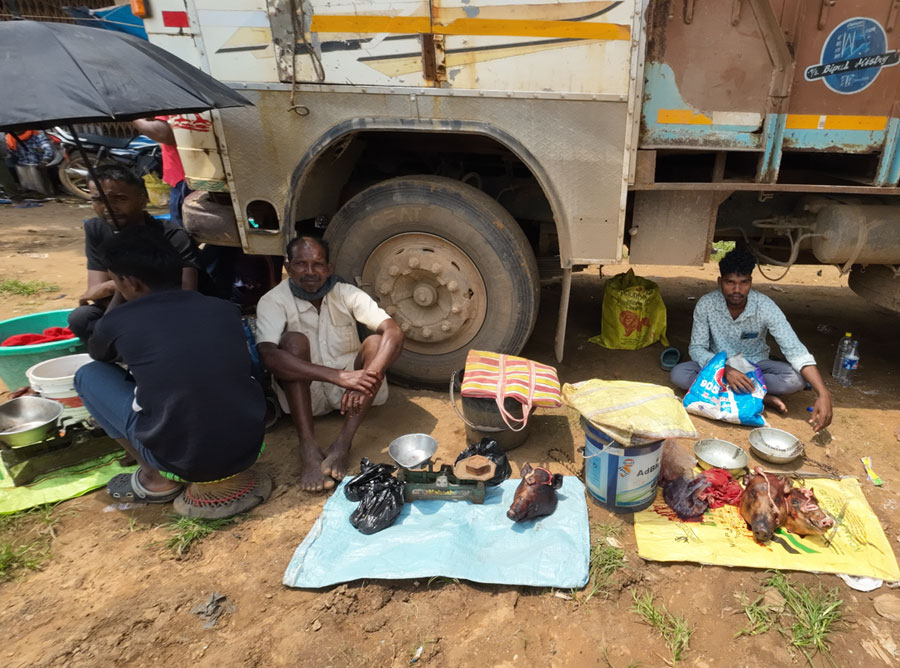
According to the Census of India 2011, the total population of Narayanpur district is 1,40,206 with 70, 189 males and 58,379 females. More than 70% of the total population is tribal people, such as the Gond tribe, Maria, Muria, Dhruv, Bhatra, Hala tribe, etc. (Government of Chhattisgarh, n.d.).
Interestingly, a native of the Garh Bengal village of the Narayanpur district brought global fame and recognition to the culture and practices of the region way back in the 1950s. This native boy called Chendru Ram Mandavi astonished people because of his unique bond with a tiger named Tendru. A member of the Muria tribe, Chendru was called ‘Tiger Boy’ and became a source of inspiration for many books, movies, and documentaries. The story goes that Chendru once rescued a cub when he was little and then raised it as his own. Impressed by this unique bond, two Swedish directors, Arne Sucksdorff and his wife, author Astrid Lindgren, decided to film a documentary and write a book capturing the life of Chendru. As a result, Arne Sucksdorff directed a cinematic masterpiece initially released in English under the title ‘The Flute and the Arrow’. The documentary, starring Chendru himself, was shot on location in Bastar and followed his life in the village, highlighting his relationship with the tiger and providing a glimpse into the daily lives of the Gond people. The stunning visuals of Bastar’s lush forests and the portrayal of its in digenous culture brought global recognition to the region (TOI Lifestyle Desk, 2024). Such was the impact of the documentary that it even received an Oscar.
The economy of the Narayanpur district depends largely on agriculture. Paddy and Kharif crops are traditionally grown here. Other crops include maize, jowar, arhar, and urad. During the Rabi season, crops like til, moong, alsi, mustard, and gram are cultivated. However, the agricultural productivity is quite low due to the absence of the use of modern agricultural techniques.
Besides agriculture, people also take up animal husbandry, collections of forest produce, and small businesses. The industrial sector of the region is backward with poor infrastructural facilities.
The overall literacy rate is 49.59 percent, indicating that a significant portion of the population remains uneducated even today.
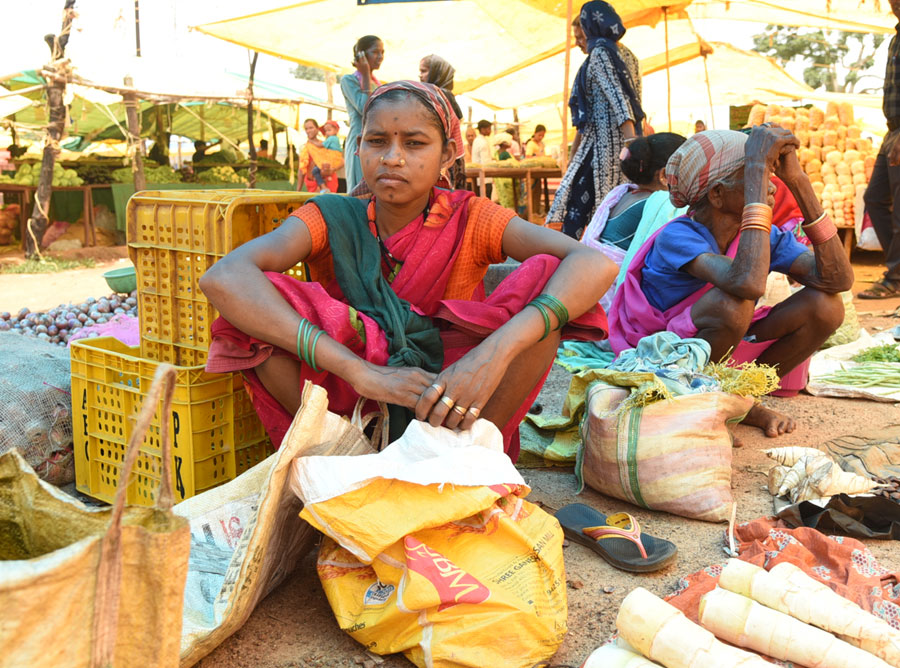
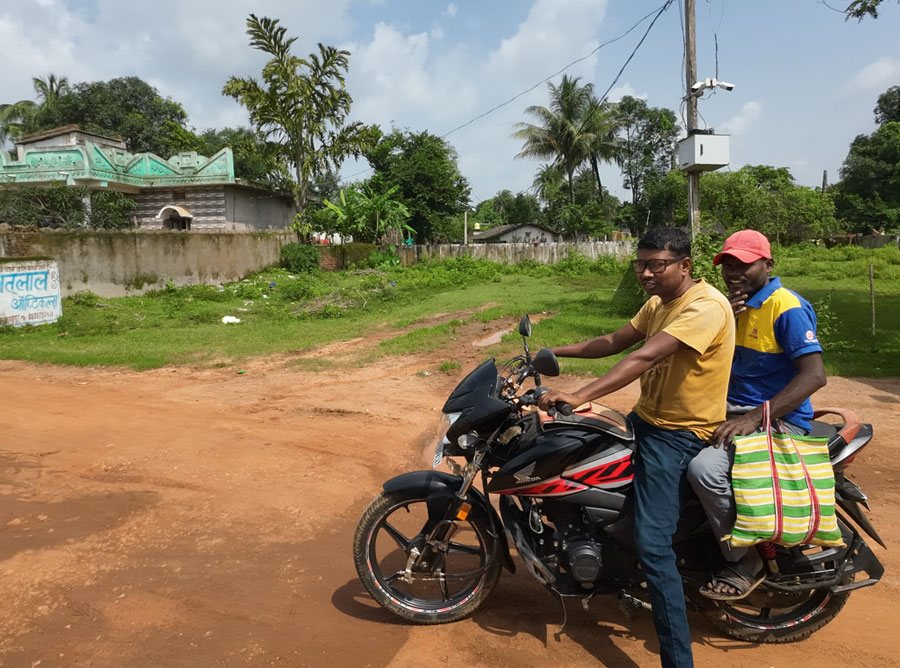
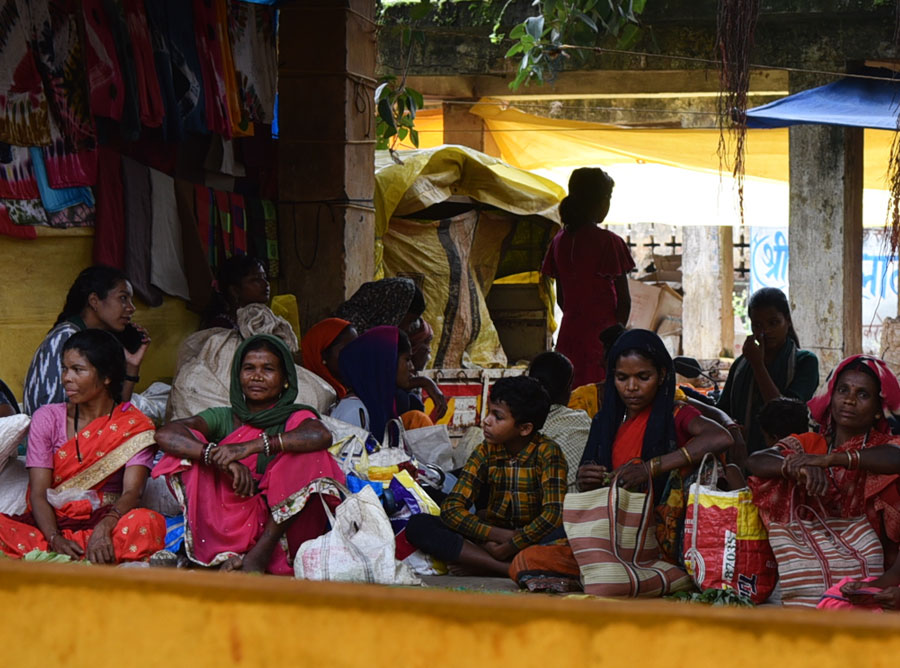
Famous for its dense forests, tribal communities, and mineral resources, the region was earlier also known as a prominent centre of Naxal activity, which is now limited to smaller areas. Narayanpur has several important cultural and historical landmarks, including Mata Mavli Mela, Pahadi Mandir, and the Ramakrishna Mission Ashram.
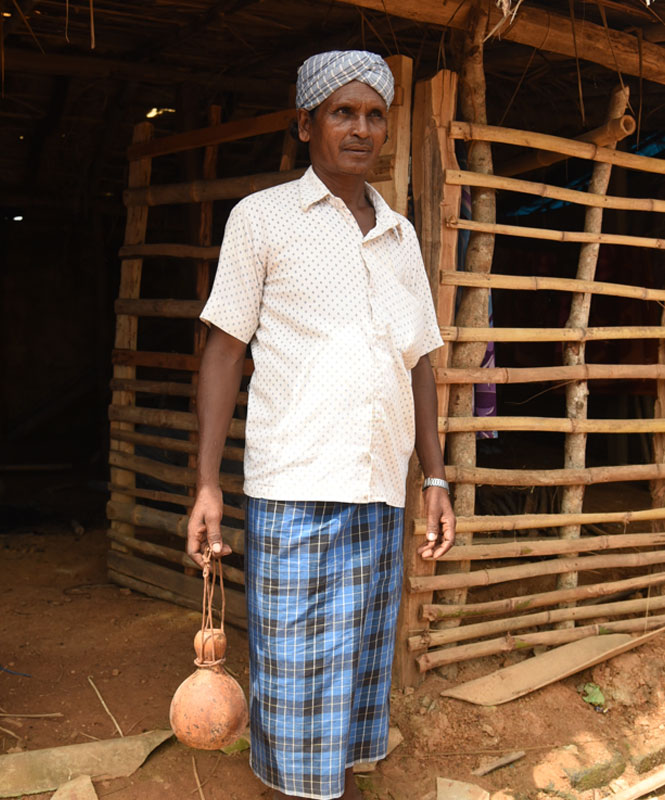
List of craftsmen.
Team Gaatha
– Chandrashekhar, M. (2024, February 20). Wood Carving in Chhattisgarh: A Tribute to the Tribal Art of India. The Cultural Heritage of India. Retrieved December 28, 2025, from District Environment Plan for Narayanpur, Chhattisgarh State
– THE MURIA AND THEIR GHOTUL, VERRIER EL WI
The Literature Review on published Works of Gond tribe (Community), Rahul A. Ghodam, Dr. Shiva Shrivastava
– Drolia, R. (2016, April 12). Ignored and Unknown, Memory Pillars of Bastar Tribes Symbolize Tribal Ways. The Times of India.
– Government of Chhattisgarh. (n.d.). District Narayanpur. Retrieved December 27, 2025
– IGNCA. (n.d.). Gond Masks. IGNCA. https://ignca.gov.in/man-and-mask/masks/masks_detail/402.html
– MAHESWARAN, D. C. (2011). THE MASKING TRADITION IN TRIBAL INDIA (No. 5 ed., Vol. XVIII). 5.5. JAWAHAR, lAS., The Principal Secretary and Commissioner of Museums, Government Museum, Chennai – 600 008.
– TOI Lifestyle Desk. (2024, 10 14). The ‘Tiger Boy’ of India, whose inspiring story won an Oscar.
– Vijlani, A. (2025, April 10). Explore Narayanpur: The Untamed Beauty of Chhattisgarh(232/788). Medium. Retrieved December 25, 2025
– https://www.thehindu.com/news/national/a-symphony-in-the-conflict-zone/article69143577.ece. Retrieved December 28, 2025
– https://villagesquare.in/family-woodcarvers-preserve-chhattisgarh-muria-ghotul-art-garh-bengal/. Retrieved December 28, 2025
