


Meenakari Craft ~ Va...
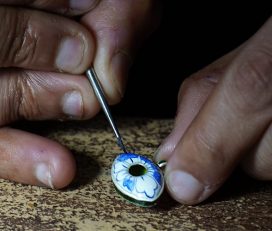
The art of Meenakari practised in the lanes of Varanasi is known as Gulabi Meenakari. The colour ‘Gulabi’ pink is a predominant colour used, taking its name from the craft.
Gai ghat Varanasi, Gaighat, Ghas...
 Kondagaon, Chhattisgarh, India...
 Kondagaon, Chhattisgarh, India...
 Kondagaon, Chhattisgarh, India...
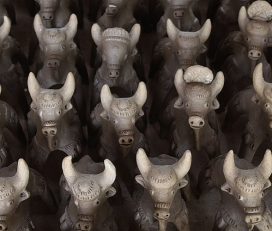 Kumhar para, kumhar para, Sona...
The art of Meenakari practised in the lanes of Varanasi is known as Gulabi Meenakari. The colour ‘Gulabi’ pink is a predominant colour used, taking its name from the craft.
Gai ghat Varanasi, Gaighat, Ghas...
Kumhar Para, a small village near Kondagaon, is home to skilled terracotta artisans, where life flows in harmony with nature and craft is shaped by respect for the earth.
Kumhar para, kumhar para, Sonaba...
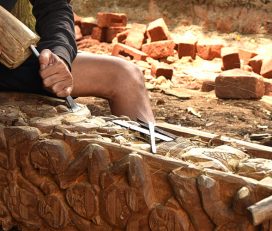
Wood carving in Narayanpur did not emerge as a commercial art form. It is a way of living, a practice of making objects that hold both beauty and meaning.
Gadhbengal, Chhattisgarh, India...
Let us talk… if you feel the same love for handmade, and would like to support us by sharing your research or by contributing financially to our documentation efforts.
Reach us at [email protected]

The weavers continue to use traditional materials and original techniques to make the handlooms, thereby safeguarding the tribal heritage. The weavers make a wide range of products, including sarees, purses, dhotis, shawls, towels, dupattas, stoles, and scarves. The weavers also honour their tribal origins by representing the tribal way of life in the textiles.
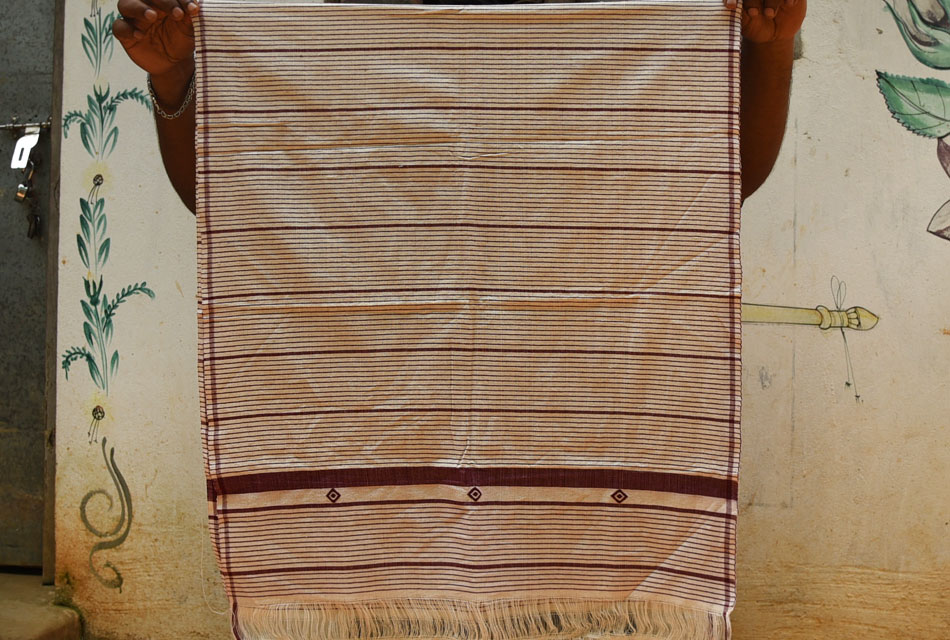
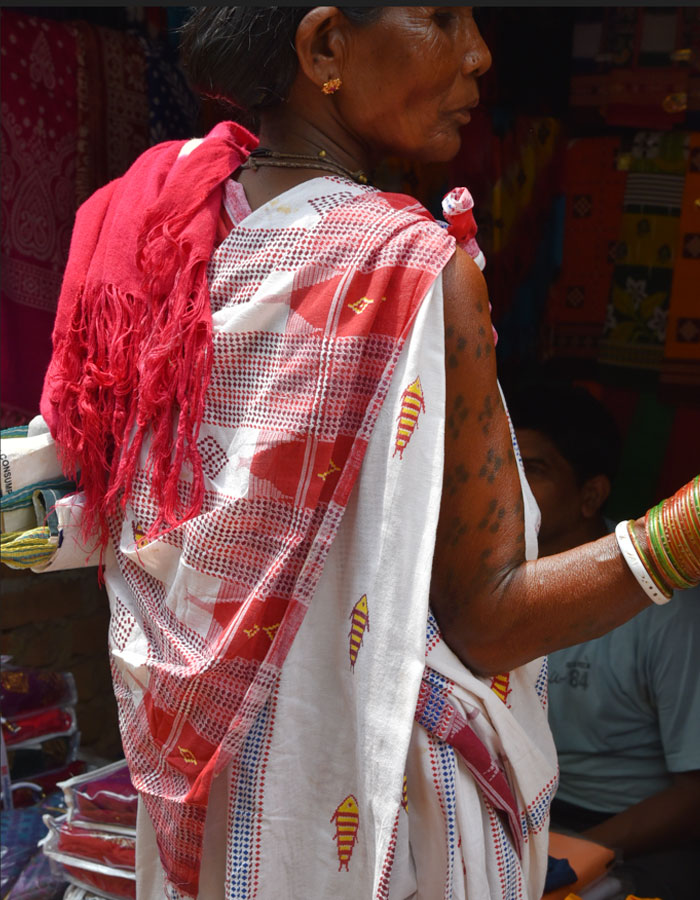
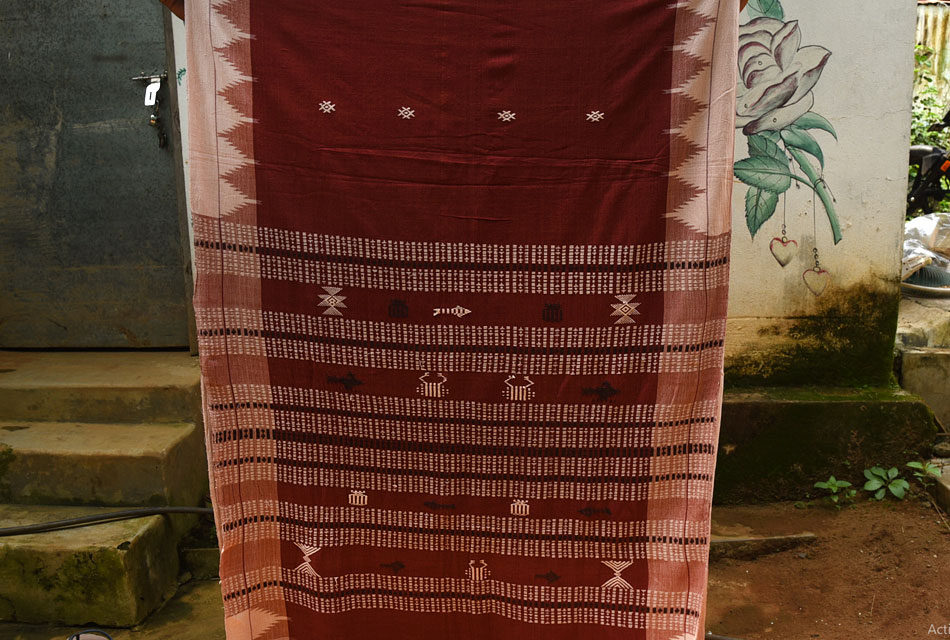
These textiles were traditionally worn as towel draped over the shoulders by both men and women. Over time, Kotpad weavers also began producing Patta ( 8 haath sarees). A Patta is a rectangular piece of cloth consisting of a central field or body, a dhari (border), and a jada or pallu (end piece). It is draped by women of the household on specific occasions. The motifs on the saree are placed at regular intervals and symbolically represent the woman’s responsibility for the well-being of her family.
There are several types of Patta, including Bandi Patta and Thekra Patta. For men, textiles such as the Gotcha or Tual are woven and draped around the lower part of the body. These are typically about three haath in length and function like a towel or waist cloth. Artisans also weave dhotis, which are approximately two metres (four haath) long.
Artisans explain that Kotpad weaving remains deeply relevant to the local community, and sarees are still commonly worn for both everyday use and special occasions. The difference lies primarily in the complexity of design. For example, communities such as the Bhutra, Gond, and Durva traditionally wear sarees in deep red (maroon) shades and generally avoid black. Everyday sarees are usually simple and minimal in design, while wedding and occasion-based sarees are more elaborate, featuring richer motifs and detailed patterning. Certain communities also have specific sarees designated for death and mourning ceremonies.
In recent years, Kotpad fabric has also gained popularity in urban contexts. Many designers and companies are drawn to the organic feel of the fabric and are using it to create shirts, dresses, and contemporary garments. Such sales take place through craft fairs as well as through direct contacts, operating across both B2C and B2B models.
A newer addition that is also gaining popularity is the use of tussar yarn in the weft. Fabrics woven with tussar in the weft have a rich and regal appearance. When combined with the red colour derived from aal (Indian madder), the fabric becomes especially distinctive and visually striking. Artisans are now exploring a wider range of products using these combinations, including stoles, scarves, and sarees, expanding both the aesthetic and market possibilities of Kotpad textiles.
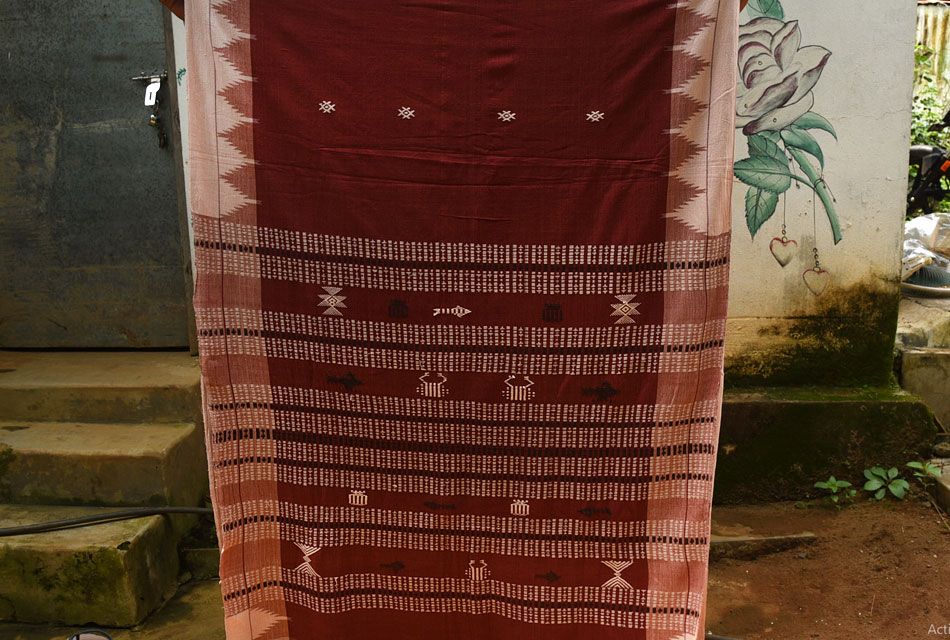
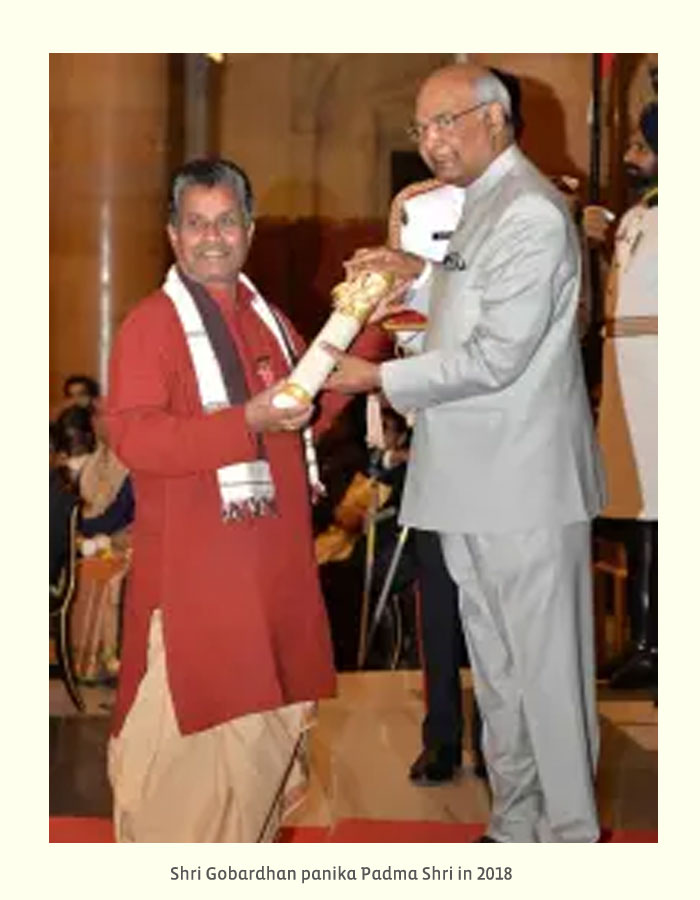
The tribal weavers like Kapileswar Mohonto and Vidhyadhar Mohonto play a vital role in safeguarding the intangible heritage of the Kotpad region. They continue to practise and carry forward their inherited knowledge and skills in Kotpad weaving. They have played an instrumental role in bringing Kotpad’s weaving heritage to center stage. In consequence, they rightly attained the status of a National Awardee in 2003 and 2016, respectively. The importance and recognition of the craft at a national level is also evident by the fact that Gobardhan Panika, a tribal weaver, was honored by the Government of India with the fourth-highest civilian honor of the Padma Shri in 2018.
One of the most important values of Kotpad weaving lies in its environmentally friendly, traditional process. Natural dyeing is a centuries-old, eco-friendly practice that uses plants, minerals, and other earth-based substances to produce rich and distinctive colours. This method not only minimises the ecological impact associated with chemical dyes but also honours the beauty of nature and the legacy of artisanal craftsmanship.
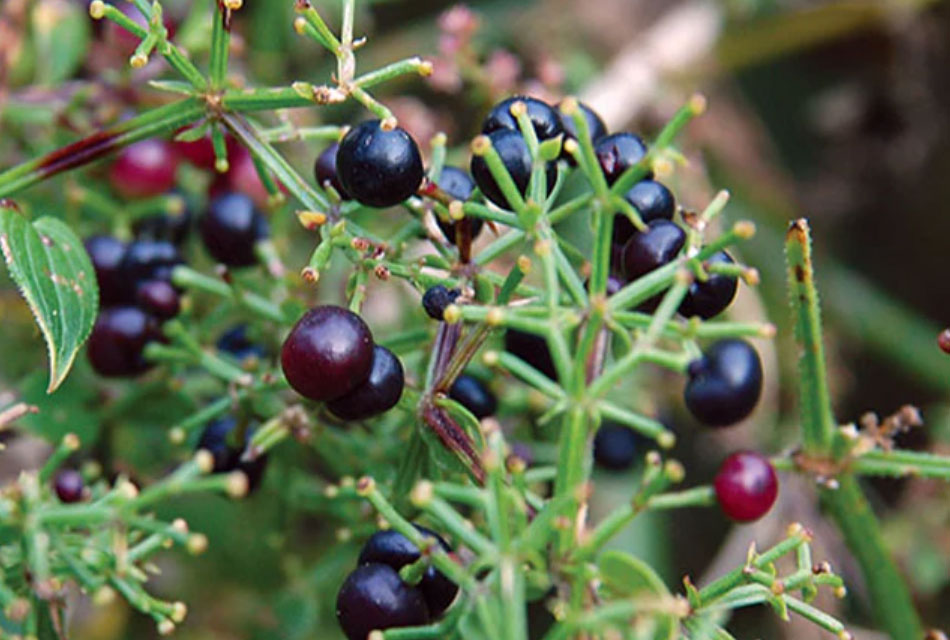
Red, in particular, is generally considered one of the most toxic colours when produced using synthetic dyes. In contrast, Indian madder root powder offers an environmentally sustainable alternative, enabling textile artisans to create naturally dyed textiles without harming the ecosystem. The use of madder produces deep, earthy reds that are both durable and aesthetically distinctive. In the Kotpad region, artisans continue to use pure cotton and natural dyes to create textiles with a unique visual and tactile character. The local tribal communities actively support and sustain this practice, as it is deeply connected to their customs, traditions, and cultural identity.
In addition to this, the Pattas, worn by the tribal women, were designed with nature-inspired motifs that have immense symbolic significance. These abstract motifs on the sarees are usually associated with various social and religious beliefs. Additionally, these motifs remind women of their virtues, such as tolerance and humbleness, and protect them from evil. Several tribes, such as Durua, Bhatra, Paraja, and Koyan, wear the fabrics woven by the Kotpad weavers. The tribal weavers visit their houses to sell the fabrics.
Lastly, several efforts have been made to preserve the legacy of the weavers and protect the region’s unique heritage. For instance, Kotpad Weavers’ Cooperative Society, created in 1956, has been actively involved in promoting Kotpad handlooms. The society plays a vital role in bringing visibility to the craft and providing support to the weavers in terms of training and access to resources. Furthermore, Biswanath Rath, an Indian Writer-Director, made an English Documentary titled ‘Kotpad Weaving: The Story of a Race Against Time’ in 2018, focusing on Kotpad Handlooms. The documentary recorded the unique aspects of the craft, including the dyeing and weaving processes, highlighted the challenges faced by the weavers, and suggested possible solutions to revive the craft.
According to local accounts, there are three main communities engaged in weaving in the region: the Panka, Mirga, and Manikpuria. Among these, the Pankas have a particularly distinctive social and historical identity. In this region, the term Pan has a specific application. While the Pan tribe is commonly referred to as Gānda in Chhattisgarh and the Odia-speaking regions, the Pankas form a separate division of the Gāndas. This division consists of those who became followers of the Kabīrpanthi sect. The distinction has been socially significant, as the Gāndas were historically regarded as one of the most marginalised castes.
According to Panka belief, their name derives from pāni ka, meaning “from water.” This interpretation is linked to the legend of Kabir, the founder of the sect, who is said to have been discovered by a weaver woman lying on lotus leaves in a tank, similar to the biblical story of Moses among the bulrushes. Since purification of a newly initiated convert involves water, the Pankas associate their identity symbolically with water. As a result, they consciously distance themselves from the Gāndas and assert that they are a separate caste, consisting of disciples of Kabir.
This belief has given rise to a well-known doggerel rhyme:
Pāni se Panka bhae, bundan rāche sharīr,
Age age Panka bhae, pāchhe Dās Kabīr.
One interpretation of this verse is:
“The Panka is born of water, and his body is made of drops of water, but there were Pankas even before Kabir.”
Another interpretation of the second line suggests:
“First he was a Panka, and later he became a disciple of Kabir.”
The Manikpuria community, on the other hand, trace their ancestry to Manikpur in the Darbhanga region, from where they are believed to have migrated approximately three centuries ago.
Kabir, who lived in the fifteenth century, remains one of the most revered figures in Indian spiritual and cultural history. The Kabir Panth, the sect that follows his teachings, continues to be active today. The word panth means “path” or “way” and denotes a spiritual tradition or sect within the broader framework of Indian religious thought.
In many parts of the country, we find that weaving communities have had a close and enduring connection with Kabir. One possible reason is that Kabir himself was a weaver, making his life and teachings deeply relatable to these communities. However, this is not the only reason for his widespread influence. More importantly, Kabir offered a powerful sense of freedom. His teachings placed spiritual truth above all social systems and hierarchies. For people belonging to marginalised and lower castes, such ideas strengthened inner confidence and dignity. Kabir’s philosophy challenged the notion that a person’s worth could be judged by birth or caste. Instead, he emphasised that every human being is a divine soul, while the body itself is mortal. One of the most compelling stories associated with Kabir’s birth reflects these beliefs.
Kabir is believed to have descended from heaven to earth, appearing miraculously in the heart of a blooming lotus in the Lahar Talaab. Thunder and lightning filled the sky, birds circled overhead, and the air felt charged at the moment of his manifestation.
At that time, Nima, the newly married wife of Niru the weaver, felt thirsty while walking to her husband’s home after the wedding ceremony. When she approached the tank, she saw the child and was struck with fear, suspecting that the infant might be the result of social shame. Niru suggested that they take the child home, but Nima hesitated, worried about scandal and public judgement.
Eventually, moved by compassion, they brought the child with them. When questioned by others, Nima declared that she had received the child without giving birth to him, accepting Kabir as a divine gift.
The mystery deepened when Nini called a Qazi and asked him to open the Quran to find a suitable name for the child. The name Kabir appeared, along with Akbar, Kubra, and Kibriya. The Qazi was disturbed, for Kabir was a title reserved for God. More Qazis were summoned, and each opened the Quran, only to arrive at the same result. They closed the book in silence and disbelief.
Unable to accept that such a divine name could belong to a weaver’s child, they urged Niru to destroy him. As Nini took the child inside, the child spoke:
“I was not born of a woman. I appeared as a boy. I carry neither earth nor sky, only wisdom. I have no bones, blood, or skin. I reveal the Shabda. My body is eternal.”
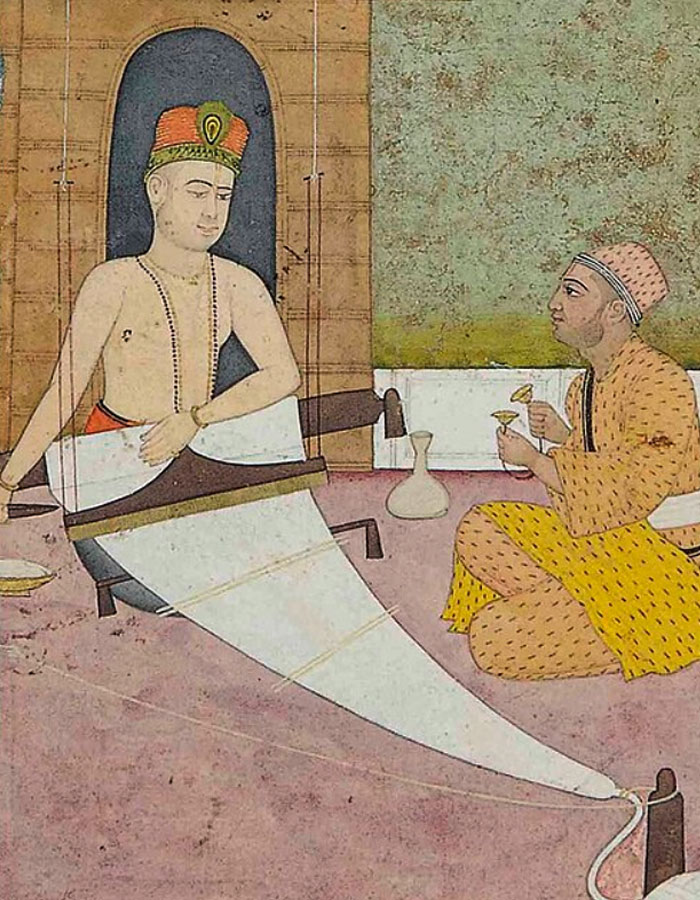
It is difficult to determine exactly when people began weaving, as some questions do not have clear or definitive answers. In such cases, one can only connect fragments of evidence and make informed interpretations. Cotton weaving has long been an essential part of tribal life, and indigenous communities have practised it for centuries.
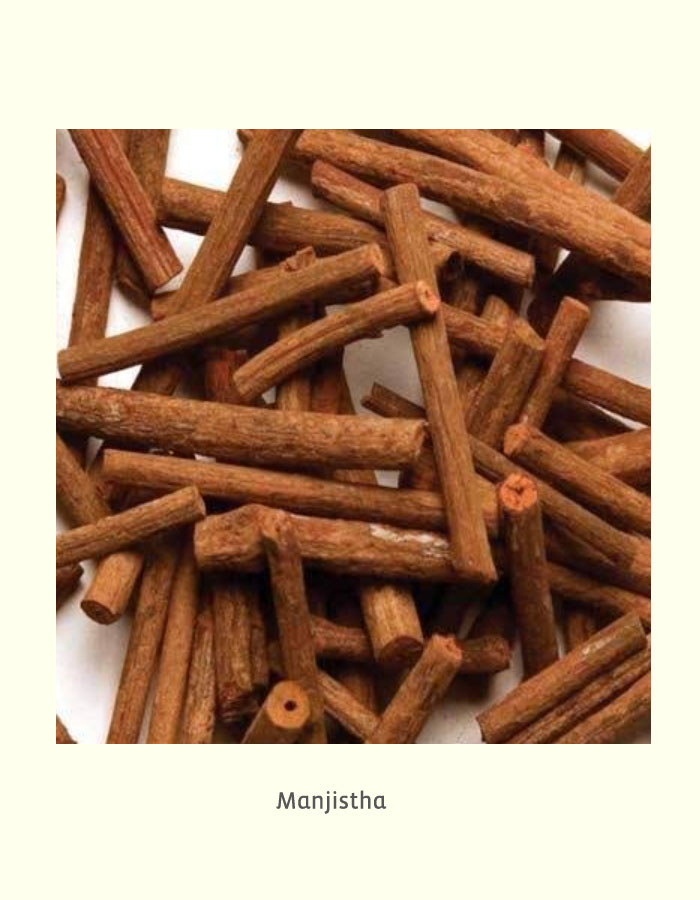
Knowledge of the aal tree is also widespread across many regions. Ancient Indian texts mention the qualities of aal (manjistha), which was reputed to be an effective blood purifier and was widely used in the treatment of blood, skin, and urinary ailments. These texts also refer to the dyeing properties of aal powder, highlighting its importance beyond medicinal use.
In terms of written records, several researchers during the British period documented tribal regions and noted that the communities mentioned above were highly skilled artisans. Their primary occupation was weaving cotton textiles using naturally dyed yarns. Beyond livelihood, many communities developed customs, rituals, and cultural practices around textiles. Such transformations take time, especially in periods when communication and mobility were limited.
While it is not possible to determine an exact date, it is evident that this textile tradition has been deeply intertwined with the social and cultural lives of Kotpad’s indigenous communities for centuries.
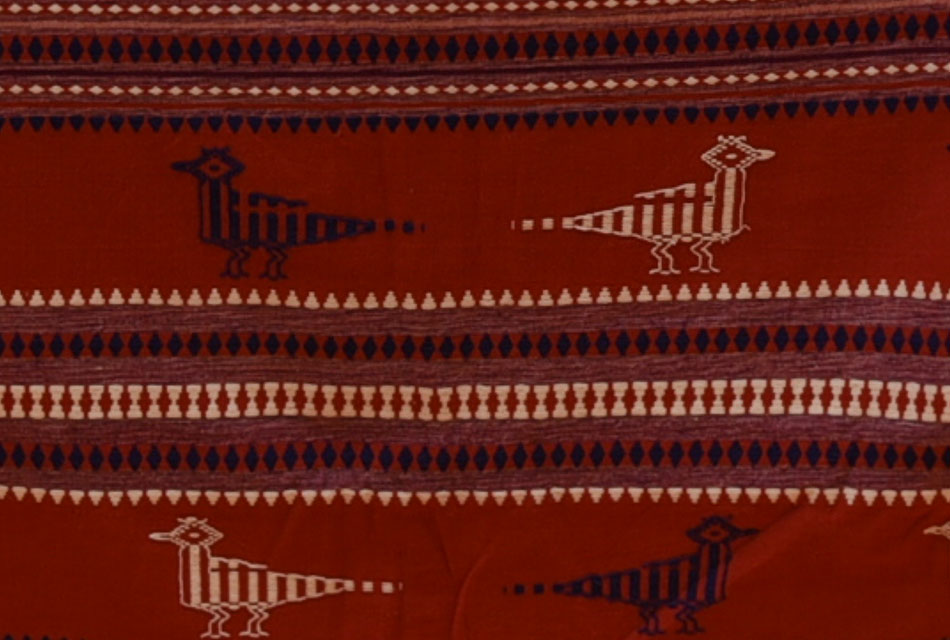
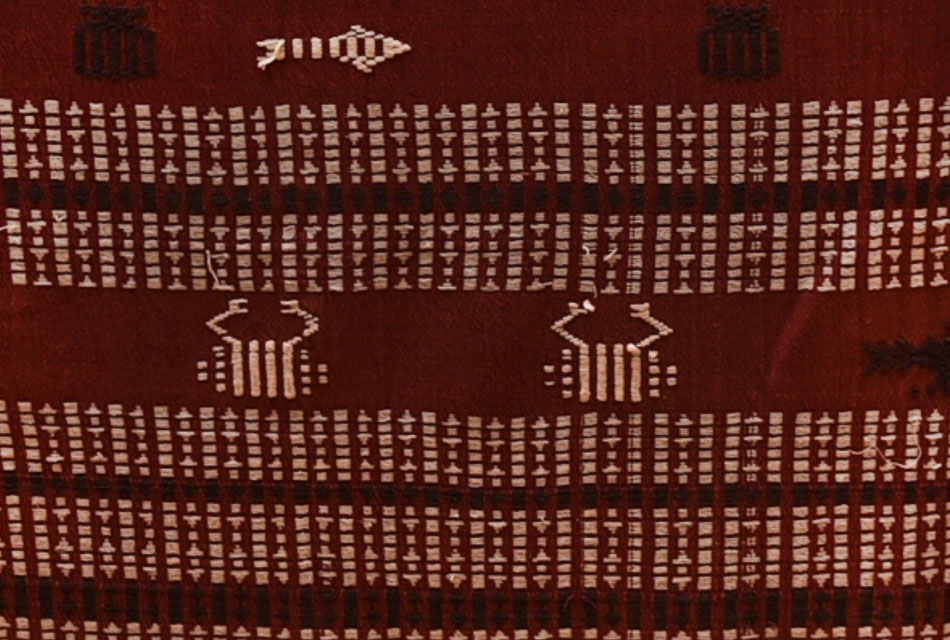
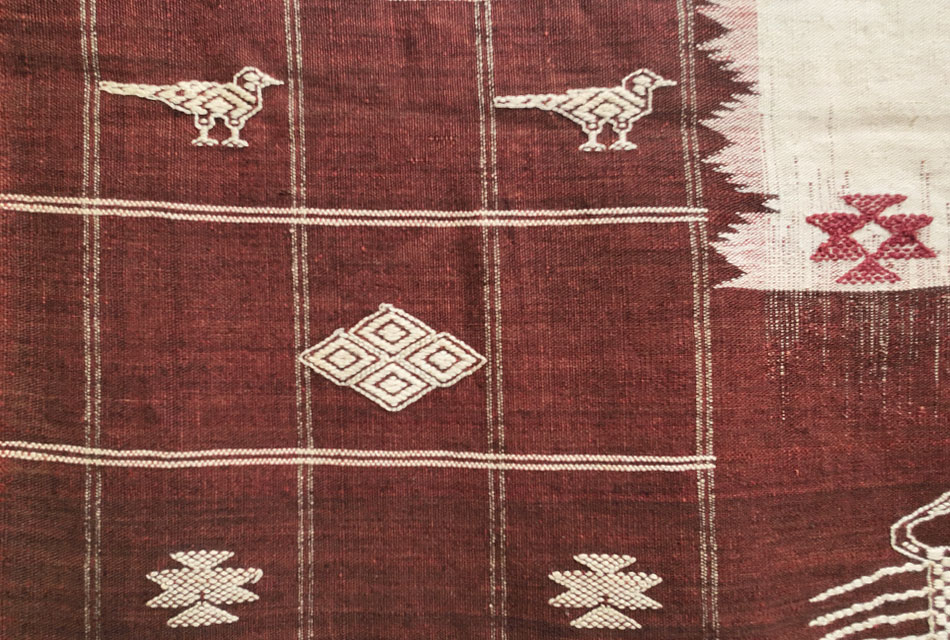
The designs in Kotpad weaving are primarily inspired by nature, indicating the communities’ harmonious relationship with the environment. The motifs are hand-drawn and simplistic in character. There is no decorative element in Kotpad handlooms, and they display the day-to-day lives of the tribal population. From flora and fauna to farming and hunting, Kotpad weavers explore a wide range of themes and motifs. In Kotpad weaving, the motifs have symbolic connotations associated with them. For instance, Bilai khoj (Cat’s paw) means a cat walking without making any noise. Similarly, it relates to a young girl with good values who serves her family quietly without boasting. Another motif, Kachim or Kachua (Tortoise), symbolizes the reincarnation of Lord Vishnu. When required, its ability to pull itself into its shell is compared to a virtuous woman who must have this skill to look after her family. Mayur (Peacock) is a significant animal in the Hindu culture, associated with fertility, beauty, and courtship. It is seen as the protector of a newlywedded couple from the evil eye. Mruga (Deer) is also woven on textiles as beautiful and innocent creatures nurturing their fawns. It represents the ideal qualities that a virtuous woman must possess. Other animals such as simha (lion), kankra (crab), and hasti (elephant) are also seen in textile designs, carrying multiple interpretations.
Apart from animals, Handi/ Mathia/ Kalasha/ Kumbha or Earthen Pot (The holy ceremonial water jar) is also depicted. The earthen pot symbolizes a womb and means to carry water and nectar (Amrit). It also symbolizes abundance and good fortune. Phul (flower), Chiria (bird), and Jhar (tree) motifs are also popular. Motifs of flowers like lotus and birds like crow, dove, and mythological Jatau are also commonly used in Kotpad handlooms. Shikarah stories of the ancient Rajas also inspire the use of tigers and leopards in the designs. The artisans also weave ritual and daily-use objects such as a patawaar (oar), teer (arrow), and chata / chatri (shed/shelter). Motifs associated with mythology, festivals, rituals, and celebrations like Dhemsa dancers performing, drummers beating their drums, or women going for puja, are also famous.
In conclusion, leaves, animals, rivers, farms, flowers, cheeta (leopard), snake, axes, conch, boat, temple, fish, pot, birds, trees, and hut are the traditional motifs, and non-traditional motifs like umbrellas and airplanes are part of kotpad fabric. The designs have changed over the period due to the changing market conditions and also as per the demand for the product.
One thing is very clear in terms of design: although the colour palette is limited, artisans have explored a wide variety of motifs to make the textiles visually rich and appealing. The designs also cater to different budget ranges. In lower-cost sarees, the pallu is kept simple, while in more expensive sarees, both the pallu and the body are densely filled with motifs.
Artisans also produce a special type of saree in which the motifs appear identical on both sides. This technique is locally known as “Phodakum.”
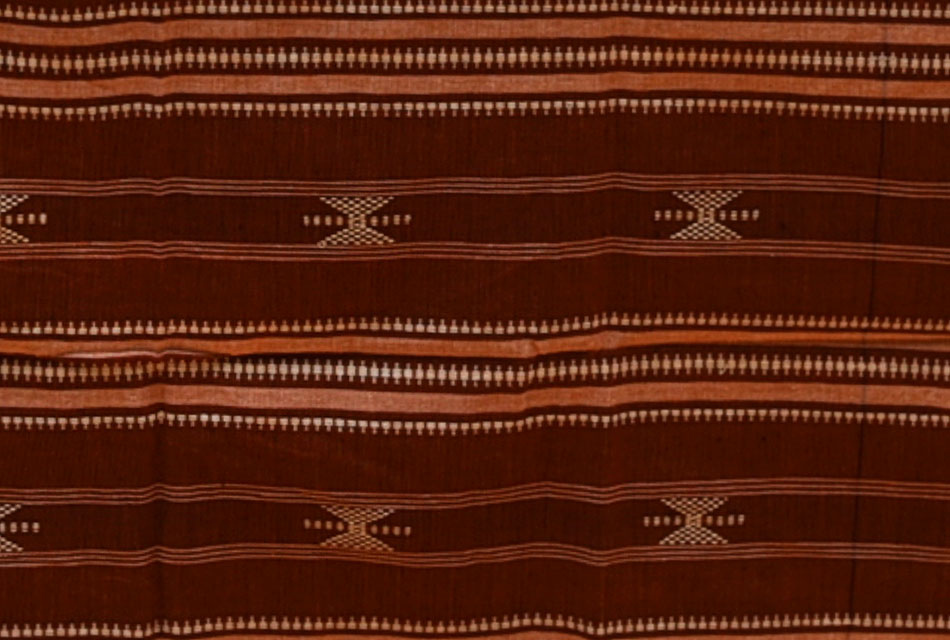
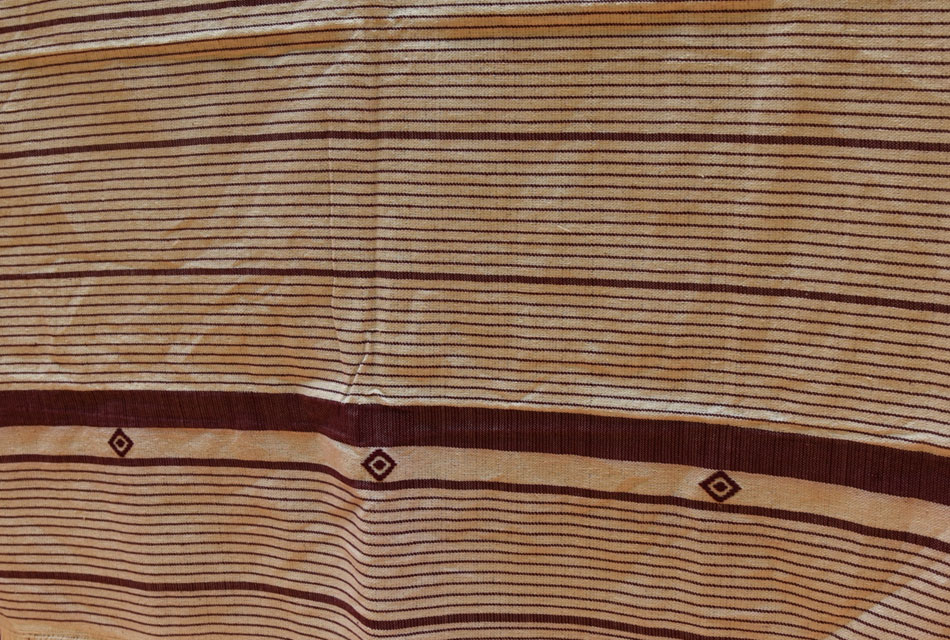
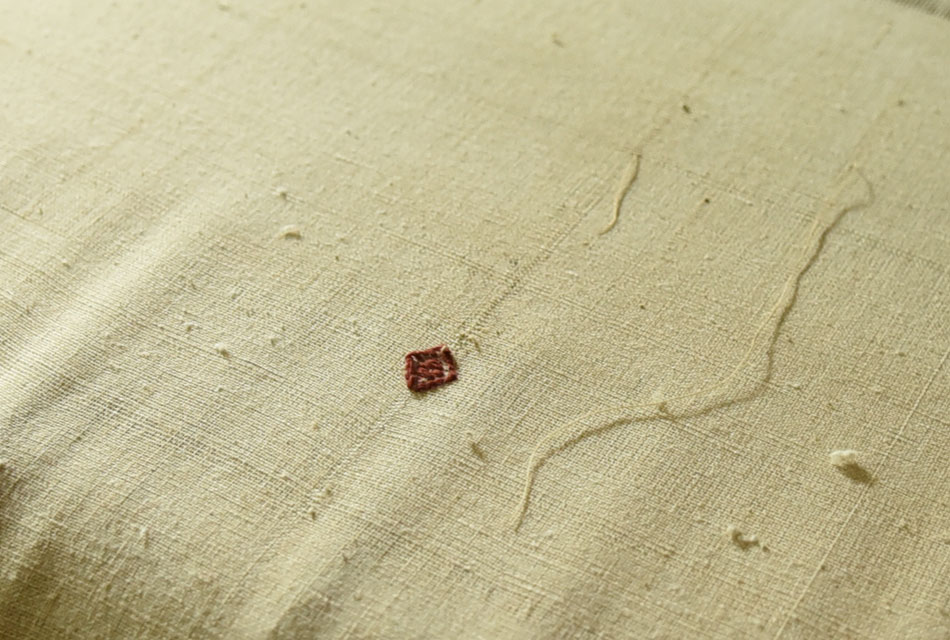
The ancient tradition of Kotpad weaving currently exists in a state of profound “invisibility.” Despite being the first craft from Odisha to receive a GI tag, it remains relatively unknown to the mainstream market, a factor that exacerbates its struggle for survival. The craft is strictly tethered to the environment, relying on natural raw materials like the roots and bark of the Aal tree for its signature earthy dyes. However, there is no guarantee of these resources’ future availability due to deforestation and forest regulations, leaving the very foundation of the craft at risk.
The logistical burden on weavers is immense. Procuring the necessary wood and wood ash is increasingly difficult, and the essential use of cow dung as a bleaching agent has become both a physical and financial hurdle as livestock becomes scarcer and more expensive to acquire and maintain. The rain also becomes a hurdle for the weavers as the yarns stick to each other due to high humidity, rendering them unable to weave. The mud splashes also stain the fabrics and yarns. In addition to this, the weavers also find it difficult to weave the yarn during this period as the pit looms get overflowed with water. Consequently, the weavers working the looms filled with water feel sick and experience numbness in their legs. Because each piece requires an extraordinary investment of time and physical labor, often taking almost a month for dyeing alone, the final fabric is understandably expensive. This puts Kotpad handlooms at a significant disadvantage as the rising popularity of mass-produced synthetic textiles is dwindling the demand for authentic Kotpad handlooms. As a result, there is no longer a guarantee of craft continuity, the number of active weavers is rapidly declining, and the younger generation, seeing the meager returns for such backbreaking work, is understandably losing interest. Without a significant shift in awareness and support, this sustainable, zero-carbon heritage faces the very real threat of fading into history.
The main feature of the Kotpad weaving process is the dyeing of the yarn, which makes it unique. Motifs are later added using the extra-weft technique, while the rest of the weaving remains simple and uses coarse yarn. What truly sets Kotpad textiles apart is their raw texture and the deep maroon colour contrasted against the natural off-white cotton base.
Cotton- Cotton is sourced from Raipur in Chhattisgarh and from Bargad. Nowadays, artisans source a variety of cotton yarn counts such as 2/40, 1/20, 2/80, and 2/100. Commonly, 2/80 and 2/40 yarns are used as taana (warp), while 10 or 14 count yarns are used as baana (weft).
Artisans also explain that for traditional designs, 20 count cotton yarn is used for both warp and weft. For extra-weft patterning, thicker yarns such as 10, 12, or 14 count cotton are preferred.
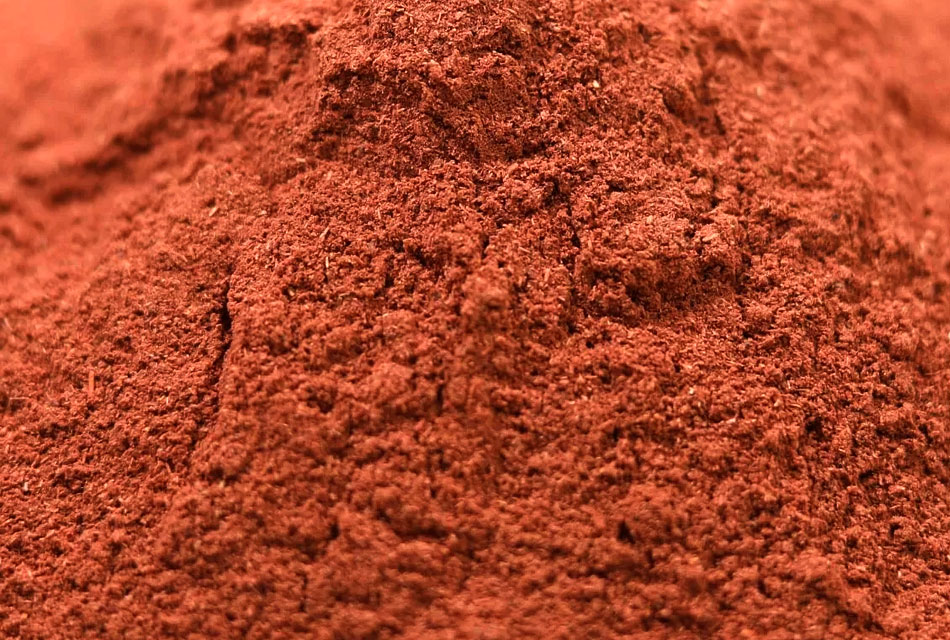
Aal (Maddar) powder– using the bark of the roots of the Aal tree (Achu Gachi)
Iron rust and jaggery are used together to produce coffee or dark maroon shades.
Haldi (turmeric) is used to dye yarns yellow.
Jara tel- castor oil used in the dyeing process
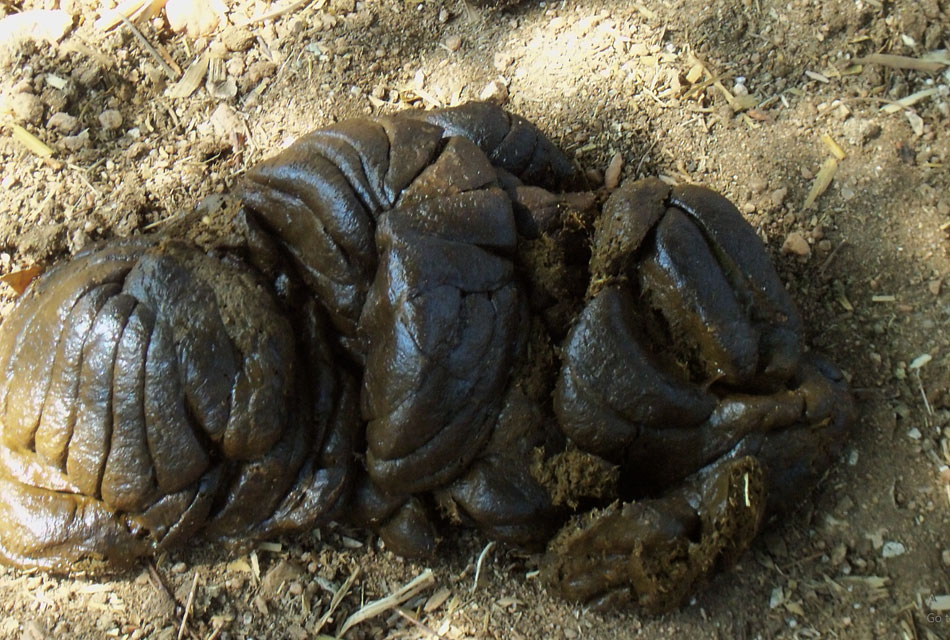
Cow dung- a natural dyeing agent for cotton that improves colour absorption and fixation. It also enhances colour fastness, thus preventing colour fading over time.
Starch- Starch is applied to the yarn before setting it on the pit loom to provide strength to the yarna dn prevent it from tangling and breaking.
Wood ash- Wood ash is mixed with water to prepare a solution for dipping the yarn during the dyeing process.
No use of chemicals
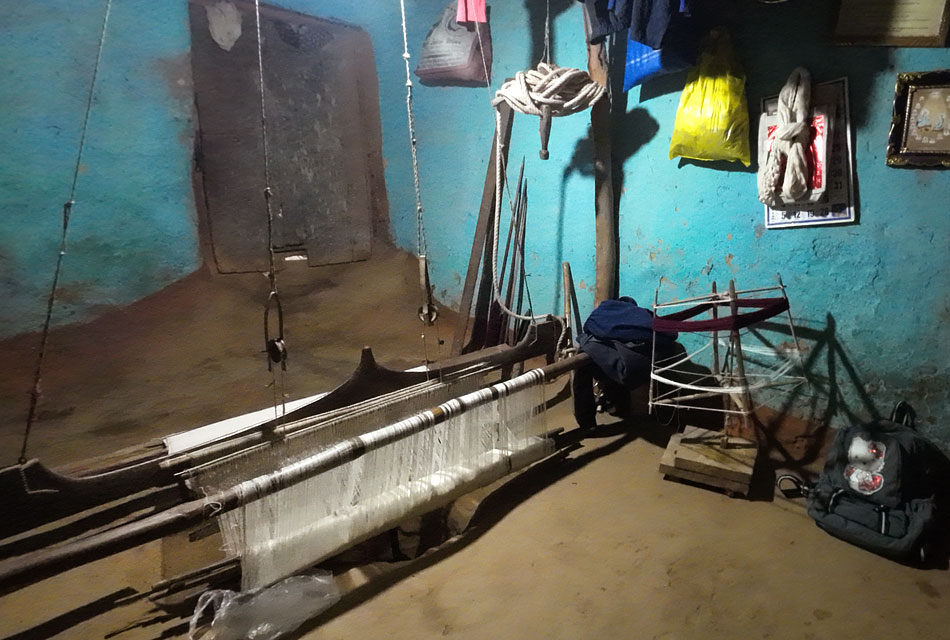
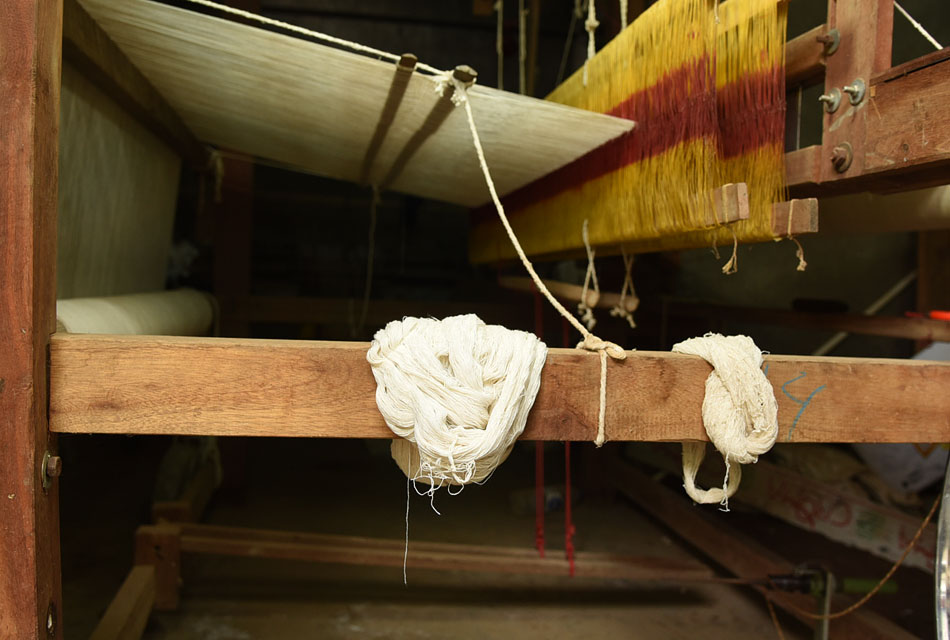
Mungta (Pit looms) – Traditionally, a wooden pit loom with a two-pedal system is used for weaving Kotpad handlooms. Nowadays, some weavers also use wooden frame looms. (two buoys and one haata is used)
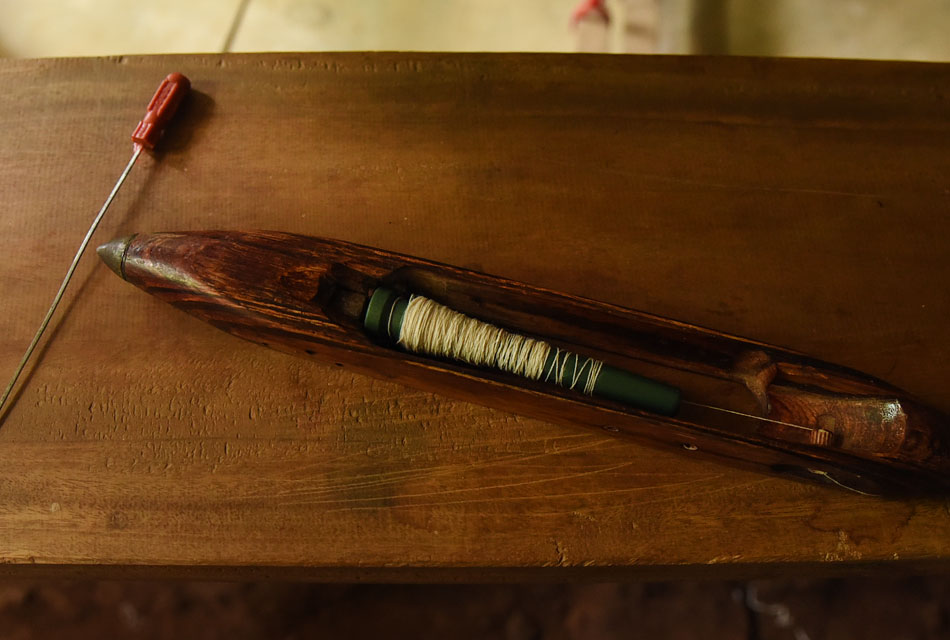
Dongi (Shuttle)- Kotpad weavers use three ‘maaku’ to pass the weft yarn through the warp. They keep two shuttles on two sides of the loom, and the third one is passed through the centre.
kangi (Reed)- according to yarn count
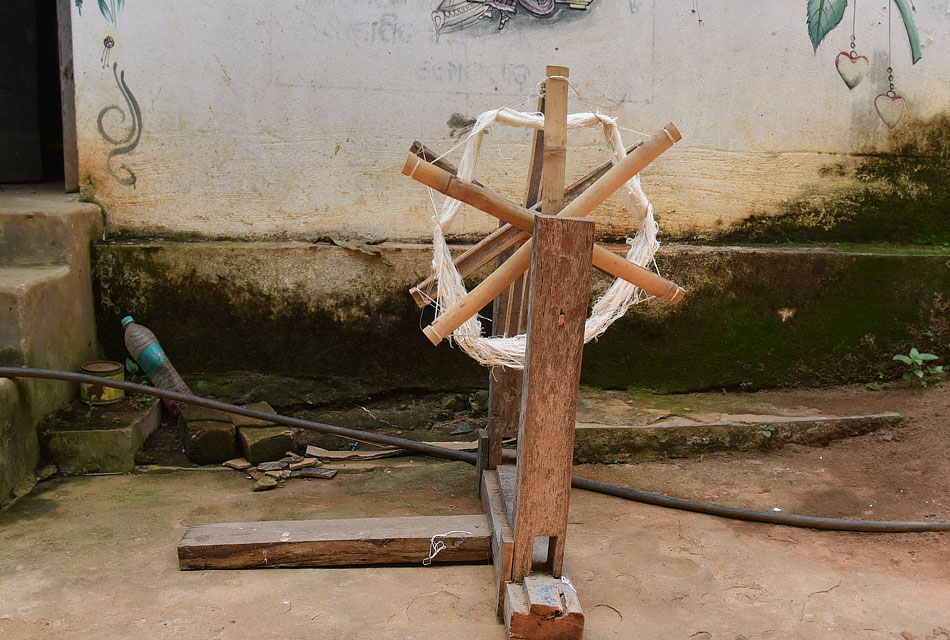
Wooden charkhs– A charkha is used to create the bobbin, which is placed inside the shuttle.
Moor (stick)- three sticks are required to roll the yarns.
Haandi (pot)- During yarn dyeing, different types of brass, tin, or plastic vessels are used. These vessels are used to prepare the wood ash–water solution and to dip the yarns during the dyeing process.
Kuchi (big grass brush)- This tool is used to apply starch to the yarn. It is also useful for separating the warp threads, as it moves smoothly over the yarn in a straight line.
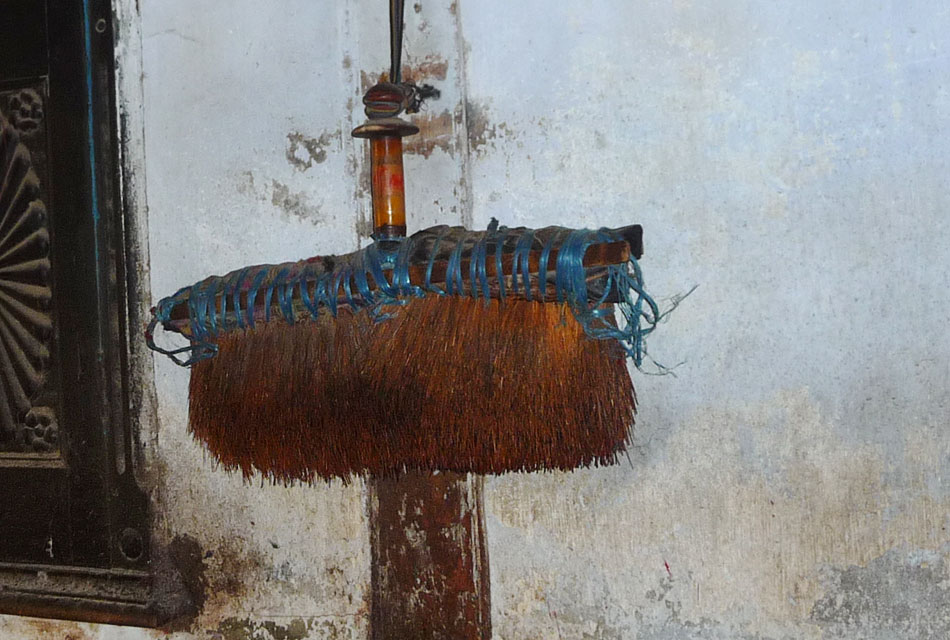
A Kabir’s song is usually sung before the commencement of the weaving process. During the wedding ceremonies, both men and women are required to wear ‘Pichri Anguchi’. ‘Pichri Anguchi’ was also used in a thread ceremony.
Kotpad handloom textiles are made in two main stages: dyeing the yarn and then weaving the fabric. Both these processes are carried out by the Panka weaving community, who have preserved this knowledge through generations. According to tribal weaver Raju Mohonto, dyeing work is done for about eight months in a year. During the monsoon months of June, July, August, and September, dyeing is avoided because weather conditions make drying difficult. Natural dyeing is a slow and laborious process and requires patience, repetition, and close attention.
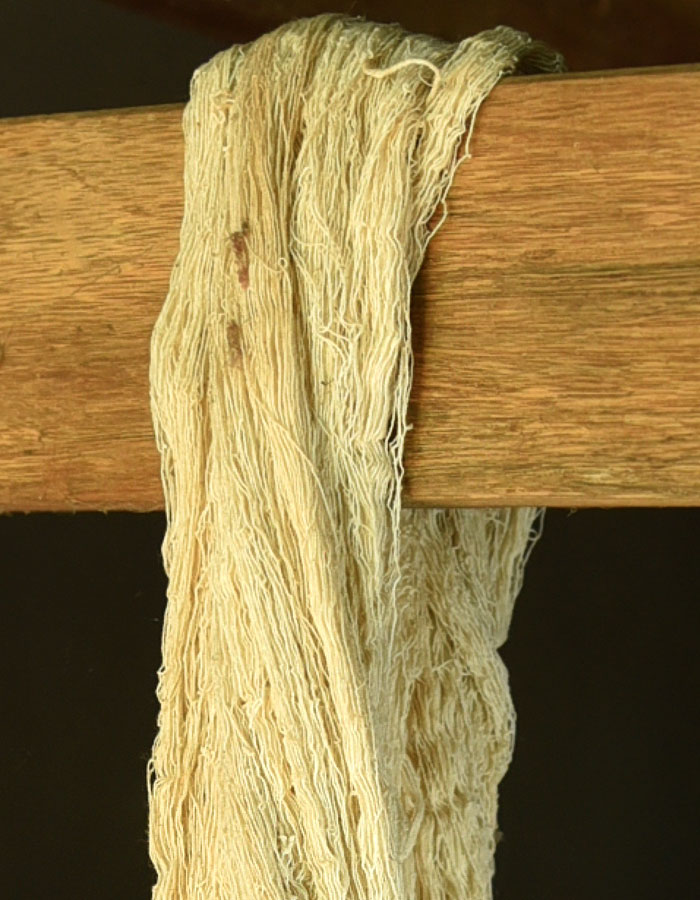
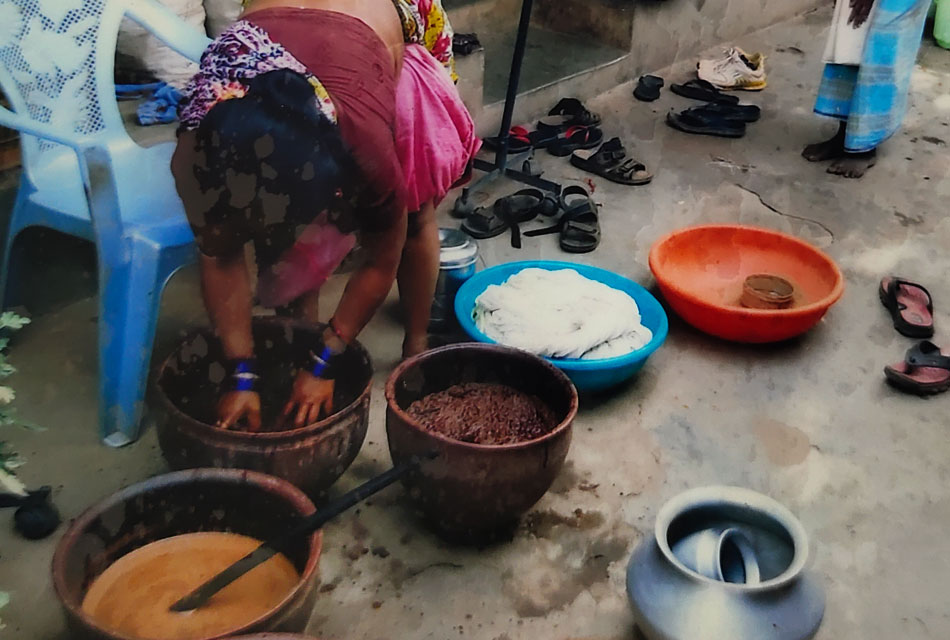
1. Dyeing– The dyeing process begins with the preparation of cotton yarn. Large bundles of yarn are divided into smaller sections and soaked in water. The yarns are squeezed thoroughly to remove excess water. After this, castor oil, locally called jara tel, is heated and applied evenly to the damp yarn. The oiled yarn is again dipped in water and left for some time. Once removed, cow dung is applied to the yarn, and it is then hung on wooden rods to dry naturally in the open air.
This pre-treatment is a very important part of natural dyeing. Cotton is a natural fibre that contains impurities such as wax, oil, and pectin. These treatments help clean the fibre and make it ready to absorb colour evenly. They also improve the strength of the yarn and help the dye last longer.
After this, the yarn undergoes treatment with wood ash water. Wood ash is mixed with water in an earthen pot, and once the ash settles at the bottom, the clear water on top is collected. This alkaline water is heated and poured over the yarn. The yarn is then squeezed by foot and dried either for half a day or a full day, depending on the weather. This process is repeated many times over a period of nearly fifteen days. Once this cycle is complete, the yarn is taken to a nearby pond and washed thoroughly, then dried again on wooden rods.
To achieve the maroon colour that Kotpad textiles are known for, a dye solution is prepared using aal or Indian madder root powder mixed with hot water. The yarn is dipped into this solution and dried in the sun for a full day. The next day, the yarn is heated in a large iron vessel and then allowed to cool in the open air. After cooling, wood ash water is sprinkled on the yarn, followed by another round of sun drying. The yarn is then washed again in the pond. This entire cycle is repeated several times until the desired depth of maroon colour is achieved.
For black-coloured yarn, additional natural ingredients such as heerakashi and haradaa (myrobalan) powder are added to the aal dye solution. The yarn is soaked in this mixture, dried in sunlight, heated, cooled, and finally washed in the pond. As with maroon, the process is repeated until a deep and stable black colour is obtained.
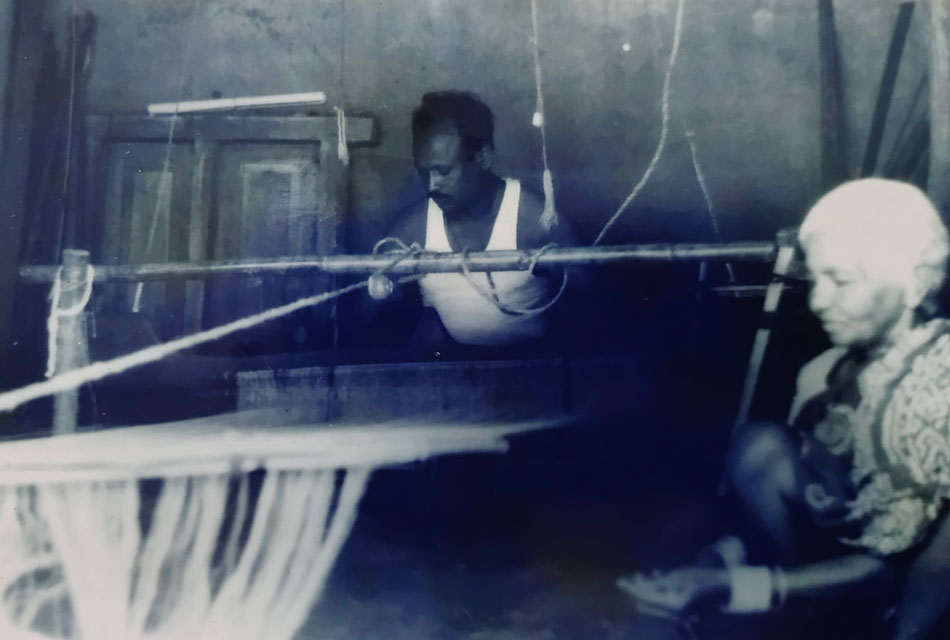
2. Weaving- Once the dyeing process is complete, the weaving begins. The dyed yarn is first treated with rice water, which acts as a natural starch and provides strength to the yarn. The yarn is then stretched and wound onto a wooden frame known as a bharani. The warping board, called pawan, helps maintain even tension across the yarns. After starching, a brush known as kuchi is used to clean off excess starch and rice water (maad chadana). in local warping process is called “Pajin bandhana“.
The prepared warp is then set up on a pit loom locally known as judai karna. Weaving, locally referred to as bintor, is done entirely by hand, with motifs created directly on the loom during the weaving process. Three shuttles, known as maaku, are used to pass the weft yarn through the warp. Two shuttles operate from either side of the loom, while one moves through the centre. This technique allows the weaver to maintain precise control over the design and pattern.
The entire process, from dyeing to weaving, is slow, seasonal, and deeply connected to nature. Kotpad textiles are not merely fabrics but living records of ecological knowledge, cultural practices, and the everyday lives of the Panka weaving community. After the saree is cut from the loom and given basic finishing, it is ready for the market. A standard Patta saree is typically priced between ₹1,200 and ₹2,300, depending on the complexity of the design.
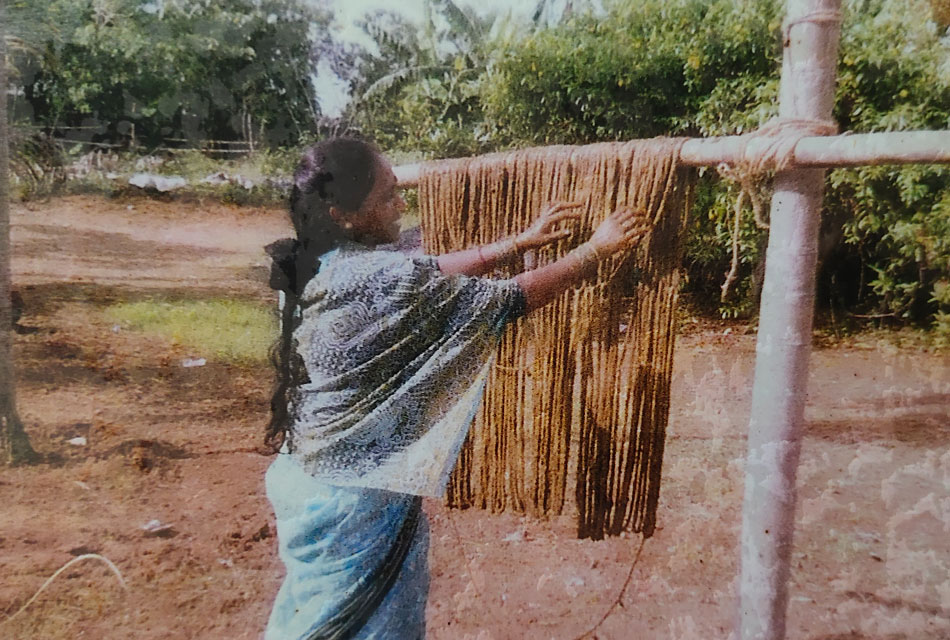
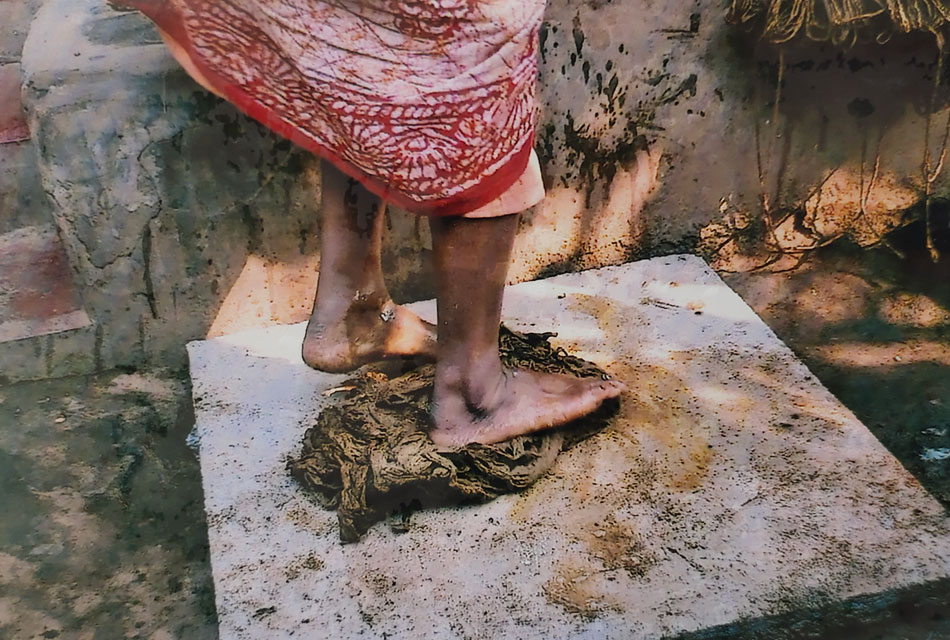
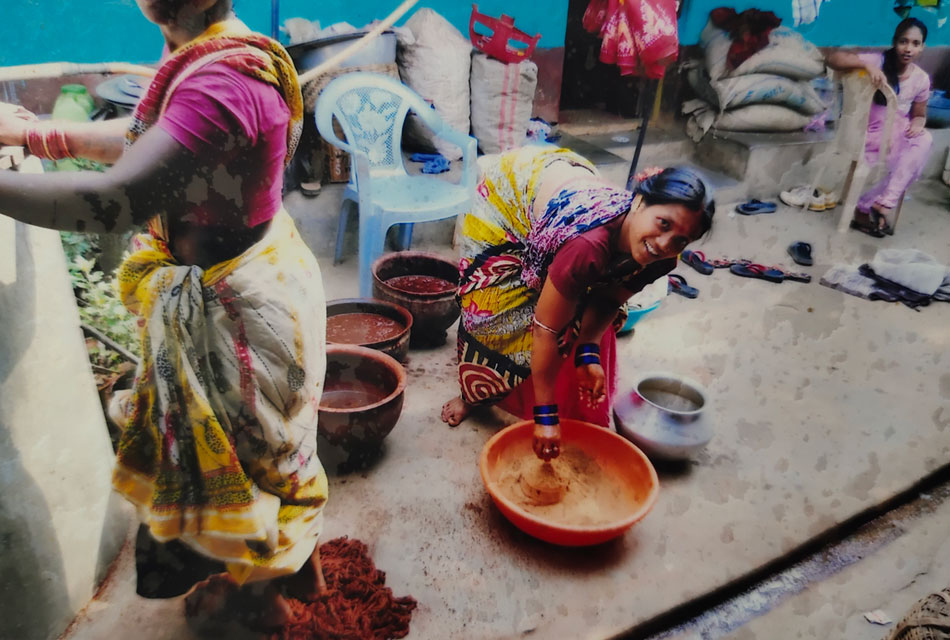


One of the unique aspects of the Kotpad weaving is the eco-friendly, sustainable, and non-toxic nature of the textiles. While the products are completely sustainable, the raw materials used in the making of the products do come into question. A field visit to Koraput by the ODOP team at Invest India revealed that the tribals were sourcing the dyes from areas about 80-100 kilometres away from the centre of production (ODOP Team, 2021). This leads to increased transportation costs and logistical hurdles in retrieving raw materials from remote forest areas. It also puts the weavers in a vulnerable position as they might encounter wild tigers in the forests. Another dilemma of the sustainability of Kotpad handlooms comes from the process of dye extraction. The State Forest Department in Koraput argues that plucking the roots of an Aal tree affects the life of that tree and thus, the department restricts this activity, causing a decline in the supply of natural dyes. The Mirgan community responds to this claim by pointing out that root extraction does not harm the Aal tree since this traditional ecological knowledge has been passed from the generations who consistently maintained a harmonious relationship with nature. It may be noted that research validating Forest Department claims is minimal or non-existent.
It is the only craft in India that does not involve the use of chemicals in any part of the dyeing and weaving processes.
The overall process does not bring any harm to humans or nature. The weavers produce high-quality organic cotton products, ensuring no colour fading or bleeding.
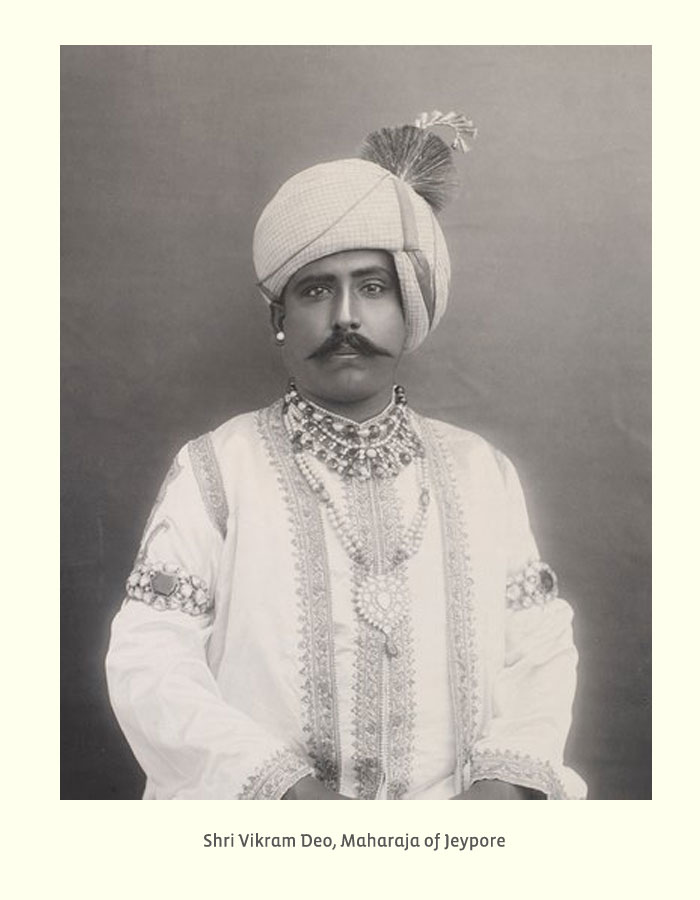
The region is home to many indigenous tribal communities who have been living here for centuries. Vinayak Deo, the founder of the Jeypore royal family, established the kingdom in the mid-fifteenth century AD after receiving it from the earlier rulers, the Silvamsis. In 1571, the kingdom lost its autonomy when it came under the sovereignty of the Qutb Shahis of Golconda, after which the Nandapur kings began paying an annual tribute to the sultans.
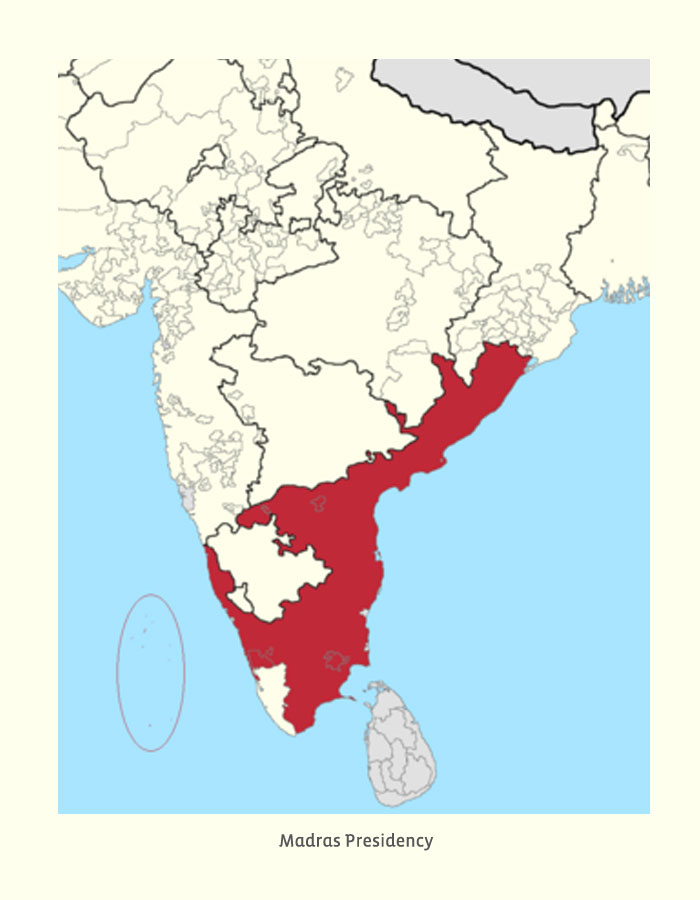
The entire Koraput district functioned as a Zamindari region and remained largely under the control of the Maharaja of Jeypore, except for a small number of villages that belonged to neighbouring rulers. Koraput was carved out of the Vizagapatam district of the Madras Presidency with the formation of the Province of Orissa on 1 April 1936. The present town of Koraput was selected as an administrative centre by the British in 1870. The exact origin and meaning of the name “Koraput” remain unclear.
Kotpad appears to have been a medium-sized village, with a history spanning approximately 400–600 years. Its heritage is deeply intertwined with its handloom tradition. Largely unknown outside the region for a long time, Kotpad weaving gained national and international recognition in the 1980s when Kotpad handlooms were showcased in Martand Singh’s Vishwakarma exhibitions during the ‘Festivals of India’. Despite this recognition, little documented information exists about the early origins of the village or the initial settlement patterns of its inhabitants.
Kotpad village is a small village in the Koraput district of Odisha and lies on the Eastern Ghat high land. Located on the border end of southern part of Odisha, Kotpad is also called Odisha’s ‘South Gate’. It lies at the latitude 19.140307012096155° N and longitude 82.31752489161617° E.
Kolab river flows through Kotpad and plays a vital role in the agricultural practices and water supply of the region. Other rivers nearby are kotpad are Bhaskel and Indravati. Kotpad is a Notified Area Committee region. Kotpad Notified Area Committee has total administration over 3,878 houses to which it supplies basic amenities like water and sewerage. It is also authorized to build roads within Notified Area Committee limits and impose taxes on properties coming under its jurisdiction (Kotpad Town Population Census 2011 - 2025, n.d.). Kotpad village is 5km away from sub-district headquarter Kotpad (tehsildar office) and 72km away from district headquarter Koraput. The village spans a total geographical area of 1818 hectares.
The village does not have an extensive network of roads and railways.
Nearest Railway Station-Kotapar Road Railway Station (KPRR)
Nearest town - Jagdalpur (34 km away)
Nearest Airport- Jeypore Domestic Airport
The Koraput district is affected by the depressions from Bay of bengal which causes heavy rainfall and high winds. It receives rainfall only during monsoon and maintains a relatively dry and hot weather for the rest of the year. The weather remains humid in hte months of June, July, August, and September, hence, no dyeing activity takes place in these months.
Kotpad’s infrastructure reflects its transition into a semi-urban centre, with improved road connectivity, electricity, and access to markets. The town also has basic amenities such as hospitals, schools, and local markets. As farming remains the primary occupation, many services and agricultural equipment suppliers are visible across the area.
Handlooms are no longer found in most households, and weaving activity is now concentrated among a diminishing number of families. The shift towards concrete housing has further reduced the availability of open and flexible spaces required for natural dyeing, yarn preparation, and loom installation.
While government bodies, cooperatives, and NGOs continue to offer intermittent support, the absence of dedicated common facilities such as dyeing spaces, storage units, and shared work areas poses a significant challenge to the long-term sustainability of the craft. The weekly haat remains one of the few infrastructural elements that continues to support informal trade and cultural continuity. Overall, Kotpad’s infrastructure reveals a fragile balance between modernisation and the survival of its handloom tradition within the current spatial and economic framework.
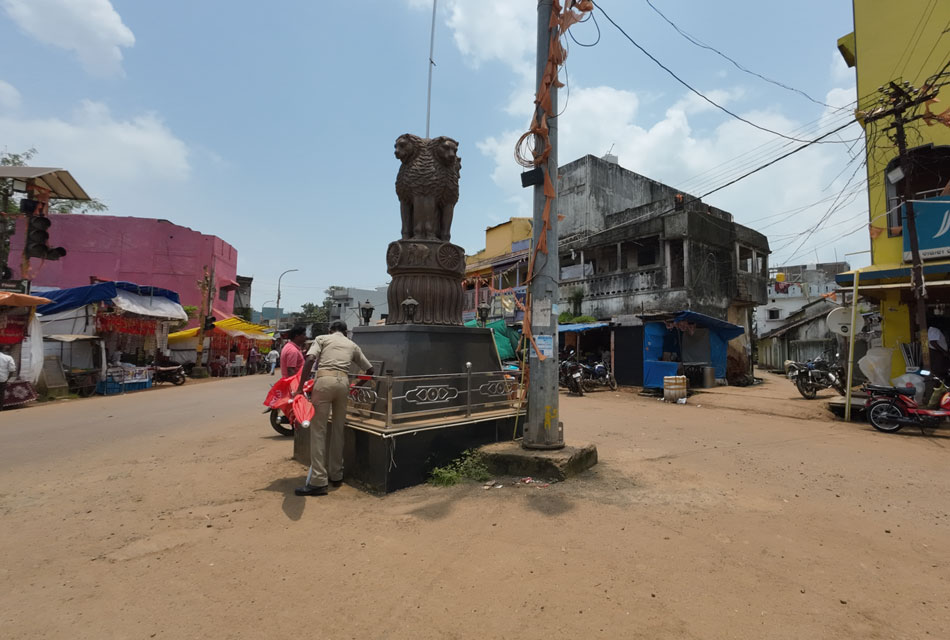
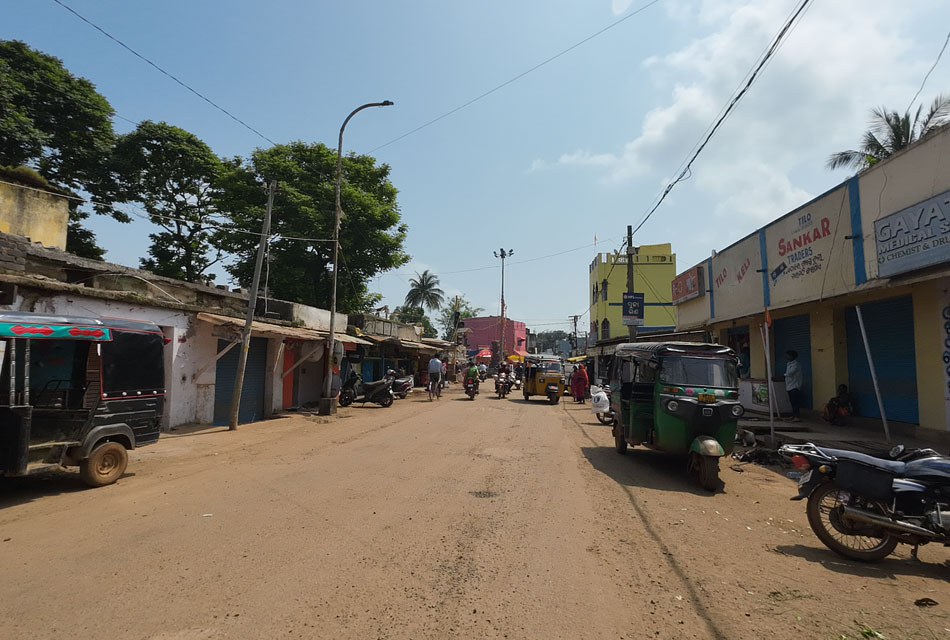
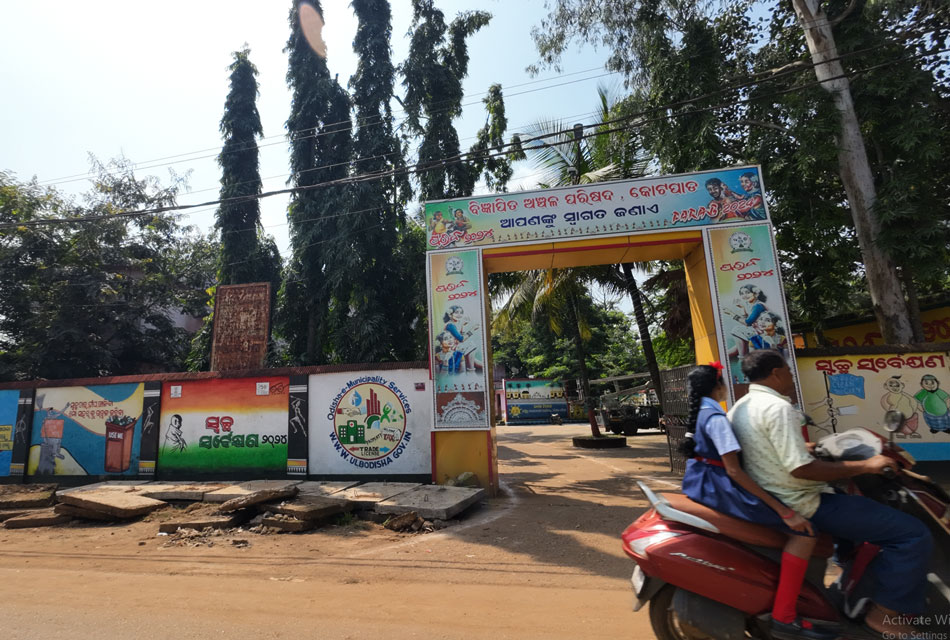
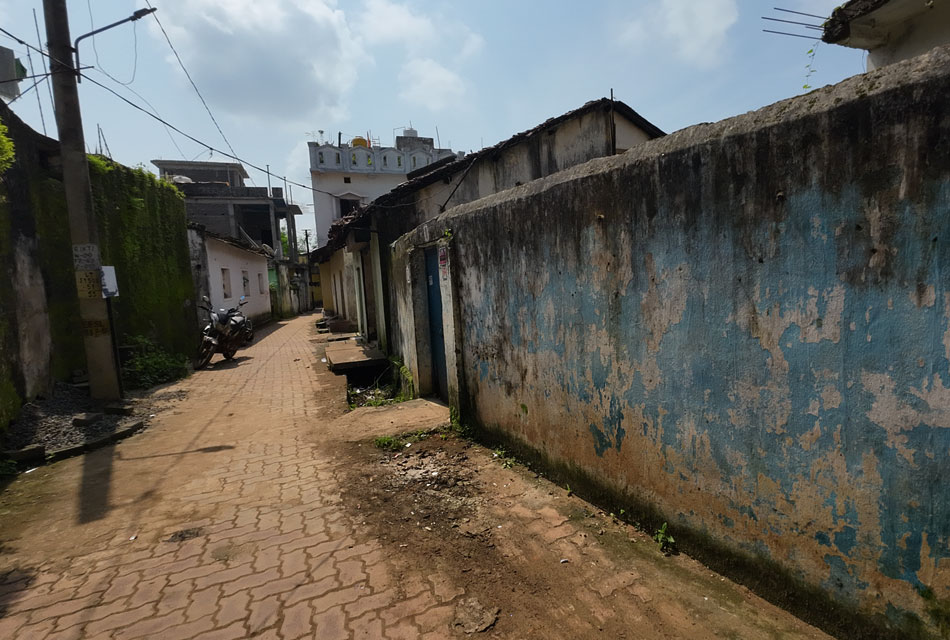
Kotpad today reflects a marked transition from its earlier vernacular built character to a more permanent, semi-urban architectural landscape. The mud-walled houses with sloping tiled roofs that once shaped the weaving settlement have largely been replaced by reinforced concrete structures. However, within the narrow internal streets, remnants of the older fabric still survive, appearing intermittently between newer constructions and offering glimpses into the town’s earlier spatial identity.
The traditional houses were generally low-rise, constructed with brick masonry finished in cow-dung plaster. Structural systems relied on wooden beams, and roofs were formed using sloping clay tiles, well suited to the local climate. In several cases, these houses have undergone incremental transformation, where cement plaster has replaced earthen finishes while retaining the sloping tiled roof. Despite these adaptations, a clear shift is visible: open-to-sky spaces around houses are shrinking, plot coverage is increasing, and dwellings are becoming more inward-looking and vertically enclosed.
This architectural transformation has significantly altered the relationship between domestic space and craft practice. Earlier, weaving activities were spatially integrated into everyday life, taking place in courtyards, verandahs, or semi-open areas that allowed for natural light, ventilation, and movement. With the transition to concrete housing, weaving is increasingly pushed into enclosed rooms or removed entirely from the domestic environment. This has reduced both the functional suitability of homes for craft processes such as dyeing and yarn preparation, and the everyday visibility of weaving as a lived practice.
Along the main road, Kotpad’s built form has evolved into a dense, linear commercial corridor dominated by concrete structures. Shops selling daily necessities and consumer goods line both sides, reinforcing the town’s shift towards a market-oriented spatial organisation. While this development reflects changing economic aspirations, it further distances the settlement from its earlier craft-based spatial logic.
Overall, Kotpad’s architecture reveals a layered condition where traces of vernacular construction coexist uneasily with newer, standardised building forms. This transition highlights a broader tension between modernisation, changing domestic aspirations, and the spatial requirements of sustaining traditional craft practices.
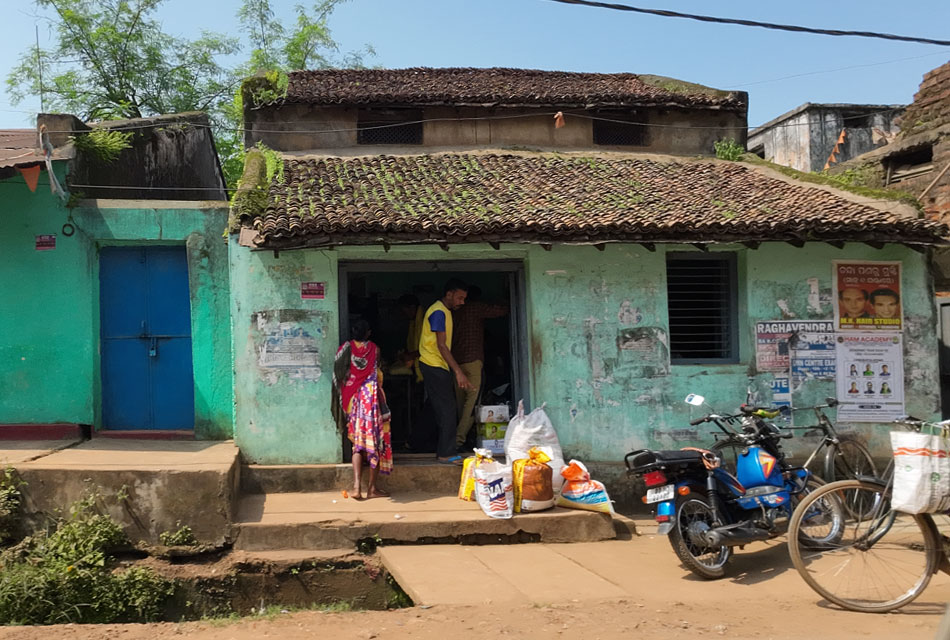
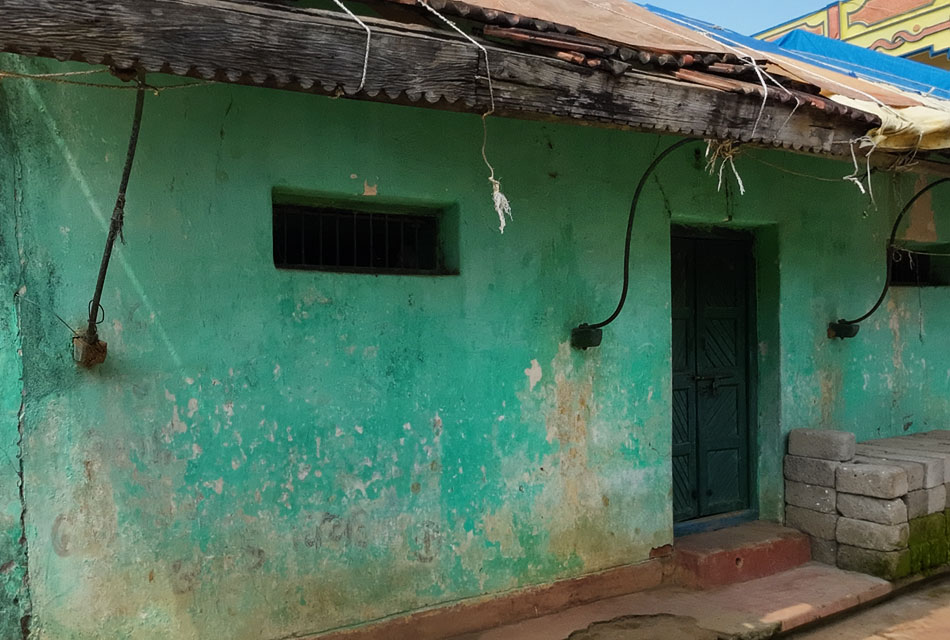
The place presents a peaceful coexistence of Hindus, Muslims, Sikhs, and Christians, along with other minority religious groups. Most people are Oriya and Hindi speaking. People celebrate Durga Puja with much vigour and are known to spring clean and decorate their houses, temples, and community spaces. Tribal communities like to paint the walls of their homes. These are usually done with organic colours procured and made from forests produce. The images here are simple geometrically drawn shapes common to many tribal groups. People, hores, elephants, the sun and the moon are recurring motifs
The overall literacy rate is 44.68 percent, indicating that significant portion of the population remain uneducated..
Although the tribal population of Odisha составляет around 25 percent of the state’s total population, tribal communities constitute nearly 53.74 percent of the population in the undivided Koraput region. In terms of population size, tribes such as the Bhumia, Bhatra, Gond, Koya, Paraja, and Kondh each have populations exceeding one lakh, while the remaining twenty-six tribes have much smaller populations, often around one thousand each. These communities express their cultural identity through their customs, traditions, festivals, dress, and ornaments.
A large number of women prefer to wear sarees. Distinct variations in draping styles can be observed across different tribes and communities. Tribal women, as well as elderly women in the town, often wear sarees in traditional drapes, sometimes without blouses. The saree fabrics are mostly machine-made, though ikat cotton is also seen occasionally. Bright colours and bold patterns are commonly preferred. Men generally wear a lungi (loincloth) with a shirt, and while at home, many prefer wearing only a lungi. Among younger generations, however, there is a visible shift towards trousers and shirts, reflecting changing lifestyles.
The influence of Lord Jagannath is also visible among the people of the region. Within tribal communities, religious practices are deeply interwoven with everyday life and are observed throughout the year. Rituals accompany activities such as house construction, shifting cultivation, sowing of seeds, erecting wooden poles in the ground, hunting, and worship. These practices continue to sustain and reinforce religious and cultural traditions.
In addition to agriculture, livelihoods include animal husbandry, the collection of forest produce, and small-scale businesses. Fish forms an important part of the local diet, and large fishing nets are often set up along riverbanks. In Kotpad village, handloom weaving remains an important activity, with a wide range of products being produced and sold in both domestic and international markets.
Overall, the people of the region are peaceful and community-oriented, with a strong respect for personal boundaries. Visitors generally find the area safe and welcoming, with freedom of movement across different parts of the town.
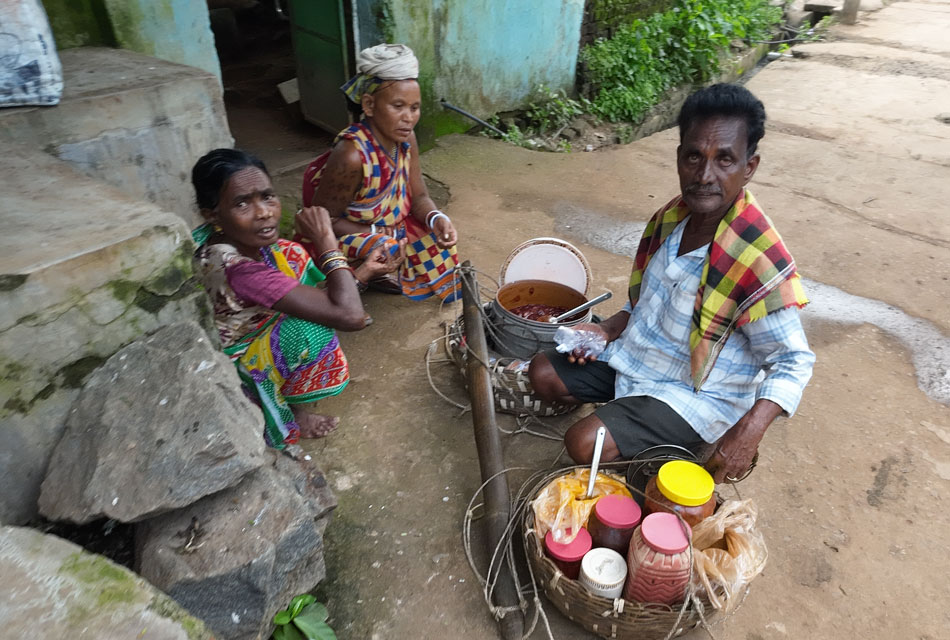
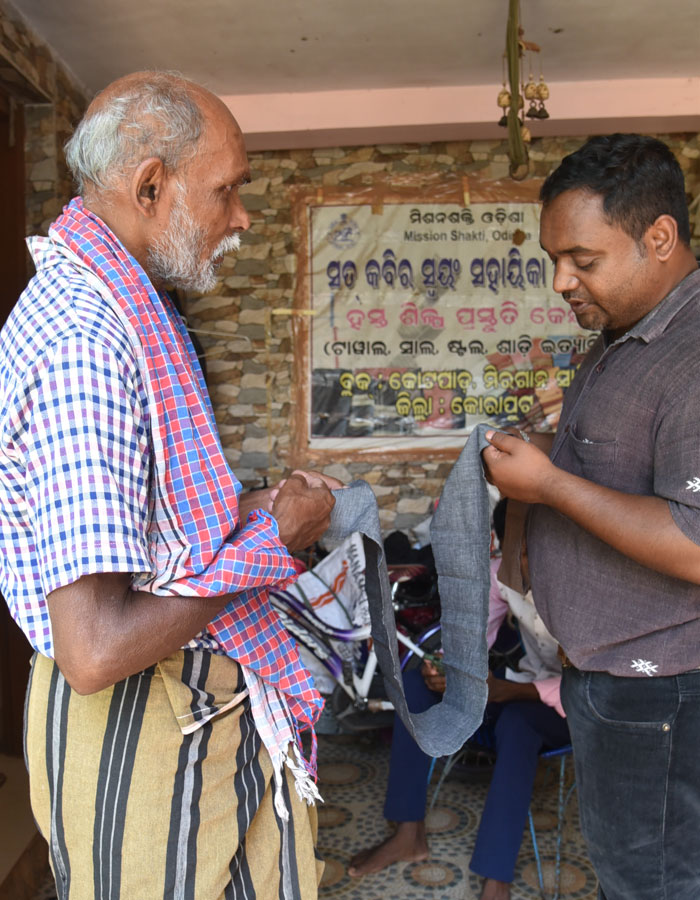
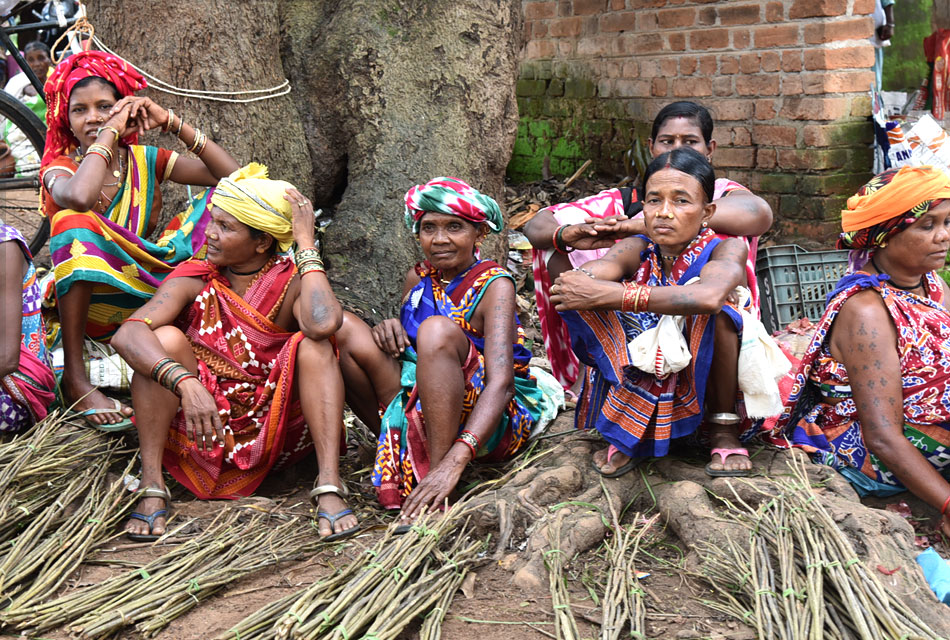
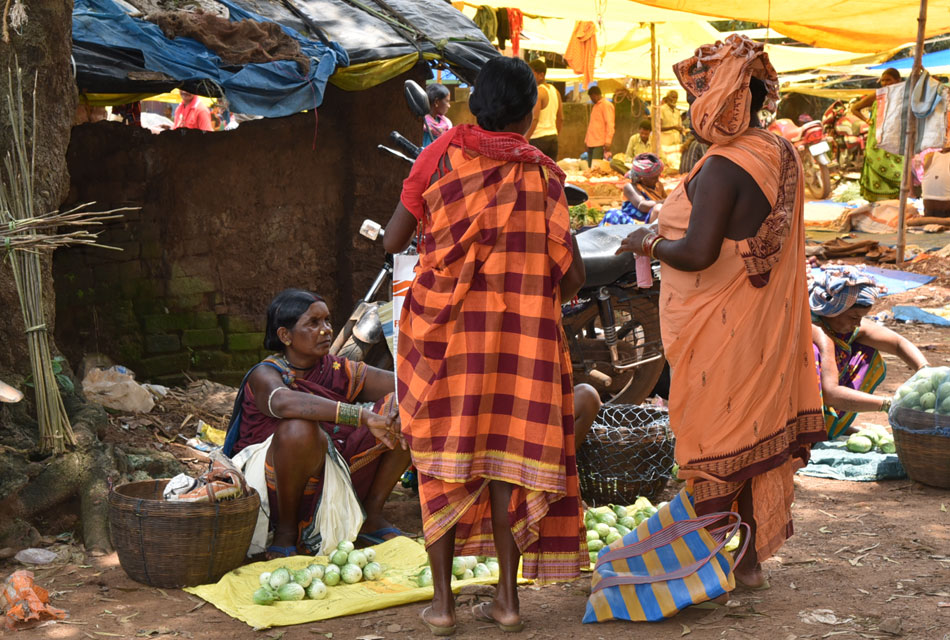
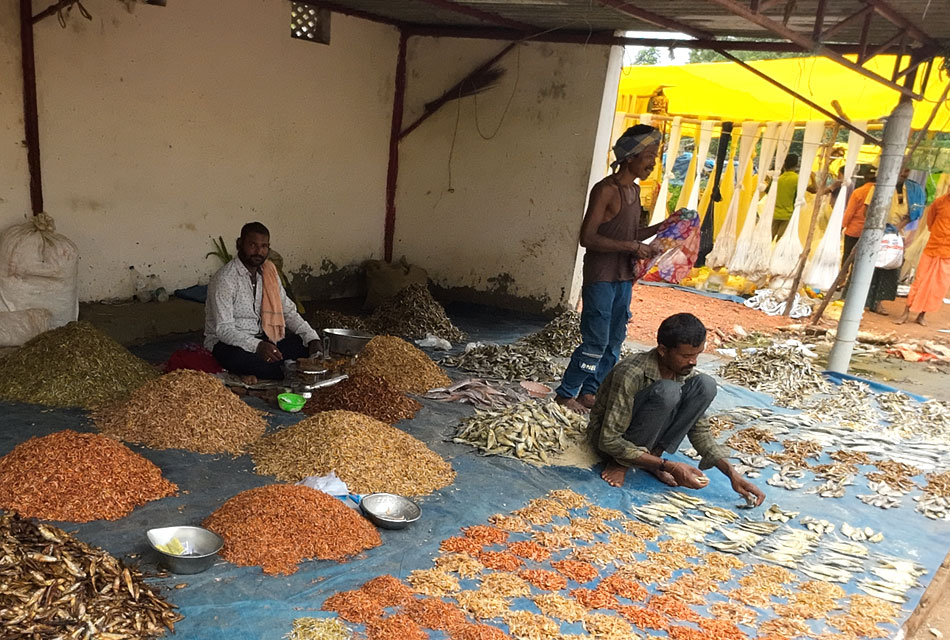
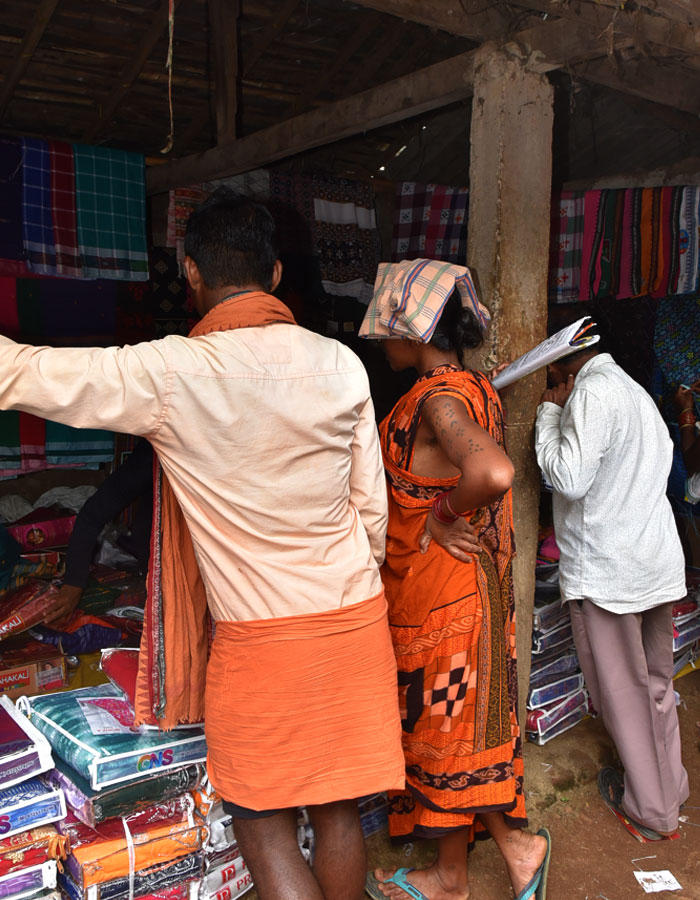
Tribal culture, handloom weaving and Kotpad has a few historical landmarks nearby such as Gulmi Waterfall and Chitrakut Temple.
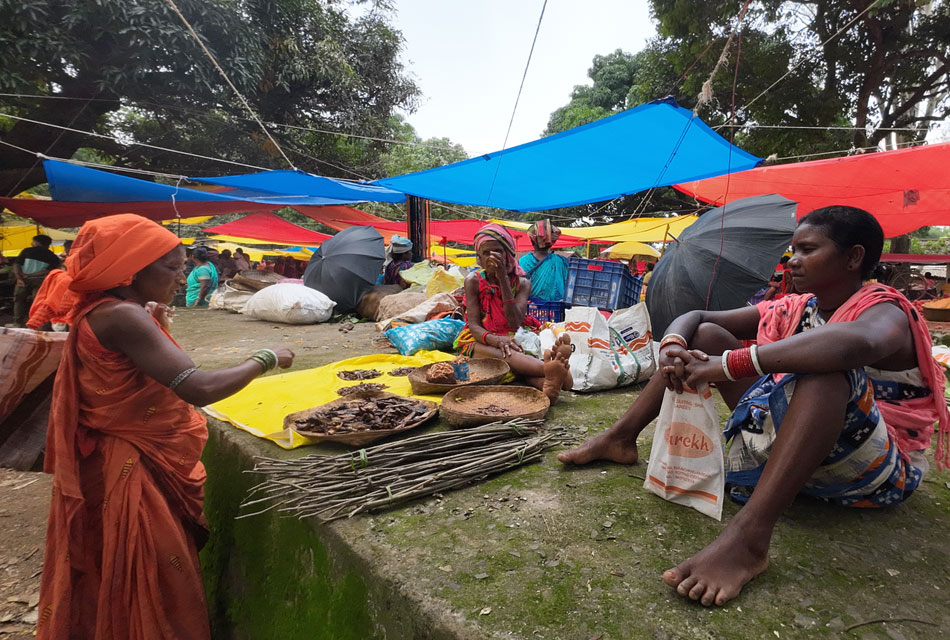
List of craftsmen.
Team Gaatha
Dutta, A., & Malik, S. R. (2021). Product Diversification and Enhancement of Kotpad Textiles through Printing with Natural Dyes. Journal of the TEXTILE Association, 82(2), 96-105.
ODOP Team. (2021, May 11). Kotpad Handlooms: Tribal Heritage, Market Potential, and Sustainability. Invest India. Retrieved December 18, 2025, from https://www.investindia.gov.in/team-india-blogs/kotpad-handlooms-tribal-heritage-market-potential-and-sustainability
Pradhan, D. P. (2025, August 18). Kotpad Textile: A Tale of Natural Dyeing Art. Caleidoscope. Retrieved December 19, 2025
https://indiaheritagehaat.com/wp-content/uploads/2025/07/Brochure_Kotpad_Weave.pdf (Accessed on 17 December, 2025)
https://artsandculture.google.com/story/weaving-a-kotpad-sari-dastkari-haat-samiti/0AXBMNnp4fQZKQ?hl=en (Accessed on 17 December, 2025)
https://www.vastrashilpakosh.in/search/recordPreview/nift_del-170-cfp?t=Kotpad%20handloom%20fabrics#craft (Accessed on 17 December, 2025)
https://hepcindia.com/gihandloom_products/odisha.html (Accessed on 18 December, 2025)
https://www.livemint.com (Accessed on 18 December, 2025)
https://www.peepultree.world/livehistoryindia/story/living-culture/kotpad-weave?srsltid=AfmBOoqDivJEshg5DAZvazlZisrxaVKuoyItn6B_qPkeAD8CJTFNSVuw (Accessed on 18 December, 2025)
https://mapacademy.io/article/aal-dye/ (Accessed on 19 December, 2025)
