


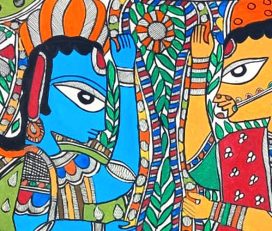
Madhubani/Mithila Pa...
Mithila painting, is a vibrant and deeply symbolic folk art tradition originating from the Mithila region of Bihar, India, and adjoining parts of Nepal.
Madhubani, Bihar, India...
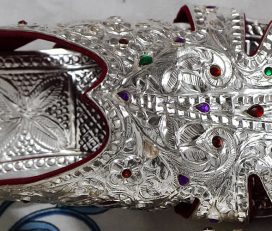
 Bara Imambara, Husainabad, Luc...
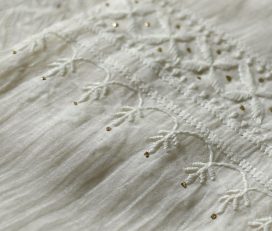 Lucknow, Uttar Pradesh, India...
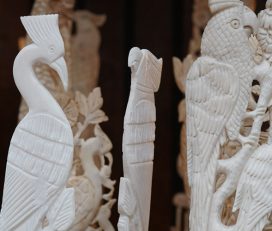 Muftiganj, Daulatganj, Lucknow...
 Chitrakoot, Uttar Pradesh, Ind...
Mithila painting, is a vibrant and deeply symbolic folk art tradition originating from the Mithila region of Bihar, India, and adjoining parts of Nepal.
Madhubani, Bihar, India...
Sujani is a distinctive embroidery tradition of Bihar, particularly practised in Muzaffarpur district and surrounding villages.
Bhusra, Bihar, India...

Arani silk, also known as Arni silk, is a celebrated handloom tradition of Tamil Nadu, produced primarily in Arani, Tiruvannamalai.
Arani, Tamil Nadu, India...
Let us talk… if you feel the same love for handmade, and would like to support us by sharing your research or by contributing financially to our documentation efforts.
Reach us at [email protected]
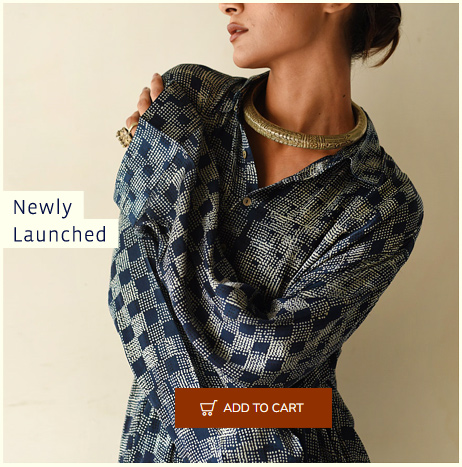
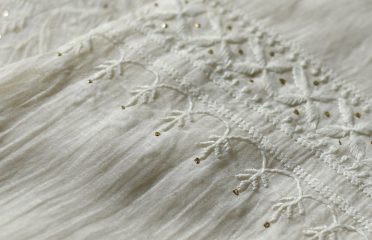
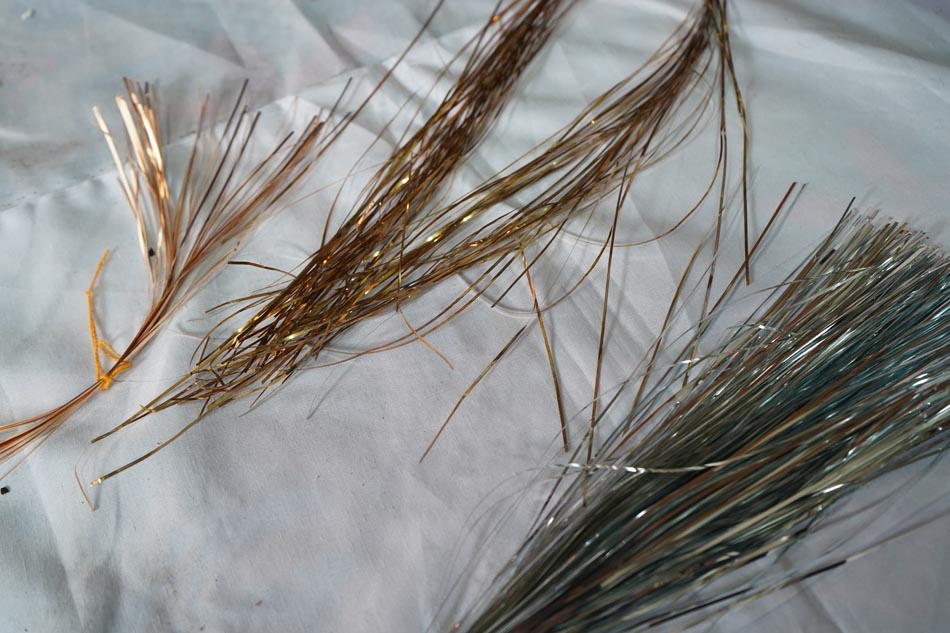
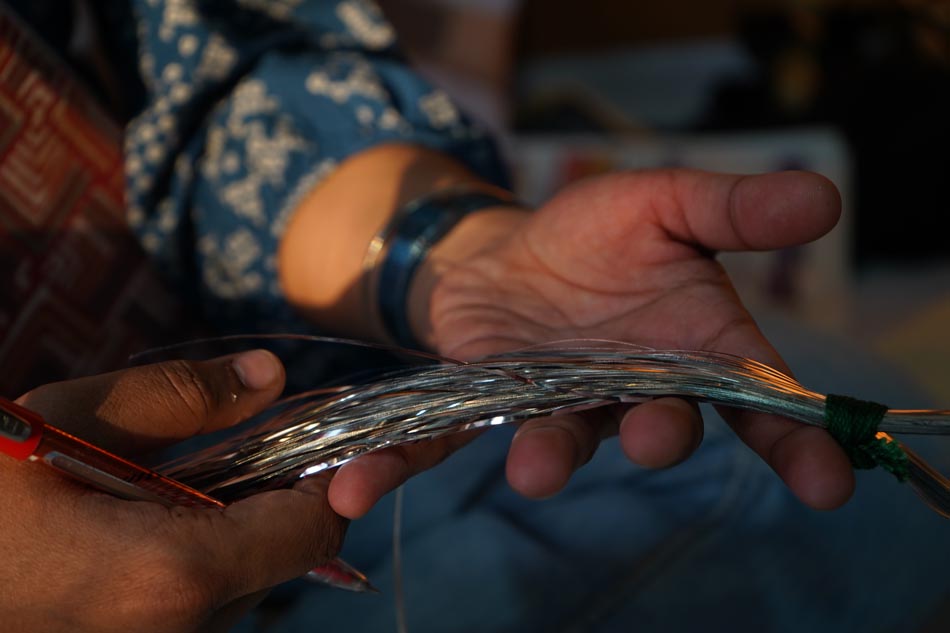
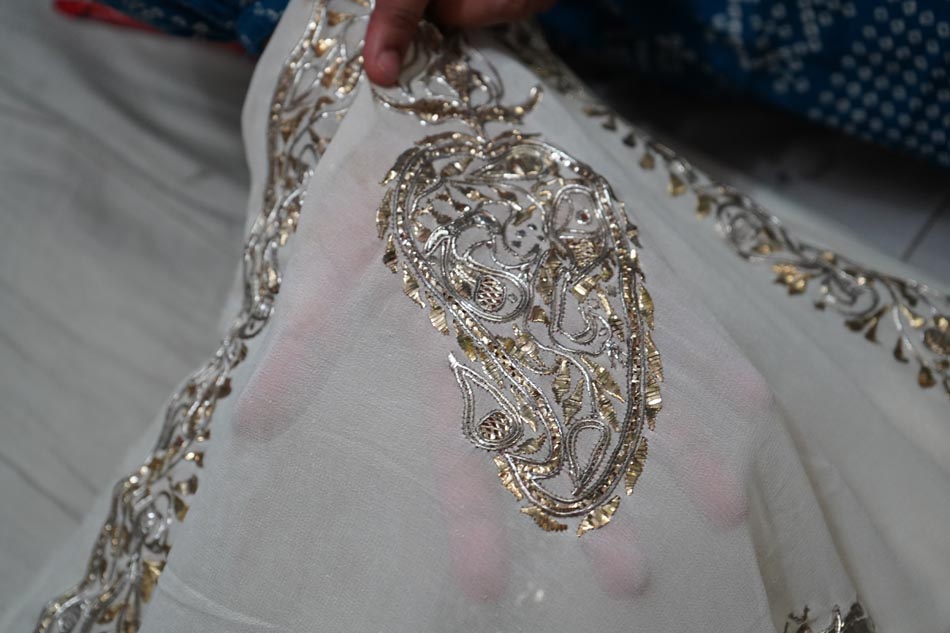
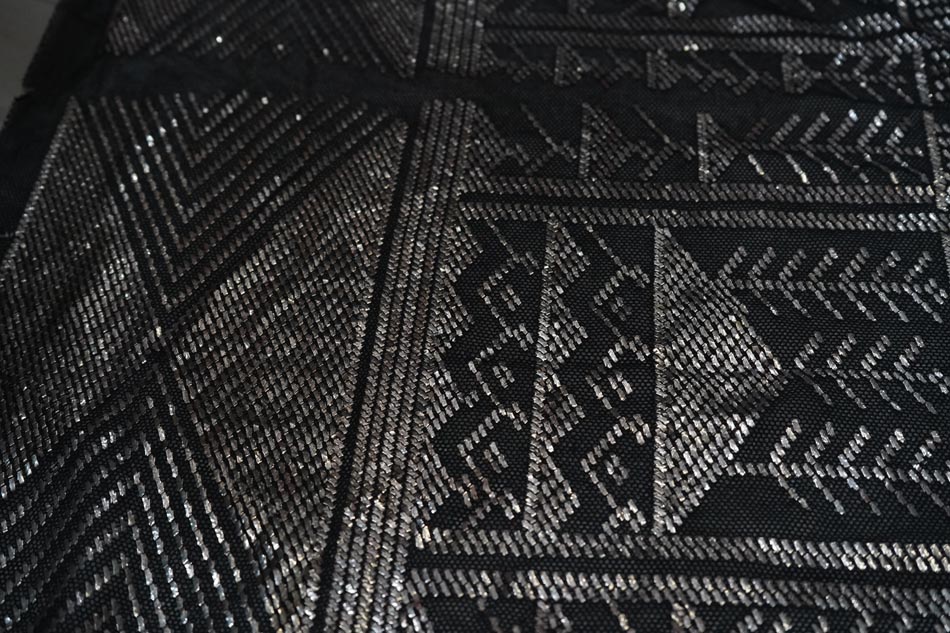
The flattened metal wires, known as badla, are used in Mukaish embroidery to create subtle metallic embellishments most commonly seen on dupattas and saris. Pure Mukaish saris were once considered highly exclusive. Today, it is widely applied across garments such as suits, saris, lehengas, anarkalis, scarves, and even small accessories like pouches.
Historically, Mukaish was used sparingly, scattered across the front of a kurta, edging the palla of a sari, or forming fine butis on dupattas intended for evening wear and ceremonial occasions. Its lightness made it particularly suited to the humid climate of North India, allowing garments to remain breathable while still carrying a sense of festivity. Unlike dense embroideries, Mukaish enhances the base textile, allowing fabric and surface to coexist without one overpowering the other.
Evidence of metallic embroidery can be traced back to earlier times when artisans worked on heavier textiles such as brocades and velvets. These embellishments extended beyond clothing to objects like coats, canopies, tents, wall hangings, and decorative sheets, highlighting the versatility of the craft. In recent decades, Mukaish has been adapted to contemporary contexts, with designers incorporating it into flowing anarkalis, layered jackets, overlays, and even soft furnishings and wall panels. Whether in daylight or candlelight, its shimmer remains soft and contemplative. Traditionally, the use of precious metals like gold and silver made Mukaish a capital-intensive craft. Over the last decade, Mukaish has increasingly been combined with Chikankari embroidery, a pairing that has gained popularity for its refined and layered aesthetic.
Mukaish work sees high demand during festive and wedding seasons, where garments such as gharara and sharara are often adorned with this intricate craft. Its luminous quality adds richness and grandeur, enhancing the overall appeal of the attire. However, due to the use of metallic wires, Mukaish work is delicate and requires careful handling, as exposure to perfumes or chemicals can cause the wires to tarnish or blacken.
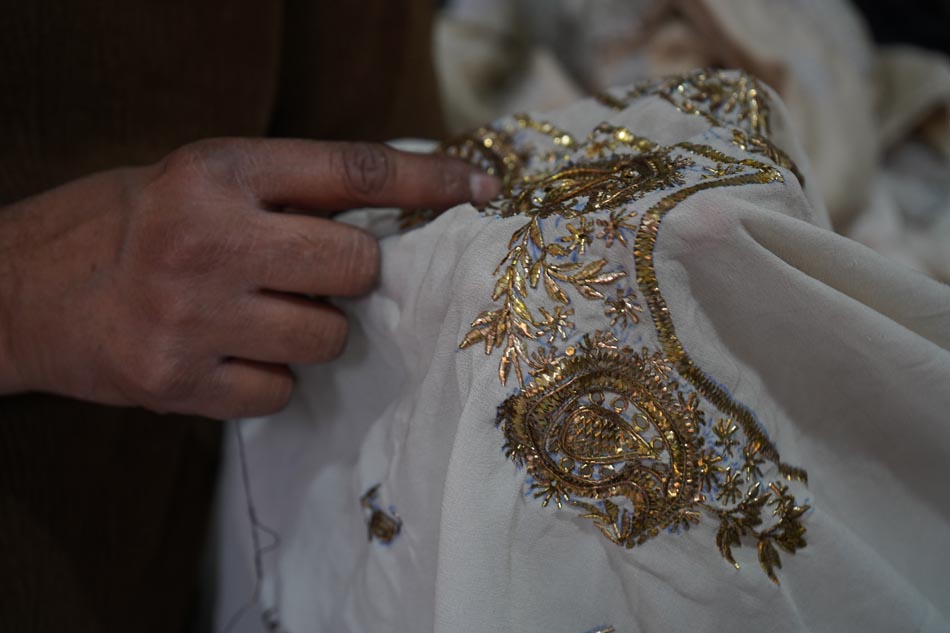
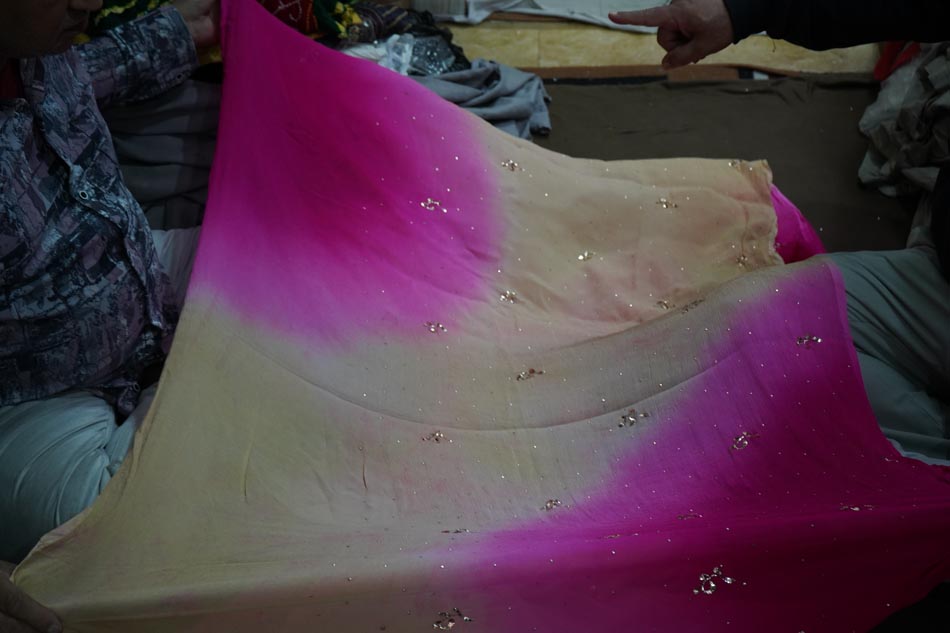
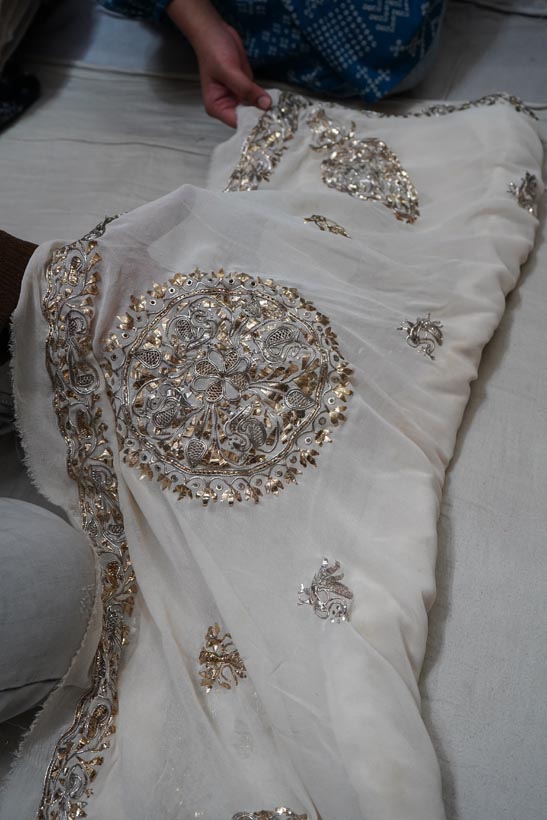
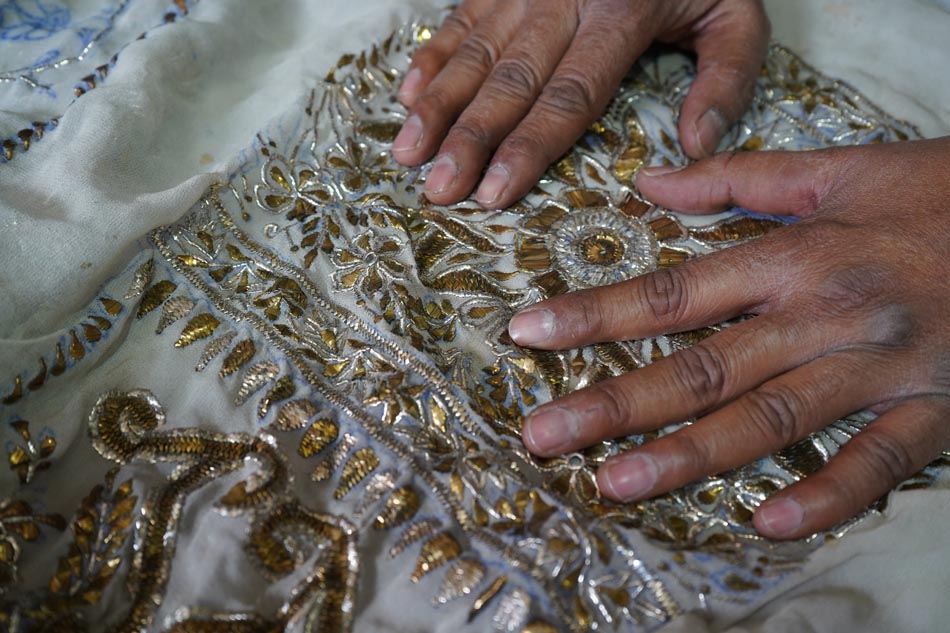
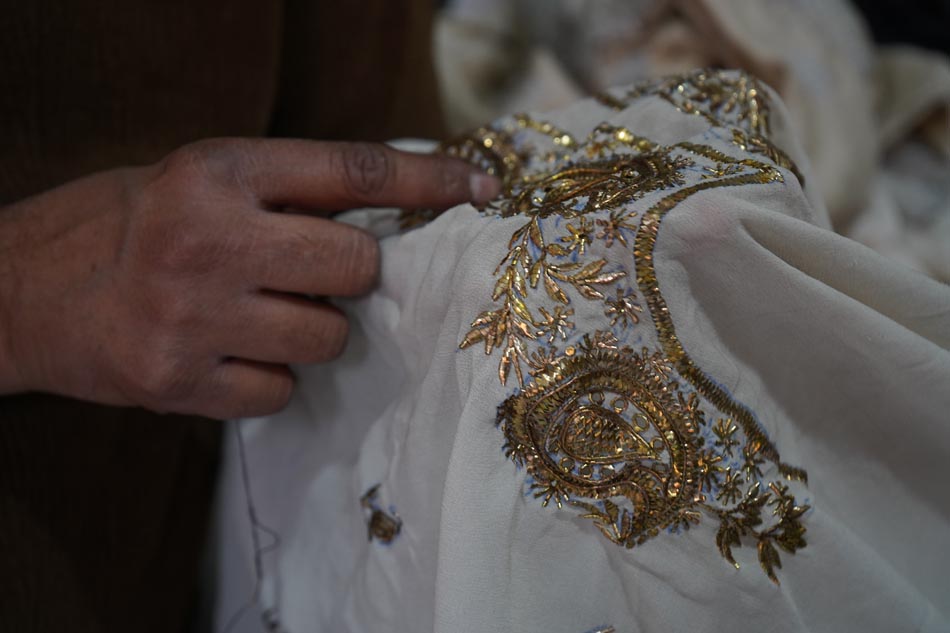
Muqaish is one of India’s most delicate and versatile forms of embroidery, created with fine, flattened metal strips. Although it is often visually compared to Zardozi, the two crafts differ significantly. Zardozi is typically dense and heavy, using multiple metallic elements and threads, whereas Mukaish is lighter and more subtle, relying primarily on a single element (metallic wires) to create a soft, shimmering effect.
Originally known as Kamdani, Mukaish was crafted using real gold and silver wires primarily for royalty. Garments such as sherwanis were made for the royal court. Nawab Asaf-ud-Daula played an important role in sustaining and promoting this craft. The royal patronage system ensured that artisans received steady work, allowing such intricate crafts to flourish. Mukaish work can be seen in the Picture Gallery of Lucknow, in the clothing worn by the Royals.
Mukaish occupies a significant place in India’s textile heritage and has long been associated with ceremonies, weddings, and socially important occasions. Its presence on bridal and ceremonial garments signifies refinement and status, offering a quiet grandeur through the interplay of fabric and metal. Unlike heavier forms of embellishment, the shimmer of gold and silver in Muqaish enhances the textile without overwhelming it.
Precious metals such as gold and silver have historically symbolised luxury, power, and fine artistry. Their use in textiles gave rise to a variety of decorative traditions, of which Mukaish remains one of the most refined. By embedding these metals into fabric through intricate hand techniques, artisans created surfaces that are both luminous and lightweight.
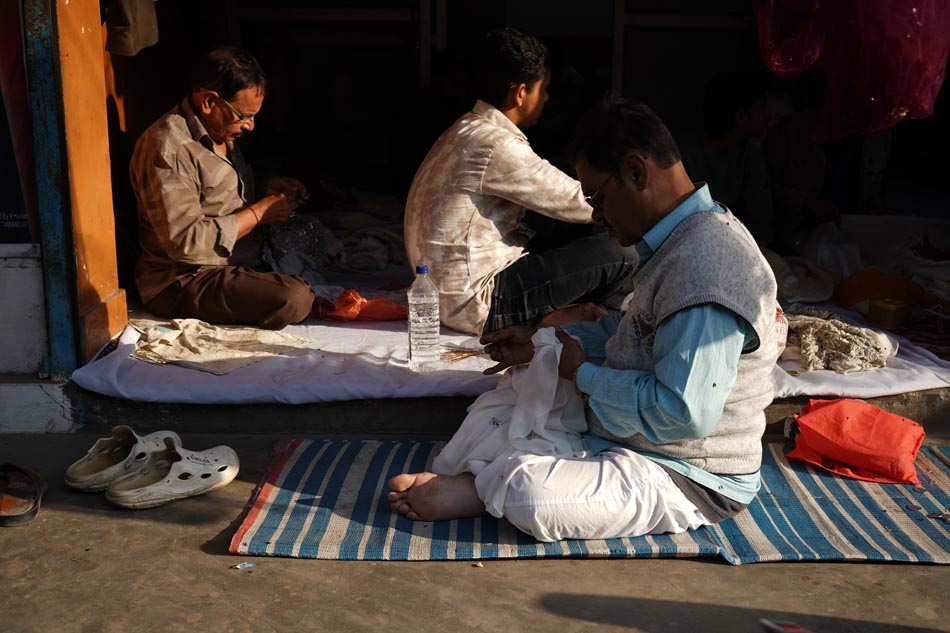
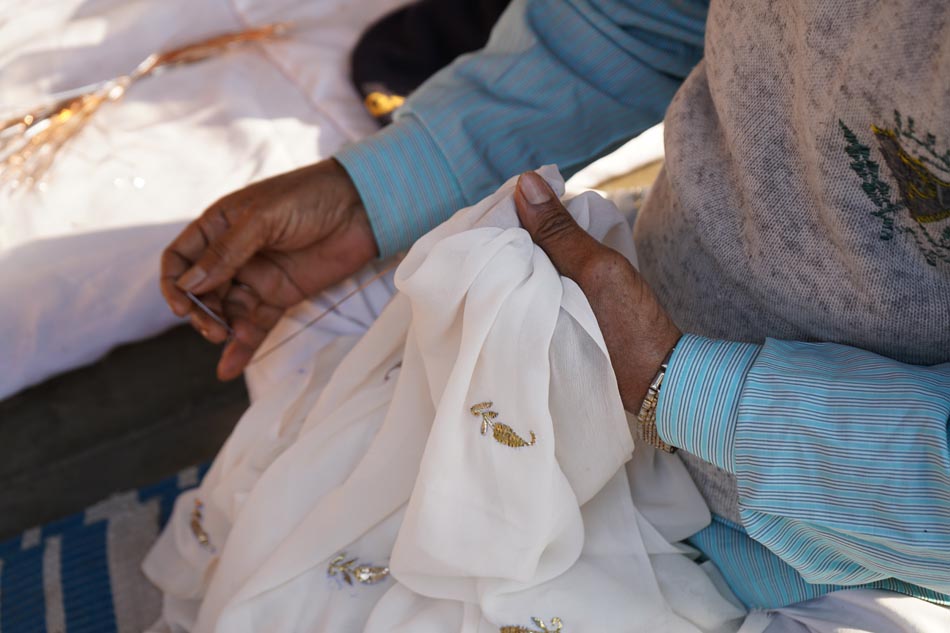
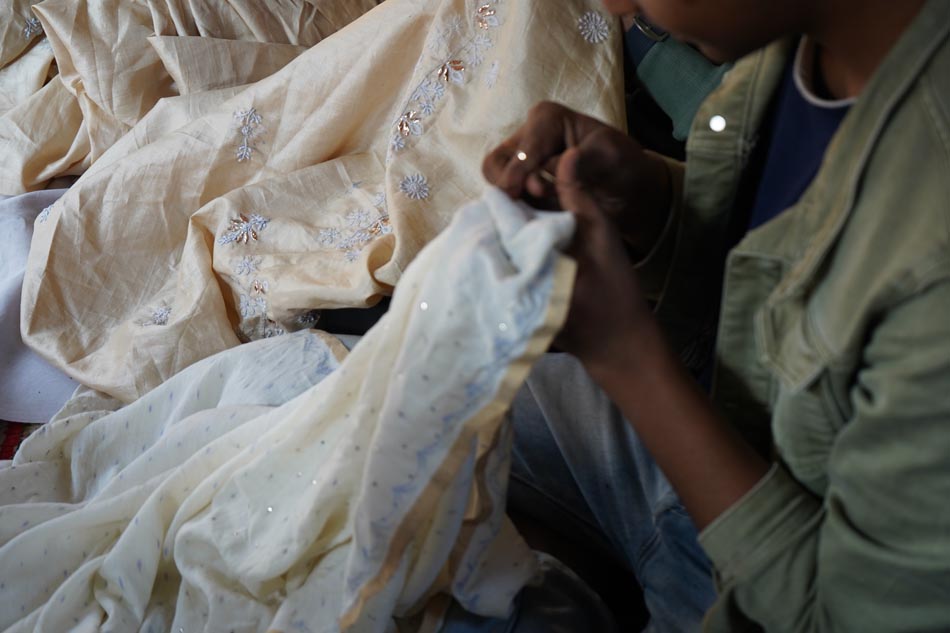
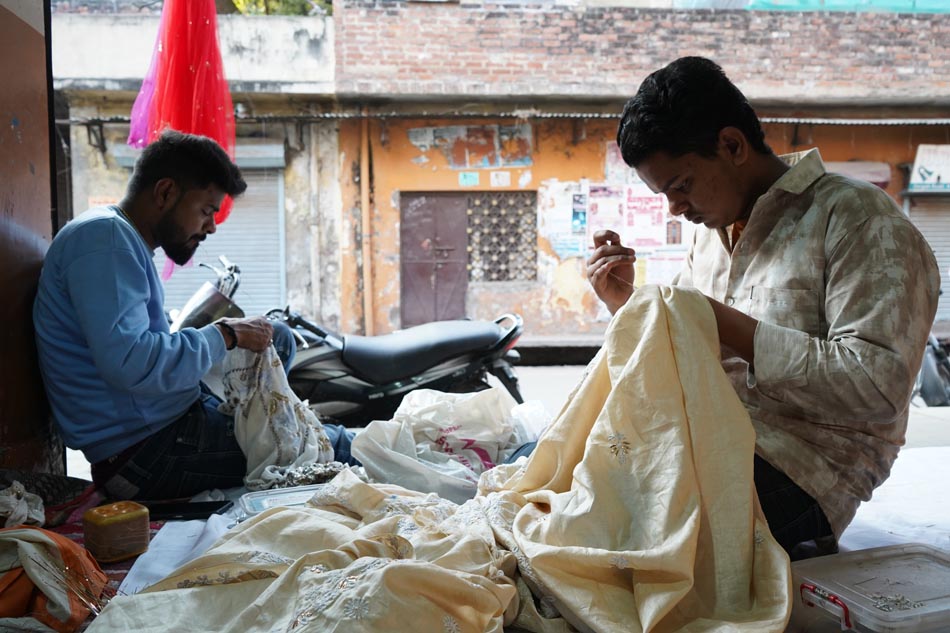
Beyond its aesthetic value, Mukaish holds deep cultural significance as a generational craft. It is traditionally learned within families, where skills are passed down through observation and practice. Today, however, the craft is practised by a very limited number of artisans in Lucknow, approximately 15–20 practitioners, many of whom are above the age of 70. Around 90% of the artisans are women who work from their homes, continuing the tradition within domestic spaces.
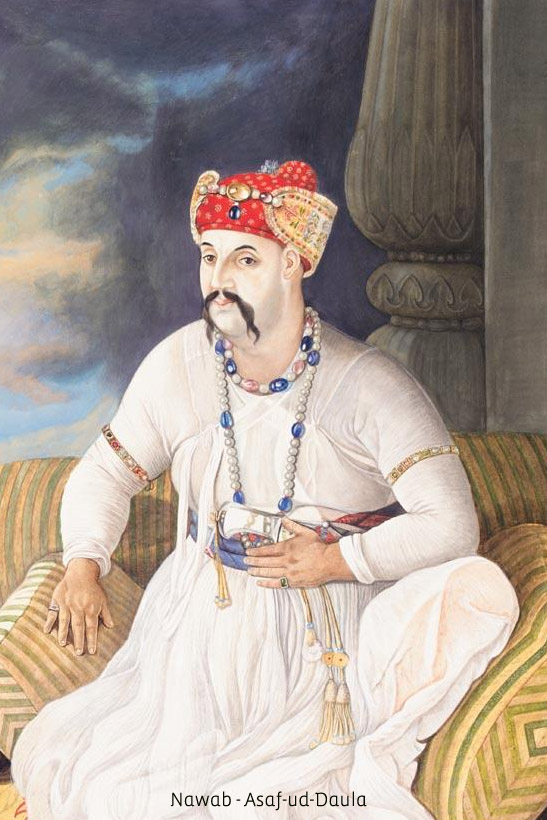
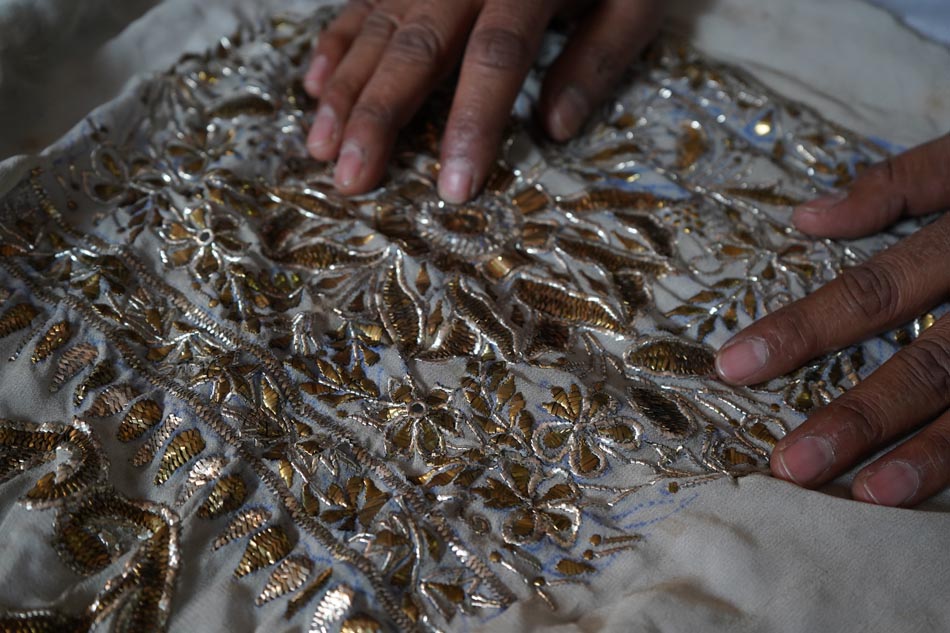
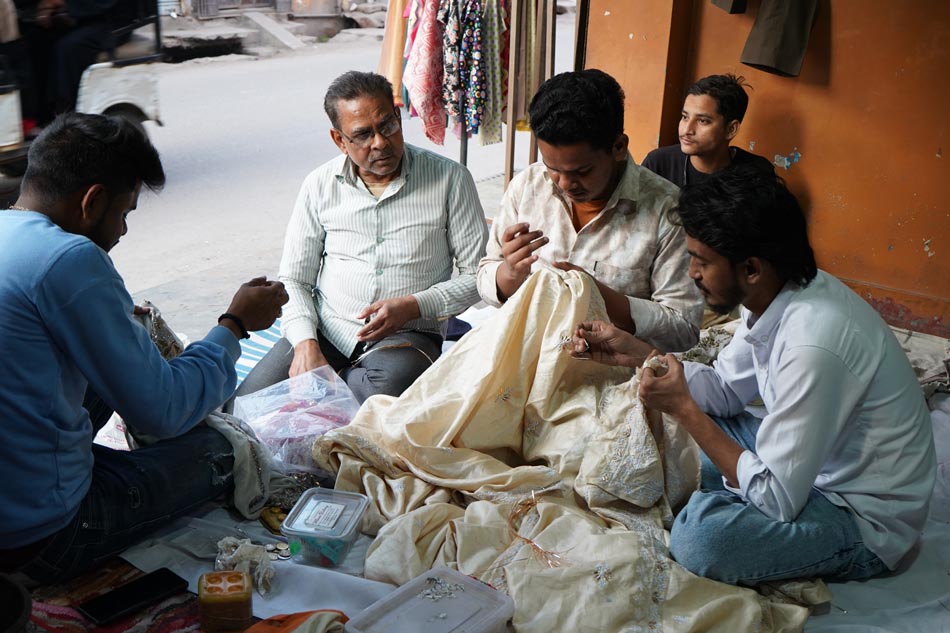
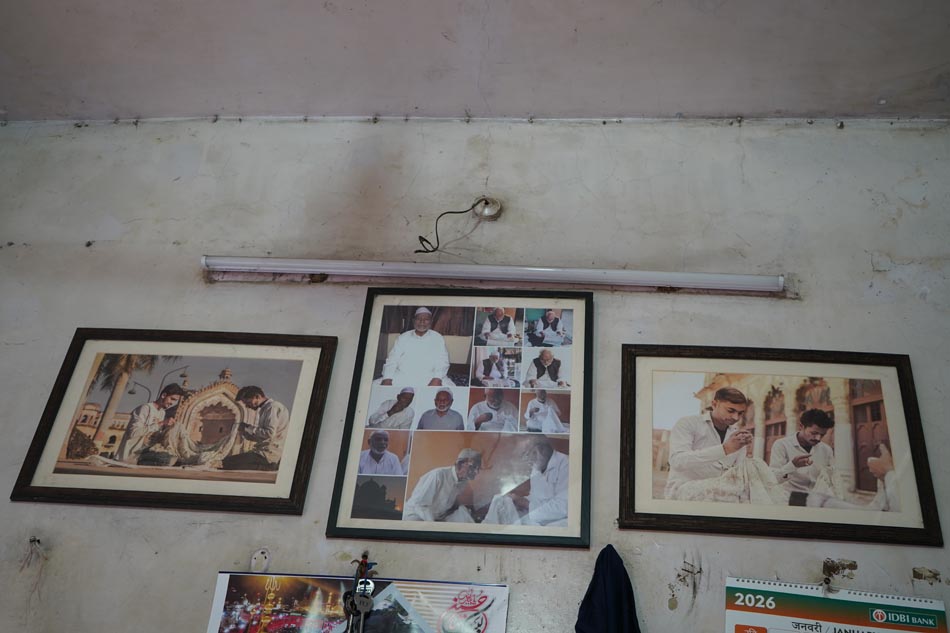
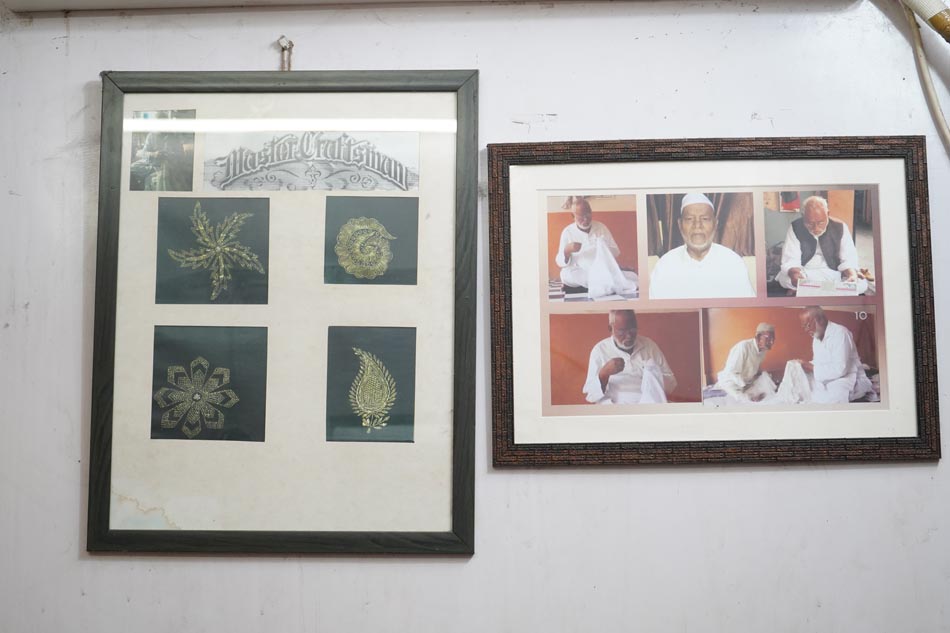
Mukaish (or Muqaish), historically known as Kamdani, has a rich and layered history rooted in Lucknow, where it was crafted specifically for the royal courts. The Nawabs of Awadh were among the earliest patrons of this technique, commissioning garments embellished with precious metal wires of gold and silver to signify luxury, status, and refinement. Lucknow, under the rule of Nawabs, became a centre of art and culture, deeply influenced by Persian aesthetics and shaped by humid climatic conditions that favoured light yet ornate textiles.
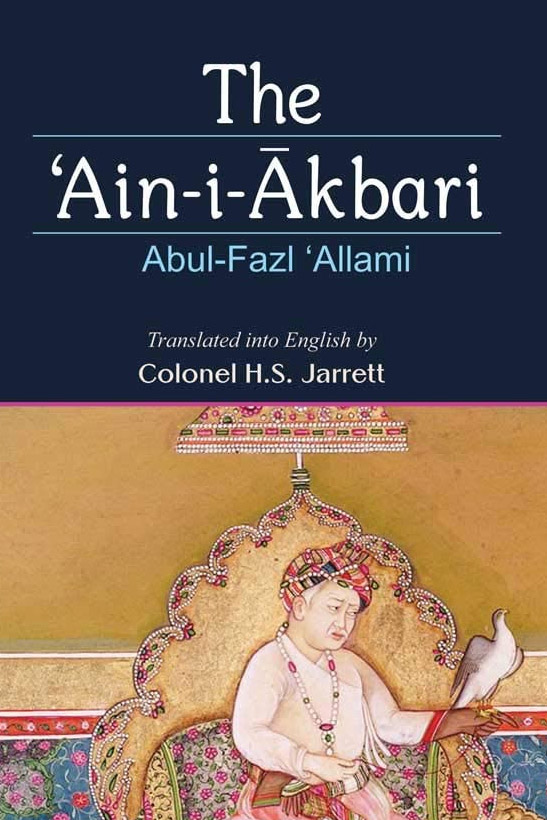
Originally, Mukaish was executed using real gold and silver wires, primarily for royalty. During the Mughal period, the craft flourished with grandeur and was widely favoured in royal courts as a symbol of power and wealth. Textual references, such as in the Ain-i-Akbari during the reign of Akbar, suggest the presence of metal embroidery traditions. The technique involved creating (badla), flattened metal wires by pressing metal into fine strips, which were then woven into fabric to create a soft, luminous surface. Early forms of Mukaish appeared as delicate metallic dots on textiles, gradually evolving into more elaborate compositions and even fully embellished fabrics.
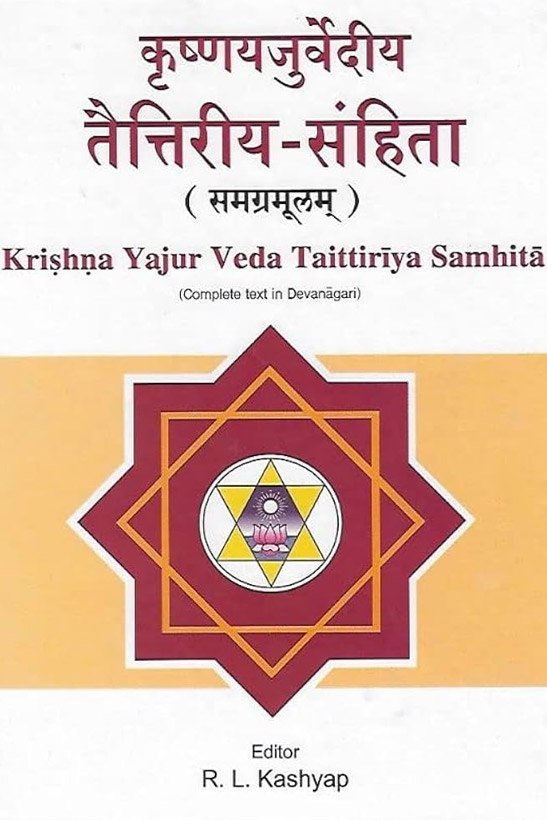
References to the use of the needle in India can be traced back to early Vedic texts such as the Taittiriya Samhita, where sewing is associated with skill, prosperity, and auspiciousness. An invocation from the Taittiriya Samhita states: “I invoke with a fine eulogy Raka (full moon), who can be easily called. May she, who is auspicious (or good-looking), hear our invocation and understand it in her heart; may she sew her work with an unbreakable needle; may she bestow upon us a worthy son who possesses immense wealth.” A hymn from the Rig Veda similarly says, “With a never-breaking needle may she sew her work and grant a son most wealthy, worthy of praise.”
Archaeological findings from Harappa and Mohenjo-daro further establish that needles were known and used in ancient India, likely for embellishment rather than basic garment construction. Since early Indian clothing required minimal stitching, the needle was primarily employed for decorative purposes, giving rise to rich embroidery traditions.
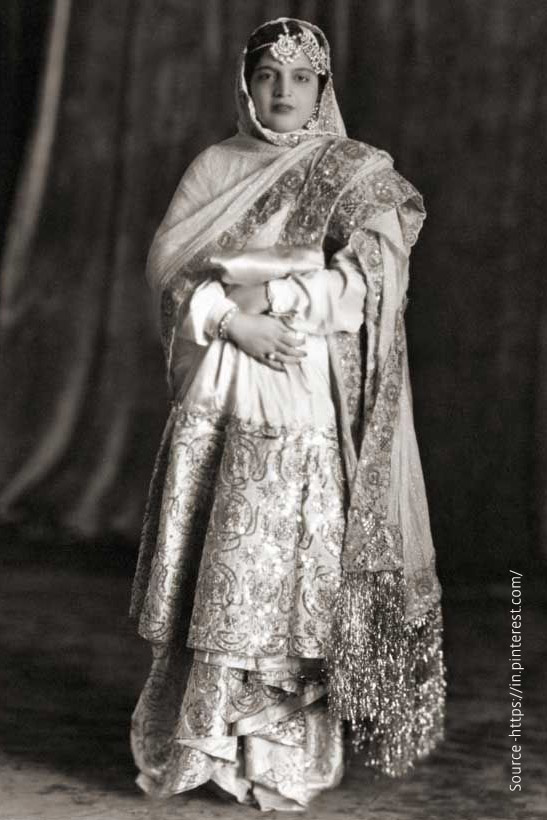
While some accounts trace the origins of this craft as far back as the 3rd century BCE in the Awadh region, it gained prominence during the Mughal period and later under the Nawabs of Lucknow. It is also believed to have Persian influences. Garments worn by the Begums of Lucknow, as seen in historical collections, prominently feature this craft. Mukaish, in particular, was well suited for evening wear, where its subtle shimmer offered elegance without excessive brilliance.
The craft also played an important role in trade. Much of the Mukaish work produced in Lucknow was exported to Arab countries, with Punjab acting as a major trade hub. It was here that Kamdani came to be known as Mukaish, meaning “shiny” or “sparkling.” Dupattas featuring Farid ka kaam (dot work) were especially popular and exported in large quantities to Afghanistan, Saudi Arabia, and other regions. However, a significant downturn began in the 1980s. Around 1984-85, rising silver prices and instances of material adulteration, where artisans used silver-coated copper instead of pure silver in mukaish work. Additionally, they sold it at the price of pure silver, which led to a loss of trust among international buyers. When this malpractice was discovered in markets such as Saudi Arabia, exports declined sharply. As demand fell, many artisans abandoned the craft in search of alternative livelihoods. At one point, nearly a thousand artisans were engaged in Mukaish work in Lucknow, but the numbers dwindled drastically.
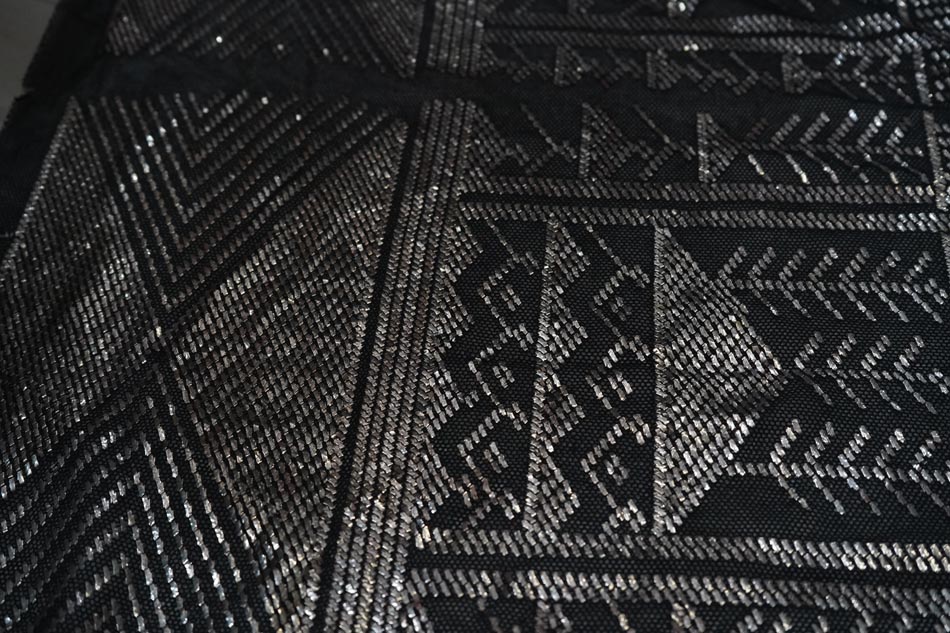
There was limited demand for this craft within India, as most of the production was oriented towards export markets. This heavy dependence on external demand led to a severe decline in the craft when exports diminished. However, in recent years, revival efforts by designers such as Tarun Tahiliani and Abu Jani have reintroduced Mukaish into contemporary fashion. Traditionally, Mukaish was executed on fabrics like net and georgette. On net fabric in particular, the work is done without printed guides (chappayi); instead, artisans use the net as a graph, manually counting threads to construct patterns. This makes the process extremely meticulous and time-intensive. As a result, authentic Mukaish work on net is rare today and highly valued, often priced at ₹35,000 and above.
Over time, the aesthetic and application of Mukaish have also evolved. Earlier, dotted patterns and motifs such as chand-tara, surahi, and architectural forms like the Taj Mahal were popular, especially in export markets. Today, more structured and elaborate patterns are seen. While traditionally practised as an independent craft, Mukaish is now frequently combined with Chikankari embroidery, a development that has gained prominence over the past decade. The craft is also prominent beyond India, particularly in Pakistan, where regions like Bahawalpur and Multan continue to practice similar forms of metal embroidery on silk.
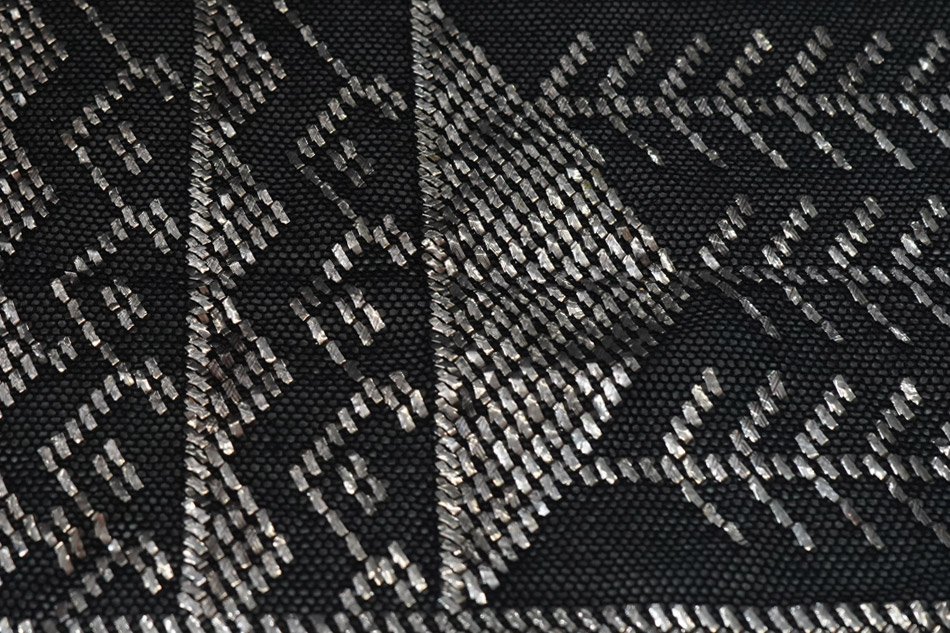
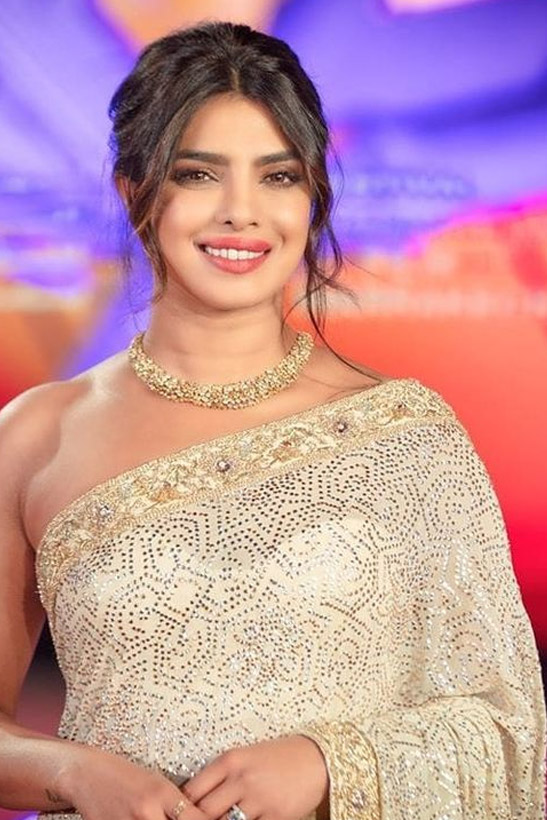
Mukaish embroidery encompasses a wide range of motifs and stitches, offering immense versatility in design. The patterns are primarily inspired by nature, including floral forms, kairi (paisley) motifs, and buttas. Other popular design elements include jaal, jhad (tree forms), flowers and leaves, boota-booti, satkani, posha, tikdi, and danna chauk. While motifs are applied across the main body of the fabric, borders often feature linear patterns with repetition of motifs.
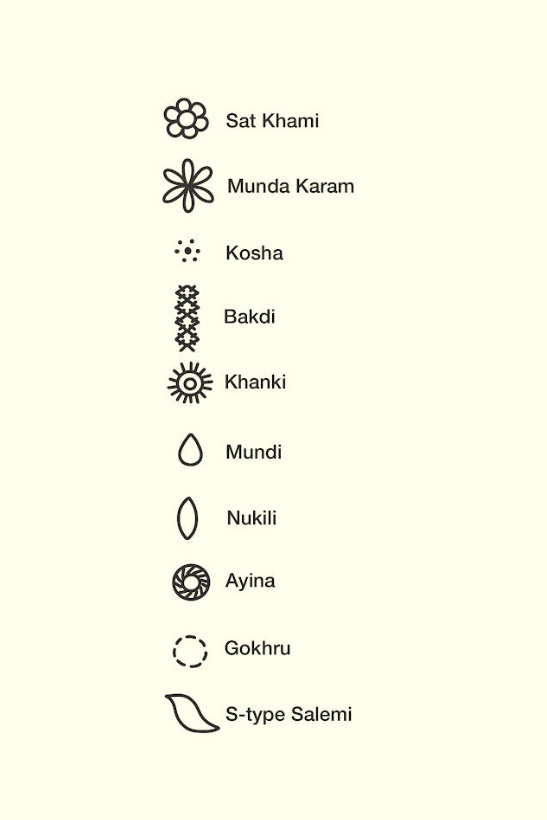
The craft involves numerous stitches, commonly referred to as takkas. Some of the widely practiced stitches include Patti, Singarkhe, Gitte (moong ke taake ki gitti), Chhoti Fardi or Daana (also known as Fardi ka kaam and highly in demand), Sat Khami, Kharaki, Bakdi, Kosha, Munda Karam, Mundi, Nukili, Murri, Salemi (S-type), Ayina (theda takka), Gokhru, Jooth, Path (barha hua kaam), Orma (outline), Kota (criss-cross), and Jali work, which creates a net-like effect on the fabric using Mukaish. some popular styles are.
In addition to these stitches, several characteristic styles define the visual language of Mukaish. Phanda work refers to the creation of small, round dots using badla, often forming the base for larger motifs. Chumki work produces a more textured and pronounced surface, where the tactile quality becomes significant. Buti work involves small motifs scattered across the fabric, either as fillers or as primary design elements. Bel work consists of linear, repetitive floral patterns, typically used along borders, especially on dupattas.
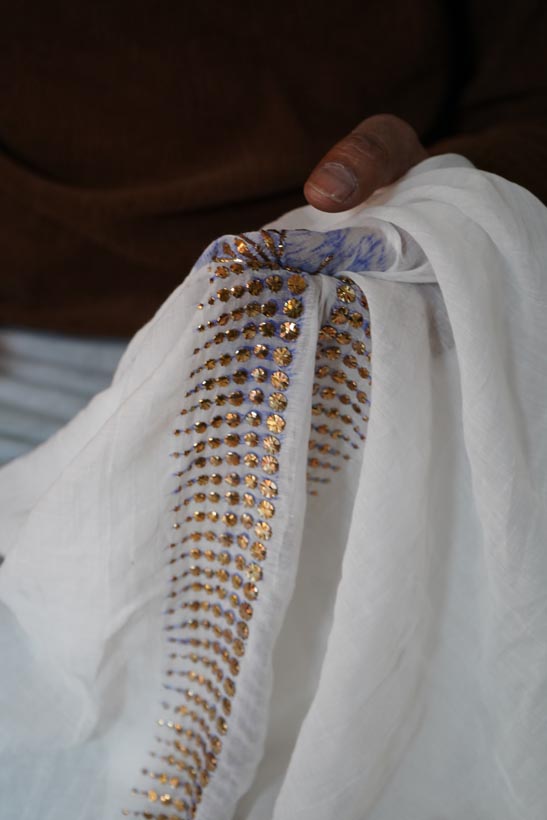
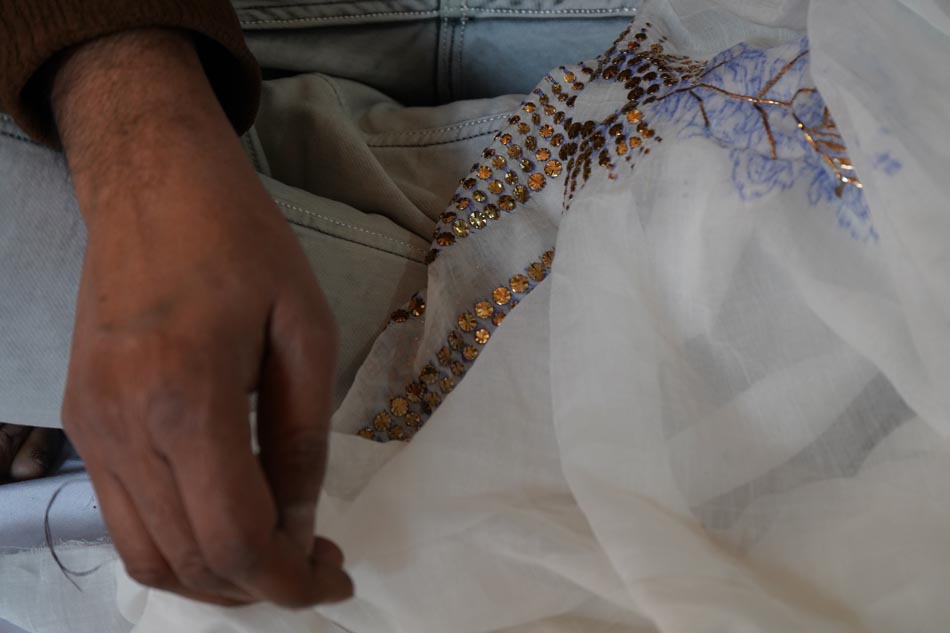
A defining feature of Mukaish is its use of dotted embellishments known as Fardi ka kaam. Often described as “dot work,” this includes variations such as Hazaar Batti (thousand dots), Tikki (flattened sequin-like forms), and Challa (ring-shaped motifs). The size and refinement of these dots depend on the thickness of the metal wire (badla), with finer dots being more intricate and expensive. Traditionally, Mukaish is executed on lightweight and breathable fabrics such as muslin, georgette, silk organza, and chanderi. Heavier fabrics like crepe, raw silk, and velvet are generally avoided, as they make the insertion of metal wires difficult and may damage the fabric structure.
In the present time, particularly over the last decade, Mukaish has been widely used in combination with Chikankari, adding a subtle metallic shimmer to thread embroidery. It is also being increasingly applied on printed fabrics to enhance their surface with a soft, luminous effect. Mukaish work is widely used in garments such as lehengas, sarees, anarkalis, and dupattas, where it adds a subtle shimmer and a festive, elegant appeal. The embellishment may be scattered across the fabric or concentrated along the pallu and borders. Due to its delicate nature, Mukaish requires careful handling as exposure to moisture, chemicals, or perfumes can tarnish the metallic wires. Therefore, dry cleaning or gentle washing is recommended to preserve its intricate craftsmanship.
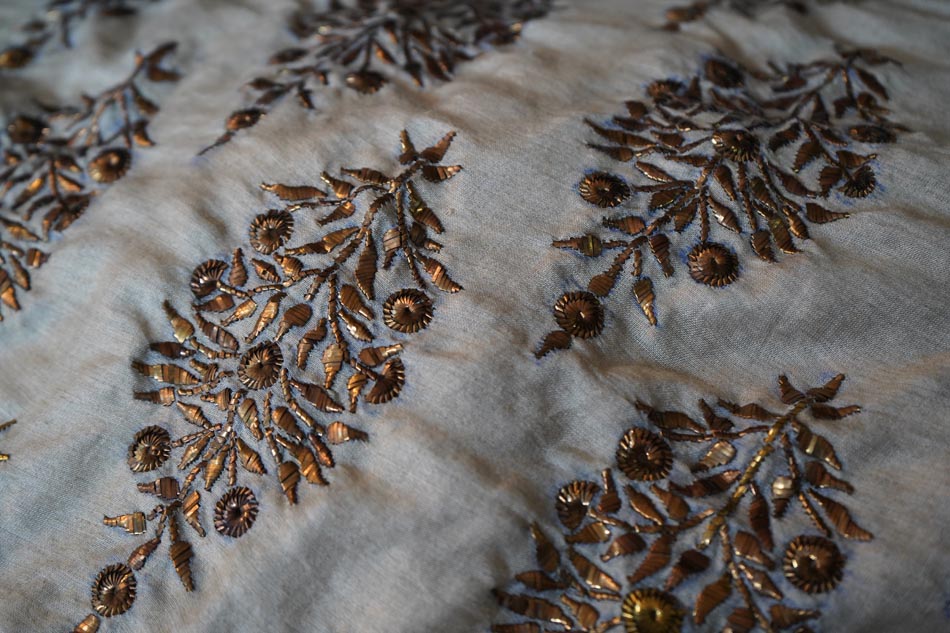
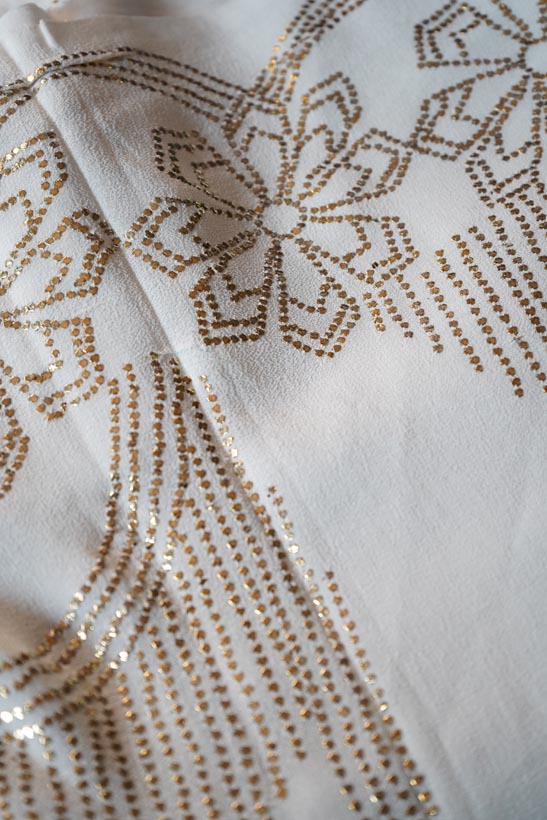
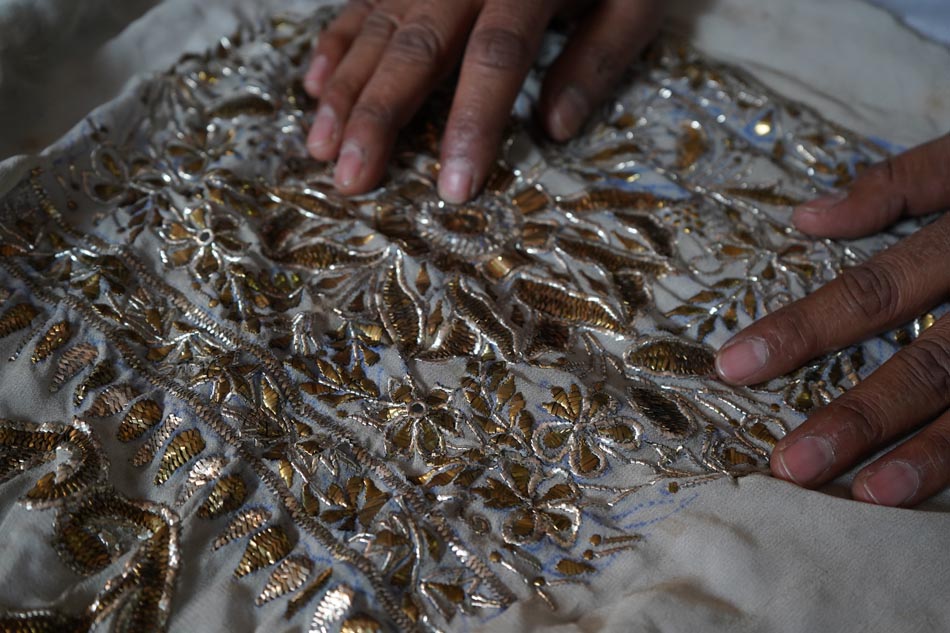
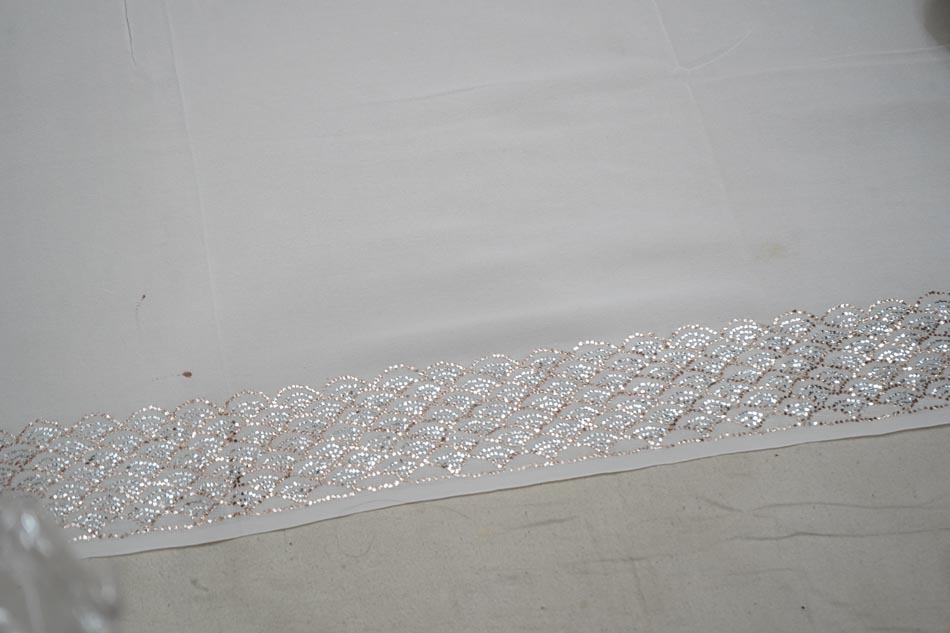
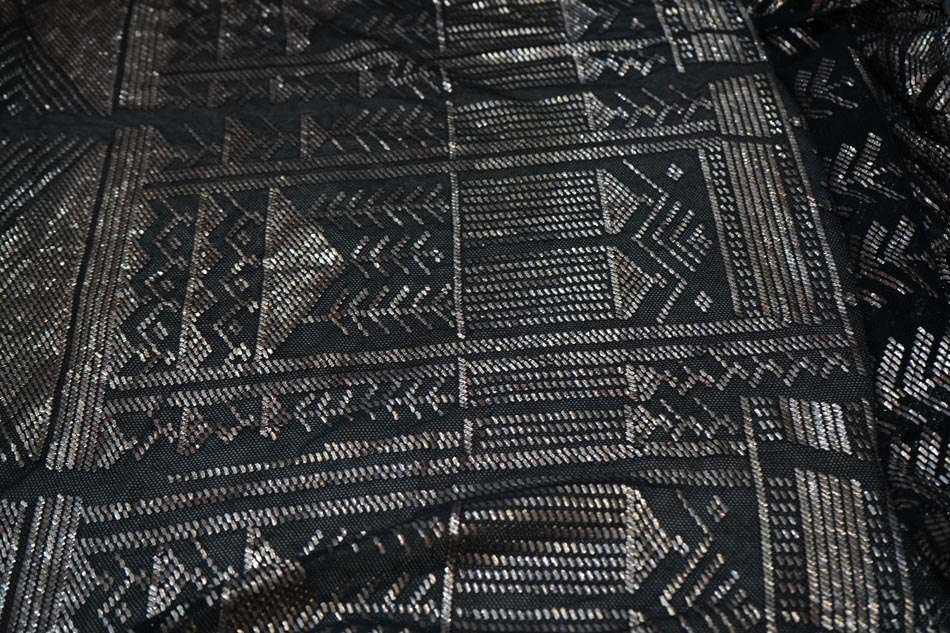
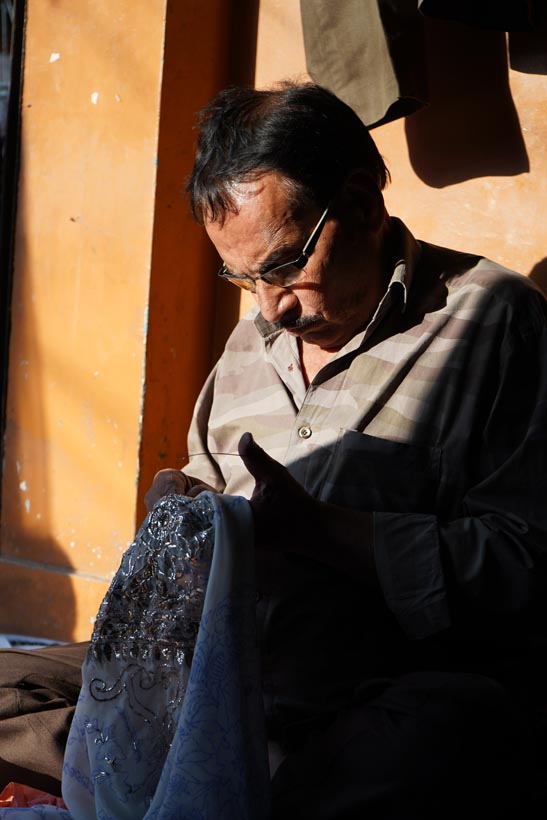
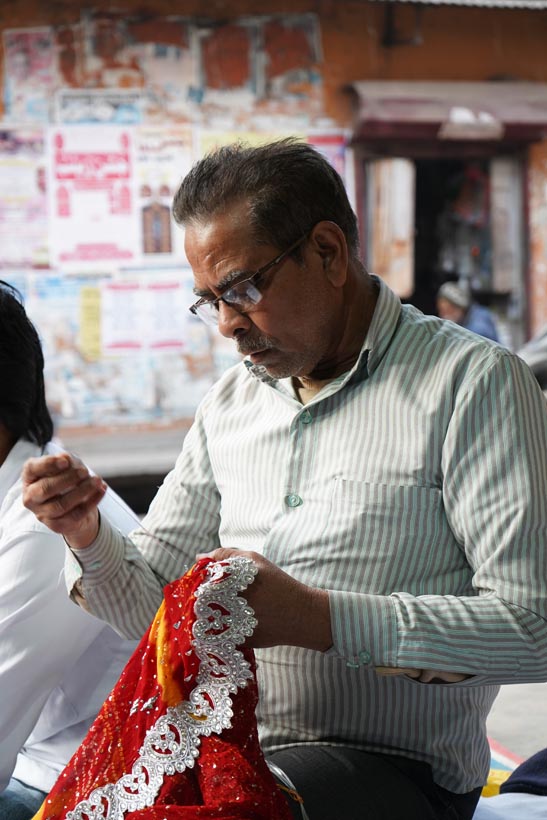
Currently, only around 10–15 artisans continue to practice this craft in Lucknow, many of whom are above the age of 70. A large portion of the workforce consists of women who work from home. The craft requires exceptional skill and precision, making it difficult for new practitioners to adopt it as a sustainable profession.
Very few artisans practice Mukaish today, as the craft offers limited financial returns. Many artisans do not want their children to continue in this profession due to low income and lack of stability. Most practitioners began learning the craft at a young age, often around 12 or 13, out of financial necessity, and have continued practising it over the years, gradually developing expertise. Despite their skill, artisans typically earn only around ₹100-125 per day.
The artisans are significantly underpaid, and sometimes larger companies do not compensate them fairly. For instance, they may receive as little as ₹10 for executing 100 danna (fardi ka kaam) on a piece of fabric, while the same handcrafted work is sold in the market at much higher prices. Additionally, the rising cost of silver has further impacted the craft, increasing material expenses and making it even less economically feasible for artisans.
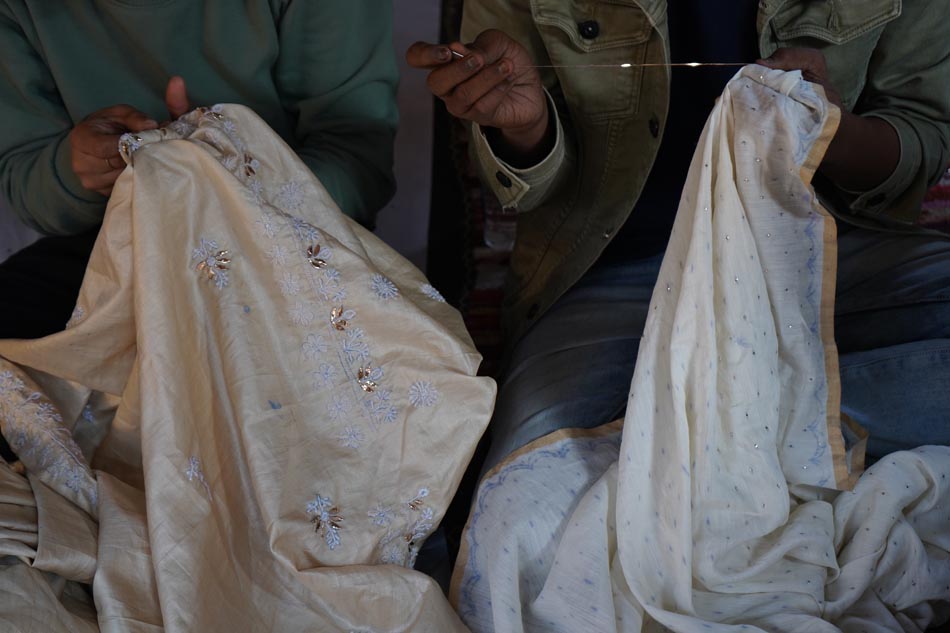
The craft of Mukaish uses badla, a fine, flattened copper wire with silver coating, to create delicately shimmering surfaces on fabrics such as muslin, georgette, silk organza, and chanderi. This subtle metallic embellishment is most commonly seen on dupattas and saris. The beauty of this craft lies in how highly intricate designs can emerge from the simplest of tools, executed with just one material, the metallic wire, carefully worked into the fabric using a needle and thread.
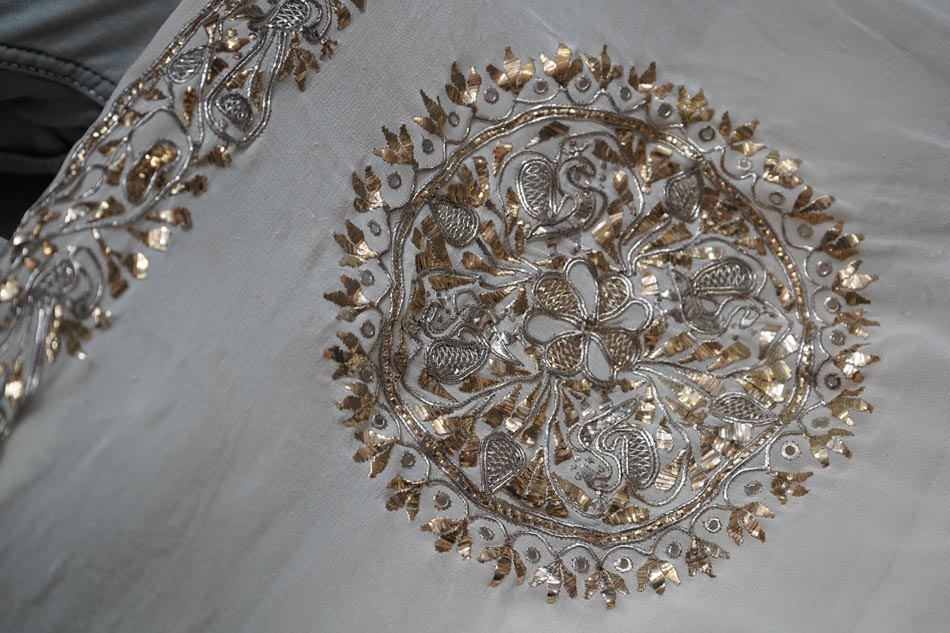
Badla: The primary material used in Mukaish embroidery is badla, a fine, flattened metal wire. Traditionally, (badla) metal wires were made from pure gold and silver, used extensively in royal garments. However, in contemporary practice, it has largely been replaced by copper wires coated with a layer of real silver polish. For gold-toned wires, this silver-coated copper wire is further dyed to achieve various shades of gold. These include tones such as light gold, dull gold, antique gold, black gold, and pure gold. Similarly, silver and copper wires are also available in variations like dull silver and antique copper.
The copper wires are typically sourced from markets such as Delhi, with current prices around ₹2100 per half kilogram (previously around ₹1250), reflecting a significant increase in material costs over time.
Small circular metal discs known as sequins (tikki) are also used. These are small, typically shiny, disk-shaped elements that act as a base for the badla wire, helping form rounded circular motifs.
Fabric: Mukaish is typically executed on lightweight, soft, and translucent fabrics that allow easy insertion of metal wires. Commonly used fabrics include muslin, georgette, chiffon, silk, organza, chanderi, and cotton.
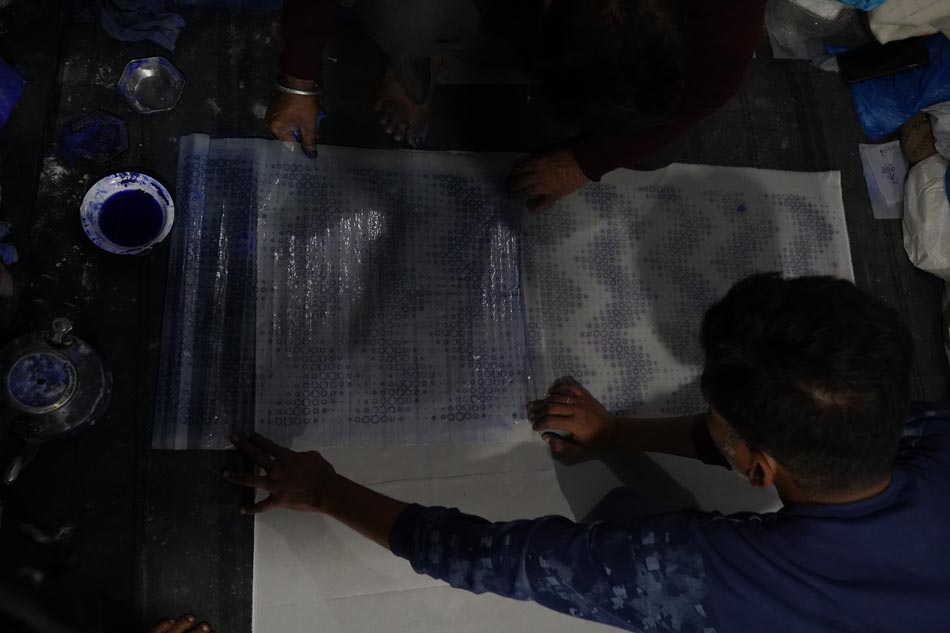
Printing Material: Indigo Powder (Neel) and Kerosene Oil (Mitti ka tel) – Mixed to prepare a washable solution for tracing designs.
Starch: Applied after completion to restore crispness and structure to the fabric, especially cotton textiles.
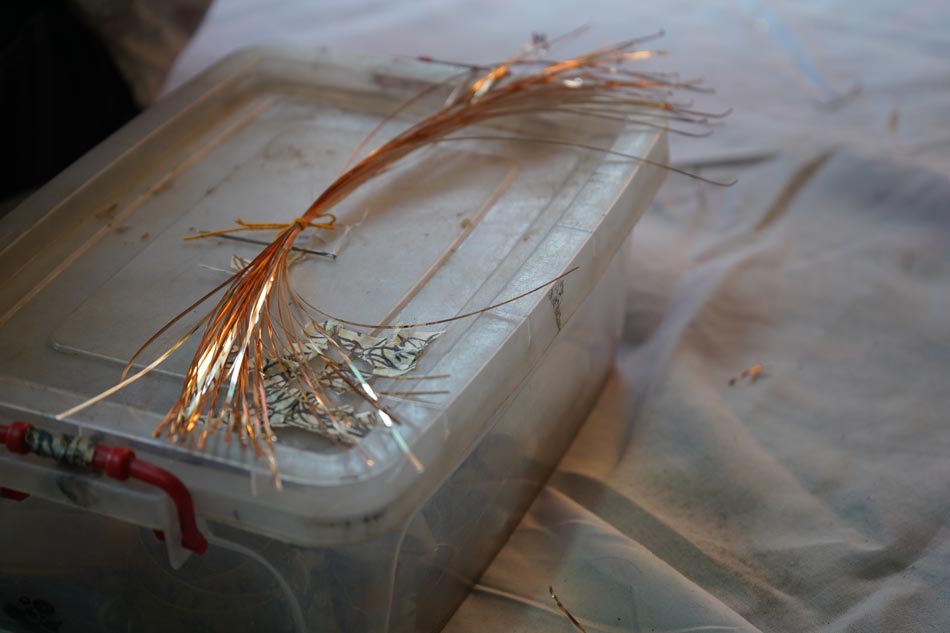
Needle (Sui) – Needles of various sizes, similar to those used in Chikankari, form the core tool for executing the embroidery.
Embroidery Ring (Frame) – Circular frames made of wood or cloth are used to stretch and hold the fabric taut, ensuring precision while working.
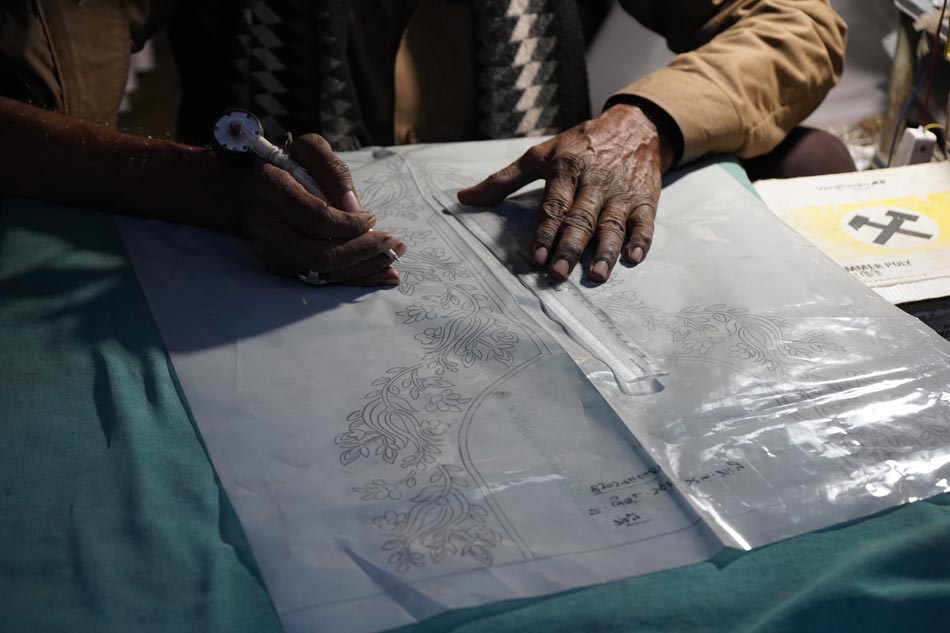
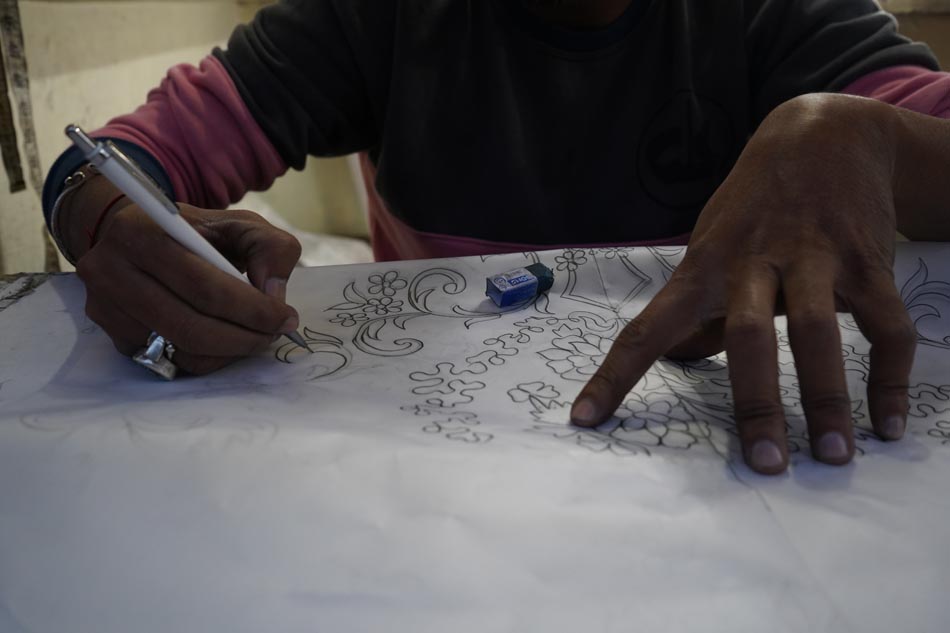
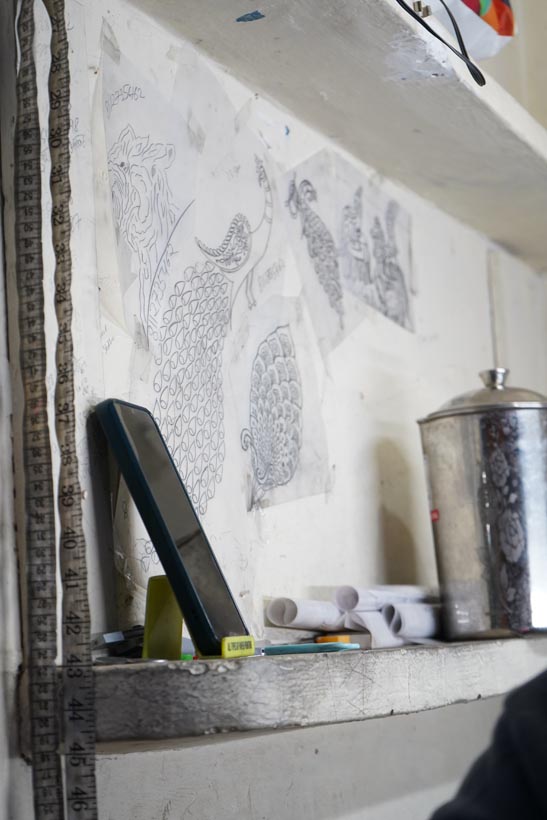
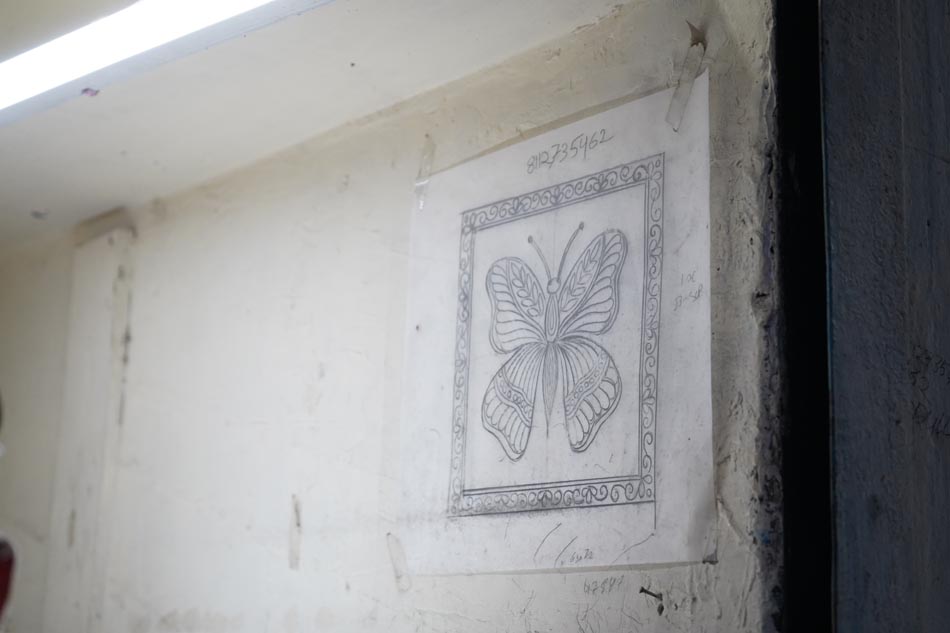
Tracing Paper – Used to transfer motifs and designs onto the fabric.
Cotton Thread – Used for attaching the needle to the metallic wire.
No Rituals
Mukaish work involves a meticulous, multi-stage process that requires precision, coordination, and a high level of skill. It can be executed on both stitched and unstitched fabrics. In garments like lehengas, each kali (panel of fabric used to construct a flared skirt) is embroidered separately and later assembled to form the final piece, ensuring consistency and fine finishing.
1. Design Making and Chapaayi (Printing)
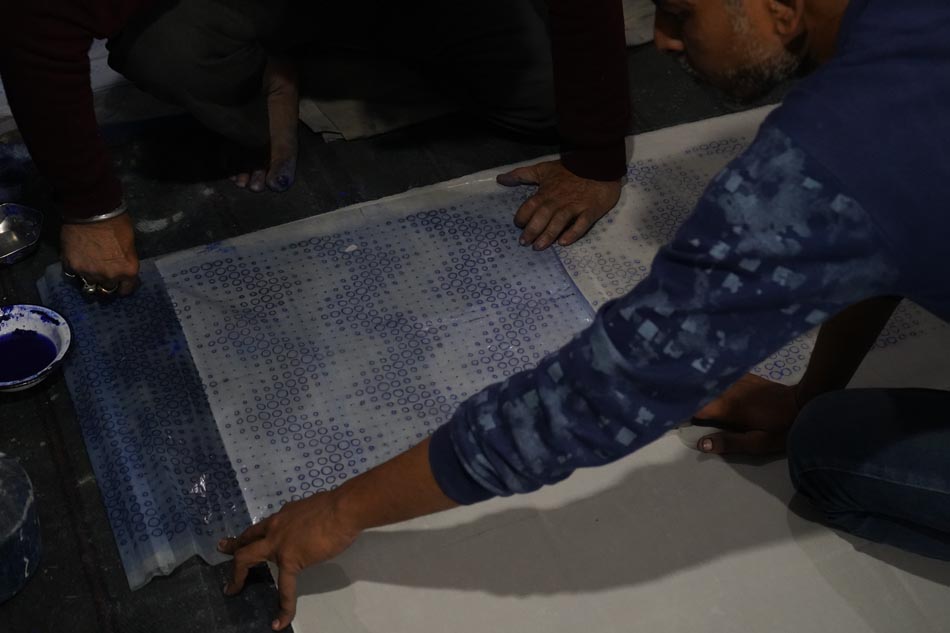
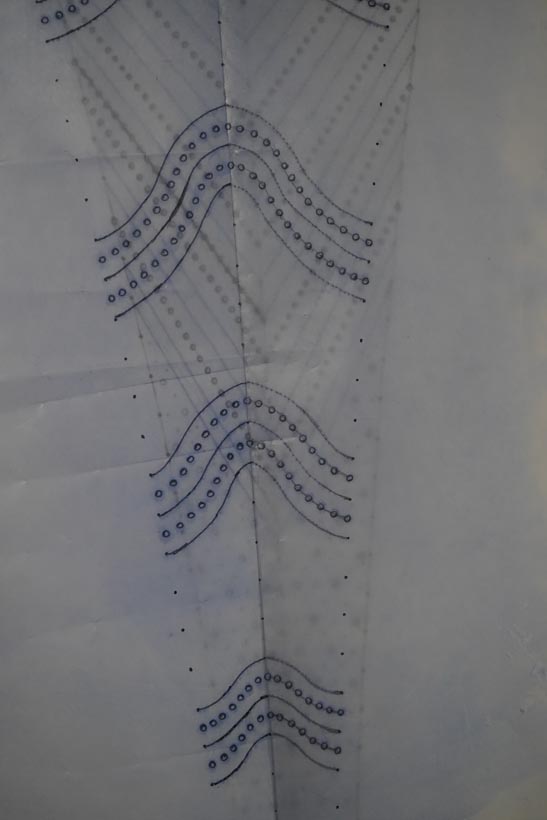
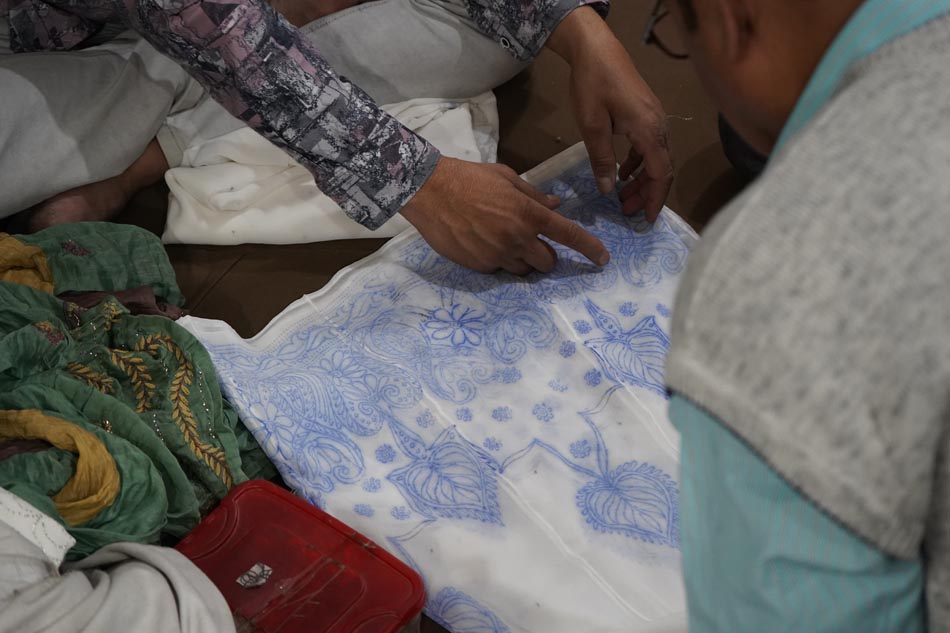
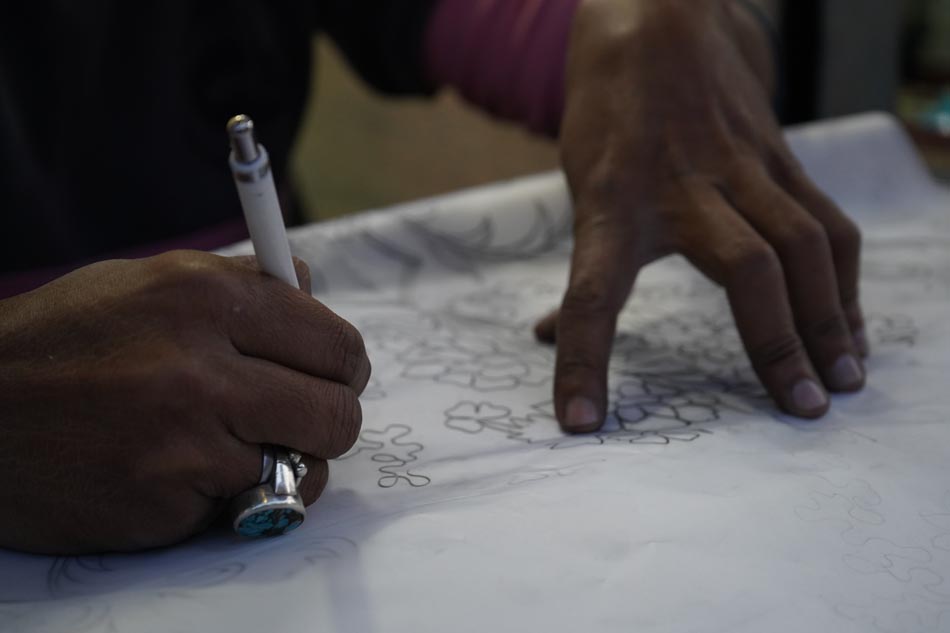
The process begins with creating the design on tracing paper. The design is perforated with small holes using a needle (sui), allowing the transfer of the pattern onto fabric. A mixture of neel (indigo powder) and kerosene oil (mitti ka tel) is applied over the tracing sheet using a cloth, transferring the dotted design onto the fabric. This process, known as chapaayi, is typically carried out on the floor with fabric spread over a carpet. One tracing sheet can be reused up to 20–25 times, and usually requires two people to execute the transfer accurately.
2. Embroidery (Takaayi)
The embroidery process involves attaching the badla wire to a thread loop, which is then inserted into a needle. Instead of threading the metal directly, the wire is guided through the fabric using this thread. The needle is passed in and out of the fabric, pulling the wire along, with only small portions visible on the surface. The ends of the wire are tucked underneath to secure the stitch.
Artisans treat badla (metallic wire) like thread, allowing them to create a variety of stitches and patterns, including dots (fardi), lines, jaalis, and floral motifs. Fardi ka kaam is created by knotting short lengths of wire to form small dots, often used to fill spaces or create patterns.
In some cases, Sequins (tikki-small circular metal discs) are used as a base. The wire is worked from the outer edge toward the centre, covering the disc completely to achieve a clean and refined finish.
Each artisan typically works on a single piece to maintain consistency, as variations in hand technique can affect the final appearance.
3. Ghutaayi (Finishing)
After embroidery, the fabric undergoes ghutaayi, a finishing process where the reverse side is gently rubbed using a cowrie shell. This flattens the badla (metallic wire), burnishes the metal enhancing the shine of the metallic wires.
The embroidered fabric is then washed to remove any remaining neel marks from the printing stage. After washing, the fabric is starched and ironed to restore its crispness and structure. This final stage reveals the true quality of the work, soft, luminous, and refined.
Mukaish embroidery is highly labour-intensive and demands patience and precision. The stitches are small and delicate, and the metal wire is prone to twisting or breaking, making the process time-consuming. Depending on the complexity, a single piece can take several days or even weeks to complete.
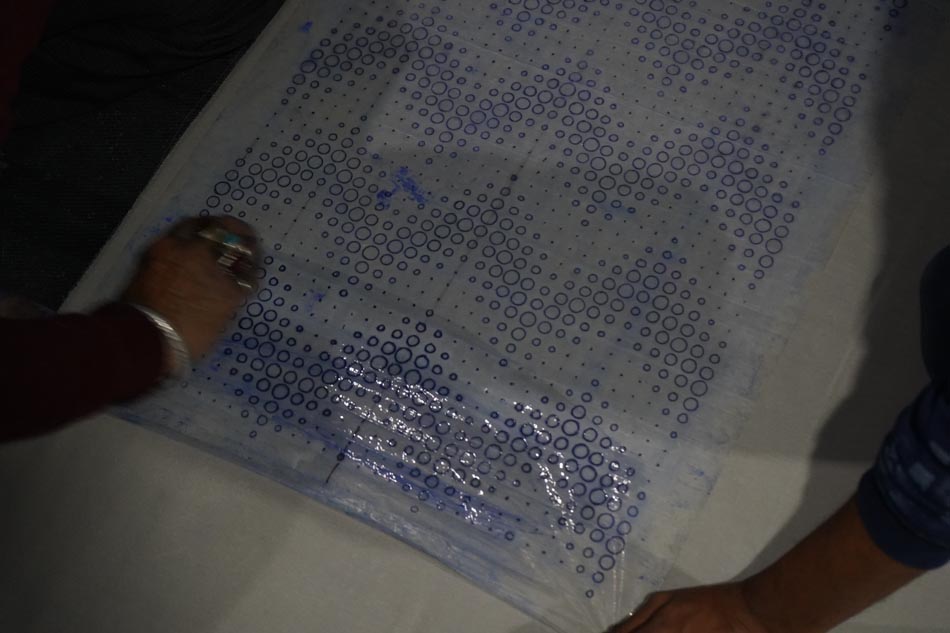
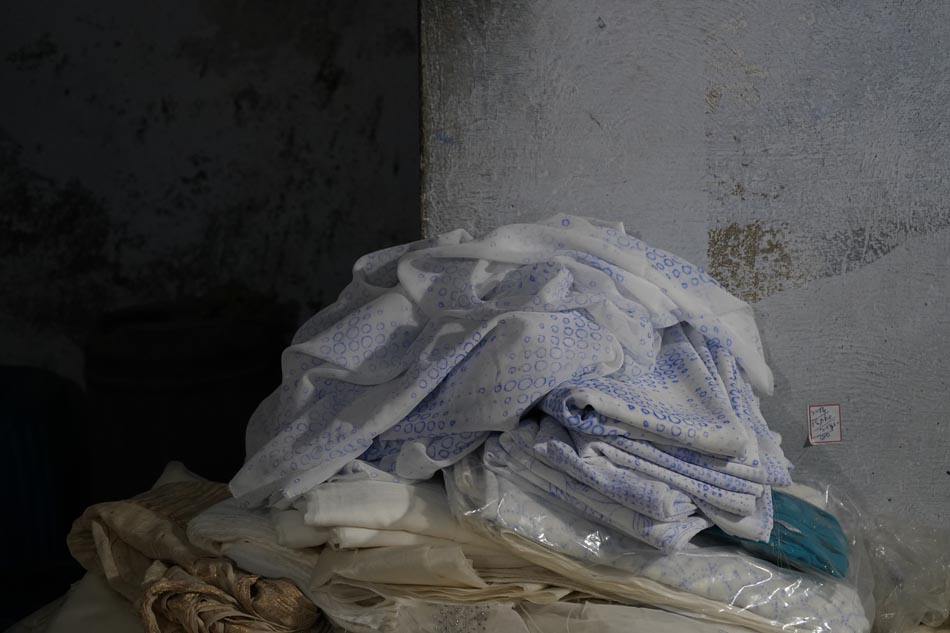
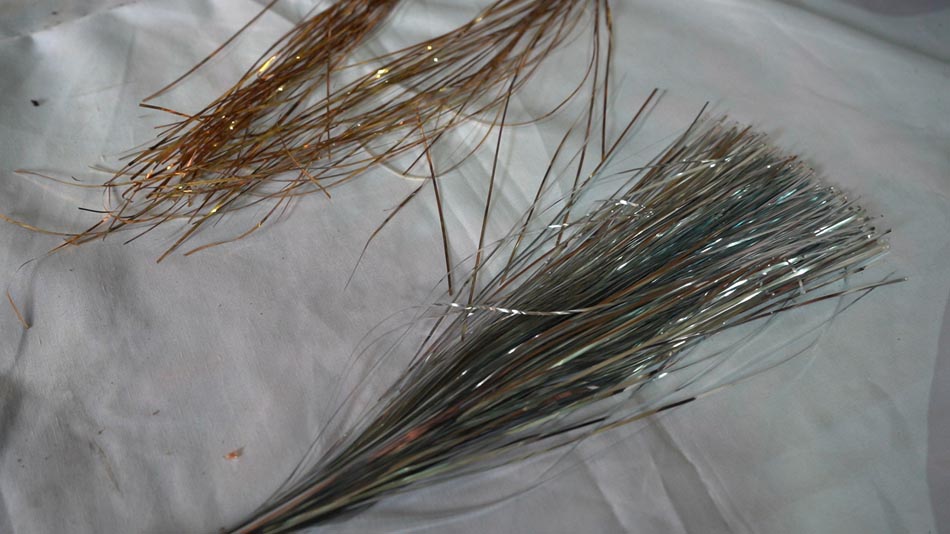
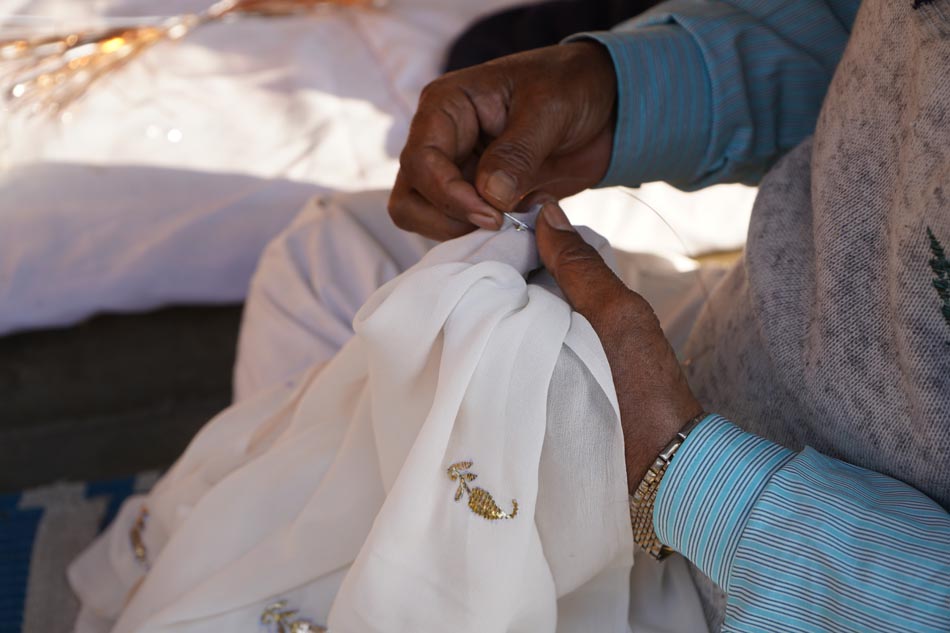
In the process of Mukaish work, very little waste is generated. Small leftover pieces of badla wire may go to waste, as entire strands are not always fully utilised during embroidery. Additionally, the water used to wash off the neel solution for tracing becomes waste after use. Tracing paper, although reusable, can only be used up to around 20–25 times; after repeated use, it loses clarity and is eventually discarded.
The history of Lucknow, is a rich and layered narrative that traces back to ancient times. It is believed to have been a part of the Kosala Mahajanapada, ruled by the Suryavanshi (Ikshvaku) dynasty. This
ancient history intertwines with the legendary tales of the Ramayana. According to popular tradition, after the conquest of Sri Lanka, Ramchandra gifted this territory to his devoted brother, Lakshmana, leading to the city's original name being referred to as Lakshmanpur or Lachmanpur, which later evolved into its present name, Lucknow. While legends suggest that the entire population of Ayodhya departed following Rama’s ascent to heaven, leaving Lakshmanpur as a suburban outpost, the region remains a significant link to the historical sites of Ayodhya and Shravasti.
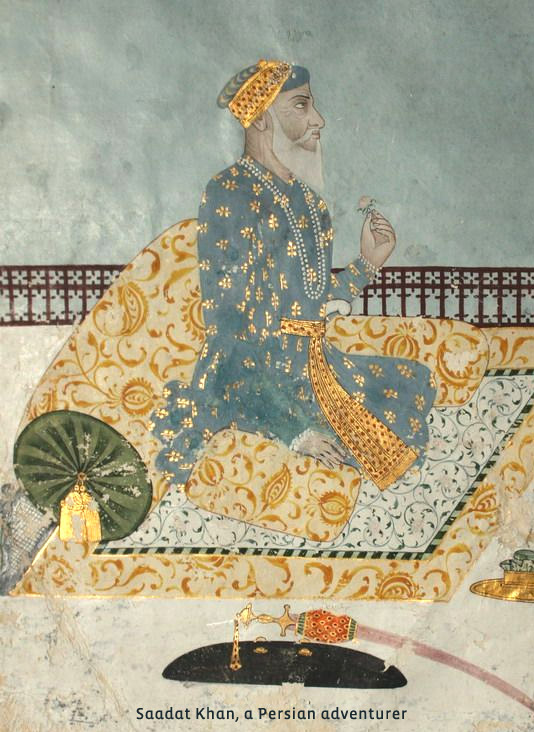
From the 14th century onward, Lucknow came under successive rulers, including the Delhi Sultanate, the Mughals, the Nawabs of Awadh, and later the British. However, its true prominence grew during the Mughal period, especially after Emperor Akbar established the province of Oudh (Awadh) in 1580. The archives of Akbar’s reign mark a definitive shift in the city's status. Its modern history begins in 1732 when the Persian adventurer named Mohammed Amin, better known as Saadat Khan, was appointed the Governor of Awadh. His descendants, who came to be known as the Nawab Wazirs, gradually asserted their independence from the declining Mughal authority, setting the stage for Lucknow to become a sovereign cultural capital.
A defining moment in the city’s history occurred in 1775 when Nawab Asaf-ud-Daulah relocated the capital from Faizabad to Lucknow. This move ushered in an era of unprecedented architectural splendor and cultural refinement. Under the Nawabs, Lucknow flourished as a hub of art and literature, drawing artists and craftsmen from declining Mughal centers. This migration shaped the city’s unique identity of "Tehzeeb" (courtly etiquette) and artistic excellence. Magnificent structures like the Bara Imambara, the Rumi Darwaza, and the Chhota Imambara were constructed during this time, reflecting a sophisticated blend of Mughal, Persian, and emerging European influences.
However, this period of autonomy slowly eroded as the Nawabs became increasingly dependent on British support and succumbed to mounting political pressures. The mid-19th century brought a tumultuous turning point when the British East India Company, under Lord Dalhousie, annexed Awadh in 1856. This ended the Nawabi rule and led to the virtual imprisonment and exile of the last Nawab, Wajid Ali Shah, to Calcutta. The annexation sparked significant unrest, culminating in the Indian Rebellion of 1857. During this fight for freedom, Begum Hazrat Mahal, one of Wajid Ali Shah’s wives, played a prominent role in leading the resistance against British forces.Despite the resistance, Awadh was firmly incorporated into British India, signaling the end of an era and the beginning of a new chapter in the region's history. The legacy of Awadh, characterized by its rich cultural heritage and tumultuous past, continues to resonate in
modern-day India.
Today, Lucknow stands as a vibrant, cosmopolitan city that balances its historic heritage with modern development. Known for its architecture, cuisine, and manners (tehzeeb), it remains a significant cultural and urban centre where tradition and modernity coexist seamlessly.
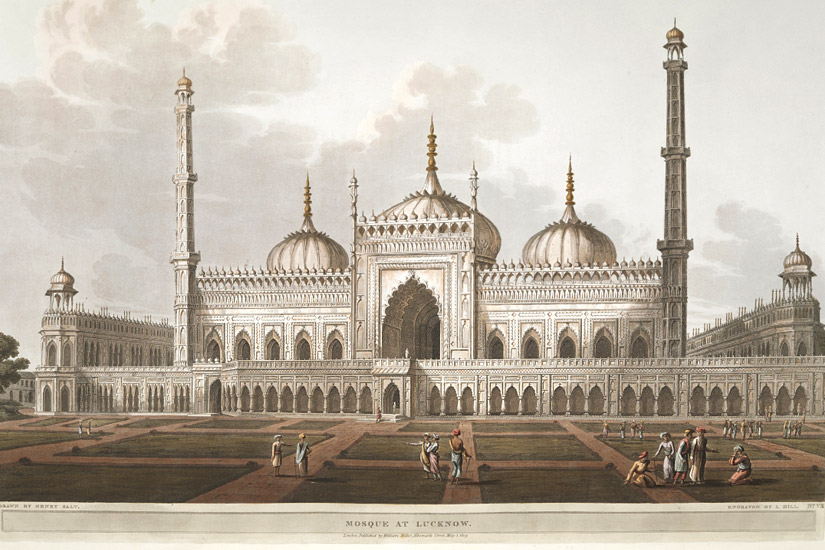
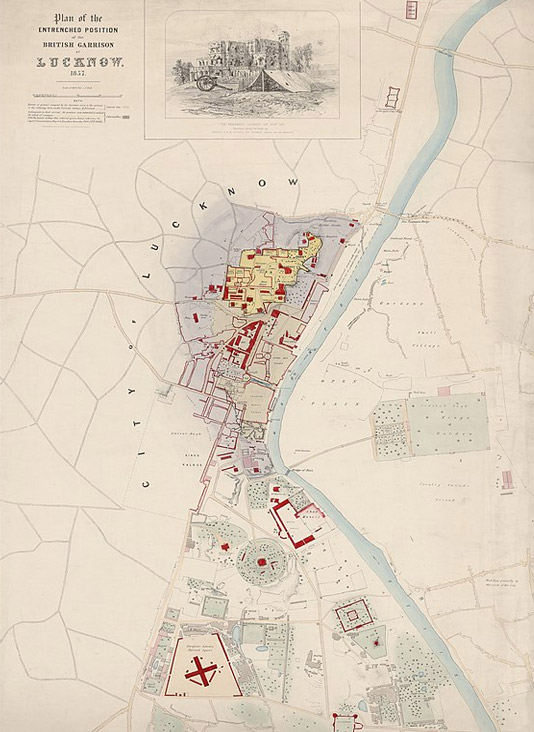
Lucknow, the capital of Uttar Pradesh, is located in the northern Gangetic plains of India at approximately 26.50° N latitude and 80.50° E longitude, with an average elevation of about 123 metres above sea level. The city lies along the Gomti River, its primary geographical feature, which flows through Lucknow.
Situated in the heart of the Indo-Gangetic Plain, Lucknow is surrounded by towns and districts such as Malihabad, Kakori, Mohanlalganj, Gosainganj, Chinhat, and Itaunja. It is bordered by Barabanki to the east, Unnao to the west, Raebareli to the south, and Sitapur and Hardoi to the north.
Morphologically, the city can be divided into three zones: the central business district (including Hazratganj, Aminabad, and Chowk), a middle residential zone, and an outer zone comprising newly incorporated villages.
Lucknow experiences a varied climate with extreme summers and winters, influenced by its geographical location. Its strategic position also makes it well-connected by air, rail, and road, contributing to its growth as a major urban centre.
Lucknow features a humid subtropical climate, characterised by hot summers, cool winters, and a distinct monsoon season. Being a landlocked city in the Indo-Gangetic plains, it experiences a continental climate with significant seasonal variations. The city experiences a continental weather pattern, which leads to significant variations in temperature and humidity throughout the year.
Summers in Lucknow are notably intense, typically lasting from March to mid-May. During this period, the weather is extremely hot and dry, with average maximum temperatures soaring into the high 30s. At the peak of summer, temperatures frequently range between 38°C and 45°C, occasionally
spiking to 46°C during severe heat waves. This dry heat creates a challenging environment before the arrival of the seasonal rains.
The monsoon season provides a critical transition, occurring between June and October. This period accounts for more than nine-tenths of the city’s annual precipitation, with roughly 75% to 90% of the rain falling specifically between June and September due to the southwest monsoon winds. While the average annual rainfall is approximately 827.2 mm (about 32.57 inches), it can vary between 800 mm and 1000 mm. This season is marked by a significant increase in humidity and persistent cloud cover.
As the rains recede, the city moves into a cool and dry winter, which extends from mid-November through February. During these months, temperatures range from a pleasant maximum of 25°C to chilly minimums between 3°C and 7°C. A defining feature of Lucknow's winter is the dense fog that
commonly blankets the city from mid-December to late January. Occasionally, the city may also receive light frontal rainfall in January, driven by the northeast monsoon. Overall, Lucknow’s climate is defined by these extreme temperature ranges and a heavy reliance on the monsoon cycle.
Lucknow stands as a pivotal infrastructure and economic powerhouse in Northern India. As a major transportation hub, the city is seamlessly linked to the rest of the country via an extensive network of national highways, including NH-30, NH-27, and NH-24. This road network is further strengthened by expressways like the Agra–Lucknow Expressway and the Purvanchal Expressway, which have drastically reduced travel times to Delhi and eastern Uttar Pradesh. Complementing these roads is a
robust railway system centred at the Charbagh Railway Station. Renowned for its stunning Indo- Saracenic architecture, Charbagh is one of the busiest stations in North India, connecting the city to every major Indian metro, while suburban stations like Bakshi Ka Talab and Kakori cater to local
commuting needs.
The city’s internal and international reach is further expanded through advanced air facilities. The Chaudhary Charan Singh International Airport in Amausi serves as a vital gateway, offering domestic flights to major cities like Mumbai and Bengaluru, as well as international routes to Dubai, Muscat, and Bangkok. Within the city, the Lucknow Metro, inaugurated in 2017, has revolutionized urban travel by providing a fast, efficient link between key locations like Munshipulia and the airport. This is supported by an integrated public transport system comprising CNG low-floor buses operated by LCTSL, auto-rickshaws, and modern app-based commute services, ensuring smooth mobility for its growing population.
Beyond its role as a transit hub, Lucknow has evolved into a diversified centre for industry, defence, and education. It is an emerging destination for IT, software, and automobile sectors, while also serving as the strategic Headquarters of the Central Command of the Indian Army. The city’s intellectual landscape is equally prestigious, housing elite institutions such as IIM Lucknow, IIIT Lucknow, and the Central Drug Research Institute (CDRI). This blend of modern industrial growth and academic excellence is anchored by a deep-rooted cultural identity. Recently designated as a City of Gastronomy by UNESCO, Overall, Lucknow's well-developed infrastructure plays a vital role in facilitating mobility, commerce, and connectivity, contributing to the city's growth and development.
Lucknow, the seat of the Nawabs of Awadh, is renowned for its rich architectural heritage, showcasing a distinctive blend of Indo-Islamic, Mughal, Persian, and European styles, often termed as Awadhi-European or Indo-Saracenic.
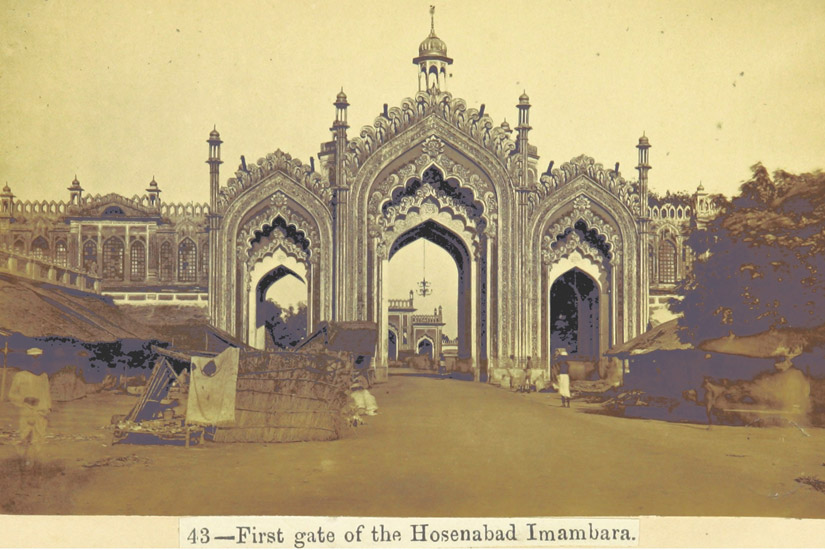
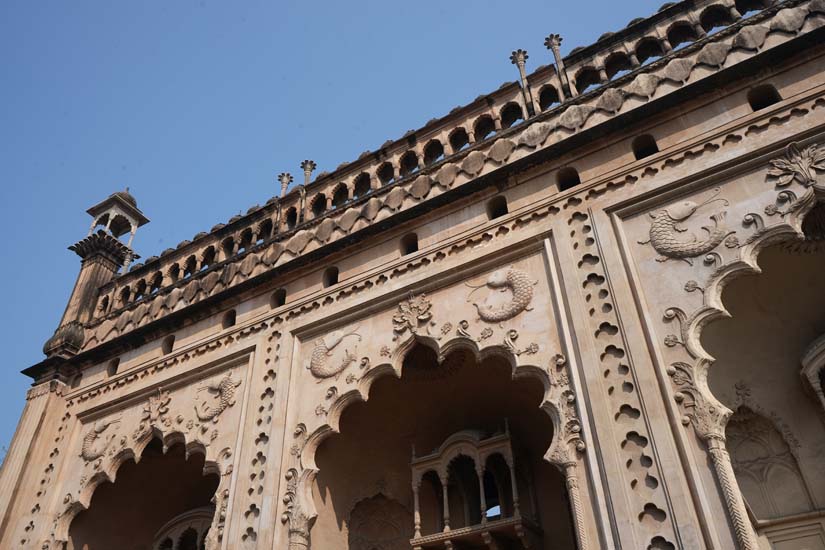
The Nawabi era was marked by an architectural "Golden Age" where traditional aesthetics merged with emerging Western influences. The city’s identity is defined by its use of lakhauri bricks, lime plaster, and delicate stucco work. Religious structures such as imambaras and mosques stand alongside secular wonders like baradaris (pavilions), enclosed baghs (gardens), and taikhanas (underground chambers). A unique symbolic motif found throughout the city is the fish, an auspicious
emblem used on gateways and royal buildings.
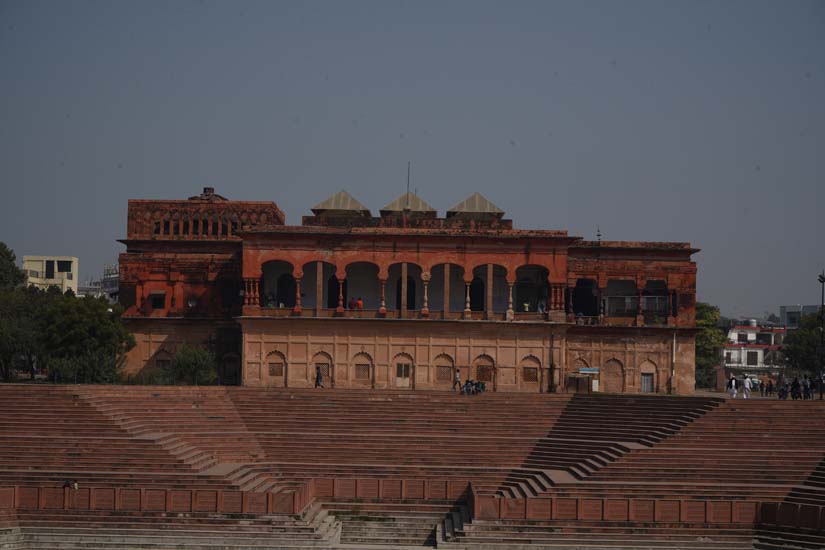
Among the city’s most iconic landmarks is the Bara Imambara, built in 1784 by Nawab Asaf-ud-Daula. It is a structural marvel, featuring Asia's largest vaulted hall constructed without any external pillars or beams. Nearby stands the Rumi Darwaza, a 60-foot-tall gateway inspired by the Sublime Porte in Istanbul, which serves as a grand entrance to the old city. The Chhota Imambara, with its intricate calligraphy and chandeliers, further exemplifies the "Nawabi fusion" of Mughlai and Turkish styles.
As the British influence grew, the architectural landscape expanded to include English Baroque and Neo-Classical styles. The Dilkusha Kothi remains a prime example of English Baroque design, while La Martiniere College is a unique blend of Italian and Indian aesthetics. Later, the Indo- Saracenic Revival style became prominent in civic structures like the Charbagh Railway Station and the Uttar Pradesh Vidhan Sabha building, which combine European structural concepts with
Indian domes and arches.
Today, Lucknow’s architecture continues to evolve, seamlessly blending the old with the new. In the central hub of Hazratganj, Victorian-era lamp-posts and colonial-style facades stand alongside contemporary multi-level parking lots and modern offices. This coexistence shows the city’s historical grandeur and urban development.
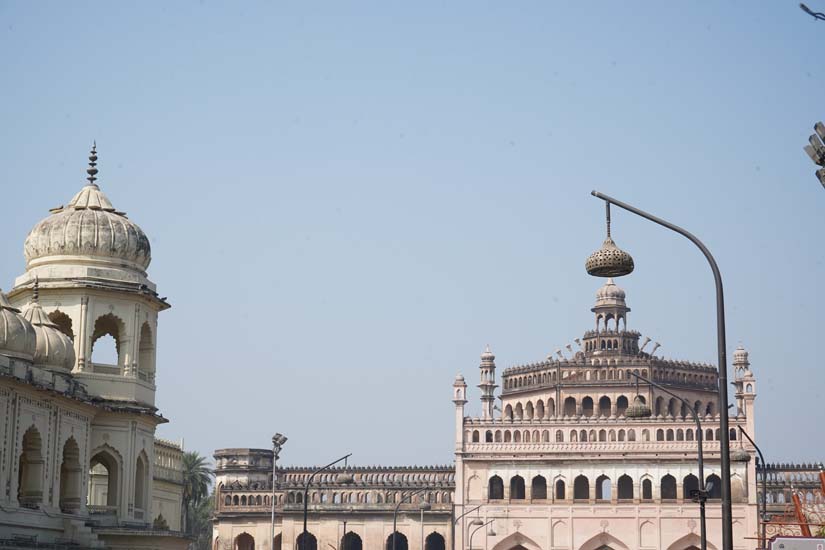
The city of lucknow is defined by Lucknowi Tehzeeb,a sophisticated composite culture rooted in harmony, elegance, and warmth. The city owes much of its cultural richness to the Nawabs of Awadh, who fostered secular and combined traditions. Central to this identity is the concept of Adab (refined courtesy) and Mehman-nawazi (hospitality), traits that remain deeply ingrained in the city’s native people. Even today, the polished manner of speaking, the distinct Lakhnavi boli,serves as a hallmark of its residents, who proudly identify as Lakhnavis.
Language plays a pivotal role in Lucknow's culture, with colloquial Hindustani being the most commonly spoken tongue, alongside Hindi and Indian English. The Urdu language, deeply ingrained in Lucknavi culture, is used in poetry, literature, and by affluent families, adding to the citys linguistic diversity. Additionally, Awadhi, a local dialect, continues to be spoken in Lucknow's rural areas and by its urban populace.
Prominent for its literature, the city has produced legendary poets like Mir Babar Ali Anis and Mirza Dabeer, masters of poetry. The city's influence extended to revolutionary figures like Ram Prasad
Bismil, who immortalized Lucknow in his poetry.
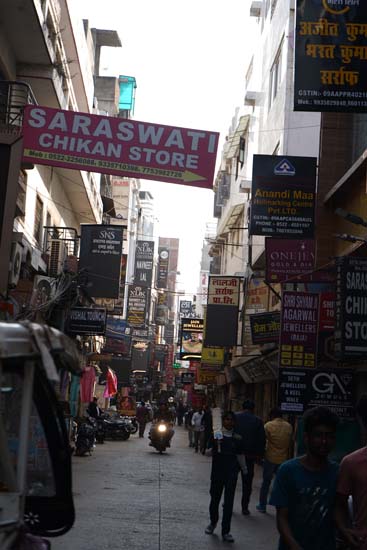
Additionally, the city’s culture is celebrated through oral traditions like Ghazals and Sher-o-shairi, and through the rhythmic elegance of Kathak dance, specifically the Lucknow Gharana, which was represented by masters like Pandit Birju Maharaj. The bustling lanes of Chowk and Aminabad remain the city's cultural heart. These historic bazaars
are the epicentre of Lucknow’s artistic heritage and the best places to witness its living traditions.
The city’s rich textile legacy is most evident here, particularly in the traditional Gharara an exquisite women's outfit featuring pleated trousers and intricate embroidery that originated in the Nawabi courts.
These markets also hum with the energy of traditional artisans and the spirit of unique local pastimes such as Patangbazi (kite flying), Kabutarbazi (pigeon racing), and Baterbazi (quail fighting). Overall, Lucknow&'s cultural tapestry is a testament to its inclusive ethos and enduring legacy as a cradle of art, literature, and tradition.
The people of Lucknow reflect a rich cultural diversity, with major religions including Hinduism and Islam, along with other communities living harmoniously. The city is known for its refined social culture, often referred to as Lucknowi Tehzeeb, which emphasises politeness, hospitality, and graceful conduct. Traditional attire for women includes sarees and salwar-kameez, often adorned with chikankari embroidery, while men traditionally wear kurta-pyjama or sherwani. Today, the urban population blends these traditions with contemporary fashion.
Lucknow has also been home to many prominent personalities across various fields. Notable figures include Birju Maharaj, a legendary exponent of the Lucknow gharana of Kathak, Javed Akhtar, known for his contribution to Hindi cinema and poetry, Anup Jalota, famous for devotional music, Naseeruddin Shah, a celebrated figure in Indian theatre and film, and Atal Bihari Vajpayee, a respected political leader. These individuals highlight Lucknow’s strong cultural, artistic, and intellectual legacy.
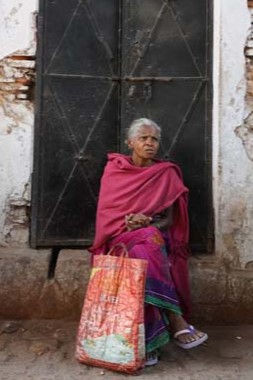
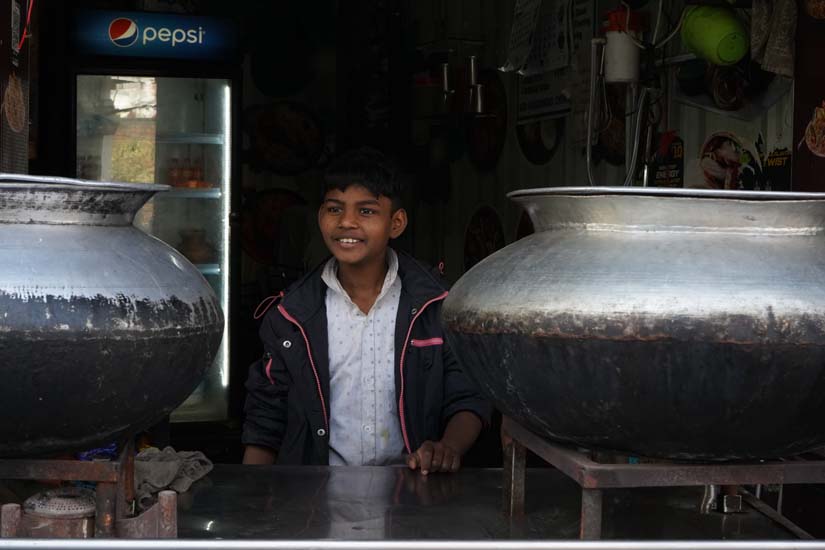
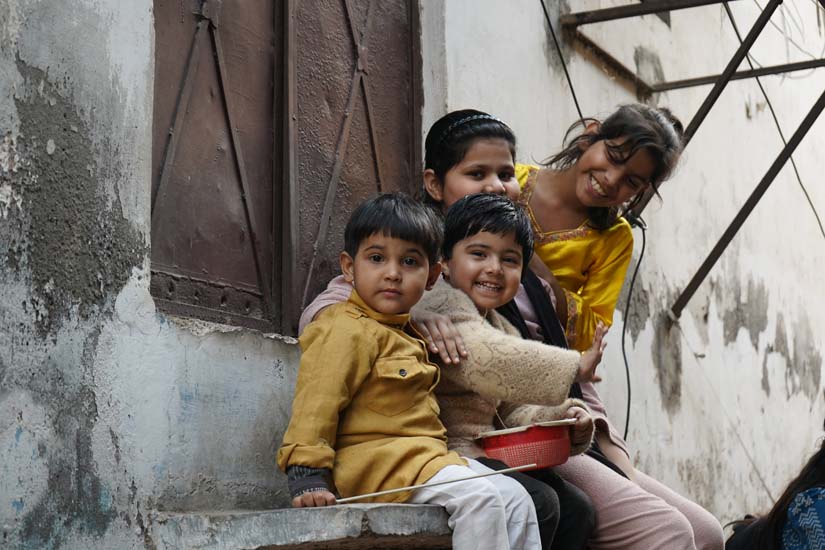
Lucknow is world-renowned for its "Ganga-Jamuni Tehzeeb," a unique syncretic culture defined by refined manners (Adab), warm hospitality (Mehman-nawazi), and a sophisticated lifestyle. This heritage is most vibrant in the historic Chowk area, a bustling hub for artisans and traders. The city’s cultural calendar reflects this inclusive spirit, featuring the solemn and grand Muharram processions alongside the festive Bada Mangal celebrations, where city-wide community meals (Bhandaras) showcase Lucknow's harmonious social fabric.
The city is a global leader in traditional craftsmanship, particularly its exquisite Chikankari and Lakhnawi Zardozi embroidery, which form the backbone of its local economy. Lucknow’s artistic contributions extend to the performing arts as the birthplace of the Lucknow Gharana of Kathak, championed by legends like Thakur Prasad and Pandit Birju Maharaj. Its musical legacy is equally prestigious, having nurtured icons like the "Queen of Ghazal" Begum Akhtar, legendary composer Naushad, and even pop star Sir Cliff Richard. Institutions like the Bhatkande Music Institute and Bhartendu Academy of Dramatic Arts continue to cultivate this rich creative lineage.
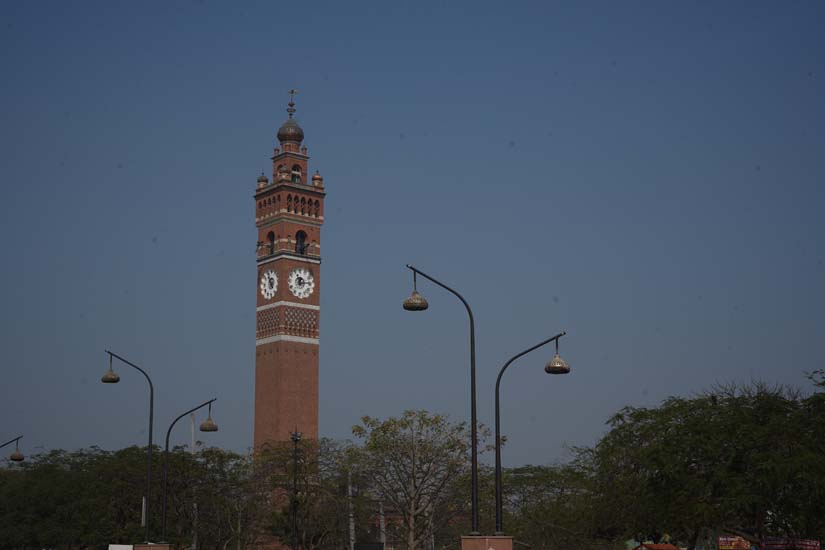
Architecturally, Lucknow is a treasure trove of Nawabi grandeur and colonial history. The Bara Imambara is a global engineering marvel, housing the world’s largest arched hall built without external supports, while the 60-foot Rumi Darwaza serves as an iconic ornamental gateway to the city. Other landmarks like the portrait-filled Chhota Imambara, the soaring Husainabad Clock Tower, and the historic British Residency, a silent witness to the 1857 Rebellion.
Beyond monuments and arts, the city is a paradise for food lovers and nature enthusiasts. It is the heart of Awadhi cuisine, famous for its melt-in-the-mouth kebabs, fragrant biryanis, and the world-renowned Dussehri mangoes. With its lush gardens, prominent educational institutions like LaMartiniere College, and living traditions like Patangbazi (kite flying), Lucknow remains an elegant city where historical attributes and modern vitality coexist seamlessly.
List of craftsmen.
Team Gaatha
Book- The Costumes and Textiles of India, Author: Jamila Brij Bhushan
https://en.wikipedia.org/wiki/Muqayyash
https://www.ijfmr.com/papers/2024/5/28081.pdf
https://www.vogue.in/fashion/content/mukaish-work-metal-embroidery-history-origin-craftsmen-anjul-bhandari
