



Meenakari Craft ~ Va...
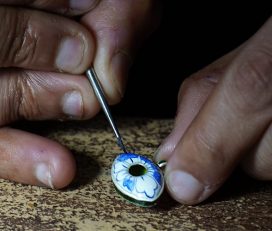
The art of Meenakari practised in the lanes of Varanasi is known as Gulabi Meenakari. The colour ‘Gulabi’ pink is a predominant colour used, taking its name from the craft.
Gai ghat Varanasi, Gaighat, Ghas...
 Kondagaon, Chhattisgarh, India...
 Kondagaon, Chhattisgarh, India...
 Kondagaon, Chhattisgarh, India...
 Gadhbengal, Chhattisgarh, Indi...
The art of Meenakari practised in the lanes of Varanasi is known as Gulabi Meenakari. The colour ‘Gulabi’ pink is a predominant colour used, taking its name from the craft.
Gai ghat Varanasi, Gaighat, Ghas...

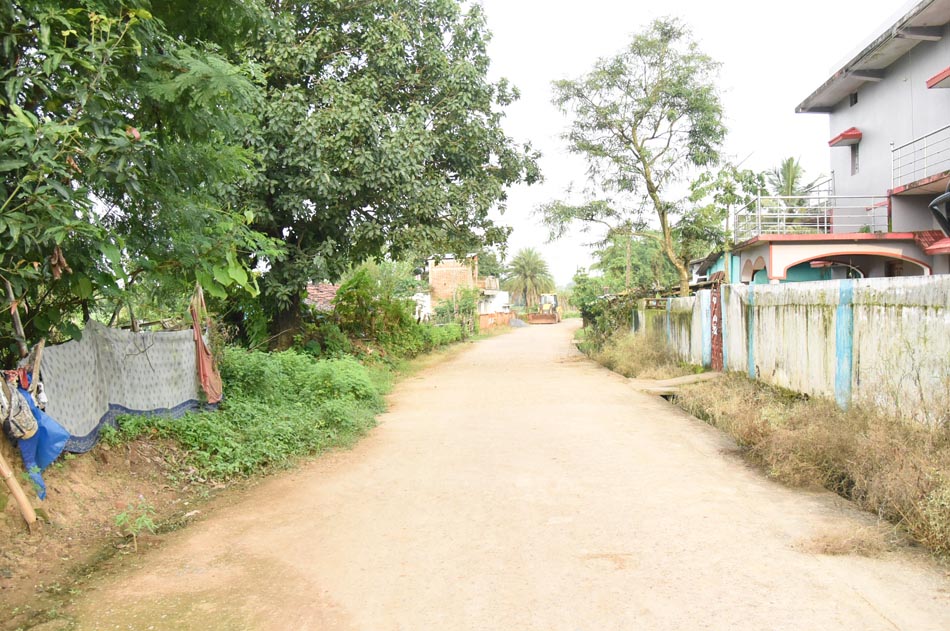
Kumhar Para, a small village near Kondagaon, is home to skilled terracotta artisans, where life flows in harmony with nature and craft is shaped by respect for the earth.
Kumhar para, kumhar para, Sonaba...
Wood carving in Narayanpur did not emerge as a commercial art form. It is a way of living, a practice of making objects that hold both beauty and meaning.
Gadhbengal, Chhattisgarh, India...
Let us talk… if you feel the same love for handmade, and would like to support us by sharing your research or by contributing financially to our documentation efforts.
Reach us at [email protected]

Encyclopædia Britannica defines terracotta as any kind of object made from fairly coarse, porous clay which, when fired, assumes a colour ranging from dull ochre to red and is usually left unglazed. Terracotta and pottery are two of the most tangible materials that allow archaeologists and historians to reconstruct the history and culture of a place.
Terracotta is a centuries-old tradition in the Bastar region, which is considered one of the richest areas in terms of pottery practices. In Bastar, potters identify themselves by various names such as Rana, Naga, Charadhari, and Pandey. Potters play a significant role in society and are an integral part of everyday life. Household chores, rituals, and ceremonial occasions are difficult to imagine without the presence of a well-laid-out range of pottery.
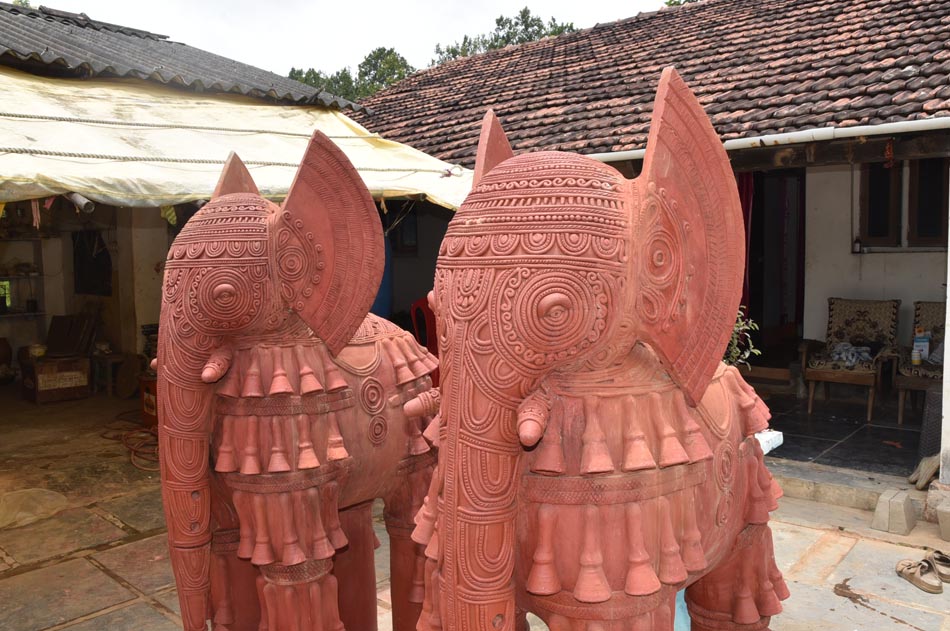
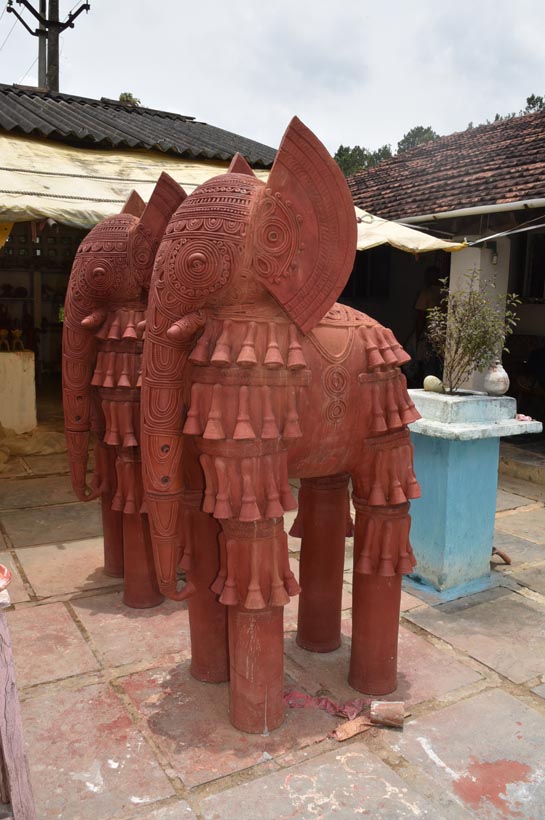
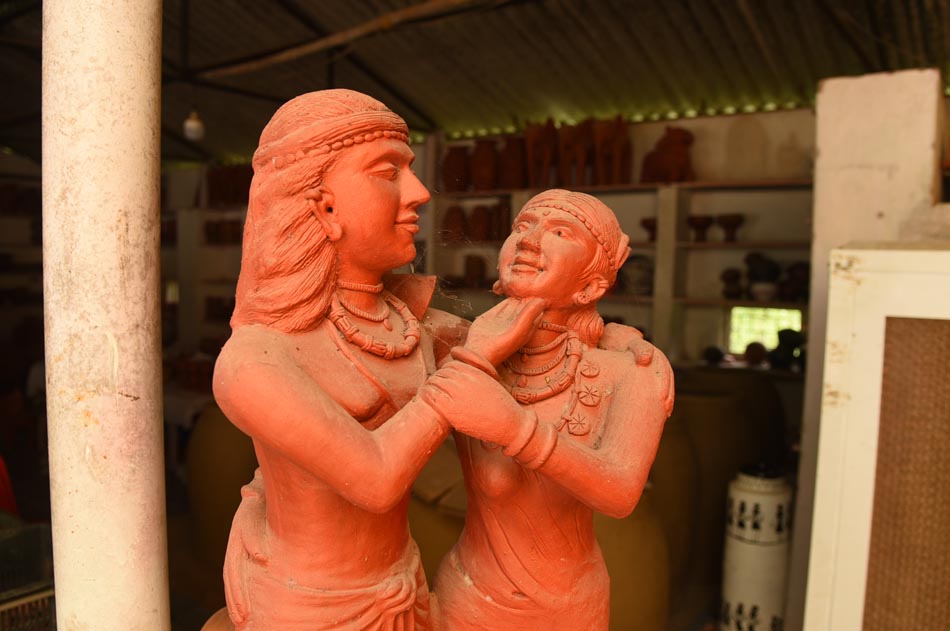
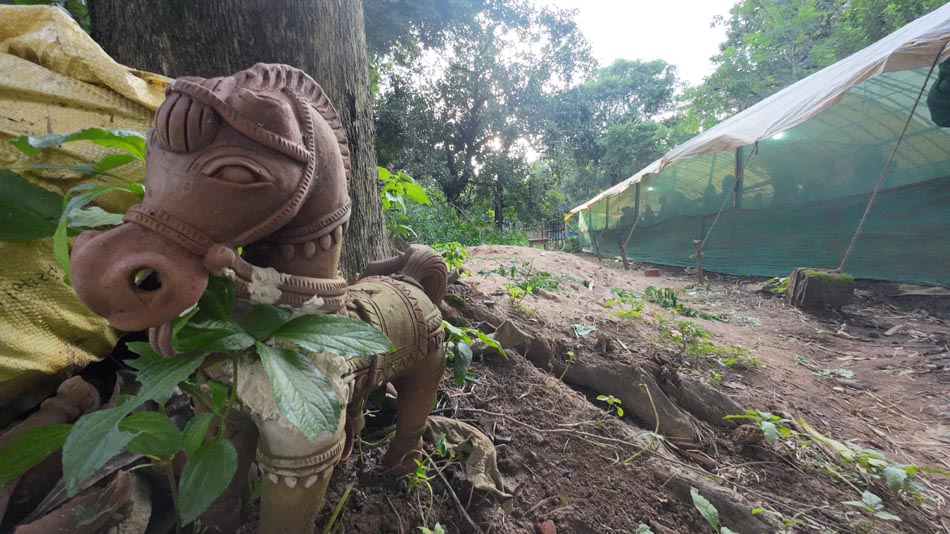
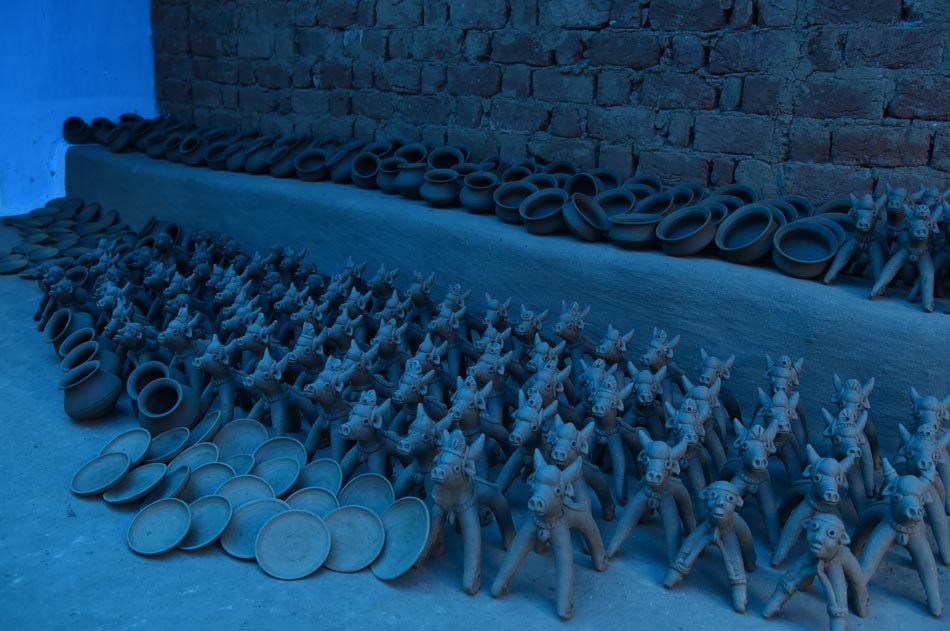
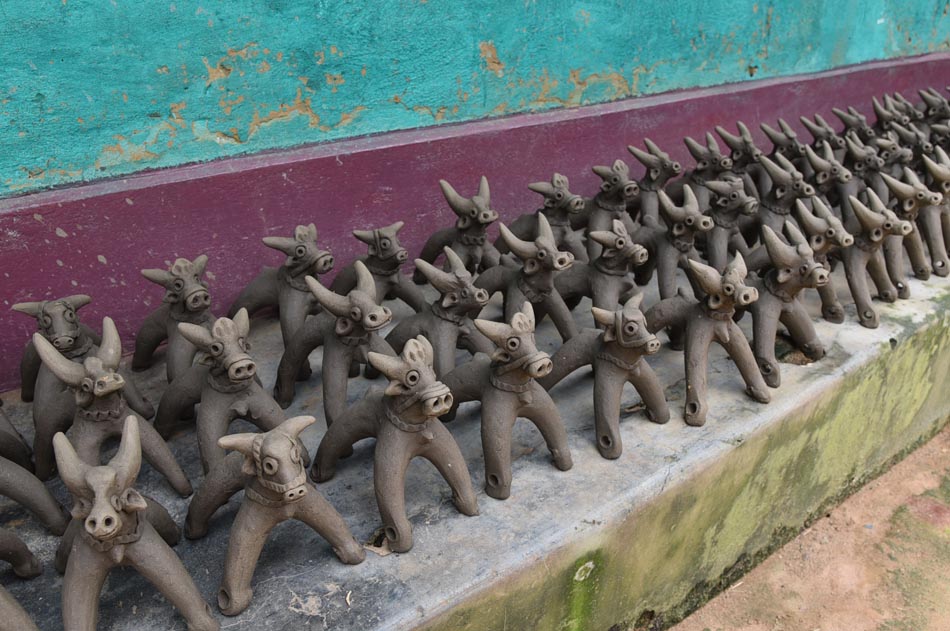
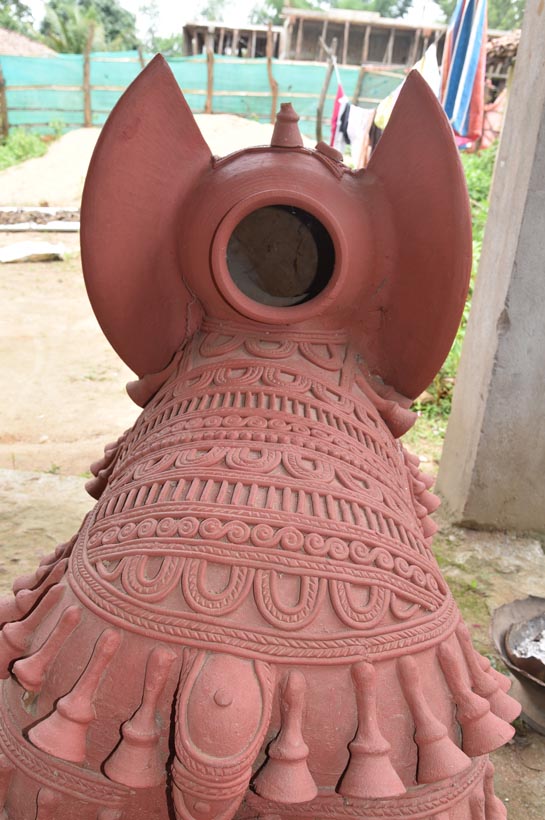
In Kumhar Para village, the practice of terracotta initially began with objects made exclusively for gods and goddesses. The most iconic figures are elephant and horse sculptures, which are offered during worship. These sculptures are intricately designed and decorated with detailed ornamentation, drapes, and sometimes even bells. Another important category includes pola toys, which feature items such as bulls, chakki (grinding stones), and miniature kitchen utensils. Artisans also created objects for rituals and wedding ceremonies, including lamps and figurines. Terracotta objects were often exchanged as gifts during festivals and special occasions.
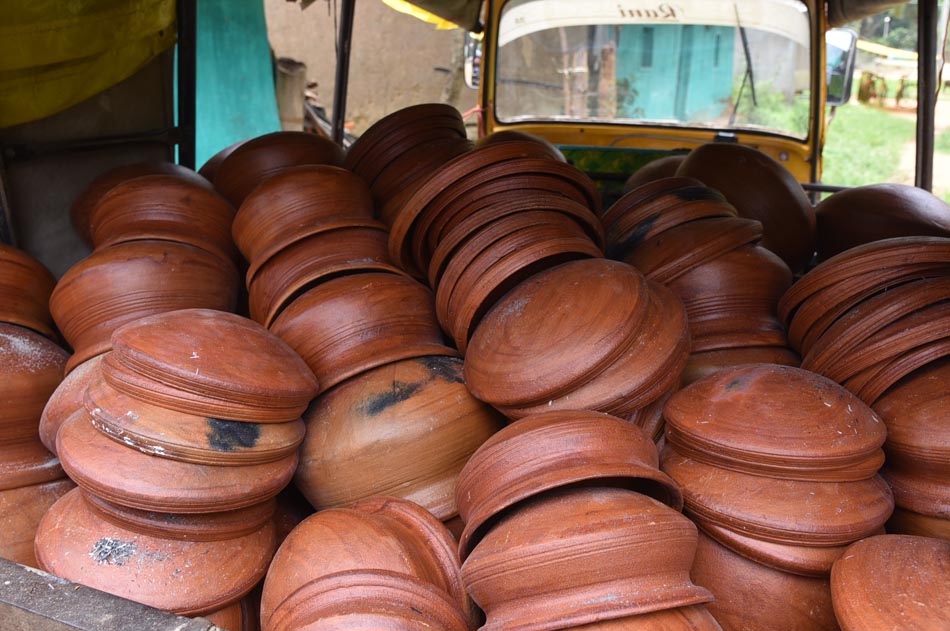
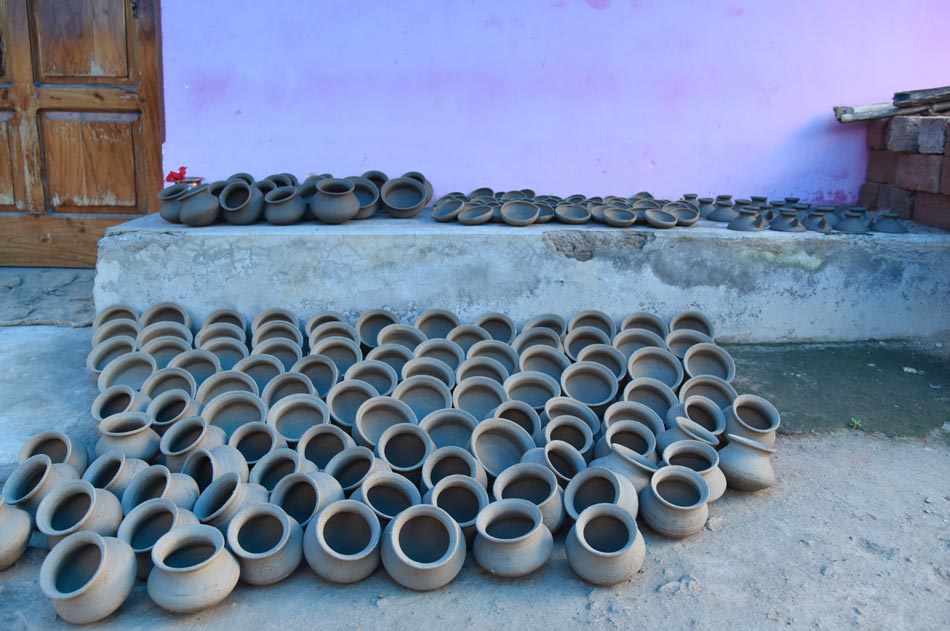
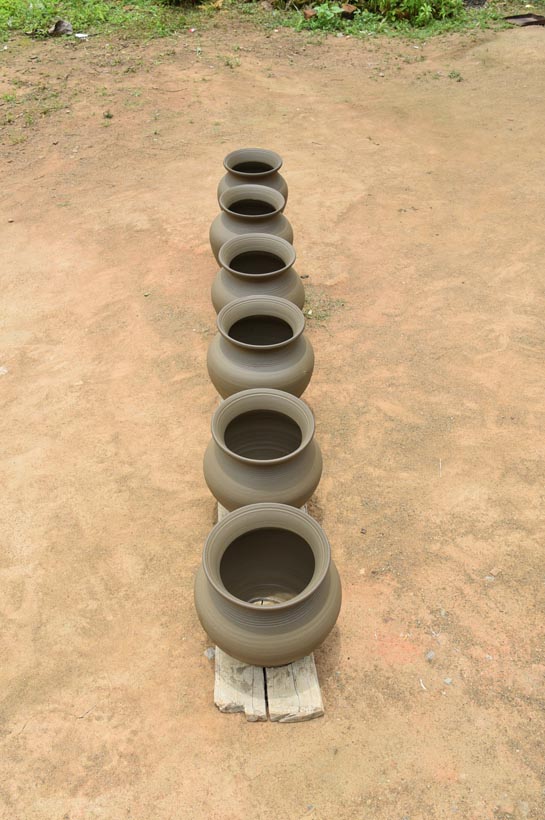
Over time, artisans began to explore a wider range of products used in different aspects of daily life. For households, they produced various kinds of pottery and terracotta items such as bowls, vessels, matkas, handis, and storage containers. These utensils were made in diverse shapes and sizes to serve different purposes. Tribal communities such as the Gond, Baiga, Sahariya, and Pardhan also created large grain storage bins decorated with carved animal and human figures.
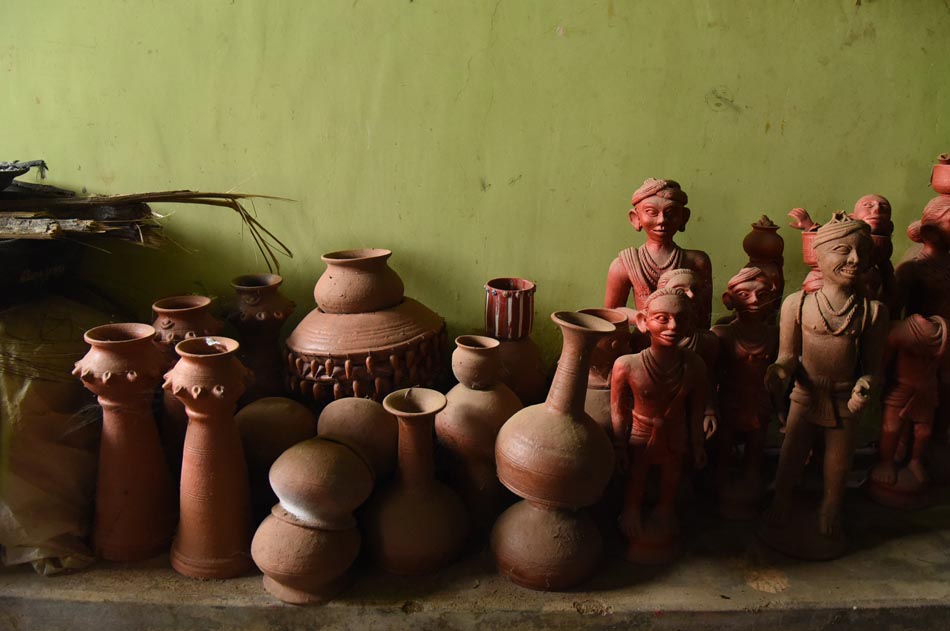
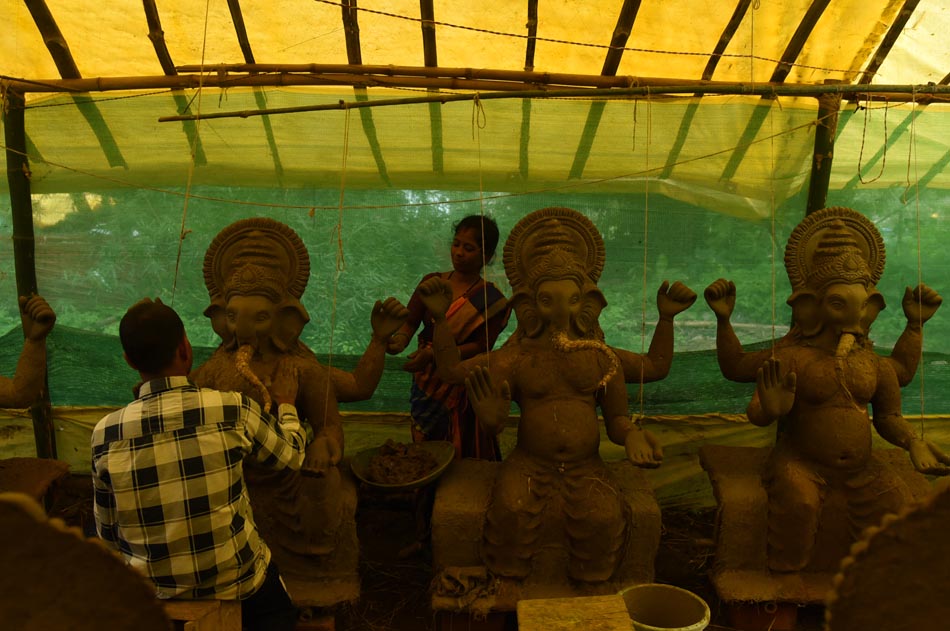
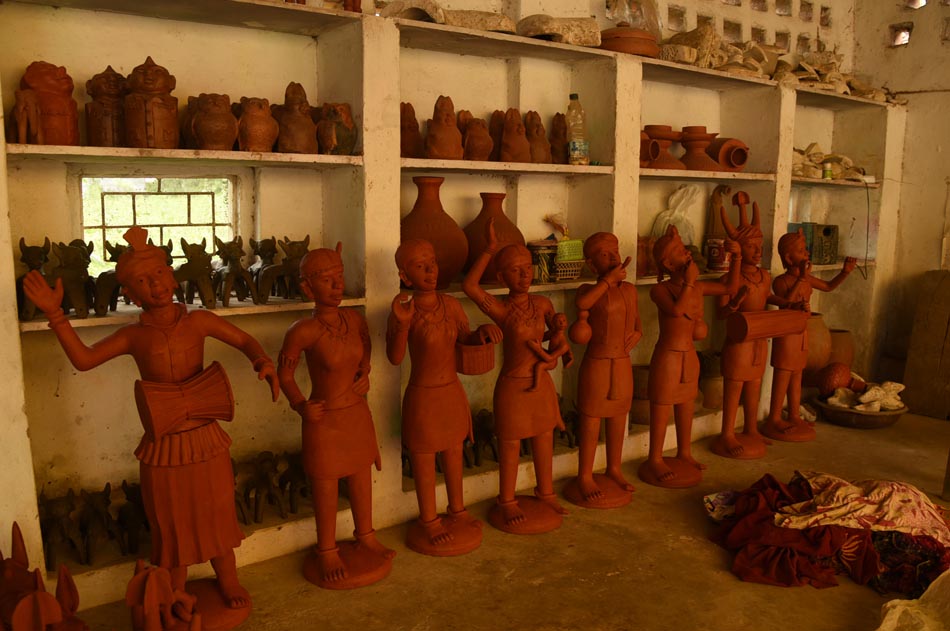
A visit to a contemporary artisan’s workshop reveals that today’s potters also create decorative objects for home décor, including lamps and tribal and animal figurines. While toys were not commonly produced by earlier artisans, contemporary makers have begun designing them to access new markets and improve their livelihoods. During Ganesh Puja, many artisans can also be seen engaged in making life-sized idols of Lord Ganesha.
An interesting belief surrounds the potters of Chhattisgarh, highlighting their respected position within society. It is said that if a potter does not know how to turn a wheel, he cannot get married, as no family would give their daughter to someone lacking this essential skill. Villagers believe that if a person cannot even make a pot, he will not be able to earn a living. In Kumhar Para village, terracotta, along with other crafts, remains largely a hereditary occupation, passed down through generations. The artisans are deeply committed to preserving their traditional skills and techniques, a commendable effort that plays a vital role in safeguarding the cultural heritage of Chhattisgarh.
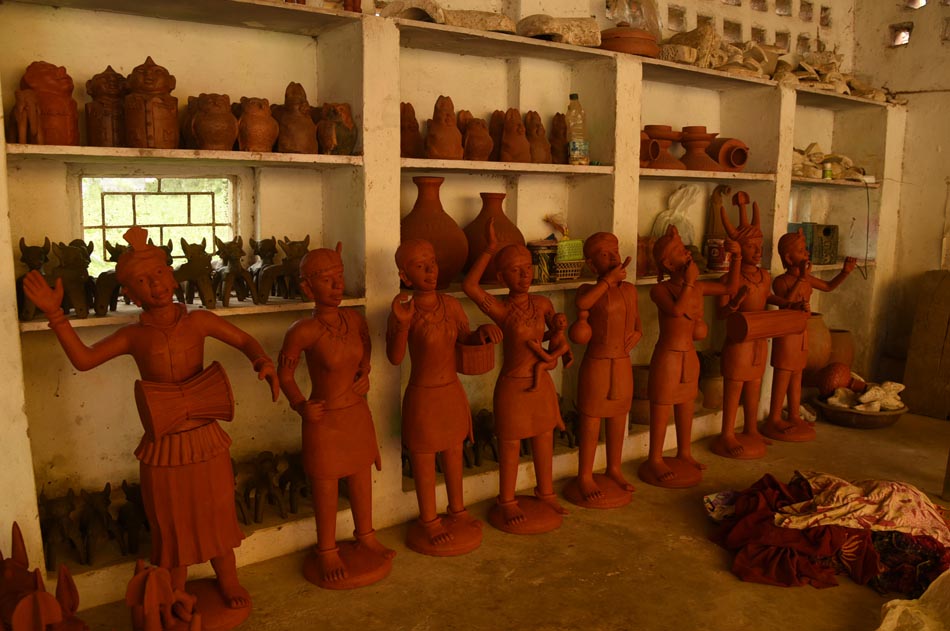
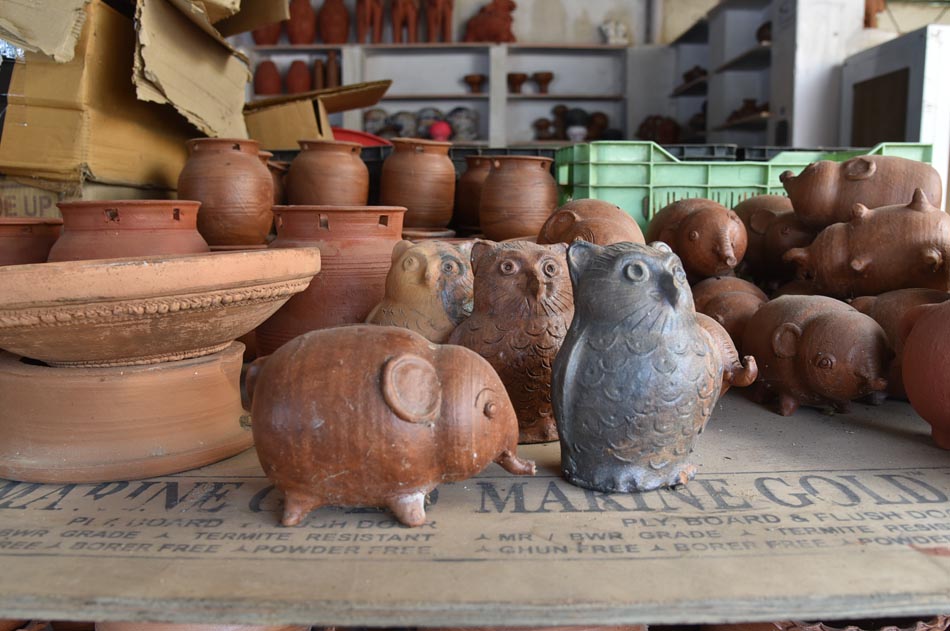
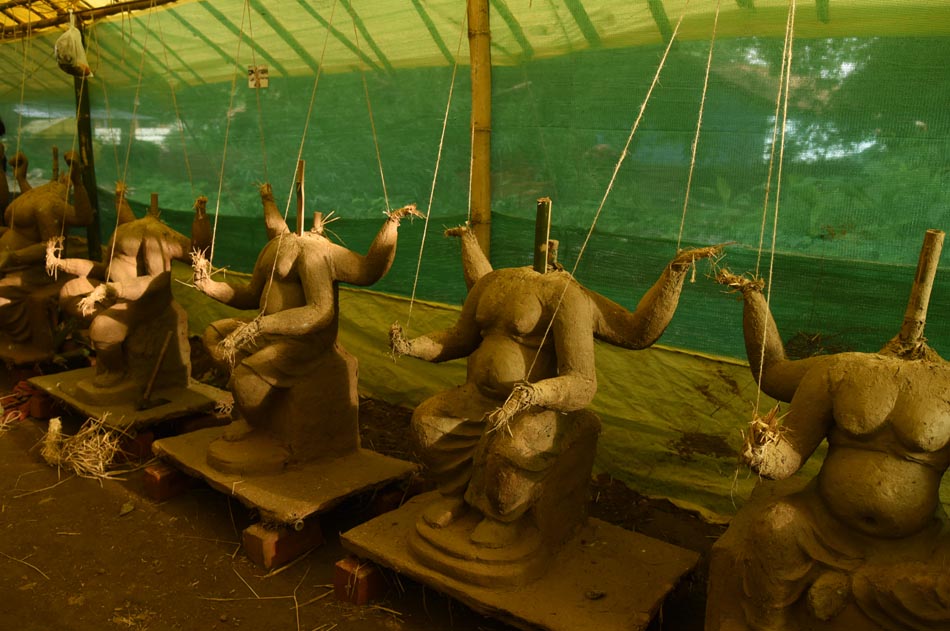
Terracotta craft is one of the hidden gems of Kumhar Para village in Chhattisgarh, often overshadowed by the wider recognition given to Dhokra art and wrought iron work from the region. Nevertheless, this craft continues to hold deep relevance in contemporary society and is gradually finding its place in both domestic and international markets. The significance of terracotta lies in its uniqueness, intricate designs, sustainable practices, and the communities that sustain it. A single terracotta object reflects the immense labour, creativity, and mastery involved in its making.
Many local rituals and festivals are inconceivable without the involvement of clay artisans. For instance, during the Pola festival, artisans create pola toys for children. After the worship of Beda Dev, miniature clay kitchen utensils are made for girls, while bulls (pora) are crafted for boys. Children play with clay bulls fitted with wheels made of clay or wood. Girls enact everyday domestic rituals by cooking and celebrating using these small clay utensils, while boys are seen running around with their bulls. In the evening, children take the pora to the fields and ritually break it, a practice known as Pora Patkana.
In Chhattisgarh, terracotta horses and elephants are also offered and installed in goddess temples. These large-scale sculptures represent a distinctive regional aesthetic, often elaborately decorated with hanging bells on the bodies of elephants or horses. In addition, artisans create idols and ritual objects for various festivals such as Navratri, Ganesh Chaturthi, and Akshaya Tritiya. These terracotta forms play an essential role in sustaining ritual practices and cultural continuity.
In Chhattisgarh, marriage ceremonies are among the most important, joyful, and culturally rich events, attended by extended family and the wider community. In these rituals, Kumhar artisans play a vital role through the creation of sacred terracotta vessels, especially the Karsha (red pot) and the Nahdori (a red pot with a hole in the center). For every marriage, two Karsha and one Nahdori are required. The Karsha are placed on the mandapa, where bamboo sticks are fixed into the earth, symbolizing stability and tradition. These terracotta pots are beautifully decorated with colorful rice grains: clay is applied to selected areas, and rice grains are carefully pasted to form intricate patterns. The top of the Karsha is filled with rice and crowned with a lit diya, enhancing its ritual significance. Throughout the ceremony, essential rituals such as Tel Haldi (application of oil and turmeric to the bride and groom), Mayan and Chikat (offering garments and blessings by relatives), dancing, singing, water sprinkling using the Nahdori, Mour Sopna (crowning the groom before the wedding procession), and Tikavan (blessing ceremony) are performed. As a result, the Karsha and other vessels made by Kumhar artisans are indispensable to every traditional marriage, highlighting their deep cultural and ceremonial importance.
The significance of clay objects in cooking is equally important. Traditionally, many tribal communities cooked food in terracotta utensils. These vessels are known for preserving the nutritional value of food, retaining essential micronutrients present in staples such as rice and pulses. In contrast, modern cooking utensils made of steel or plastic often reduce nutritional value, and plastic may even introduce health hazards. Today, renewed research and awareness around these benefits have led to a growing demand for terracotta cooking utensils in both local and urban markets.
Terracotta objects from Kumhar Para embody a rustic simplicity and stand as powerful symbols of continuity in culture, tradition, and everyday practice. While the craft has evolved with time, artisans have thoughtfully adapted new methods to improve productivity. What is noteworthy is their ability to blend indigenous knowledge with modern tools and techniques, enhancing efficiency without compromising the authenticity and integrity of the craft.
SAATHI, an organisation rooted in the vibrant craft cluster of Kumhar Para, was founded by Harilaal Bharadwaj and Bhupesh Tiwari with a strong vision to uplift local artisans and indigenous communities of Bastar. SAATHI’s work began with the preservation and promotion of terracotta, a craft deeply embedded in the identity of Kumhar Para. While their initial focus was on the kiln and the wheel, their mission has since expanded to support a wider range of local crafts, ensuring that traditional knowledge systems continue to thrive in a changing world.
Beyond craft, SAATHI is committed to the holistic well-being of the people of Bastar. The organisation works to improve access to healthcare, nutrition, and quality education, while also engaging in initiatives related to community forest rights and water, sanitation, and hygiene. By addressing these fundamental needs, SAATHI enables artisans and their families to pursue sustainable livelihoods and improved quality of life.
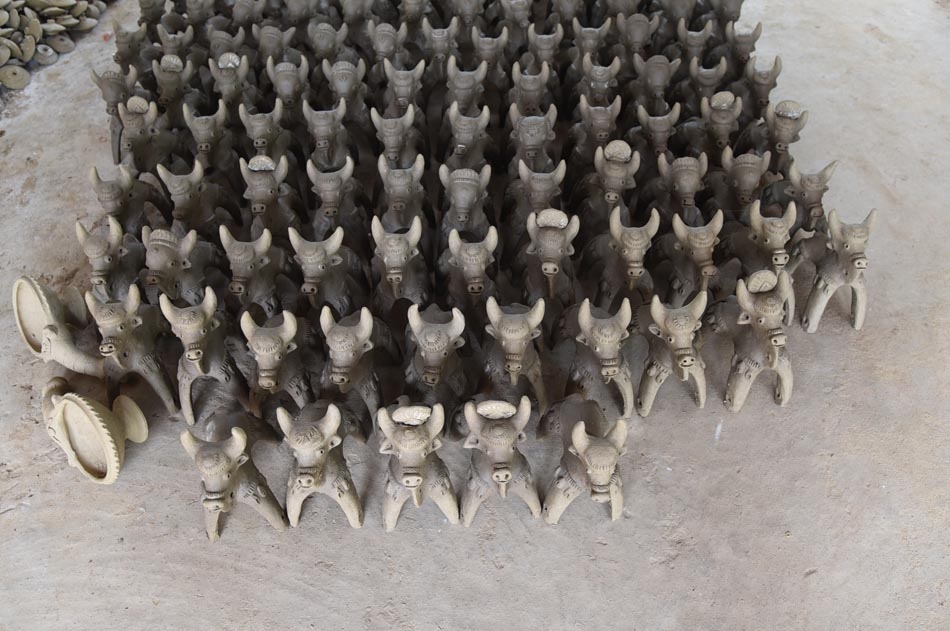
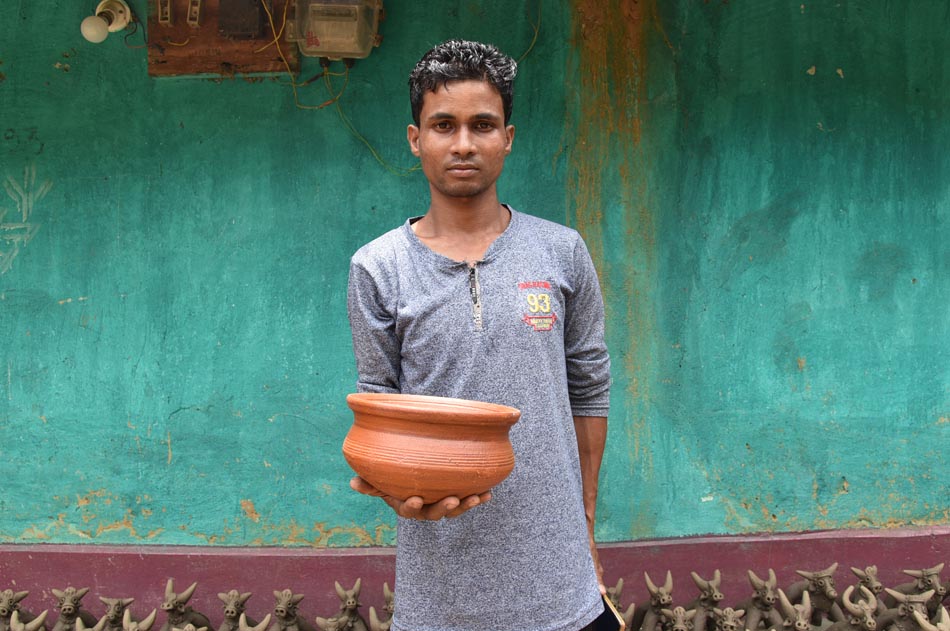
The word Kumbhar originates from the Sanskrit terms Kumbha and Kar. Kumbha means a water pot, while Kar means to make. Thus, Kumbhar literally translates to “one who makes water pots.” Similar terms for Kumbhar appear in various Indian languages, such as Kulal (Sanskrit), Kumhar (Hindi), Kusuvarya (Tamil and Malayalam), Kumbhar Rog (Odia), and Kumbhrar (Telugu). The equivalent English term is potter, which refers to a person who makes pottery.
There are several ancient myths in India associated with the origin of the Kumbhar community. One of the most widely known legends relates to the marriage of Lord Shiva to the daughter of Himavan. When the Devas and Asuras assembled at Mount Kailasa for the ceremony, the need arose for vessels to be used during the rituals. A Brahmin was instructed to make these vessels and prayed for the necessary materials. Lord Vishnu is believed to have provided his Sudarshana Chakra to serve as the potter’s wheel, while Mount Mandara was fixed beneath it as a pivot. Adi Kurma, the cosmic tortoise, became the scraper, and rain clouds supplied the water. Using these divine tools, Kulalaka fashioned the pots and presented them to Maheshwara for the marriage. From then on, his descendants came to be known as Kumbhakara, meaning makers of water pots.
This legend highlights the sacred and essential role of pottery in marriage rituals. Even today, the work of Kumhar artisans remains deeply significant. From the birth of a child to marriage ceremonies and even death rites, earthen pots continue to be indispensable objects in various life-cycle rituals, underscoring the enduring cultural importance of the Kumbhar tradition.
Terracotta has a long and rich history, spanning ancient civilizations such as Mesopotamia and Greece, and continuing into modern architectural and artistic applications (An Ultimate Guide to Terracotta: Everything You Need to Know, 2024). In the Indian context, early traces of terracotta are found in the Harappan Civilization as well as at sites such as Kaushambi, Mathura, and Kashi. Harappan discoveries range from revered Mother Goddess figurines and personal adornments such as bead necklaces and bracelets to functional objects including utensils and wall hangings. These findings demonstrate a sophisticated mastery of terracotta that was both spiritual and utilitarian in nature.
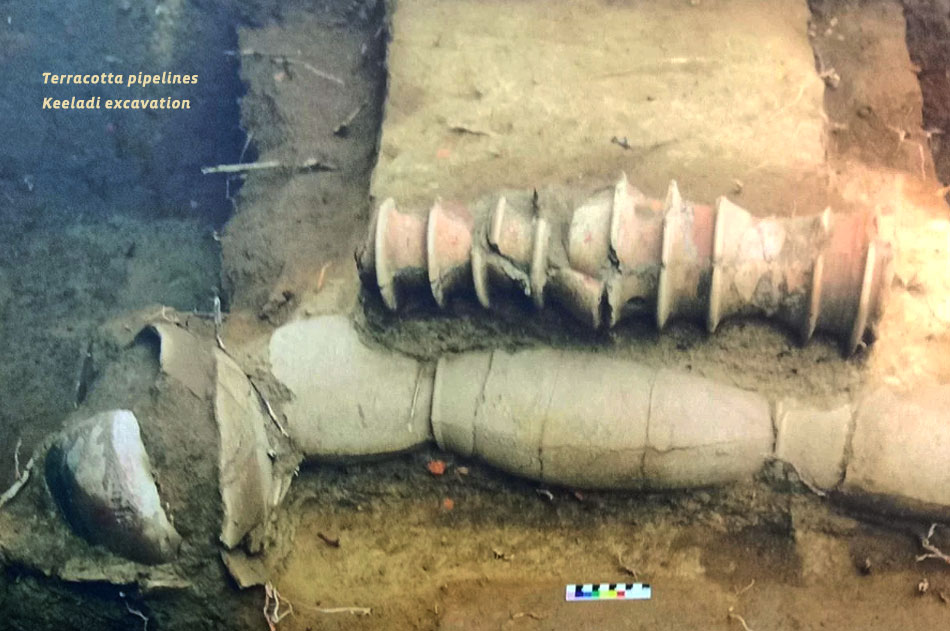
Beyond figurines, jewellery, and toys, terracotta was extensively used in urban planning, including bricks, water drainage systems, and storage structures. The advanced nature of these applications suggests that the knowledge of terracotta craftsmanship existed even before the mature Harappan phase.
This enduring tradition continued to flourish in later periods, with substantial evidence indicating that terracotta remained central to everyday life and creative expression for several millennia. Recent archaeological excavations at Keeladi, an ancient site in Tamil Nadu, have uncovered terracotta pipelines, highlighting the advanced water management systems of a civilisation that thrived over 2,600 years ago. These discoveries further reinforce terracotta’s long-standing role as a material of both technological and cultural significance.
The people or the tribes of Bastar have spent their lives in the forests and continue to do so. They maintain a harmonious relationship with Mother Nature, utilising its resources purely for their sustenance. They worship nature and its various forms like trees, stones, animals, water, and fire (Vaswani, n.d.). So, in order to show their reverence, the tribes used to make votive terracotta figures to offer to Mother Nature. How and when the tribes started this practice of offering terracotta figures remains unknown. In cases like these, it is often difficult to trace the origins of the craft solely because the knowledge and techniques are passed down orally from one generation to the next. In other words, the artisans often learn and inherit the craft from their ancestors with little to no written records to fall back on.
The clay figures of local gods were kept near the border of the village to safeguard the tribes by preventing the entry of evil spirits. In the beginning, the tribals primarily offered the figures of animals like elephants and horses. In the tribal culture, trees symbolize sacred spaces where the tribes revere their local gods and goddesses. Devkot is one such sanctified place in the forest near Kumahar Para, surrounded by trees. It is a place of worship where votive terracotta figures are offered for the blessing of the local Gods (Vaswani, n.d.). Another sacred space for the locals is a hut-like structure known as the Devgudi Temple, which is dedicated to the village’s Goddess. Elephant and horse sculptures are found inside the temple. Interestingly, a terracotta lamp called ‘Mata diya’ is also kept inside, which always remains lit.
Earlier, the Bastar potters used to make items only for the local population, taking cognizance of their culture, practices, and needs. However, since the 1980s, the potters underwent a substantial change in their production strategy to cater to both the local and other indigenous urban people. Work produced for local people is utilitarian, ceremonial, and relatively minimal in decoration. Work produced for the urban market, on the other hand, is clean, smooth, polished, and ornate. Nowadays, the potters are producing items for the domestic as well as the international markets.
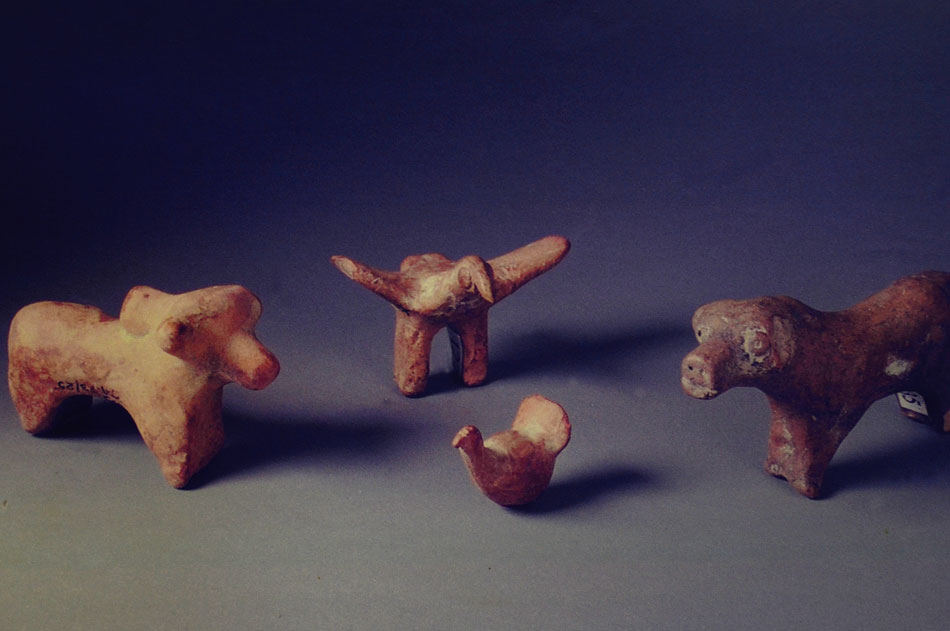
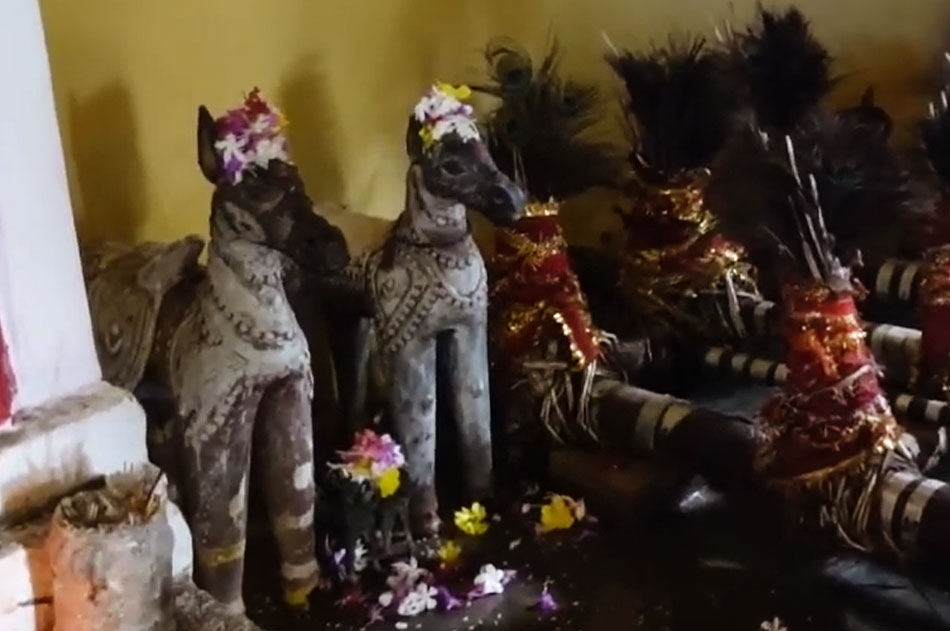
The hands of Bastar are pure and highly skilled. When craftsmanship is deeply rooted, artisans are capable of creating anything. In terms of design sensibility, Bastar artisans have reached a high level of mastery. At the same time, they continue to evolve, adopting new tools, improved setups, and drawing inspiration from external influences. Overall, a visit to a potter’s workspace in Bastar reveals a wide variety of products, ranging from purely traditional forms to contemporary expressions, reflecting both continuity and change.
Design in objects does not merely mean surface decoration. Elements such as ornaments, clothing, armour, and jewellery convey deeper cultural narratives embedded within the form. These details help us understand the purpose behind an object’s creation, whether it was meant for a festival, a ritual offering, or a wedding. Ornamentation also reflects the social or symbolic importance of the object or the individual for whom it was made. The weight of ornamentation and the level of intricacy often indicate whether an object was intended for everyday use or for ceremonial and luxury purposes.
For instance, a close inspection of the elephant and horse figures found at Devkot in Kumhar Para reveals remarkable intricacy in their design. Sculptures of both animals are richly ornamented, featuring beaded jewellery, draped elements, and possibly masks. The surface detailing on some elephant figures combines geometric patterns, concentric circles, floral motifs, and plant forms, highlighting the artisans’ refined visual language and technical skill.
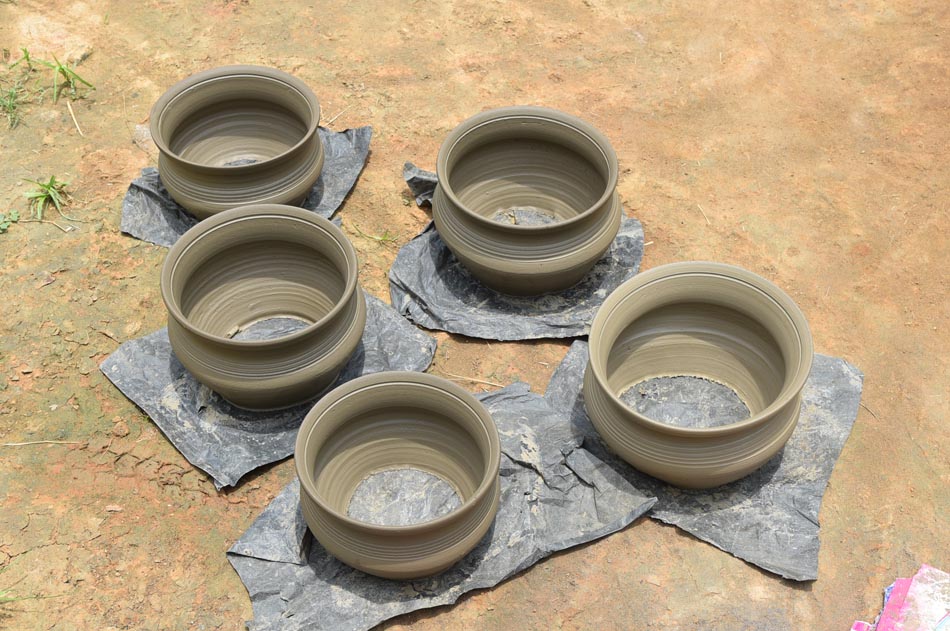
As markets have opened up, craftsmen have begun exploring a wider range of products to cater to diverse audiences. Functional items such as kitchen utensils are typically simple in form and detailing, shaped directly on the wheel. This simplicity not only reflects their utilitarian purpose but also makes them easier to use, cook with, and clean.
In other traditional figures and forms, the distinctive Bastar style is evident through characteristic proportions and facial features. While many artisans continue to work within a shared visual vocabulary, a few well-known craftsmen have expanded their practice to include a broader range of products such as planters, tabletop décor, decorative diyas, and human figurines, while still retaining traditional aesthetics.
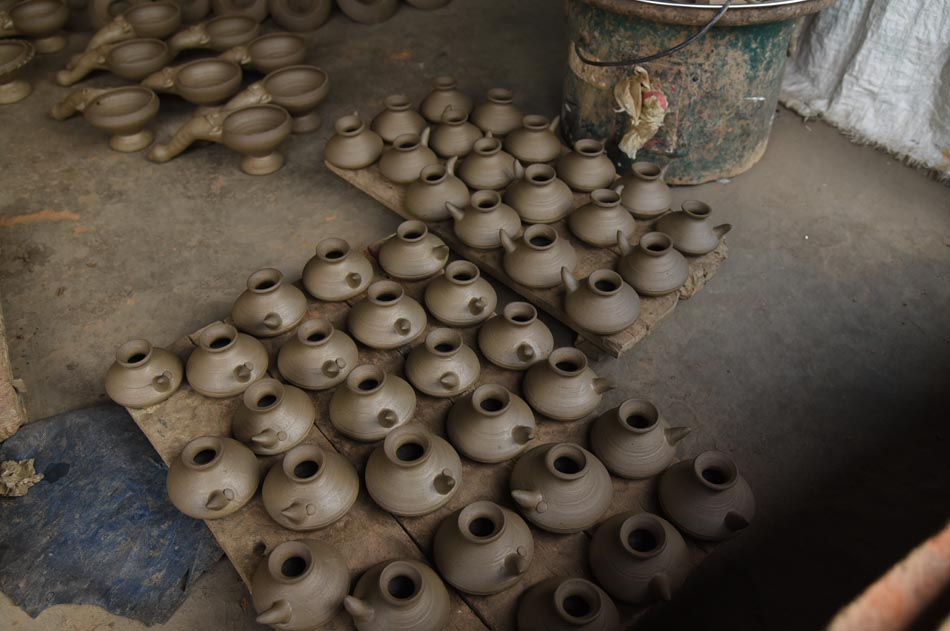
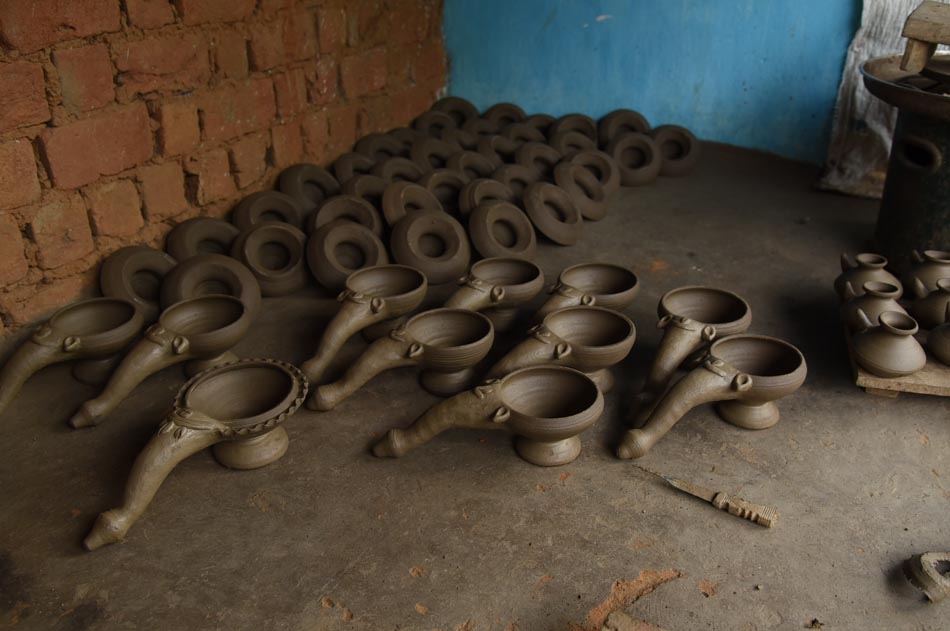
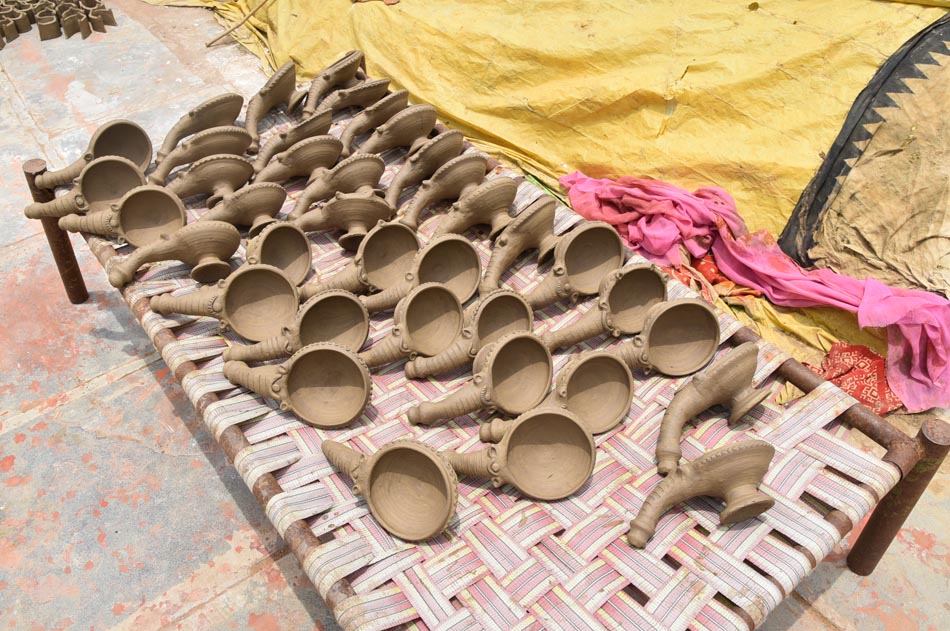
One of the most remarkable examples of traditional engineering combined with Bastar craftsmanship is the invention of the lamp known as the “Magic Diya.” Celebrated for its unique balance mechanism, this diya can burn continuously for up to twenty-four hours. The lamp is meticulously handcrafted in four distinct parts and then assembled. The process begins with shaping the main stem or body, followed by attaching the diya bowl to its side. A circular gumbad (dome) is then formed, and while the clay is still wet, a central pipe is inserted. Finally, a small hollow spout is created using a wooden stick and attached to the side of the gumbad, completing a structure that is both functional and artistic.
The true “magic” of this diya lies in its sophisticated understanding of physics, particularly the principles of vacuum and air pressure. To prepare the lamp, oil is poured into the inverted gumbad through the central pipe. The stem is then placed upside down and securely locked onto the pipe. Once the entire object is turned upright, with the gumbad positioned at the top, oil begins to flow into the diya bowl. The flow stops automatically when the oil reaches the brim, as a vacuum forms at the joint between the diya and the stem. When the bowl is full, the oil seals the opening, preventing air circulation and halting further flow. As the lamp burns and the oil level drops, air enters the system, allowing more oil to descend from the reservoir. This continuous, self-regulating cycle enables the diya to burn steadily for an entire day, standing as a powerful testament to the scientific wisdom embedded in traditional tribal craftsmanship.
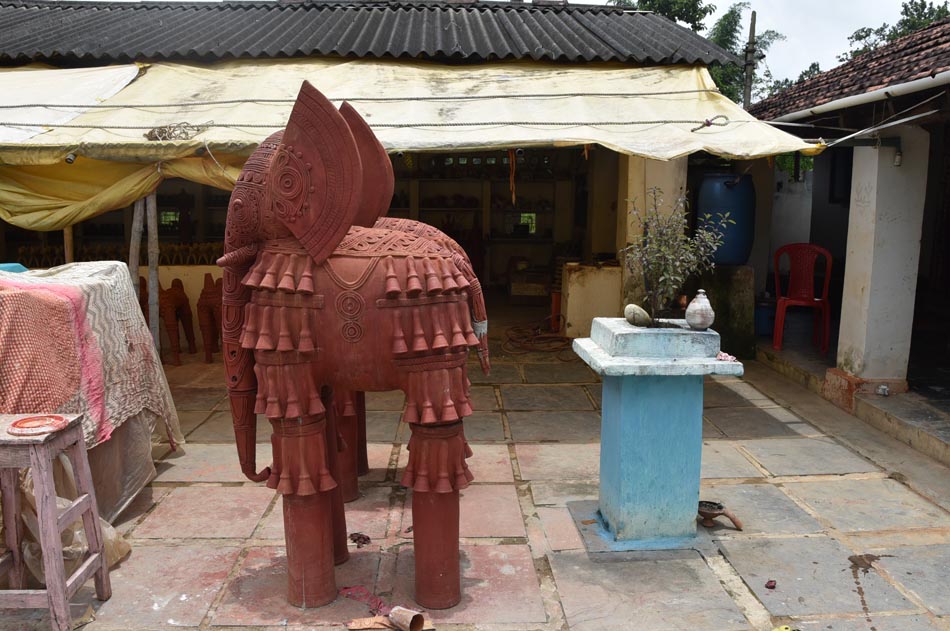
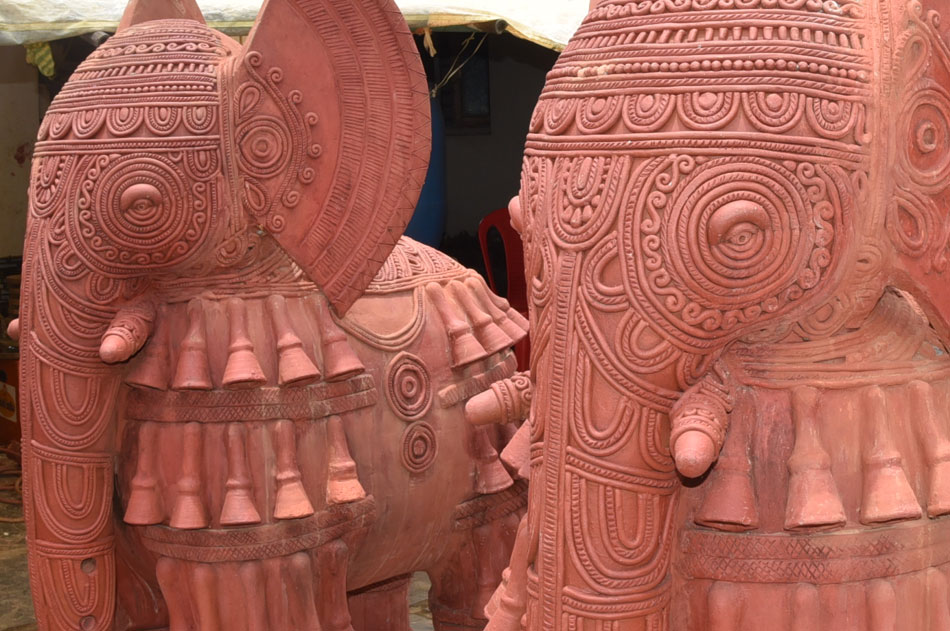
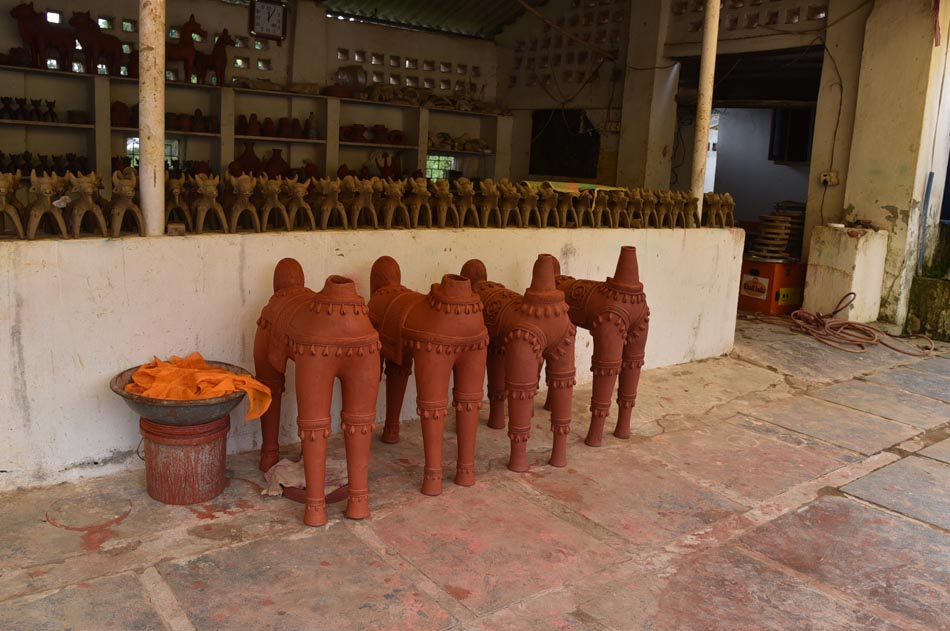
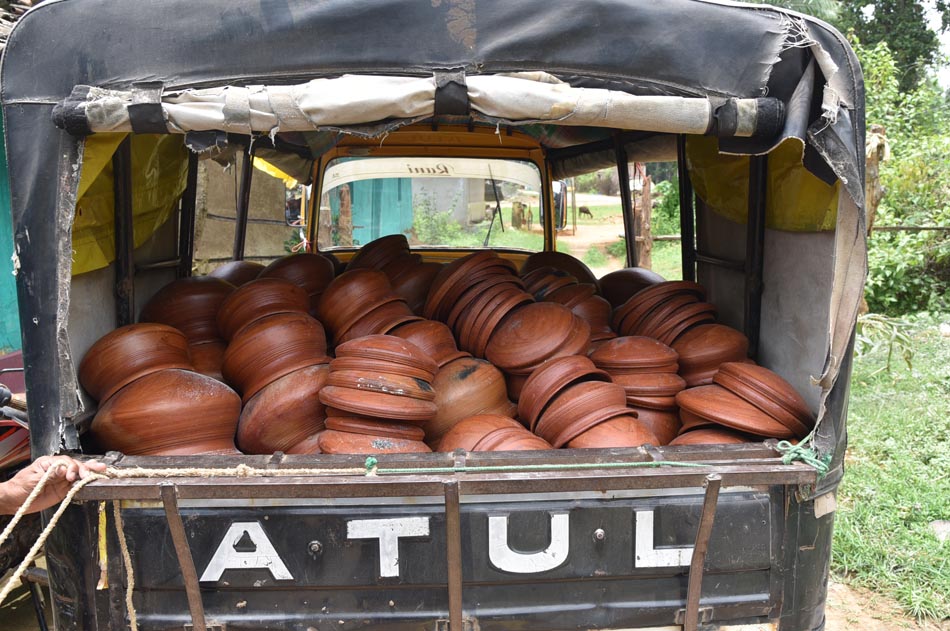
The main challenge faced by clay artisans is transportation, as clay products are fragile and can be easily damaged, even with careful packaging. Due to this limitation, transporting large-sized figures becomes especially difficult. Another major concern is the weight of clay products. Participating in exhibitions and carrying products in quantity requires significant effort, care, and logistical planning.
There is also a general perception among consumers that clay products are low-cost items, which often leads to price bargaining. The combination of heavy products, high transport risk, and limited opportunity to add perceived value makes the business challenging for artisans. As mentioned earlier, pottery from the Kondagaon region is also less well-known compared to Dhokra and iron crafts, which further affects market visibility.
Fortunately, local demand continues to provide a steady source of income and helps sustain the practice. However, artisans shared that during the COVID-19 period there was almost no business, as markets were shut and visitors stopped coming. Even after restrictions were lifted, the slow return of customers made this period particularly difficult for the community.
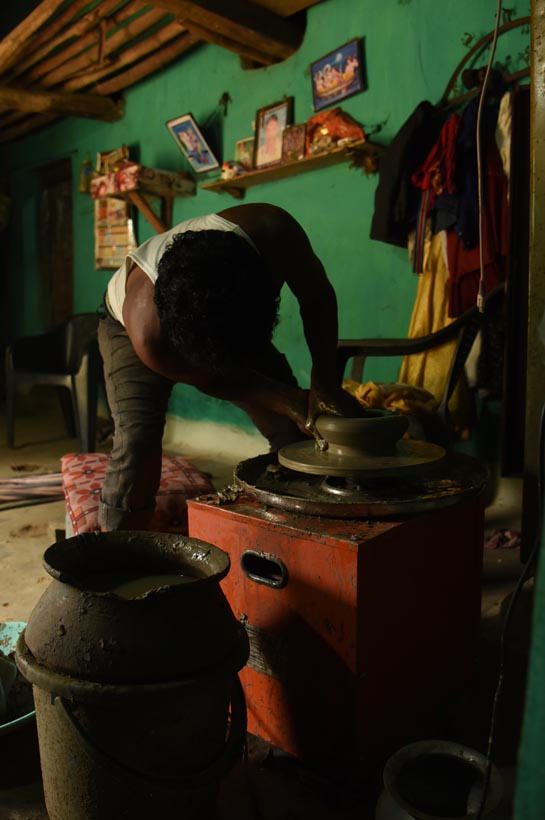
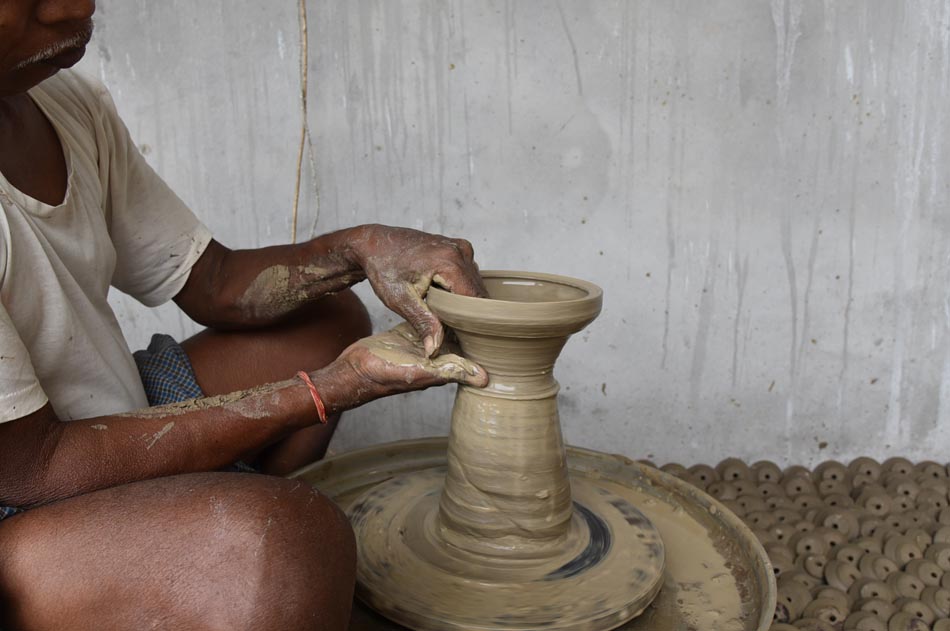
The creation of terracotta in Kondagaon, Chhattisgarh, is a labor-intensive process that transforms raw earth into exquisite art through a series of traditional, time-honored steps. The primary tool involved in making these products is the hand itself. Artisans use their hands creatively to execute a variety of tasks, and as these tools gain experience over time, they perform with even greater skill and precision.
The raw materials involved in making these products are so ordinary that they are often indistinguishable from the village environment itself. They are simply the materials found all around us, the earth we walk on, sit on, and experience every day. This close relationship with locally available resources reflects a strong sense of sustainable practice, where production does not depend on distant or external sources. Only a few essential materials are required.
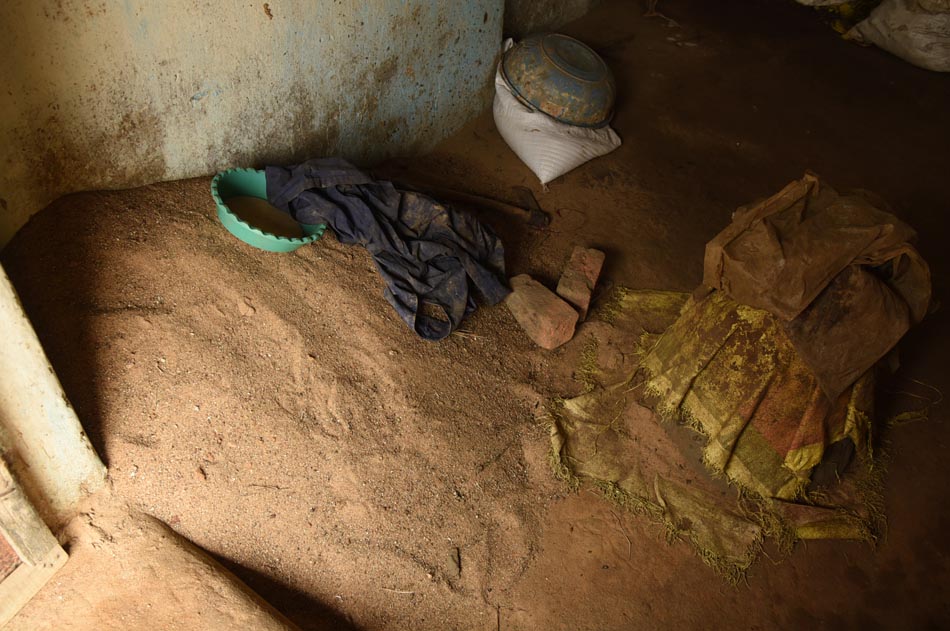
High-quality mud – Used to prepare the clay.
Sand – Mixed in small quantities with the final clay to improve strength.
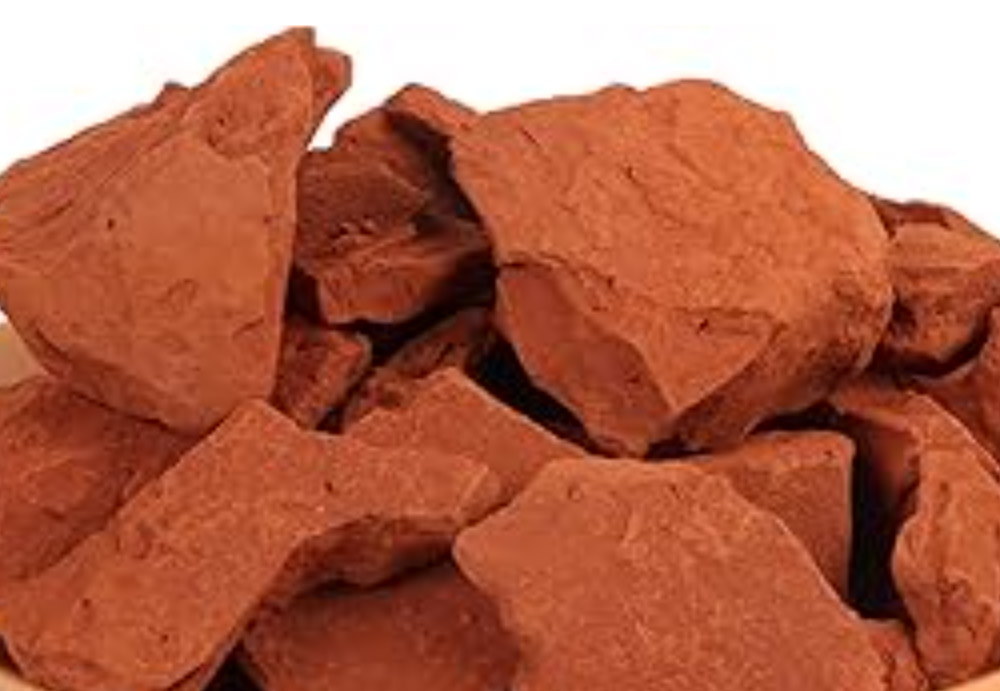
Geru – Natural red clay used to coat the finished products, giving them their characteristic red color.
Cow dung cakes and wood – Used as fuel for firing the kiln.
Water – Used for various stages of the process.
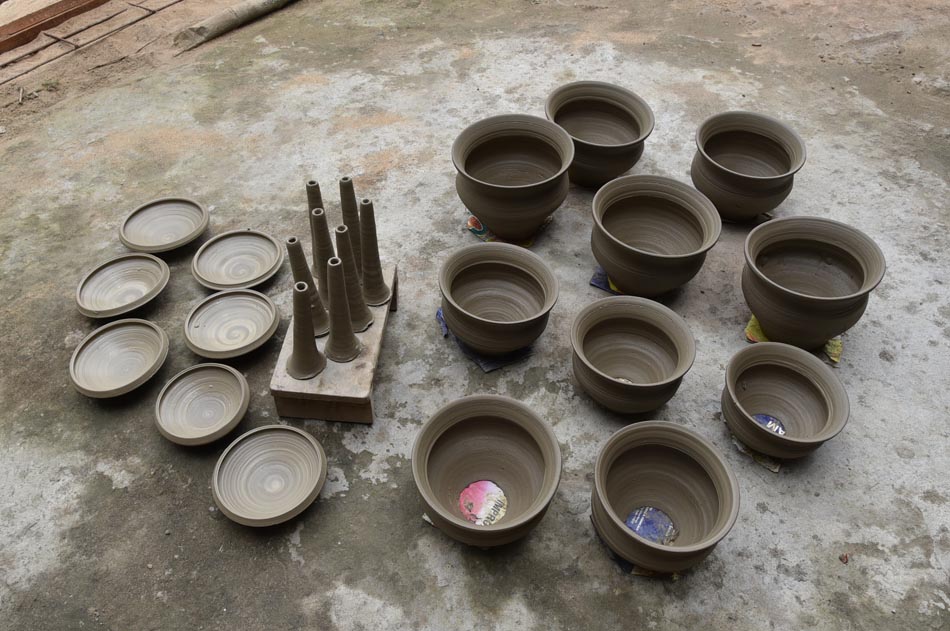
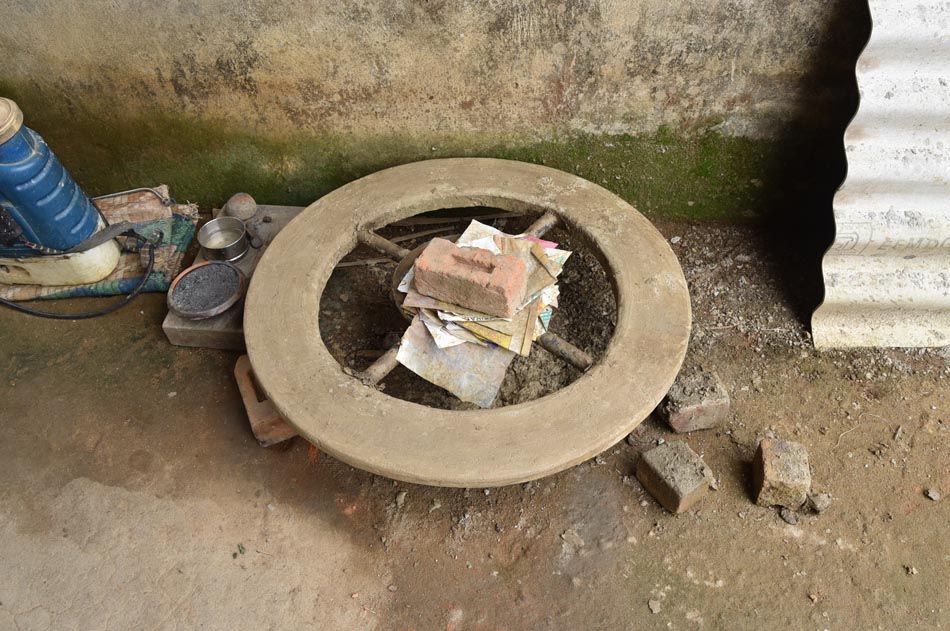
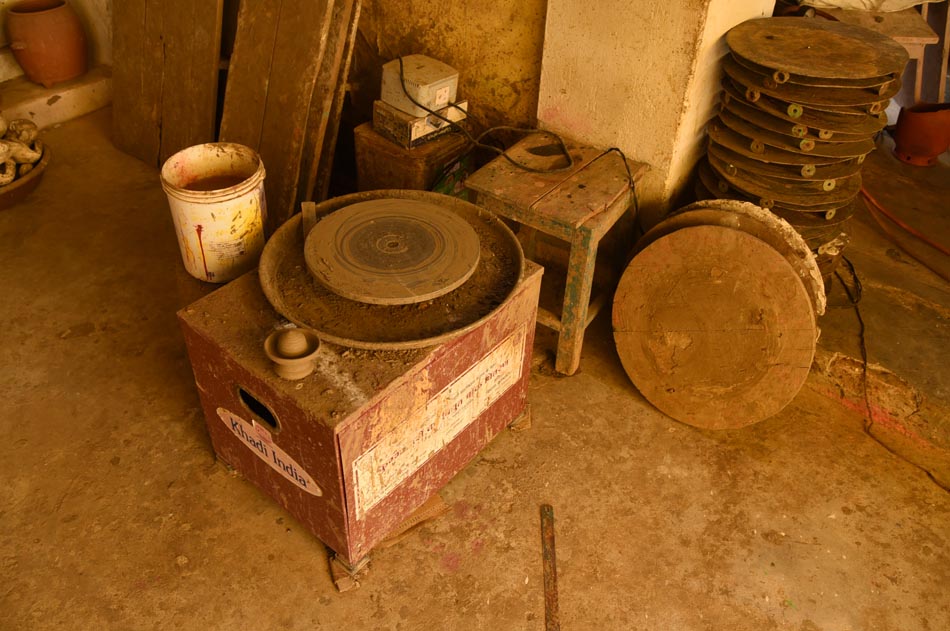
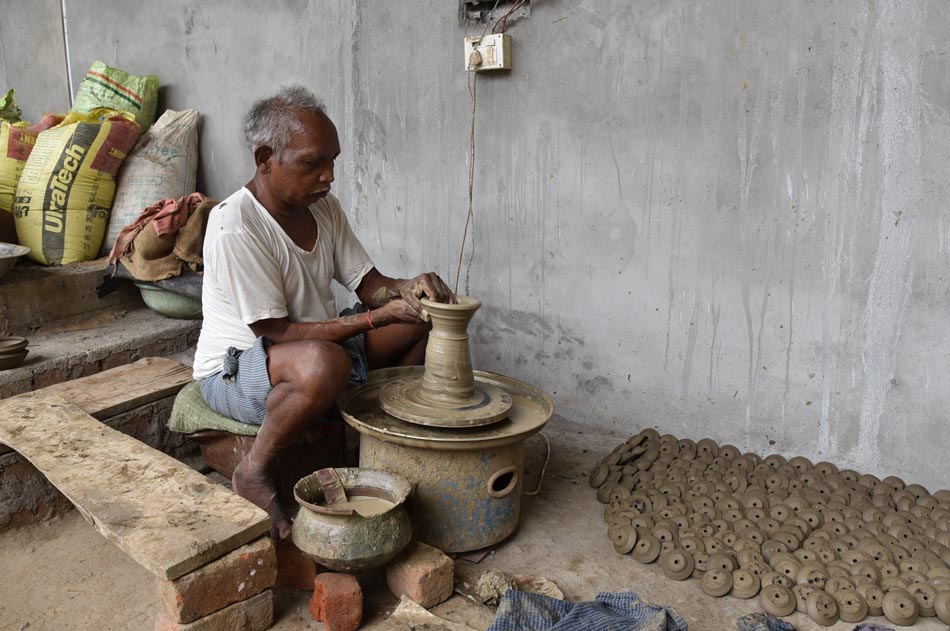
Potter’s wheel – Both traditional wooden wheels and power-operated wheels are used.
Knife – Used to cut and shape clay, especially for small objects.
Texture-creating tools – Tools such as knives, combs, or other simple implements are used to create surface patterns and textures.
Patiya – A wooden platform used for making small objects and for fine detailing such as spheres, lines, and other elements.
Tagari – A metal container used to hold geru or other liquids.
Brush / fabric – Used to apply geru onto the finished products.
Mogri (wooden hammer) – Used to break mud into smaller pieces.
Channi – Used to remove stones and other impurities from the mud.
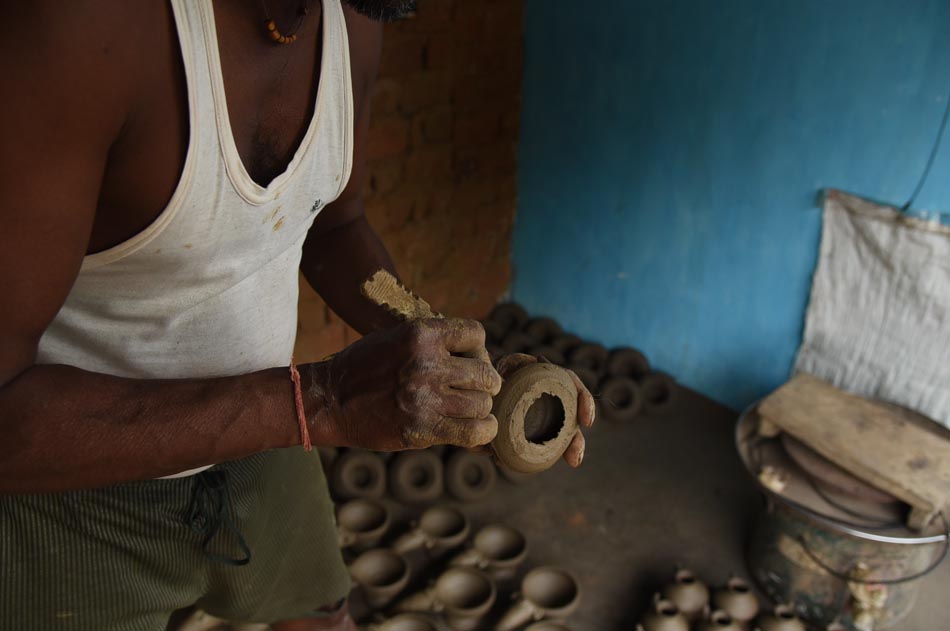
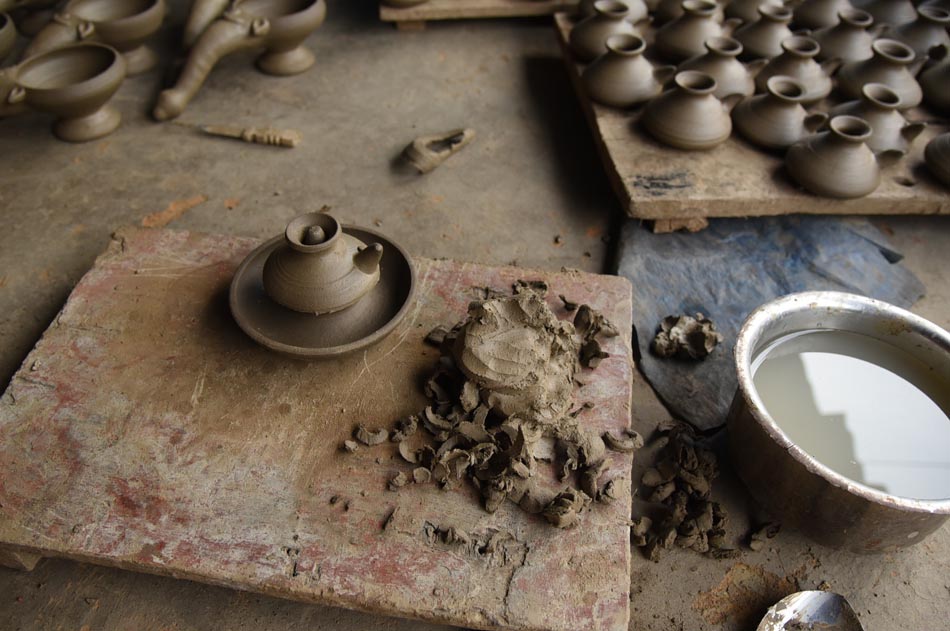
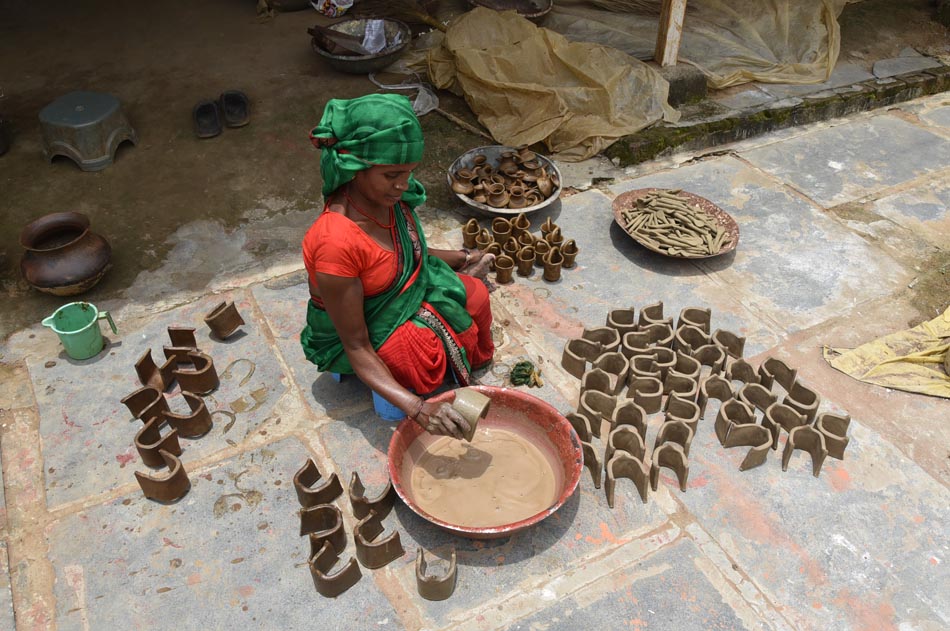
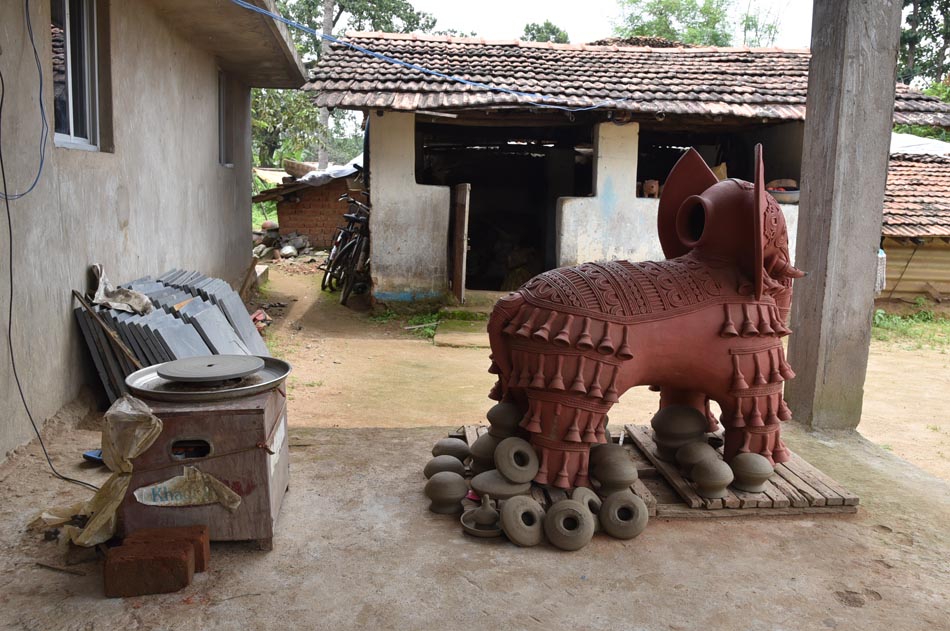
1. Preparation and Purification
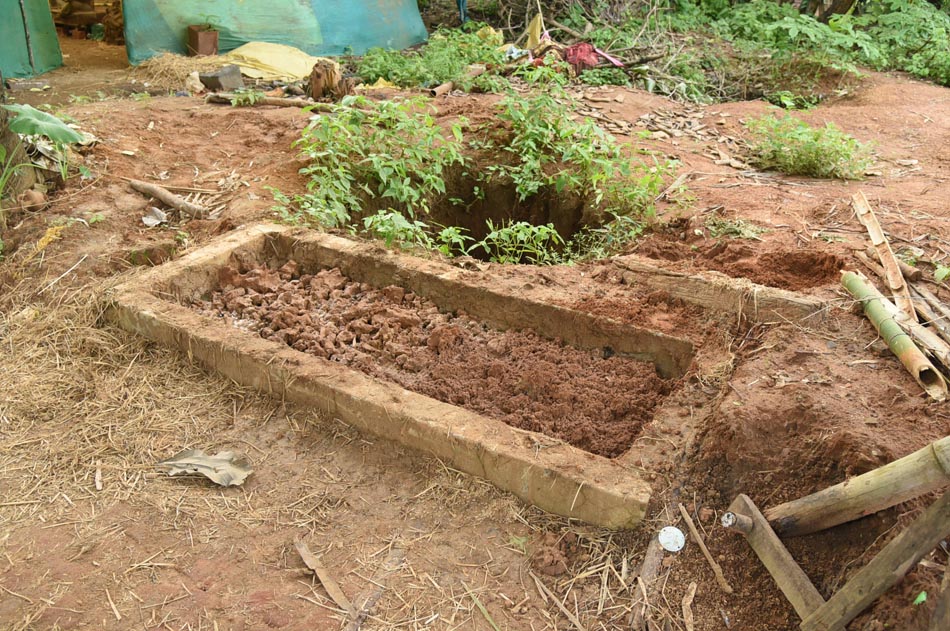
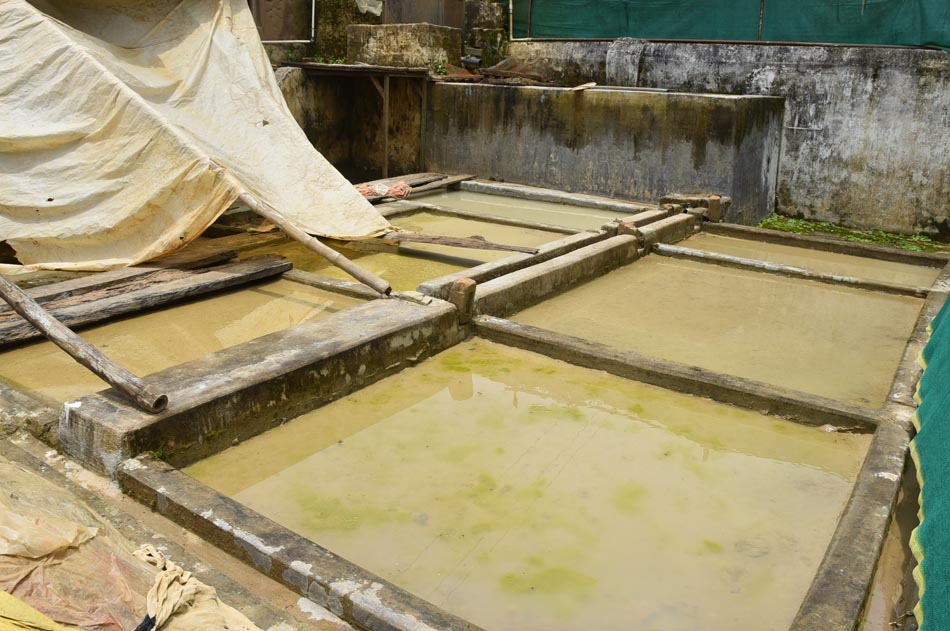
The journey begins with the careful sourcing of high-quality mud, typically gathered in large quantities from nearby riverbanks such as the Indrabati River, to ensure a steady week-long supply for the artisans. These raw, heavy chunks of earth are first broken down, either by hand or with simple machines, into finer particles. Since the mud naturally contains impurities, it undergoes a thorough cleaning process. Larger debris is removed manually, while a traditional channi is used to filter out small stones and grit. This step ensures that the base material is pure and consistent, which is essential for the strength and durability of the final product.
2. The Art of Kneading and Aging
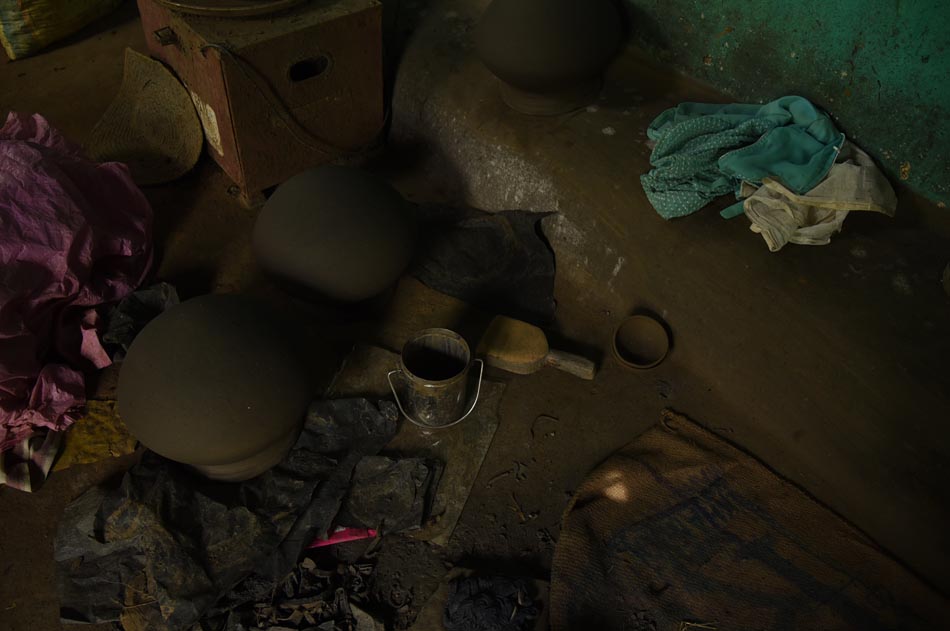
Once purified, the mud is mixed with water to create a smooth clay slurry. This mixture is stored in sealed containers for about a week to allow it to settle and mature. After the ageing period, the excess water is drained, leaving behind concentrated clay that is still moist. The clay then requires intensive kneading to achieve a dough-like consistency. In Kumhar Para village, local women traditionally knead the clay with their feet. This process is crucial, as it removes trapped air bubbles that could expand during firing and cause the piece to crack or shatter. Artisans also add a small proportion of sand to the clay, which enhances strength and stability after firing.
3. Shaping and Natural Tinting
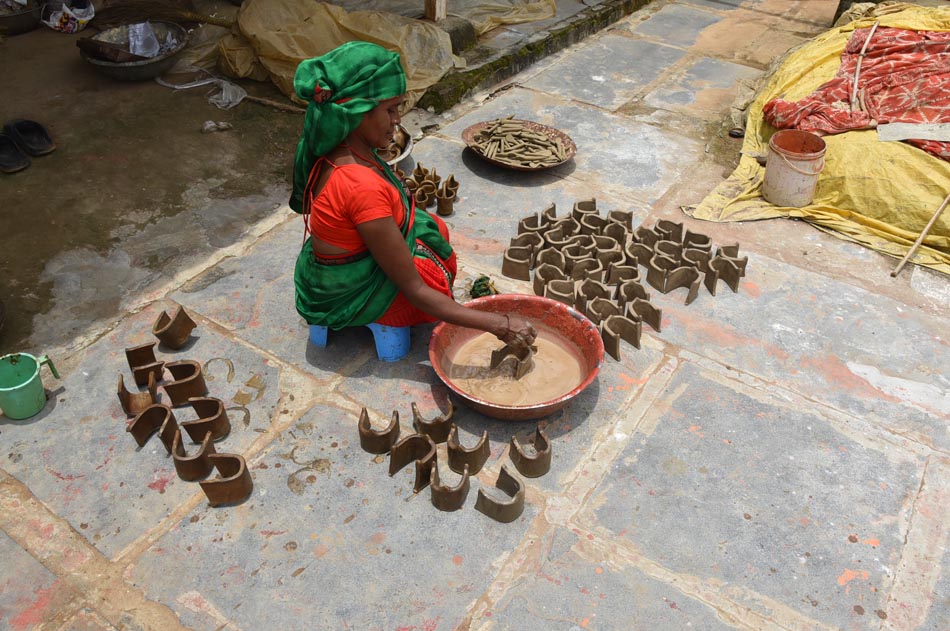
The prepared clay is stored in a dry area to maintain its ideal consistency until the craftsmen are ready to begin shaping. Using a combination of hand tools and the potter’s wheel, artisans carefully form the clay and carve intricate designs and traditional motifs unique to the Bastar region. The shaped pieces are then placed in shaded areas to dry slowly. This stage demands patience, as exposure to direct sunlight can cause rapid drying and lead to cracks. Once fully dried, the objects are coated with natural red clay known as Geru, which gives terracotta its distinctive deep red color.
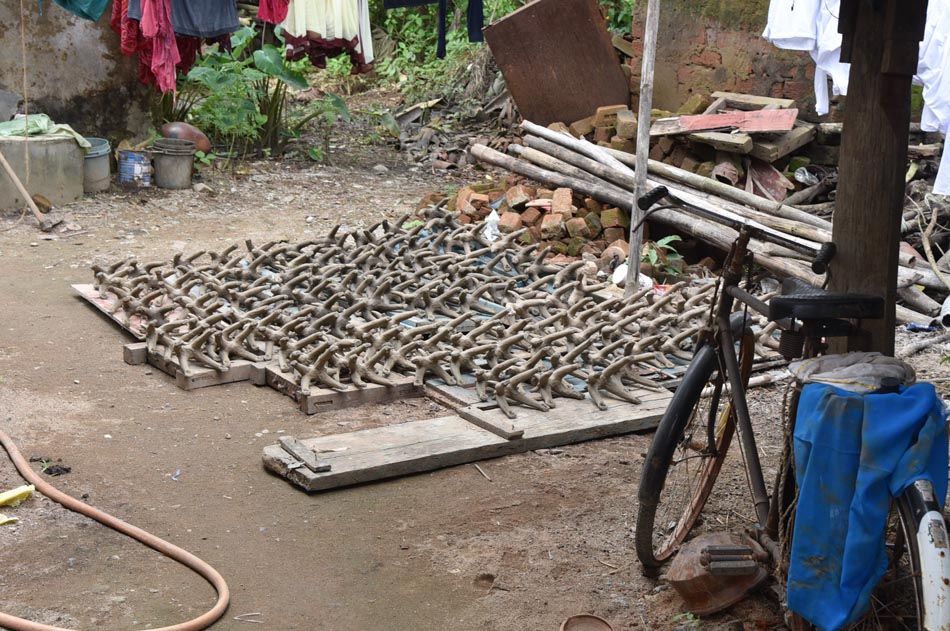
For larger sculptures, the artisans work in parts. Different sections of the body are made separately and later joined to form the final structure. These individual components also undergo specialized processes. For example, to create an elephant’s leg, artisans first form a cylindrical shape on the wheel and later decorate the surface using small clay pipes and spherical elements. This stage requires a high level of precision, as all parts must fit perfectly and remain aligned after firing.
4. The Transformation: Firing the Kiln
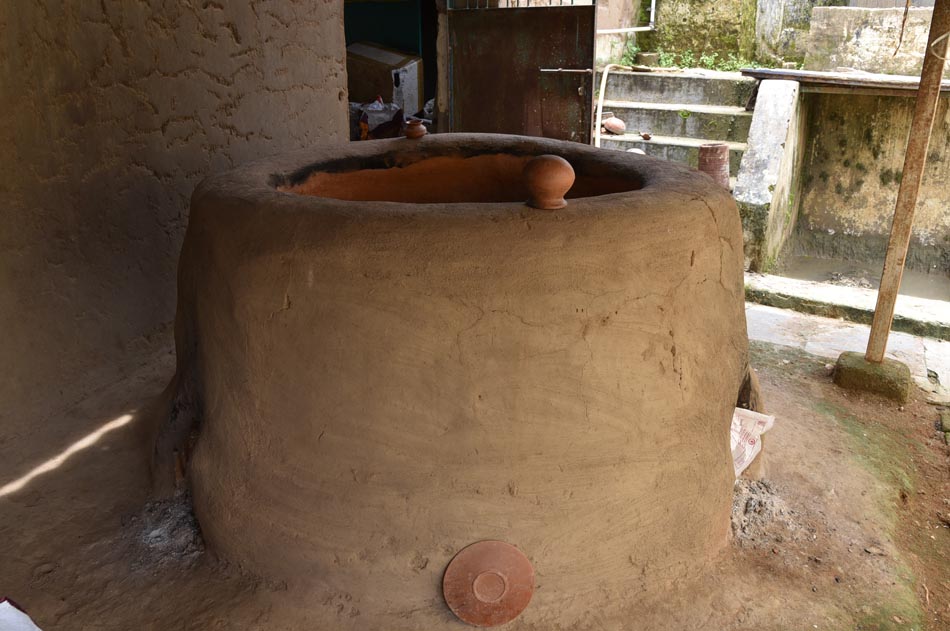
The final and most critical stage is the firing of the objects in a traditional kiln. Heating the kiln to the required temperature involves several hours of intense labor. Once the peak temperature is achieved, the kiln is sealed completely to retain heat and ensure even firing. Afterward, it is allowed to cool gradually over many hours. Only once the kiln has cooled are the terracotta pieces carefully removed. Having endured this trial by fire, the finished works are finally ready for the market, carrying with them the skill, heritage, and dedication of the Kondagaon artisan community.
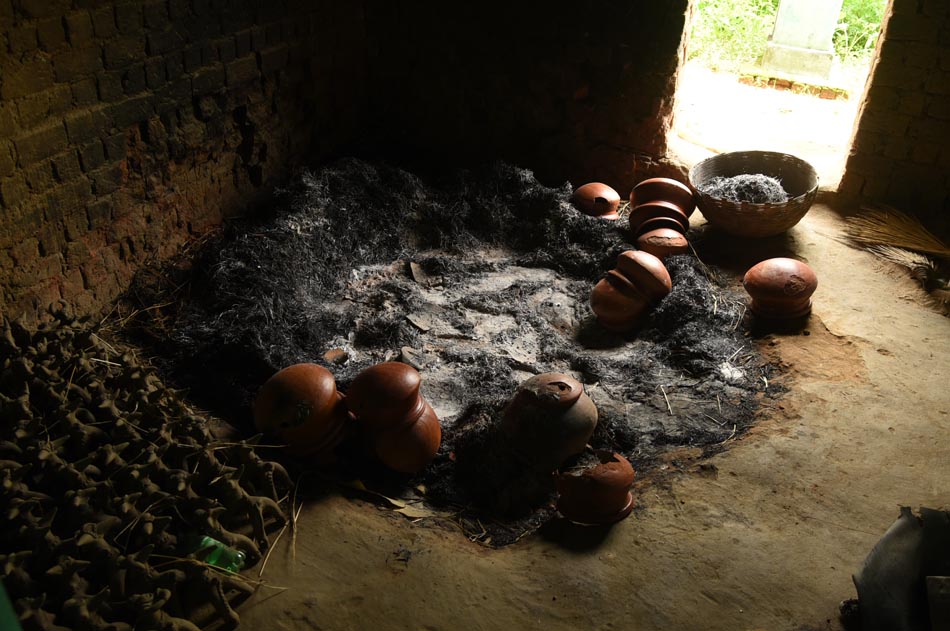
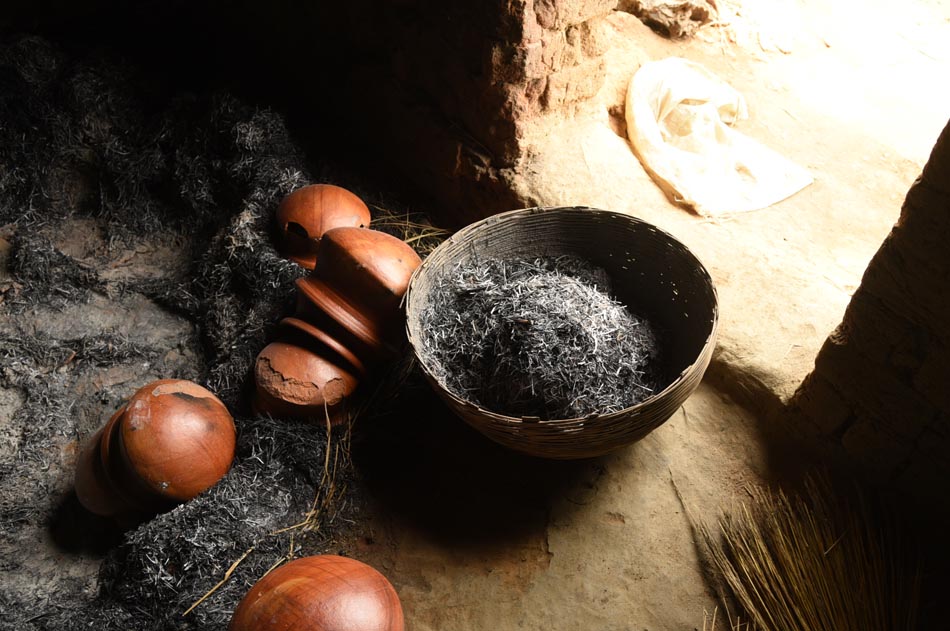
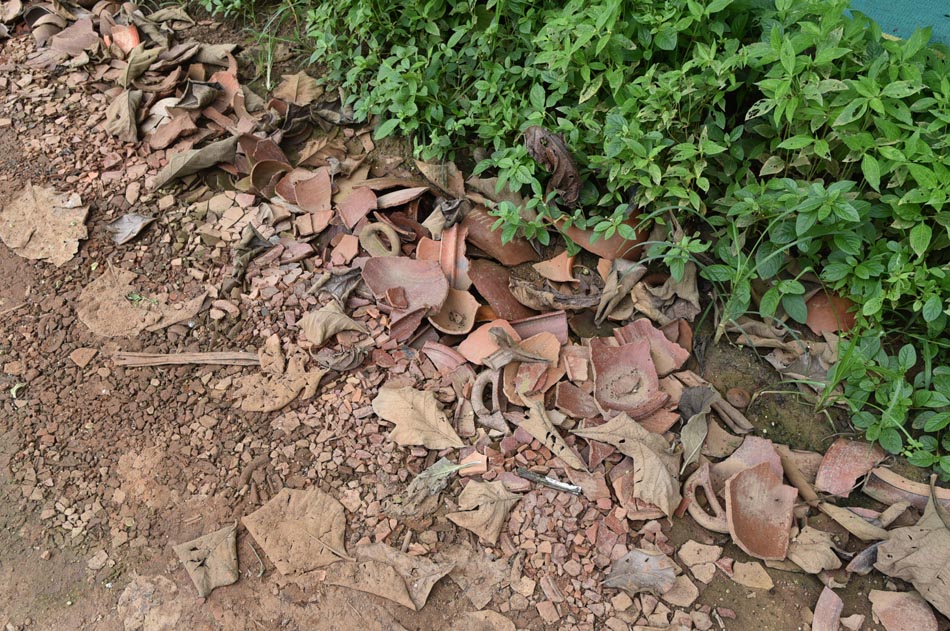
Damaged pieces and ash from the kiln. Apart from this, there is no waste as such.
The ancient name of Kondagaon was Kandanar or Kondanar. According to local legend, the settlement originated when the chief of the Marar community received a divine vision. Their carriage had become entangled in vines, forcing them to rest in the area. It is said that the goddess instructed them to settle there, and the fertile land encouraged the foundation of a village.
In the Gondi language, the word Kondanar translates to “village of horses,” a name that reflects both the tribal roots of the region and its rich local folklore.
Kondagaon’s development accelerated after the construction of the Keshakal Valley road in 1905, which connected it with Jagdalpur and surrounding areas, encouraging trade, migration, and new settlements.
The town’s importance was formally recognized in 2012, when Kondagaon was declared a district headquarters, highlighting its growing administrative and cultural prominence within Chhattisgarh.
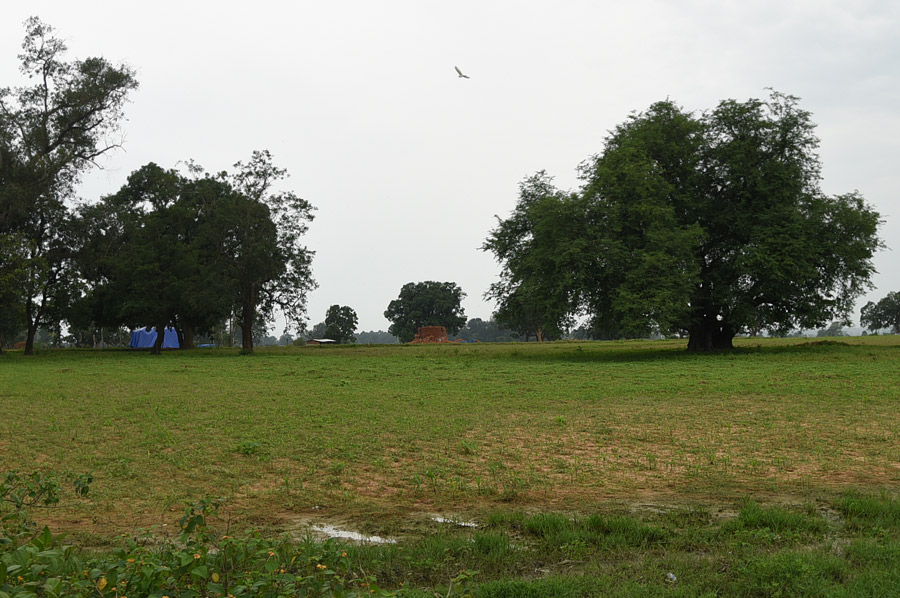
Kondagaon is set in the southern part of Chhattisgarh, within the heart of the Bastar plateau, where forests, hills, and rivers define both the landscape and the life of its people. Dense stands of sal, teak, bamboo, and other minor forest produce form a natural abundance that has long sustained local communities. Seasonal rivers like the Indravati and its tributaries nourish fertile plains, while the forests provide lac, honey, and raw materials that have historically supported craft-based livelihoods. This rich ecological setting is more than a backdrop, it actively inspires the artistry of Kondagaon’s famed bell-metal (dokra), terracotta, iron and wood carving traditions, where patterns and motifs often mirror the flora, fauna, and rhythms of the land.
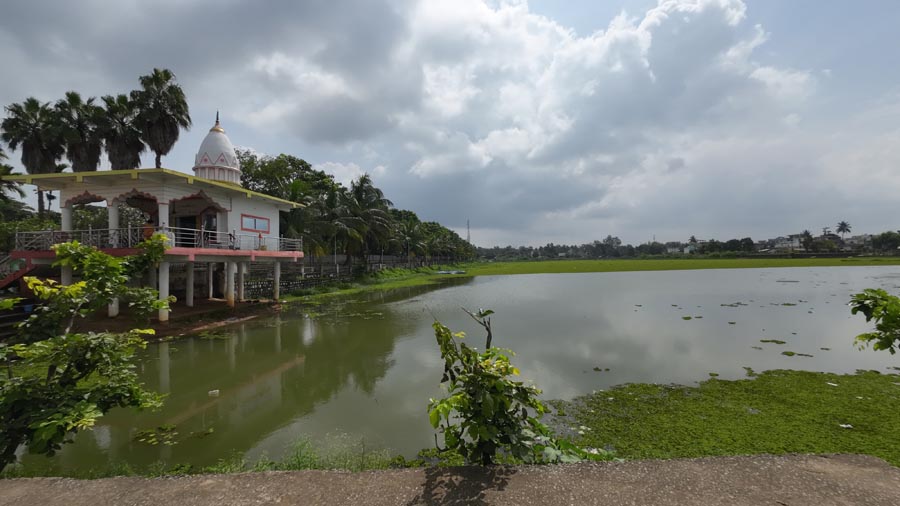
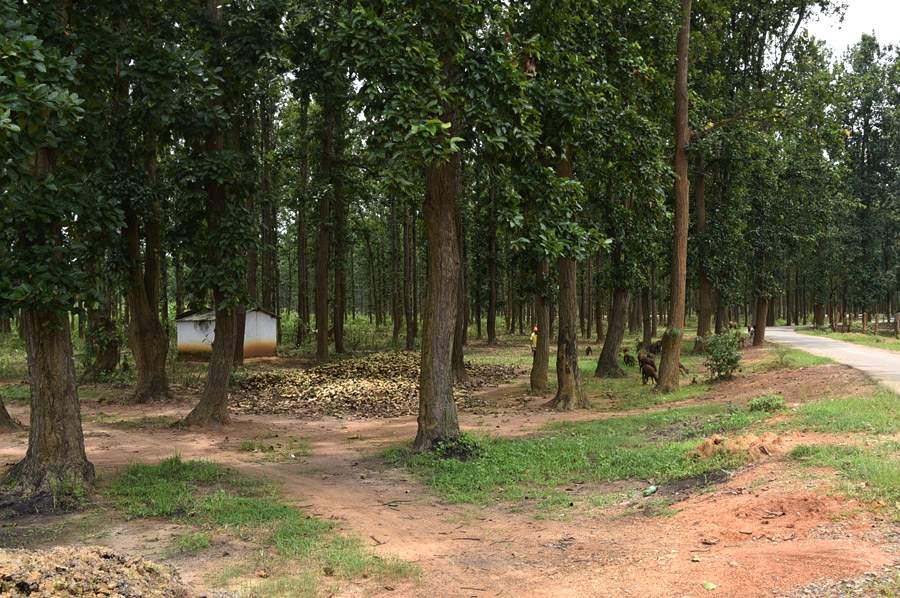
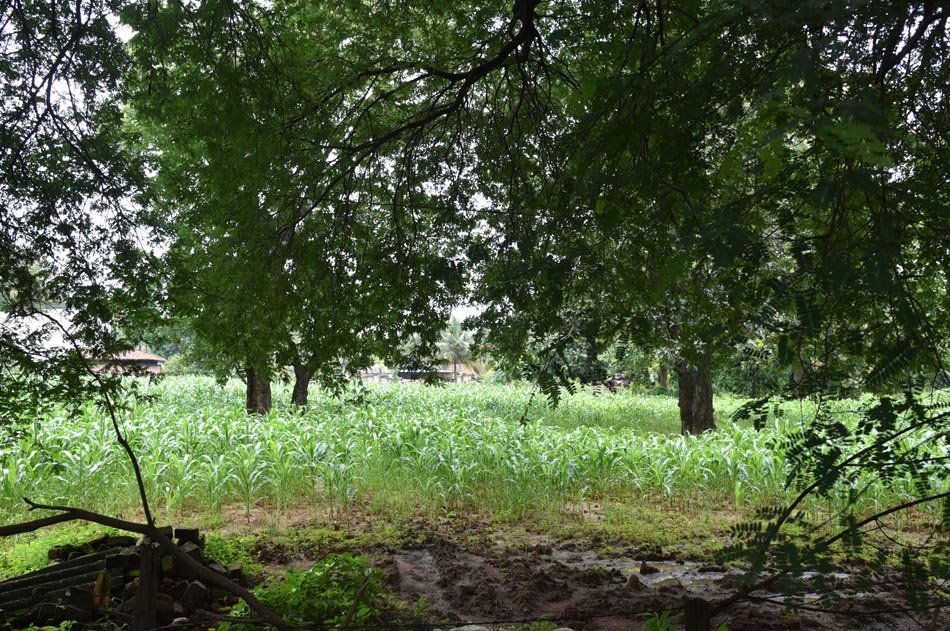
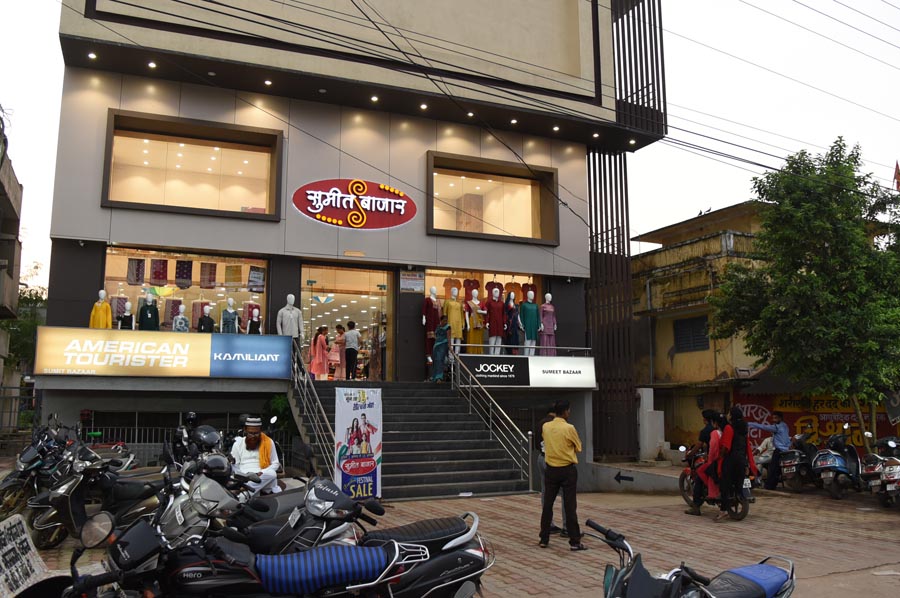
Kondagaon is a small town where the main road cuts through the center of the city. The atmosphere along this road is lively and bustling, lined with a variety of shops and businesses. As a district headquarters, people from surrounding villages frequently visit for official work, trade, or shopping.
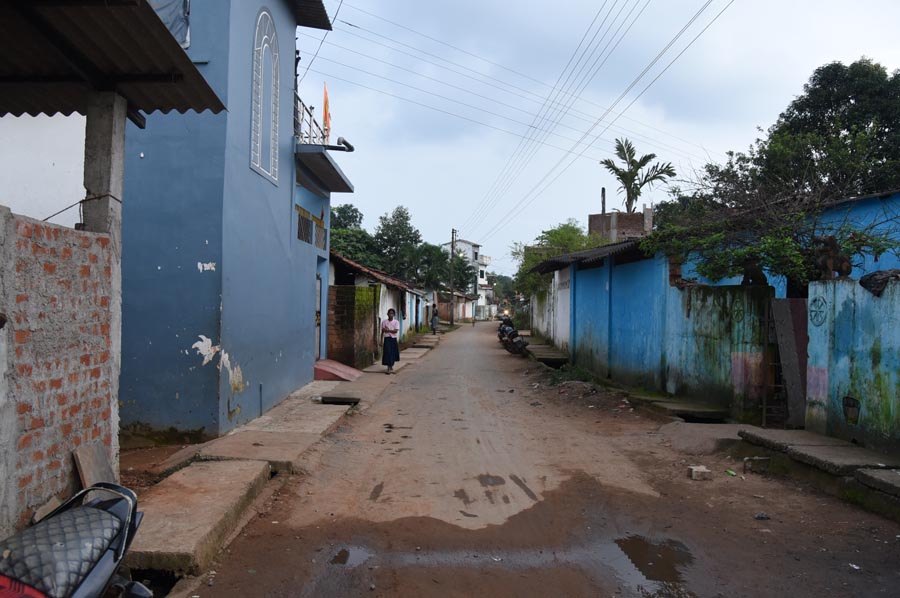
However, once you step away from the main road, the town quickly transforms into a peaceful landscape filled with greenery. The air feels noticeably fresher and calmer in the inner areas, offering a stark contrast to the busy marketplace.
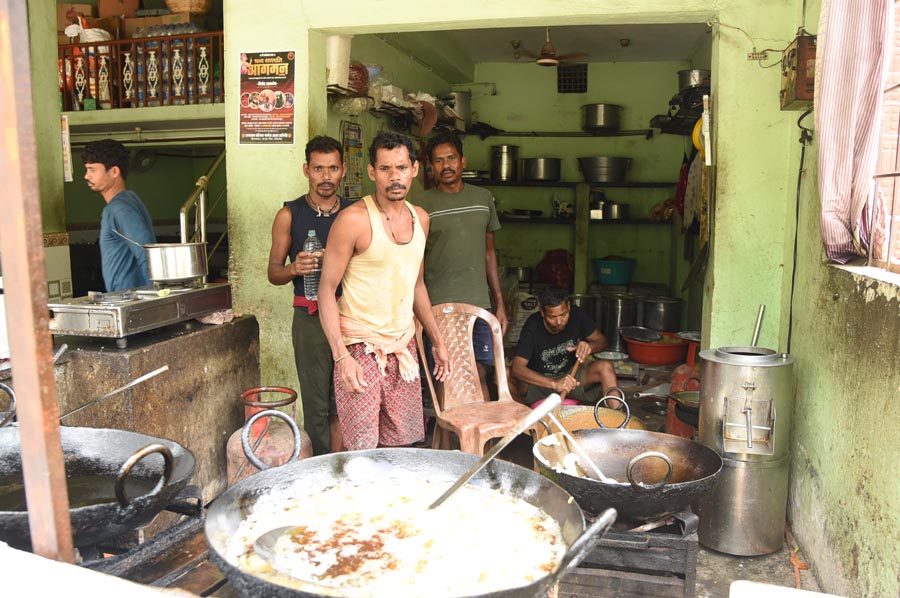
On the main road, small eateries and tea stalls are common, where people can be seen enjoying samosas and cups of chai. The locals are generally warm and welcoming, rarely interfering but always curious to know more about outsiders.
The town comes alive during the weekly haat bazaar on Sundays, when villagers from nearby areas gather to buy essentials and exchange news, filling the streets with energy and color.
By night, usually after 8 or 9 p.m., Kondagaon becomes quiet and serene. Most shops close down, with the exception of a few stalls near the bus stand, which remain open to serve late-night travelers.
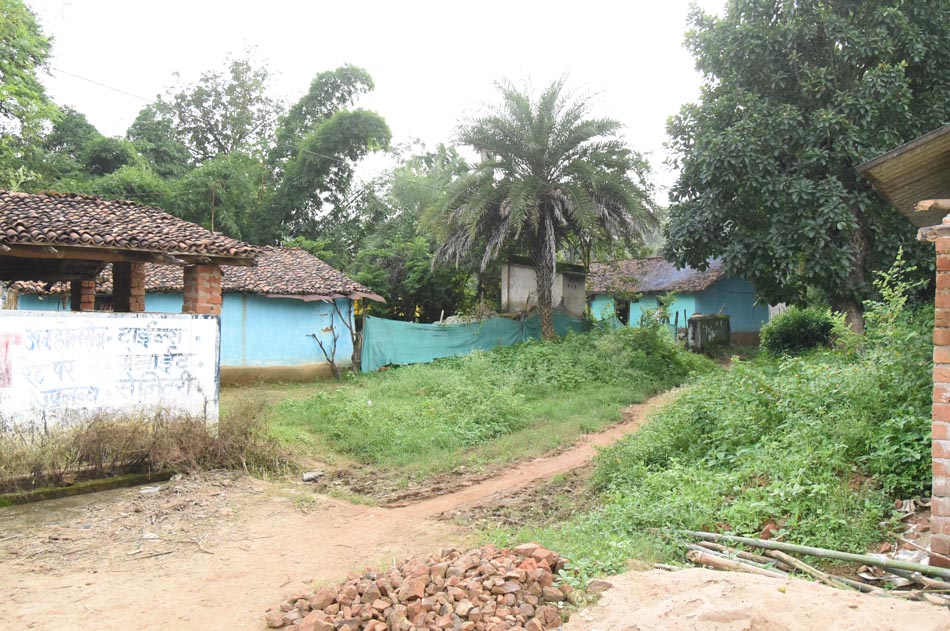
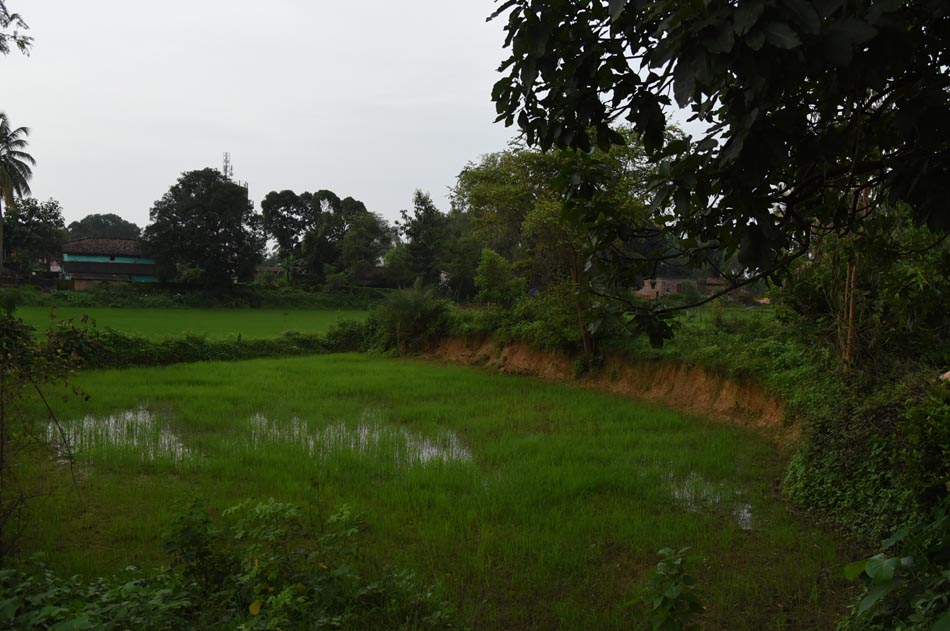
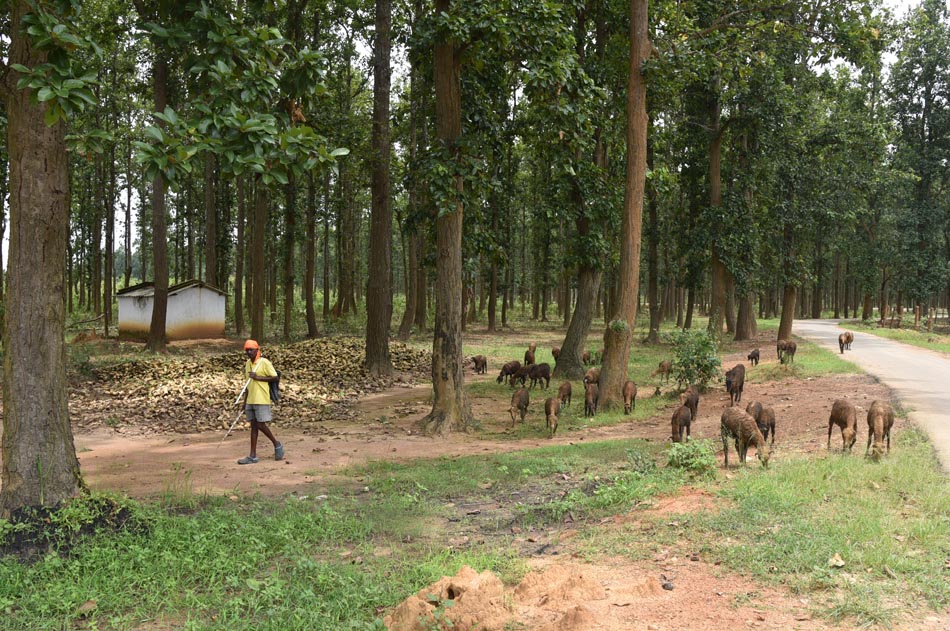
Over time, Kondagaon has grown into a recognized craft hub of Bastar, with infrastructure that bridges its deep-rooted traditions and modern market demands. The town is located along National Highway 30, giving artisans access to Raipur and Jagdalpur, while retaining strong rural linkages. Craft-specific institutions form the backbone of the artisan ecosystem here: Shilpgram, a dedicated craft village, provides space for artisans to live, work, and showcase their creations; the Bastar Art Centre serves as a state-supported platform to train, innovate, and market crafts; and local cooperative societies help artisans pool resources, standardize production, and access wider markets. Organizations like Saathi Samaj Sevi Sanstha also play a vital role by supporting artisans with training, design development, and market linkages, helping them adapt their traditional skills to contemporary opportunities. Small-scale foundries and household workshops continue to dot the villages, while initiatives like the Kondagaon Craft Park and government training centers offer structured support for design, marketing, and entrepreneurship. Together, these nodes of infrastructure ensure that Kondagaon’s artisans remain connected to both tradition and opportunity, crafting objects that travel far beyond the forests that first inspired them.
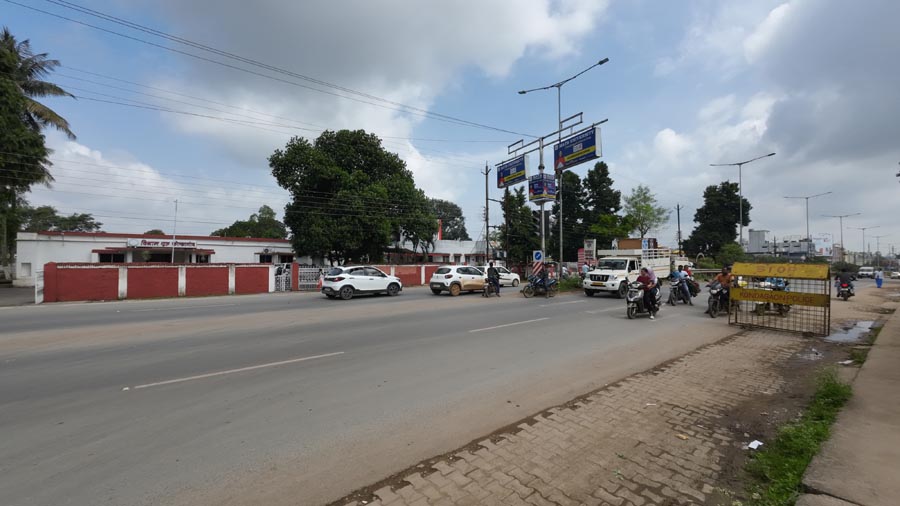
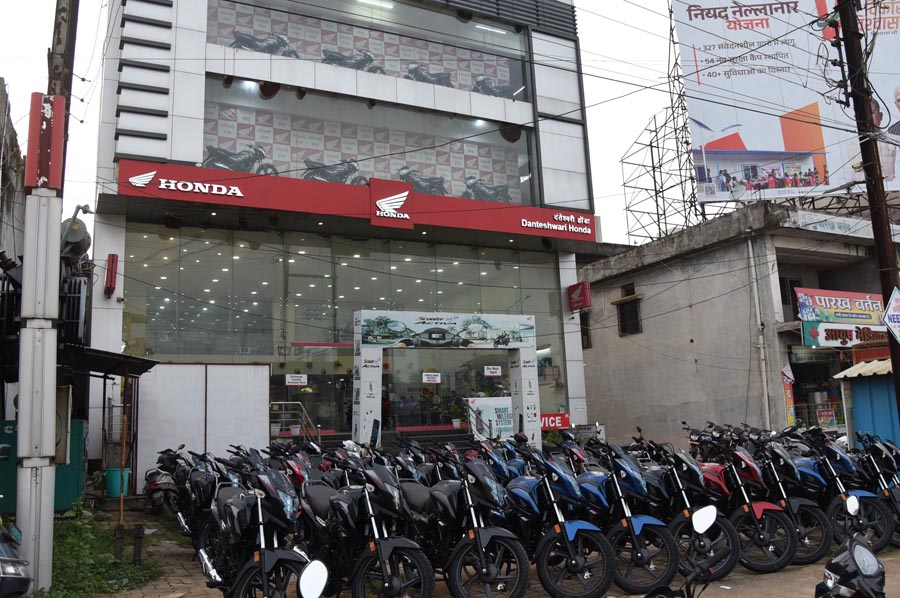
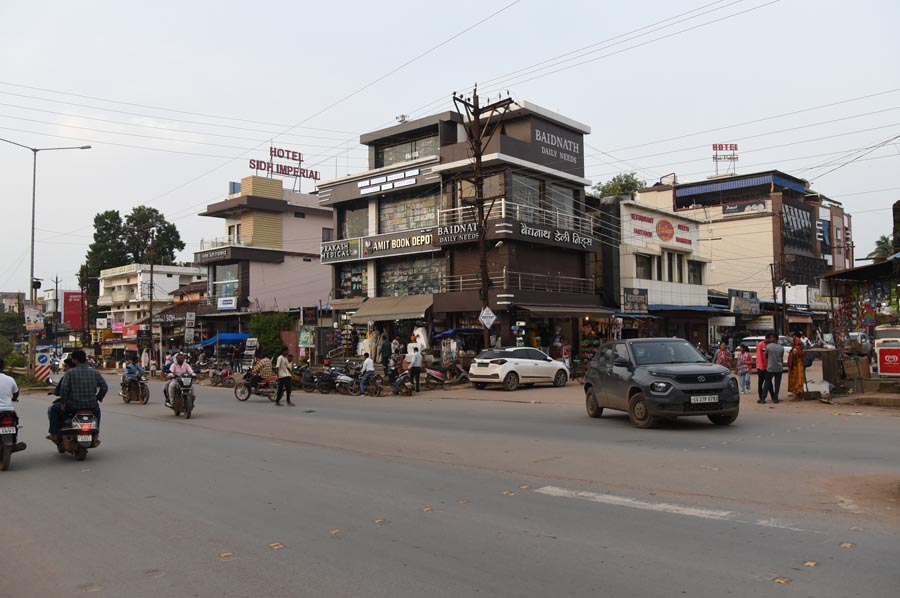
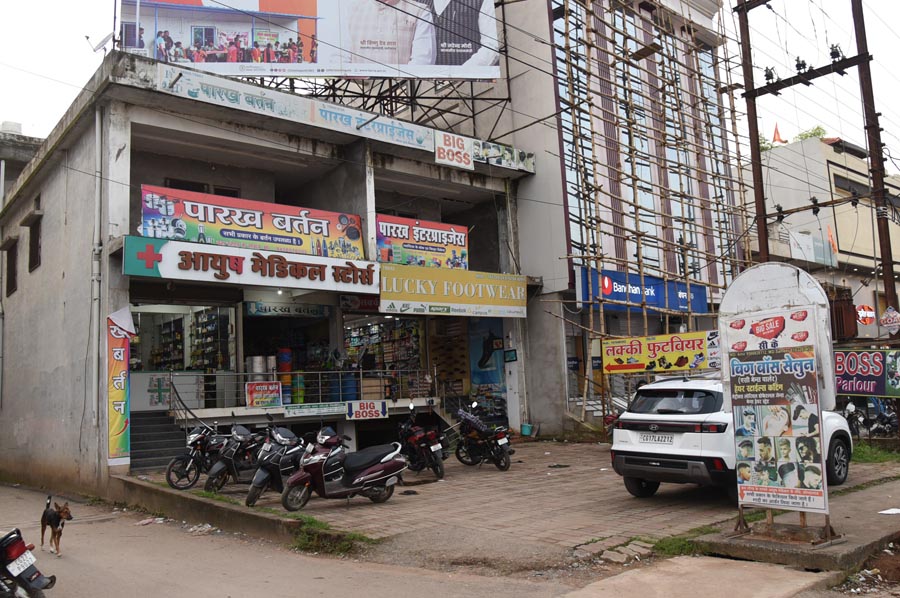
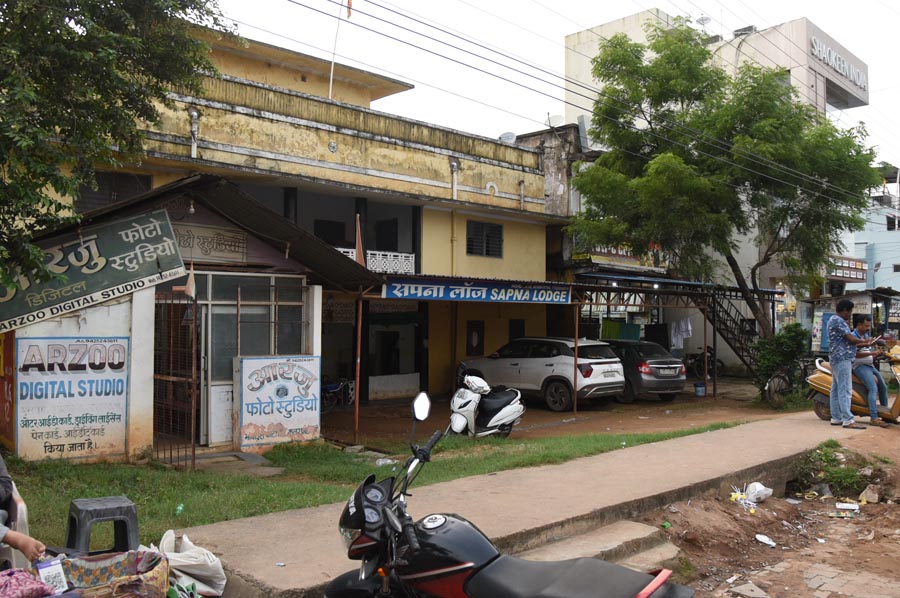
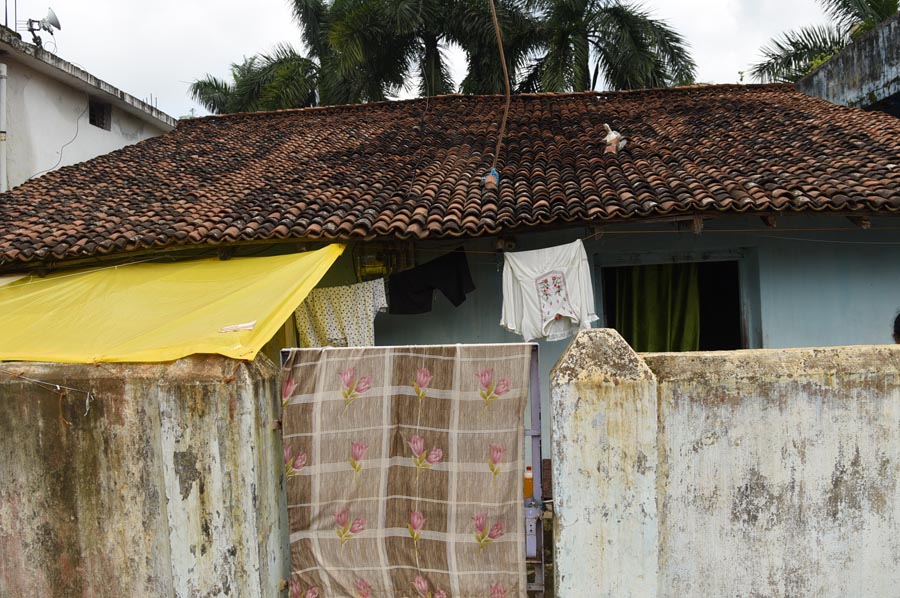
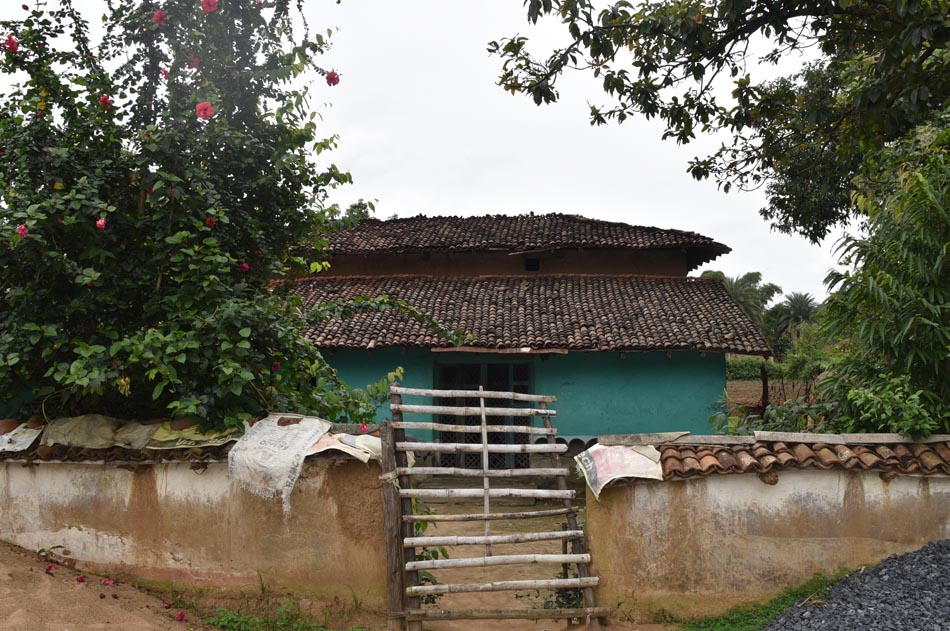
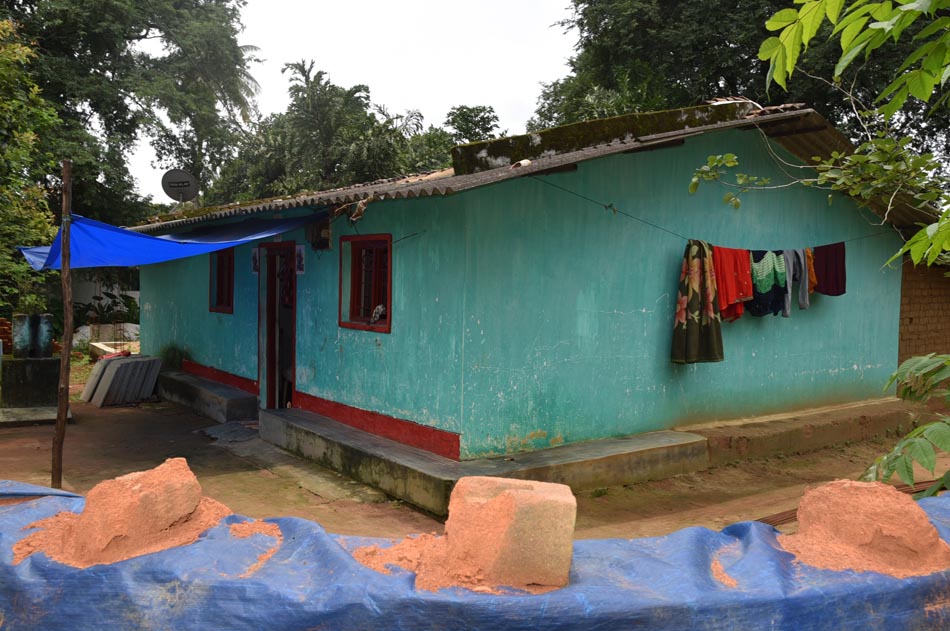
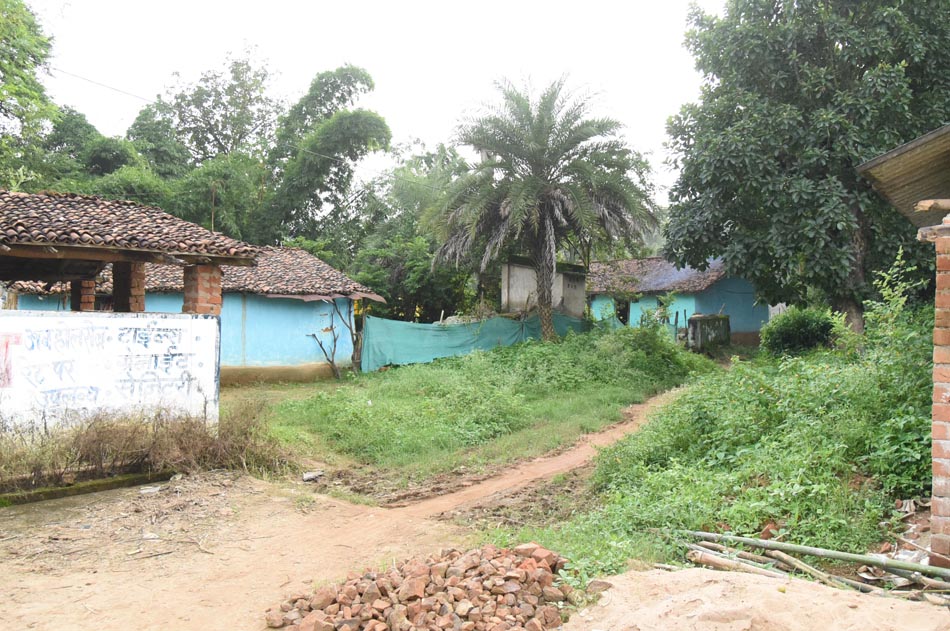
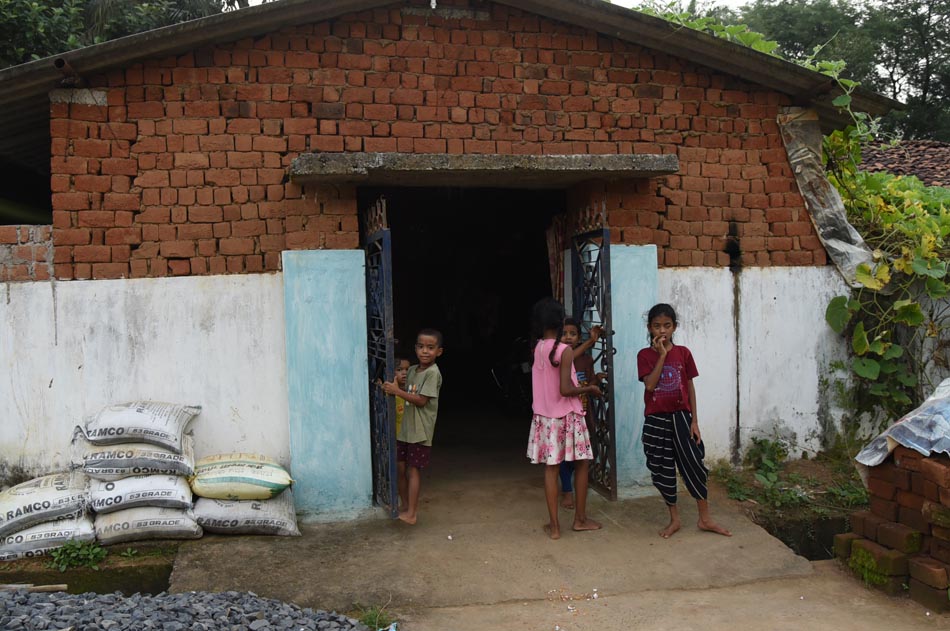
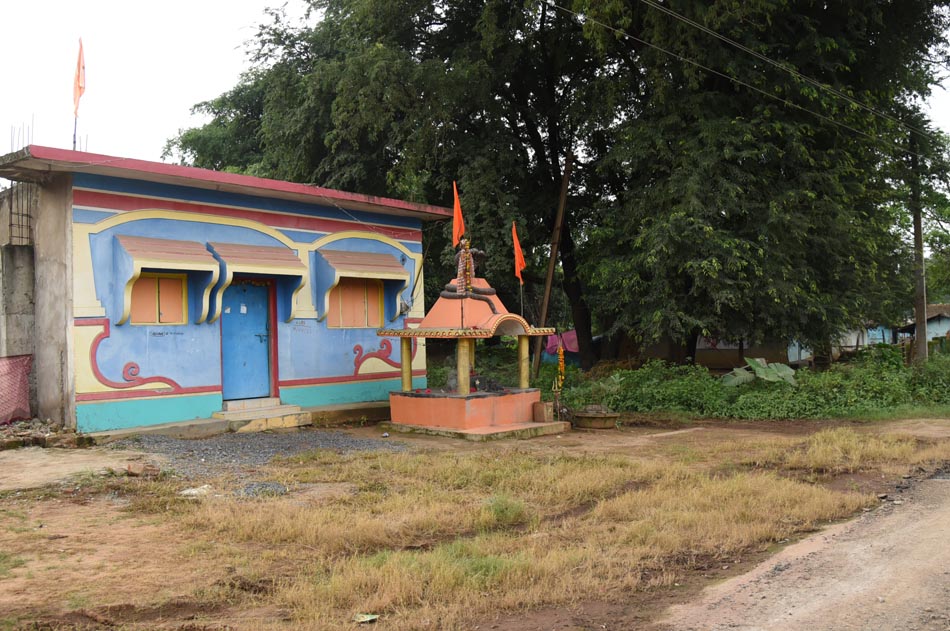
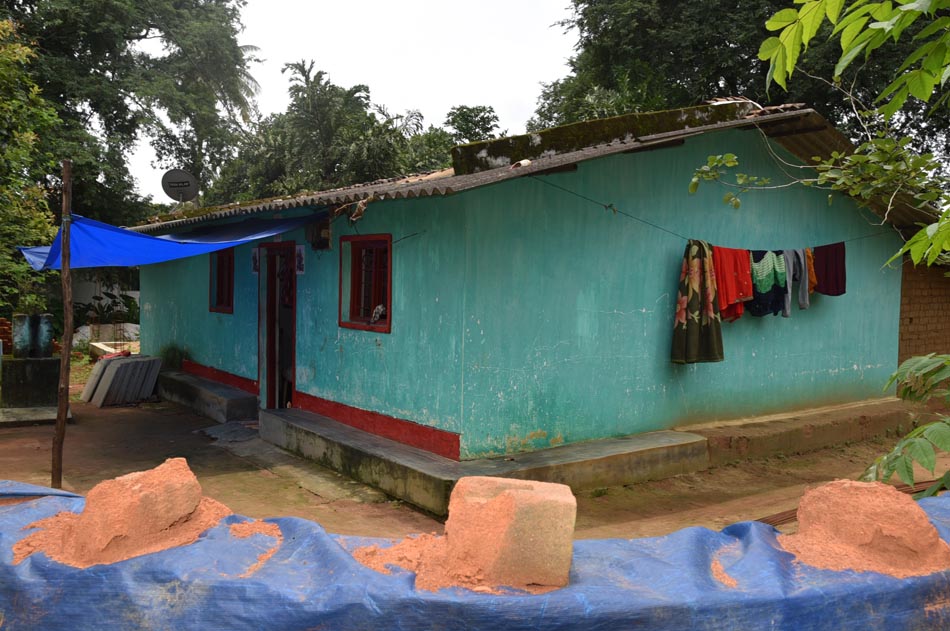
Kondagaon is no longer a village; it has grown into a bustling town. Its architecture has changed with time, today it is difficult to spot the old houses with sloping roofs and clay tiles. Almost all houses have now been replaced with brick and cement structures, a change brought about by urban influence and improved financial conditions.
Unfortunately, most new constructions do not follow the local aesthetic. Buildings look almost identical, making Kondagaon visually uniform and less distinctive in terms of architecture. For those wishing to explore authentic traditional houses, one must take turns off the main road leading into the city, where older settlements still preserve the original styles.
Broadly, Kondagaon’s built environment can be divided into three categories:
Traditional Architecture: Tribal villages feature mud houses with thatched or tiled roofs, often decorated with local motifs and symbolic patterns.
Modern Infrastructure: The district now has educational institutions (some dating back to the 1930s), healthcare centers, government offices, and artisan clusters, reflecting its gradual urban growth.
Industrial Profile: Kondagaon is also home to timber mills, small-scale industries, and thriving handicraft clusters, particularly those centered on bell metal (Dhokra) and woodcraft.
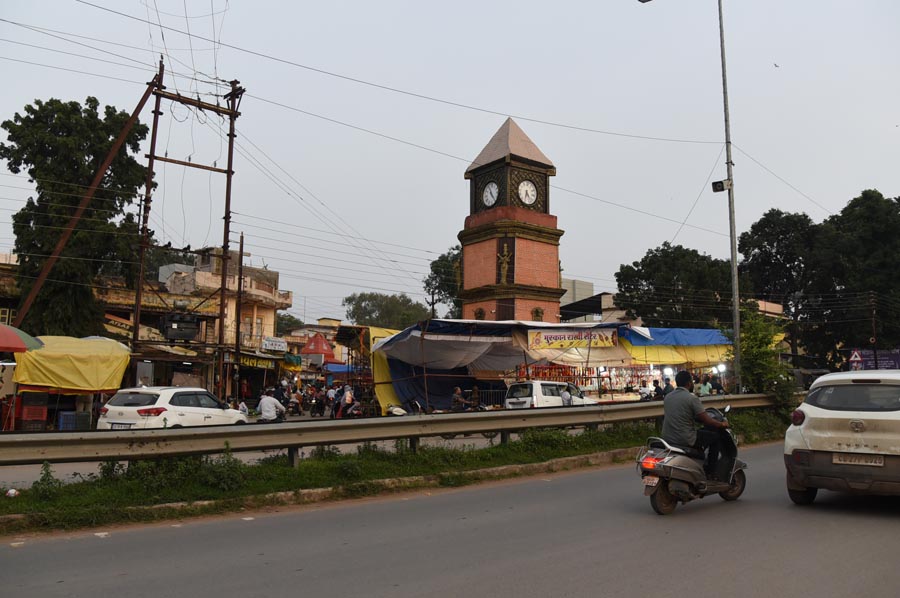
Kondagaon carries within it the vibrant pulse of Bastar’s living traditions, where festivals, rituals, and everyday practices reflect a seamless weave of community, art, and belief. The cultural calendar is alive with celebrations such as the Goncha Festival, Bastar Dussehra, Hareli, and Pola, among many others. In the local Halbi language, the words Jagar and Jatra describe these communal gatherings, where villages come together in color and rhythm. Men and women don their traditional tribal attire and join in dances that echo through the night, accompanied by a rich orchestra of indigenous instruments: the Mandar (double-headed drum), Dhapra and Nishan (large drums), Nagara, and Dholak, alongside wind instruments like the Tudburi, Mohri-Shehnai, Bansuri, and the Todi, a tribal trumpet. The soundscape extends to unique instruments rarely found elsewhere, the Surai Baja, an earthen pot instrument, and the Dhankul, crafted with a large pot, bow, and a frame, producing a distinctive resonance. Adding to the spectacle is the Tupki Barrel Gun, a harmless but loud instrument fired during festivities, mimicking the crack of a gun to heighten excitement.
Beyond the festivals, Kondagaon’s culture also speaks through its rituals of remembrance. In graveyards, families raise carved and painted memorial pillars to honor the departed, depicting scenes from the person’s life, their desires, passions, or objects they cherished most. These strikingly personal monuments stand as both markers of memory and vibrant expressions of the community’s philosophy, where life, art, and afterlife remain deeply intertwined. Together, such practices embody the unique cultural fabric of Kondagaon, a living heritage that nourishes and inspires its celebrated crafts.
Kondagaon, as a town and district headquarters, is home to a diverse mix of communities. On the main streets, you’ll find Marwari families running food shops, Punjabis engaged in the automobile trade, and Jains managing hotels and businesses. At first glance, it is difficult to distinguish people by appearance, most residents dress in modern clothing similar to any other Indian town.
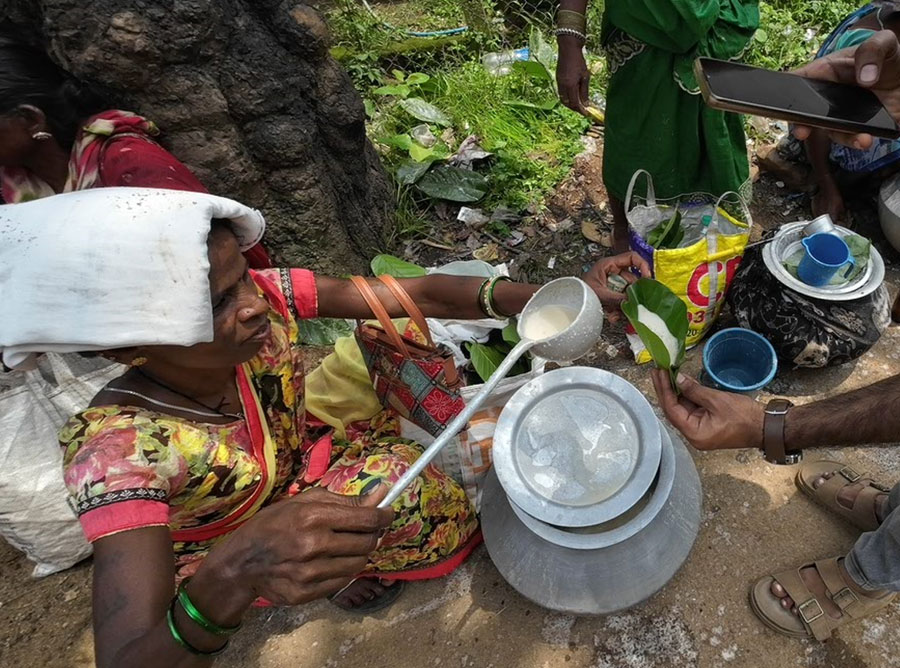
However, during the weekly haat bazaar, the diversity of the region becomes more visible. Kondagaon and its surroundings are home to several tribal communities, including the Gonds, Baigas, and Halbas, who have preserved their distinct traditions, languages, and vibrant cultural expressions for centuries. While clothing styles in town have become increasingly uniform, tribal identity can sometimes still be recognized through physical build, traditional tattoos, or ornaments.
Overall, Kondagaon has a mixed social fabric, shaped by traders, settlers, and tribal groups alike. The architecture and appearances may have modernized, but in conversations and interactions, one can still feel the true essence of the region, its warmth, resilience, and deep cultural roots.
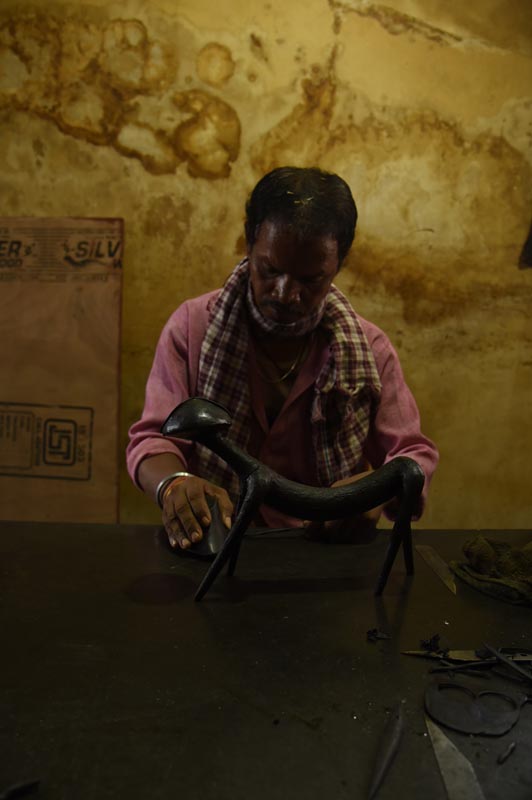
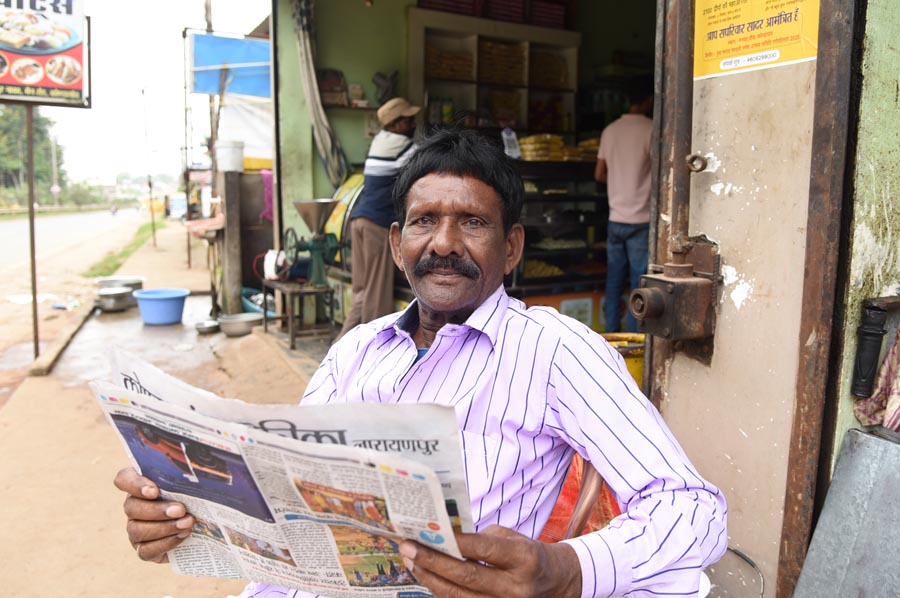
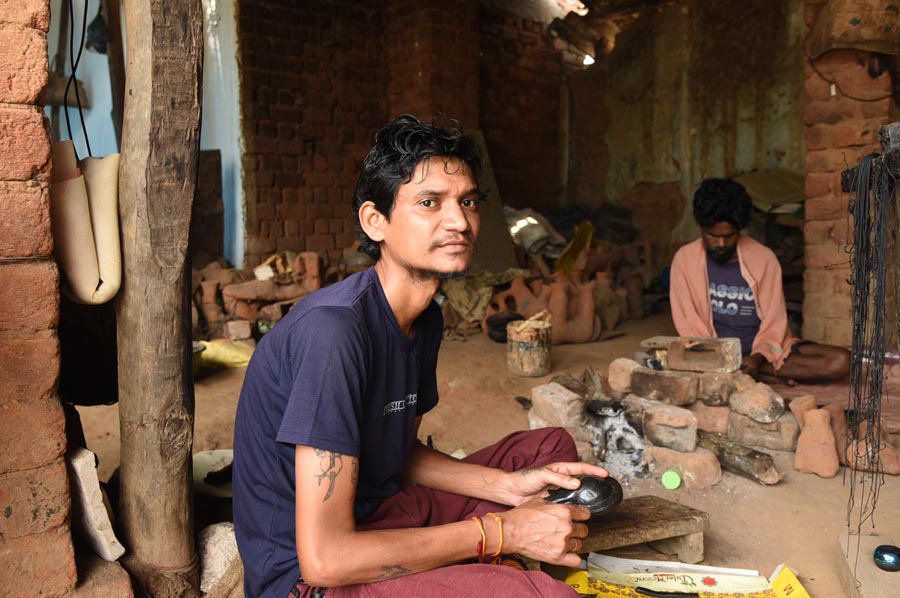
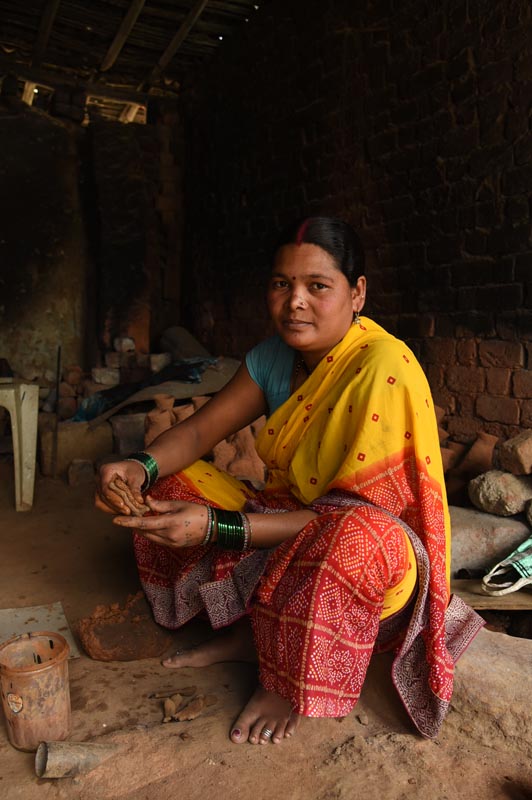
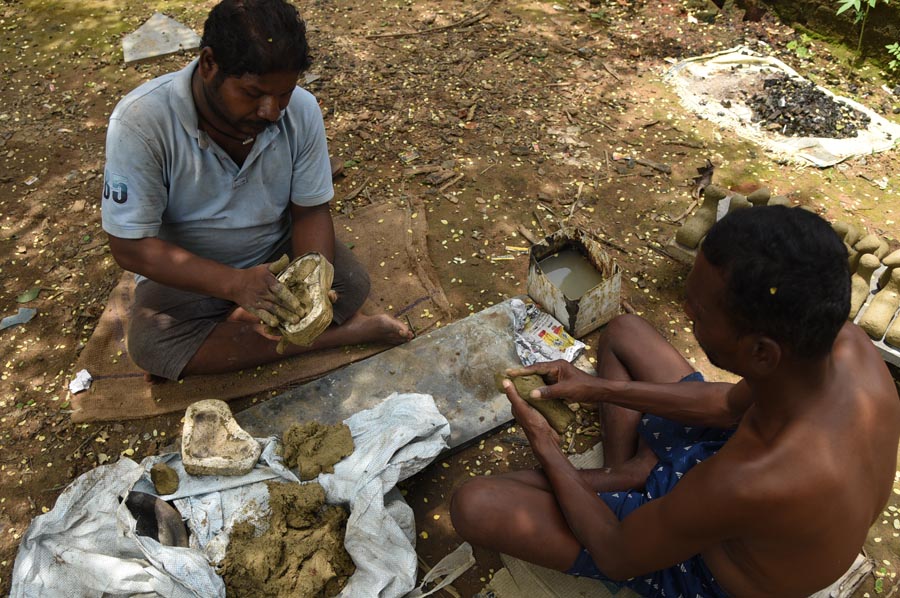
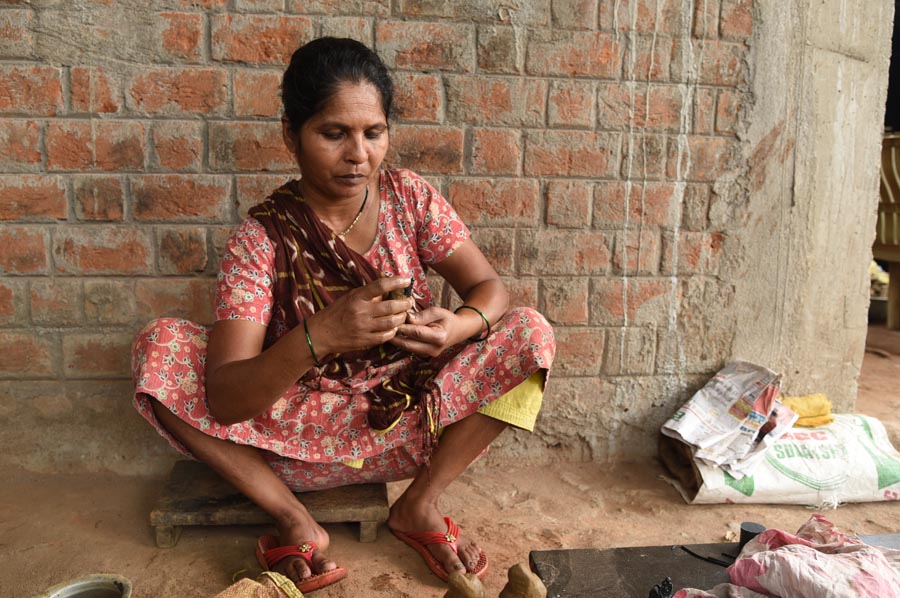
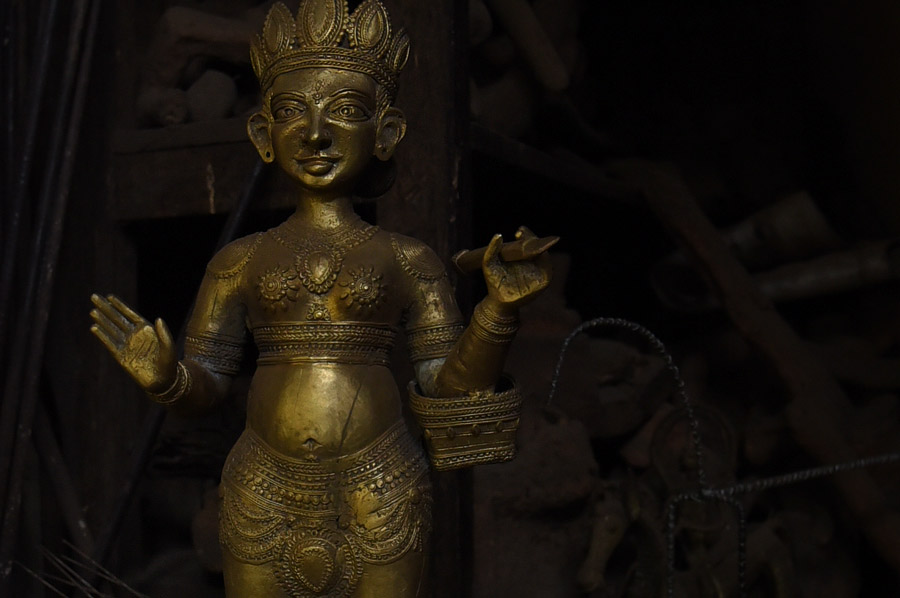
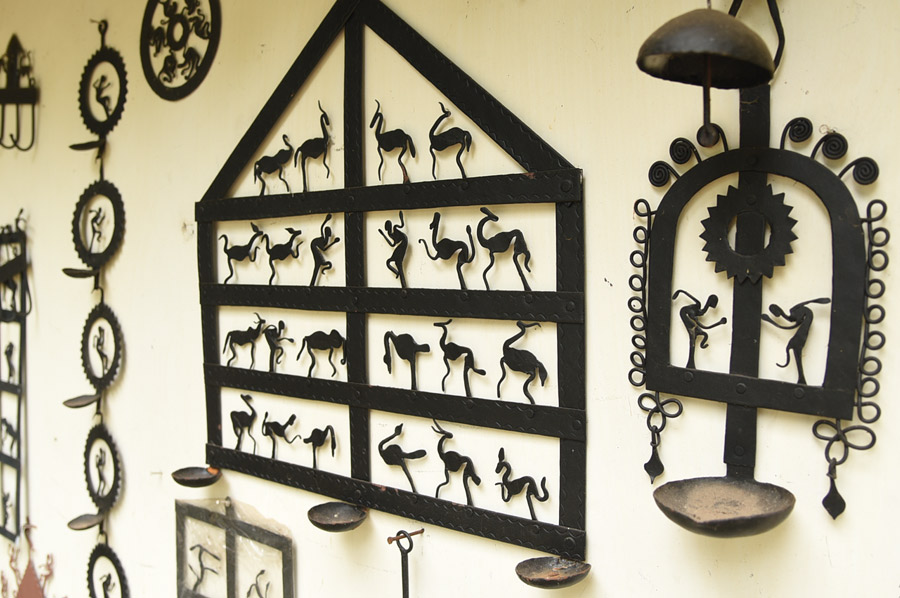
The main occupation around Kondagaon is farming, with rice being the primary crop. While traveling through the region, one can easily spot numerous rice mills along the way. However, the town is best known for its Dhokra craft, a traditional lost-wax metal casting technique practiced by the Ghadwa community, and for its distinctive wrought iron work.
Rich in tribal culture, the region also nurtures other crafts such as wood carving, bamboo work, and terracotta. Together, these diverse traditions contribute to Kondagaon’s reputation as the “Craft City” of Chhattisgarh.

List of craftsmen.
Team Gaatha
AsiaInCH. (n.d.). Clay and Terracotta of Chhattisgarh. AsiaInCH: Thinkers, Creators, Makers, Doers. Retrieved January 4, 2025
Khan, M. (n.d.). Bastar potters and their terracotta art.
Das, J., Sengupta, S., Bhattacharjee, S. & Saha, B. (2023). An Interactive Design Concept for Sustainability of Terracotta Production. International Journal of Design and Allied Sciences, https://handicrafts.nic.in/crafts/All_Crafts/Craft_Categories/Mud/Terracotta&Pottery/Bastar_Terracotta/Bastar_Terracottawebpage.html
https://www.outlooktraveller.com/explore/culture/bastar-tribal-heartland
https://ruralreporter.blogspot.com/2014/07/a-glimpses-tribal-art-and-craft-in-my.html
Tribal Art | The Living Tradition Of Bastar | Chhattisgarh, India
https://cghandicraft.cgstate.gov.in/en/clay-art
