


Sujani Craft ~Bhusra...
Sujani is a distinctive embroidery tradition of Bihar, particularly practised in Muzaffarpur district and surrounding villages.
Bhusra, Bihar, India...
 Muzaffarpur, Bihar, India...
 Patna, Bihar, India...
 Magadh, Gaya, Bihar, India...
Sujani is a distinctive embroidery tradition of Bihar, particularly practised in Muzaffarpur district and surrounding villages.
Bhusra, Bihar, India...

Arani silk, also known as Arni silk, is a celebrated handloom tradition of Tamil Nadu, produced primarily in Arani, Tiruvannamalai.
Arani, Tamil Nadu, India...
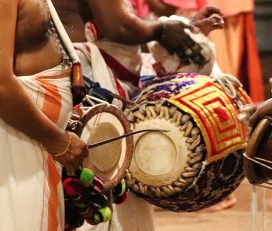
Peruvemba, a village near Chittur-Thathamangalam in Palakkad district of Kerala, is known for a longstanding tradition of making leather-based percussion instruments.
Peruvemba, Kerala, India...
Let us talk… if you feel the same love for handmade, and would like to support us by sharing your research or by contributing financially to our documentation efforts.
Reach us at [email protected]
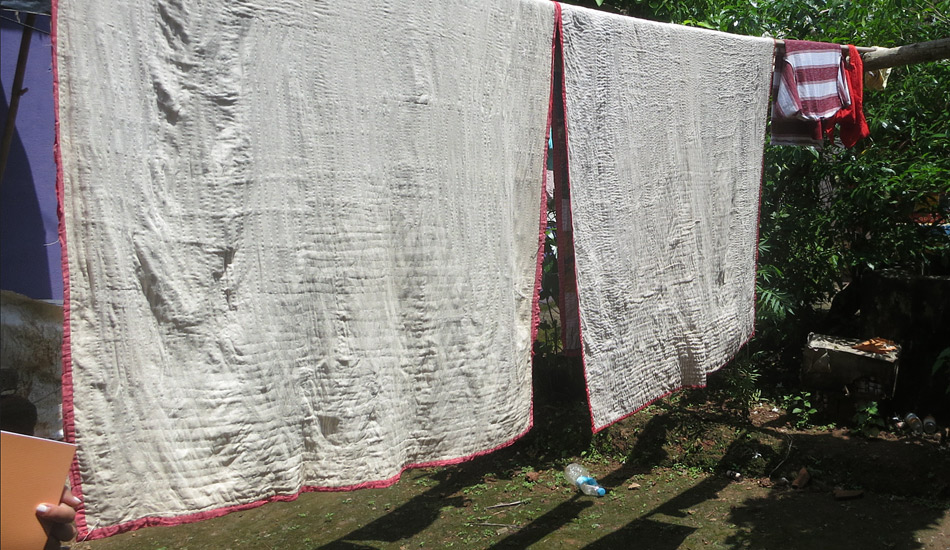
Sujani embroidery originated as a practical household textile made from necessity rather than commerce. In rural Bihar, where access to new clothing and household fabrics was limited, women preserved worn cotton saris and dhotis instead of discarding them. After removing the torn borders, they layered three or four pieces of softened cloth and stitched them together with fine running stitches to produce durable quilts known as sujani. These quilts were valued for their softness and warmth, making them particularly suitable for wrapping newborn children, covering bedding and protecting infants during the colder months. The repeated stitching not only held the layers together but also strengthened the fabric, allowing garments that had reached the end of their original life to acquire an entirely new purpose. Among rural households, Sujani formed an important part of the domestic economy. The embroidered quilts served as everyday bedcovers, mattresses, blankets, swaddling clothes and floor spreads that could withstand years of use. Since the materials were readily available within the household, women relied on their own labour rather than purchased goods to meet domestic needs. The making of Sujani therefore reflected both thrift and resourcefulness, demonstrating how embroidery functioned as a practical response to economic hardship while extending the life of valuable textiles. The craft also occupied an important place within family rituals and life-cycle ceremonies. A newly embroidered Sujani was traditionally prepared as part of the gifts given to a daughter at the time of her marriage. Rather than being viewed simply as a household object, the quilt represented maternal affection, care and continuity between generations. According to artisan Sanju Devi, preparing embroidered quilts for a daughter’s wedding was a common practice in many households, and these textiles often remained treasured family possessions long after the ceremony. Similarly, Sujani quilts made for newborn children reflected hopes for health, protection and prosperity, reinforcing the close association between embroidery and motherhood.
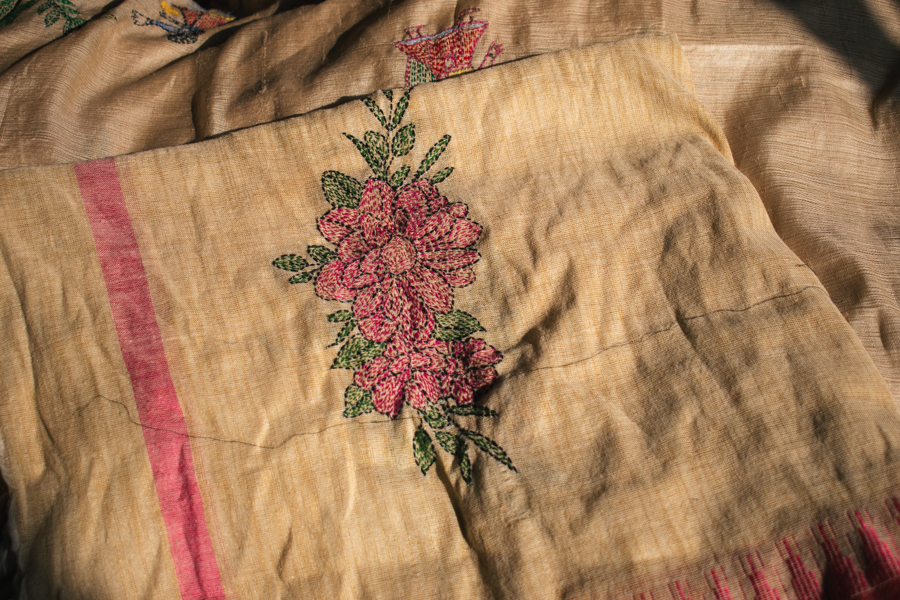
As the craft underwent revival during the late twentieth century, its applications expanded considerably beyond traditional domestic use. While quilts and bedcovers continue to be produced, artisans now create a wide range of embroidered furnishings including wall hangings, cushion covers, table runners, throws and decorative textile panels intended for contemporary interiors. The narrative quality of Sujani embroidery has made these products especially attractive as display pieces, allowing embroidered scenes to function as works of textile art as well as household furnishings. The growth of commercial markets has also transformed Sujani into an important textile for apparel. Artisans produce embroidered saris, dupattas, kurtas, jackets, stoles and dress materials that combine traditional hand embroidery with contemporary silhouettes. Cotton remains widely used because of its suitability for dense embroidery, while Tussar silk and Chanderi have become popular for premium garments intended for exhibitions and urban markets. The ability of Sujani to adapt to different fabrics has allowed the embroidery tradition to reach consumers beyond Bihar while preserving its distinctive stitched aesthetic.
In recent years, the product range has broadened further to include lifestyle accessories such as handbags, folders, diaries, clutches, pouches and other utility items. These products respond to changing consumer preferences while creating new sources of income for rural artisans. Educational institutions, museums, craft organisations and designers have also commissioned Sujani panels as exhibition pieces, recognising the embroidery not merely as decoration but as a narrative art form capable of communicating social concerns and cultural histories.
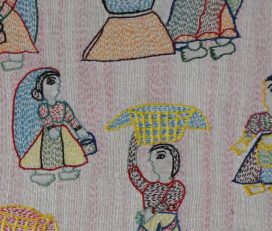
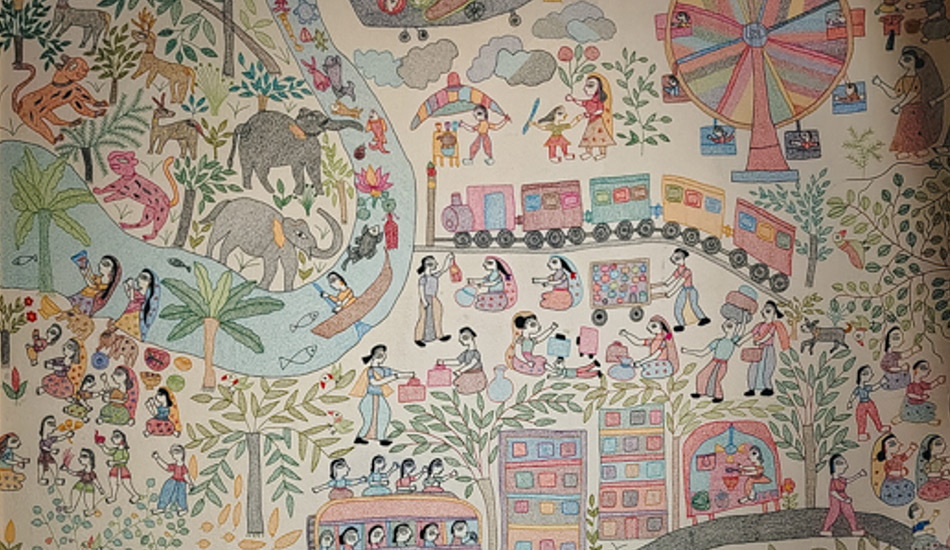
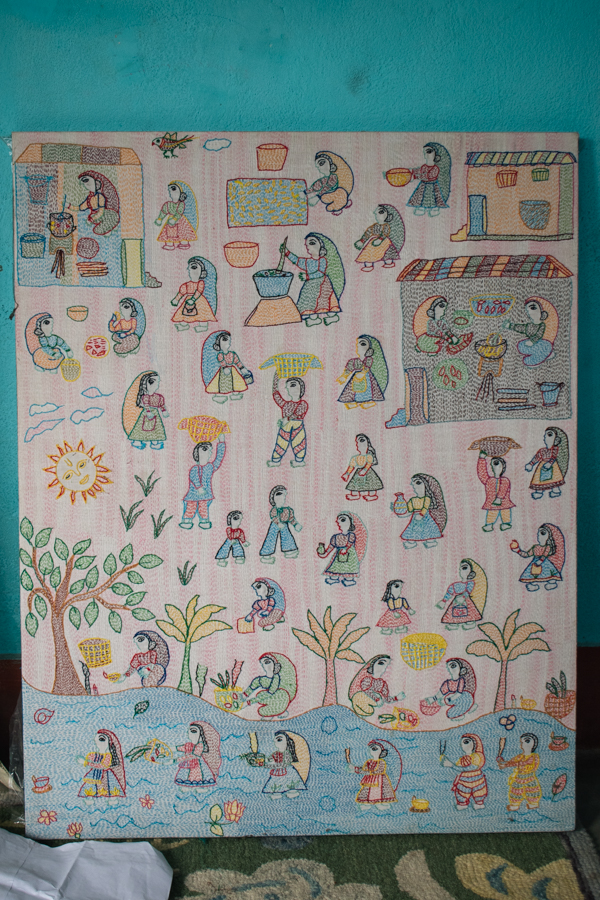
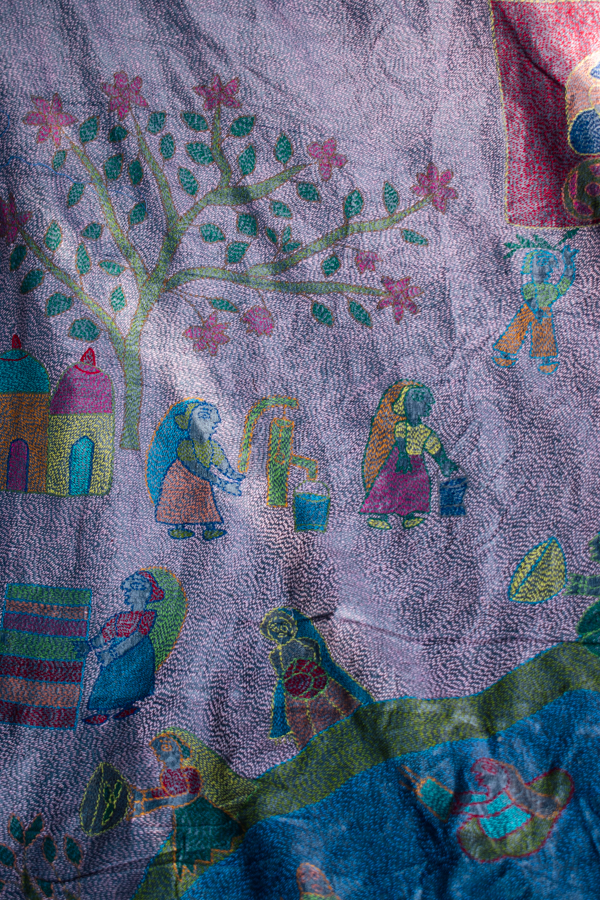
Beyond its material applications, Sujani functions as a medium through which women record their experiences and observations. Many embroidered compositions portray village life, agricultural labour, marriage ceremonies, local festivals and everyday domestic activities. Contemporary artisans increasingly use the surface of the cloth to address issues such as dowry, domestic violence, environmental conservation, education, healthcare, migration and women’s rights. In this way, the embroidered textile has evolved from a utilitarian household object into a visual archive of rural society, documenting social realities that are often overlooked in conventional historical records. Today, Sujani occupies a unique position within India’s craft traditions because it continues to balance practical utility with artistic expression. Whether produced as a quilt, a garment or a contemporary accessory, every piece retains the labour-intensive hand embroidery and narrative quality that define the tradition. Its continued use across domestic, commercial and artistic contexts demonstrates the remarkable adaptability of a craft that emerged from everyday necessity but has grown into an internationally recognised symbol of Bihar’s textile heritage.
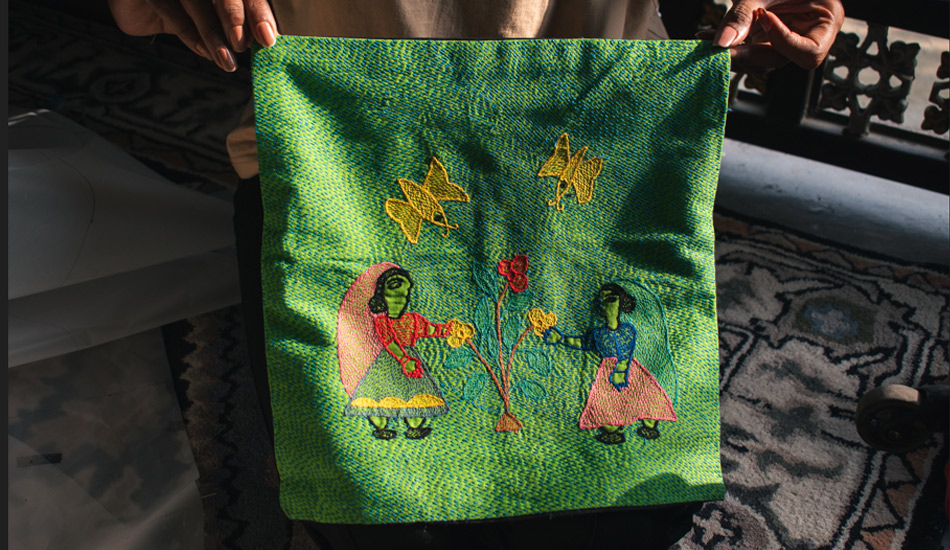
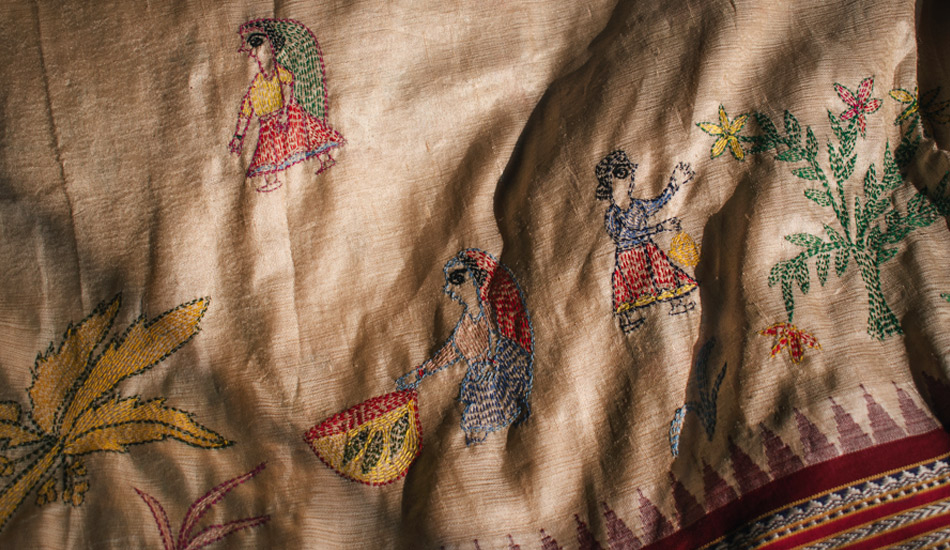
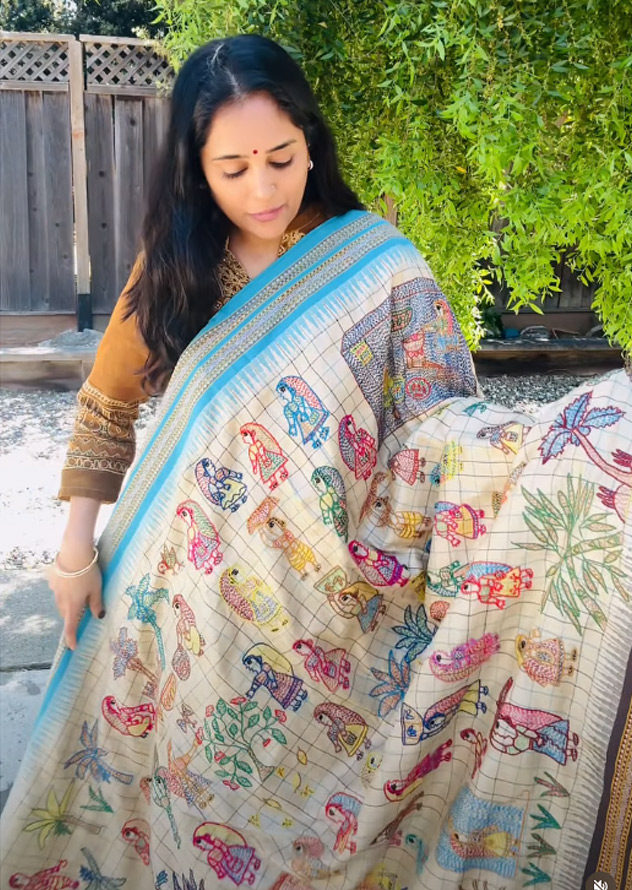
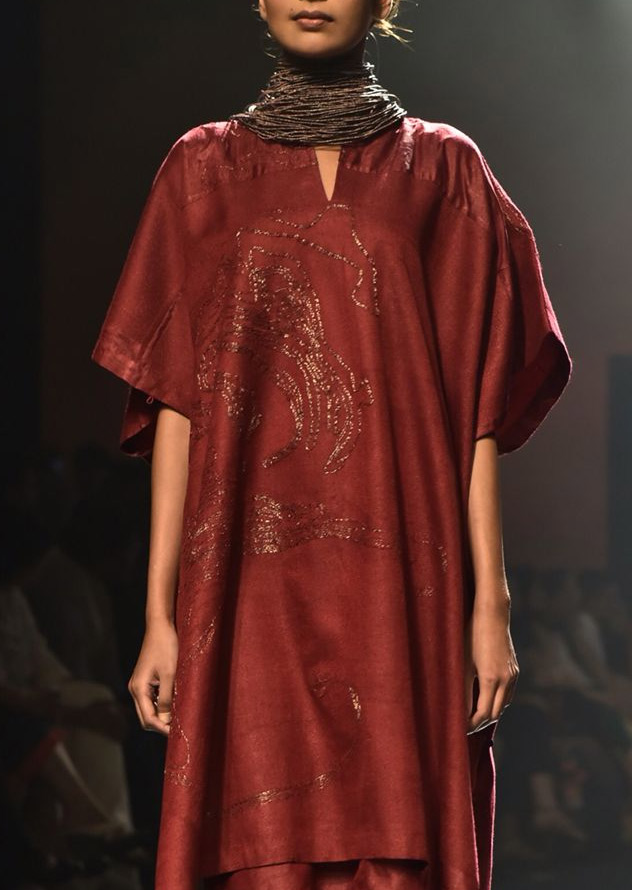
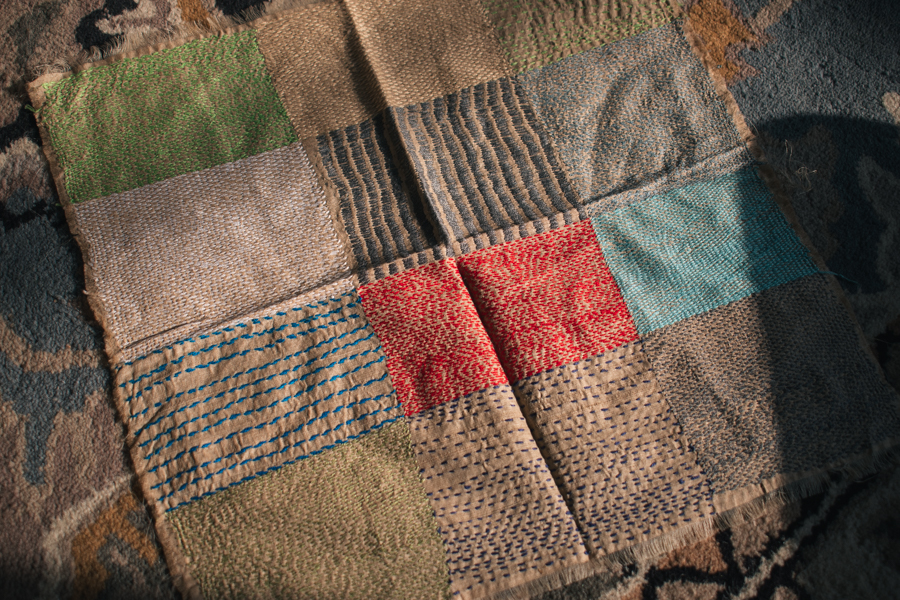
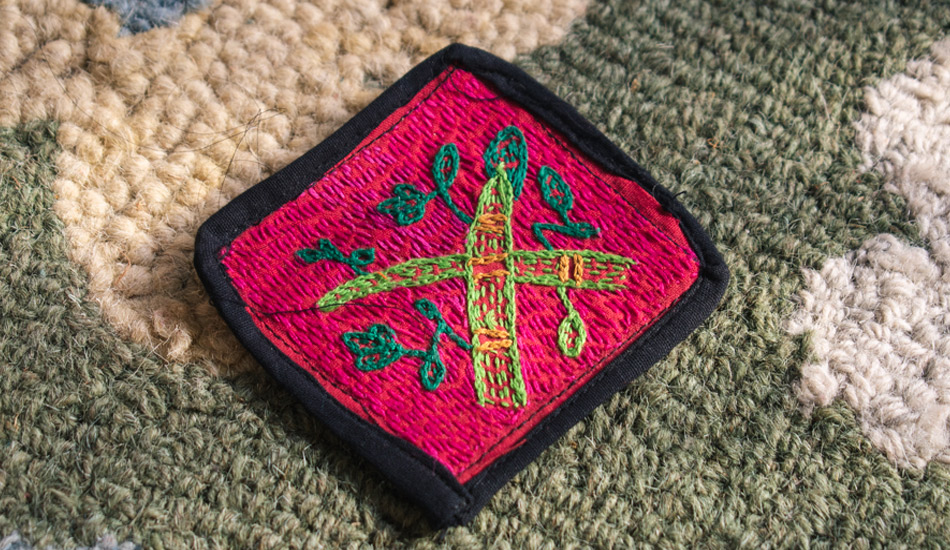
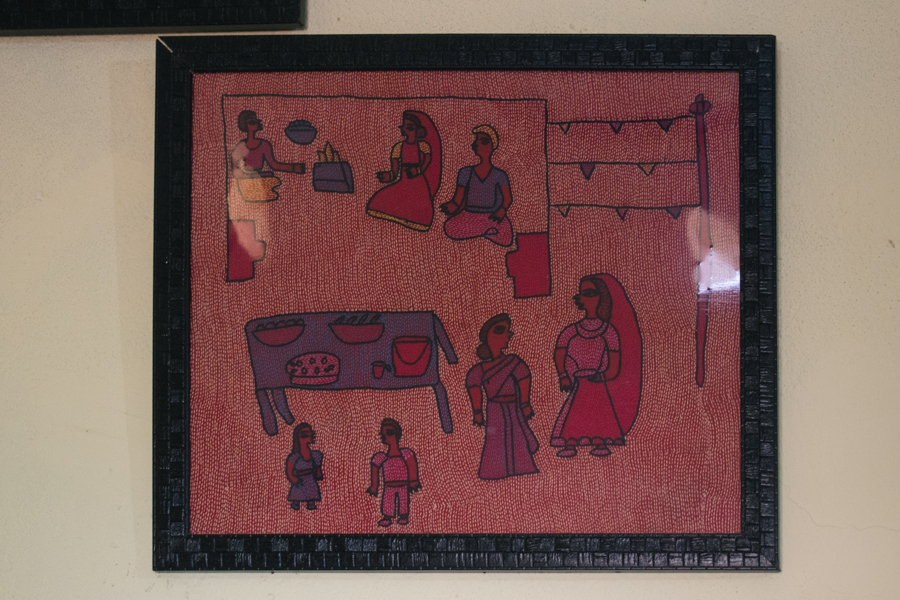
Sujani embroidery occupies a distinctive position within the cultural landscape of Bihar because it embodies artistic practice, social history and women’s lived experiences within a single textile tradition. While the craft originated as a practical method of recycling worn household fabrics, it has gradually evolved into one of India’s most important forms of narrative embroidery. Today, Sujani is valued not only for its aesthetic qualities and technical excellence but also for its contribution to women’s livelihoods, the preservation of intangible cultural heritage and the documentation of rural life. The recognition of Sujani through the Geographical Indication (GI) tag in 2006 further established its identity as a craft unique to Bihar, while subsequent national and international recognition, including support through UNESCO-associated initiatives and government development programmes, has strengthened efforts to preserve and promote the tradition.
Social Significance
For generations, Sujani has functioned as a means through which women expressed care, affection and familial responsibility. Traditionally, embroidered quilts were prepared within the household for newborn children and daughters entering marriage. The time invested in stitching each piece reflected the emotional value attached to the object, making the finished embroidery an heirloom that carried memories across generations. Unlike commercially produced textiles, every Sujani quilt bore the personal labour and creativity of the woman who embroidered it, giving each piece a unique identity. The revival of Sujani transformed the social role of the craft by creating new opportunities for women who had limited access to paid employment. In many villages of Muzaffarpur, particularly among Rajput and Brahman households, social customs discouraged women from working outside their homes. Embroidery offered an acceptable means of earning an income while allowing them to continue working within domestic spaces. This change gradually altered women’s position within their families, enabling many artisans to contribute directly to household expenses, children’s education and financial decision-making. The craft also fostered strong networks of cooperation among women. Large quilts and bedcovers often require three or four artisans to work simultaneously, beginning from opposite ends of the fabric before meeting at the centre. Such collaborative production encourages the sharing of skills, mutual support and collective responsibility. New artisans undergo structured training under experienced embroiderers, ensuring that techniques, design principles and local knowledge continue to be transmitted from one generation to the next.
Cultural Significance
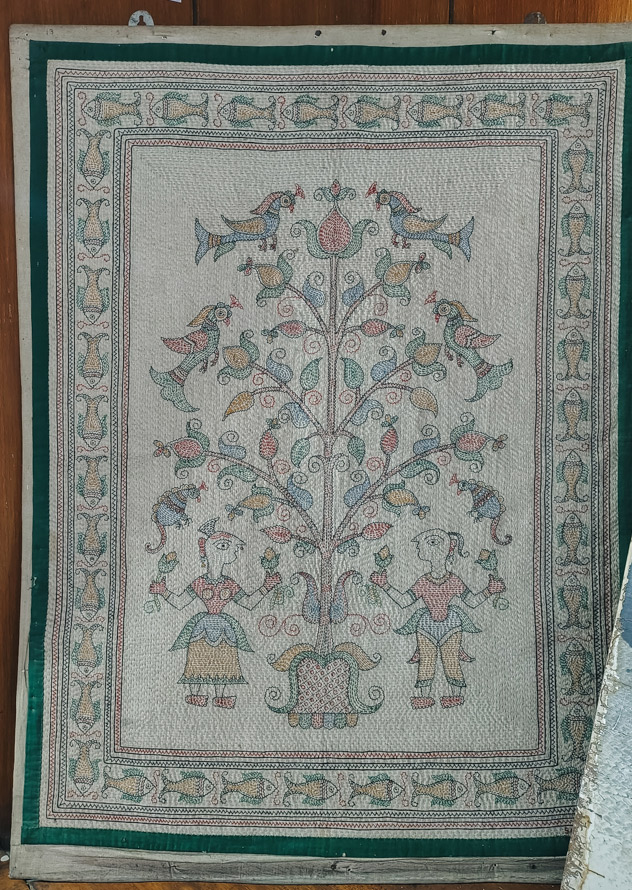
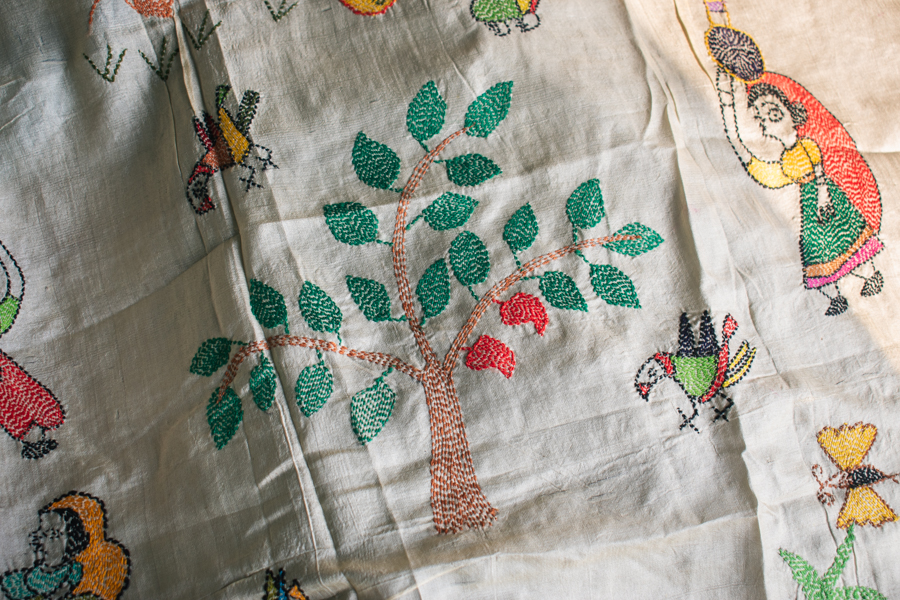
Sujani serves as an important repository of Bihar’s cultural memory. Traditional embroideries draw inspiration from village life, agricultural landscapes, festivals, marriage ceremonies, local flora and fauna and the rhythms of everyday existence. Motifs such as the sun, clouds, elephants, fish, horses, peacocks and parrots reflect local beliefs concerning fertility, prosperity, protection and harmony. The embroidery therefore preserves visual traditions that have long formed part of rural life in north Bihar. Unlike many embroidery traditions that focus primarily on decorative repetition, Sujani is distinguished by its narrative character. Each textile becomes a pictorial record in which women recount stories drawn from observation and experience. Contemporary artisans continue this tradition by depicting subjects such as education, environmental awareness, women’s rights, migration, healthcare, dowry, domestic violence and social inequality. These embroidered narratives transform ordinary cloth into a visual archive of changing rural society, allowing women’s voices to become visible through textile art rather than written text. The craft also demonstrates the continuity of vernacular knowledge systems. Although commercial production has introduced new fabrics and markets, artisans continue to rely upon inherited stitching techniques, traditional compositional principles and local aesthetic conventions. Human figures are generally shown in profile, women are distinguished by the drape of the pallu and motifs continue to be arranged according to conventions passed down through successive generations. These visual rules preserve the distinctive identity of Sujani even as new themes and products are introduced.
Economic Significance
The revival of Sujani has created an important source of rural employment, particularly for women in Muzaffarpur district and neighbouring villages. Today, the principal production centres around Bhusura and the surrounding villages support a large network of artisans who collectively produce embroidered textiles for domestic and international markets. The expansion of the craft has generated opportunities not only for embroidery but also for training, quality control, marketing and design development, creating an interconnected rural craft economy. Income from Sujani varies according to the complexity of the work and the time invested by individual artisans. According to Sanju Devi, women who embroider only occasionally may earn around Rs 500 per month, whereas highly skilled artisans working consistently can earn as much as Rs 15,000 for a single intricately embroidered sari. Experienced embroiderers handling regular orders may earn between Rs 20,000 and Rs 30,000 per month, demonstrating how the craft has become a significant source of financial independence for many rural households. Commercial demand has also encouraged product diversification. In addition to quilts and household furnishings, artisans now produce garments, accessories and exhibition pieces that appeal to urban consumers and international buyers. Collaborations with designers, educational institutions and craft organisations have expanded market opportunities while encouraging innovation within the traditional framework of the craft. At the same time, institutions such as the Sujini Mahila Jeevan Foundation continue to organise production, provide training and secure orders that sustain employment for hundreds of women across the region. Beyond its monetary value, Sujani represents an example of how traditional craftsmanship can contribute simultaneously to cultural preservation, sustainable livelihoods and women’s empowerment. By transforming inherited domestic knowledge into a recognised artistic practice, the craft continues to strengthen both individual artisans and the communities that sustain it.
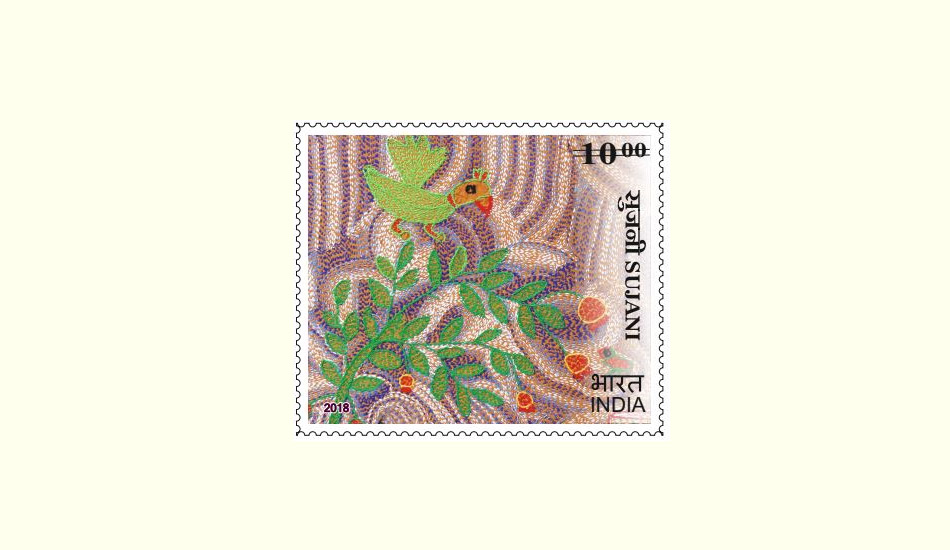
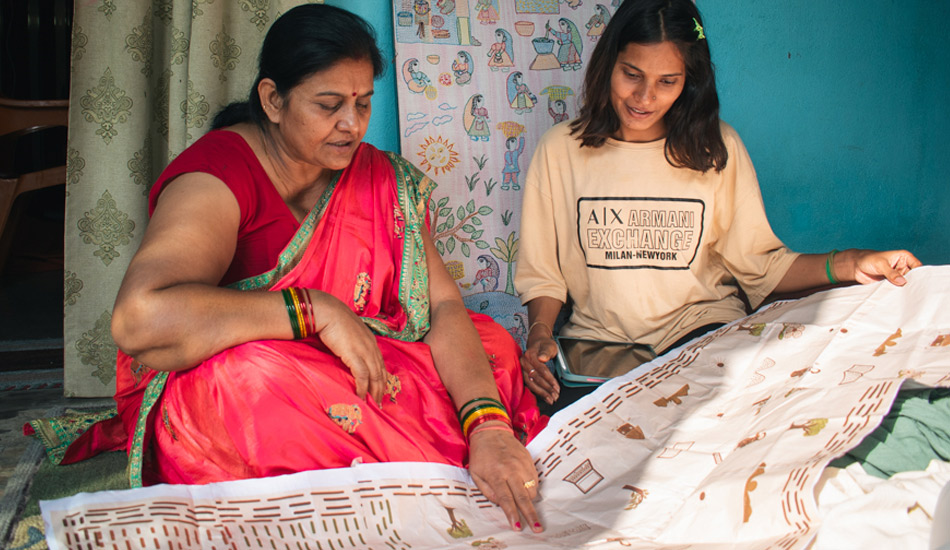
Like many traditional crafts of the Indian subcontinent, Sujani embroidery is sustained not only by inherited techniques but also by local beliefs and oral traditions that explain its sacred origins. Among artisan communities in Bihar, the craft is associated with Chitiriya Maa, also known as the Lady of Tatters, a folk deity believed to watch over worn cloth, motherhood and the wellbeing of children. Although references to the goddess are largely preserved through oral tradition rather than written religious texts, her association with Sujani reflects the intimate relationship between embroidery, domestic labour and feminine creativity. According to local belief, Chitiriya Maa taught women how to transform torn and discarded textiles into useful household objects through patient hand stitching. At a time when new cloth was scarce and families depended upon careful reuse of every available resource, the act of repairing and layering old garments was regarded as both a practical necessity and an act deserving of divine blessing. Rather than viewing torn cloth as waste, women understood it as material that could be given a second life through embroidery. In this way, the goddess came to symbolise renewal, resilience and the ability to create beauty from hardship. The association between Chitiriya Maa and Sujani also reflects the central role of women within the household economy. Embroidery was traditionally undertaken by mothers, grandmothers and daughters who worked collectively while caring for children and managing domestic responsibilities. The craft therefore became closely linked with ideals of maternal protection, patience and nurture. Every completed quilt represented not only hours of labour but also the blessings that women hoped to invoke for the child or family member who would eventually receive it.
Unlike many textile traditions that derive their iconography directly from Hindu mythology, Sujani rarely illustrates formal religious narratives or sacred scriptures. Instead, its mythological foundation survives through belief in Chitiriya Maa and through symbolic motifs associated with protection, fertility and prosperity. The emphasis remains on the sacred nature of the act of stitching itself rather than on reproducing religious imagery. This distinction gives Sujani a unique place among Indian embroidery traditions, where spirituality is expressed through everyday domestic practice rather than elaborate devotional representation. The oral tradition surrounding Chitiriya Maa also reinforces the values that have long characterised Sujani embroidery. The careful conservation of cloth, the transformation of old textiles into new objects and the patient accumulation of thousands of hand stitches all symbolise endurance in the face of hardship. These stories acknowledge the difficult circumstances under which rural women historically lived while simultaneously celebrating their ingenuity and resilience. The embroidered quilt therefore becomes more than a household textile. It serves as a reminder that care, creativity and perseverance possess both material and spiritual significance.
Even today, many senior artisans continue to recount the story of Chitiriya Maa while teaching younger women the craft. Although contemporary Sujani has expanded into commercial markets and international exhibitions, these oral narratives preserve a sense of continuity with earlier generations of women who embroidered within their homes. Through these stories, the origins of the craft remain rooted not in royal workshops or urban guilds but in the lived experiences of rural women whose labour transformed necessity into artistic
The history of Sujani embroidery is closely intertwined with the social and economic history of rural Bihar. Unlike many courtly or aristocratic textile traditions that developed under royal patronage, Sujani emerged within ordinary households as a response to scarcity. The craft evolved among women living in agrarian communities where new cloth was expensive and often inaccessible. Rather than discarding worn cotton saris and dhotis, women carefully preserved them, removing damaged borders and layering several pieces of softened fabric together before securing them with thousands of fine running stitches. What began as a practical method of recycling gradually acquired artistic, emotional and ritual significance, transforming discarded cloth into objects associated with motherhood, marriage and family memory.
The earliest Sujani quilts were created almost entirely for domestic use. They were stitched for newborn children, used as bedding and prepared as gifts for daughters entering marriage. Every household developed its own visual vocabulary, drawing inspiration from the surrounding landscape, agricultural life, village festivals and everyday experiences. Since commercial embroidery threads were unavailable in many villages, women extracted individual yarns from the kor, or woven borders of old saris, and used these threads for embroidery. The old layered cloth itself was locally known as chithra, a reminder that the earliest Sujani emerged from materials that had already completed one life before being transformed into another. According to Sanju Devi, this practice continued through her grandmother’s generation when access to embroidery materials remained extremely limited. For centuries, Sujani remained confined to the domestic sphere and was rarely recognised outside the villages where it was practised. Women embroidered primarily for their families rather than for sale, and the knowledge of stitching techniques passed informally from mothers to daughters through observation and participation. Unlike many commercial craft traditions, there were no formal workshops or organised markets. The value of Sujani lay in its utility, the labour invested in its creation and the personal stories stitched into its surface rather than in its exchange value.
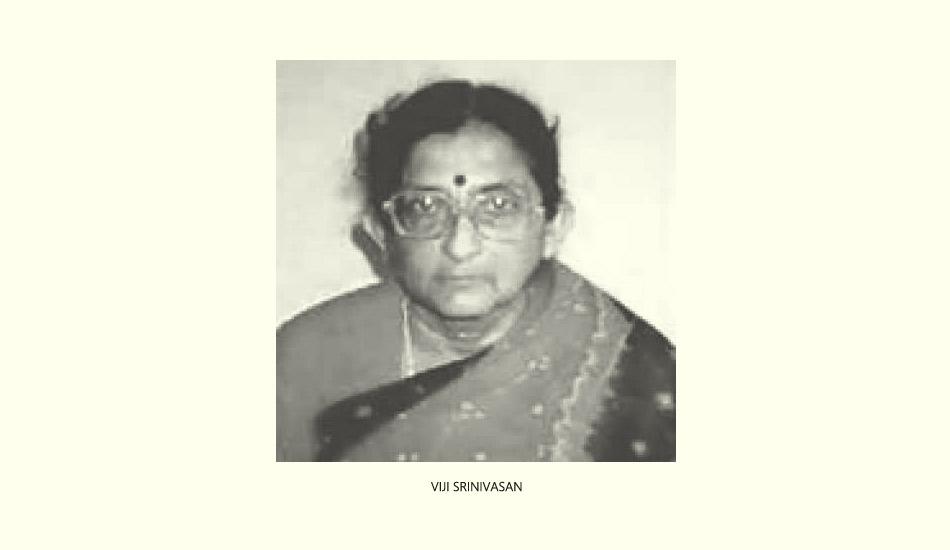
The transformation of Sujani into a recognised handicraft began in 1988, marking one of the most important turning points in its history. During this period, Viji Srinivasan, an officer associated with the Chennai-based non-governmental organisation ADITHI, visited villages near Muzaffarpur and observed that many women, particularly from upper-caste households, were prevented by prevailing social customs from seeking employment outside their homes. Recognising their exceptional embroidery skills, she encouraged a small group of local women, including Nirmala Devi, Kalpana, Saraswati Devi and Bibha, to adapt their traditional stitching techniques to create embroidered panels depicting scenes from their own lives. Rather than reproducing conventional decorative patterns, the women were encouraged to narrate their personal experiences through embroidery, a decision that fundamentally shaped the future identity of Sujani as a narrative textile tradition.
The first significant public exposure of the revived craft came during 1990 and 1991, when Sujani embroidery was exhibited at the Dastkar Haat in Delhi. Although the exhibition introduced the embroidery to urban audiences, commercial acceptance developed slowly. Early remuneration remained extremely low, with artisans receiving approximately Rs 30 for a finished piece. At the same time, agricultural labourers could earn between Rs 500 and Rs 600 through field work, making embroidery financially unattractive for many women from economically marginal communities. As a result, the initial revival was sustained largely by women from Rajput and Brahman households, many of whom had limited opportunities for employment outside the home because of prevailing social restrictions.
The economic prospects of the craft improved considerably after 2000, when support from the National Bank for Agriculture and Rural Development (NABARD) helped strengthen production and marketing. During this period, Professor Sky Morris played an important role in introducing Sujani to international markets, particularly Canada, creating export opportunities that significantly expanded the craft’s visibility beyond India. The combination of institutional support, organised training and growing market demand gradually transformed Sujani from a household practice into a sustainable source of rural employment. Another important milestone occurred in 2006, when Sanju Devi established the Sujini Mahila Jeevan Foundation, an organisation dedicated to organising production, training new artisans and expanding market access for embroidered products. The foundation helped consolidate the revival initiated during the previous decades and strengthened the participation of women across Muzaffarpur district.
Today, the principal production centres are concentrated in Bhusura and approximately fifteen neighbouring villages within the Ghaighatti Block of Muzaffarpur district, situated less than one hundred kilometres from the celebrated Mithila painting region. The organisation has expanded to include between 1,200 and 2,000 women artisans, while additional centres operate in Muzaffarpur city and Alawarpur in Patna, ensuring that the craft continues to grow without losing its rural character.
Formal recognition followed the revival. In 2006, Sujani embroidery received a Geographical Indication (GI) tag, acknowledging its unique regional identity and safeguarding its association with Bihar. This recognition elevated Sujani from a regional household tradition to a nationally protected craft and strengthened its reputation within India’s wider textile heritage. Subsequent recognition through UNESCO-supported initiatives and various government programmes further enhanced its visibility while encouraging younger generations of women to continue practising the embroidery. Today, Sujani stands as an example of how a tradition born from scarcity and domestic labour has evolved into an internationally recognised craft that preserves cultural memory while providing sustainable livelihoods for rural women.
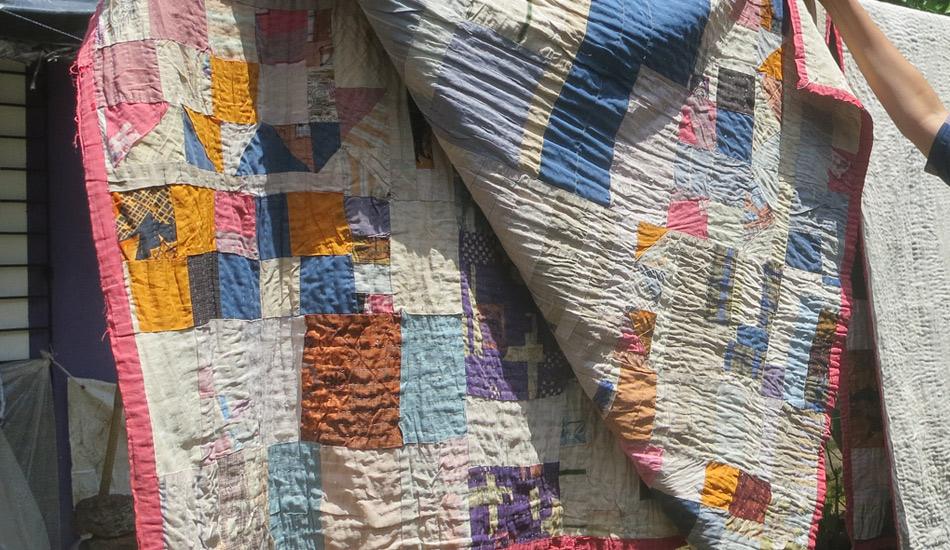
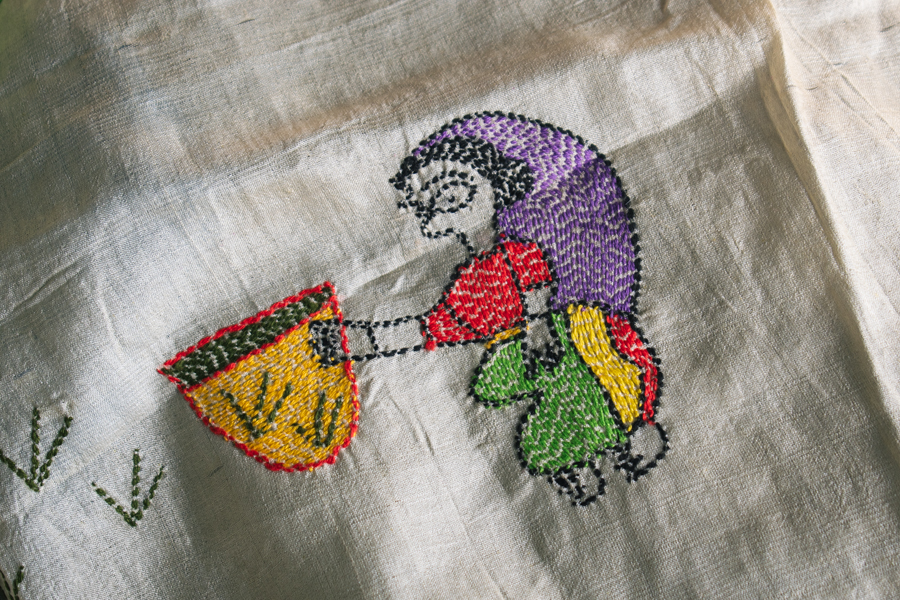
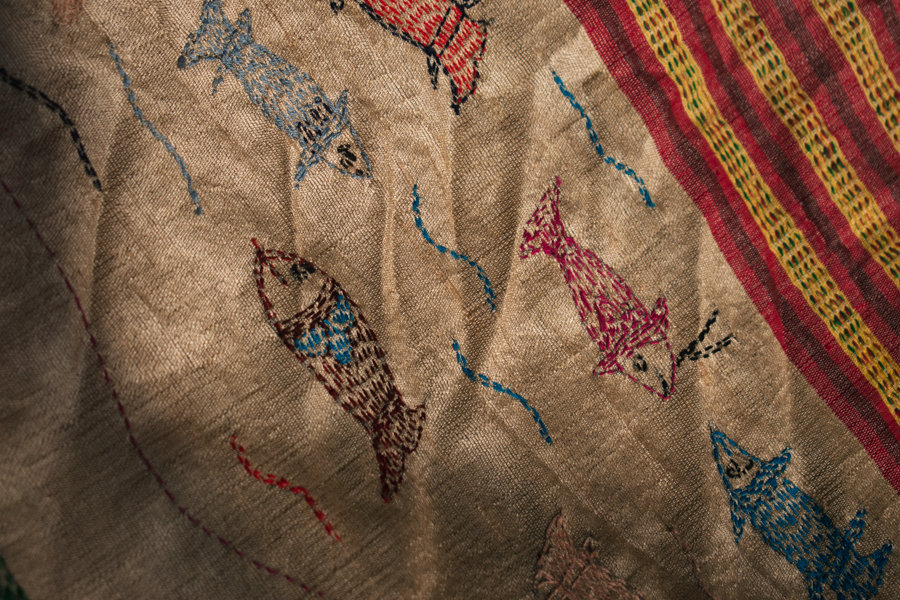
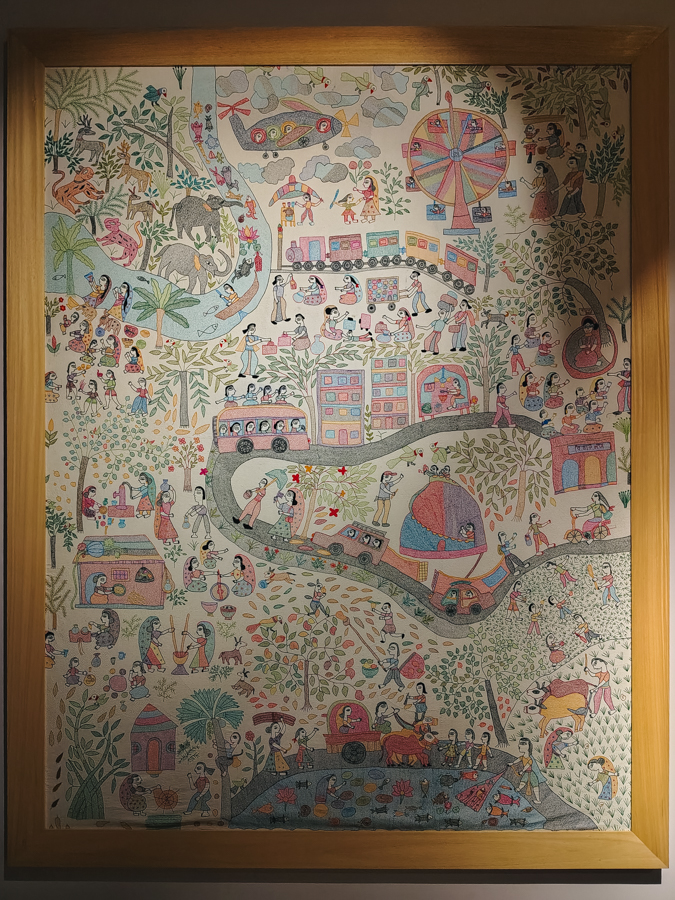
Despite receiving national and international recognition, Sujani embroidery continues to face a number of challenges that affect both the artisans and the long-term sustainability of the craft. Many of these difficulties arise not from the embroidery itself but from the physical demands of the work, irregular market opportunities, competition from imitation products and the economic realities of rural craft production. Although Sujani has created employment for hundreds of women across Muzaffarpur district, maintaining a steady livelihood through embroidery remains an ongoing struggle.
Physical Strain and Occupational Health
The most immediate challenge faced by Sujani artisans is the physical nature of the work. The embroidery requires exceptional concentration and an extremely high stitch density, often ranging between 105 and 210 stitches per square inch. Completing even a moderately sized product demands prolonged periods of close visual attention, placing considerable strain on the eyes. According to Sanju Devi, continuous embroidery frequently causes blurred vision, headaches and eye fatigue, particularly among senior artisans who have spent decades practising the craft. Although women generally limit continuous stitching to a few hours, the pressure of completing large commercial orders often forces them to work much longer than is physically comfortable. The repetitive movements involved in embroidery also contribute to physical discomfort. Long hours spent sitting in the same position while repeatedly moving the needle through densely stitched fabric place strain on the hands, wrists, shoulders and lower back. Since most embroidery is undertaken within homes or small production centres rather than purpose-built workshops, ergonomic seating and adequate lighting are rarely available. These conditions gradually affect the health and productivity of many artisans, particularly older women.
Weather and Working Conditions
Seasonal weather significantly influences the production cycle of Sujani embroidery. During the monsoon, heavy rainfall often interrupts work because many artisans live in houses that do not provide adequate protection from moisture. Damp conditions make it difficult to preserve fabrics and threads, while poor lighting further reduces the number of hours available for embroidery. Winter presents a different set of problems. Many women rely on small open fires to keep warm while stitching. Working close to flames creates the constant risk of accidentally scorching or burning the fabric, particularly when handling valuable silk garments or large commissioned pieces. Since a single mistake can ruin weeks of labour, artisans remain extremely cautious throughout the colder months.
Distance and Accessibility
Although organisations such as the Sujini Mahila Jeevan Foundation provide organised workspaces, many women live several kilometres away from the production centre. Sanju Devi notes that some artisans travel up to five kilometres on foot to reach the foundation. Regular commuting is physically demanding, particularly during extreme weather or while balancing domestic responsibilities. To overcome this difficulty, many women prefer taking partially prepared fabric and embroidery materials back to their homes, allowing them to continue working at their own pace while managing household duties. While this arrangement offers flexibility, it also increases the need for careful supervision and regular quality checks to ensure consistency across completed products.
Errors and Quality Control
One of the most technically demanding aspects of Sujani is the difficulty of correcting mistakes. Unlike painting, where errors can often be covered, every incorrect stitch in embroidery must be removed individually using the needle. This painstaking process consumes considerable time and frequently weakens the thread or disturbs the surrounding stitches. Since the embroidery relies on highly regular stitch spacing, even minor inconsistencies become immediately visible on the finished surface. For this reason, continuous supervision by experienced master artisans remains essential, particularly when training new embroiderers. Senior artisans regularly inspect ongoing work, correcting stitch density, colour placement and compositional balance before errors become too extensive to repair. Maintaining consistent quality across large orders therefore requires constant monitoring throughout the production process.
Social Barriers
The early revival of Sujani was accompanied by considerable social resistance. According to Sanju Devi, many women who initially joined embroidery programmes faced ridicule from neighbours and members of their own communities. Commercial embroidery was viewed with suspicion, and women who devoted time to earning an independent income were often criticised for departing from conventional domestic expectations. Although these attitudes have gradually changed as the economic value of the craft has become widely recognised, the memories of these early experiences remain an important part of Sujani’s history. Today, the success of many artisans has contributed to greater social acceptance, and embroidery is increasingly regarded as a respectable profession for rural women.
Market Competition and Design Imitation
As Sujani has gained national recognition, artisans have encountered increasing competition from imitation products. Sanju Devi observes that commercial brands frequently attempt to reproduce traditional Sujani motifs and market them under different labels. Although experienced artisans believe that the distinctive texture and stitch quality of genuine hand-embroidered Sujani cannot easily be replicated, imitation products continue to affect the market by creating confusion among consumers and reducing the perceived value of authentic work. Another growing concern involves requests from external companies asking artisans to reproduce designs created by competing brands. Many rural embroiderers are unfamiliar with concepts such as copyright and intellectual property and therefore may not recognise that copying another designer’s work raises ethical and legal concerns. This creates difficult situations in which artisans unknowingly become involved in reproducing protected designs simply to secure employment.
Irregular Employment
Although the Sujini Mahila Jeevan Foundation is associated with nearly one thousand women, there is not always sufficient work available for every artisan throughout the year. Demand fluctuates according to exhibitions, export orders and seasonal sales, making employment inconsistent for many households. As a result, Sanju Devi and other organisers devote considerable effort to securing new commissions, collaborating with designers and identifying additional markets that can provide regular income for the women associated with the foundation. The future sustainability of Sujani therefore depends not only upon preserving traditional techniques but also upon strengthening market access, improving occupational health, protecting original designs and ensuring a continuous flow of work. While the resilience and creativity of Bihar’s women artisans have enabled the craft to survive for generations, addressing these structural challenges remains essential if Sujani is to continue flourishing as both a cultural tradition and a sustainable rural livelihood.
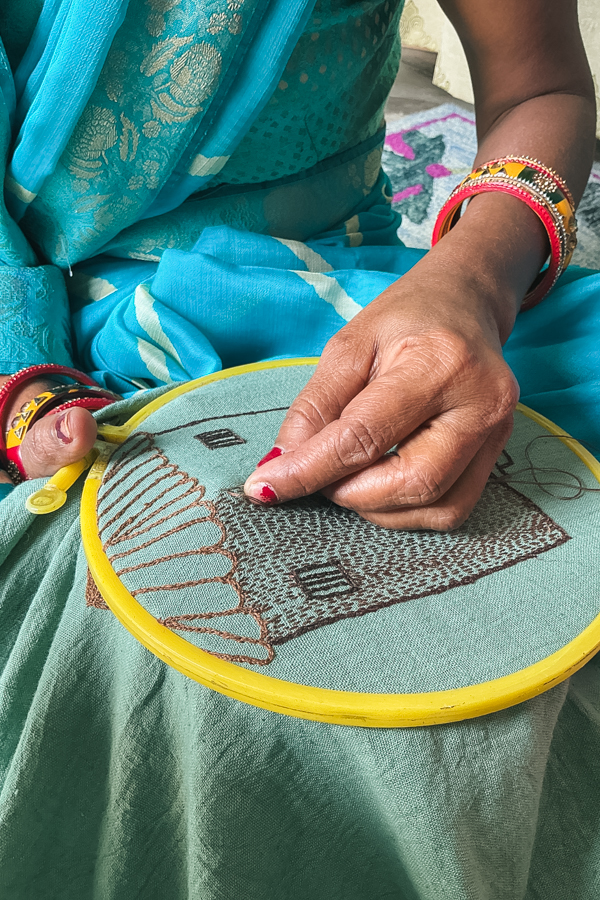
The making of Sujani embroidery is deceptively simple in technique but extraordinarily demanding in execution. Unlike many forms of embroidery that rely on a wide variety of decorative stitches, Sujani derives its visual richness from the repeated use of fine running stitches, backstitches and chain stitches arranged with exceptional precision. Every stage of production depends entirely upon handwork, requiring patience, concentration and a highly developed sense of proportion. The finished surface is built through thousands of individual stitches that gradually transform a plain piece of cloth into a richly textured narrative composition. According to experienced artisans, the quality of a Sujani piece is determined not by the complexity of its tools but by the consistency of its stitches, the balance of its composition and the patience of the embroiderer. Unlike many textile crafts where production follows rigid workshop schedules, Sujani continues to accommodate the rhythms of domestic life. Most artisans are rural women who combine embroidery with household responsibilities. Many begin stitching after completing morning chores, continue for a few hours during the afternoon and often resume work late in the evening. Women who work at organised production centres generally follow a schedule from approximately 10 AM to 5 PM, including a midday break. Even under these conditions, continuous embroidery is avoided whenever possible because prolonged stitching places considerable strain on the eyes and hands. During periods of large commercial orders, however, artisans frequently extend their working hours in order to meet delivery deadlines despite the physical discomfort involved.
The method of production also varies according to the size of the textile. Smaller articles such as cushion covers, bags and garments are generally completed by a single artisan. Large bedcovers, quilts and wall hangings, however, require the coordinated effort of three or four women working simultaneously. Each artisan begins stitching from a different section of the fabric, gradually advancing towards the centre while maintaining identical stitch density and spacing throughout the composition. This collaborative process demands considerable skill because differences in tension or stitch length would become immediately visible on the finished textile. Although commercial production has introduced new materials and organised training systems, the essential philosophy of Sujani remains unchanged. Every stage of the process continues to depend upon manual skill, close observation and the accumulated experience of generations of women who have preserved the craft through patient practice. Rather than relying on machinery or mechanical embellishment, Sujani derives its character entirely from the slow rhythm of hand embroidery, making each finished piece a unique record of individual craftsmanship.
The materials used in Sujani embroidery have changed significantly over time, reflecting the transformation of the craft from a domestic household practice into a commercially organised handicraft. Historically, the embroidery relied almost entirely on reused household textiles because purchasing new fabric was beyond the means of many rural families. Women collected old cotton saris and dhotis that had become too worn for everyday use, removed damaged borders and carefully layered three or four softened pieces together before stitching them into quilts and blankets. Even the embroidery threads were obtained by patiently pulling individual yarns from the woven borders, or kor, of old garments, allowing every available material to be reused. This resourceful approach reflected both economic necessity and a deep tradition of textile conservation. Commercial production has introduced a much wider range of materials while preserving the fundamental emphasis on lightweight natural fabrics. Artisans now procure cloth and embroidery supplies from local markets in Muzaffarpur as well as through organisations such as the Mahila Vikas Sahyog Samity (MVSS). The choice of fabric depends upon the intended product, the density of the embroidery and the overall weight that the finished article must carry. Since Sujani requires exceptionally dense stitching, excessively heavy base fabrics can make garments uncomfortable to wear and household textiles difficult to handle.
Among cotton fabrics, Salita is regarded as the highest quality material and is widely preferred for export products. It is valued for its smooth surface, durability and ability to support dense embroidery without excessive puckering. Artisans estimate its cost at approximately Rs 75 per metre. A second variety, Markeen, is available in cream, white and coloured versions. Slightly coarser than Salita and costing around Rs 30 per metre, it is widely used for standard household furnishings and export orders because it offers a balance between affordability and durability. Casement fabric, generally available in brown and black, is heavier and therefore preferred for wall hangings, cushion covers and decorative furnishings that require additional structural strength.
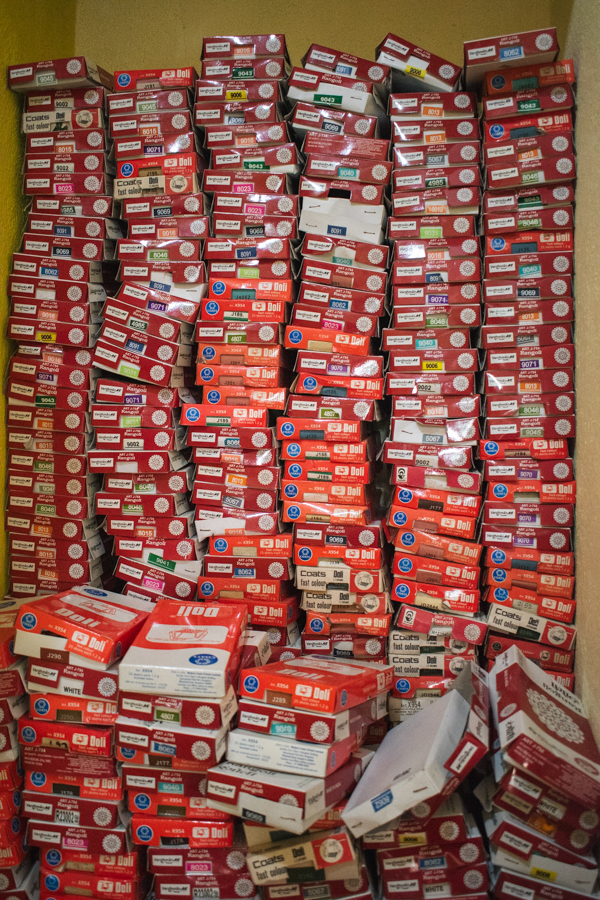
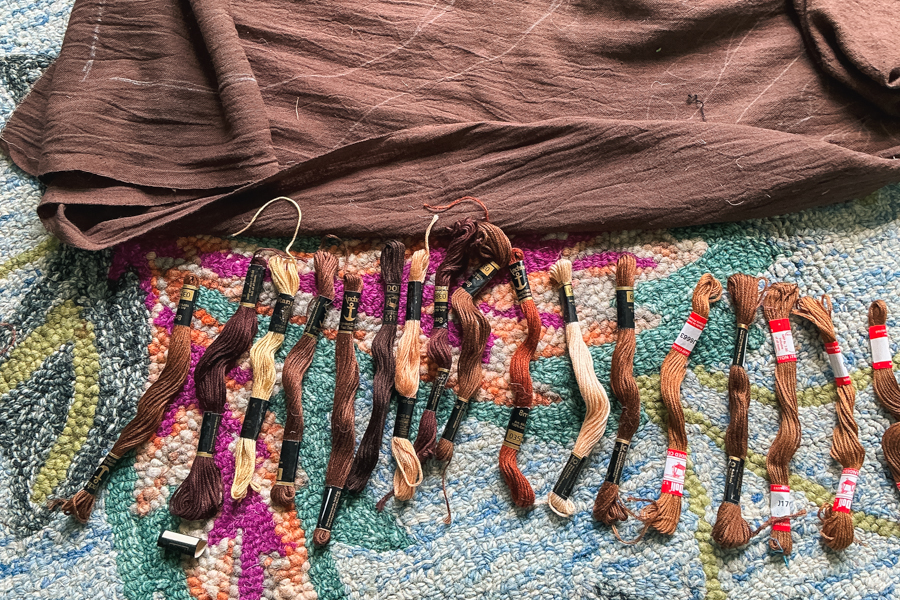
For premium products, artisans increasingly employ silk fabrics. Tussar silk, long associated with eastern India, is widely used for high-value saris, dupattas and dress materials because its textured surface complements the fine embroidery. More recently, Chanderi has also been introduced for lightweight garments intended for contemporary urban markets. Despite this diversification, artisans maintain a simple practical principle when selecting materials: any fabric may be used provided the needle can pass through it smoothly without damaging either the cloth or the embroidery. Embroidery threads have likewise undergone significant changes. Whereas earlier generations extracted yarn from old saris, artisans today use commercially manufactured cotton threads available in a wide variety of colours. The choice of thread thickness is carefully controlled because overly thick thread produces bulky embroidery, while excessively fine thread fails to provide adequate visual definition.
Several specialised thread varieties are commonly employed during different stages of production:
To maintain consistency across large production orders, artisans also employ specialised tracing materials. Designs are first prepared on tracing sheets before being transferred to the fabric using yellow carbon paper. Unlike ordinary blue carbon paper, the yellow markings disappear much more easily during washing, leaving no visible traces on the finished embroidery. This method allows complex compositions to be reproduced accurately while preserving the handmade quality of each embroidered piece.
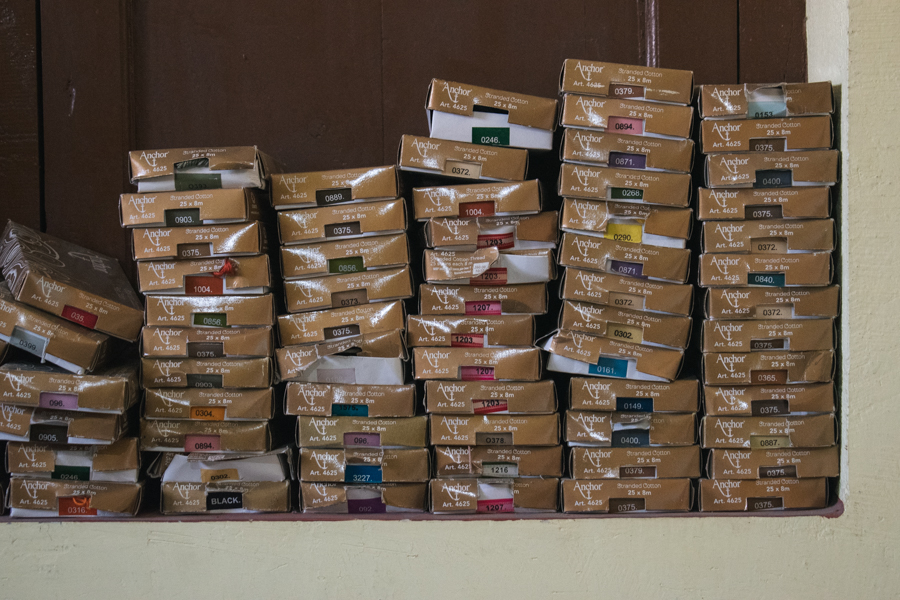
Although Sujani embroidery is recognised for the complexity of its finished appearance, the tools required to produce it are remarkably simple. The craft relies almost entirely on hand-operated implements that are inexpensive, widely available and easy to use. Unlike weaving or block printing, Sujani does not require specialised machinery or elaborate workshop equipment. Instead, the quality of the finished embroidery depends upon the artisan’s control over the needle, the regularity of the stitches and the careful handling of the fabric throughout the process. As the craft gradually moved from household production to organised commercial workshops, a few additional tools were introduced to improve efficiency and maintain consistency across larger orders. Nevertheless, the essential working methods remain rooted in traditional hand embroidery.
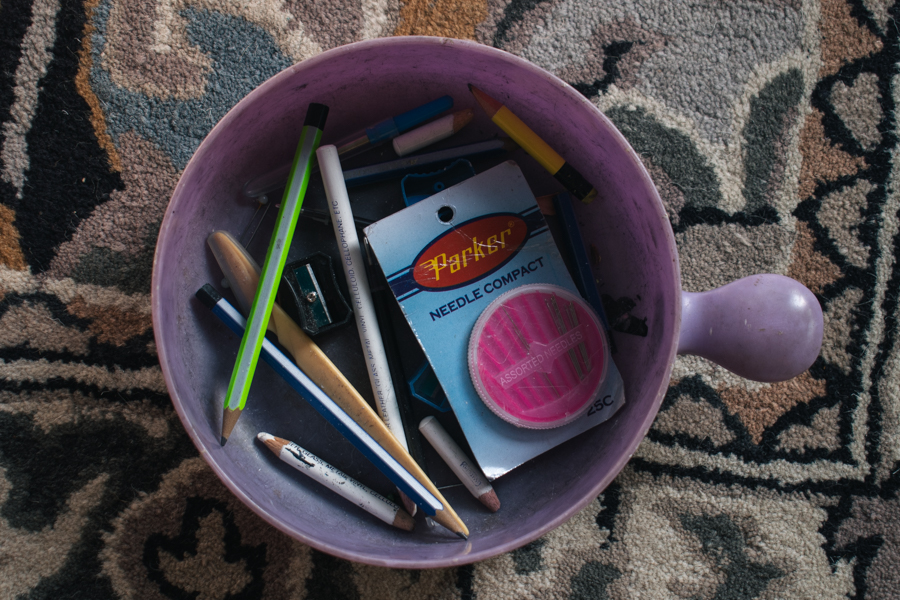
Sui (Needle)
The needle is the most important tool in Sujani embroidery. Artisans generally use a Number 9 embroidery needle, which is fine enough to pass repeatedly through closely woven cotton and silk fabrics while accommodating standard cotton embroidery threads. Since Sujani requires exceptionally dense stitching, the needle must move smoothly through the fabric without enlarging the holes or damaging the weave. Experienced artisans often continue using the same type of needle throughout an entire project to maintain uniform stitch size and tension.
Wooden Embroidery Frame
Historically, women embroidered directly on loose layers of recycled cloth placed on their laps. As commercial production increased, however, artisans adopted wooden embroidery frames to hold the fabric under constant tension. Stretching the cloth prevents wrinkles and distortion during stitching, particularly on larger products such as bedcovers, quilts and wall hangings. The frame also allows artisans to maintain consistent stitch density across broad surfaces and reduces the need to repeatedly reposition the fabric while working.
Cutter or Scissors
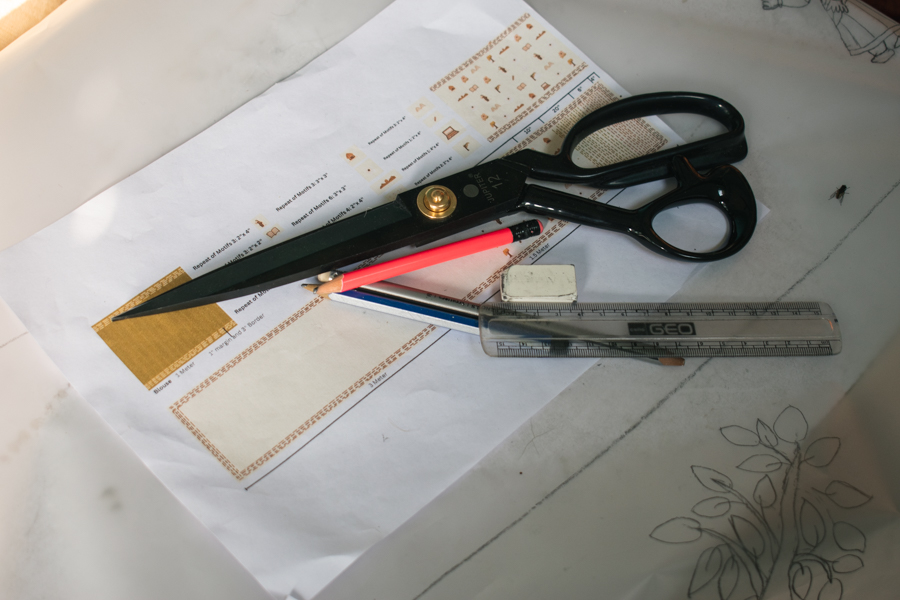
A small pair of scissors, locally referred to simply as the kaatne wala, is used during the final stages of production. After the embroidery has been completed, artisans carefully trim loose threads, remove excess knots and neaten the reverse side of the fabric. Because the embroidery surface is densely stitched, this finishing stage requires considerable care to ensure that only unwanted thread ends are removed without disturbing the completed work.
Measuring Tape
An inch tape is used before embroidery begins to measure the dimensions of the fabric accurately. Precise measurements are particularly important for garments, cushion covers and export products, where multiple pieces must conform to identical specifications. The measuring tape also assists artisans in positioning borders, planning compositions and maintaining proportional spacing between different design elements.
Pencil and Eraser
Before transferring a design to the fabric, artisans use ordinary pencils to prepare preliminary sketches and make adjustments on tracing sheets. An eraser allows corrections to be made without damaging the design before it is transferred to the cloth. Although many experienced artisans continue to visualise their compositions mentally, preliminary drawing remains important for commercial production where identical designs must be reproduced consistently.
Tracing Sheets and Yellow Carbon Paper
One of the most significant additions to modern Sujani production is the use of tracing sheets together with yellow carbon paper. Traditionally, women drew every composition directly onto the cloth from memory, making each embroidery entirely unique. Today, tracing allows complex designs to be reproduced accurately for institutional commissions and export orders. Yellow carbon paper is specifically preferred because its markings wash away much more easily than conventional blue carbon paper, leaving no permanent traces on the finished embroidery. This system enables artisans to maintain consistency while preserving the handmade nature of the craft.
Technique
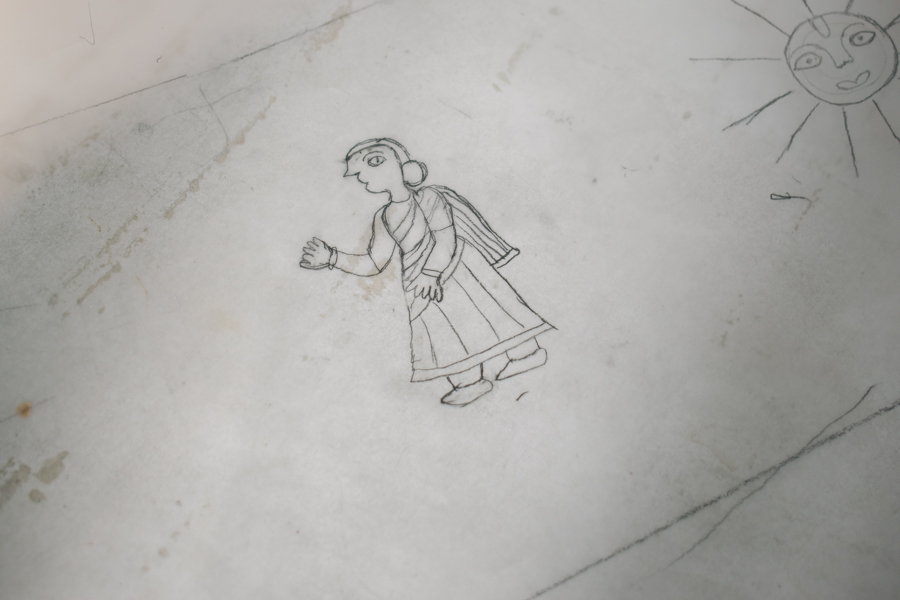
The effectiveness of Sujani embroidery depends less on specialised equipment than on the disciplined use of a few carefully controlled stitching techniques. Artisans are trained to maintain equal spacing between stitches so that the embroidery appears neither overcrowded nor uneven. Great attention is paid to thread tension, stitch direction and the relationship between filled motifs and the surrounding background. Since the characteristic quilted effect of Sujani is created entirely through stitch density, even minor irregularities become immediately visible on the finished surface. Training therefore begins with mastering basic hand control rather than learning elaborate decorative stitches. New artisans first practise sketching faces and simple motifs before learning how to hold the needle correctly, maintain consistent stitch length and distribute stitches evenly across the fabric. Only after these fundamentals have been mastered do they proceed to more complex narrative compositions. This gradual method of instruction reflects the belief that technical discipline forms the foundation of artistic expression in Sujani embroidery.
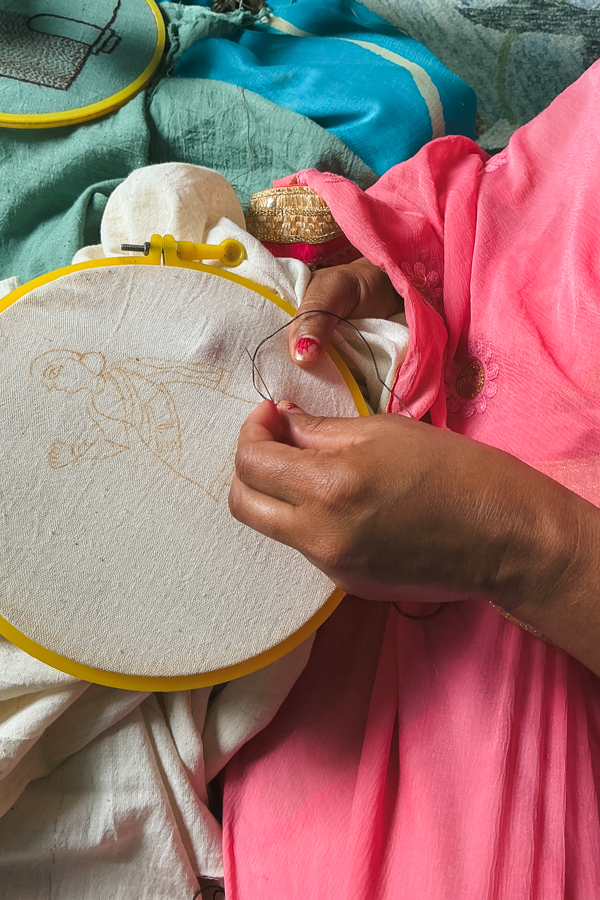
Although Sujani is now recognised as an important commercial embroidery tradition, its earliest significance lay within the ritual life of rural households in north Bihar. The making of a Sujani quilt was not regarded as an ordinary domestic chore but as a meaningful act associated with childbirth, marriage, fertility and maternal care. Every stitch carried symbolic value because the embroidered cloth was believed to offer both physical comfort and spiritual protection to the person for whom it was made. The tradition therefore occupied an important place within the life-cycle rituals of women and children, linking embroidery with blessings, wellbeing and family continuity. Central to these beliefs was the veneration of Chitiriya Maa, the folk deity regarded as the guardian of torn cloth and the divine patron of Sujani embroidery. Women traditionally stitched quilts while invoking the blessings of the goddess, believing that her protection would extend to the child or family member who received the finished textile. The process of joining together old layers of cloth was therefore understood as an act of renewal that transformed worn fabric into an object of sacred and emotional value. Rather than treating discarded garments as useless, the embroidery gave them a second life under the symbolic protection of Chitiriya Maa.
The strongest ritual association of Sujani centred on childbirth. Newly embroidered quilts were prepared specifically for newborn infants and were used as swaddling clothes, bedding and protective covers during the early months of life. Families believed that the dense embroidery and carefully chosen motifs could shield infants from harmful influences while inviting divine blessings for health, longevity and prosperity. The quilt thus became more than a practical object. It represented the hopes of mothers and grandmothers for the child’s future and embodied the care invested in its creation. Sujani also formed part of marriage customs in many households. Women embroidered quilts and bedcovers as gifts for daughters at the time of marriage, preparing them months or even years in advance. These embroidered textiles accompanied the bride into her new household, serving both practical and symbolic purposes. The gift represented maternal affection, familial continuity and wishes for fertility, happiness and prosperity within married life. Because each quilt required weeks or months of patient hand stitching, it also demonstrated the labour and emotional investment of the women who prepared it.
The motifs embroidered onto Sujani further reinforced its ritual significance. Traditional designs frequently include the sun, clouds, birds, elephants, fish, horses and flowering plants, each carrying symbolic associations with abundance, fertility, protection and harmony. One particularly distinctive motif depicts two parrots sharing a single head, representing mutual understanding and harmony between husband and wife. Crimson thread, associated with blood, vitality and married life, is commonly paired with yellow, symbolising the life-giving energy of the sun. These colours and motifs were selected not merely for decorative effect but because they expressed blessings for the wellbeing of the family. An equally significant aspect of Sujani’s ritual tradition lies in what it deliberately avoids depicting. Unlike many forms of religious textile art, Sujani generally excludes sacred mantras, scriptural verses and direct representations of deities, particularly on quilts and bedcovers intended for everyday use. This practice reflects a cultural understanding that household textiles should remain respectful while allowing the embroidery to focus on the experiences of ordinary life. Instead of reproducing formal religious imagery, artisans communicate spiritual values through symbolic motifs, scenes of family life and the very act of patient hand embroidery. Only in exceptional cases, such as special commissions, are divine figures embroidered directly onto the fabric.
Although Sujani today is produced for galleries, museums and international markets, these ritual associations continue to shape the identity of the craft. Many artisans still regard embroidery as an act requiring patience, concentration and sincerity, values that have been transmitted across generations of women. The continued preparation of quilts for weddings, the preservation of traditional symbolic motifs and the enduring reverence for Chitiriya Maa demonstrate that the ritual dimension of Sujani remains inseparable from its artistic practice. In this way, the embroidery continues to preserve not only the material traditions of Bihar but also the cultural beliefs that have sustained the craft for generations.
The production of a Sujani embroidery follows a carefully organised sequence in which every stage builds upon the previous one. Although the process appears straightforward, it requires remarkable patience, accuracy and consistency. Unlike machine embroidery, where patterns are created automatically, every line, motif and background stitch in Sujani is completed entirely by hand. The quality of the finished work depends upon the artisan’s ability to maintain uniform stitch length, balanced composition and careful colour selection throughout the embroidery. Since mistakes are difficult to correct, considerable attention is paid to planning before the first stitch is made.
Training the Artisan
Before beginning independent work, new artisans undergo a structured period of training. Rather than immediately learning complex embroidery, they first develop the fundamental skills necessary for the craft. Training begins with sketching simple faces, birds, flowers and everyday objects so that the learner becomes familiar with the proportions and visual language characteristic of Sujani. Particular emphasis is placed on understanding the relationship between figures and the surrounding space, since narrative balance is considered as important as technical execution. After drawing, trainees learn how to hold the sui correctly and control the movement of the needle through the fabric. Equal spacing between stitches forms one of the most important aspects of the training. If stitches become crowded in one area and sparse in another, the quilted texture becomes uneven and the embroidery loses its characteristic appearance. Only after mastering stitch consistency are artisans permitted to work on larger narrative compositions under the supervision of senior embroiderers.
Preparing the Fabric
The first stage of production involves selecting and preparing the appropriate base fabric according to the intended product. Cotton fabrics such as Salita or Markeen are generally preferred for quilts, furnishings and export articles, while Tussar silk or Chanderi may be selected for premium garments. Once the cloth has been measured accurately using an inch tape, it is stretched tightly over a wooden embroidery frame to eliminate wrinkles and maintain even tension throughout the stitching process. For quilts and heavily embroidered products, a layer of fine muslin is usually attached behind the principal fabric before embroidery begins. This additional layer strengthens the textile and contributes to the raised quilted effect that distinguishes Sujani from other embroidery traditions.
Drawing and Transferring the Design
In earlier generations, women embroidered directly from memory, sketching familiar motifs such as parrots, mangoes, village trees and household scenes onto the cloth without any preliminary planning. Every embroidery was therefore unique, reflecting the imagination and experiences of the individual artisan. Commercial production has introduced a more systematic approach. Designs are now first prepared on tracing sheets to ensure uniformity, particularly for export orders and large commissions requiring identical pieces. The completed drawing is transferred onto the fabric either by perforating the tracing sheet and dusting colour through the holes or, more commonly, by using washable yellow carbon paper. Unlike ordinary blue carbon paper, the yellow marks disappear easily during washing and leave no visible residue on the finished embroidery. Although the outline is transferred mechanically, artisans continue to choose their own colour combinations and frequently modify smaller details during stitching, preserving the individuality of each piece.
Outlining the Motifs
Once the design has been transferred, artisans begin defining the principal figures. The preferred stitch for outlining is the backstitch, which produces a continuous, clearly defined line that gives visual strength to the composition. In certain cases, particularly around larger motifs or borders, a thick chain stitch using dark shades such as black, brown or deep red is employed to create stronger contrast. Although running stitch may occasionally be used for outlines, experienced artisans generally prefer backstitch because it produces sharper contours and better separates individual figures from the surrounding embroidery. This stage establishes the structure of the entire composition and therefore requires considerable precision.
Filling the Motifs (Gulliya Karna)
After the outlines have been completed, artisans begin filling the enclosed spaces using closely packed running stitches. Locally, this process is known as gulliya karna. Coloured cotton threads such as Rangoli, Anchor or Dolly are selected according to the planned colour scheme, and the interior of every motif is filled systematically until no empty fabric remains visible. The stitches are placed extremely close together, producing the remarkable density that characterises Sujani embroidery. Since every section is completed by hand, maintaining equal stitch length and direction is essential. Differences in spacing immediately become visible and disrupt the uniform texture of the finished work.
Embroidering the Background
Once the principal motifs have been completed, artisans turn their attention to the surrounding background. This stage is one of the defining features of Sujani and distinguishes it from many other embroidery traditions. Using Moon thread, whose colour closely matches that of the base fabric, artisans cover the remaining surface with thousands of fine running stitches. Rather than moving in straight parallel lines, the stitches curve gently around the motifs, creating flowing patterns that resemble ripples across water or the furrows of cultivated fields. This continuous movement pushes the embroidered motifs slightly above the surrounding surface, producing the softly padded appearance that gives Sujani its distinctive quilted character. The spacing of these background stitches is carefully controlled. If the stitches are too widely separated, the surface appears uneven. If they are excessively dense, the fabric becomes unnecessarily stiff. Experienced artisans therefore maintain remarkable consistency across the entire textile.
Finishing and Washing
After all embroidery has been completed, the textile enters the finishing stage. Loose thread ends and knots are carefully trimmed using small scissors to ensure a neat appearance on both sides of the fabric. The edges are then folded and hemmed securely to prevent fraying during use. The completed embroidery is thoroughly washed to remove dust, handling marks and any remaining tracing lines. Artisans specifically apply kerosene to eliminate stubborn chalk or carbon marks that may remain after stitching. Once the fabric has dried, it is calendered, or carefully ironed, to smooth the surface while preserving the raised texture created by the embroidery. This final treatment enhances the clarity of the motifs and prepares the textile for sale.
Packaging and Labelling
The final stage involves attaching product labels and price tags before the embroidery is dispatched for sale or exhibition. Unlike many commercial handicrafts that rely upon elaborate packaging, Sujani producers deliberately keep packaging simple and inexpensive. This approach reduces production costs and ensures that a greater proportion of the selling price reaches the artisans rather than being absorbed by decorative packaging materials. The emphasis remains firmly on the quality of the embroidery itself rather than on external presentation. The production of Sujani therefore represents a careful balance between inherited tradition and contemporary organisation. While tracing sheets, organised training and commercial marketing have modernised certain aspects of production, the embroidery itself continues to depend entirely upon the skill, patience and artistic judgement of individual artisans. Every completed textile remains the result of thousands of carefully placed stitches, preserving a tradition that has been transmitted through generations of women in Bihar.
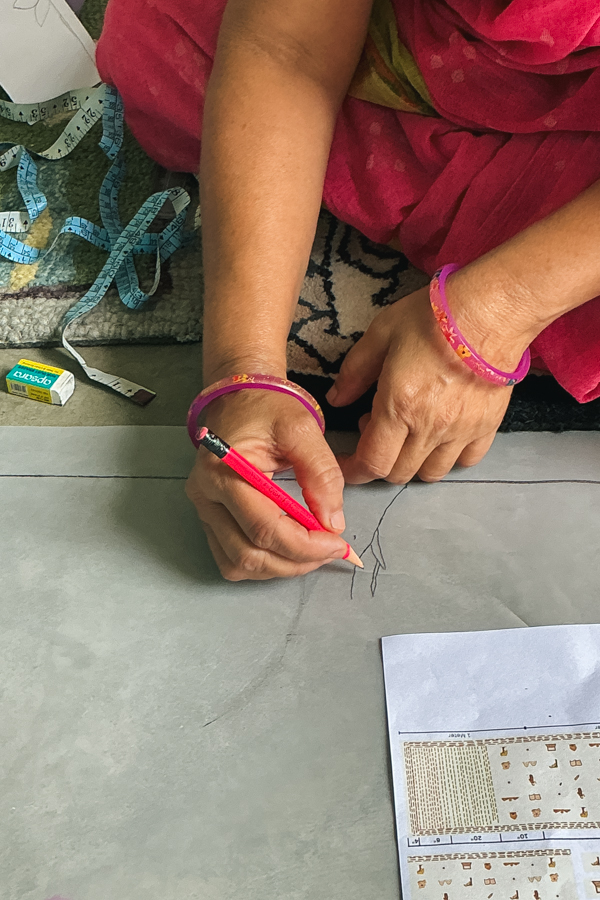
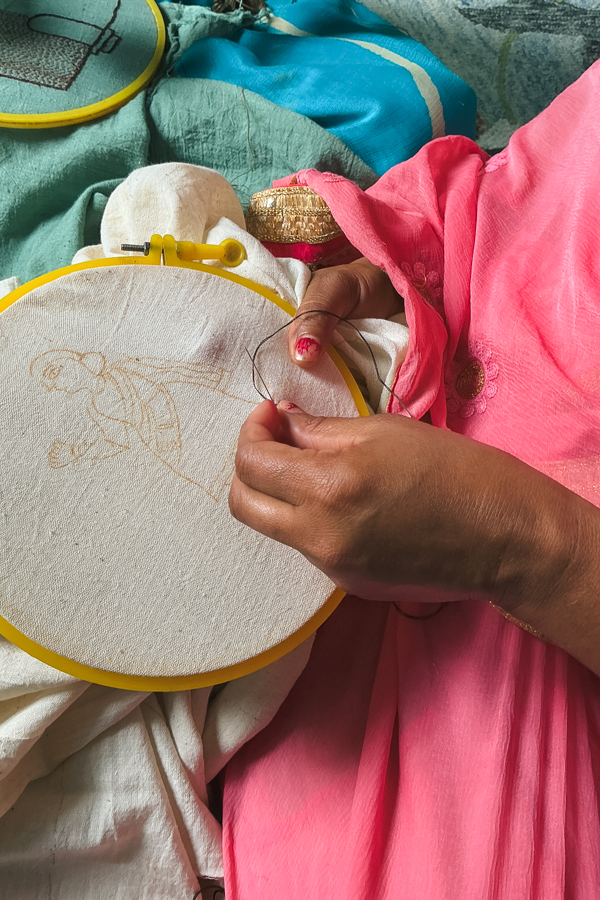
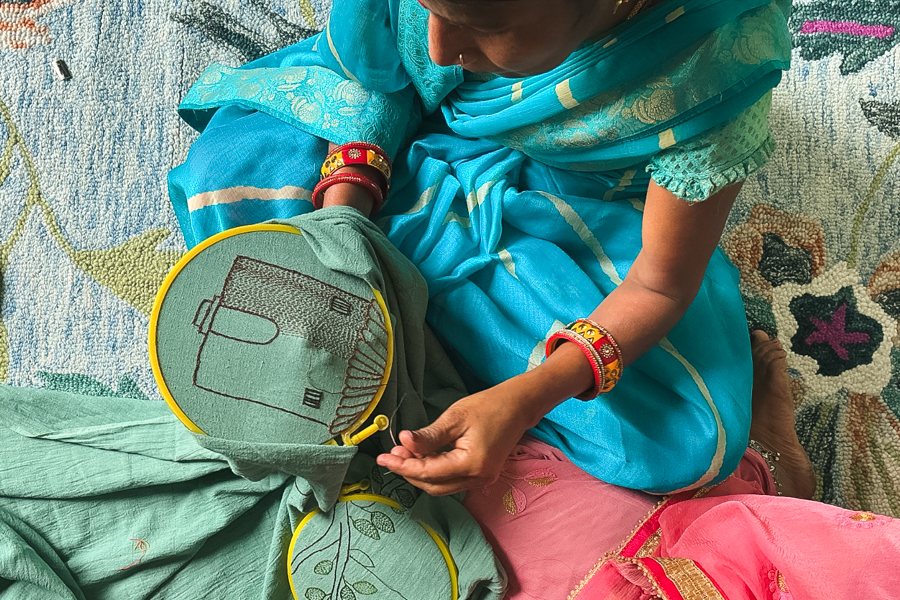
Compared to many textile crafts, Sujani embroidery produces relatively little material waste because its production is based almost entirely on hand stitching rather than cutting, dyeing or mechanical processing. The tradition itself emerged from the practice of reusing old textiles, making conservation of materials one of its defining characteristics. Historically, the very foundation of Sujani lay in transforming worn saris and dhotis into useful household objects, reflecting a philosophy in which cloth was repaired, repurposed and valued rather than discarded. Although contemporary artisans now work primarily with newly purchased fabrics, the craft continues to retain many of these resource-conscious practices.
Fabric Conservation
The preparation of Sujani involves careful planning before the fabric is cut. Measurements are taken precisely according to the dimensions of the intended product, whether it is a sari, bedspread, wall hanging or cushion cover. This practice minimises unnecessary fabric loss and allows artisans to utilise the cloth efficiently. Since many products require large uninterrupted surfaces for narrative compositions, cutting mistakes are avoided through careful measuring and marking before embroidery begins. Historically, even the smallest usable pieces of cloth were preserved. Layers of worn cotton garments were stitched together to create quilts and blankets, extending the life of textiles that would otherwise have been discarded. Although modern production now relies largely on new cotton and silk fabrics, the philosophy of minimising waste continues to influence the organisation of production.
Thread Management
Embroidery threads represent another area where artisans exercise considerable economy. During earlier generations, women extracted individual yarns from the woven borders of old saris because commercially manufactured embroidery thread was unavailable. Even today, although branded threads such as Moon, Rangoli, Anchor and Dolly are widely used, artisans measure thread lengths carefully before beginning each section of embroidery in order to reduce unnecessary wastage. Since Sujani depends upon extremely dense stitching, thread consumption is naturally high. Nevertheless, experienced artisans avoid cutting excessively long lengths because repeated movement through the fabric weakens the thread and increases the likelihood of tangling. Instead, manageable lengths are used and replaced only when necessary, allowing efficient utilisation of embroidery materials.
Correcting Mistakes
One of the greatest sources of waste in Sujani is not discarded material but lost labour. Unlike many decorative techniques where mistakes can simply be concealed, embroidery errors require painstaking correction. If an incorrect stitch, unsuitable colour or irregular spacing is discovered, every individual stitch must be removed manually using the needle before the section can be re-embroidered. This process consumes considerable time and often damages the thread, making it unusable for further embroidery. Because of this, artisans place great emphasis on accuracy from the beginning of the process. Senior embroiderers regularly inspect work while it is in progress so that mistakes can be identified early before extensive sections require removal. Careful supervision therefore functions as an important strategy for reducing both material waste and the loss of valuable labour.
Finishing Waste
The final stages of production generate only a small quantity of physical waste. After the embroidery has been completed, loose thread ends and knots are trimmed from the reverse side of the textile using small scissors. These thread fragments constitute the principal waste produced during finishing. Since Sujani involves very little cutting of the base fabric after preparation, there are comparatively few fabric offcuts when compared with garment manufacturing or woven textile production. The washing process also contributes to waste reduction by removing tracing marks rather than requiring the fabric to be discarded. Yellow carbon paper is specifically chosen because its marks disappear easily during washing, preventing unnecessary rejection of finished products due to visible design lines.
Sustainable Characteristics
The traditional methods employed in Sujani make it one of the more environmentally responsible forms of textile production. The embroidery is carried out entirely by hand and therefore consumes no electricity during the stitching process. Production relies on simple tools with long working lives, while the absence of mechanised equipment significantly reduces energy consumption. Perhaps the greatest example of sustainability lies in the historical origins of the craft itself. Sujani developed from the practice of giving worn textiles a second life, demonstrating principles of repair, reuse and resource conservation long before these concepts became central to contemporary discussions of sustainable design. Even though modern commercial production increasingly employs new fabrics, the values of careful material use, minimal waste generation and long-lasting craftsmanship continue to define the tradition. Today, these characteristics have acquired renewed relevance as consumers and designers increasingly seek environmentally responsible forms of textile production. The durability of hand embroidery, the longevity of finished products and the minimal generation of production waste make Sujani an important example of how traditional knowledge systems can contribute to contemporary discussions surrounding sustainable craft practice.
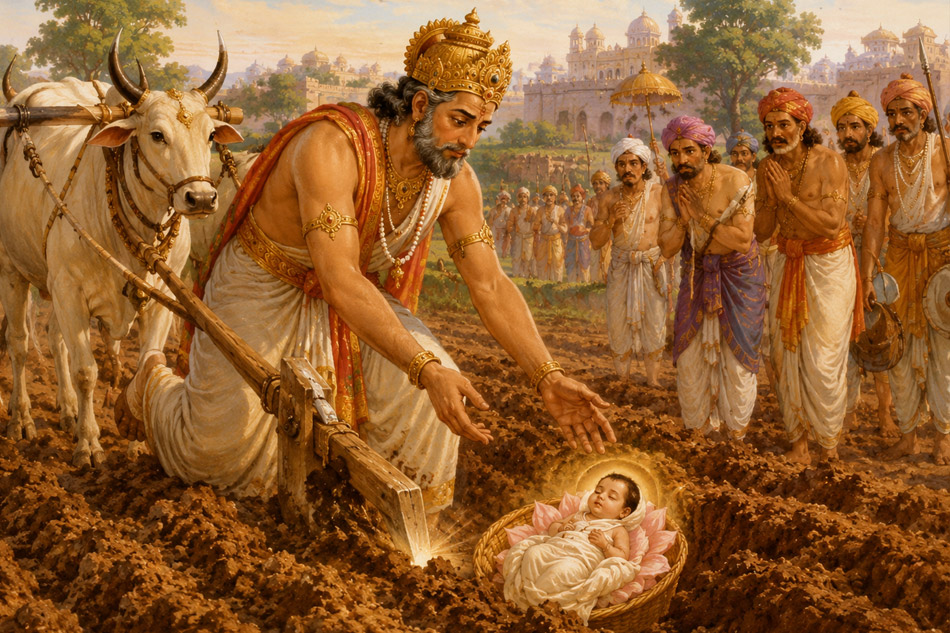
The history of Muzaffarpur and the broader Tirhut region is ancient, deeply rooted in Indian mythology, and heavily layered with democratic, spiritual, and revolutionary milestones. The story of this land traces back to the epic Ramayana. In ancient times, this area was part of the mythological kingdom of Videha, ruled by Rajarshi Janak. According to sacred Hindu legend, Sita (also known as Vaidehi, the Princess of Videha) sprang to life from an earthen pot while Janak was tilling the land in Sitamarhi, a nearby town that was historically part of the Muzaffarpur district. Vedic literature suggests that the Videhas, an Aryan stock, migrated eastwards and settled on the banks of the Gandak river. They cleared marshes to cultivate the fertile plains and established a progressive kingdom with a court that attracted scholars from across the subcontinent.
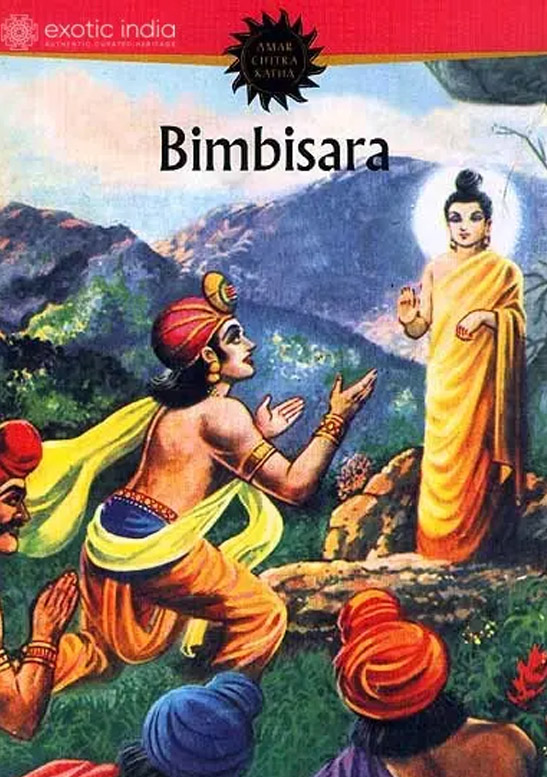
As the Videhan monarchy faded, the region witnessed the rise of the Vrijjan Republic between 725 and 484 B.C., marking the establishment of one of the first republican governments. The centre of political power shifted from Mithila to Vaishali. The Vrijjan Republic was a confederation of eight clans, led by the powerful and influential Licchavis. The Licchavis maintained a highly sophisticated democratic system. Their central legislature boasted 7,707 members, and disputes were settled using voting tickets known as "Salakas". Their society placed a high value on personal liberty, governed by a code of conduct known as the "Seven non-injuring ways" or "Satta Aparihanidhamma". The Licchavis were so powerful that Bimbisara, the founder of the Magadha empire, secured his borders through matrimonial alliances with them in 519 B.C. However, his son Ajatshatru eventually invaded Vaishali and built a fortress at the village of Patali (modern-day Patna) to keep a vigilant watch over the Licchavis across the Ganges. During this era, the region was a centre of religious renaissance. It is the birthplace of Mahavir, the 24th Jain Tirthankara, and was frequently visited by Lord Buddha.
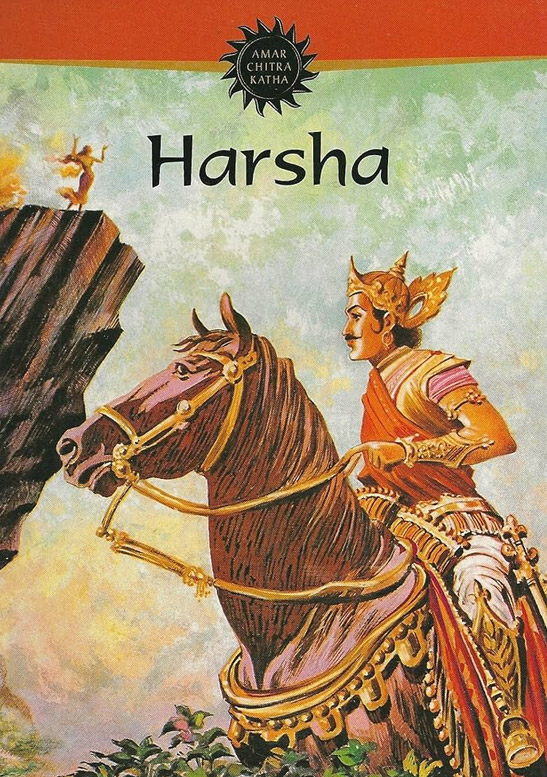
In the medieval period, following the reign of Maharaja Harsha Vardhan in the 7th century A.D., the district was governed by local chiefs before falling under the control of the Pala kings of Bengal and later the Chedi and Sena dynasties. The political landscape shifted dramatically in the 13th and 14th centuries. Ghais-u-ddin Iwaz, the ruler of Bengal, became the first Muslim invader of Tirhut between 1211 and 1226, though he only managed to extract tributes. Around this time, the Simraon dynasty was founded by Nanya Deva, who consolidated power over Mithila and Nepal and established a highly structured revenue administration system, dividing the kingdom into Parganas and Panchayats. One of his successors, Ramasimha, introduced the system of 'Patwaris' (village accountants) and patronised Vedic literature. This Hindu autonomy lasted until 1323, when Ghiyasuddin Tughlaq invaded Tirhut, forcing the last Simraon king to flee and placing the territory under the management of Kameshwar Thakur. Over the next few centuries, control of North Bihar oscillated between the Jaunpur kings, the Nawabs of Bengal, and the Delhi Sultanate, eventually becoming a part of the Mughal Empire after the decline of the Afghan king Daud Khan.
The modern identity of Muzaffarpur began to take shape during the British colonial era. After the East India Company's victory at the Battle of Buxar in 1764, the English established firm control over Bihar, though they faced border skirmishes with Gurkha troops from Nepal until a peace treaty was reached. The district of Muzaffarpur was officially created in 1875 by splitting the older Tirhut district for administrative convenience. It was named after Muzaffar Khan, an 18th-century Amil (revenue farmer). During this period, the district became a major hub for European indigo planters, who built imposing clubs and estates across the region.
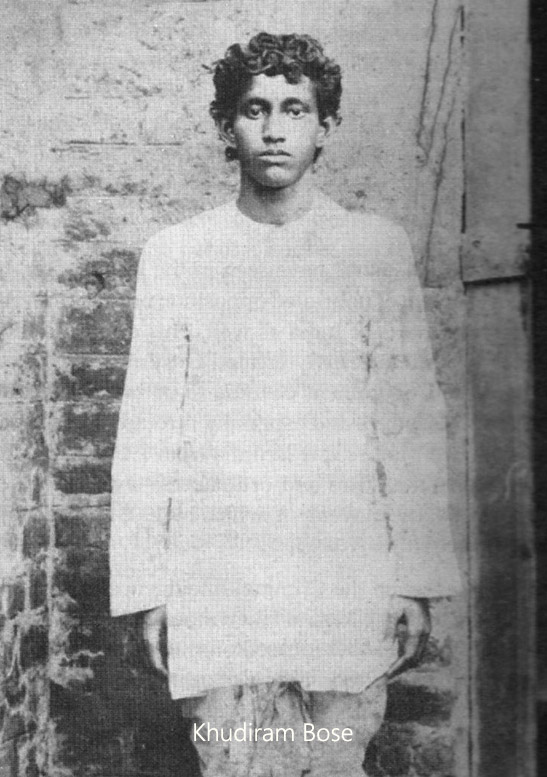
Muzaffarpur played a fiery and prominent role in India's struggle for independence. The 1857 rebellion saw the 12th Irregular Cavalry revolt, attacking the local treasury and administrative offices before being suppressed. In 1908, the town became the site of the infamous Muzaffarpur bomb case, a hallmark of militant nationalism. An 18-year-old Bengali revolutionary, Khudi Ram Bose, threw a bomb at a carriage, mistakenly killing Pringle Kennedy instead of the intended target, the harsh District Judge Douglas Kingsford. Bose was subsequently hanged, and a memorial still stands in the city to honour his sacrifice. The nationalist fervour deepened with Mahatma Gandhi's visits in 1918, 1920, and 1927, which profoundly awakened the political consciousness of the local population. Following independence, the district continued to evolve, eventually seeing Sitamarhi and Vaishali carved out as separate administrative districts in 1972. Today, Muzaffarpur stands as a unique frontier of cultural assimilation, blending ancient Hindu philosophy, Islamic culture, and colonial history into a vibrant, living heritage.
Muzaffarpur district is located centrally within the North Bihar plains and forms a crucial part of the Tirhut Division. Geographically positioned between 25°54' and 26°23' North latitude, and 84°53' and 85°45' East longitude, the district spans an expansive area of 3,172 square kilometres, accounting for roughly 3.4% of Bihar's total landmass. It shares its borders with Purba (East) Champaran, Sheohar, and Sitamarhi to the north; Vaishali and Saran to the south; Darbhanga and Samastipur to the east; and Saran and Gopalganj to the west.
The topography of Muzaffarpur is characterised by a vast, uninterrupted alluvial plain with an average elevation of 170 meters above sea level. This plain is the result of millennia of silt deposits brought down by a network of Himalayan rivers. The ground lacks high contours, resulting in a landscape dotted with chains of shallow marshes that act as natural drainage basins during periods of excessive rainfall. The soils here are highly calcareous and deeply fertile, categorised locally into types such as maltivari (a heavy, clayey soil ideal for paddy cultivation) and balsundari (a sandy loam perfectly suited for rabi crops and the region's famous orchards).
A defining, and often challenging, geographical feature of the district is its riverine system. Due to continuous, heavy deposits of silt over centuries, the beds of many rivers flowing through the district have risen higher than the adjoining agricultural lands. This geological quirk makes the north-east and south-east parts of the district highly susceptible to frequent and severe flooding during the monsoon season.
The land is watered by four primary rivers: the Gandak, the Burhi Gandak, the Bagmati, and the Baya, alongside numerous smaller streams.
● The Gandak: Originating in the mountains of Nepal (where it is known as the Sapt-Gandaki), it enters the district near Karnaul. Flowing in a south-easterly direction, it is referred to locally as the Narayani or Saligram and possesses vast potential for irrigation.
● The Bagmati: Also rising in Nepal, this river enters the district through the Minapur block. It carves a serpentine path almost parallel to the Burhi Gandak before eventually joining it in the neighbouring Darbhanga district.
● The Burhi Gandak: Known locally as the Sikrahna, it enters near the village of Ghosaut. The city of Muzaffarpur is situated on its southern bank. While fordable during the dry season, it becomes swift and deep during the rains. Historically, before the advent of the railway, this navigable river served as the primary trade route for the region.
● The Baya: Emanating from the Gandak just west of the district border, it flows parallel to its parent river, serving the local agrarian ecosystem before ultimately making its way to the Ganga.
This lush, river-fed geography not only dictates the agricultural rhythms of the district, sustaining its sprawling mango and litchi orchards. It also intimately shapes the material culture, settlement patterns, and craft traditions of the people who call the plains of Muzaffarpur home.
The environment of Muzaffarpur is heavily dictated by its position within the fertile, river-laced Gangetic plain. The district generally experiences a humid subtropical climate, punctuated by a distinctly dry and intensely hot summer season. The climate pattern is clearly divided: the winter season spans from November to February, the dry summer stretches from March to May, and the monsoon or rainy season dominates from June to September, with October serving as a brief transitional period. During the peak of winter in January, temperatures can drop to a chilly 4 to 5 degrees Celsius. Conversely, May is the harshest month, with maximum temperatures soaring up to 44 degrees Celsius, ushered in by dust storms and the scorching westerly winds known locally as the 'loo' in early April.
Water is the lifeblood of this environment. The district relies heavily on the monsoon, receiving almost 80 per cent of its total annual rainfall between June and September. The average annual rainfall varies significantly, recorded between 761.0 mm and 2,295.5 mm in recent decades. This heavy precipitation, combined with the silt-raised riverbeds of the Gandak and Bagmati, historically makes the district highly prone to flooding, transforming the shallow contour depressions into temporary marshes and water-logged zones.
Ecologically, the landscape has been drastically altered by centuries of human habitation and aggressive agricultural expansion. While it is a vast, green alluvial plain, the district is completely devoid of dense, natural forests today. The historical flora—once untamed—has been replaced by cultivated groves of mango, bamboo, babul, khajur (date palm), jack-fruit, pipal, tamarind, and the region's famous litchi orchards. In the marshy tracts situated between the Burhi Gandak and Bagmati rivers, babul trees stubbornly persist, while the vast stretches of land beyond the Bagmati are dedicated to feed crops and vegetables.
The fauna of Muzaffarpur has similarly transitioned. With the relentless clearing of land for agriculture, the magnificent wild buffalo, gazelles, deer, and tigers that once roamed this area have completely disappeared. Today, the wildlife is largely restricted to smaller, adaptable mammals like foxes, jackals, nilgai (blue bull), and wild pigs that take shelter in the tall, grassy diaras (river islands). The rivers, however, remain ecologically rich, teeming with various species of fish such as suiya, hilsa, reva, rehu, singhi, bachwa, tengra, and kewai, alongside occasional sightings of crocodiles in the Gandak river and poisonous snakes like the karait and gehuman in the fields.
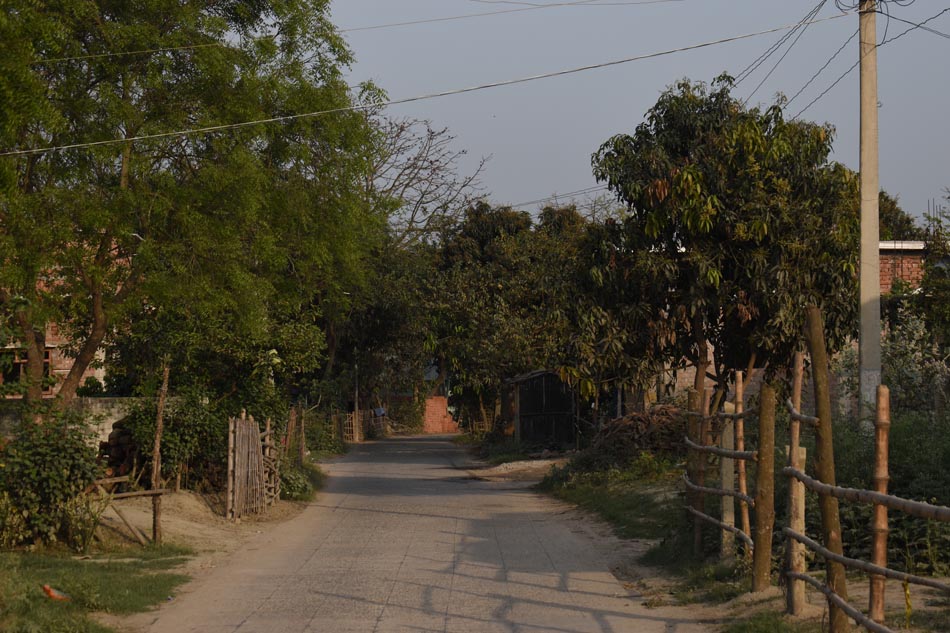
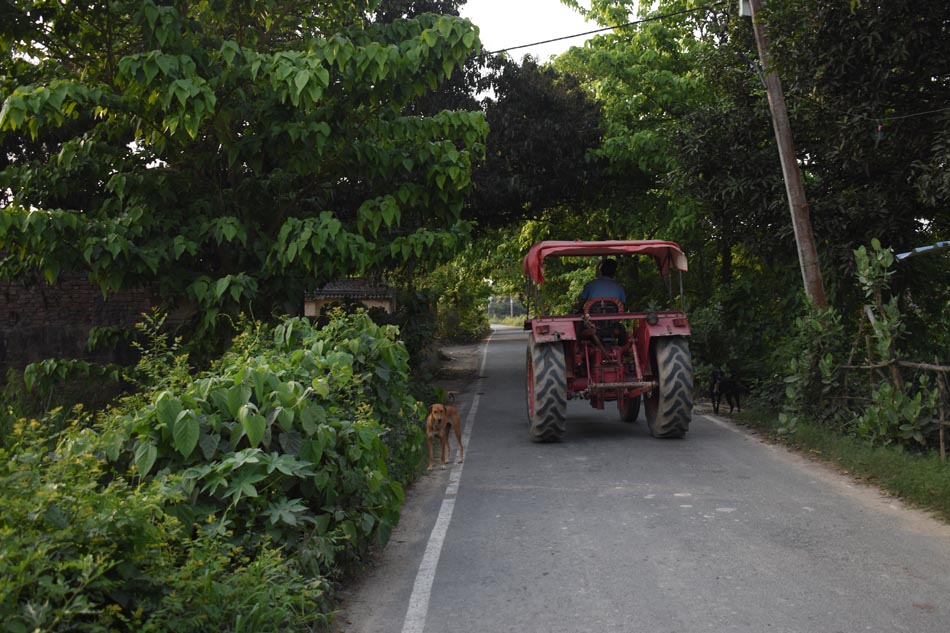
Over the past century, Muzaffarpur has evolved from a colonial administrative outpost into one of the most economically important and infrastructure-heavy districts in Bihar. As a city selected under the Government of India's Smart Cities Mission, it is currently undergoing significant urban transformation, overseen by Muzaffarpur Smart City Limited. This initiative focuses heavily on modernising the city through integrated traffic management, upgraded sewerage and drainage networks, smart road construction, and the implementation of digital governance systems.
Transportation infrastructure is a major cornerstone of the district's economy. Muzaffarpur is exceptionally well-connected by a dense network of roads, including several National Highways. NH 27, a crucial part of India's East-West highway corridor linking Gujarat to Assam, passes directly through the city. Additionally, NH 22, NH 122, NH 77 (connecting to Sitamarhi), NH 102 (connecting to Chhapra), and NH 28 deeply integrate the district with both national markets and neighbouring state hubs. For rail travel, Muzaffarpur Junction is a primary node on the East Central Railway network, offering daily and weekly direct train services to almost every major city in India, including New Delhi, Kolkata, Pune, and Ahmedabad. Looking toward the future, RITES has already completed surveys and route finalisations for a proposed Muzaffarpur Metro rail system, which awaits state approval. And the city's 102-acre airport is slated for future commercial development.
Commercially, the district is organised to support massive trade volumes. It boasts the Sutapatti market, one of the largest wholesale cloth markets in North India, which feeds retail networks across the entire region. To protect local farmers, the state operates substantial agricultural infrastructure, including Bazar Samitis in Muzaffarpur, Motipur, and Sahebganj, featuring massive marketing yards with dozens of stalls for commodity trading.
Energy and industrial infrastructure are robust. The district is powered primarily by the Kanti Thermal Power Plant, located just 14 kilometres from the town centre, which has facilitated widespread rural electrification across 1,632 villages and supports heavy agricultural power consumption. The industrial landscape is anchored by areas like Bela and Bariyarpur, and organised into the Motipur and Muzaffarpur Clusters under the Bihar Industrial Area Development Authority (BIADA), hosting manufacturing facilities, food processing plants, and a dedicated leather park.
Furthermore, Muzaffarpur is the educational headquarters of North Bihar. It houses Babasaheb Bhimrao Ambedkar Bihar University, 60 government colleges, the state's first government engineering college (Muzaffarpur Institute of Technology, established in 1954), and the Shri Krishna Medical College, providing a strong institutional foundation for the region's youth.
The architectural landscape of Muzaffarpur is a physical ledger of its history, reflecting a blend of ancient spiritual devotion and British colonial life, now giving way to rapid modern urbanisation. The temples found here are deeply tied to local legends. The most profound traditional architecture is found in its religious spaces. The Baba Garibnath Temple, arguably the most famous Lord Shiva temple in the region (often called the second "Baidhnath"), is rooted in folklore involving a sacred Banyan tree and an unearthed 'Shivling'. Another spiritual landmark is the Chaturbhuj Sthan Temple, built to house an idol of Lord Chaturbhuj discovered in the 13th century in the village of Turki. The Shri Ram Temple at 'Sahu Pokhar' stands out as a unique architectural gem; constructed by artists brought in from Rajasthan, it features a grand temple for Shri Ram and Mata Janaki, alongside a Mahadev temple housing what is reputed to be India's third-largest Shivling . Other notable spiritual sites include the Kali Mata Temple of Sikandarpur, built along the Gandak river by the Darbhanga Maharaj in 1932, and the Simri Mai Temple.
Beyond its temples, traces of colonial architecture still linger. During the early British Raj, Muzaffarpur was the epicentre for European indigo planters. They built expansive estates and grand recreational clubs. The debris and structural remnants of the grand planters' club can still be found near the railway lines and the Ramna compound, while historic roads like the old Planter's Club Road map out the colonial-era town planning. In stark contrast, modern Muzaffarpur is rapidly changing. It currently ranks third in Bihar for real estate investment, boasting over 102 ongoing projects and more than six large shopping malls with multiplexes, the highest number in the state. This contemporary cement-and-glass architecture is quickly swallowing the older, historical styles.
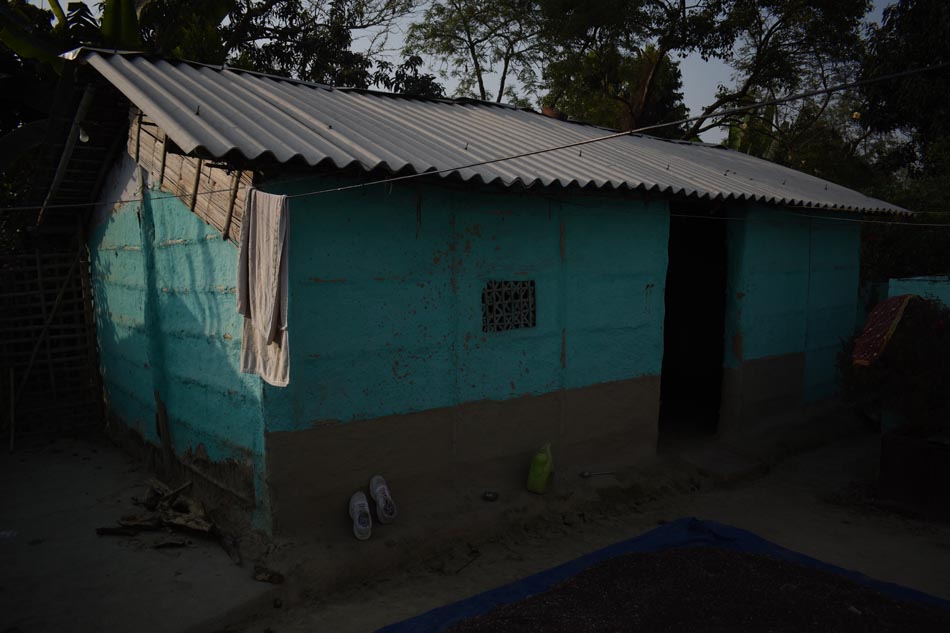
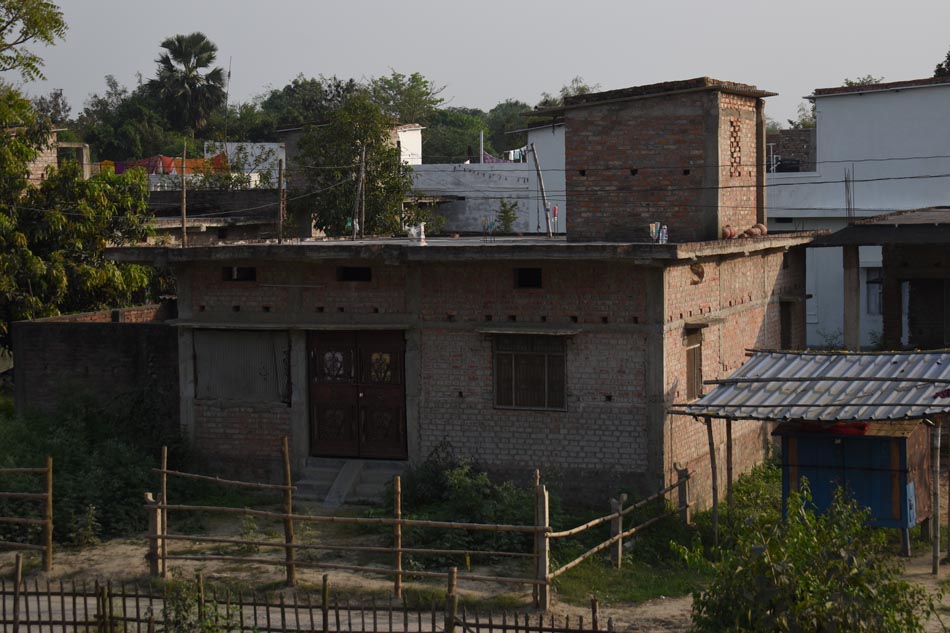
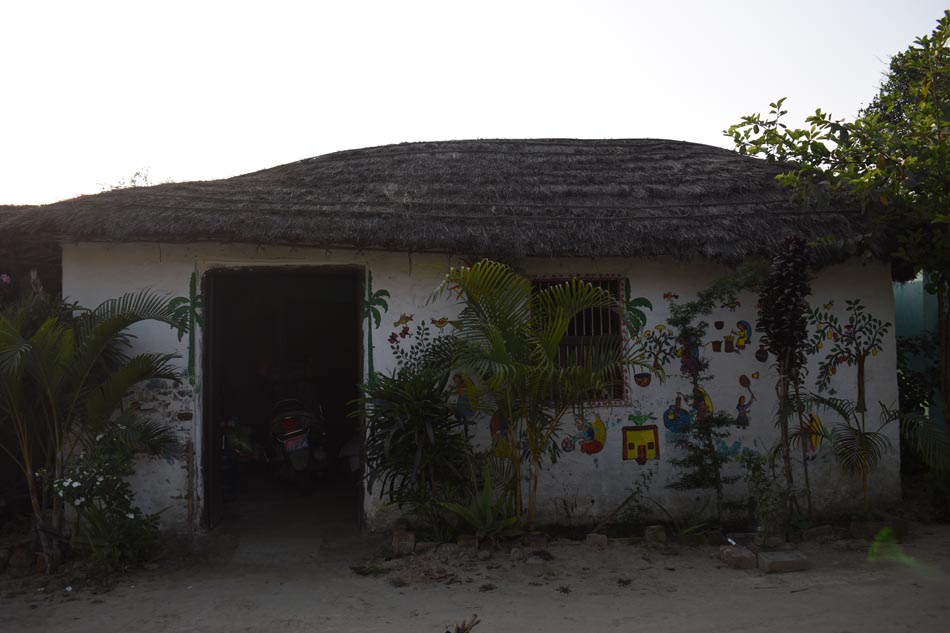
Muzaffarpur's culture is a vibrant, living tapestry woven from its unique position on the geographical and historical frontier between deeply rooted Hindu traditions and vibrant Islamic culture. This mutual assimilation of ideas has historically made the district a prominent centre of learning, philosophy, and political thought, frequently producing "towering geniuses" and serving as the birthplace for renowned political and literary figures.
The district's cultural calendar is driven by deep-seated religious faith and local mythology. It is a land where legends dictate practice. The origins of its most famous temples, such as Baba Garibnath and Chaturbhuj Sthan, are steeped in dreams and divine interventions experienced by local saints and landlords, bridging the gap between the ethereal and the everyday. The co-existence of these sacred spaces alongside historic mosques speaks to the syncretic lifestyle of the residents.
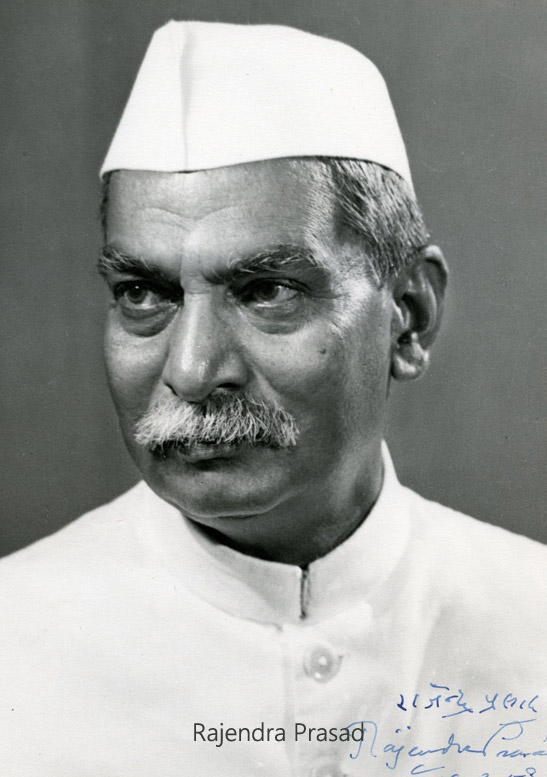
Political and intellectual culture is particularly robust in Muzaffarpur. The district has a legacy of fiercely independent thought, dating back to the world's first democratic republic of the Licchavis. In the modern era, it was a hotbed for the Indian independence movement. The culture of revolutionary fervour was cemented by the sacrifice of 18-year-old Khudi Ram Bose in 1908, and later galvanised by repeated visits from Mahatma Gandhi. Educational institutions like the Greer Bhumihar Brahman College (where India's first President, Dr. Rajendra Prasad, once taught) cultivated an environment of academic excellence and nationalist pride.
In the rural hinterlands, culture is deeply intertwined with the Panchayati Raj system. Unlike a purely top-down governance model, the village assemblies (Gram Sabhas) form the foundation of local culture, echoing the ancient democratic traditions of the Vrijjan Republic. Here, economic development and social justice are debated and executed at the grassroots level, making community participation a core aspect of the rural cultural identity.

According to the 2011 Census of India, Muzaffarpur district is home to a massive population of 4,801,062 people, comprising 2,527,497 males and 2,273,565 females. To put this immense human scale into perspective, the district's population is comparable to the entire nation of Singapore or the U.S. state of Alabama. Despite its growing urban centres, the heart of Muzaffarpur remains agrarian; an overwhelming 4,327,625 individuals (over 90%) live in rural areas, compared to just 473,437 in the urban sectors. The district is densely packed, with 1,514 persons per square kilometre across the district, and an astonishing 13,285 persons per square kilometre within the city corporation limits.
The social fabric is incredibly diverse. The population is predominantly Hindu (84%), with a substantial Muslim minority (15.53%), alongside tiny communities of Sikhs, Christians, Buddhists, and Jains. Scheduled Castes make up a significant 15.7% of the population, while Scheduled Tribes represent a very small fraction at 0.1%.
Linguistically, the people of Muzaffarpur are polyglots, reflecting the region's history as a trade and cultural crossroads. Hindi is the most widely spoken language (48.33%), closely followed by the native regional dialect, Bajjika (39.02%), which roots the people firmly in their local Mithila identity. Urdu (7.65%), Bhojpuri (3.54%), and Maithili (1.33%) are also widely spoken, creating a rich auditory landscape in the local markets and villages.
The people are resilient and progressively focusing on education. The district boasts an overall literacy rate of 63.43% (higher than the Bihar state average), with male literacy at 71.28% and female literacy at 54.67%. The gender dynamic shows an overall sex ratio of 900 females for every 1,000 males, with a slightly better child sex ratio of 915. For the majority of the rural populace, life revolves around the rhythms of the rivers and the soil, with agriculture serving as the primary occupation, supplemented by robust systems of animal husbandry, local trade, and deeply ingrained craft traditions.
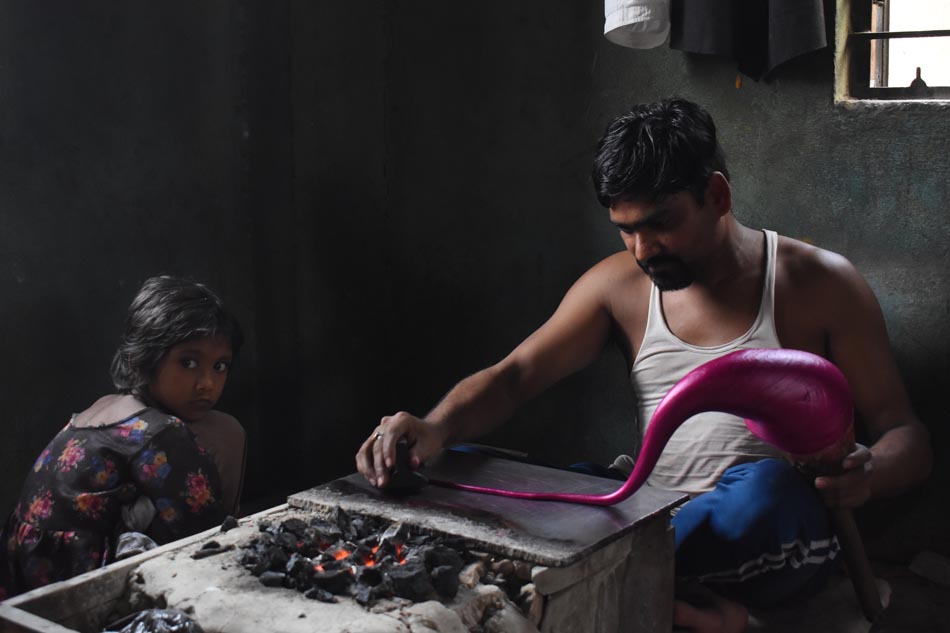
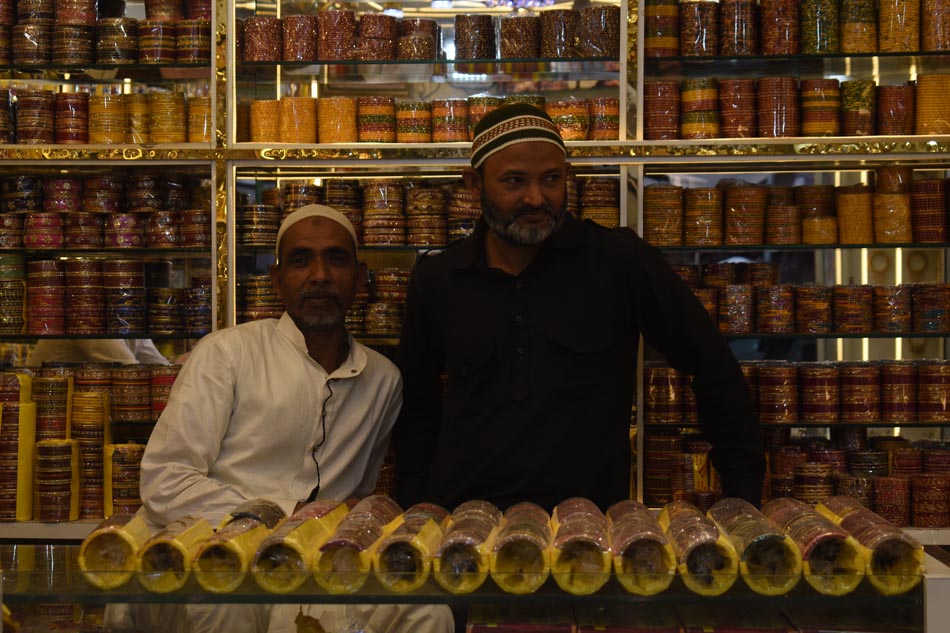
Globally and nationally, Muzaffarpur is unequivocally famous as the "Land of Litchi". The highly calcareous, well-drained sandy loam soil of the district is the perfect incubator for the Shahi and China varieties of this fruit, which are exported extensively and celebrated for their unmatched sweetness and flavour.
Economically, the district is renowned as a premier industrial and wholesale trading hub in North Bihar. The Sutapatti bazar is legendary across northern India as a massive clearinghouse for wholesale cloth, receiving textiles directly from mills and feeding smaller markets across the state. The city is also known for its heavy industries, most notably the manufacturing of railway wagons by Bharat Wagon and Engineering Ltd., alongside thriving agro-based industries, dairy production, and leather goods.
Muzaffarpur holds a subtler but equally vital fame for its crafts. The region is a vital centre for Lahthi (Lac) Bangles and Sujani Embroidery. The Lahthi craft is an intricate art form that requires master artisans to undergo a rigorous process of heating, shaping, and embellishing natural resin to create highly durable, culturally significant jewellery worn during weddings and festivals. Similarly, Sujani embroidery is a narrative textile tradition where women stitch together layers of old cloth, using vibrant threads to depict social issues, folklore, and daily life, transforming simple materials into profound storytelling canvases.
Finally, the city is famous for its historical and spiritual landmarks. It is remembered as the site of the Muzaffarpur bomb case of 1908, housing the memorial of the teenage martyr Khudi Ram Bose. Spiritually, it draws countless devotees to its ancient temples, including the Baba Garibnath Temple, the Chaturbhuj Sthan, and the Ram Temple with its colossal Shivling, marking the city as a quiet but vital node of Hindu pilgrimage.
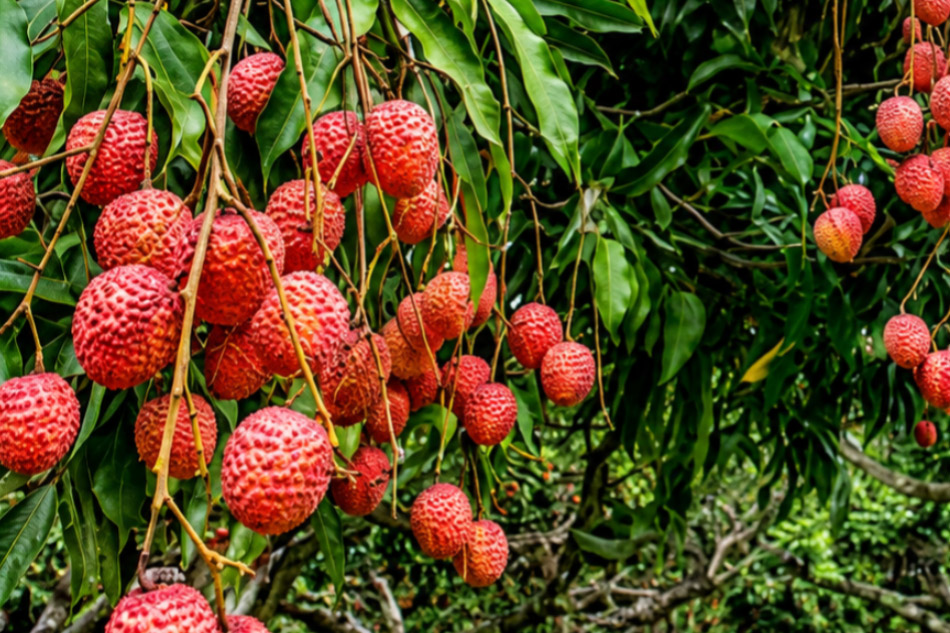
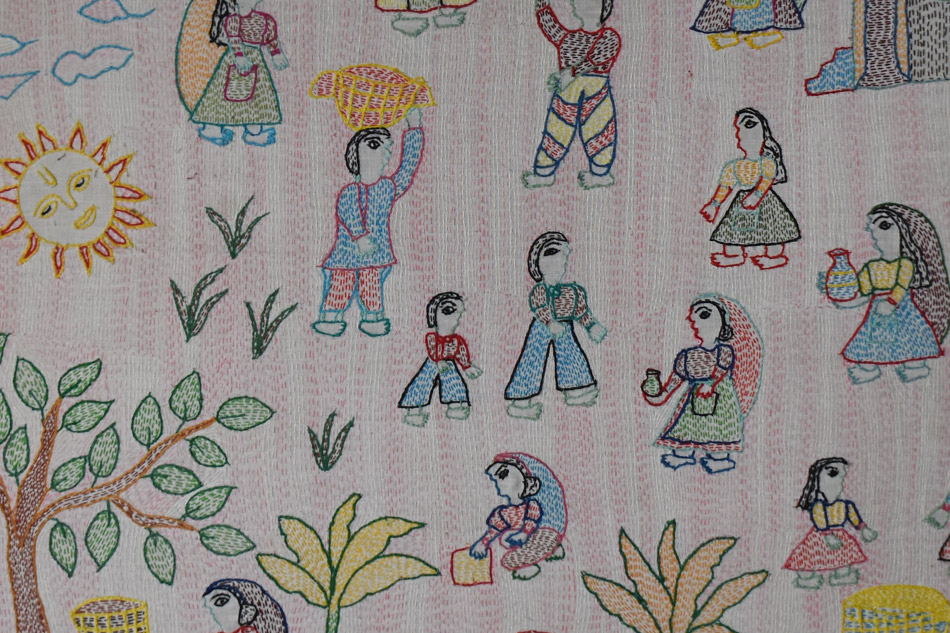
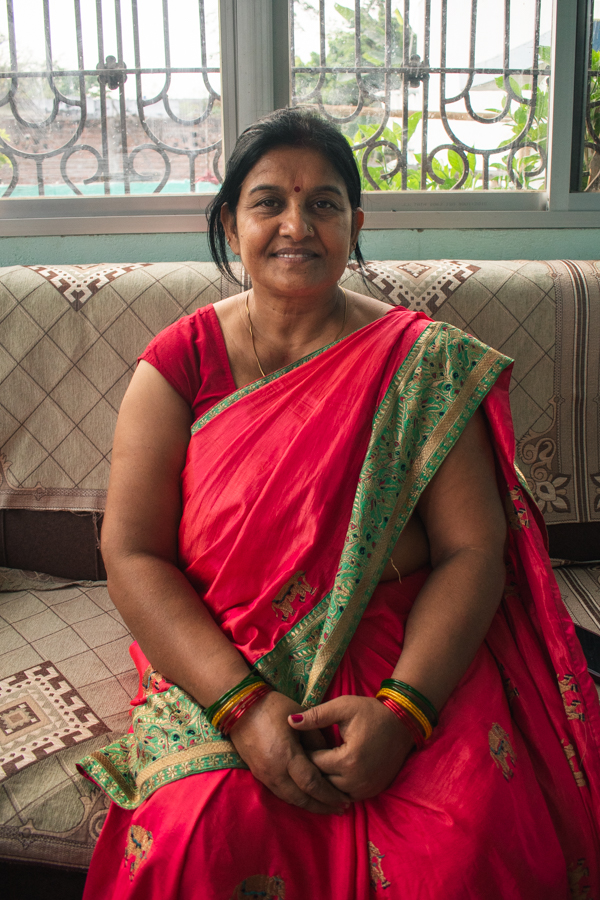
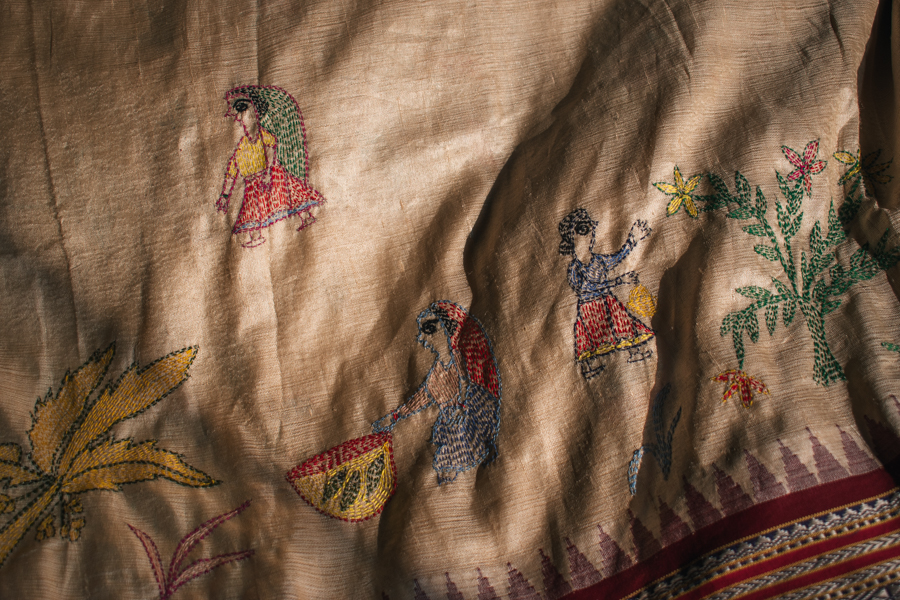
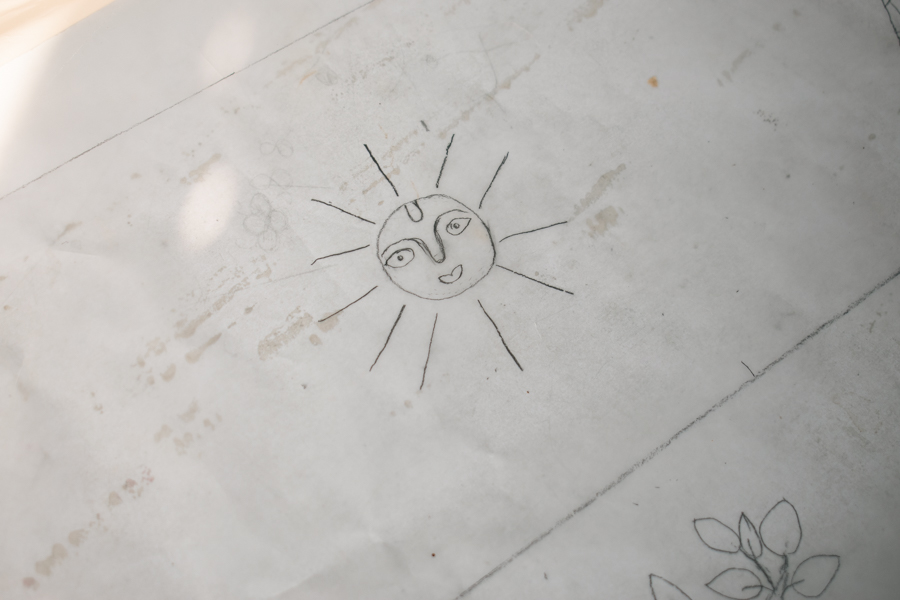
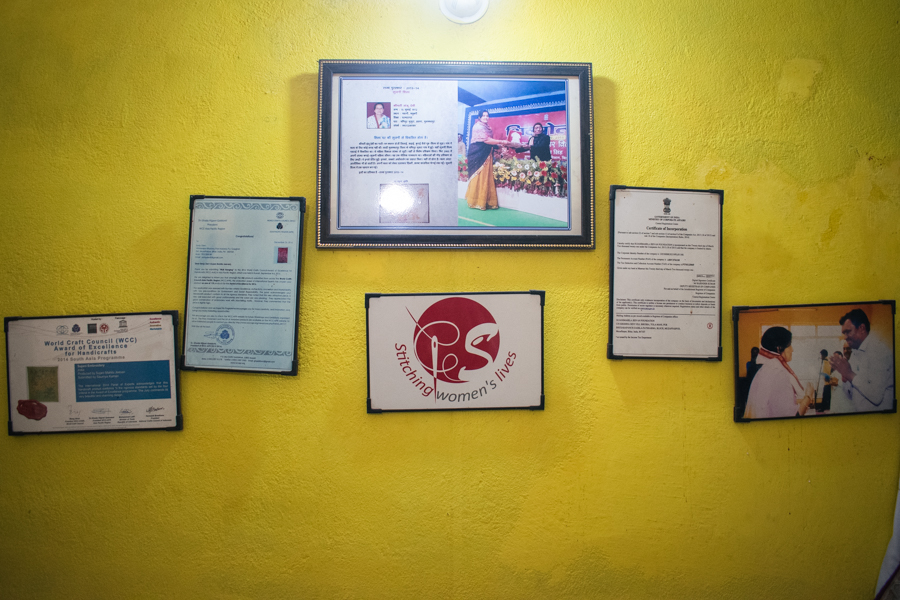
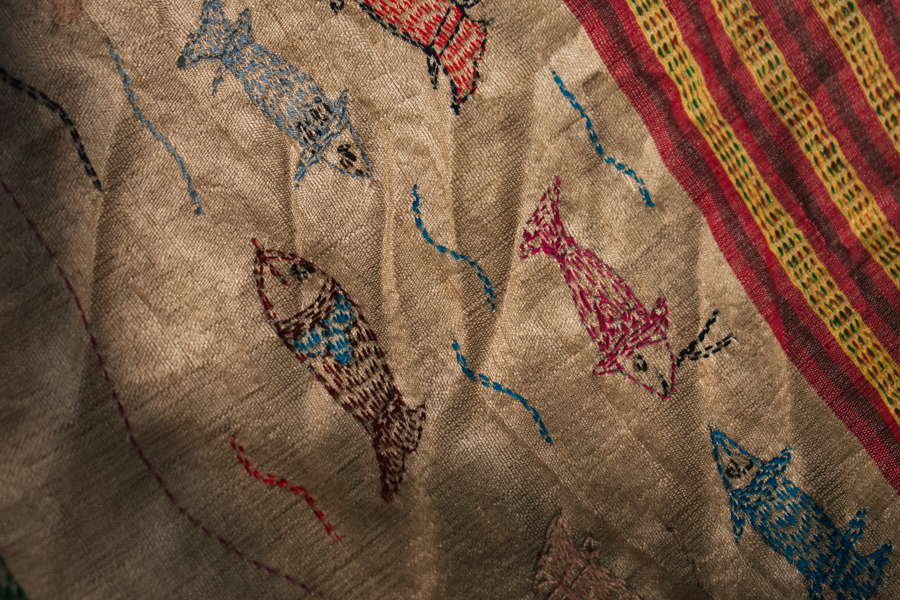
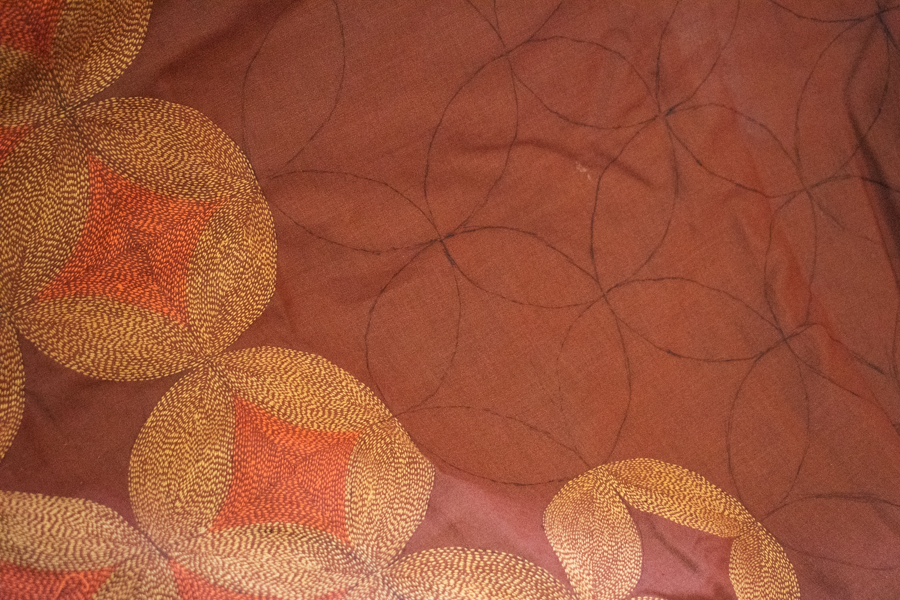
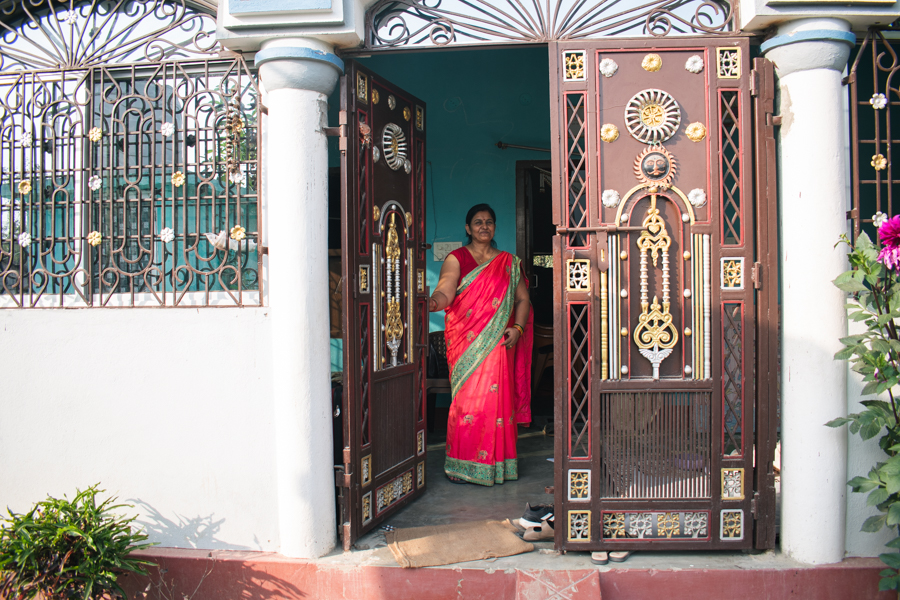
List of craftsmen.
Team Gaatha
Development Commissioner (Handicrafts), Ministry of Textiles, Government of India. Geographical Indications Journal No. 18: Sujani Embroidery Work of Bihar. 2007.
Geographical Indications Journal No. 18 – Sujani Embroidery Work of Bihar
National Institute of Fashion Technology (NIFT). Craft Cluster: Sujini Embroidery.
Indian Textiles & Crafts Repository – Sujini Embroidery
Office of the Development Commissioner (Handicrafts), Ministry of Textiles, Government of India. Sujini Embroidery Work of Bihar.
Sujini Embroidery Work of Bihar – Handicrafts.gov.in
Ministry of Tourism, Government of India. Sujini Embroidery Work of Bihar. Incredible India.
Incredible India – Sujini Embroidery Work of Bihar
Global InCH – International Journal of Intangible Cultural Heritage. Mohan, Reena. Sujni Kantha Embroidery of Bihar. 2019.
Global InCH – Sujni Kantha Embroidery of Bihar
Indian Textiles & Crafts Repository. Sujini Embroidery. National Institute of Fashion Technology.
Indian Textiles & Crafts Repository – Sujini Embroidery
Craftmark. Sujni Embroidery – Craft Documentation.
Craftmark – Sujni Embroidery Documentation
National Institute of Open Schooling / eGyanKosh. Traditions and Perceptions of Crafts in Bharat. Unit 14.
eGyanKosh – Traditions and Perceptions of Crafts in Bharat
eGyanKosh. Textiles and Handicrafts for Livelihood. Block 2.
eGyanKosh – Textiles and Handicrafts for Livelihood
India.gov.in. Sujini Embroidery Work of Bihar – One District One Product.
India.gov.in – Sujini Embroidery Work of Bihar
The Hindu. Sujni, equally elegant twin of Kantha.
The Hindu – Sujni, equally elegant twin of Kantha
Bani Jha. Sujni Embroidery and Community of Practice in Bihar. 2019.
The work is listed as a reference in the craft documentation source.
Shrikant, Usha. Ethnic Embroidery of India, Part II. Pune: Usha Shrikant, 2009.
Irwin, John & Margaret Hall. Indian Embroideries, Vol. II. Ahmedabad: Calico Museum of Textiles, 1973.
Jaitly, Jyotindra. Crafts Atlas of India. New Delhi: Niyogi Books, 2012.
Malik, Arzoo et al. Sujani Craft. Patna: National Institute of Fashion Technology, 2018.
Kumar, Anand et al. Sujani: Handcrafted with Love. Patna: National Institute of Fashion Technology, 2018.
Singh, Astha et al. Sujani: The Magical Stitch. Patna: National Institute of Fashion Technology.
Tanna, Anjali et al. Sujini of Bihar. Patna: National Institute of Fashion Technology.
Chakravorty, Pallabi. “From Domestic Needlework to Public Art: Sujani Embroidery and Women’s Narratives in Bihar.” Textile: The Journal of Cloth and Culture.
Gupta, Samita, and Suchismita Adhikari. “A Study on Sujani Embroidery of Bihar and Modification in Its Designs and Technique for Revival.” International Journal of Textile and Fashion Technology, vol. 7, no. 2, 2017, pp. 9–16.
Mohan, Reena. “Sujni Kantha Embroidery of Bihar.” Global InCH: International Journal of Living Heritage, May 2019.
Narayan, Prerna. “Derivation of Factors for Measuring Uniqueness of Handicraft, with Specific Reference to Sujani Embroidery of Bihar as a Living Cultural Heritage.” Responsible and Resilient Design for Society, vol. 2, edited conference proceedings of the International Conference on Research into Design (ICoRD), Springer Nature, 2025.
Singh, Madhu. “Sujani Embroidery of Bihar: Tradition, Transformation and Women’s Empowerment.” Indian Journal of Traditional Knowledge.
Adamson, Glenn. Thinking Through Craft. Berg, 2007.
Crill, Rosemary. Indian Embroidery. Victoria and Albert Museum, 1999.
Dhamija, Jasleen. Asian Embroidery. Abhinav Publications, 2004.
Dhamija, Jasleen. Indian Folk Arts and Crafts. Rev. 2nd reprint, National Book Trust, India, 1992.
Dongerkery, Kamala S. The Indian Embroidery. D. B. Taraporevala Sons & Co., 1950.
Dormer, Peter, editor. The Culture of Craft. Manchester University Press, 1997.
Eicher, Joanne B., and Jasleen Dhamija, editors. Berg Encyclopedia of World Dress and Fashion. Vol. 5, Central and Southwest Asia. Berg, 2010.
Frater, Judy. Threads of Identity: Embroidery and Adornment of the Nomadic Rabaris. Mapin Publishing Pvt. Ltd., 1995.
Gillow, John, and Nicholas Barnard. Traditional Indian Textiles. Thames and Hudson, 1991.
Greenhalgh, Paul, editor. The Persistence of Craft. A & C Black, 2002.
Gupta, Charu Smita. Embroideries in Asia: The Sui Dhaga Tradition. Roli Books, 2015.
Gupta, Charu Smita. Embroideries in Asia: Sui Dhaga. Niyogi Books, 2020.
Ingold, Tim. Making: Anthropology, Archaeology, Art and Architecture. Routledge, 2013.
Irwin, John, and Margaret Hall. Indian Embroideries. Vol. II, Calico Museum of Textiles, 1973.
Jain, Jyotindra. India’s Popular Culture: Iconic Spaces and Fluid Images. Marg Publications, 2004.
Jain, Jyotindra. Other Masters: Five Contemporary Folk and Tribal Artists of India. National Crafts Museum, 1998.
Jain, Jyotindra, and Jasleen Dhamija, editors. Handwoven Fabrics of India. Mapin Publishing Pvt. Ltd., 1989.
Jaitly, Jaya. Crafts Atlas of India. Niyogi Books, 2012.
Jaitly, Jaya. Visvakarma’s Children: Stories of India’s Craftspeople. Niyogi Books, 2017.
Miller, Daniel. Material Culture and Mass Consumption. Blackwell, 1987.
Naik, Shailaja D. Traditional Embroideries of India. APH Publishing Corporation, 1996.
National Institute of Design. Handmade in India: A Geographic Encyclopedia of Indian Handicrafts. National Institute of Design, 2007.
Development Commissioner (Handicrafts), and Development Commissioner (Handlooms). A Compendium of Indian Handicrafts and Handlooms Covered under Geographical Indications (GI). Ministry of Textiles, Government of India, 2017.
Devi, Sanju. Interview by the Gaatha Team. Gaatha – A Tale of Crafts.
