


Sujani Craft ~Bhusra...
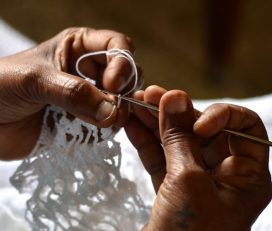
Sujani is a distinctive embroidery tradition of Bihar, particularly practised in Muzaffarpur district and surrounding villages.
Bhusra, Bihar, India...
 Panjim, Goa, India...
Sujani is a distinctive embroidery tradition of Bihar, particularly practised in Muzaffarpur district and surrounding villages.
Bhusra, Bihar, India...

Arani silk, also known as Arni silk, is a celebrated handloom tradition of Tamil Nadu, produced primarily in Arani, Tiruvannamalai.
Arani, Tamil Nadu, India...
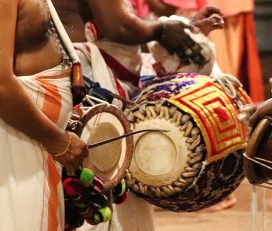
Peruvemba, a village near Chittur-Thathamangalam in Palakkad district of Kerala, is known for a longstanding tradition of making leather-based percussion instruments.
Peruvemba, Kerala, India...
Let us talk… if you feel the same love for handmade, and would like to support us by sharing your research or by contributing financially to our documentation efforts.
Reach us at [email protected]

Traditionally, the toys were integral to childhood in Konkan households, often passed down through generations. Dolls dressed in Maharashtrian attire helped children understand regional clothing, while miniature animal figures sparked imaginative storytelling rooted in rural life. Folk memory and oral tradition were often reinforced through the use of such toys in domestic play and storytelling. Parents and grandparents would use these handcrafted toys to narrate mythological tales, folk legends, or everyday moral stories, embedding ethical and spiritual lessons in play.
In more formal settings, particularly in gurukuls and early village schools, these toys were used as pedagogical tools. Figures representing farmers, soldiers, deities, or musicians allowed educators to convey occupational diversity, caste systems, and epics like the Ramayana and Mahabharata. Their use was particularly prominent in early balwadi models of education, where learning through objects and dramatization was emphasized.
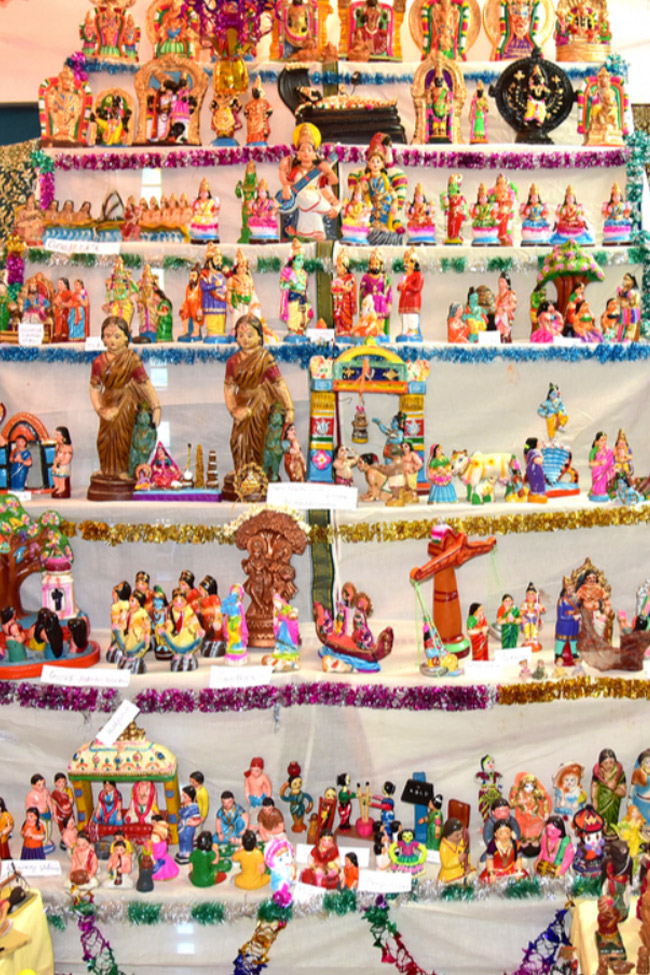
During Ganesh Chaturthi and other religious festivals, the toys would become part of elaborate display sets known as ghats or kolu. Families would arrange dolls and figurines—such as processions of kings, queens, tradespeople, and deities—on tiered steps to retell epics or reflect everyday village life, making the toys part of ritualistic and aesthetic expression. Some specific characters, like Kamadhenu, Garuda, or Dashavatara sets, were carved especially for these religious functions, and were handled with ceremonial care.
Furthermore, the royal patronage of the Bhonsale rulers elevated these toys into the realm of courtly art. Finely crafted soldiers, horses, chess sets, and palace guards were commissioned to adorn the court or be exchanged as diplomatic gifts. The Nawab of Sawantwadi, for instance, is said to have sent lacquered wooden objects to visitors and colonial officials as tokens of goodwill and cultural sophistication.
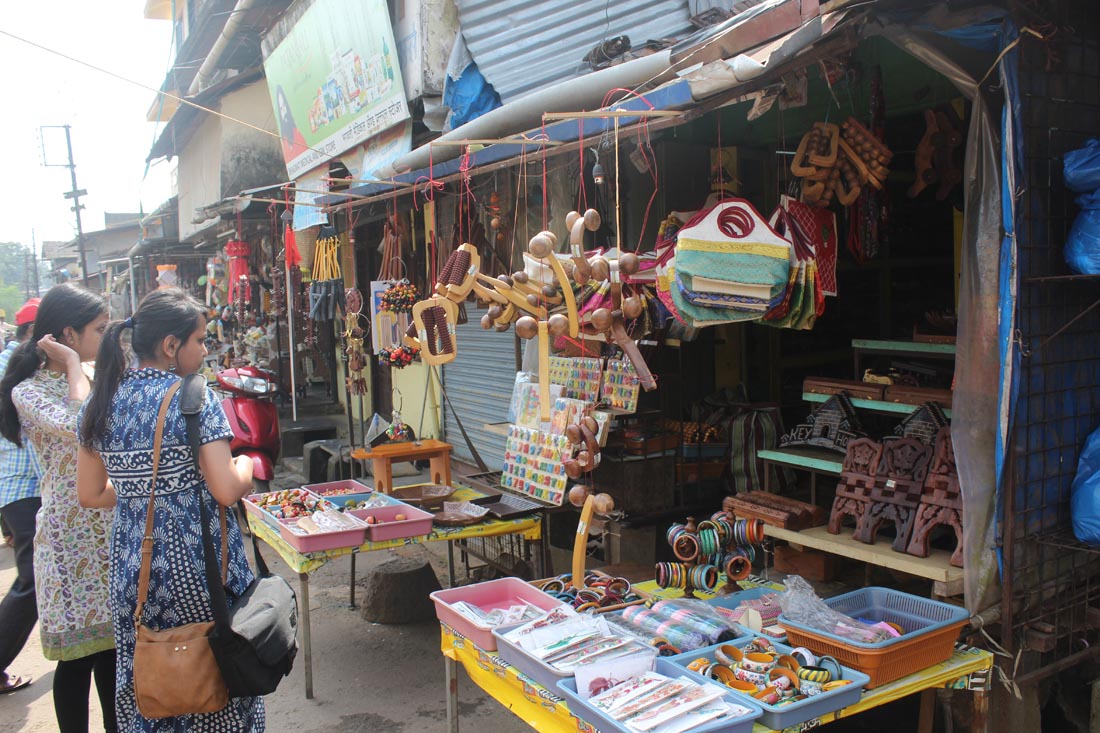
In recent decades, the usage has diversified. Sawantwadi toys are now often bought by tourists as souvenirs, by collectors of folk art, and by urban households as heritage decor or educational models. Their aesthetic appeal has also found resonance in interior design, with framed doll panels, miniature installations, or symbolic displays placed in modern living rooms or studios.
For artisans, these toys are not just products—they’re a means of survival and a medium of cultural resistance. As such, usage today also extends to exhibition circuits, craft melas, and museum displays, where they become tools for storytelling, cultural assertion, and economic sustenance.
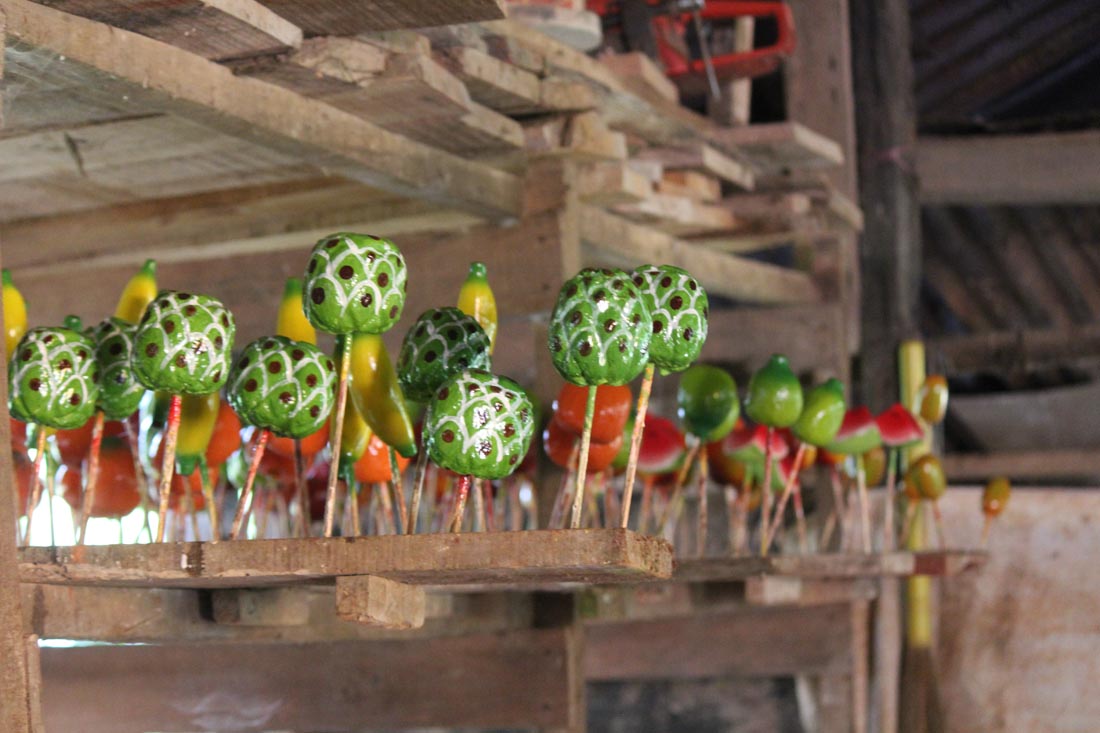
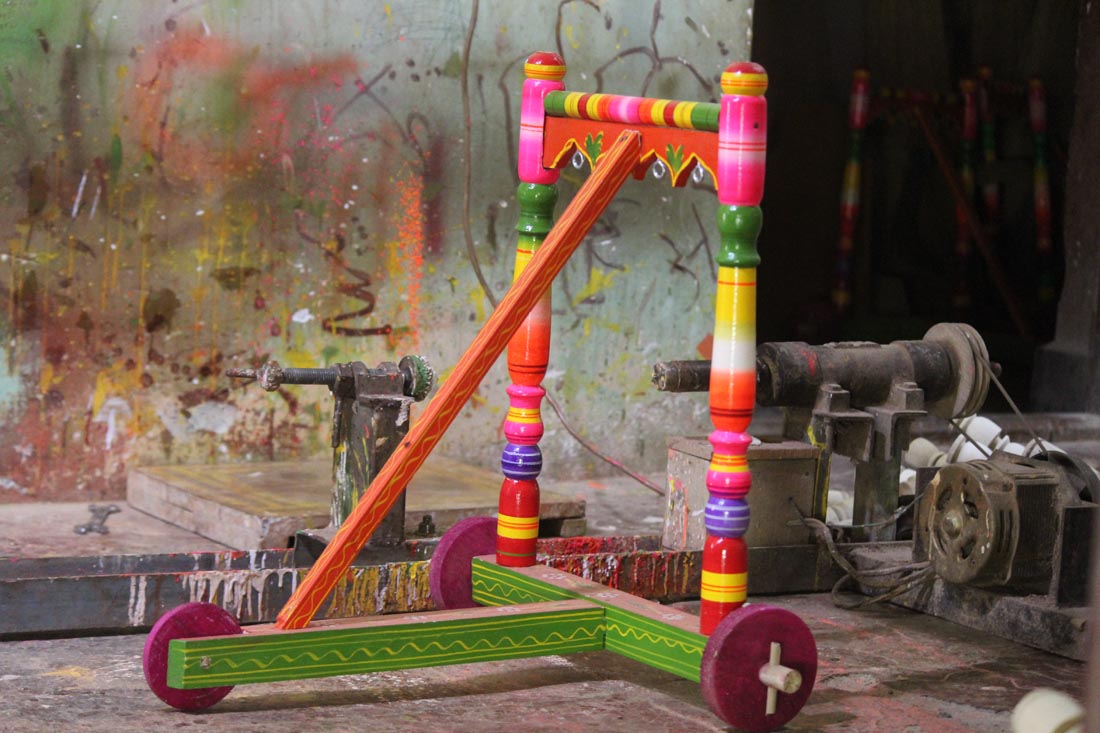
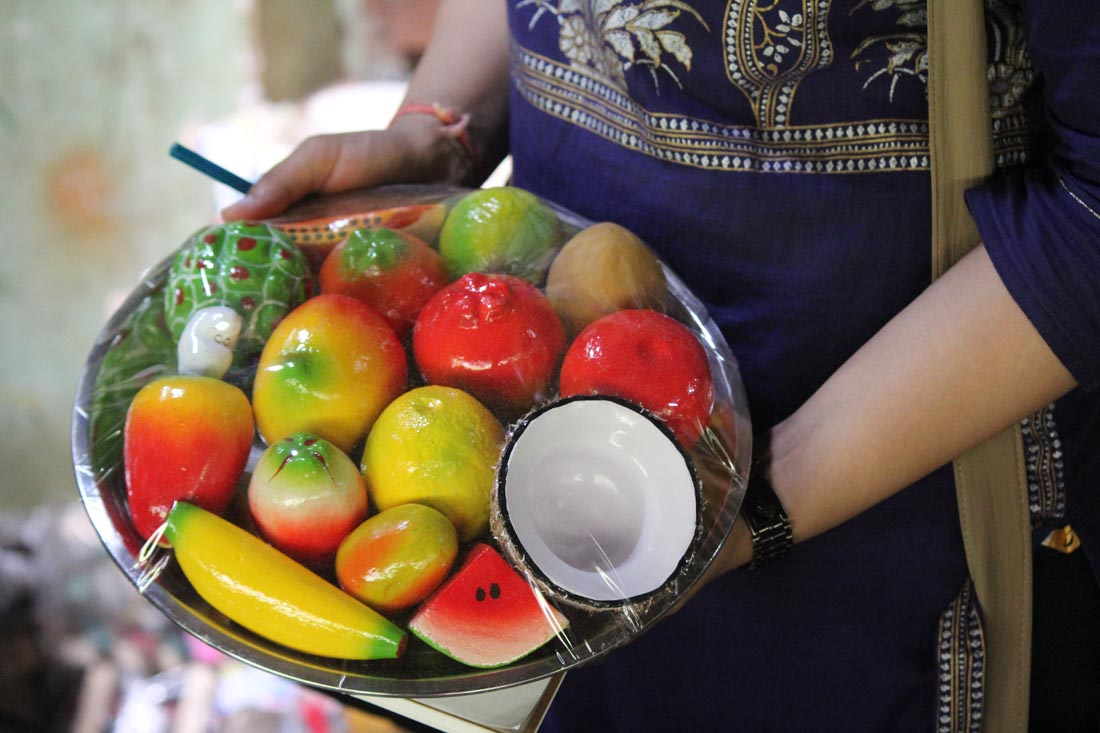
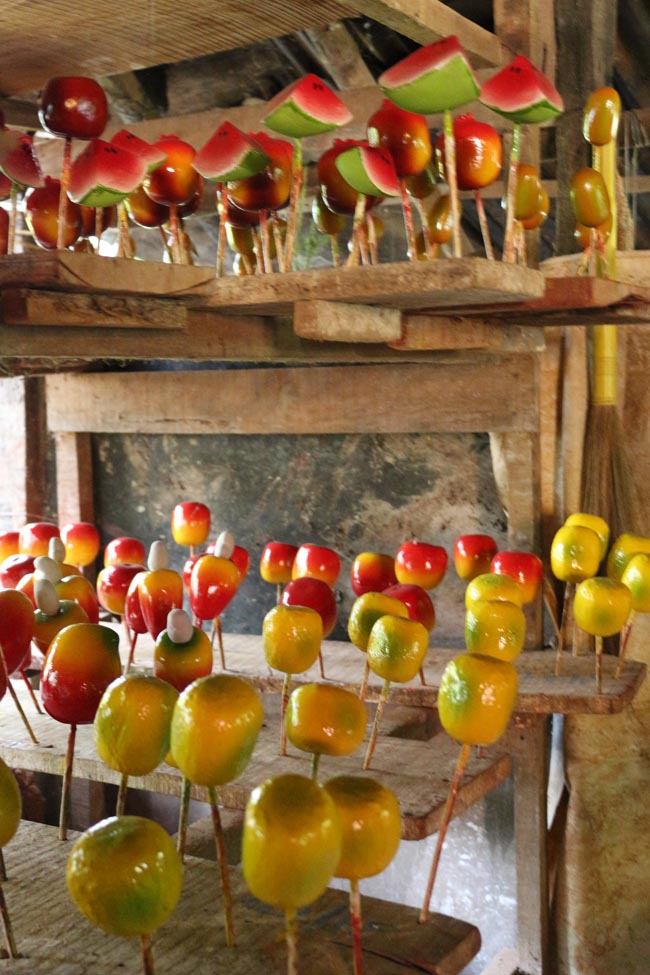
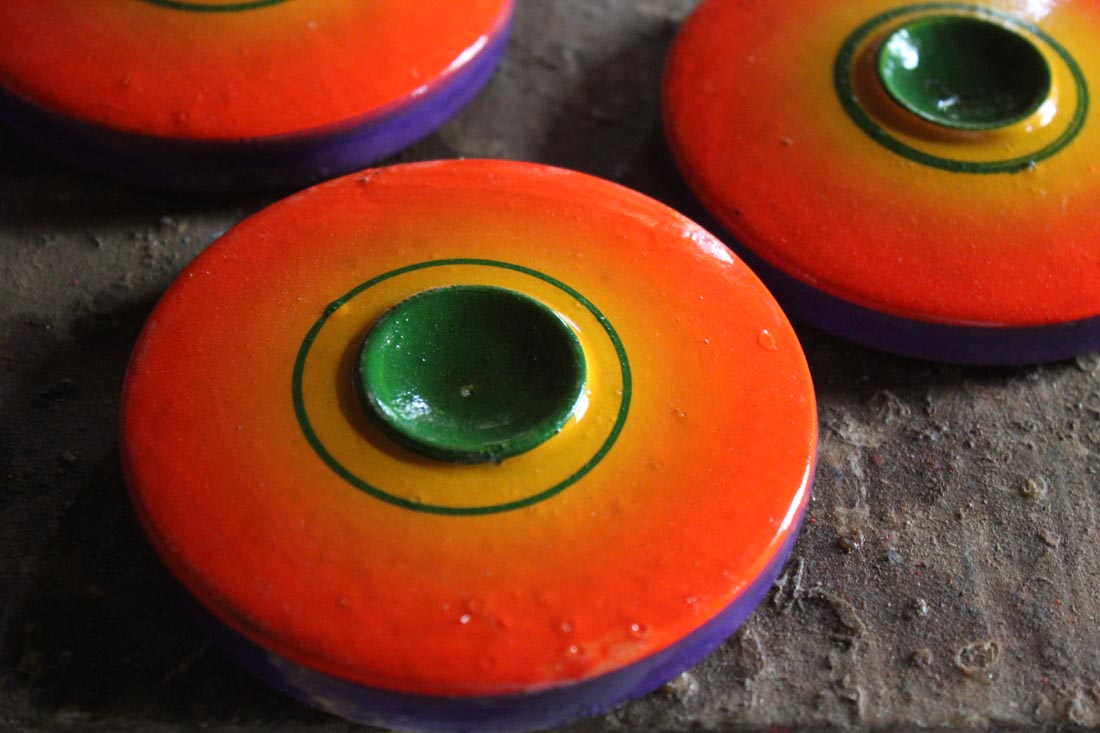
The significance of Sawantwadi wooden toys lies not only in their tangible artistry but also in their role as vessels of intangible heritage—of memory, identity, and resilience. These toys are more than artifacts; they are living embodiments of a regional consciousness that continues to navigate history, colonization, and modernity.
At the heart of their significance is cultural identity. Sawantwadi, nestled in the Konkan region of Maharashtra, has long been a confluence of coastal, Goan, and Maratha influences. The toys reflect this hybridity—whether in their costume detailing, facial features, or the stories they reference. A doll clad in a traditional nauvari saree or a soldier in Maratha regalia becomes a symbolic carrier of regional pride. For locals, owning or gifting these toys affirms a rootedness in local traditions amidst a rapidly homogenizing global culture.
These toys also occupy an important place in the preservation of artisanal knowledge. The techniques—ranging from the turning of hale wood (a locally available softwood) to the meticulous application of natural dyes and lacquer work—are deeply intergenerational. Passed from parent to child, often informally, the making of these toys forms part of an oral and embodied craft tradition. This traditional knowledge, steeped in rhythm and repetition, represents a form of learning rarely captured in formalized education systems.
From a socio-political lens, the toys have historically served as silent resistors to colonial erasure. During the British Raj, when imported machine-made toys from Europe flooded the markets, Sawantwadi’s rulers and artisans deliberately positioned their toys as local alternatives. Toy production became an act of swadeshi expression, bolstered by the patronage of the Sawantwadi royal family. To this day, the toys evoke that early assertion of self-reliance and cultural defiance.
Further, the toys hold significance in gendered and domestic spaces. For young girls, receiving a bride doll or a domestic scene set was not just play—it was social preparation for future roles. Yet, these roles were neither passive nor prescriptive; many of these dolls, especially the “working woman” sets, featured women as teachers, farmers, or goddesses wielding power, offering a more nuanced representation of femininity than commercial toys often provide.
The spiritual significance of the toys is also vital. Many figures are modeled after deities—Ganesha, Krishna, Lakshmi—and are used in religious rituals, home altars, and festival decorations. Their role in kolu arrangements during Navratri or ghat sthapana during Ganesh Chaturthi positions them not just as visual aids, but as objects imbued with reverence. The act of placing these toys on display becomes a form of everyday sacredness, a ritual that blurs the line between the secular and the sacred.
In contemporary times, the significance has expanded into discourses of sustainability and slow living. As mass-produced plastic toys dominate global markets, Sawantwadi toys have emerged as ethical alternatives, valued for being handmade, biodegradable, and infused with narrative. They are seen not just as crafts but as conscious lifestyle choices, appealing to environmentally-aware consumers and culture enthusiasts.
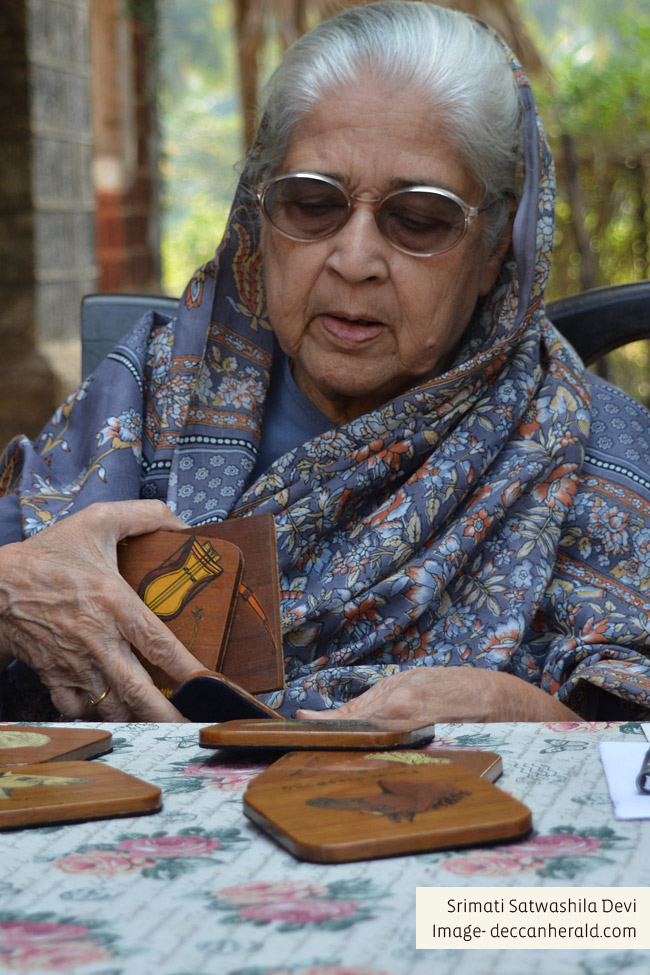
Though not always documented in written form, the Sawantwadi toys are surrounded by several oral legends and folkloric associations, deeply woven into the town’s royal and cultural identity. One such enduring legend connects the craft’s origins to the royal family of Sawantwadi, especially Queen Satwashiladevi of the Bhonsale dynasty. According to local lore, she was deeply invested in preserving indigenous arts and crafts during the British colonial period. Moved by the flooding of foreign, mechanical toys in Indian markets, she is said to have encouraged local artisans to revive and reinterpret traditional toys, giving rise to what we now call the Sawantwadi wooden toys. Her patronage is remembered not only as support but as an active act of cultural resistance, turning the craft into an emblem of regional pride.
Some stories even mythologize the toys as “living beings” who come to life in the presence of devotion or innocence, similar to how dolls and deities are treated in many parts of India. In certain households, the Krishna and Radha figurines crafted in Sawantwadi are offered food during Janmashtami or are bathed and dressed during special festivals, treated not merely as representations but as manifestations of divine presence. These beliefs, while varying across families, point to a larger sentiment: that these toys are not simply objects, but carriers of soul (prana) and story (katha).
There are also folk tales around the craftsmen themselves, regarded by some as possessing divine blessings. In one telling, a toy-maker who once carved a perfect image of Goddess Durga was blessed with a dream visitation by the goddess herself. Upon waking, he found his tools mysteriously sharpened and his workshop filled with the fragrance of flowers—considered a sign of her divine approval. These oral tales, whispered between generations, have built a culture of sacred artistry, where the toy-making process is not just labor but a spiritual offering.
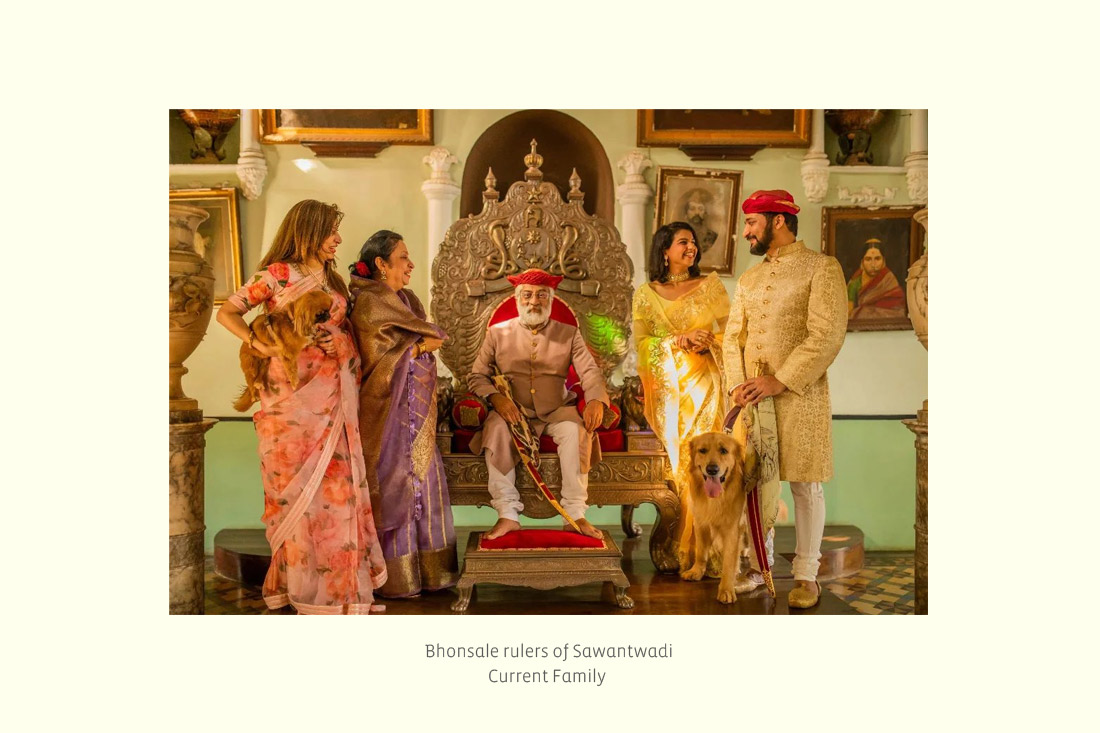
The history of Sawantwadi wooden toys is as layered and colorful as the lacquer used to decorate them. Their evolution is deeply tied to the socio-political shifts in the Konkan region and the royal legacy of the Bhonsale rulers of Sawantwadi. As a princely state strategically positioned between Portuguese Goa and British Bombay, Sawantwadi served as a cultural corridor in the 18th and 19th centuries. The Bhonsale rulers, particularly Khem Sawant III and later his successors, actively supported the arts—not just for aesthetic enrichment, but as a means of defining regional identity amidst growing colonial influence.
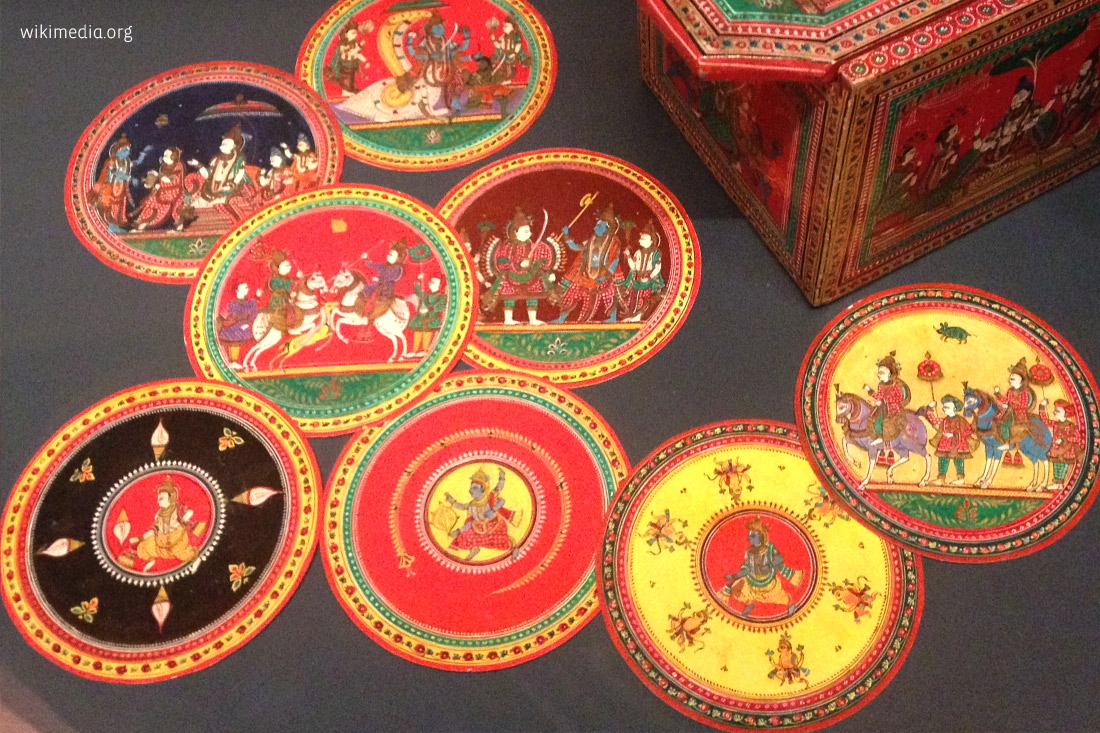
In the 18th century, the toy-making tradition found a significant revival when European imports began replacing local crafts. The royalty, sensing both an economic and cultural threat, began patronizing local artisans who worked with hale wood (wrightia tinctoria) and natural dyes to produce toys that rivaled foreign goods. This movement paralleled broader swadeshi sentiments, long before the term entered national vocabulary. The Sawantwadi Palace became a hub of artisanal training, where artisans learned not just woodwork, but miniature painting, Ganjifa card, lacquer application, and color theory—resulting in a unique cross-pollination between fine arts and folk craft.
The toys initially centered around mythological figures and royal subjects, reflecting courtly life. Over time, they adapted to reflect everyday occupations, creating miniature farmers, vegetable vendors, postmen, and schoolchildren. This democratization of representation mirrored the town’s own transformation—from a princely capital to a people’s town, with art that celebrated the mundane and sacred alike.
The 20th century saw both decline and revival. The popularity of mass-produced plastic toys in the post-Independence era posed a serious threat, leading to dwindling sales and fading interest. Yet, with the rise of craft revival movements in the 1980s and 1990s, aided by NGOs and craft organizations, there was renewed interest in Sawantwadi’s toys. Collaborations with designers and heritage tourism initiatives brought the toys back into the spotlight. The royal family, especially Satwashiladevi Bhonsale, again played a crucial role in retraining artisans and reestablishing the craft’s visibility—a powerful echo of her 19th-century predecessors.
The design language of Sawantwadi wooden toys is an expressive blend of folk aesthetics, courtly elegance, and vibrant storytelling. Every toy is a product of an intimate relationship between form and function, ritual and play, and tradition and innovation. Traditionally made using hale wood (wrightia tinctoria) for its softness and fine grain, these toys are first carved into simple, minimal shapes that allow for rich surface detailing. It is through the application of vivid colors, intricate line work, and painstaking hand-painted miniature art that the toys come alive.
The designs are deeply embedded in narrative representation. Mythological characters like Krishna, Radha, Hanuman, and Shiva are popular figures, often adorned with floral motifs and sacred symbols. In addition to these deities, artisans also craft scenes of everyday village life—a farmer ploughing the fields, a woman drawing water from a well, a child flying a kite. These scenes are not just decorative—they are socio-cultural capsules, preserving a way of life that is rapidly vanishing in contemporary India.
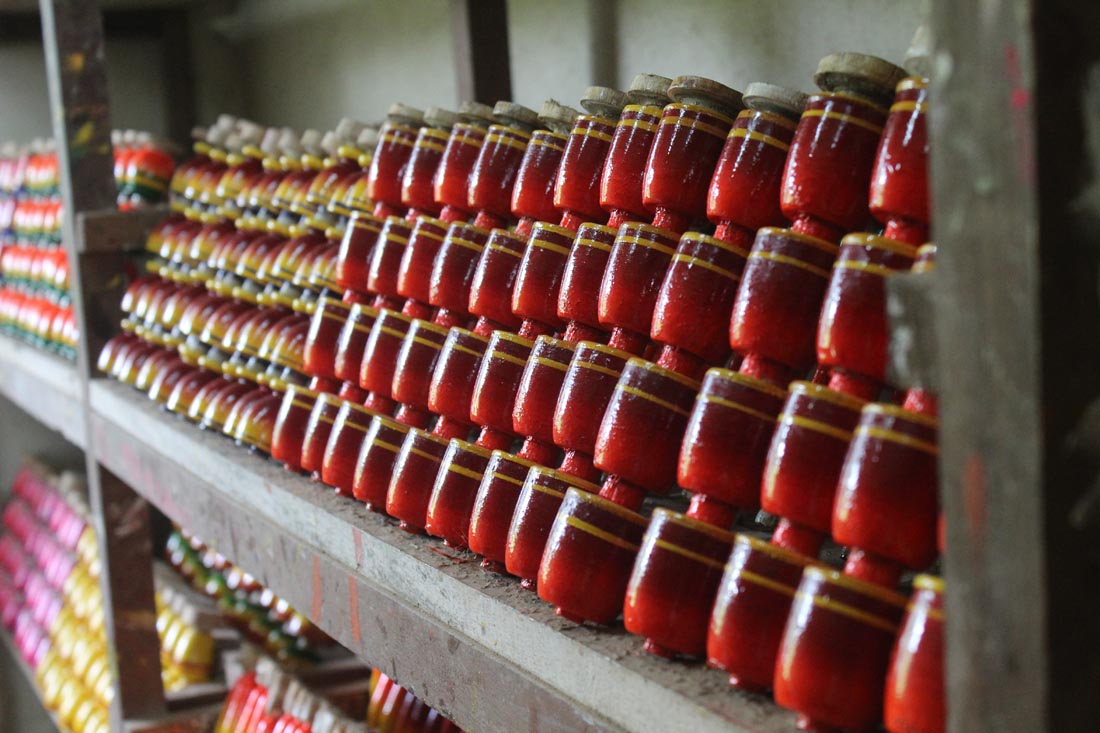
The color palette is bold and rooted in tradition: red, green, yellow, and black dominate, often layered over a pristine white base. Natural dyes were originally used, though some contemporary versions incorporate synthetic pigments. The lacquered finish, a hallmark of Sawantwadi toys, adds a glass-like shine that heightens their visual appeal and durability. What’s unique is how the surface painting often resembles miniature paintings—delicate, ornate, and deeply expressive.
Another fascinating aspect of the design is motion. Some toys feature movable limbs or parts that rotate, nod, or spin—like the wooden peacock with a bobbing neck or a dancing figure that sways with the touch of a finger. This incorporation of kinesis into craft adds a layer of wonder, particularly for children, transforming static objects into living playmates.
Design evolution in recent decades has responded to both market demands and social storytelling. Newer themes such as doctors, lawyers, and teachers, or even global icons, have begun to appear, reflecting the aspirational narratives of present-day India. At the same time, efforts are being made to retain the traditional canon, ensuring that cultural memory is not lost in the face of modernization.
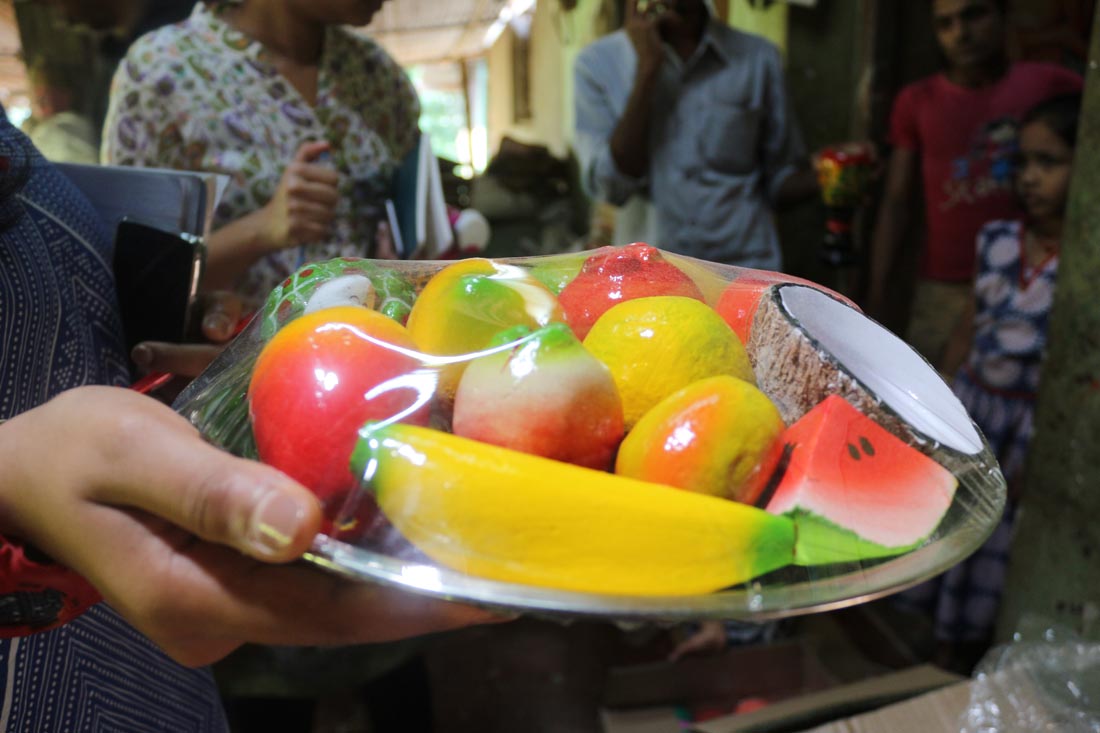
Despite its cultural and artistic brilliance, the Sawantwadi wooden toy tradition faces several persistent and emerging challenges. The first is the decline in skilled artisans. With younger generations turning towards more lucrative or stable careers, often in urban centers, the hereditary knowledge of carving and miniature painting is being lost. The transmission of this knowledge is deeply experiential—it cannot be replicated easily through manuals or videos, making it a high-risk craft in terms of continuity.
The second major challenge lies in market pressures and competition. The influx of mass-produced plastic toys, particularly from China and other industrial hubs, has significantly undermined the traditional market for handmade toys. These plastic alternatives are cheaper, more varied, and heavily advertised, often eclipsing the quieter, handcrafted elegance of Sawantwadi pieces. As a result, many artisans struggle with inconsistent sales and inadequate pricing that fails to reflect the labor-intensive nature of their work.
Raw material scarcity and rising costs pose economic hurdles. Hale wood, once abundantly available, is now regulated due to forest conservation laws. Artisans often find it difficult to access quality wood at affordable rates, and synthetic substitutes fail to replicate the feel and finish of the original.
There’s also a broader challenge of cultural invisibility. Despite its rich heritage, the Sawantwadi toy craft is not as well-known nationally or globally as it deserves to be. It is often sidelined in mainstream craft narratives that prioritize textiles or jewelry. This lack of visibility affects both policy attention and potential patronage.
While heritage tourism and institutional collaborations have created some momentum, they remain insufficient in scale and sustainability. Without consistent state support, educational outreach, and effective branding, these toys risk becoming mere museum artifacts rather than living, evolving cultural expressions.
However, it is worth noting that the same community grapples with these challenges with remarkable resilience. Artisans, often led by the remaining members of the royal family or supported by local NGOs, have begun conducting workshops, digital campaigns, and storytelling projects to keep the art form relevant. The way forward may lie in creating craft ecosystems that blend tradition with innovation, ensuring not just survival but revival.
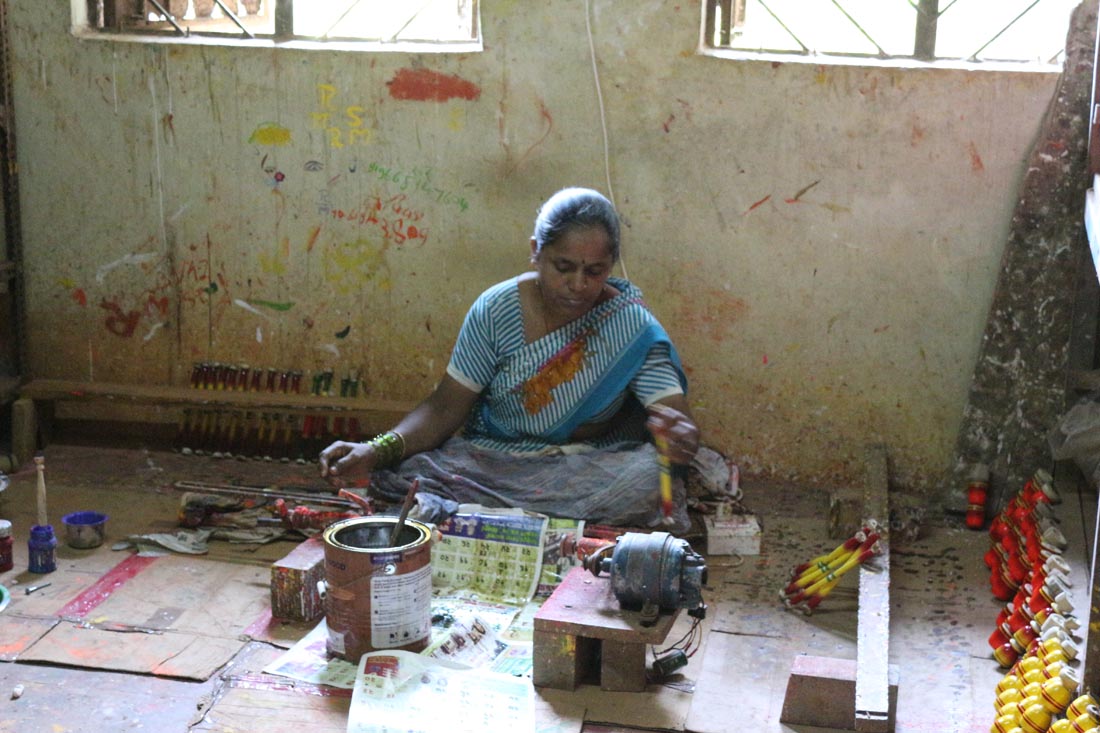
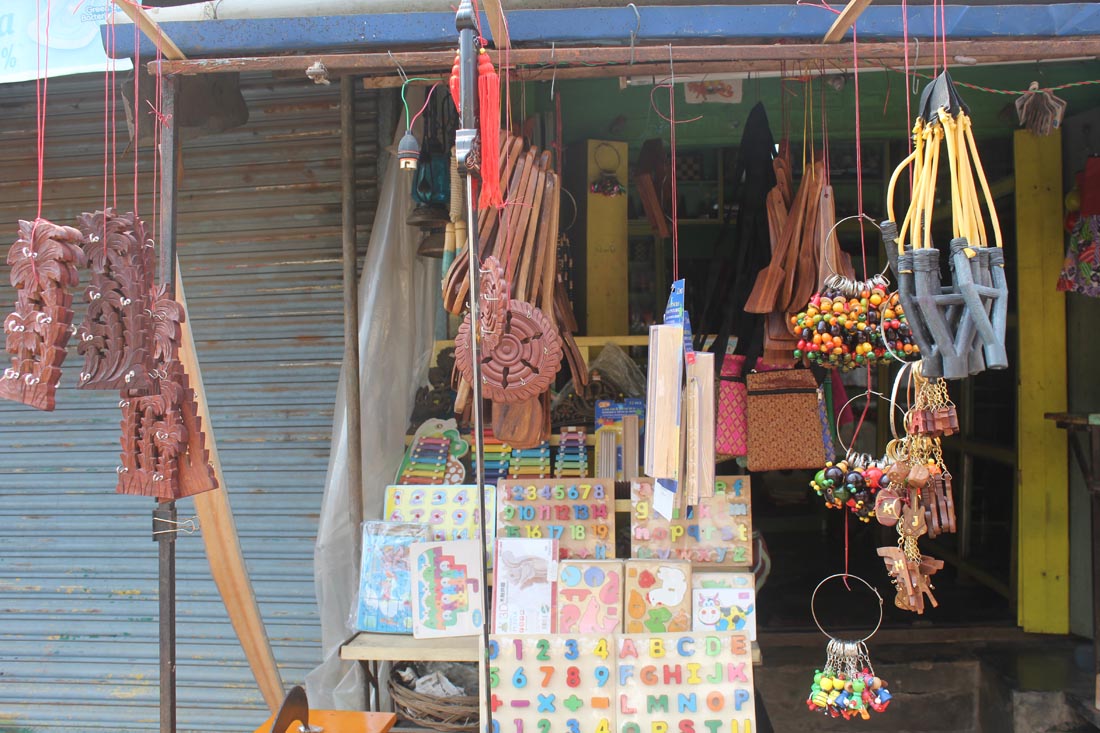
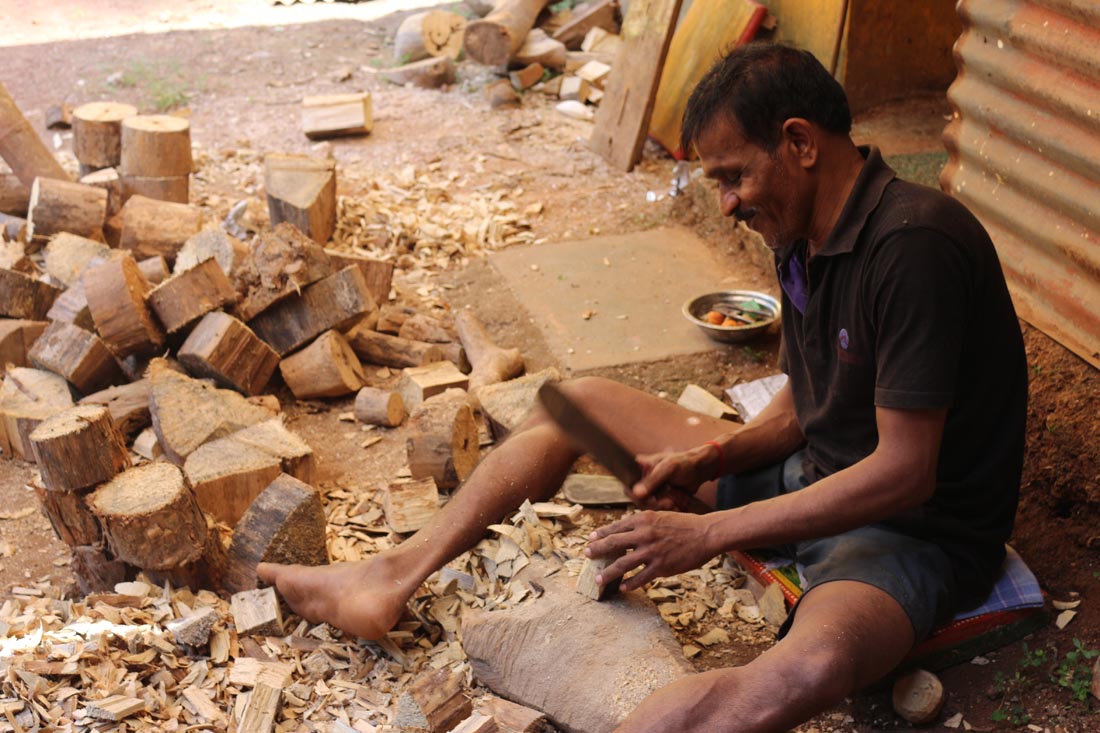
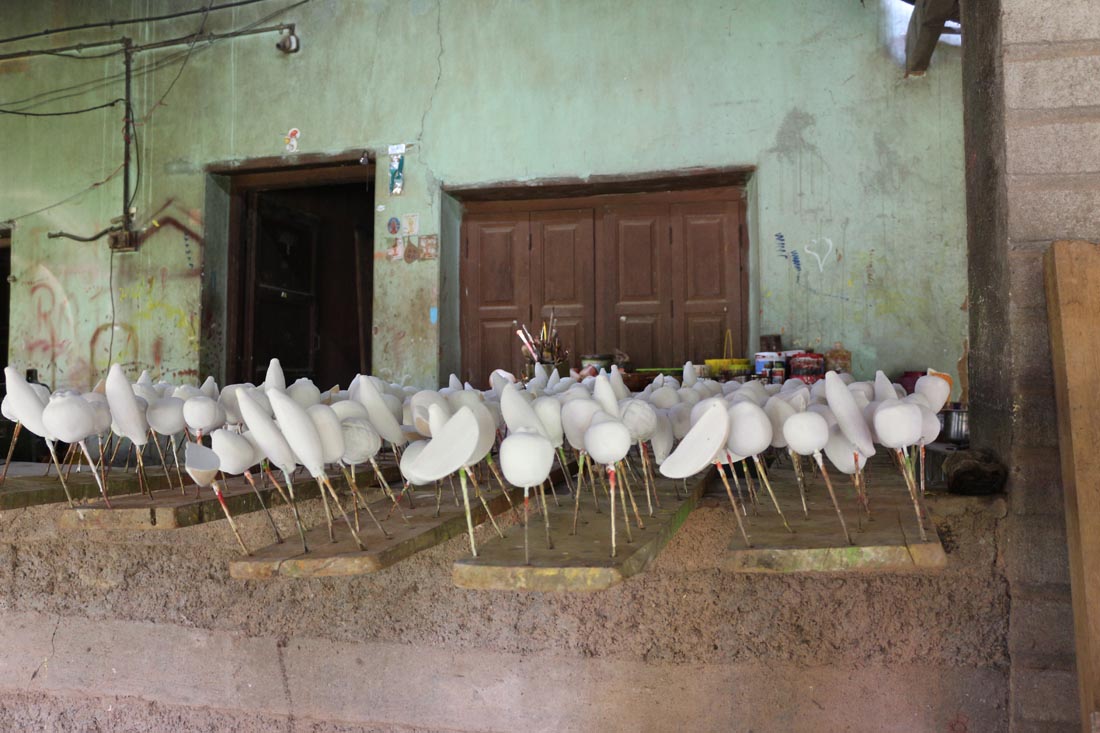
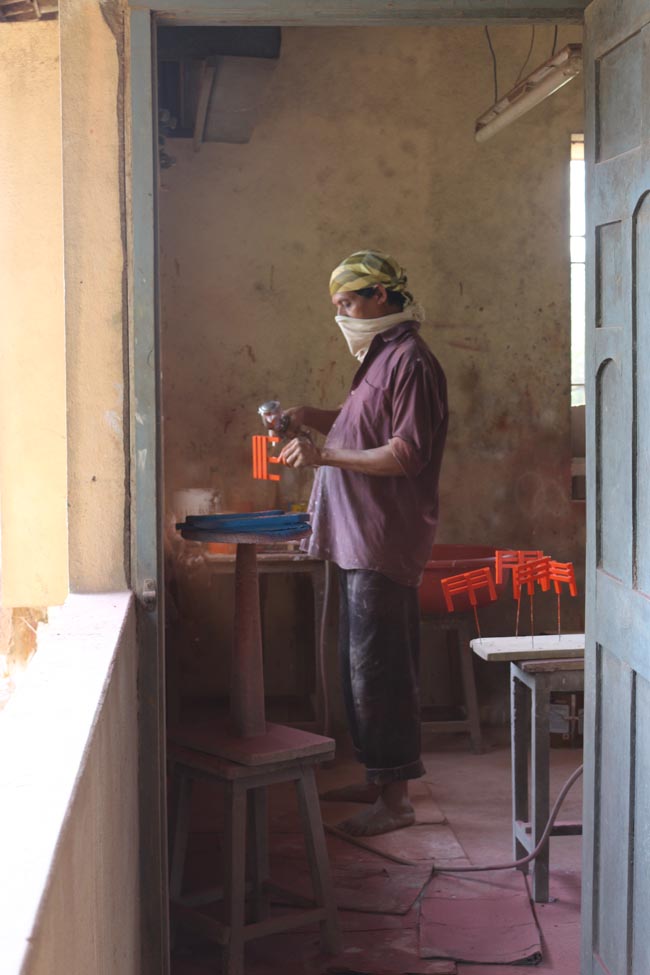
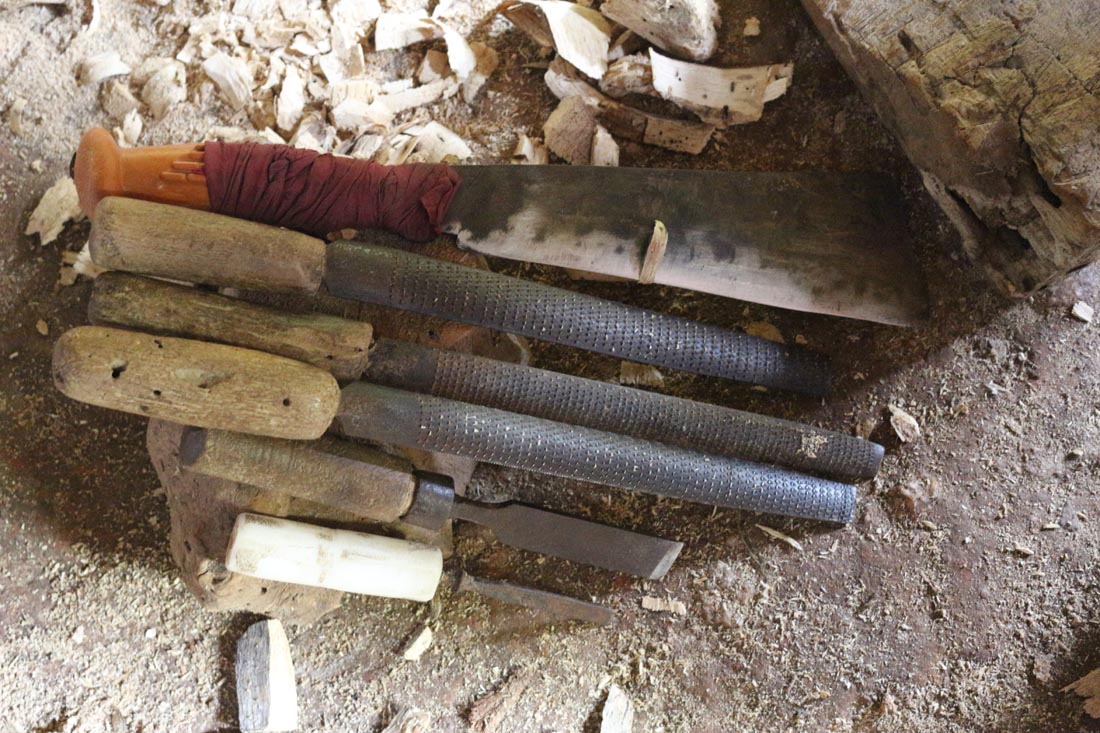
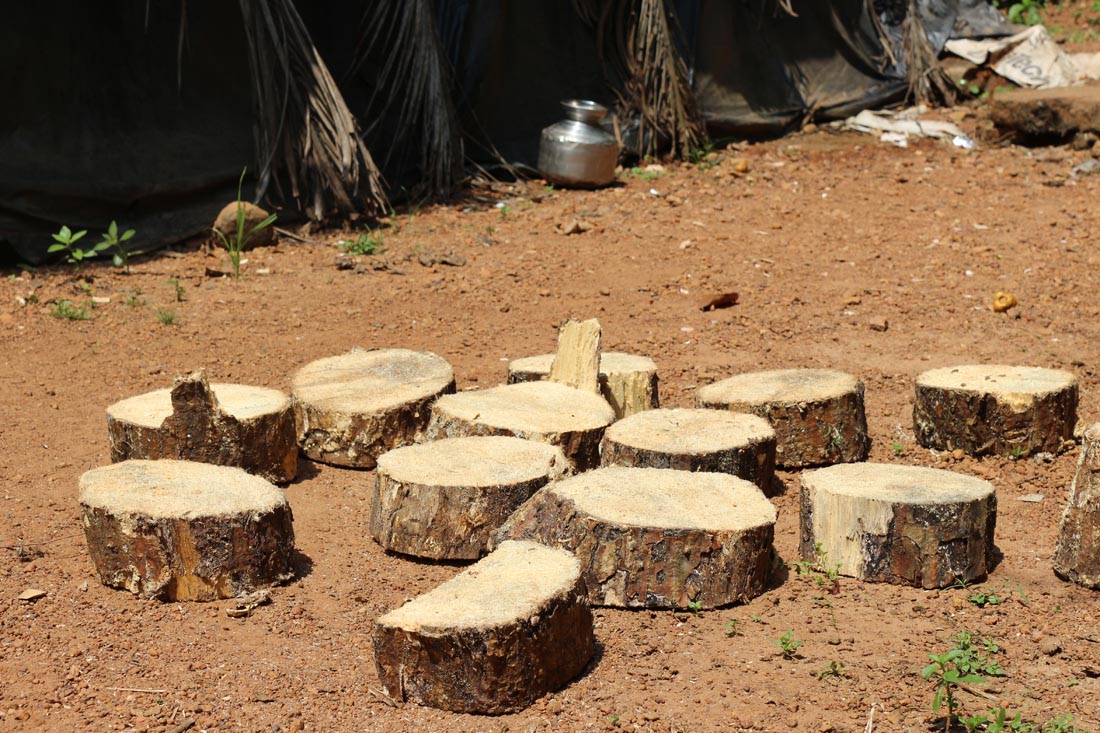
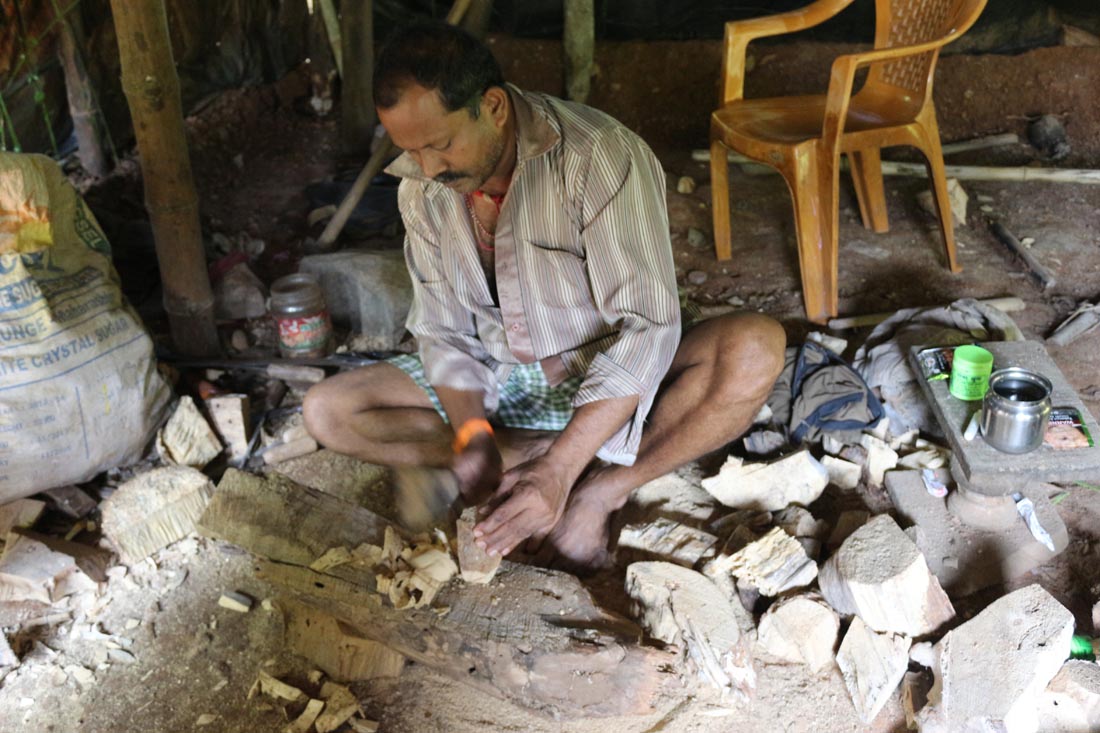
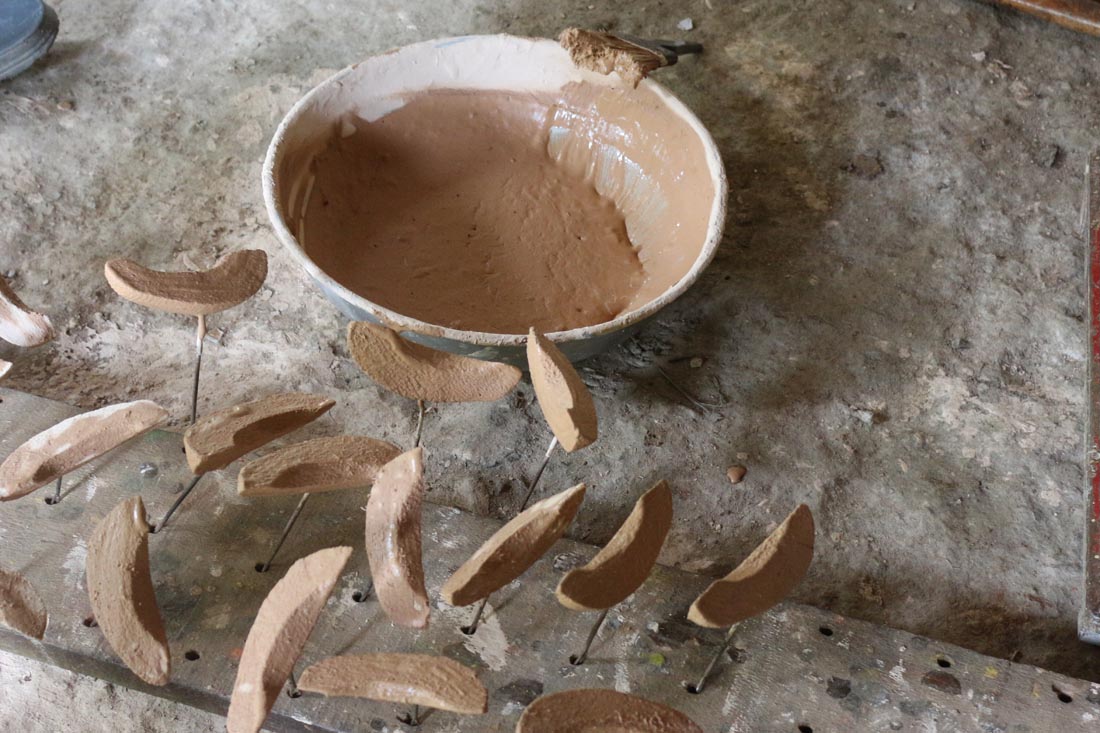
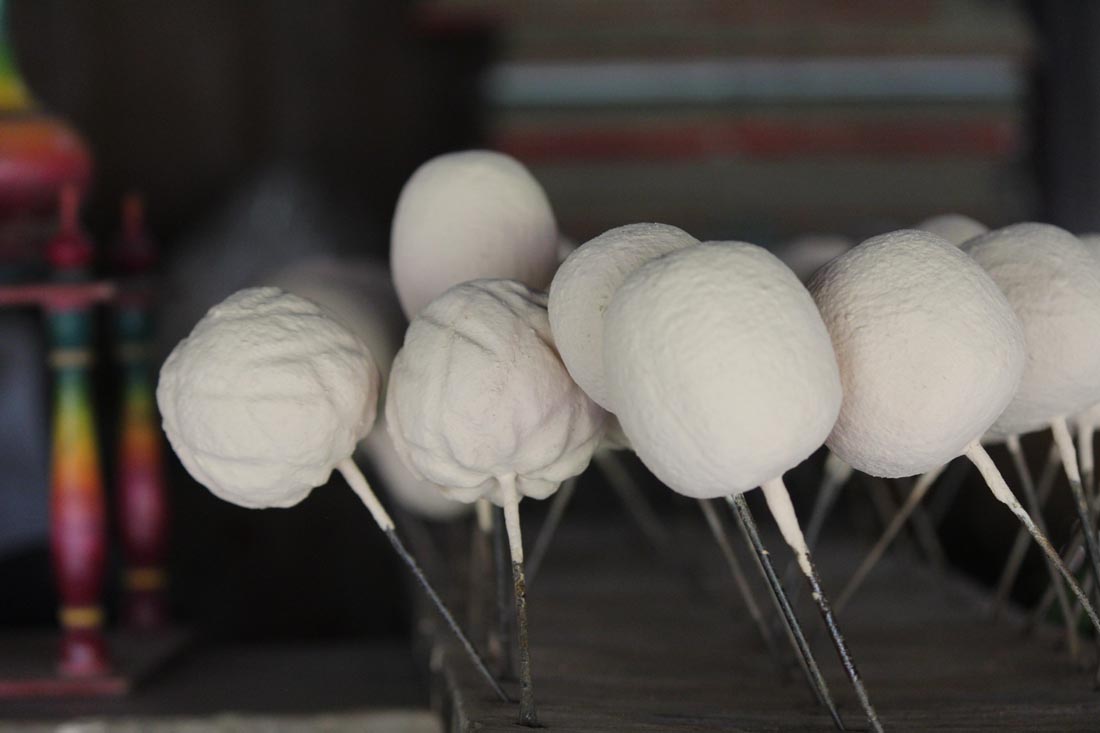
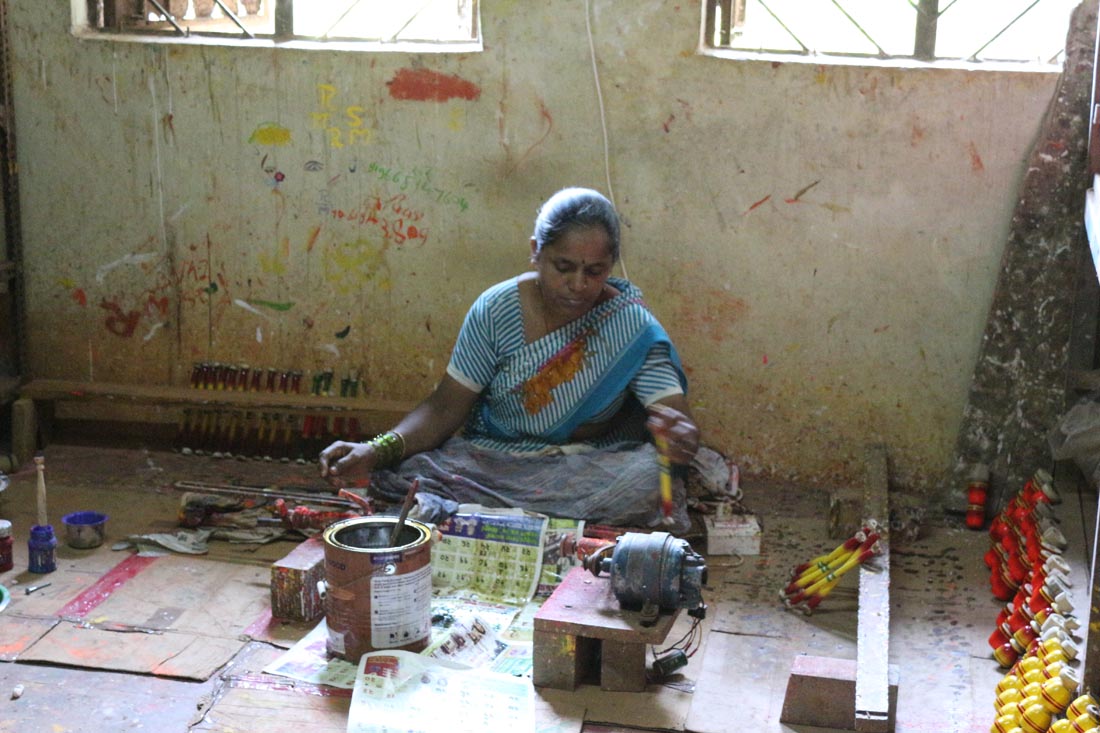
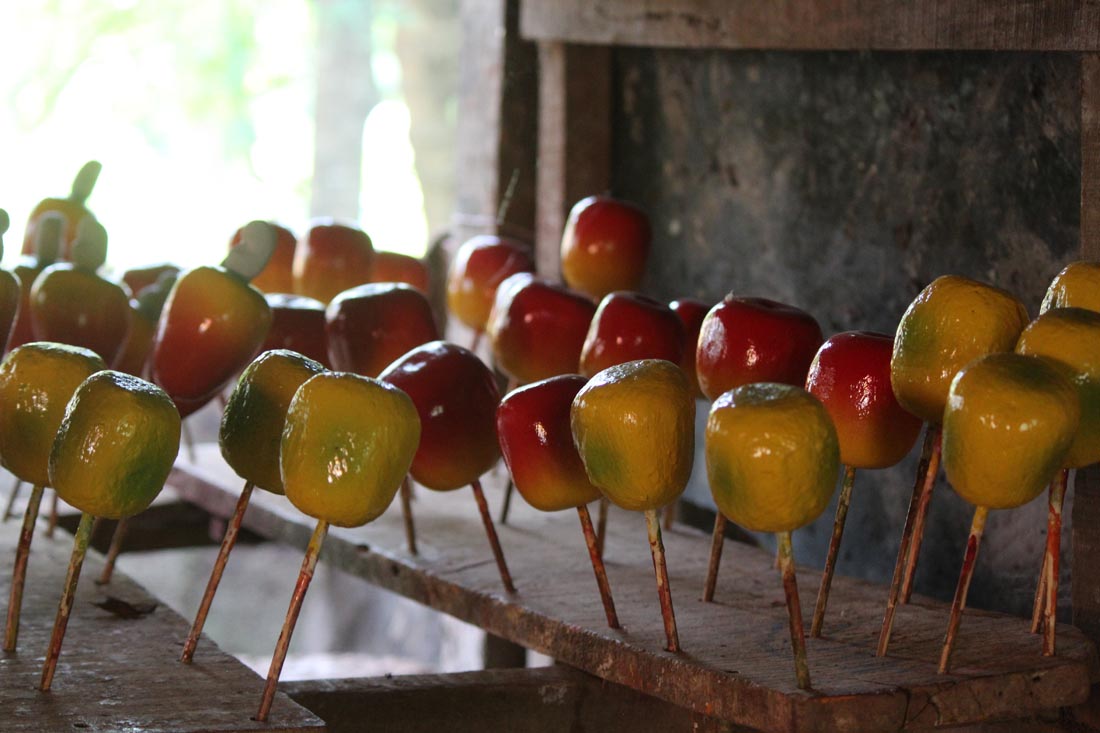
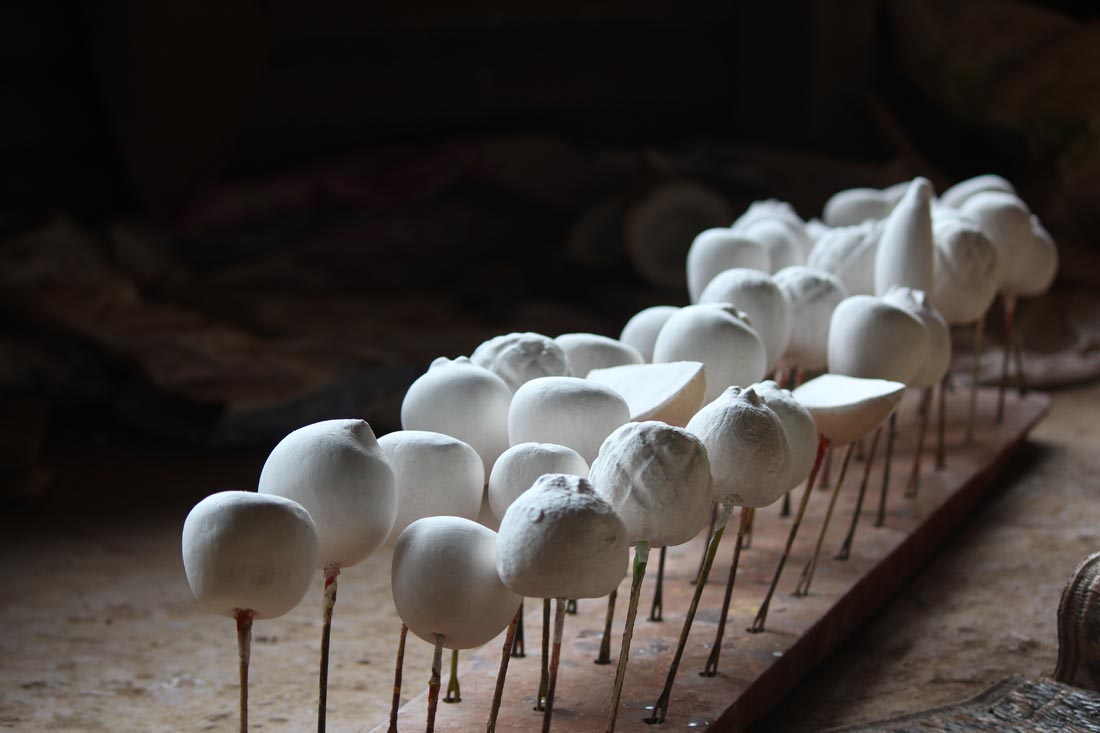
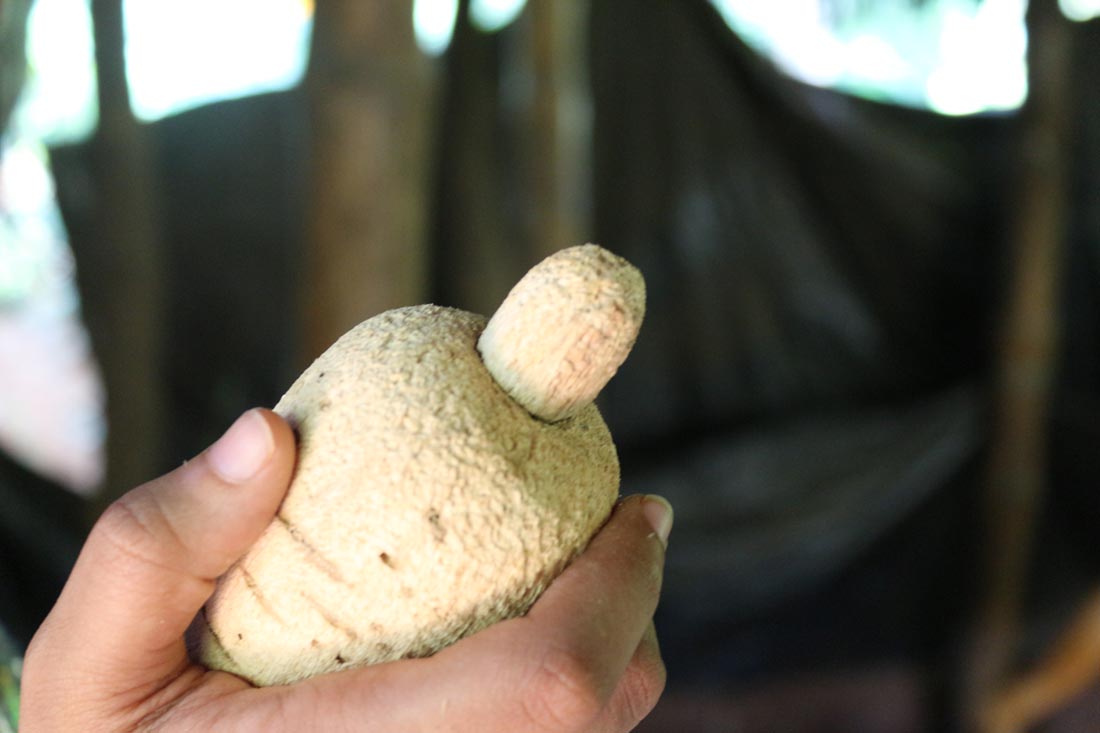
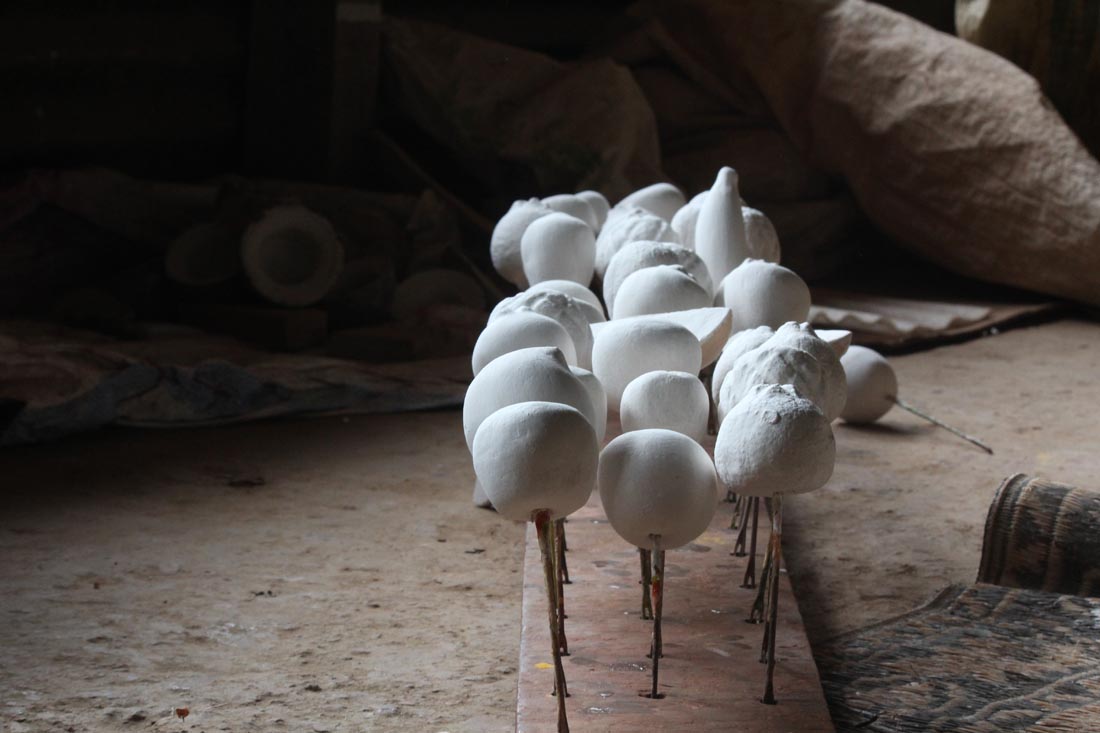
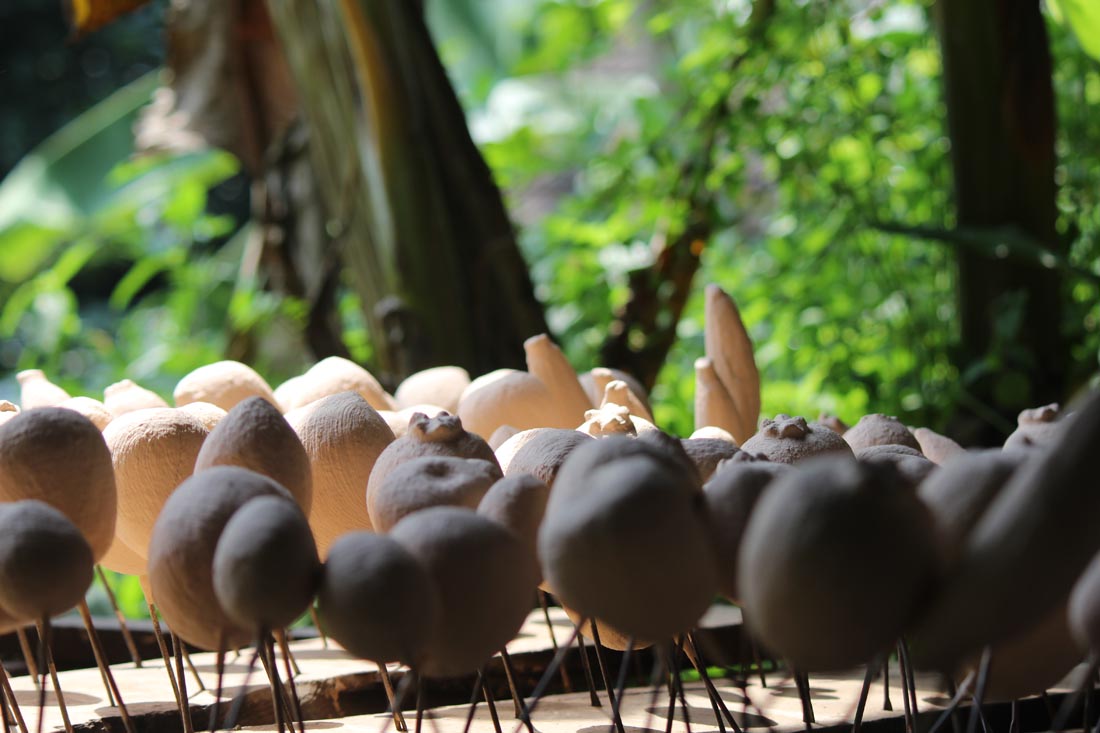
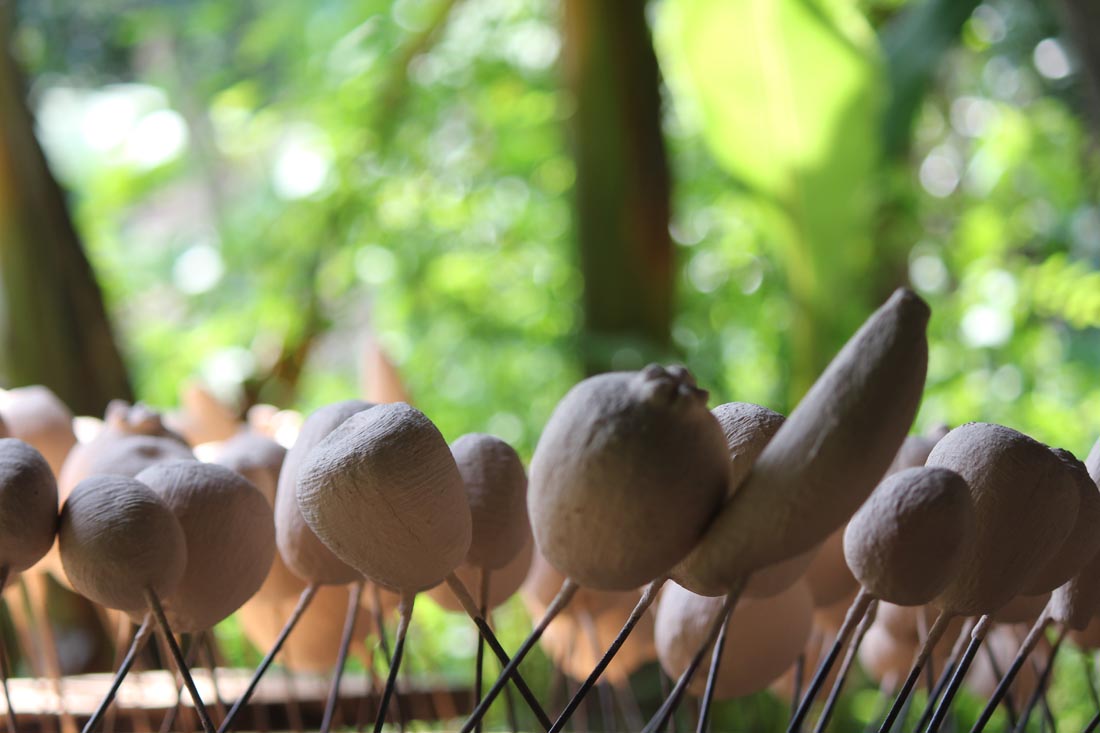
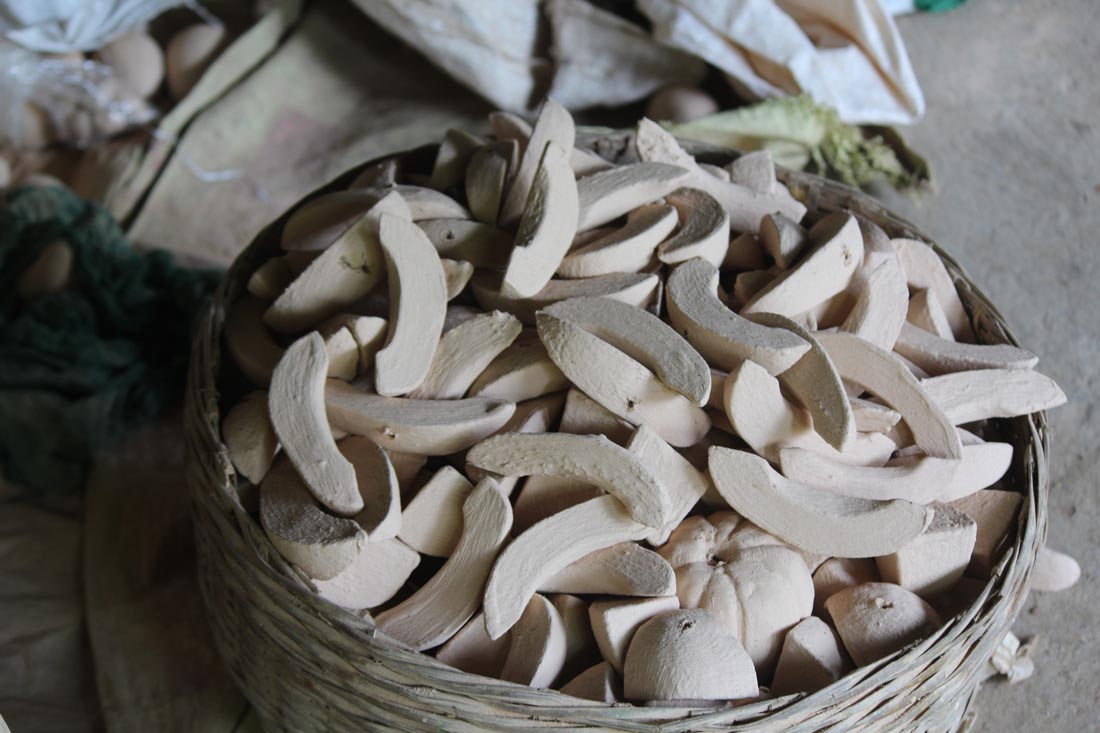
The making of Sawantwadi wooden toys is a ritual of care, color, and community. Rooted in centuries-old practices nurtured within the royal patronage of the Sawantwadi palace, this craft moves through forests, workshops, and paint-smeared porches with quiet dignity. From the selection of seasoned hale wood to the final brushstroke of vermilion on a painted deity or puppet, every stage is imbued with skill passed down by observation, repetition, and reverence. What emerges is not just a toy, but a storytelling object—each hand-carved figure a vibrant ambassador of Konkan tradition, memory, and imagination.
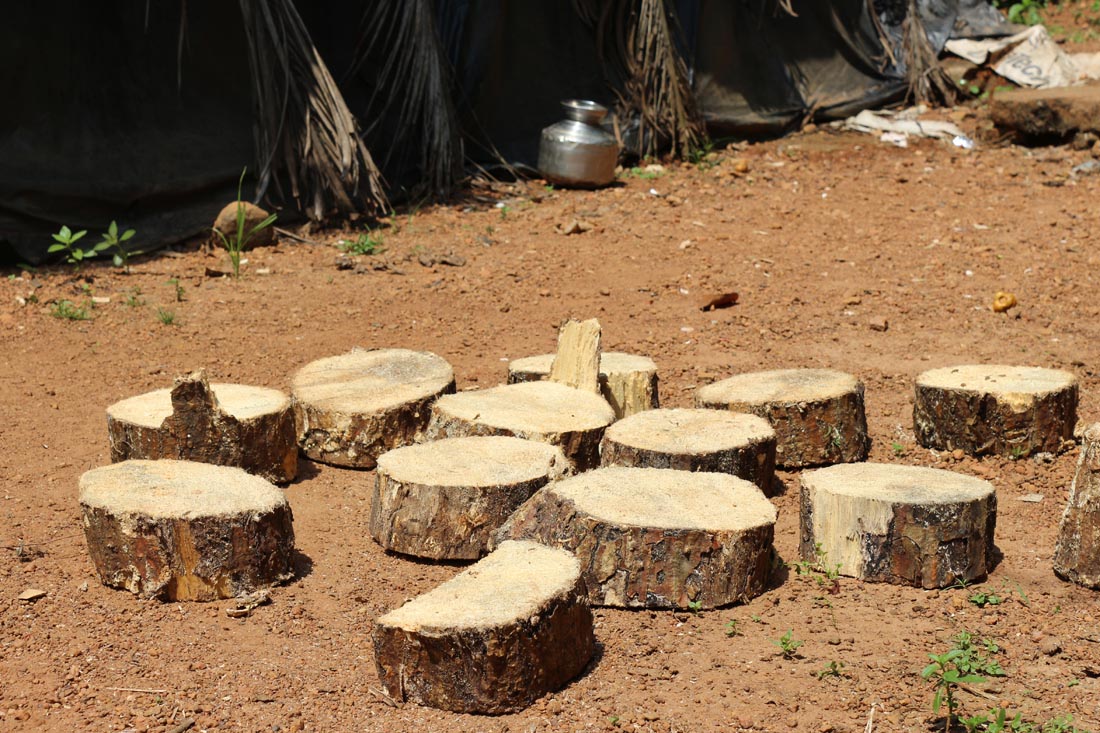
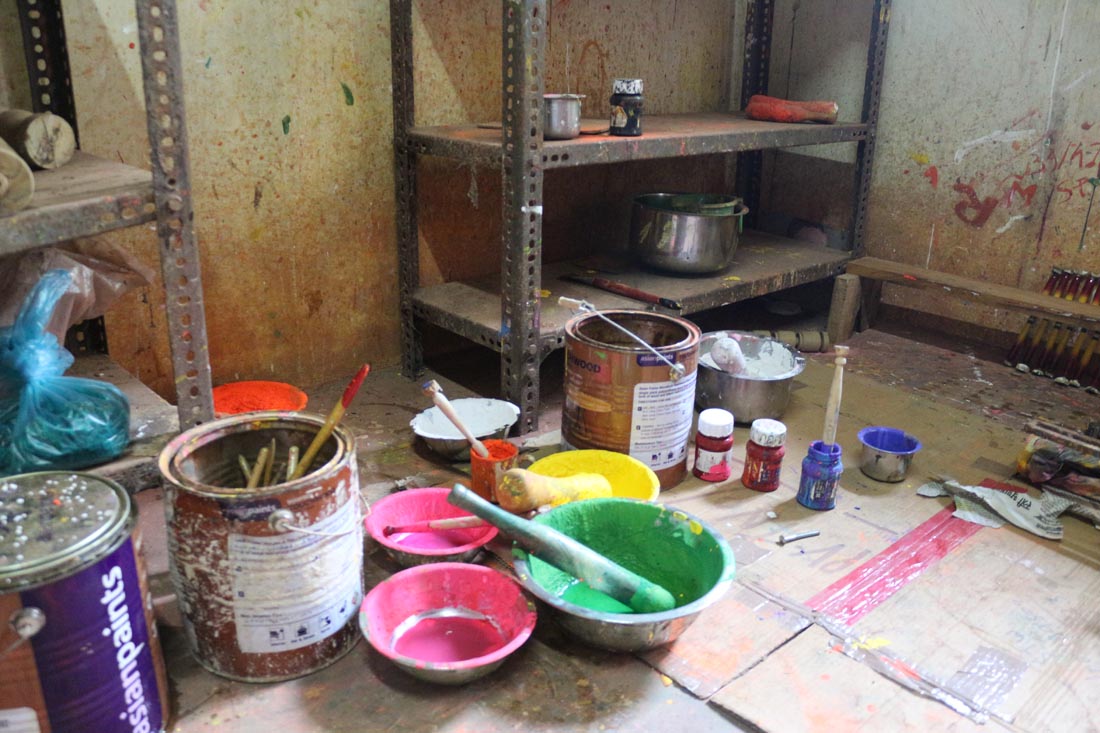
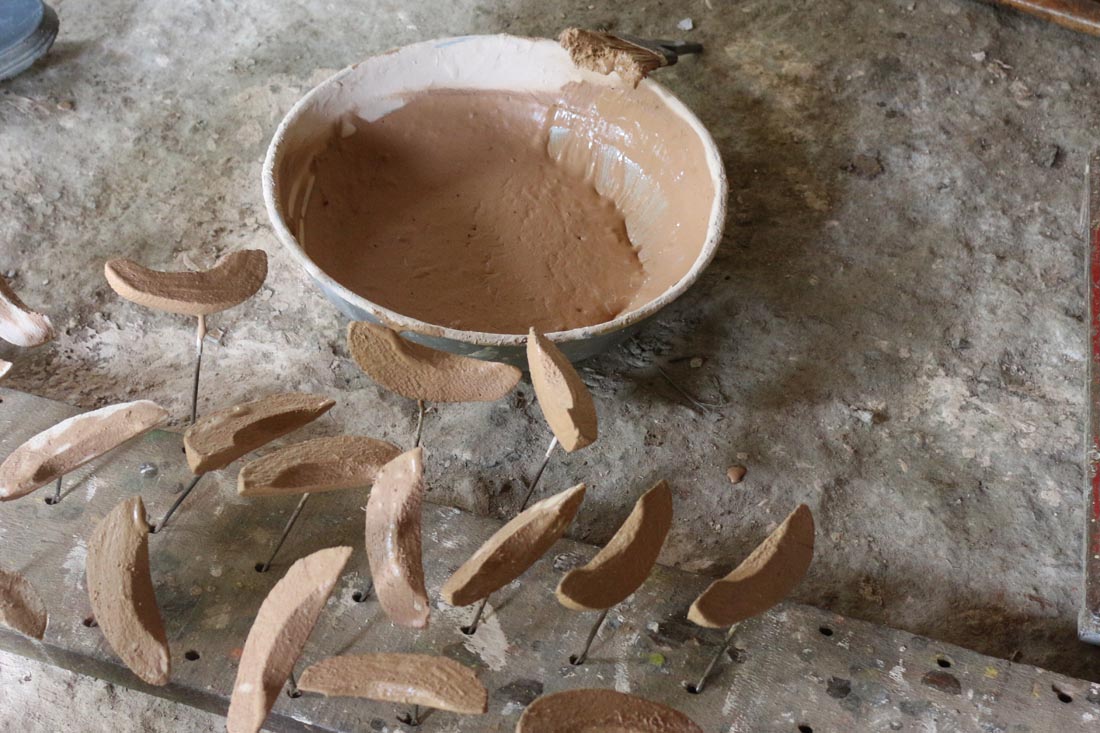
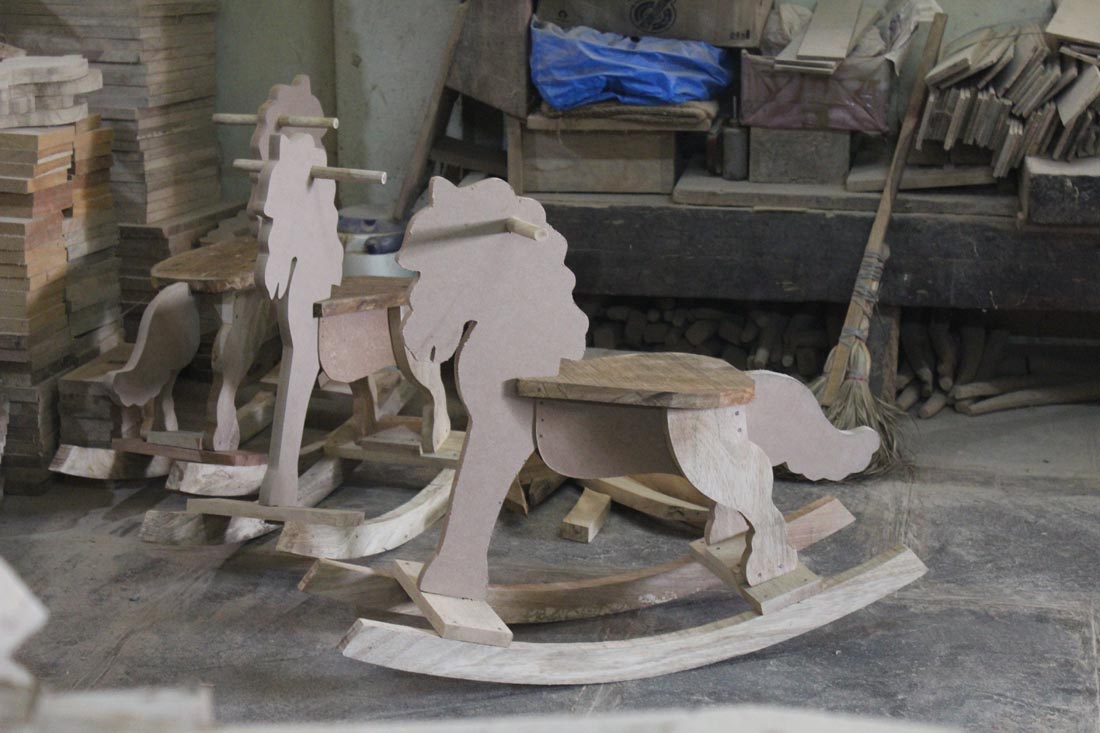
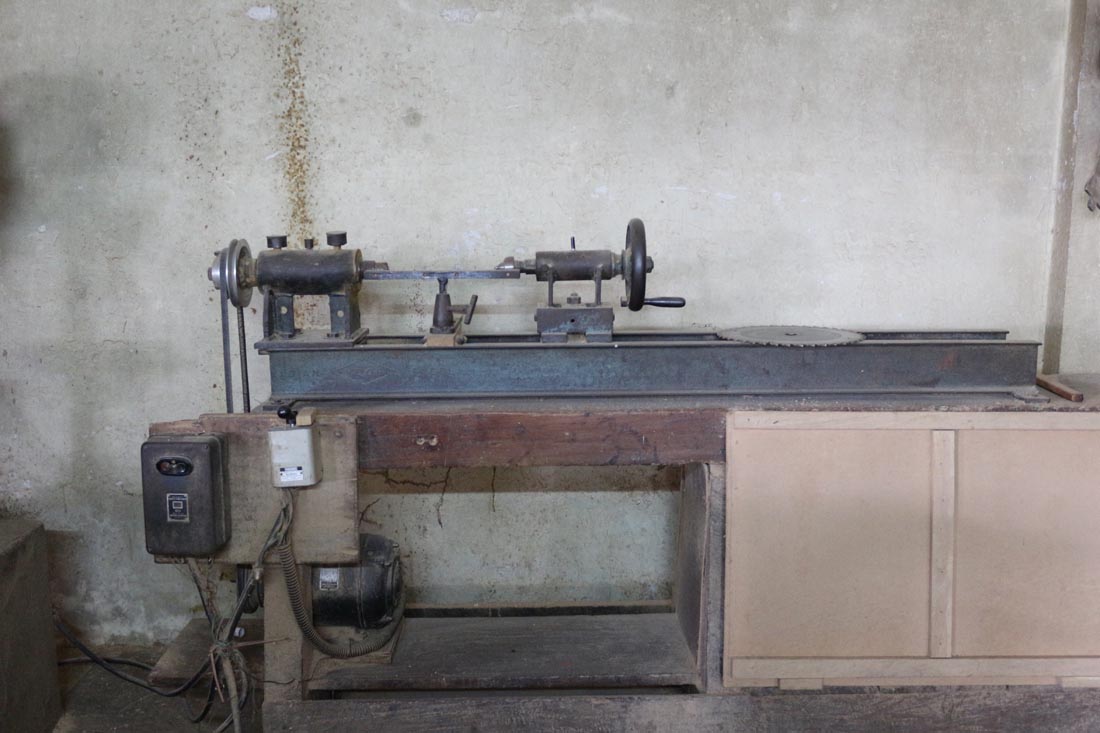
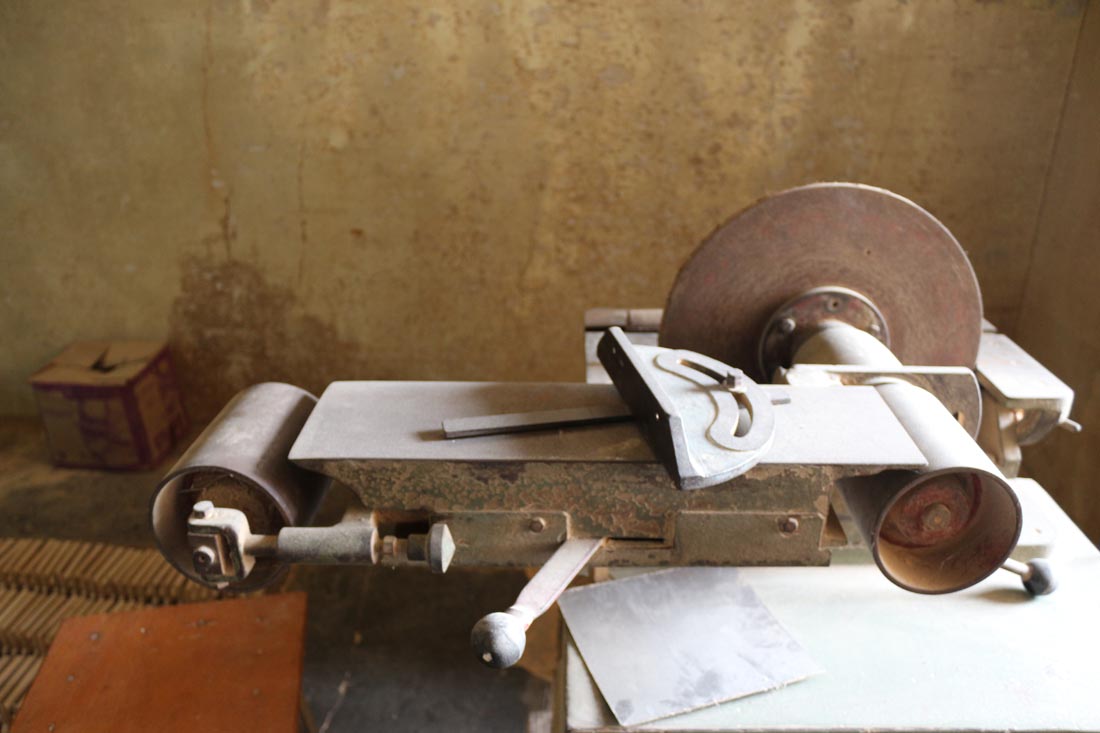
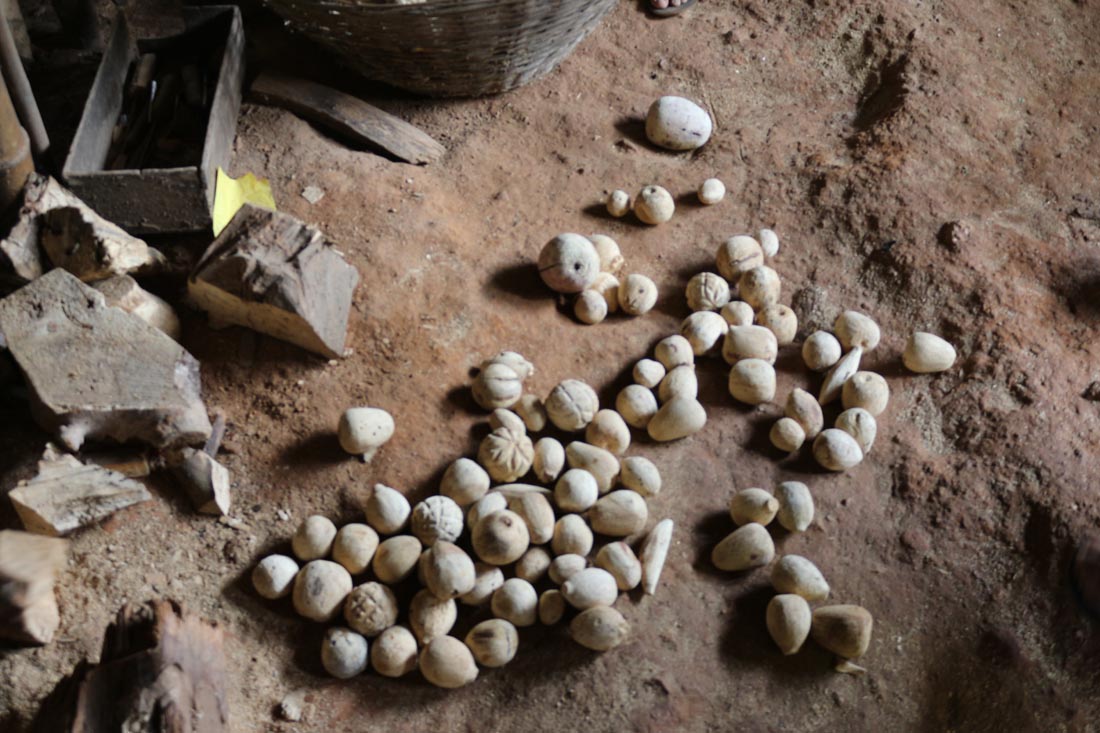
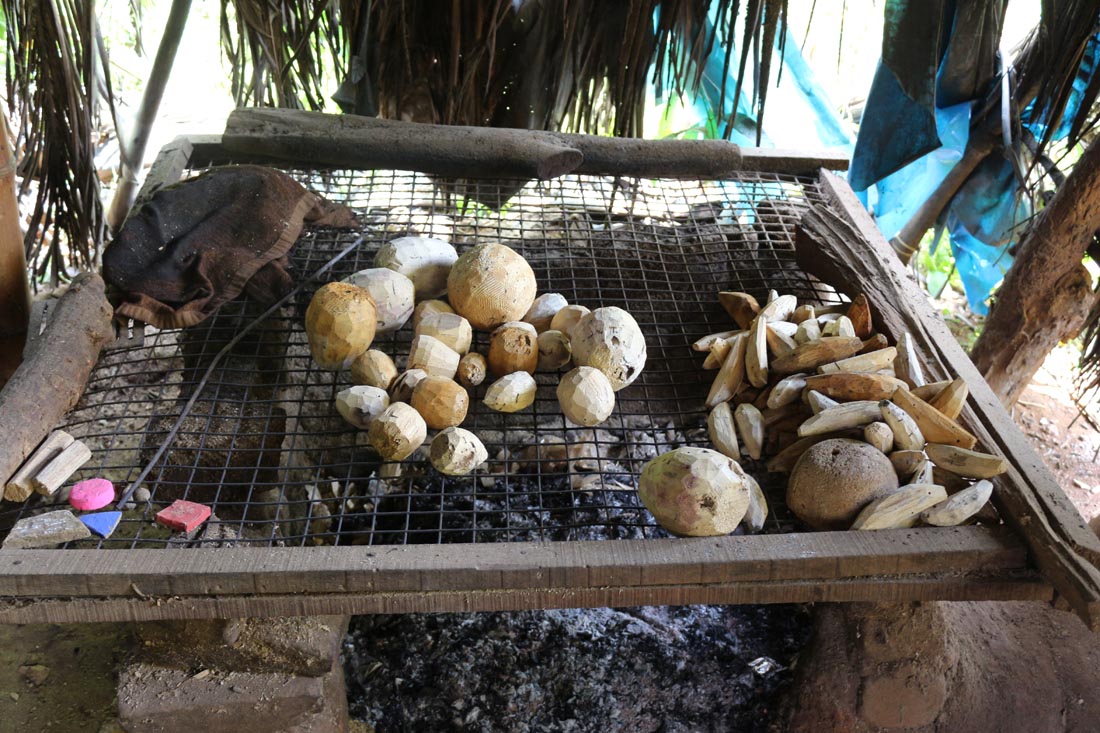
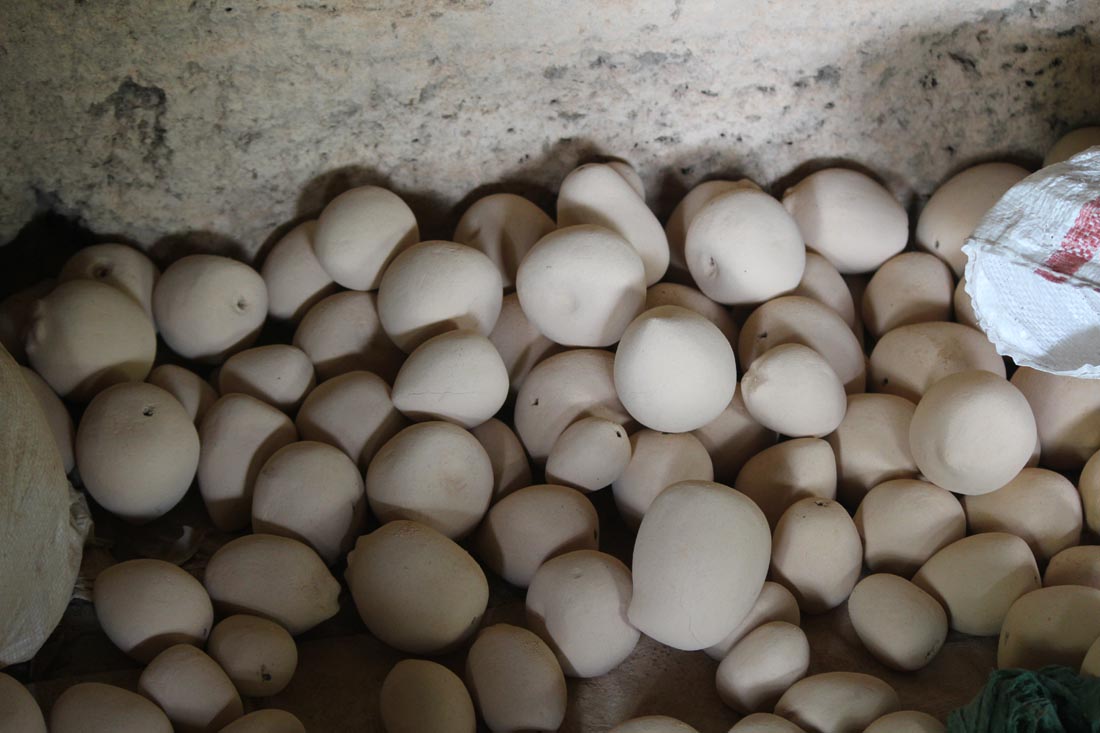
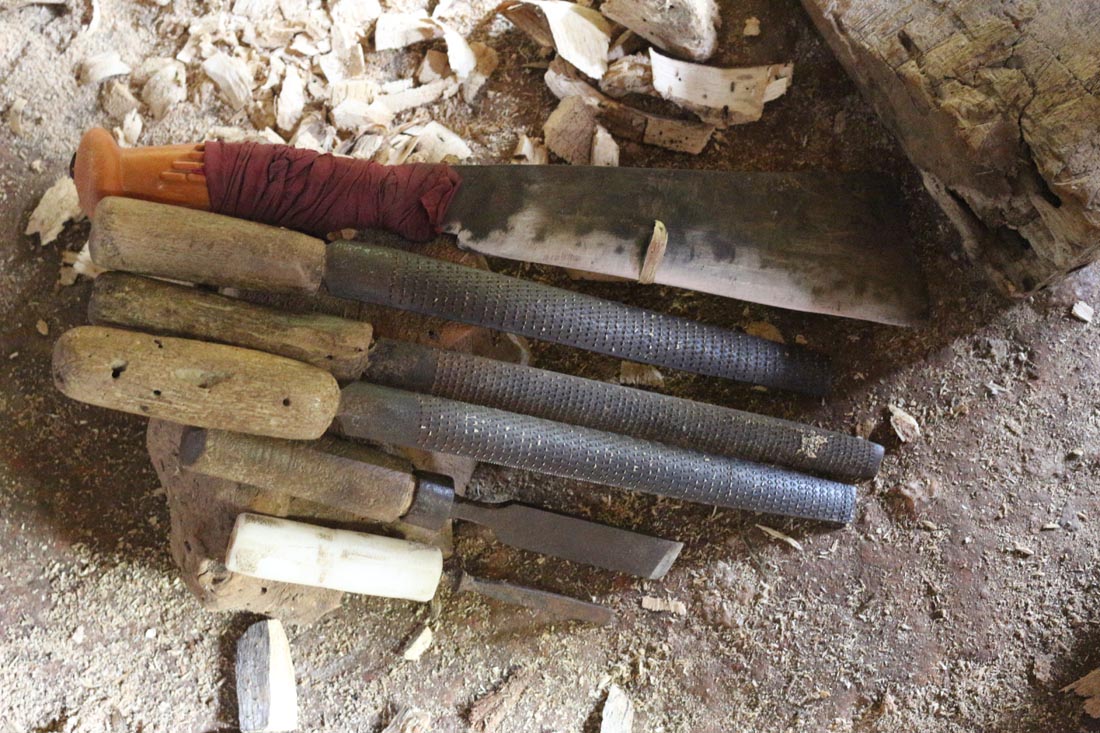
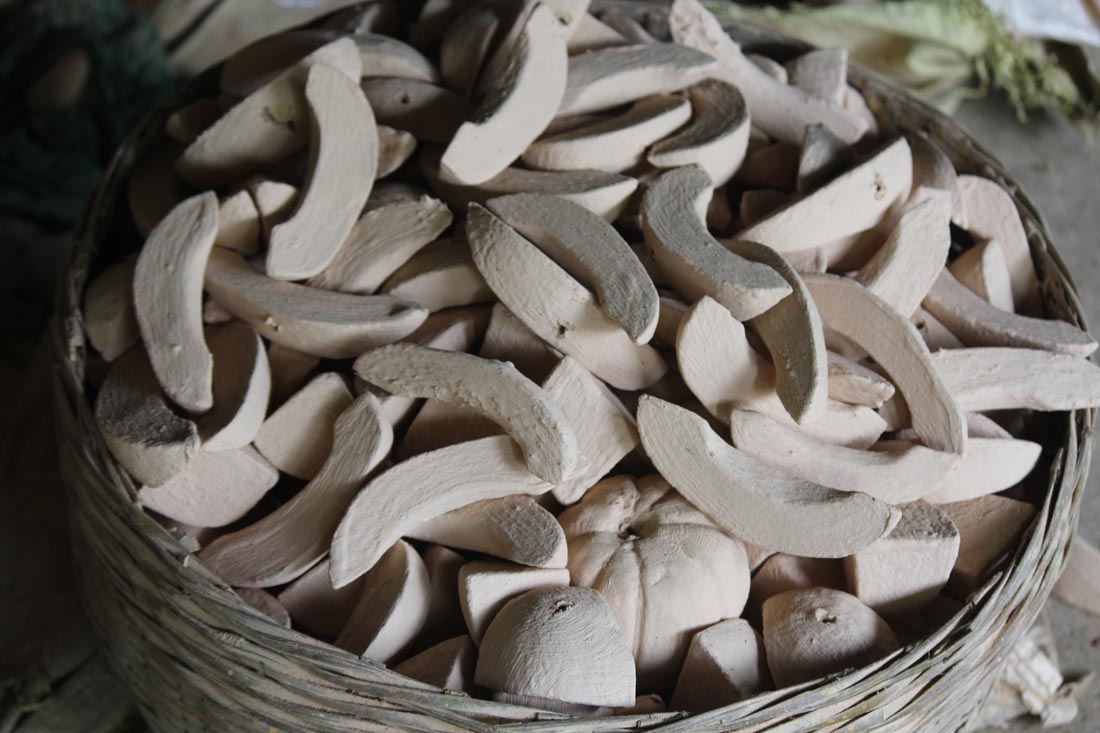
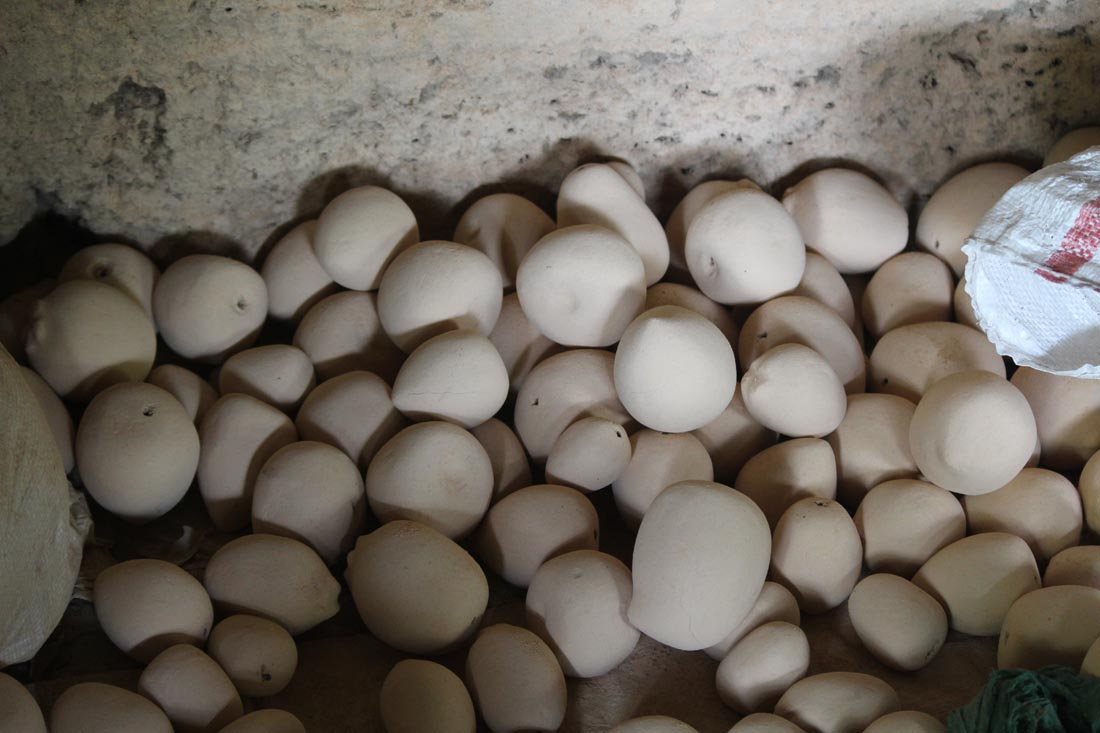
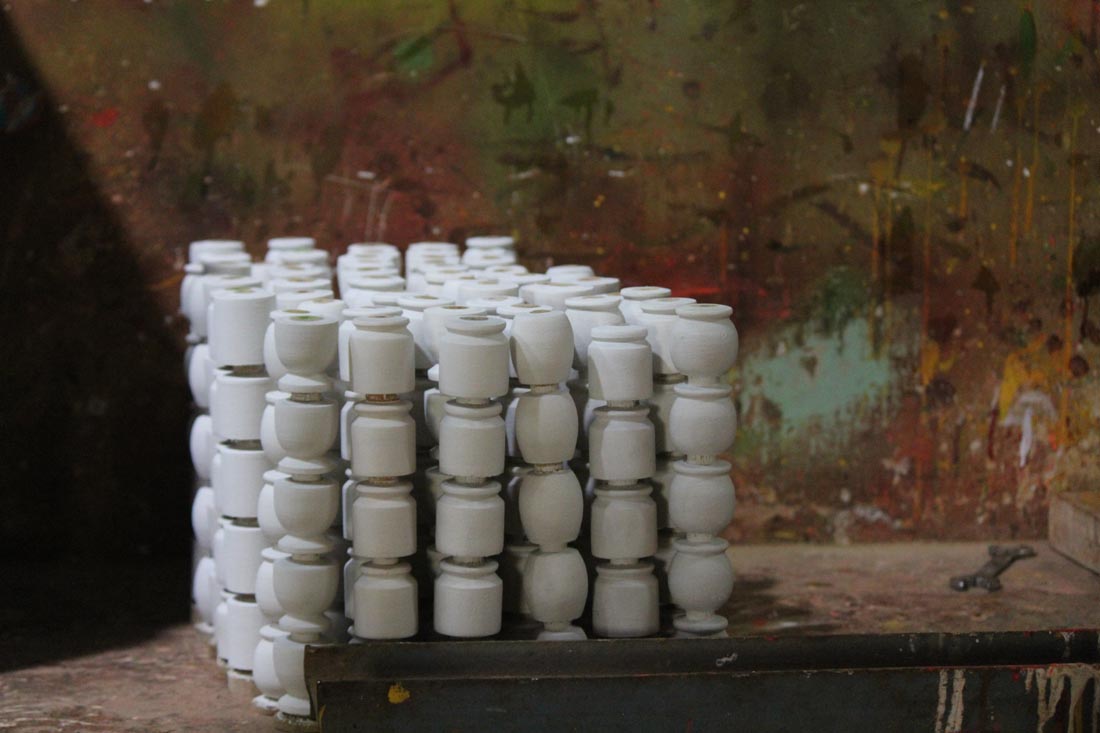
With time, the tools used in this craft have changed. Artisans now employ machines to cut wood into smaller pieces and subsequently use a lathe to achieve a circular form. This modern approach notably reduces production time and enhances overall efficiency. Nevertheless, the final product frequently demands the delicate touch of a hand, imbuing the craft with its distinctive, human-centered character.
Nestled amidst the lush hills of the Konkan region, Sawantwadi is a historic town whose legacy spans more than three centuries. Developed by the Sawant Bhonsle dynasty, the town emerged as the capital of the erstwhile Kingdom of Sawantwadi and evolved into an important political, cultural, and artistic centre of the region. Although local tradition associates its early development with Khem Sawant I in the late sixteenth century, the present township took shape under the Sawant Bhonsle rulers and acquired its enduring identity over the following centuries.
At the height of its power, the Kingdom of Sawantwadi extended far beyond its present boundaries. Until the eighteenth century, it encompassed much of what is now the North Goa region including Pedne, Bicholim, and Sattari as well as the present
Sawantwadi is situated in the Sindhudurg district of Maharashtra, within the picturesque Konkan coastal belt of western India. Located between the Arabian Sea to the west and the Sahyadri (Western Ghats) to the east, the town occupies a strategic position near the Maharashtra–Goa border, serving as an important gateway between the coastal plains of Konkan and the Deccan hinterland. This unique geographical setting has played a significant role in shaping the region's history, economy, and cultural traditions.
Positioned at approximately 16° N latitude and 73.75° E longitude, Sawantwadi lies at an average elevation of about 22 metres above sea level. The landscape is characterised by a diverse combination of low-lying plains, gently undulating hills, fertile valleys, and lateritic uplands. While the coastal tracts are dominated by sandy soils, the inland hilly areas are underlain by hard laterite formations, a geological feature typical of the Konkan region. These variations in terrain have influenced patterns of settlement, agriculture, and the availability of raw materials used in traditional crafts.
The wider Sawantwadi taluka exhibits the characteristic physiography of the Konkan region, which is generally divided into three distinct zones: the rugged Sahyadri hill ranges in the east, an intervening plateau region, and the coastal lowlands bordering the Arabian Sea. The region experiences a humid tropical monsoon climate, receiving abundant rainfall during the southwest monsoon. This heavy precipitation supports dense vegetation, numerous seasonal streams, and a rich natural environment that has sustained local communities for centuries.
Sawantwadi is well connected by road and rail despite its relatively small size. The Sawantwadi Road Railway Station, located on the Konkan Railway line, provides direct connectivity to major cities across India, while an extensive road network links the town with neighbouring districts of Maharashtra and the state of Goa. Its proximity to Goa further enhances its accessibility and reinforces its importance as a regional centre for trade, tourism, and cultural exchange.
The natural landscape surrounding Sawantwadi is ecologically significant, comprising forests, wetlands, and wildlife habitats that contribute to the biodiversity of the Western Ghats. Recognising its environmental importance, the Sawantwadi–Dodamarg region has been designated as an Ecologically Sensitive Area, highlighting its role in conserving forest ecosystems and wildlife corridors. This rich ecological setting not only enhances the scenic beauty of the region but has also influenced the development of local livelihoods and traditional crafts through the sustainable use of natural resources.
Thus, Sawantwadi can be understood as a distinctive coastal-Konkan town, defined by its low elevation, lateritic hills, monsoon climate, diverse hill-and-plain terrain, and ecologically rich environment. These geographical characteristics have profoundly shaped the town's historical development, cultural identity, and enduring reputation as one of Maharashtra's most important centres of traditional craftsmanship.
day towns of Kudal and Vengurla in Sindhudurg district. Between 1765 and 1788, however, the Portuguese annexed Pedne, Bicholim, and Sattari during the period known as the New Conquests, integrating them with their earlier territories in Goa. Throughout its history, the kingdom found itself at the crossroads of competing powers, including the Satavahanas, Vakatakas, Kadambas, Mauryas, Chalukyas, Shilaharas, Nala dynasty, Marathas, Peshwas, Mughals, Portuguese, and later the British, each leaving an imprint on the region's political and cultural landscape.
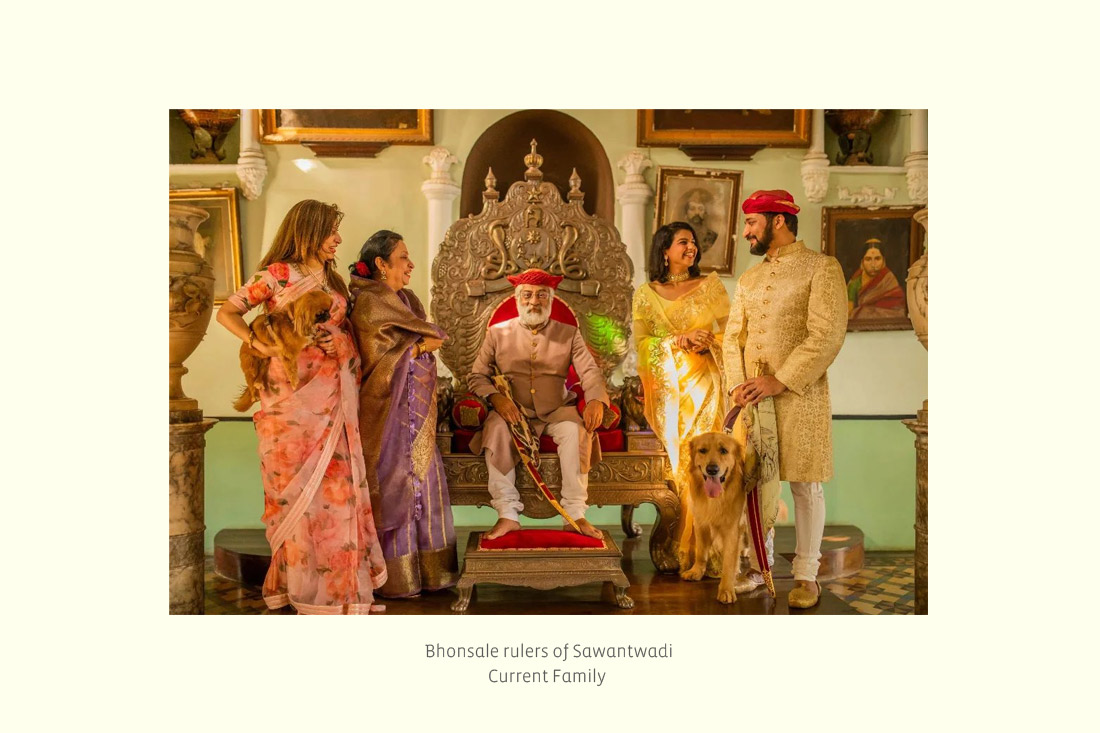
The Sawant Bhonsle rulers remained steadfast in preserving the autonomy of their kingdom despite repeated conflicts with neighbouring powers. Even under British influence, Sawantwadi witnessed several revolts and political disturbances, reflecting the fiercely independent spirit of its people. The kingdom was ultimately ruled by King Shivaji Raje Bhonsle, who continued to govern independently for nearly eight years after India's Independence before the princely state was formally merged with the Republic of India in 1947.
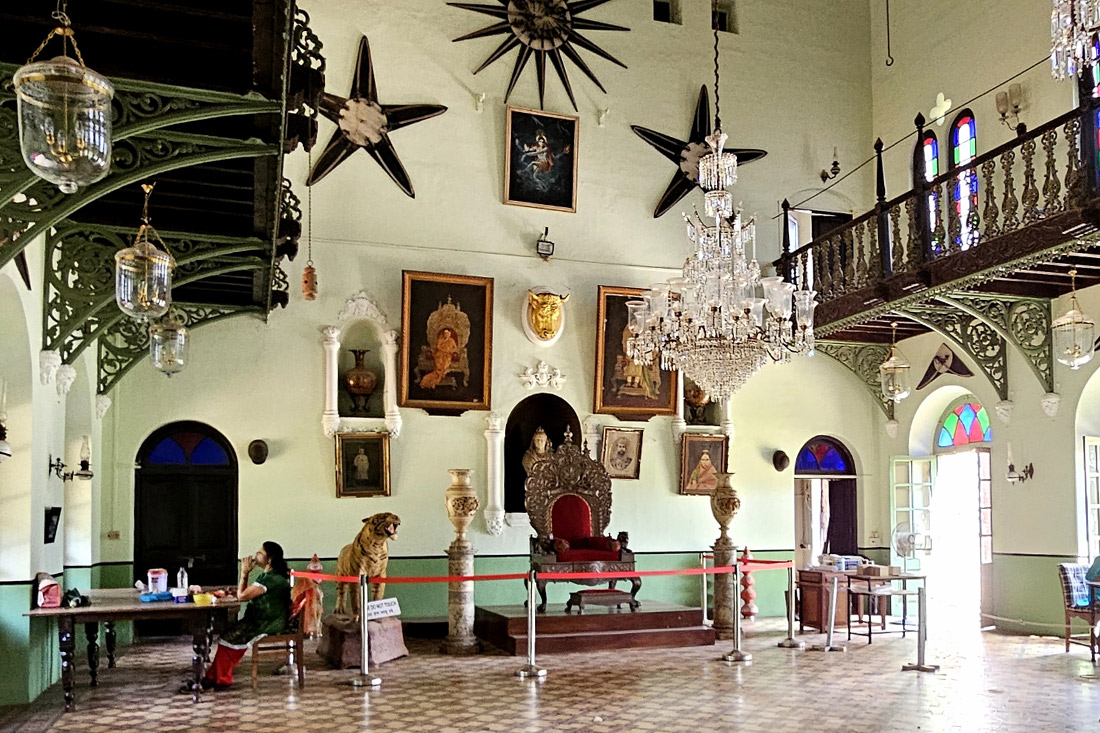
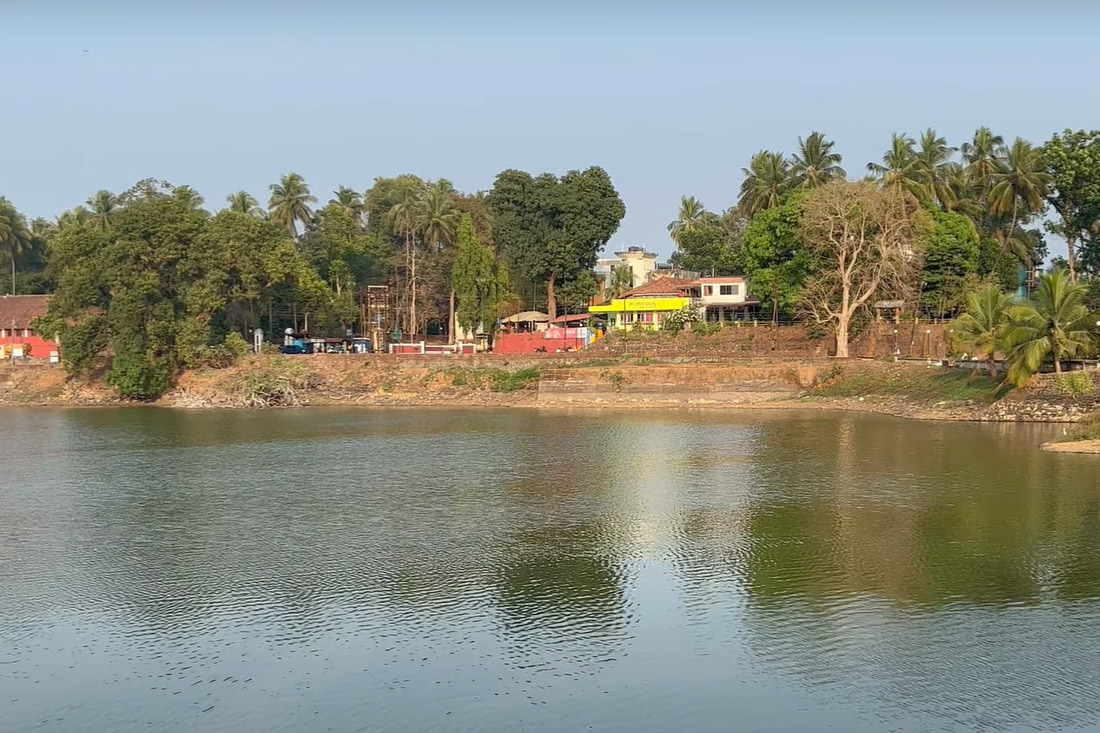
The town's rich past is still vividly reflected in its architectural heritage. The magnificent eighteenth-century Royal Palace, overlooking the serene Moti Talav, remains the ancestral residence of the Sawant Bhonsle royal family, who continue to preserve its legacy. Parts of the palace have been converted into a museum, allowing visitors to explore the region's royal history. Other prominent landmarks, including the late nineteenth-century Lester Gate and the historic Vitthal Mandir, stand as enduring reminders of Sawantwadi's regal past.
Beyond its political history, Sawantwadi emerged as a significant centre of traditional arts and crafts. During the eighteenth and nineteenth centuries, the royal patronage extended to specialised schools that trained artisans in crafts such as Ganjifa painting and lacquerware, traditions that continue to define the town's artistic identity today. Renowned for its exquisite handicrafts and picturesque natural surroundings, Sawantwadi has preserved a unique cultural heritage that blends royal patronage with local craftsmanship.

Sawantwadi is situated in the Sindhudurg district of Maharashtra, within the picturesque Konkan coastal belt of western India. Located between the Arabian Sea to the west and the Sahyadri (Western Ghats) to the east, the town occupies a strategic position near the Maharashtra–Goa border, serving as an important gateway between the coastal plains of Konkan and the Deccan hinterland. This unique geographical setting has played a significant role in shaping the region's history, economy, and cultural traditions.
Positioned at approximately 16° N latitude and 73.75° E longitude, Sawantwadi lies at an average elevation of about 22 metres above sea level. The landscape is characterised by a diverse combination of low-lying plains, gently undulating hills, fertile valleys, and lateritic uplands. While the coastal tracts are dominated by sandy soils, the inland hilly areas are underlain by hard laterite formations, a geological feature typical of the Konkan region. These variations in terrain have influenced patterns of settlement, agriculture, and the availability of raw materials used in traditional crafts.
The wider Sawantwadi taluka exhibits the characteristic physiography of the Konkan region, which is generally divided into three distinct zones: the rugged Sahyadri hill ranges in the east, an intervening plateau region, and the coastal lowlands bordering the Arabian Sea. The region experiences a humid tropical monsoon climate, receiving abundant rainfall during the southwest monsoon. This heavy precipitation supports dense vegetation, numerous seasonal streams, and a rich natural environment that has sustained local communities for centuries.
Sawantwadi is well connected by road and rail despite its relatively small size. The Sawantwadi Road Railway Station, located on the Konkan Railway line, provides direct connectivity to major cities across India, while an extensive road network links the town with neighbouring districts of Maharashtra and the state of Goa. Its proximity to Goa further enhances its accessibility and reinforces its importance as a regional centre for trade, tourism, and cultural exchange.
The natural landscape surrounding Sawantwadi is ecologically significant, comprising forests, wetlands, and wildlife habitats that contribute to the biodiversity of the Western Ghats. Recognising its environmental importance, the Sawantwadi–Dodamarg region has been designated as an Ecologically Sensitive Area, highlighting its role in conserving forest ecosystems and wildlife corridors. This rich ecological setting not only enhances the scenic beauty of the region but has also influenced the development of local livelihoods and traditional crafts through the sustainable use of natural resources.
Thus, Sawantwadi can be understood as a distinctive coastal-Konkan town, defined by its low elevation, lateritic hills, monsoon climate, diverse hill-and-plain terrain, and ecologically rich environment. These geographical characteristics have profoundly shaped the town's historical development, cultural identity, and enduring reputation as one of Maharashtra's most important centres of traditional craftsmanship.
Sawantwadi is characterised by a distinctive Konkan forest–coastal ecosystem, where the lush landscapes of the Western Ghats merge with the humid coastal plains of the Arabian Sea. Abundant monsoon rainfall, dense tropical vegetation, perennial water bodies, and lateritic terrain together create an ecologically rich environment that has shaped the region's natural heritage and sustained local communities for centuries. Beyond its scenic beauty, Sawantwadi forms part of one of India's most significant biodiversity landscapes, making environmental conservation an increasingly important aspect of its identity.
The region lies within the Western Ghats biodiversity hotspot, globally recognised for its exceptional biological diversity and high concentration of endemic species. The forests surrounding Sawantwadi comprise tropical moist deciduous and semi-evergreen vegetation, supporting a remarkable variety of flora and fauna. These forests provide habitat for several important wildlife species, including the tiger, leopard, Asian elephant, sloth bear, Indian gaur (wild buffalo), and numerous species of birds, reptiles, and amphibians. Together, they form a vital ecological corridor that facilitates the movement of wildlife between protected forest landscapes, thereby maintaining healthy populations of threatened and endemic species across the Sahyadri–Konkan region.
Recognising its ecological significance, the Sawantwadi–Dodamarg landscape has received enhanced conservation protection in recent years. In 2026, 25 villages across Sawantwadi and Dodamarg talukas, covering approximately 212.59 square kilometres, were notified as Ecologically Sensitive Areas (ESA). This designation introduced restrictions on activities such as mining, quarrying, indiscriminate tree felling, and large-scale construction to safeguard the region's fragile ecosystems. The notification reflects growing efforts by the government and judiciary to conserve forests, protect water resources, and preserve the landscape's critical role as a wildlife corridor.
The environmental character of Sawantwadi is therefore defined by the harmonious coexistence of forested hills, lateritic plateaus, fertile valleys, lakes, and monsoon-fed waterways. These natural features not only contribute to the town's picturesque setting but have also influenced its traditional livelihoods, craft practices, and patterns of settlement. As pressures from urbanisation and resource extraction continue to grow, environmental conservation has become central to safeguarding both the ecological integrity and the cultural heritage of the region.
Today, Sawantwadi stands as an environmentally significant Konkan landscape where biodiversity conservation, forest protection, and the sustainable management of natural resources are integral to ensuring the long-term resilience of its ecosystems and the communities that depend upon them.
Sawantwadi possesses a functional and steadily developing infrastructure that supports its role as an administrative centre, cultural destination, and regional service hub in the Konkan region. While the town has preserved its historic character, continuous improvements in transport, civic utilities, and public services have strengthened its connectivity and enhanced the quality of urban life.
The town is well connected through the Konkan Railway, with Sawantwadi Terminus serving as an important railway station on India's western coastal route. Recent upgrades, including additional platforms, foot overbridges, waiting areas, modern ticketing facilities, CCTV surveillance, and improved train servicing infrastructure, have enhanced passenger convenience and regional connectivity. Sawantwadi is also linked to neighbouring towns and cities in Maharashtra and Goa through an extensive road network, supported by regular Maharashtra State Road Transport Corporation (MSRTC) bus services. To further improve public transport, the existing bus stand and depot have been proposed for redevelopment with upgraded passenger amenities.
Civic infrastructure has also witnessed significant investment, particularly in essential urban utilities. A major ₹56-crore water supply project aims to provide the town with a reliable 24-hour water supply, reflecting ongoing efforts to strengthen municipal services. As the administrative headquarters of the taluka, Sawantwadi is equipped with educational institutions, government offices, healthcare facilities, and other public services that cater to both the local population and the surrounding rural communities.
Infrastructure development has further extended to the town's traditional industries. Under the Sawantwadi Coir Cluster Development Project, facilities such as a Common Facility Centre, storage units, labour sheds, improved access roads, and production support systems have been established to enhance processing, skill development, and market access for local artisans and micro-enterprises.
Overall, Sawantwadi's infrastructure reflects a town that is modernising while remaining sensitive to its environmental setting. Strong transport connectivity, improving civic amenities, and continued investment in industrial infrastructure have reinforced its importance as a regional centre for trade, tourism, and traditional crafts, while development continues to be guided by the ecological safeguards protecting the surrounding Konkan landscape.
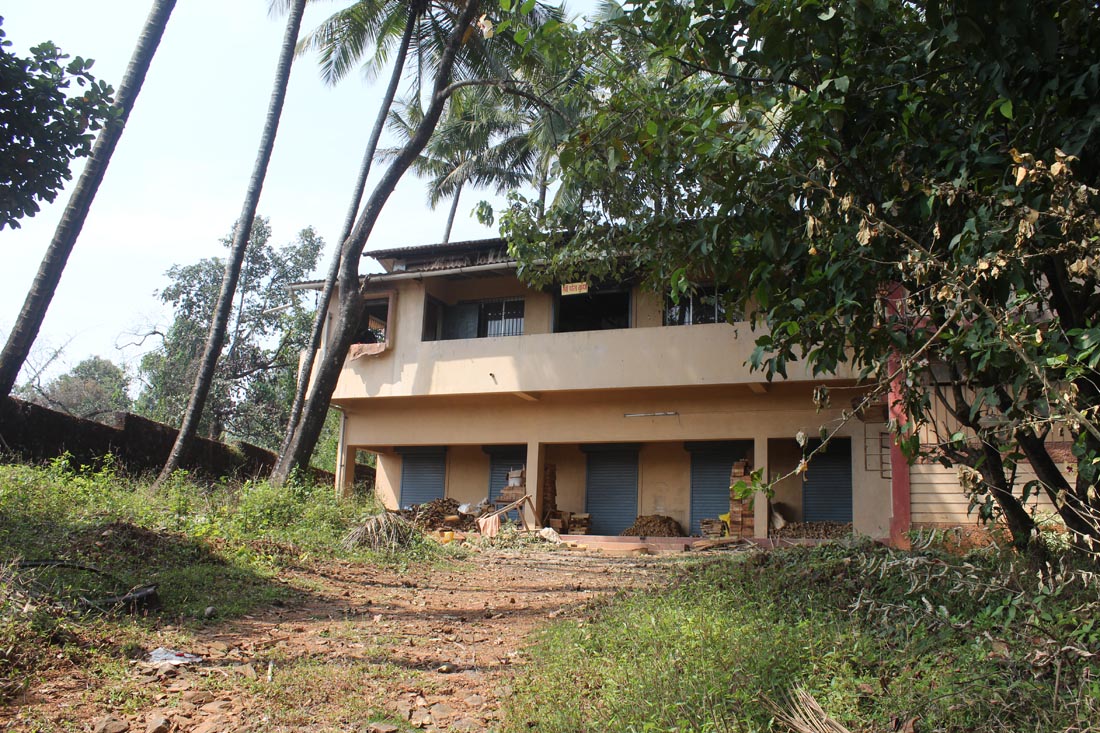
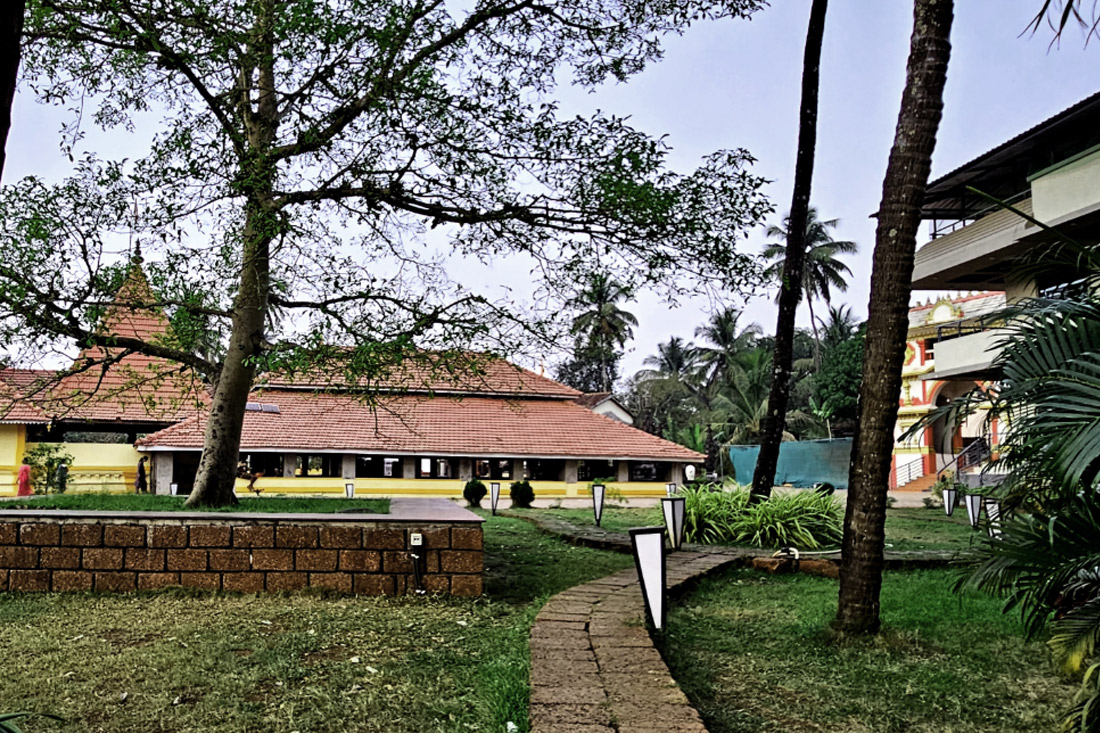
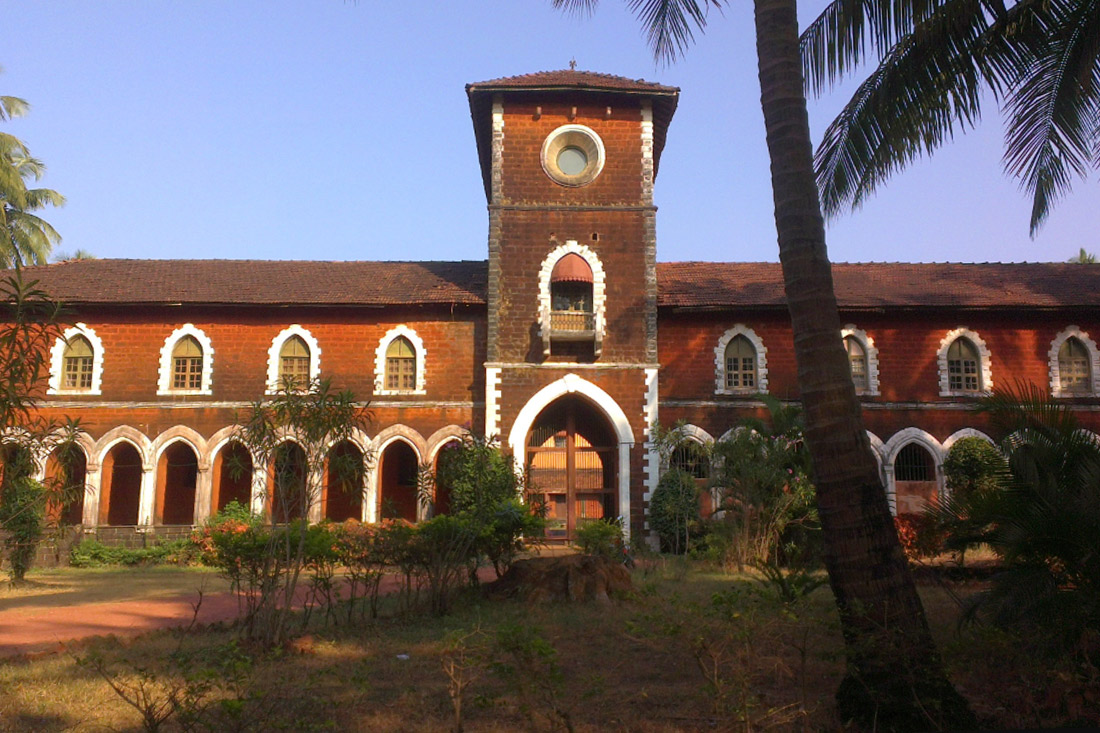
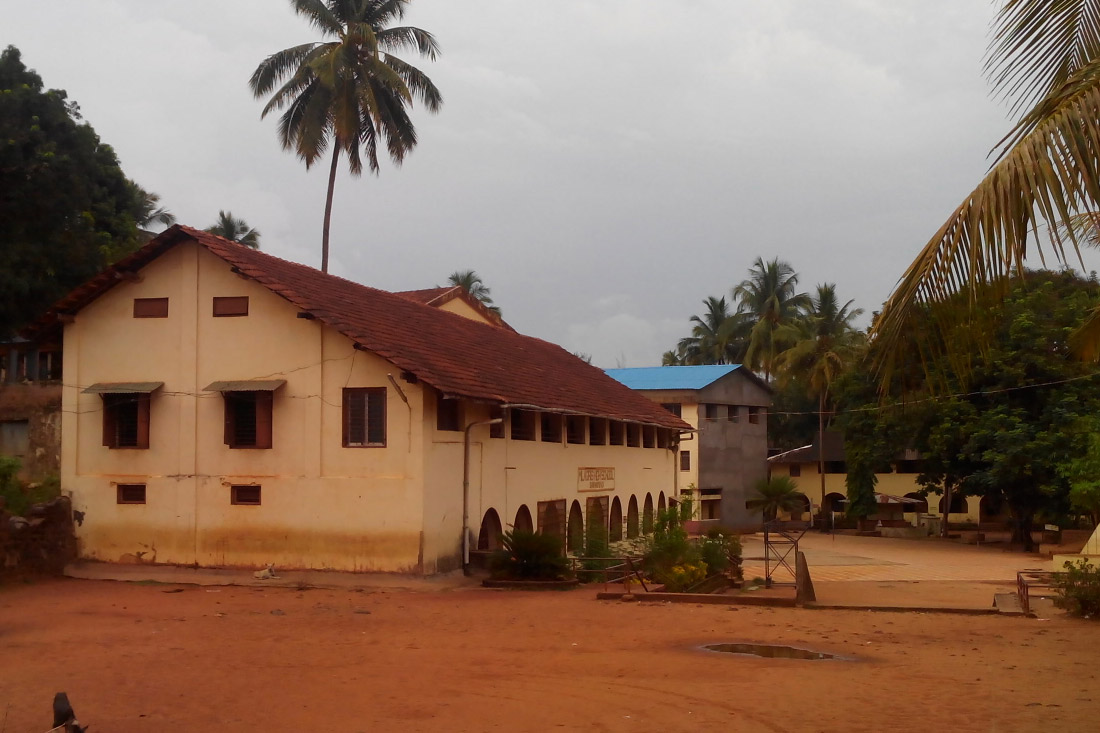
Sawantwadi's architectural heritage is largely defined by its historical significance as a princely state in the Konkan region. The Sawantwadi Palace, built by Khem Sawant III (1755-1803), stands as a prime example of its older architecture, showcasing a fascinating blend of native workmanship with English arches, all constructed using vibrant red laterite stones. Traditional homes in Sawantwadi often exhibit features responsive to the heavy monsoon rains, such as steeply sloped roofs to facilitate water runoff and extended eaves to protect walls from rain and sun. These structures frequently incorporated local materials like mud and stone, reflecting sustainable design principles and a deep understanding of the local climate and available resources.
In contrast, contemporary architecture in Sawantwadi, while increasingly incorporating modern sensibilities, also often seeks to harmonize with the region's natural topography and existing cultural traditions. Newer residences and commercial spaces may feature a more streamlined aesthetic, utilizing contemporary materials alongside elements like sloping terracotta-tiled roofs and brickwork that echo the traditional palette. Architects today are focusing on creating spaces that are not only visually appealing but also functional and environmentally sensitive, often integrating passive design strategies for natural ventilation and light, while sometimes reinterpreting traditional elements like courtyards to suit modern living.
Sawantwadi's culture is a vibrant synthesis of royal Bhonsle heritage, artisan traditions, and the rich folk culture of the Konkan region. Once the capital of the Sawant Bhonsle kingdom, the town has retained a distinctive cultural identity in which history, craftsmanship, religion, and everyday life remain deeply intertwined. The Sawantwadi Palace, overlooking the serene Moti Talav, stands not only as a symbol of the town's royal past but also as a living centre for the preservation and promotion of its artistic traditions.
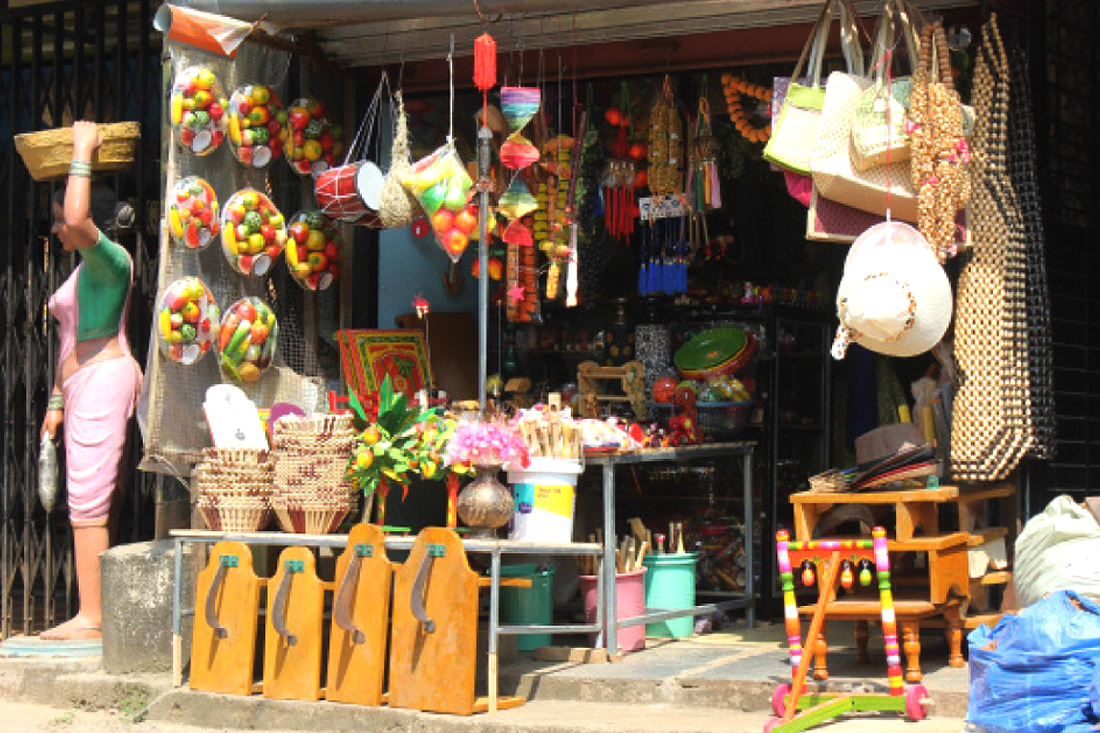
The town is internationally renowned for its exquisite Ganjifa playing cards, lacquerware, hand-painted wooden toys, and a variety of bamboo and wooden crafts. These traditional art forms, nurtured under royal patronage, continue to thrive through small-scale workshops and home-based enterprises, where generations of artisans have preserved techniques passed down over centuries. Rather than existing merely as museum artefacts, these crafts remain an integral part of the town's cultural and economic life.
Beyond its celebrated handicrafts, Sawantwadi is enriched by the folk traditions of the surrounding Konkan region. Nearby villages, particularly Pinguli, are known for preserving ancient forms of storytelling, shadow puppetry, and traditional performances practised by the Thakar Adivasi community. These oral traditions, rooted in mythology and devotional narratives, continue to reflect the region's vibrant cultural heritage.
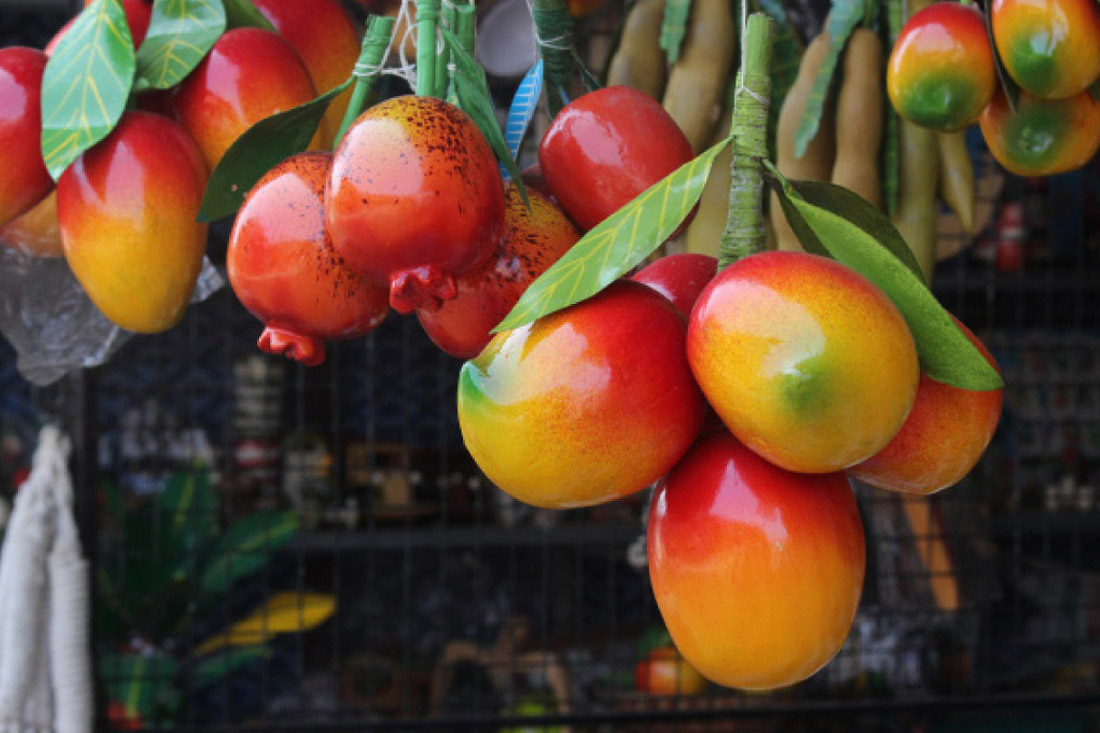
Religion and festivals play an equally significant role in shaping community life. Celebrations such as Ganesh Chaturthi, along with temple rituals and local fairs, bring together art, devotion, and social customs. Decorative wooden fruits, ritual objects, and handcrafted offerings illustrate the close relationship between traditional craftsmanship and religious practices.
The cultural fabric of Sawantwadi is further enriched by its multilingual society, where Marathi, Konkani, Malvani, Hindi, English, and Urdu are commonly spoken, reflecting centuries of cultural interaction and trade. Complemented by the distinctive flavours of Malvani cuisine and the tranquil rhythm of its lakeside setting, Sawantwadi embodies the charm of a heritage town where royal traditions, living crafts, folk arts, and the natural beauty of the Konkan continue to shape its unique identity.
According to the 2011 Census of India, Sawantwadi had a total population of 123,615, comprising 61,041 males and 62,574 females, resulting in a favourable sex ratio of approximately 1,025 females per 1,000 males. The town recorded an overall literacy rate of 78.22%, with male literacy at 41.46% and female literacy at 36.76%, reflecting a relatively high level of educational attainment within the region.
The people of Sawantwadi are predominantly Malvanis, whose way of life reflects the calm and close-knit character of the Konkan region. The population is culturally diverse, comprising communities such as Kokanastha Brahmins, Dalits, and a small Malvani Muslim community, all of whom contribute to the town's shared social and cultural fabric. Marathi, Malvani, Konkani, Hindi, English, and Urdu are commonly spoken, illustrating the region's linguistic diversity and long history of cultural interaction.
Traditional attire continues to hold cultural significance, particularly during festivals and ceremonial occasions, with men and women wearing regional garments complemented by ornaments such as necklaces, earrings, and bangles. Equally distinctive is the local cuisine, which reflects the abundant natural resources of the Konkan coast. Fresh coconut, coconut milk, kokum, aromatic spices, and seafood form the foundation of everyday meals. Staple foods include rice, nachni (finger millet) bread, seasonal vegetables, curries, and fish such as pomfret, prawns, and crabs, while festive occasions are marked by traditional delicacies including sol kadhi, vada, puran poli, and laddoos. Together, these culinary traditions, social customs, and community practices contribute to the distinctive cultural identity of Sawantwadi.
List of craftsmen.
Documented by ~ Krishna Saini
Compiled research ~ Team Gaatha
