


Sujani Craft ~Bhusra...
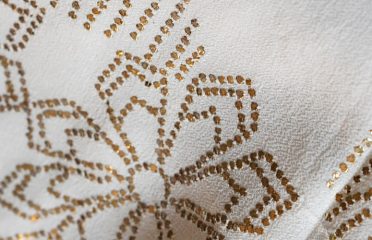
Sujani is a distinctive embroidery tradition of Bihar, particularly practised in Muzaffarpur district and surrounding villages.
Bhusra, Bihar, India...
 Lucknow, Uttar Pradesh, India...
 Bara Imambara, Husainabad, Luc...
Sujani is a distinctive embroidery tradition of Bihar, particularly practised in Muzaffarpur district and surrounding villages.
Bhusra, Bihar, India...

Arani silk, also known as Arni silk, is a celebrated handloom tradition of Tamil Nadu, produced primarily in Arani, Tiruvannamalai.
Arani, Tamil Nadu, India...
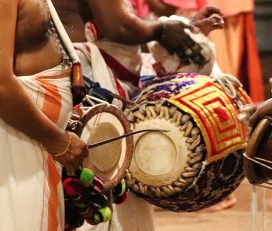
Peruvemba, a village near Chittur-Thathamangalam in Palakkad district of Kerala, is known for a longstanding tradition of making leather-based percussion instruments.
Peruvemba, Kerala, India...
Let us talk… if you feel the same love for handmade, and would like to support us by sharing your research or by contributing financially to our documentation efforts.
Reach us at [email protected]

Deeply rooted in the cultural and everyday life of the region, this traditional woodcraft has long served functional, decorative, and ceremonial purposes. Over generations, artisans have adapted their production to meet the needs of rural households, pilgrims, and changing markets, creating a diverse range of products that seamlessly blend utility with artistic expression. From domestic utensils to ritual articles and toys, each piece reflects the close relationship between craftsmanship, community life, and local traditions.
Household and Everyday Use
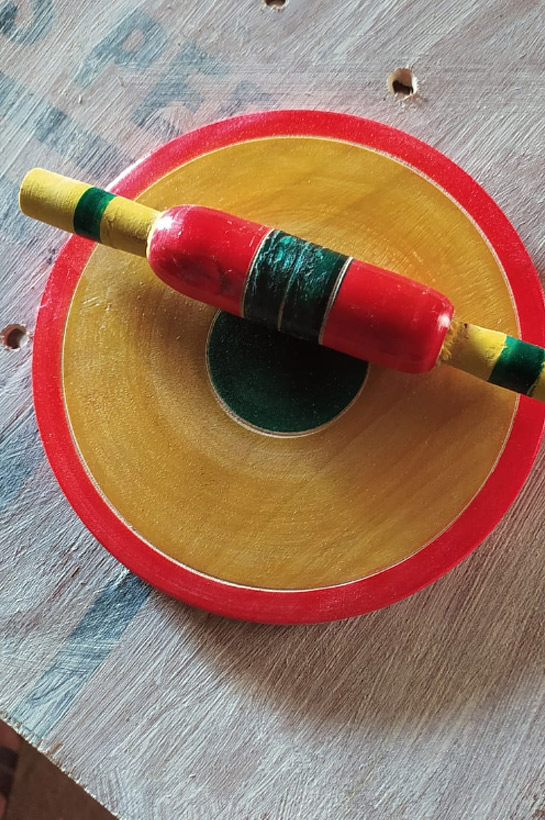
The earliest products were primarily utilitarian, designed to support everyday life in rural homes. Rolling pins, mortars, pestles, bowls, storage containers, and kitchen utensils were carefully turned on the lathe and finished with natural lac to improve both durability and appearance. Their smooth surfaces, vibrant colours, and polished finish transformed ordinary household implements into finely crafted articles, demonstrating how beauty and functionality could coexist in daily life.
Children’s Toys and Recreational Objects
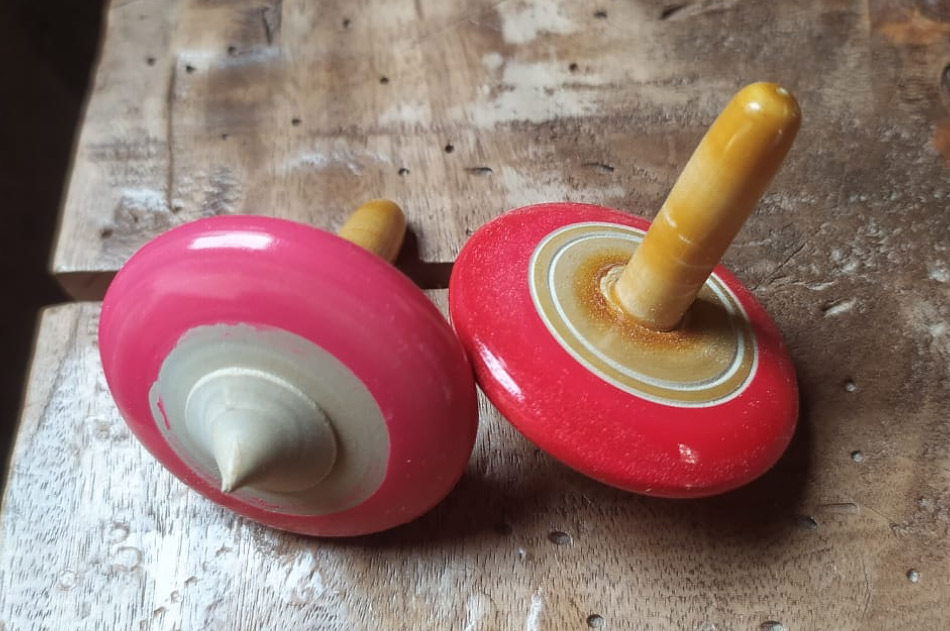
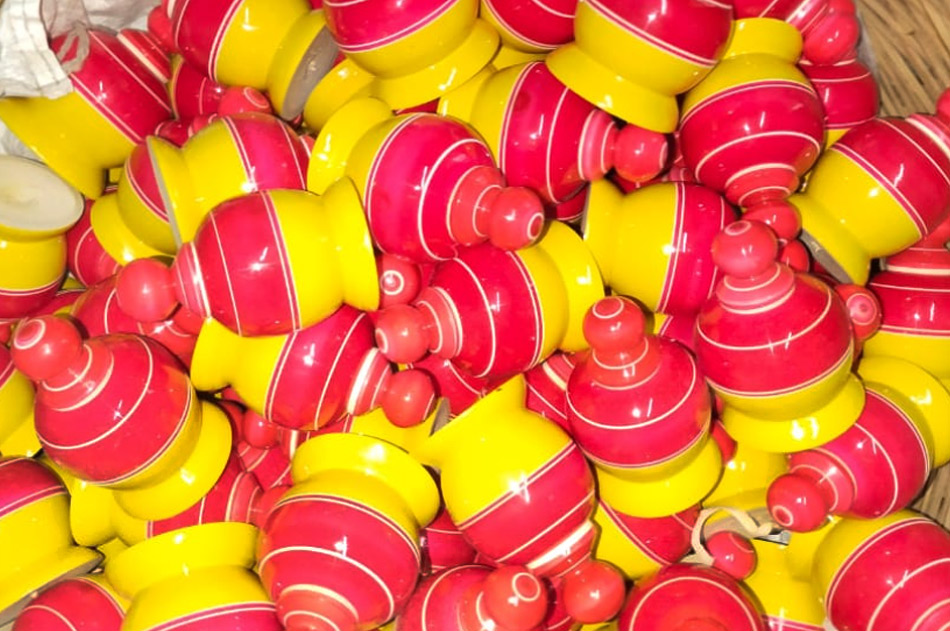
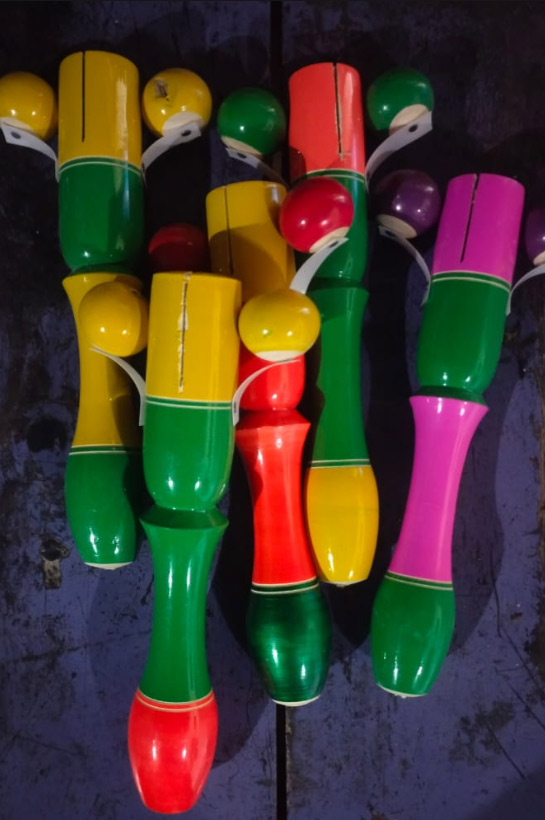
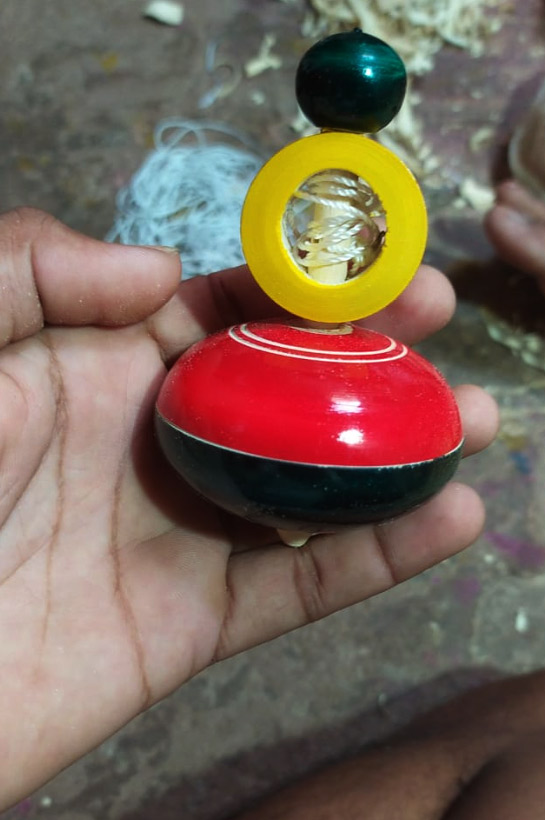
Wooden toys remain among the most distinctive creations of the tradition. Spinning tops, rattles, dolls, miniature animals, toy vehicles, and educational playthings have introduced generations of children to handmade craftsmanship. Finished with bright lacquer colours and simple yet ingenious designs, these toys encourage imaginative play while preserving traditional forms that have been passed down through generations. Their timeless appeal continues despite the growing presence of mass-produced alternatives.
Religious and Pilgrimage Use
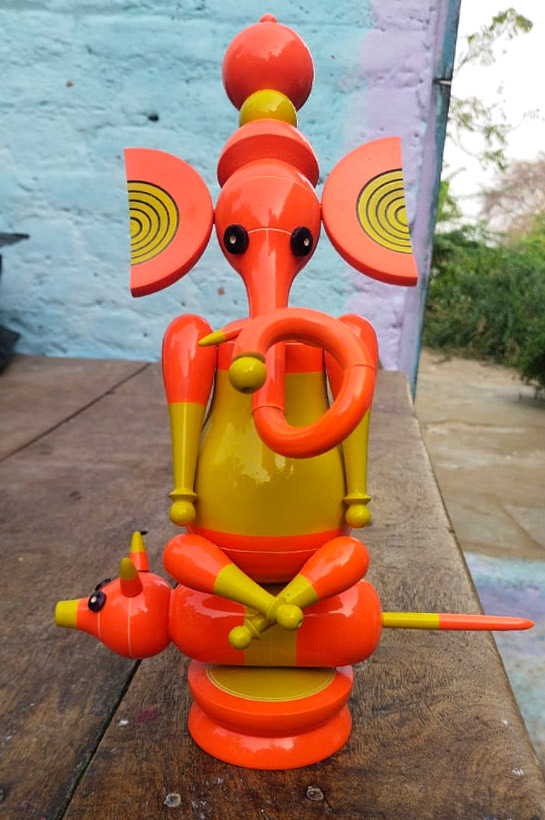
The close association with Chitrakoot’s sacred landscape has shaped an important range of devotional products. Miniature deities, ritual accessories, decorative figures, and lacquered sindoor boxes are widely purchased by pilgrims visiting the town’s temples and sacred sites. Many become part of household shrines or are used during everyday worship, serving as lasting reminders of a spiritual journey. In this way, the tradition remains deeply intertwined with the religious life and cultural identity of the region.
Decorative and Gift Articles
Alongside their practical and ritual functions, handcrafted wooden articles are valued as decorative pieces and gifts. Jewellery boxes, pen stands, flower vases, trays, ornamental figurines, and souvenir items are commonly exchanged during festivals, family celebrations, and special occasions. Visitors often carry them home as keepsakes, while others choose them as gifts that represent the artistic heritage of Chitrakoot. Beyond their decorative appeal, these creations embody memory, craftsmanship, and a continuing connection to place and tradition.
Sustainable Craft Tradition
Chitrakoot lacquerware represents a sustainable craft tradition rooted in the careful use of locally available natural resources and generations of accumulated knowledge. The craft relies primarily on renewable timber and natural lac resin, transforming these materials through hand-operated processes into objects of both utility and aesthetic value. Unlike industrial manufacturing systems that depend heavily on synthetic materials and mechanised production, lacquerware continues to employ traditional methods of wood turning, lac application, and polishing, resulting in a comparatively low environmental footprint. The careful utilisation of natural resources reflects a long-standing philosophy of resource efficiency that has enabled the craft to remain environmentally responsible while sustaining traditional modes of production.
Livelihood and Craftsmanship
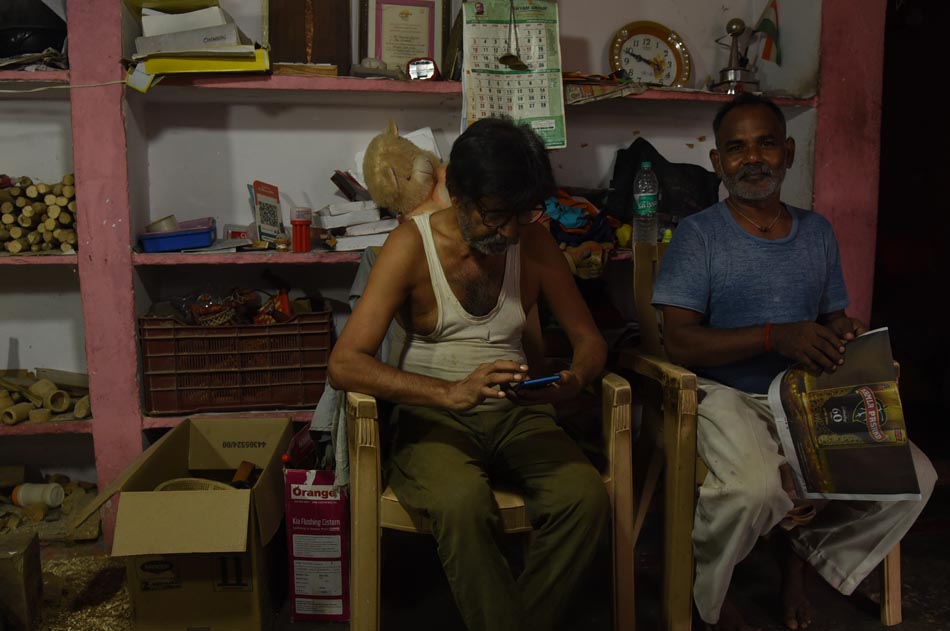
For generations, lacquerware has served as the principal source of livelihood for artisan families in Chitrakoot. The craft encompasses a highly specialised body of knowledge that includes wood selection, seasoning, turning, lac preparation, colouring, polishing, and finishing, each requiring years of practical experience to master. These skills are transmitted primarily through family-based apprenticeship, allowing successive generations to preserve techniques that have remained largely unchanged over centuries. Every finished object embodies the cumulative experience, technical precision, and artistic judgement of the artisan, making each piece a reflection of both individual craftsmanship and collective cultural knowledge.
Cultural and Religious Significance
The products extends beyond its artistic and economic value into the cultural identity of the region itself. As Chitrakoot emerged as one of India’s most important pilgrimage centres, the craft developed alongside the movement of devotees visiting the sacred landscape associated with Lord Rama. Over time, lacquered toys, sindoor boxes, ritual objects, miniature idols, and decorative souvenirs became closely associated with the pilgrimage experience, allowing visitors to carry home tangible reminders of their spiritual journey. The craft therefore functions not merely as a decorative tradition but as an enduring expression of the religious, social, and cultural identity of Chitrakoot.
Preservation of Traditional Knowledge
Embedded within the practice of lacquerware is an extensive system of indigenous knowledge that survives only through continued practice. Techniques of wood turning, lac preparation, colour application, polishing, and finishing are preserved largely through observation and apprenticeship rather than written documentation. Equally important is the artisan’s understanding of different wood species, seasonal behaviour of timber, and the properties of natural lac, knowledge that has been refined through generations of experience. The continuation of the craft therefore ensures the preservation of an intangible heritage that encompasses technical expertise, material knowledge, and artistic traditions unique to the region.
Environmental Significance
The environmental value of Chitrakoot lacquerware lies in its reliance on renewable materials and low-impact production methods. Natural lac, derived from lac insects, serves as the principal finishing material, while locally available timber forms the foundation of the craft. The production process generates relatively little waste, consisting mainly of wood shavings and natural lac residue, both of which are biodegradable. By avoiding the extensive use of synthetic coatings and highly mechanised processes, the craft demonstrates how traditional production systems can achieve both environmental responsibility and economic sustainability.
Recognition and Cultural Preservation
In recent decades,there has been growing recognition for its artistic and cultural importance. Inclusion under the One District One Product (ODOP) initiative has strengthened public awareness of the craft while creating opportunities for wider market access and improved livelihood support for artisan communities. Such recognition acknowledges not only the aesthetic excellence of the craft but also its importance as a living cultural heritage. The continued practice of lacquerware safeguards generations of traditional knowledge while ensuring that the artistic identity of Chitrakoot remains an active and evolving part of India’s rich craft traditions.
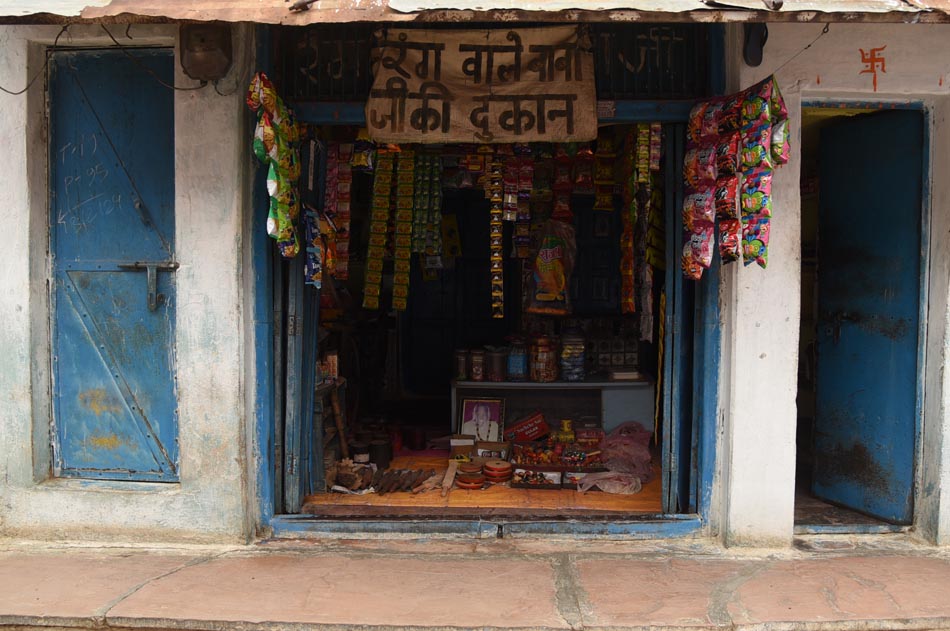
Although no specific myth are accociated with Chitrakoot’s lacquerware tradition, the craft is deeply connected with the sacred mythology of Chitrakoot itself. According to the Ramayana, Chitrakoot is the place where Lord Rama, Goddess Sita, and Lakshman spent a significant portion of their fourteen years of exile. The forests, rivers, and hills surrounding the town are believed to have witnessed many important episodes from the epic, making Chitrakoot one of the most revered pilgrimage centres in India. Over centuries, this sacred association has profoundly influenced the development of local crafts, including lacquerware.
As pilgrimage to Chitrakoot increased, artisans began producing wooden toys, miniature idols, ritual objects, and decorative souvenirs that visitors could carry home as reminders of their spiritual journey. While these objects were not originally created as religious icons, their close association with the pilgrimage gradually invested them with symbolic meaning. For many devotees, owning a lacquered object from Chitrakoot represents a tangible connection to the sacred landscape and the divine presence associated with Lord Rama.
Local traditions also recount that the craft flourished under the patronage of artisan families who migrated from Mewar after the Battle of Haldighati. Although this account belongs more to oral history than established historical fact, it remains an important part of the collective memory of the artisan community, explaining how specialised wood-turning and lac application techniques became established in Chitrakoot. Such narratives reinforce the community’s sense of identity and continuity, linking present-day artisans with generations of skilled craftsmen who preserved and adapted the tradition.
Thus, the mythology surrounding Chitrakoot lacquerware does not reside in the craft itself but in the sacred geography, pilgrimage traditions, and oral histories that have shaped its evolution. The objects produced by artisans serve not only as examples of skilled craftsmanship but also as enduring reminders of a landscape that continues to hold profound religious and cultural significance for millions of devotees.
The origins of Chitrakoot Wood Lacquerware can be traced to the early settlement of carpenter communities (Badhai or Suthar), whose principal occupation centred on producing essential wooden implements for everyday life. Situated within the forested landscape of the Vindhyan region, Chitrakoot offered abundant access to locally available timber, enabling artisans to develop a thriving tradition of woodworking. Using indigenous wood species such as Safeda, Haldu, Gular, and Kher, craftsmen produced agricultural implements, bullock-cart components, household utensils, furniture, toys, and other utilitarian objects that supported the predominantly rural economy. Their work was guided by functionality, durability, precision, and an intimate understanding of the characteristics of different wood species, laying the foundation for a woodworking tradition that has endured for centuries.
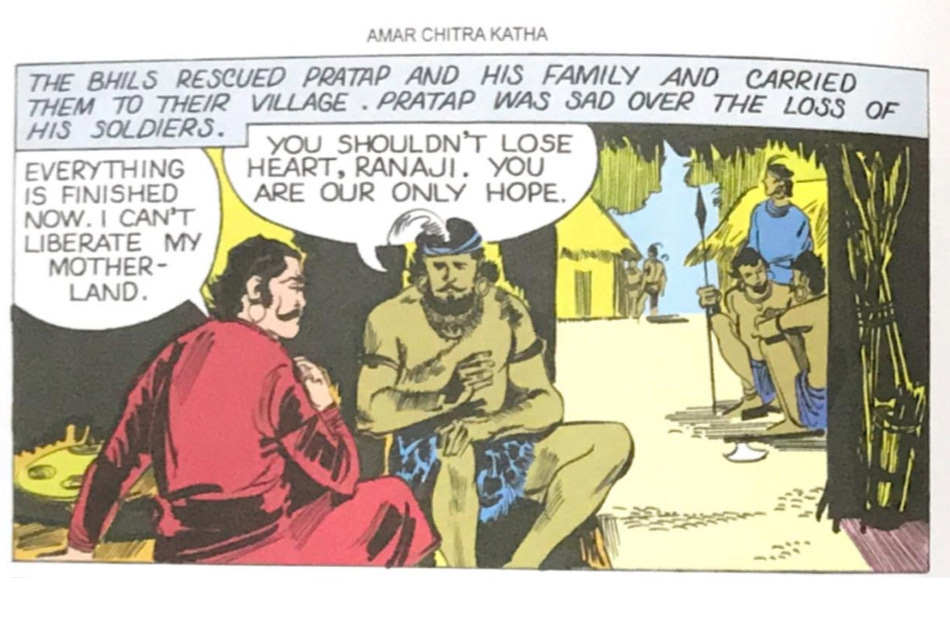
A significant turning point in the evolution of the craft occurred during the sixteenth century, following the Battle of Haldighati (1576) between Maharana Pratap and the Mughal forces led by Man Singh I. Historical traditions and oral narratives suggest that several artisan families migrated from the Mewar region of Rajasthan during this period and eventually settled in Chitrakoot. These migrant craftsmen brought with them highly developed skills in wood turning, lathe work, and the application of natural lac, techniques that had already flourished in the courts and artisan centres of western India. Their arrival resulted in a remarkable exchange of knowledge with the existing carpenter communities, leading to the gradual fusion of local woodworking traditions with the sophisticated decorative practices of Mewar. This interaction transformed the craft from one concerned primarily with utility into one that also celebrated ornamentation, vibrant colour, refined finishing, and artistic expression.
The introduction of natural lac marked a defining phase in the identity of Chitrakoot lacquerware. Lac, a natural resin secreted by the lac insect (Kerria lacca), was softened through friction generated on the rotating lathe and carefully applied to wooden objects while they were still spinning. The process produced a smooth, glossy, and durable finish without the need for synthetic paints or chemical coatings. Artisans further enhanced these surfaces by creating contrasting coloured bands, geometric stripes, concentric rings, floral motifs, and decorative linear patterns, all achieved through skilful hand movements while the object rotated on the lathe. The result was a distinctive style characterised by brilliant colours, polished surfaces, and elegant turned forms, which became synonymous with the identity of Chitrakoot lacquerware.
As the craft matured, artisans expanded their repertoire beyond agricultural tools and household utilities to include a wide range of lacquered decorative and functional objects. These comprised wooden toys, ritual articles, sindoor boxes, jewellery boxes, spinning tops, rolling pins, containers, kitchen accessories, miniature furniture, idols, and ornamental household items. Each object demonstrated a balance between utility and aesthetics, reflecting the artisans’ ability to combine practical craftsmanship with decorative excellence. The use of natural lac not only enhanced the visual appeal of these products but also served as a protective coating, improving their resistance to moisture, dust, and everyday wear while preserving the natural beauty of the wood.
The growth of Chitrakoot as one of India’s most revered pilgrimage centres, deeply associated with the life of Lord Rama during his period of exile described in the Ramayana, further accelerated the development of the craft. Every year, thousands of pilgrims visiting sacred sites such as Ram Ghat, Kamadgiri, Bharat Milap Temple, Gupt Godavari, and Sati Anusuya Ashram sought objects that served as both functional articles and meaningful souvenirs of their spiritual journey. Recognising this growing demand, artisan families gradually diversified their production to include miniature idols of Lord Rama, Sita, Lakshmana, and Hanuman, prayer accessories, sindoor boxes, children’s toys, spinning tops, decorative containers, and other portable keepsakes that pilgrims could easily carry home. These objects became treasured reminders of their visit, allowing the craft to become closely intertwined with the religious and cultural identity of Chitrakoot.
Over successive generations, the craft evolved into a family-based hereditary occupation, with knowledge transmitted through the traditional guru-shishya (master-apprentice) system within artisan households. Skills such as selecting suitable timber, seasoning wood, operating the lathe, preparing natural lac, colour application, polishing, and finishing were learned through years of observation and practice from an early age. This continuity ensured the preservation of specialised techniques while allowing artisans to adapt their products to changing markets without compromising the essential character of the craft.
Today, Chitrakoot Wood Lacquerware stands as a remarkable example of the convergence of traditional woodworking, natural materials, religious patronage, and regional craftsmanship. What began as the production of simple utilitarian wooden objects gradually transformed into a vibrant decorative art through historical migration, cultural exchange, and the demands of pilgrimage. The craft remains an important source of livelihood for artisan families while preserving generations of traditional knowledge, technical expertise, cultural heritage, and artistic excellence, making it one of the enduring craft traditions of the Chitrakoot region.
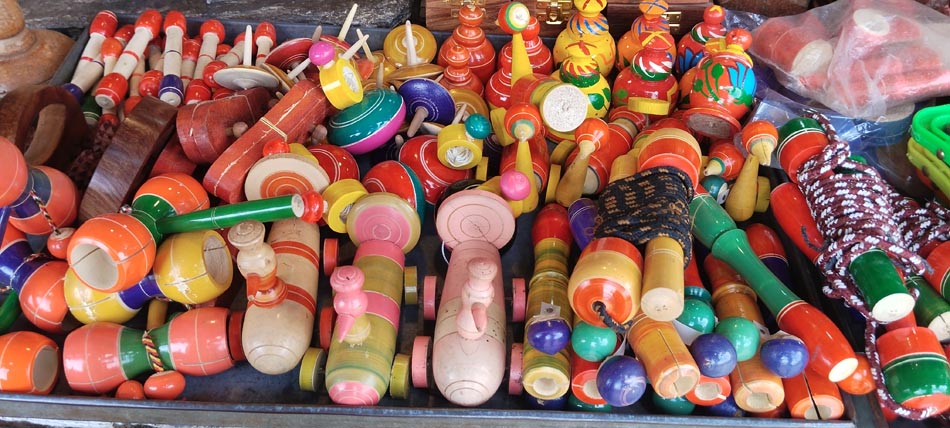
The visual identity of this craft is defined by the harmonious interplay of form, colour, and finish. Rather than relying on intricate carving or heavy ornamentation, it celebrates the natural beauty of turned wood, enhanced through the skilful application of coloured lac. The resulting aesthetic is both restrained and vibrant, where functional objects are elevated through proportion, symmetry, and surface treatment. This balance between utility and artistry has remained the hallmark of the tradition for generations.
Form and Proportion
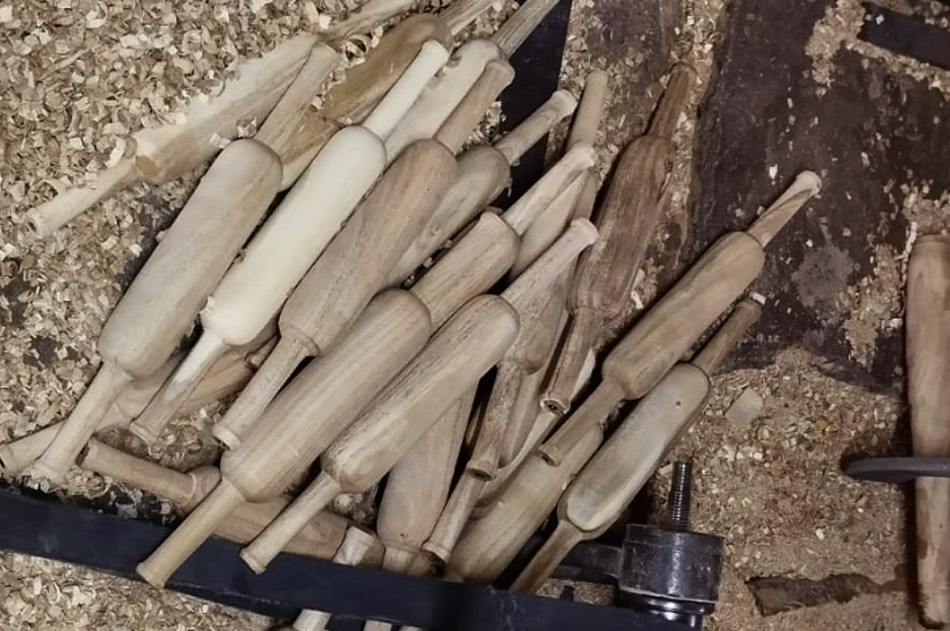
At the heart of the design lies the precision of lathe turning. Bowls, toys, ritual articles, containers, and household utensils are shaped into smooth, symmetrical forms with rounded contours, gently tapering edges, and uninterrupted flowing lines. These carefully balanced proportions reflect the artisan’s mastery over the turning process while allowing the inherent character of the wood to remain visible. The absence of elaborate carving is intentional, drawing attention instead to the purity of form and the elegance of the silhouette.
Surface Decoration
Decoration is achieved almost entirely through the application of natural coloured lac rather than carving or inlay. Once the wooden form has been completed, sticks of coloured lac are pressed against the rotating surface, where friction softens the material and bonds it seamlessly to the wood. The decoration follows the contours of the object, accentuating its geometry rather than concealing it.
Simple yet effective design elements, including concentric rings, contrasting bands, stripes, and geometric divisions that create rhythm and movement across the surface. This restrained approach allows the form and colour to complement one another, resulting in objects that are visually striking without appearing excessive.
Colour Palette
Colour is perhaps the most distinctive feature of the tradition. Bright shades of red, yellow, green, blue, black, and orange are arranged in bold combinations that enliven even the simplest forms. Instead of being applied randomly, these colours are carefully positioned to emphasise symmetry, proportion, and movement, creating a strong visual rhythm.
Many pieces intentionally retain portions of the natural wood, allowing its warm grain to contrast with the brilliance of the lacquer. This interplay between exposed timber and vibrant colour gives each object depth while preserving its handcrafted character.
Finish and Detailing
The final stage of burnishing produces the smooth, glossy finish for which these products are renowned. Repeated polishing enhances the richness of the colours while creating a durable surface that protects the wood from moisture and everyday wear. The lustrous finish not only improves longevity but also highlights the precision achieved during turning.
Decorative pieces and toys are often completed with delicate hand-painted details, including floral motifs, facial features, and ornamental patterns. These additions remain subtle, enriching the overall composition without distracting from the simplicity of the turned form.
Design Philosophy
The enduring appeal of this tradition lies in its philosophy of refined simplicity. Every design element serves a purpose: the lathe creates rhythm and proportion, coloured lac introduces vibrancy, and polishing unifies the composition into a cohesive whole. Ornamentation is used sparingly, allowing the craftsmanship and quality of materials to become the primary focus.
This thoughtful integration of form, colour, material, and finish gives the craft its distinctive identity. It demonstrates how technical precision and artistic restraint can transform everyday wooden objects into timeless examples of India’s living craft heritage.
Despite its rich heritage and continued cultural significance, the lacquerware tradition of Chitrakoot faces a number of challenges that threaten its long-term sustainability. From the scarcity of raw materials to changing consumer preferences, artisans today must constantly negotiate the balance between preserving inherited knowledge and adapting to an evolving marketplace.
Declining Availability of Raw Materials
One of the earliest challenges emerged with the declining availability of traditional raw materials. For decades, craftsmen relied primarily on Keria wood, valued for its light weight, fine grain, and ease of turning on the lathe. Restrictions on its harvesting during the 1980s forced workshops to shift to alternative species such as Koraiya and Goalar. Although these woods remain suitable for production, differences in density, texture, and workability require continuous adjustments in technique, making it increasingly difficult to achieve the consistency associated with earlier generations of work.
Competition from Industrial Production
The rapid growth of industrial manufacturing has transformed the market for handmade wooden products. Factory-produced wooden and plastic goods, along with inexpensive imported toys and decorative items, are now widely available at prices that handcrafted products cannot easily match. Their large-scale production and lower costs have gradually reduced the demand for handmade articles, despite the superior craftsmanship, durability, and cultural significance they embody.
Declining Artisan Participation
Another major concern is the diminishing involvement of younger generations. Many members of artisan families now pursue higher education and employment in other sectors, perceiving woodturning and lac work as labour-intensive occupations with uncertain financial returns. As fewer young people choose to continue the family profession, the traditional system of apprenticeship is weakening, placing generations of specialised knowledge and technical expertise at risk.
Market and Economic Constraints
Economic sustainability remains a persistent challenge. Many producers continue to rely on intermediaries for marketing and sales, reducing the income they receive for highly skilled work. Limited access to organised exhibitions, urban retail networks, and digital marketplaces further restricts opportunities to reach wider audiences. At the same time, rising production costs, fluctuating raw material prices, and seasonal demand create additional financial pressures for artisan households.
Balancing Tradition with Innovation
Changing consumer preferences have also influenced the evolution of production. Contemporary buyers increasingly seek products that complement modern lifestyles, encouraging makers to experiment with new forms, colours, and product categories. While such innovations create valuable commercial opportunities, they also raise concerns about preserving the traditional aesthetics, techniques, and design vocabulary that define this centuries-old heritage. The challenge lies in adapting to changing markets without compromising its cultural identity.
Future Prospects
Despite these pressures, the tradition continues to demonstrate remarkable resilience. Government initiatives such as the One District One Product (ODOP) programme, growing appreciation for handmade goods, and increasing awareness of India’s craft heritage have created new opportunities for revival. However, its future will depend on improving market access, ensuring fair economic returns, encouraging younger generations to continue the profession, and strengthening the transmission of specialised skills. Sustaining this tradition ultimately means preserving not only a source of livelihood but also an important expression of Chitrakoot’s cultural heritage and artisanal identity.
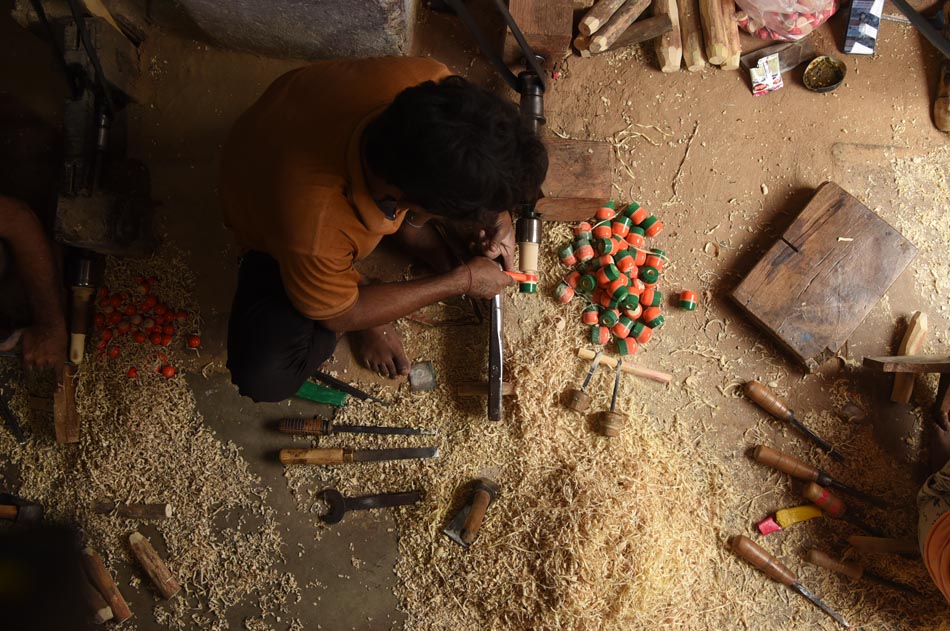
The production of Chitrakoot lacquerware is a traditional, hand-crafted process that combines wood turning with the art of lac application. Beginning with the careful selection and shaping of wood on a lathe, each object is gradually transformed through colouring, polishing, and finishing. The process relies on the artisan’s skill, precision, and understanding of natural materials, resulting in products that are both functional and aesthetically distinctive.
Wood (Keria, Koraiya, and Goalar)- Wood is the primary raw material used in the craft. Traditionally, Keria wood was preferred for its light weight and fine grain, but artisans now commonly use Koraiya and Goalar due to restrictions on Keria.
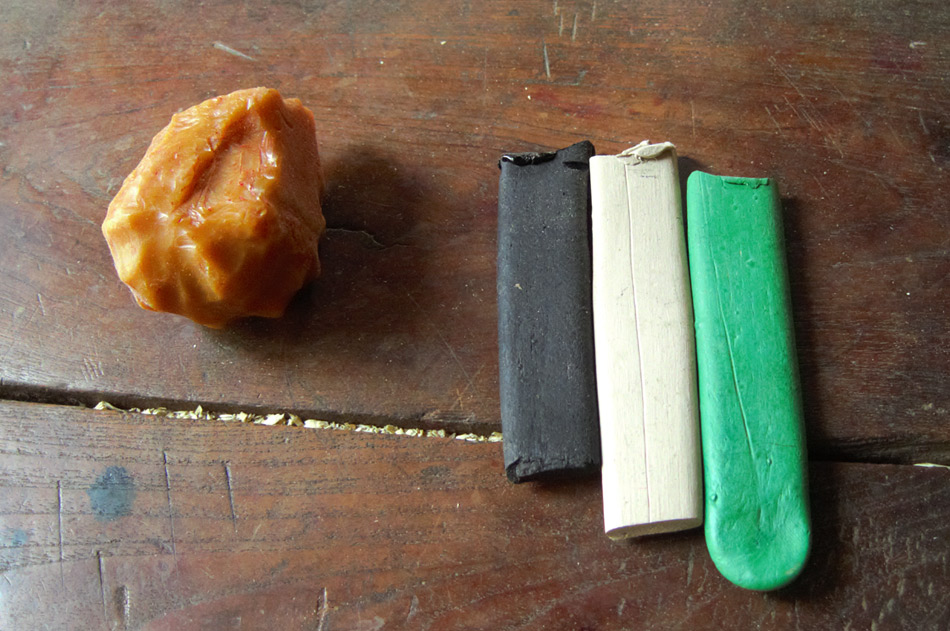
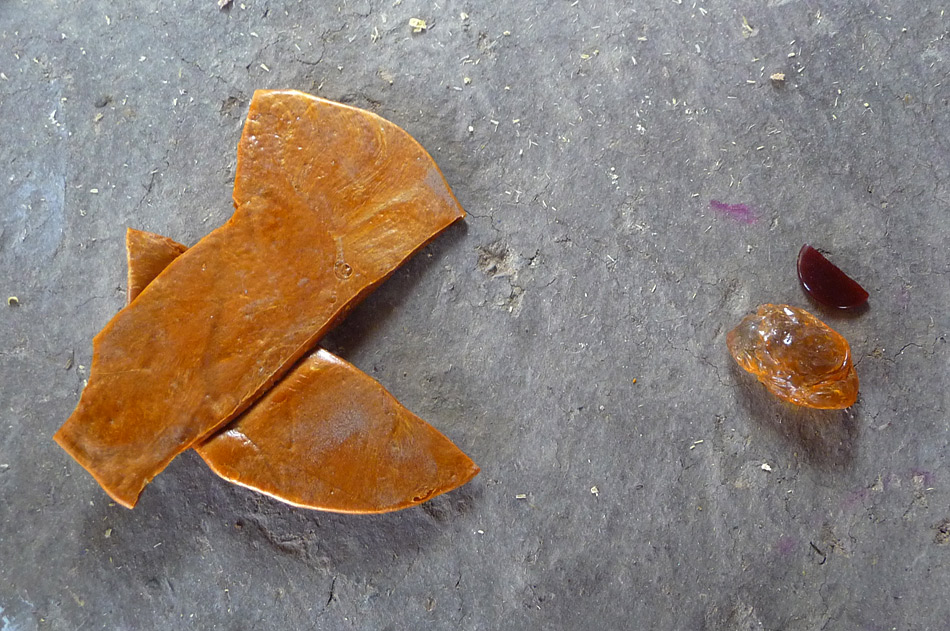
Natural Lac- Natural lac, obtained from the resin secreted by the lac insect (Kerria lacca), is applied to the rotating wooden surface to create the characteristic smooth, glossy finish.
Pigments- Natural and synthetic pigments are mixed with lac to produce vibrant colours such as red, yellow, green, blue, black, and orange, which form the decorative patterns of the finished products.
Sandpaper- Sandpaper is used to smooth the wooden surface before lac application and to refine the object during the finishing process.
Polishing Materials- Soft cloth, natural fibres, or dry leaves are used during burnishing to produce the final glossy finish and enhance the durability of the lacquer coating.
Paint- Fine paints are used to add delicate details such as facial features, floral motifs, and decorative borders, particularly on toys and ritual objects.
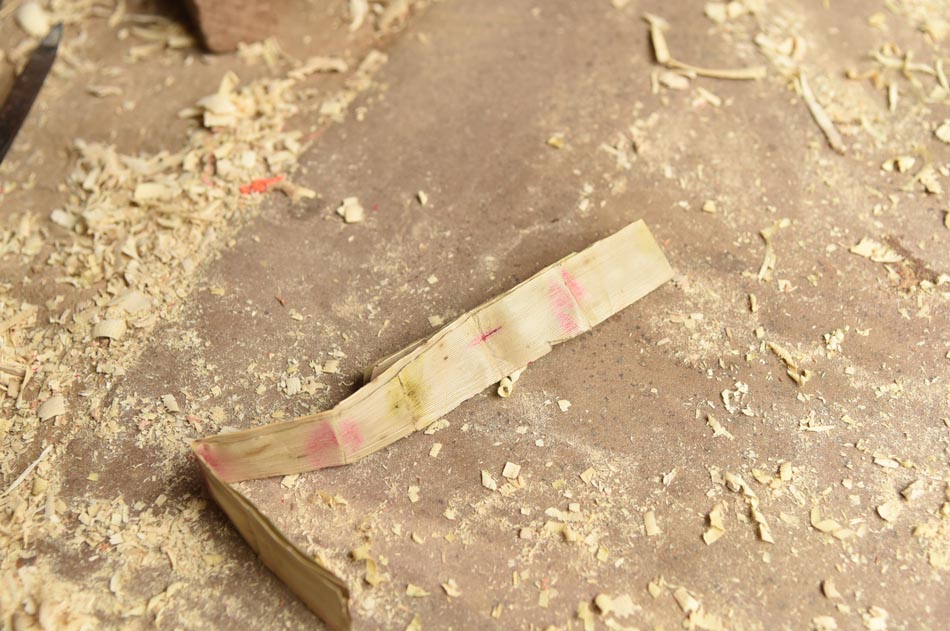
Kewda patta – This is used in giving shining surface on lathe.
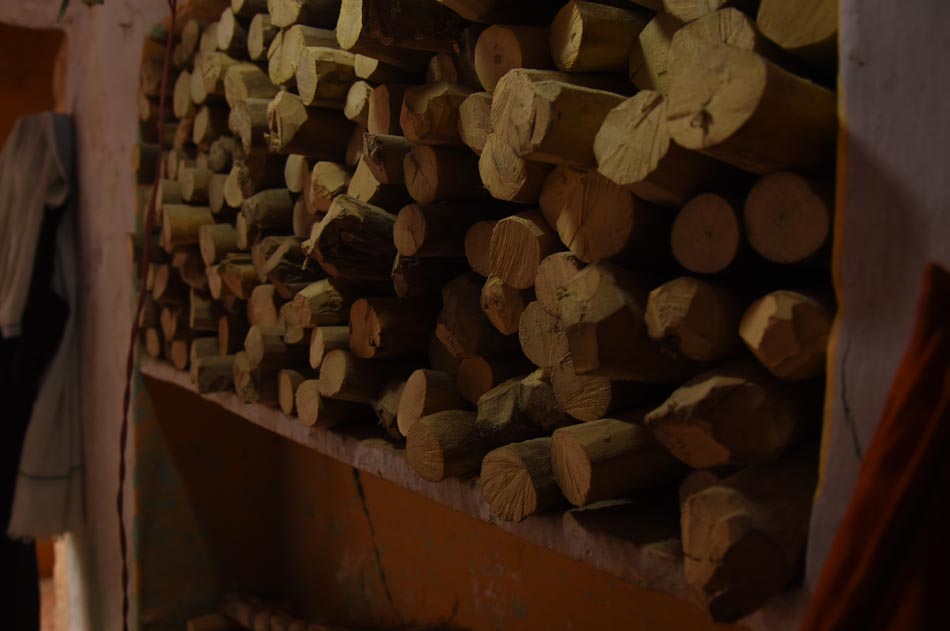
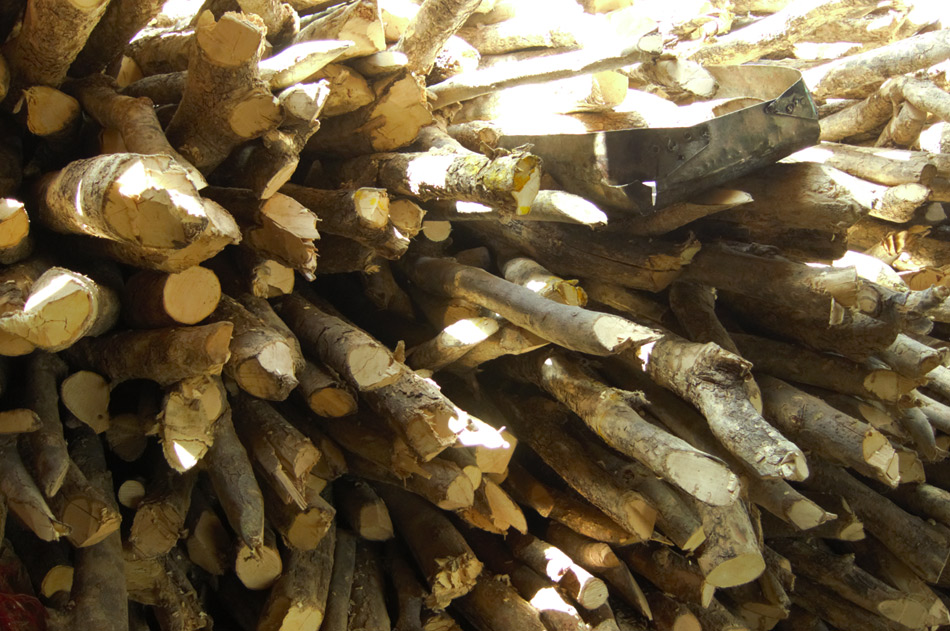
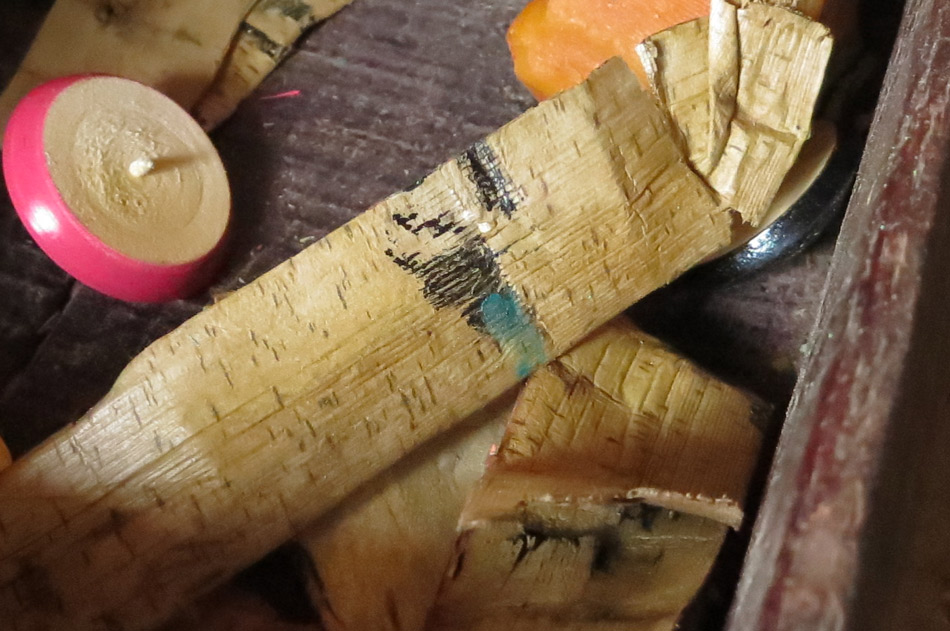
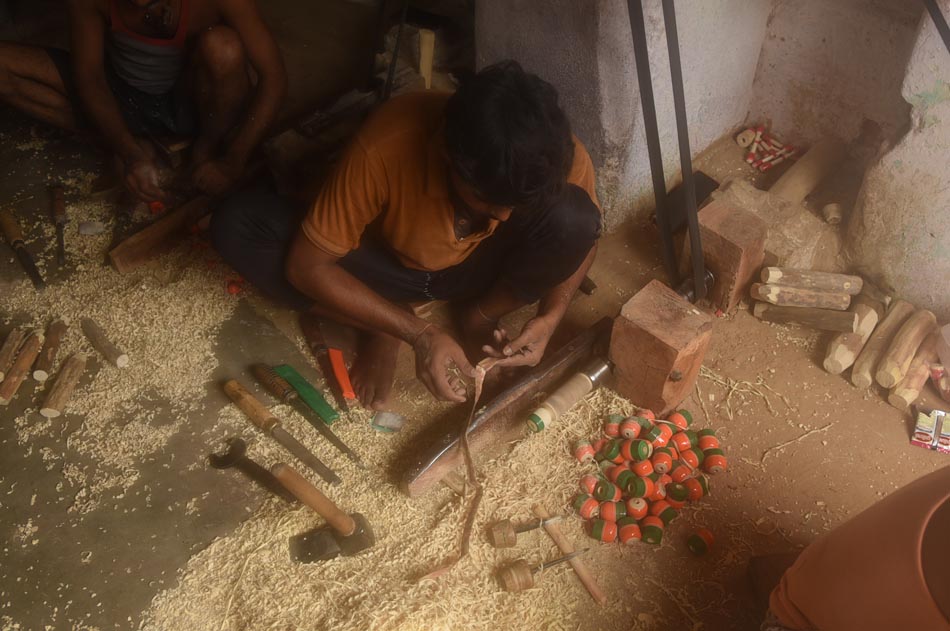
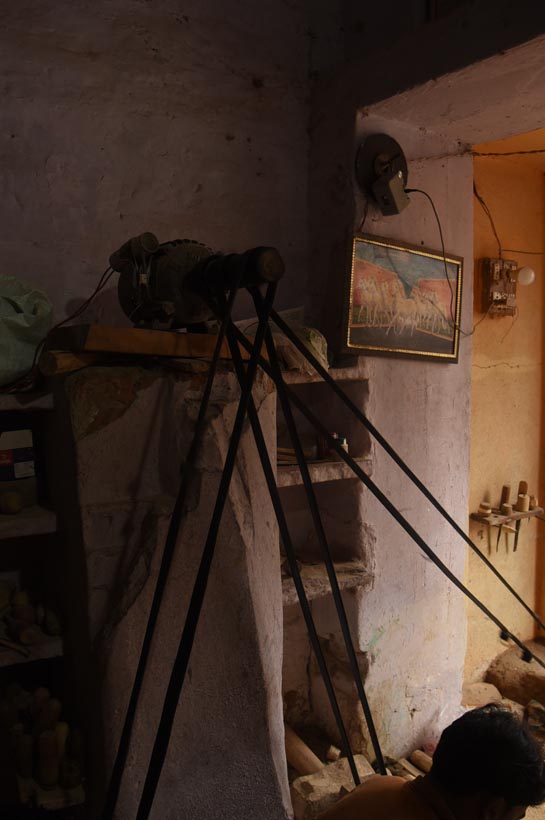
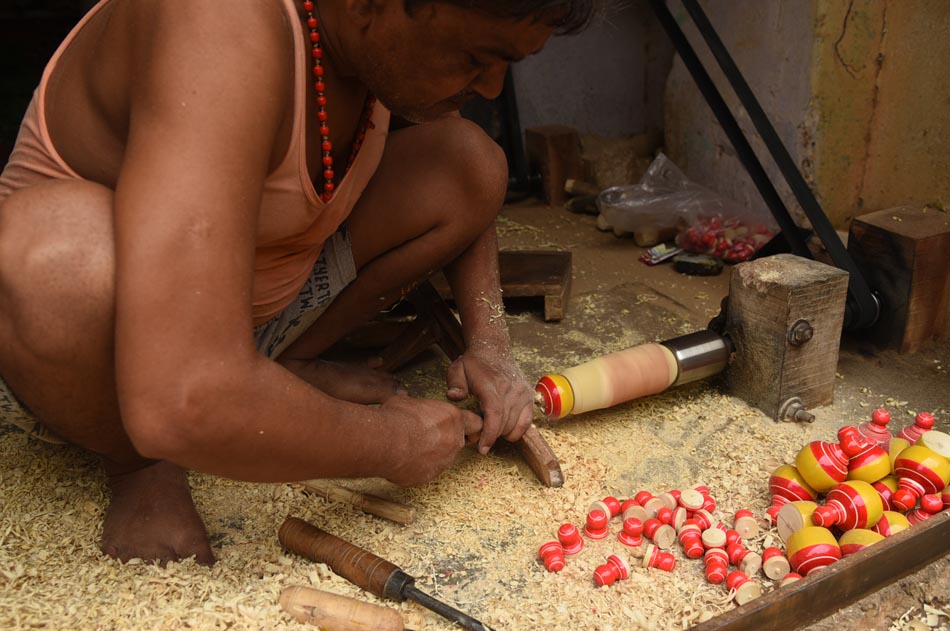
Wood Lathe Turning Machine- The wood lathe is the primary tool used in the craft. It rotates the wooden blank at high speed while the artisan shapes it using hand-held cutting tools. Almost every product from toys and household utensils to ritual objects is first formed on the lathe, which produces the smooth, symmetrical profiles characteristic of Chitrakoot lacquerware. The same rotating motion is later used for the application of coloured lac, ensuring an even and seamless finish.
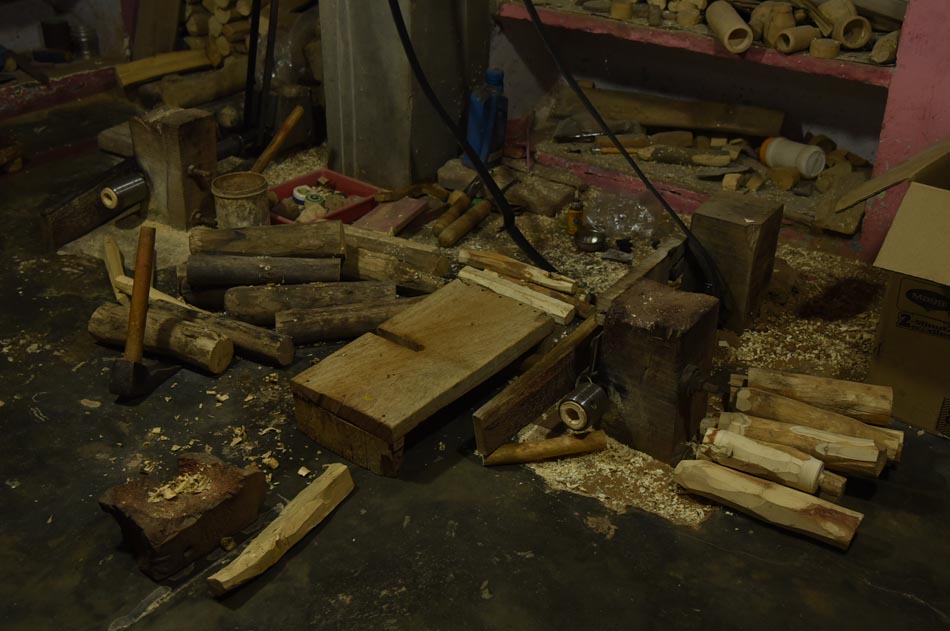
Hand Saws- Hand saws are used to cut raw timber into manageable sizes before turning begins. They are also employed to trim excess wood and prepare individual blocks according to the dimensions required for different products. Accurate cutting at this stage helps minimise material wastage and ensures uniformity in production.
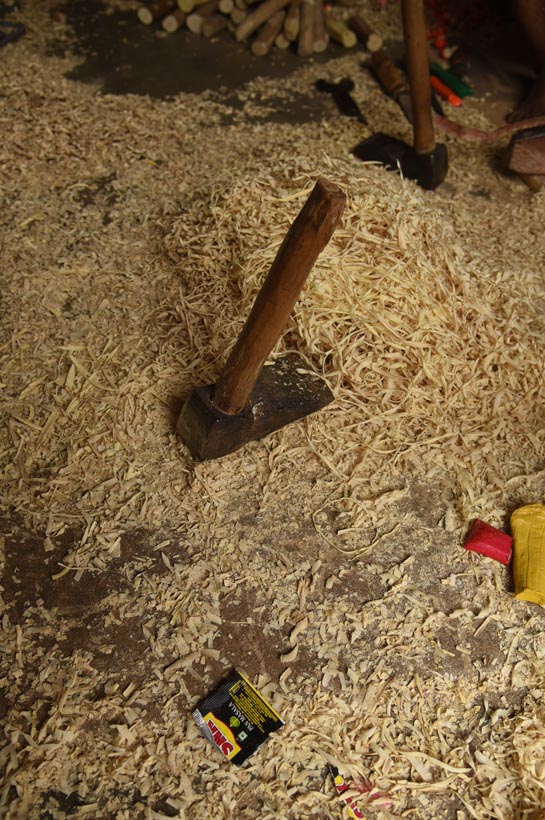
Axes– Axes are used during the initial preparation of the wood. They help split logs into smaller sections, remove unwanted portions, and roughly shape the timber before it is mounted on the lathe. This preliminary shaping reduces the amount of turning required and makes the carving process more efficient.
Gauges- Gauges are essential measuring tools used to check the dimensions, thickness, and proportions of the object during production. They help artisans maintain consistency, especially when producing sets of identical items or ensuring that products meet standard sizes while retaining balanced proportions.
Squirrel Tail Brush- The squirrel tail brush is a fine brush traditionally used for delicate hand-painted detailing after the lacquering process. Its soft, flexible bristles allow artisans to paint intricate floral motifs, facial features on toys, decorative borders, and other ornamental details with precision, adding character and refinement to the finished object.
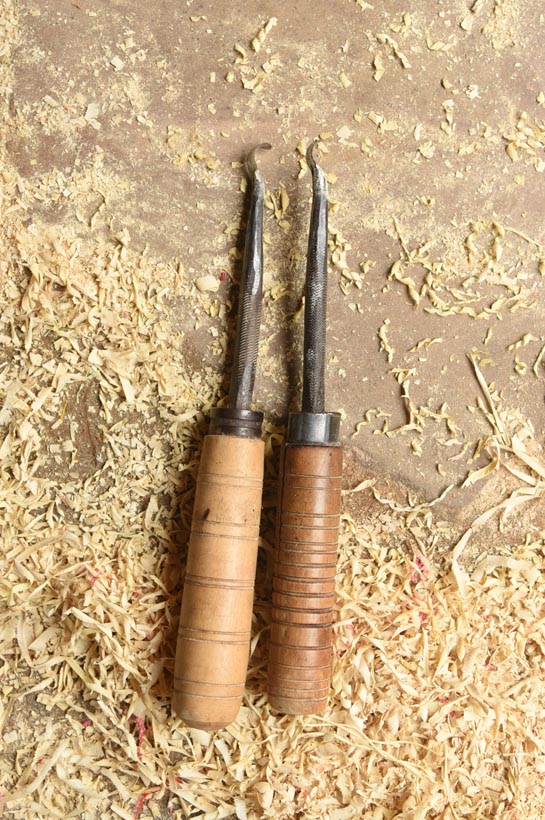
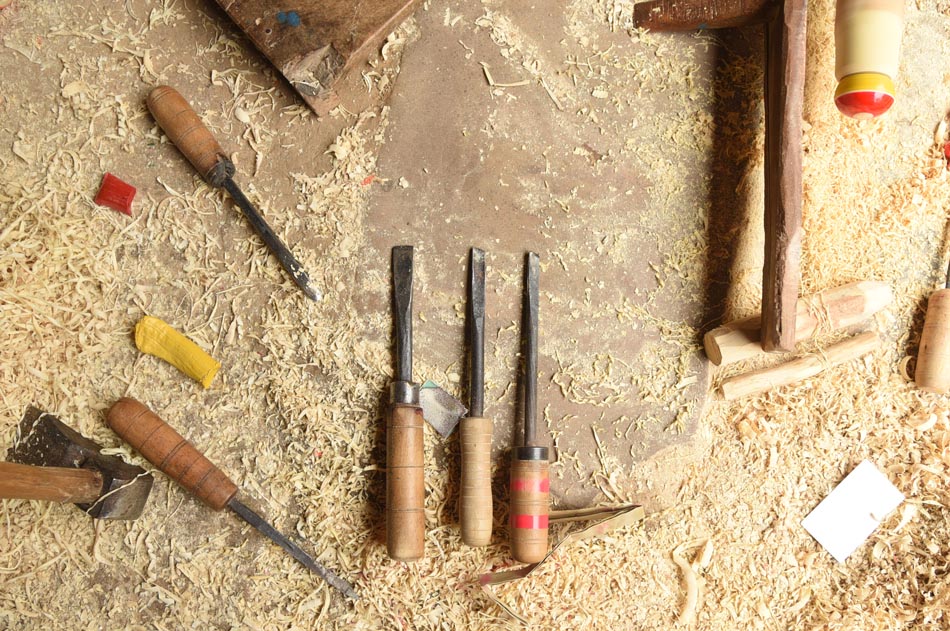
Although the process of producing Chitrakoot lacquerware is not governed by elaborate ritual practices or ceremonial observances, many of the finished objects occupy an important place within the religious and cultural life of the region. The significance of the craft lies less in the act of making and more in the role its products play within domestic worship, pilgrimage, and everyday devotional practices.
Among the most culturally significant objects are lacquered sindoor boxes, which are closely associated with married women and are used for storing sindoor, an enduring symbol of marriage and marital well-being in Hindu households. Similarly, artisans produce wooden idols, ritual accessories, and decorative objects that are purchased by devotees visiting the temples and sacred sites of Chitrakoot. These objects often become part of household shrines, where they continue to serve devotional purposes long after the pilgrimage has ended.
The strong association between lacquerware and pilgrimage has further enhanced the ritual significance of the craft. Chitrakoot, revered as one of the principal places associated with Lord Rama’s exile, attracts thousands of pilgrims throughout the year. Visitors frequently purchase lacquered toys, miniature idols, boxes, and decorative articles not merely as souvenirs but as sacred mementoes of their spiritual journey. Once taken home, these objects become lasting reminders of the pilgrimage, preserving both personal memories and religious associations within the domestic space.
Thus, while the craft itself is not accompanied by prescribed rituals during production, its products acquire ceremonial and symbolic importance through their continued use in religious practice, family traditions, and the devotional life of households. In this way, Chitrakoot lacquerware becomes more than an artistic tradition it serves as a material expression of faith, memory, and cultural continuity.
A. The Making of Lac
Deep in the forests of Jharkhand, Chhattisgarh, and West Bengal, an invisible craftsmanship begins, one performed by creatures so small they are barely visible to the human eye. Kerria lacca, tiny insects that coat the branches of host trees with a crystalline resin, create the raw material upon which Chitrakoot’s colorful craft depends. The coated branches are cut and harvested, becoming sticklac, a rough, impure substance that bears little resemblance to what it will become. Sticklac is crushed and sieved, then thoroughly washed in water to strip away its natural impurities. Through this careful cleansing, it becomes seedlac. Next, the seedlac is melted on steam grids, strained further, and rolled into small pellets. This refined form called chapra is what artisans purchase, arriving from the eastern states in quantities that speak to the craft’s enduring demand. In Khojwan, roughly 100 kilograms of chapra exchange hands daily, each kilogram priced at approximately ₹500. The material is precious, both in cost and in potential.
Chapra arrives in shades of honey brown, dark brown, and chestnut, its color and melting point determining its quality. The lower the melting point, the fewer impurities it contains, the more smoothly it flows, the better it holds pigment. Quality, in other words, is measured in how willing the material becomes to be shaped. But raw chapra is not yet ready for the artisan’s hands. The chapra is then heated until it softens, then mixed gradually with lithopone a white chemical powder born of barium sulphate and zinc sulphide. As the artisan kneads the melted lac and lithopone together, the mixture develops a light white tint. This is the foundation, the base upon which all color will rest. Lithopone serves multiple purposes: it increases opacity, smooths the texture, and creates a uniform surface that will hold dye more evenly. Chemical dyes are then introduced, drop by drop, color by color. A small amount of water is added, and the mixture enters a rhythmic phase, continuous beating, constant kneading, all while the lac remains warm. The artisan’s hands move with practiced rhythm, knowing exactly when the material has transformed. It must become soft and stretchy, almost like rubber, elastic enough to be shaped but strong enough to hold form.
At this moment when the lac has reached this precise state it is ready. The softened mixture is laid on a wooden surface to cool slightly, then rolled into sticks. Each stick emerges nearly uniform: 0.5 centimeters thick, 3 centimeters wide, 15 to 20 centimeters long. An artisan prepares 4 to 5 sticks of the same color in a single session, understanding that these sticks carry a shelf life of only one month. There is no room for excess, no value in overproduction. Each batch is made as needed, an ongoing conversation between demand and supply. Sometimes, as the lac boils, a small amount of wax is stirred into the mixture. This addition serves a subtle but important purpose: it softens the texture further and grants the final product a natural glossy finish, a subtle sheen that catches light. Two types of colored sticks emerge from this process: solid colors, priced at ₹300 per kilogram, and metallic pigmented sticks, which command ₹450 per kilogram. From insects in distant forests to refined sticks in an artisan’s hands the journey of lac is itself a form of craftsmanship, a demonstration of how raw material becomes art through knowledge, patience, and precision.
B. Wood Preparation
The journey of a wooden toy begins with a simple act of separation. An axe and hand saw bite into freshly cut wood, reducing it into smaller, manageable pieces. This is merely the first step the wood itself is not yet ready to be shaped.
Seasoning- For ten to thirty days, the wood rests in spaces where air moves freely, away from the harsh glare of direct sunlight and the drying intensity of heat. This period of seasoning is not mere delay, it is essential alchemy. Moisture slowly leaves the wood, fiber by fiber, reducing the risk of cracking that would ruin hours of future work. The wood must be allowed to find its equilibrium with the air, to become stable and ready for transformation.
Shaping the Cylinder- Once properly seasoned, the wood is ready for the next phase. A chisel carefully shapes the pieces into rough cylinders, giving them enough structural integrity to be mounted securely on the lathe. This rough shaping is crucial it determines how well the wood will sit on the lathe and how safely the turning process will proceed. The artisan’s hands work with precision, understanding that this seemingly simple step requires knowledge born from years of practice. The cylinder must be true enough to spin without wobbling, strong enough to withstand the forces of rotation.
C. The Lathe
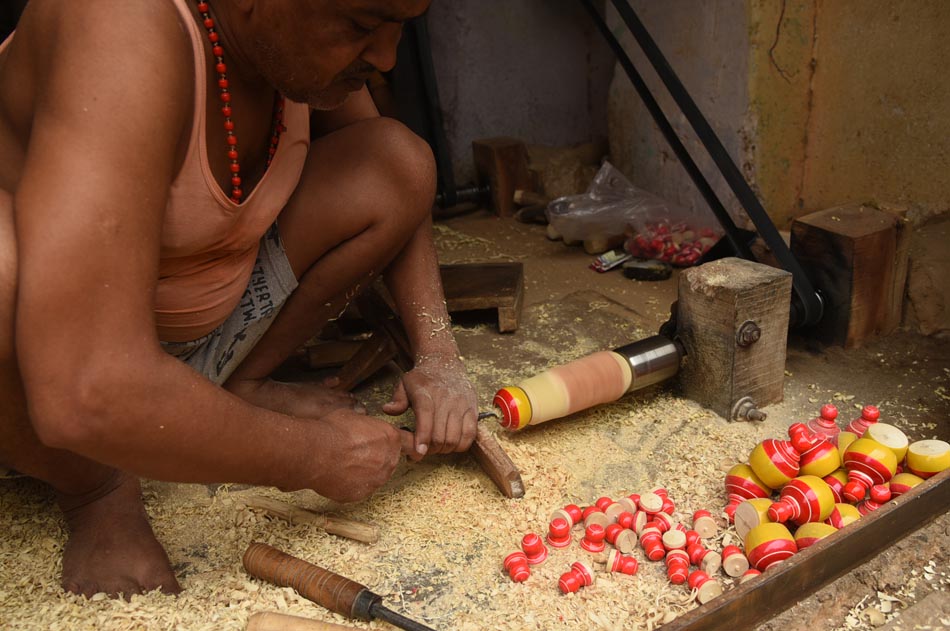
The Turning Process- The wood is mounted on the lathe whether driven by the manual bow-and-rope mechanism of traditional craft or the steady spin of an electric lathe, the process requires skill and attention. As the wood begins to rotate, a chisel meets its surface, and the artisan’s hands guide the blade with controlled pressure. Thin, continuous shavings curl away from the wood like ribbons, revealing the form beneath. Round, oval, conical the lathe naturally favors symmetrical shapes, and within these constraints. Each shape demands a different touch, a different angle of approach. A round form requires patience and consistency; an oval demands a subtle shift in pressure; a cone needs a smooth, progressive curve. The artisan’s hands learn to read the wood, to feel when the chisel is cutting cleanly and when it is beginning to tear the grain.
Sandpaper- follows the chisel. As the wood continues to rotate, fine-grit paper smooths away the marks of creation, rendering the surface even and flawless. What was rough became silk. This step is not rushed; a poorly smoothed surface will show through any color applied later, revealing the haste beneath. The artisan moves the sandpaper across the rotating wood with rhythmic movements, checking frequently by touch, ensuring that no ridge or mark remains. Only when the surface is perfectly smooth does the wood move to the next stage.
Colouring- Colouring is the most skill based part of the entire process and defines the quality of the final product. This is where technical competence transforms into artistry, where the craftsperson’s understanding of material, heat, and aesthetics becomes visible.
Applying the Lac– The prepared lac sticks, those carefully crafted cylinders of solidified color born from insects and forests are brought to the rotating wood. The artisan presses the stick gently against the surface, and friction does the rest. The heat generated by the spinning wood melts the lac, allowing it to spread like liquid silk across the surface. The color does not sit upon the wood as a separate layer; it becomes integrated, coating evenly in a smooth, luminous layer. The artisan must know precisely how much pressure to apply. The rotation of the wood is essential here. As it spins, the melted lac flows naturally across the surface, guided by centrifugal force and the artisan’s steady hand. Different colors require different approaches; some lac melts more readily than others, some holds pigment more evenly.
D. Polishing and Buffing
Once the initial coloring is complete, the work enters a more delicate phase. A Kewda leaf, the leaf of the screw pine, is pressed against the still rotating wood. This is not simply polishing; it is a refinement of what has already been applied. As the leaf moves across the surface, it evenly distributes the melted lac, creating a finish of remarkable smoothness. The natural texture of the leaf works in harmony with the rotation, buffing the color to an even, consistent sheen. Sometimes, a small amount of kewda oil is applied during this polishing process. The oil does not alter the color but enhances it, adding a depth and luminosity that catches and reflects light. The wood begins to glow with an internal radiance, as if light were emanating from within rather than merely bouncing off the surface.
E. Removing from the Lathe
When the polishing is complete and the finish has cooled slightly, the piece must be carefully separated from the lathe. Using a precise cutting tool, the artisan severs the finished work from its mounting point. This moment requires care; a slip here can mark the bottom of an otherwise perfect piece.
F. Hand-Painted Embellishments
If the piece demands it, if some detail requires final emphasis or if particular design elements would benefit from additional definition, paint is applied by hand, stroke by stroke. These final touches might be a line defining a feature, dots adding eyes to an animal figure, or patterns enhancing the toy’s character. This final painting is itself a skilled act. The paint must be applied with precision, the brush controlled to create clean lines and intentional marks.
Each finished piece carries within it the accumulated skill of generations, the knowledge passed down about seasoning times, the understanding of how friction melts lac, the practiced hand that knows exactly how much pressure to apply with a polishing leaf. It is not merely an object. It is a demonstration of what becomes possible when craft, patience, and artistry converge.
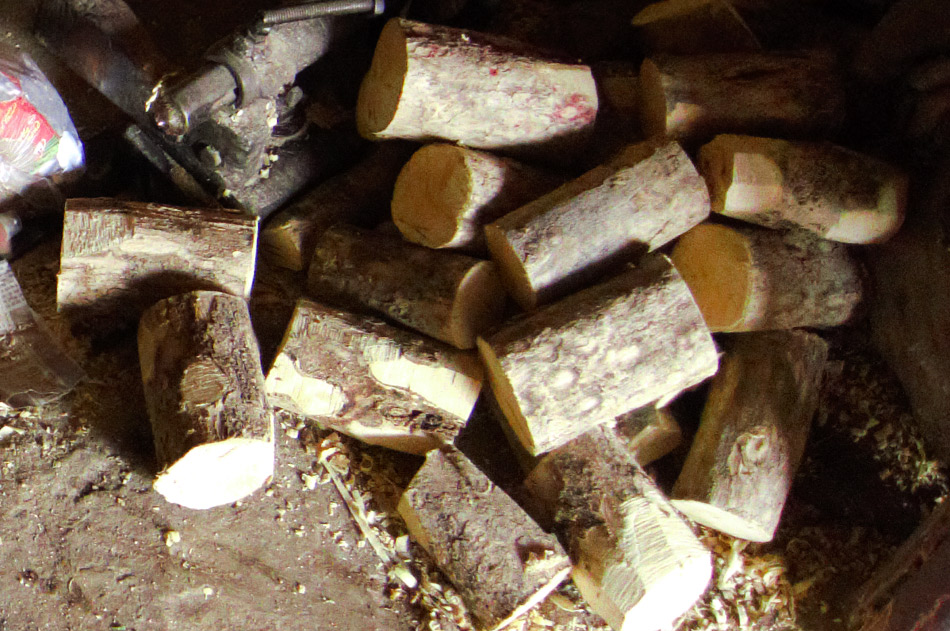
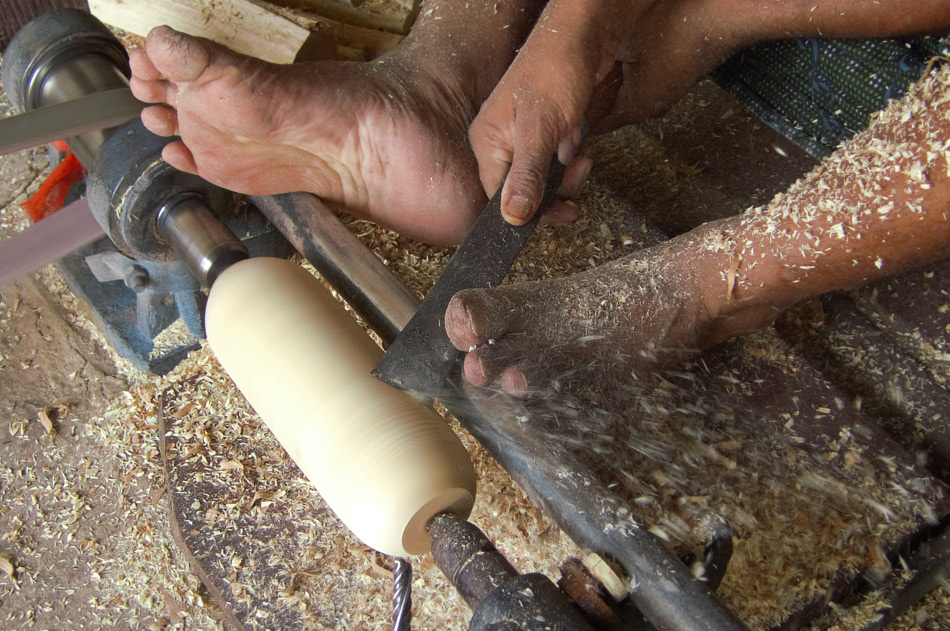
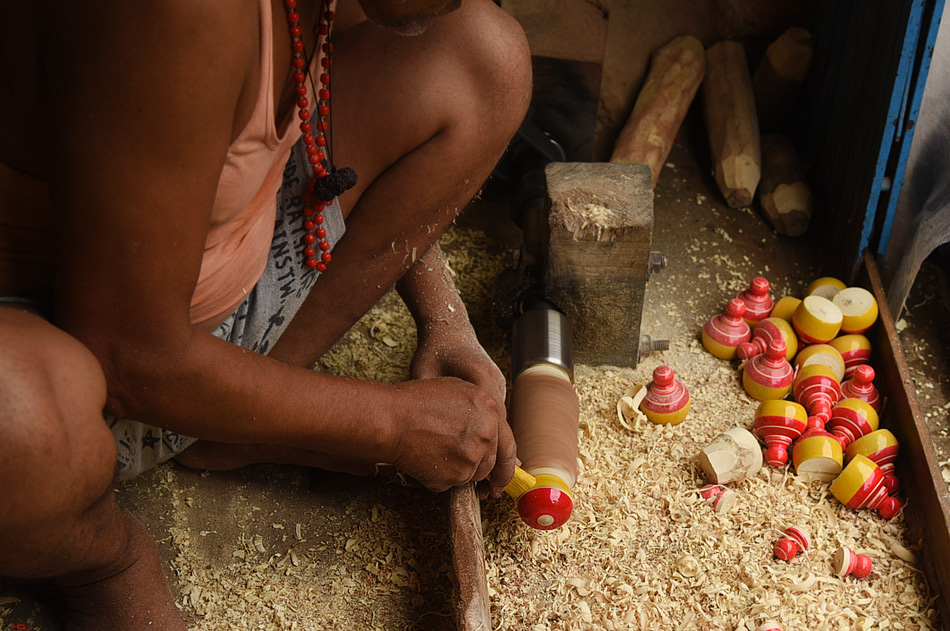
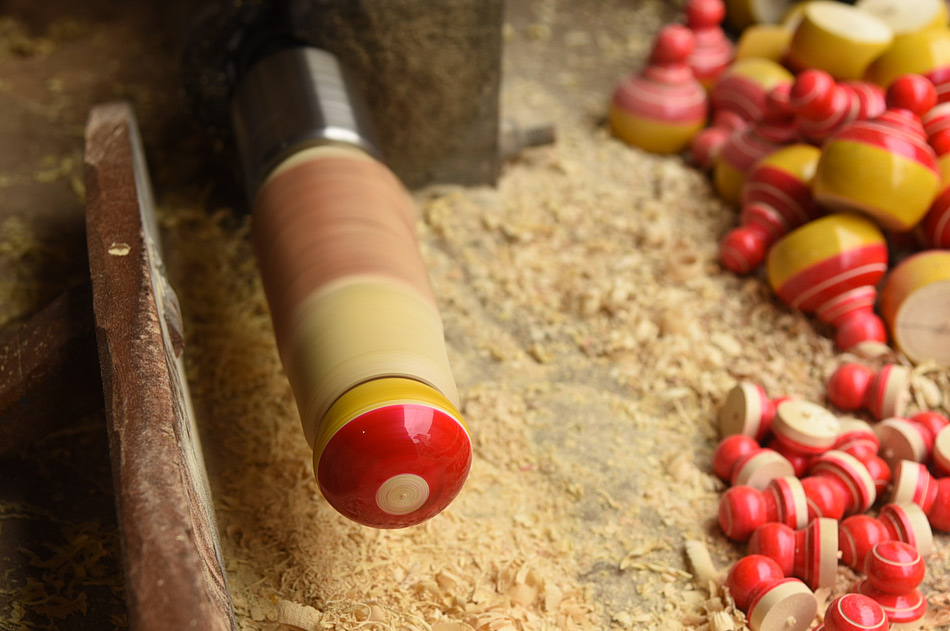
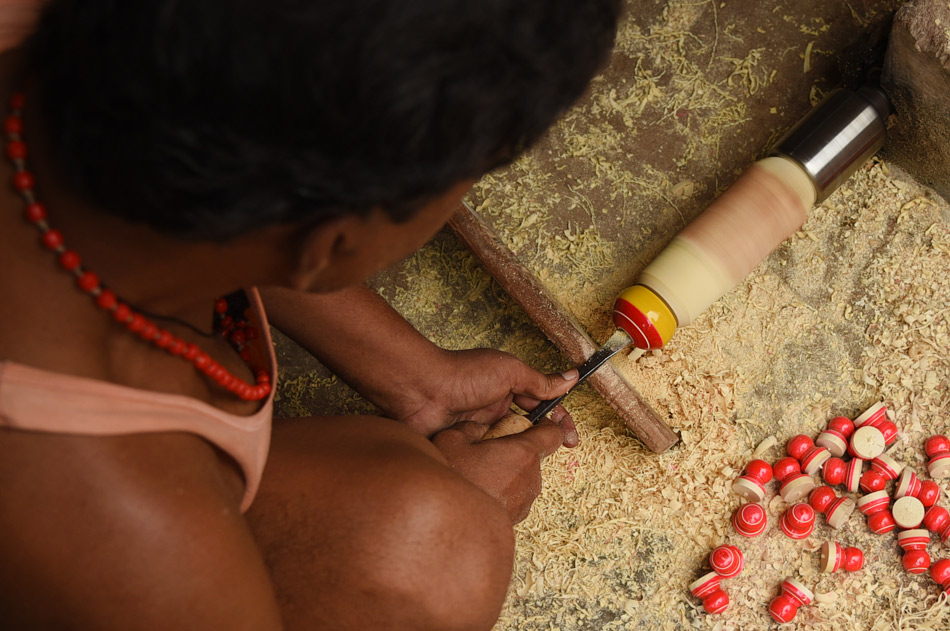
The production of Chitrakoot lacquerware generates comparatively little waste, reflecting the craft’s long-standing reliance on natural materials and resource-efficient methods of production. Since every stage of the process is carried out manually, artisans utilise raw materials with considerable care, minimising unnecessary loss while making the most of each piece of timber.
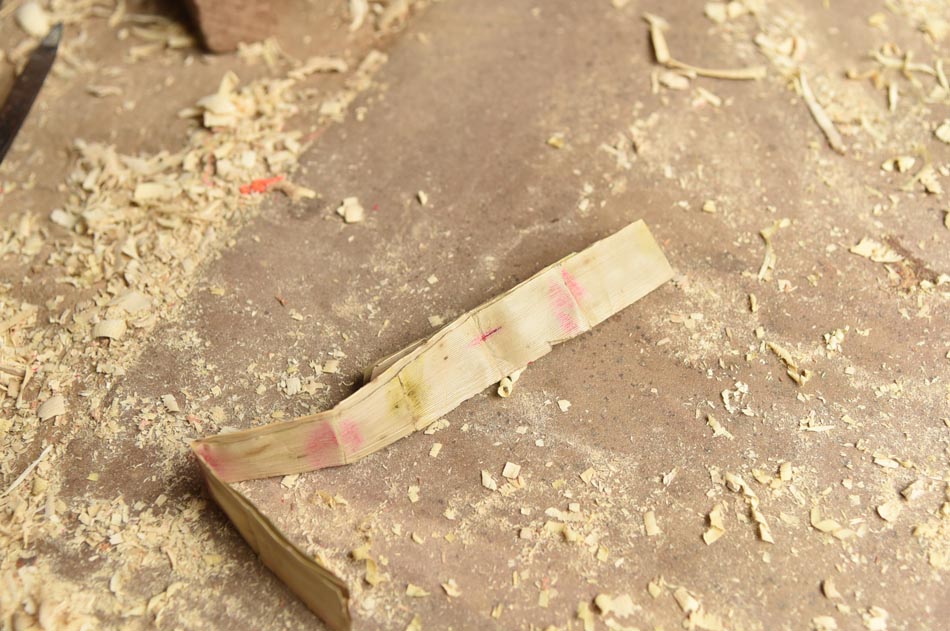
The principal by-products consist of wood shavings and sawdust produced during the turning process. These are biodegradable and are often repurposed as fuel or disposed of without causing significant environmental impact. During the colouring and finishing stages, only small quantities of excess lac, pigment residue, and worn abrasive materials are discarded, as artisans prepare and apply lac according to the specific requirements of each object, thereby limiting material wastage.
The use of renewable timber, natural lac resin, and traditional polishing materials such as Kewda leaves further contributes to the craft’s environmentally responsible character. Unlike many industrial manufacturing processes that generate substantial chemical waste and synthetic residues, Chitrakoot lacquerware produces minimal non-biodegradable waste and relies largely on naturally derived materials. The craft therefore exemplifies a traditional production system in which efficient material utilisation, low waste generation, and environmental sustainability have remained integral to the practice for generations.
The history of Chitrakoot is a unique confluence of mythology, religion, literature, and historical development, making it one of India's most revered cultural landscapes. Located on the border of Uttar Pradesh and Madhya Pradesh, the region has been celebrated for thousands of years as a centre of spiritual learning, pilgrimage, and natural beauty. Unlike many historic towns whose significance stems from political kingdoms or military events, Chitrakoot's identity has been shaped primarily by its enduring association with the Ramayana, its sacred geography, and the uninterrupted tradition of pilgrimage that continues to the present day.
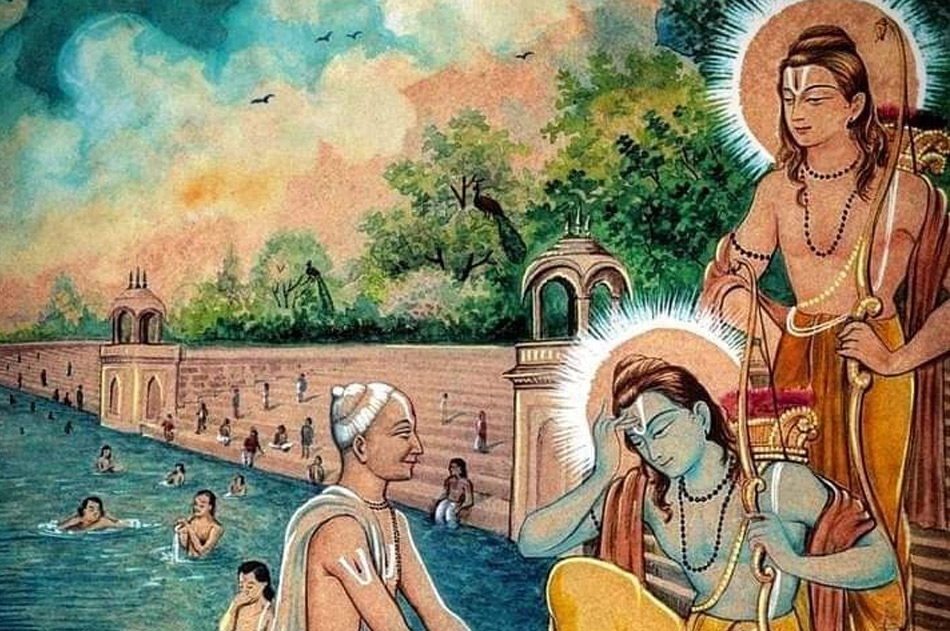
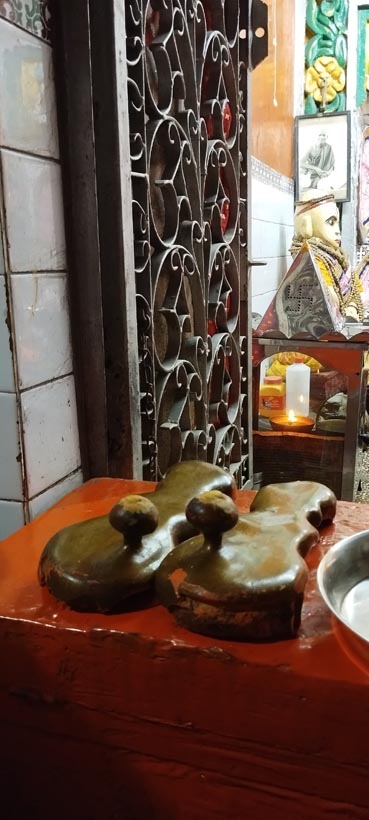
The earliest and most influential references to Chitrakoot appear in the Valmiki Ramayana, where it is described as the forest retreat chosen by Lord Rama, Goddess Sita, and Lakshmana during their fourteen-year exile (Vanavasa). According to the epic, the divine trio spent nearly eleven years in the forests of Chitrakoot, living in harmony with sages and the natural environment. During this period, several significant events unfolded, including the emotional meeting between Rama and Bharata, who travelled from Ayodhya to persuade Rama to return and accept the throne. Rama's refusal and Bharata's acceptance of his brother's sandals as a symbol of rightful kingship became one of the defining episodes of the Ramayana, establishing Chitrakoot as a symbol of dharma (righteousness), sacrifice, devotion, and moral duty.
Beyond the Ramayana, Chitrakoot finds mention in several ancient Hindu scriptures and literary works, including the Mahabharata, numerous Puranas, and later devotional texts. Over the centuries, the region became closely associated with prominent sages such as Atri, Anasuya, Valmiki, and Dattatreya, whose hermitages are believed to have existed in the surrounding forests. These associations transformed Chitrakoot into an important centre for meditation, spiritual learning, and ascetic traditions, attracting saints and pilgrims from across India.
During the medieval period, Chitrakoot's spiritual prominence was further strengthened through the Bhakti Movement. The great poet-saint Goswami Tulsidas, author of the Ramcharitmanas, spent considerable time in Chitrakoot and described it as one of the holiest places associated with Lord Rama. According to tradition, Tulsidas experienced divine visions of Rama in Chitrakoot, inspiring many of his devotional compositions. Earlier, the renowned Sanskrit poet Kalidasa had also praised the natural beauty of Chitrakoot in his literary works, describing its forests, rivers, hills, and tranquil atmosphere. These literary references elevated Chitrakoot from a regional pilgrimage destination to a place celebrated throughout the Indian cultural imagination.
Throughout its history, Chitrakoot remained less significant as a political capital and more as a religious and pilgrimage centre. Various regional dynasties, including the Chandelas, Bundelas, and later the Marathas, patronised temples, ashrams, and pilgrim facilities in the region. During the colonial period under British administration, Chitrakoot formed part of the larger Banda district in the Bundelkhand region. Although the area remained economically underdeveloped, its importance as a sacred destination continued to grow, drawing thousands of devotees annually to sites such as Ram Ghat, Kamadgiri, Gupt Godavari, Bharat Milap Temple, and Sati Anusuya Ashram.
In recognition of its distinct historical, cultural, and administrative identity, Chitrakoot district was officially created on 6 May 1997 after being carved out of the erstwhile Banda district of Uttar Pradesh. Initially named Chhatrapati Shahuji Nagar, the district was renamed Chitrakoot on 4 September 1998, restoring the ancient name by which the region had been known for centuries.
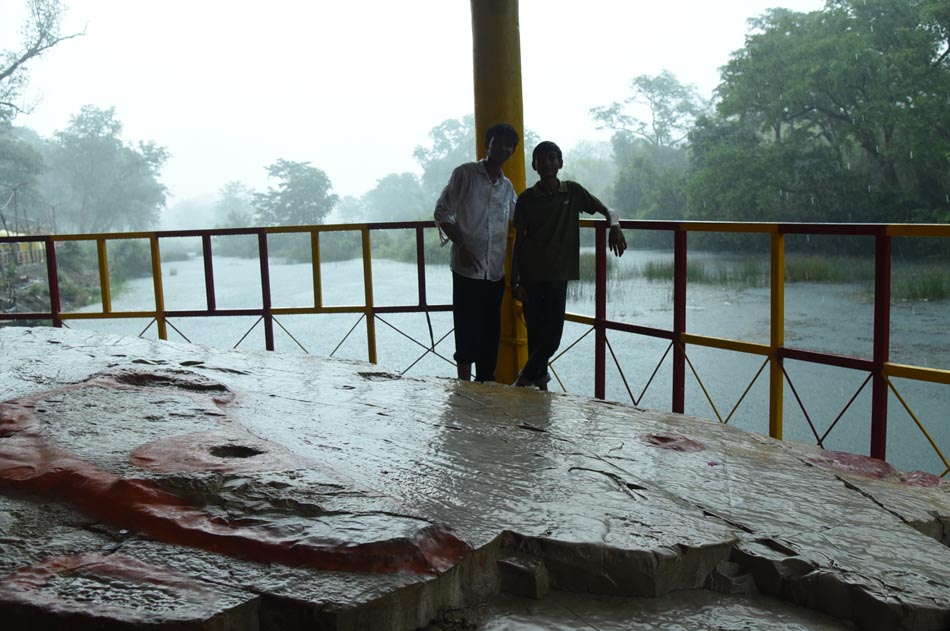
Today, Chitrakoot is recognised as one of India's foremost religious, cultural, and ecological heritage regions. The Mandakini (Payaswani) River, the sacred Kamadgiri Hill, dense forests, waterfalls, and abundant wildlife create a landscape where nature and spirituality coexist. The region continues to attract millions of pilgrims and tourists every year, sustaining local traditions, handicrafts, and religious festivals. Despite this rich cultural legacy, Chitrakoot remains economically disadvantaged. In 2006, it was identified among India's 250 most backward districts and continues to receive developmental assistance under the Backward Regions Grant Fund (BRGF). Nevertheless, its enduring spiritual significance, literary heritage, and living traditions ensure that Chitrakoot remains one of the most cherished sacred landscapes in the cultural history of India.
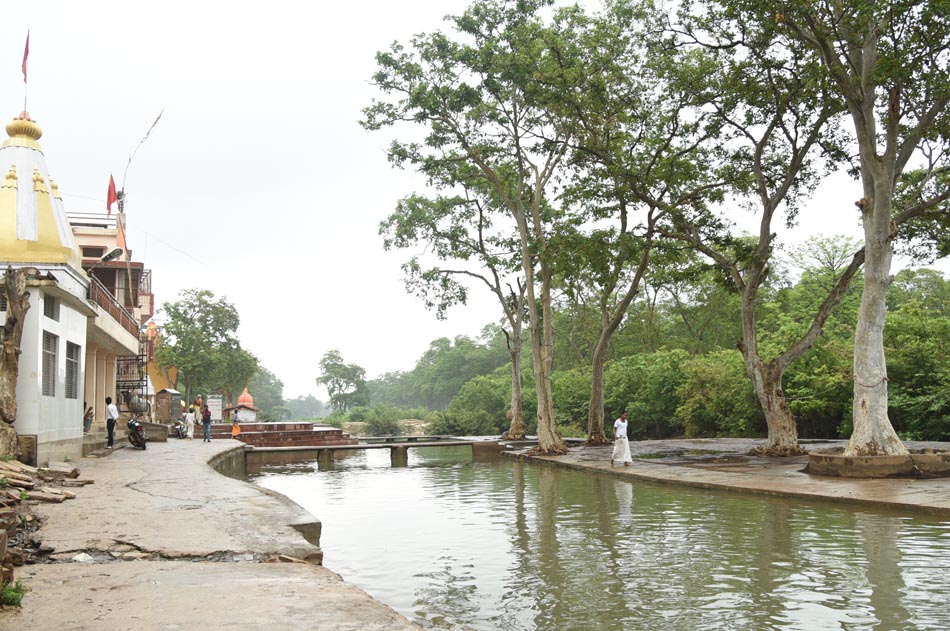
Chitrakoot district is situated in the southern part of Uttar Pradesh, along the state's border with Madhya Pradesh, forming an important part of the historic Bundelkhand region. Geographically, the district lies between 24°48' and 25°12' North latitude and 80°58' and 81°34' East longitude. It extends approximately 62 km from east to west and about 57.5 km from north to south, covering a total geographical area of 3,452.91 square kilometres. Owing to its strategic location between the Indo-Gangetic plains and the Vindhyan highlands, Chitrakoot possesses a distinctive landscape that combines rocky hills, forests, river valleys, and fertile plains.
The district is bordered by Kaushambi district to the north, Prayagraj (Allahabad) to the east, Banda district to the west, and the Satna and Rewa districts of Madhya Pradesh to the south. Chitrakoot is well connected by an extensive network of state and national highways, providing convenient road access to neighbouring districts and major cities such as Prayagraj, Banda, Satna, Rewa, and Kaushambi. The nearest major railway connections are available at Chitrakoot Dham Karwi, while nearby airports at Prayagraj, Khajuraho, and Satna improve regional accessibility for pilgrims and tourists.
The district derives its name from the Sanskrit words 'Chitra' (wonderful or picturesque) and 'Koot' (hill or peak), meaning "the Hill of Many Wonders." True to its name, the region is characterised by scenic hills, dense forests, waterfalls, rocky escarpments, caves, and perennial streams. Chitrakoot occupies the northern fringes of the Vindhya Mountain Range, one of central India's oldest geological formations, and extends across both Uttar Pradesh and Madhya Pradesh. The broader cultural region of Chitrakoot therefore includes Chitrakoot district in Uttar Pradesh and parts of Satna district in Madhya Pradesh, reflecting a shared ecological and religious landscape rather than a strictly administrative boundary.
The topography is predominantly undulating and rugged, consisting of low sandstone hills, lateritic plateaus, narrow valleys, and gently sloping plains. Elevation varies considerably across the district, creating diverse micro-landscapes that have influenced patterns of settlement, agriculture, and traditional livelihoods. The rocky terrain supports a variety of native vegetation while providing natural settings for many of Chitrakoot's sacred sites. Among the most prominent hills are Kamadgiri, regarded as the spiritual heart of Chitrakoot, along with Hanuman Dhara, Lakshman Pahari, Janki Kund, Devangana, and several other hillocks that feature prominently in the religious traditions associated with the Ramayana.
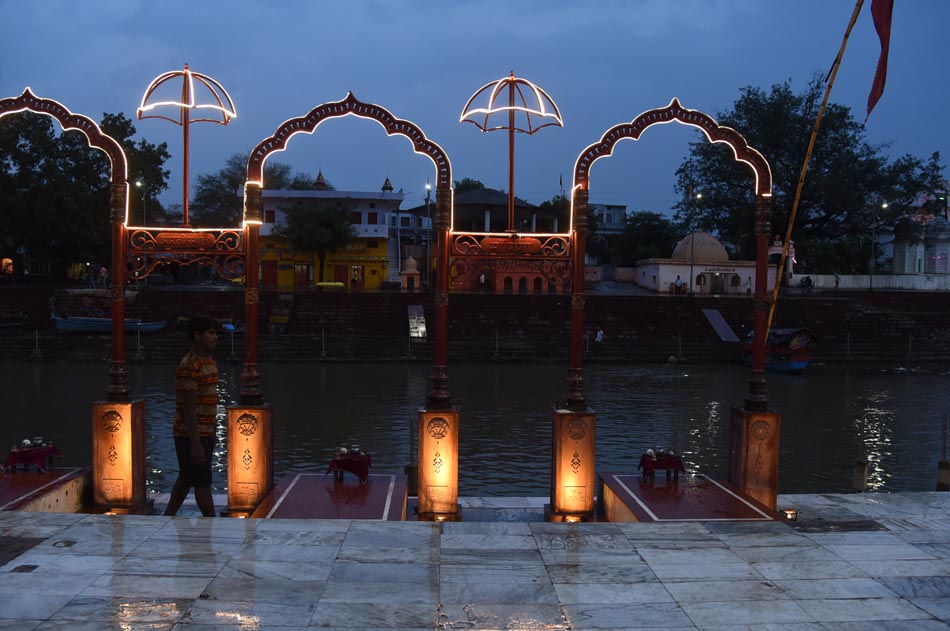
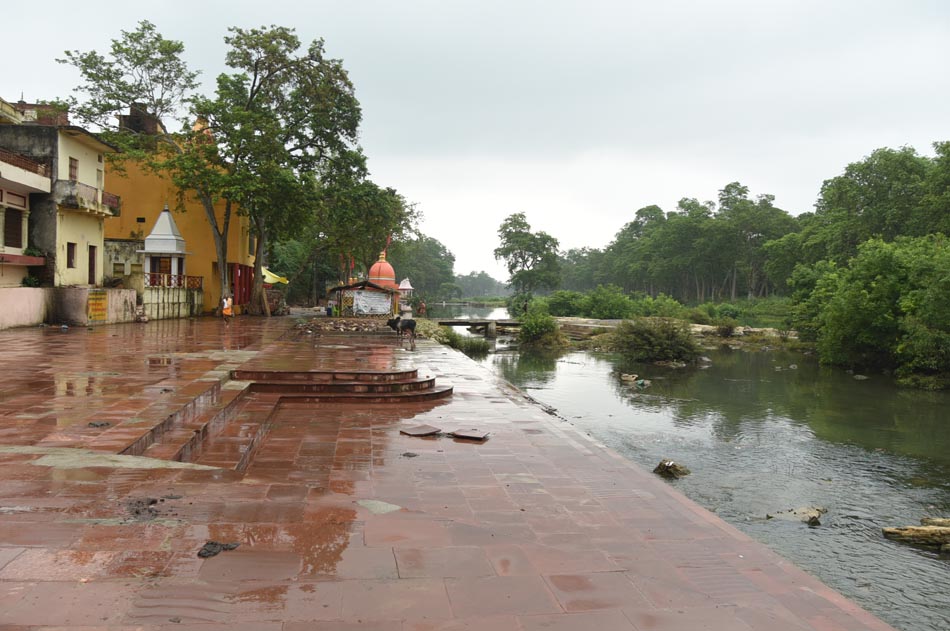
Chitrakoot is drained by a network of seasonal and perennial rivers that sustain both agriculture and local ecosystems. The Mandakini River, also known locally as the Payaswani, is the most significant river of the district and holds immense religious importance. Flowing through the sacred town of Chitrakoot, it is central to pilgrimage activities, particularly at Ram Ghat, where thousands of devotees perform ritual bathing and religious ceremonies. Other important rivers and streams include the Valmiki, Gunta, Gedua, Chakara, and Jhuri, all of which contribute to the district's drainage system. These watercourses recharge groundwater, support local agriculture, and create fertile valleys amidst the otherwise rocky terrain.
The climate of Chitrakoot is tropical with semi-arid characteristics, marked by pronounced seasonal variations. Summers, extending from March to June, are extremely hot and dry, with temperatures often rising to 48.5°C during May. The southwest monsoon, arriving between late June and September, provides the majority of the annual rainfall, replenishing rivers, forests, and agricultural fields. Winters, from November to February, are cool and pleasant, with temperatures occasionally falling to around 5°C in January. The district experiences significant temperature fluctuations between seasons, making climatic conditions an important factor influencing agriculture, forest ecology, and traditional occupations.
A substantial portion of southern and southwestern Chitrakoot comprises the Patha region, a rugged plateau characterised by rocky outcrops, dry deciduous forests, and sparse human settlements. This ecologically significant landscape is traditionally inhabited by the Kol tribal community, one of the oldest indigenous groups of the Bundelkhand region. The forests of Patha contain species such as teak, khair, tendu, mahua, palash, babul, neem, and bamboo, which have long provided local communities with timber, fuelwood, edible forest produce, medicinal plants, lac host trees, and raw materials for various traditional crafts. The region also supports wildlife including deer, peacocks, langurs, jackals, wild boars, and numerous bird species, contributing to Chitrakoot's rich biodiversity.
The unique combination of Vindhyan hills, sacred rivers, forests, waterfalls, caves, and pilgrimage centres gives Chitrakoot a geography unlike that of most districts in Uttar Pradesh. Its physical landscape has not only shaped the region's ecological diversity but has also profoundly influenced its mythology, religious traditions, settlement patterns, and craft practices. The availability of forest resources, particularly timber, has historically supported traditional woodworking and the development of Chitrakoot's celebrated wooden lacquerware and toy-making traditions, demonstrating the close relationship between the district's geography and its cultural heritage.
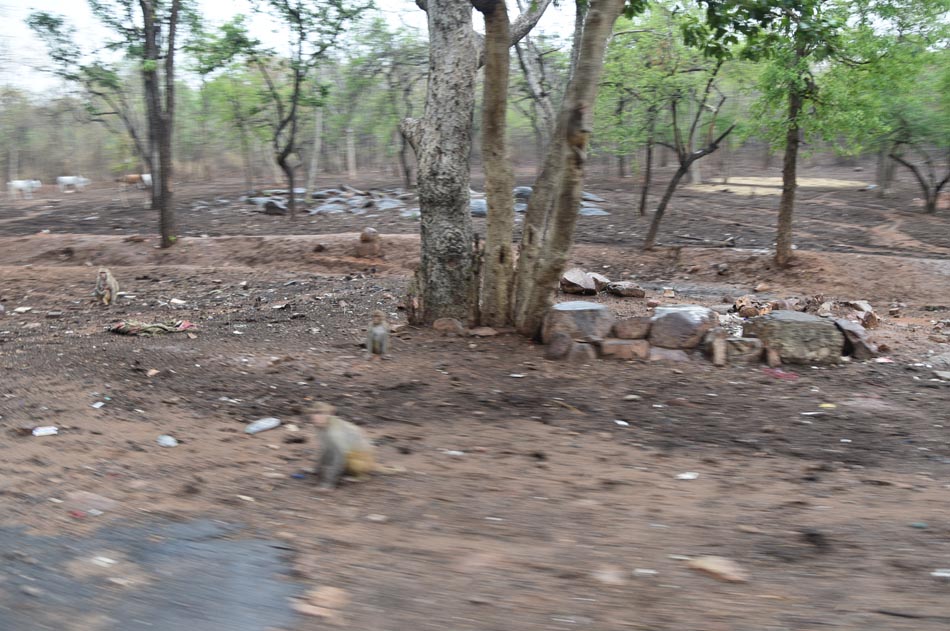
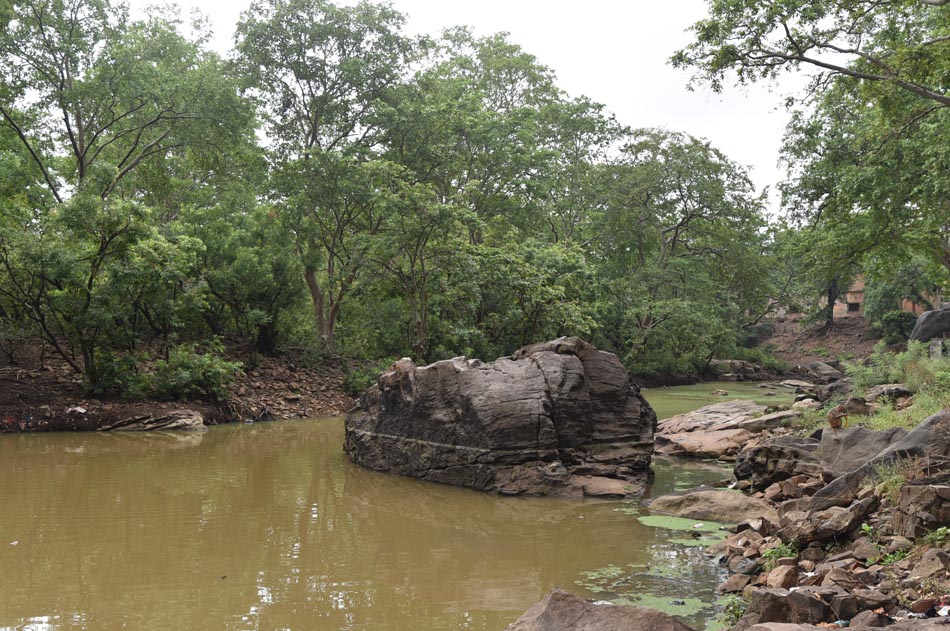
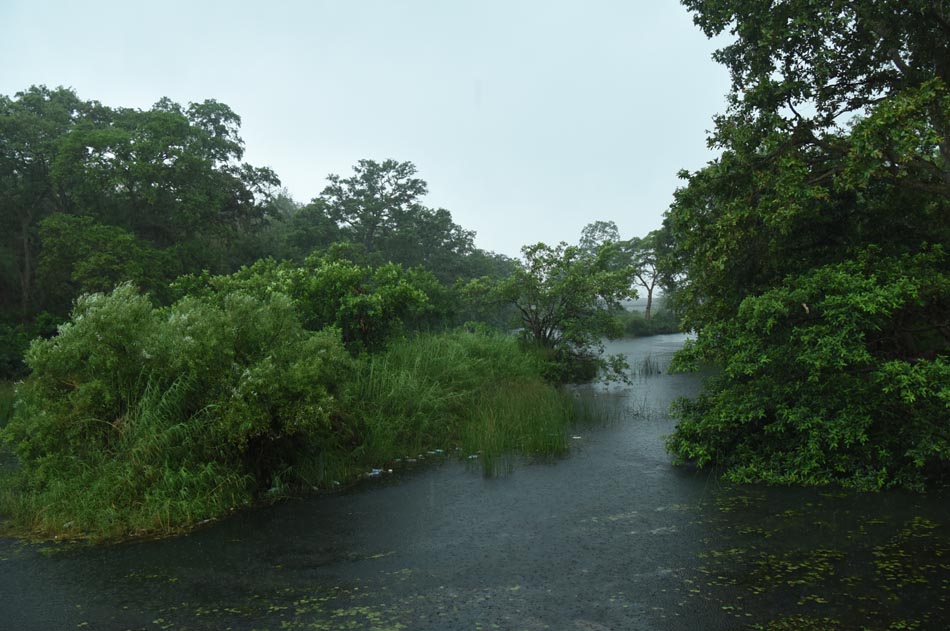
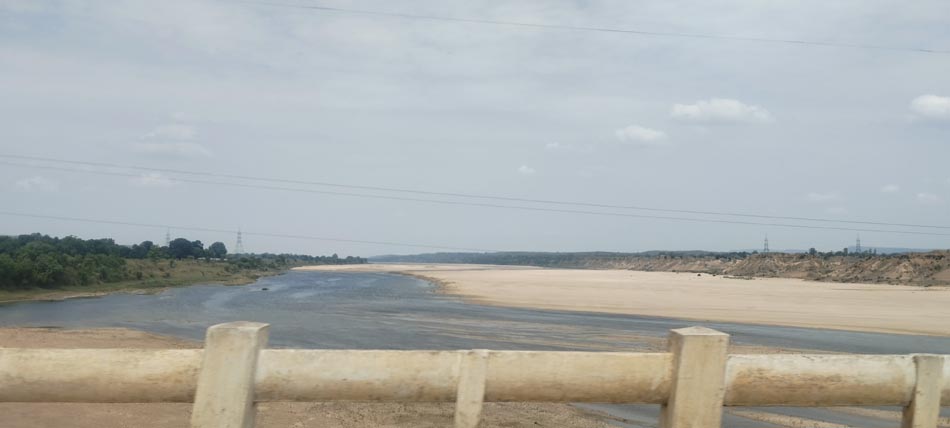
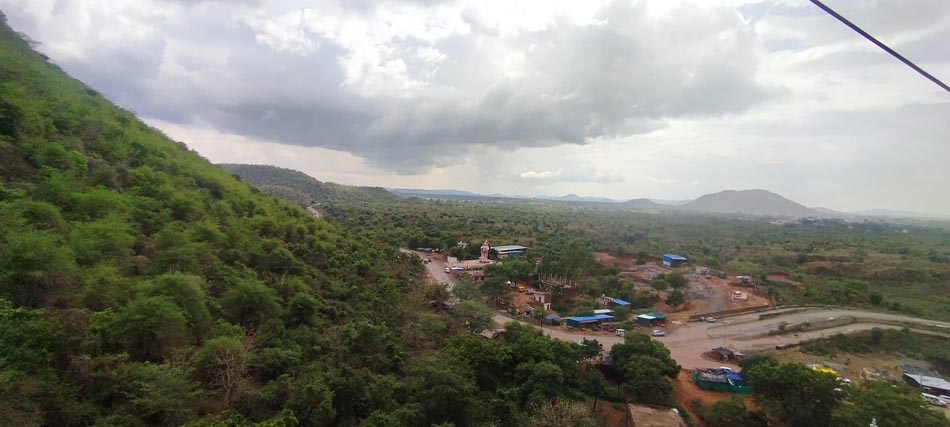
Chitrakoot is characterized by the Vindhya hills, forests, rivers, and fertile valleys, creating a landscape where nature, agriculture, and spirituality are closely connected. Its scenic environment has long contributed to its importance as a sacred pilgrimage destination.
The district experiences a tropical climate with hot summers (up to 49°C), cool winters (0–5°C), and annual rainfall ranging between 675–1,100 mm, most of which falls during the monsoon. Located in the Bundelkhand agro-climatic zone, Chitrakoot has an undulating terrain with sandy loam, clay loam, and silty clay soils that support seasonal agriculture.
The region is nourished by rivers such as the Mandakini, Yamuna, Bagein, Gunta, Ohan (Valmiki), and Bardaha, while its forests provide important ecological value. However, Chitrakoot also faces environmental challenges, including heat waves, water scarcity, and declining forest cover. Since agriculture remains the primary livelihood for most residents, the region's economy and ecology are closely dependent on seasonal rainfall and the sustainable management of its natural resources.
As one of North India's major pilgrimage destinations, Chitrakoot has witnessed significant infrastructure development aimed at improving accessibility and tourism. The Bundelkhand Expressway has strengthened road connectivity, making travel to the region faster and more convenient, while the Ram Van Gaman Marg is being upgraded to enhance the pilgrimage circuit associated with the Ramayana. Tourism infrastructure is also being improved under initiatives such as the PRASHAD Scheme and Swadesh Darshan 2.0, which focus on better public amenities, heritage conservation, sanitation, and visitor facilities. Complementing these developments is a 3,600-acre solar park, reflecting the region's commitment to sustainable energy and economic growth.
Chitrakoot's architecture reflects its sacred character, natural landscape, and the cultural traditions of the Bundelkhand region. Most temples follow the Nagara style of North Indian temple architecture, characterized by curvilinear shikharas(spires) and intricately carved stone elements. Along the banks of the Mandakini River, simple temples, ghats, and ashrams blend harmoniously with the surrounding forests and the rugged terrain of the Vindhya hills. Notable architectural landmarks include the Kamtanath Temple and the Parikrama path around Kamadgiri Hill, Ramghat, Sati Anasuya Ashram, and the beautifully carved pavilions and gardens of Ganesh Bagh. The nearby Kalinjar Fort further represents the region's rich military and architectural heritage, showcasing the grandeur of medieval Bundelkhand
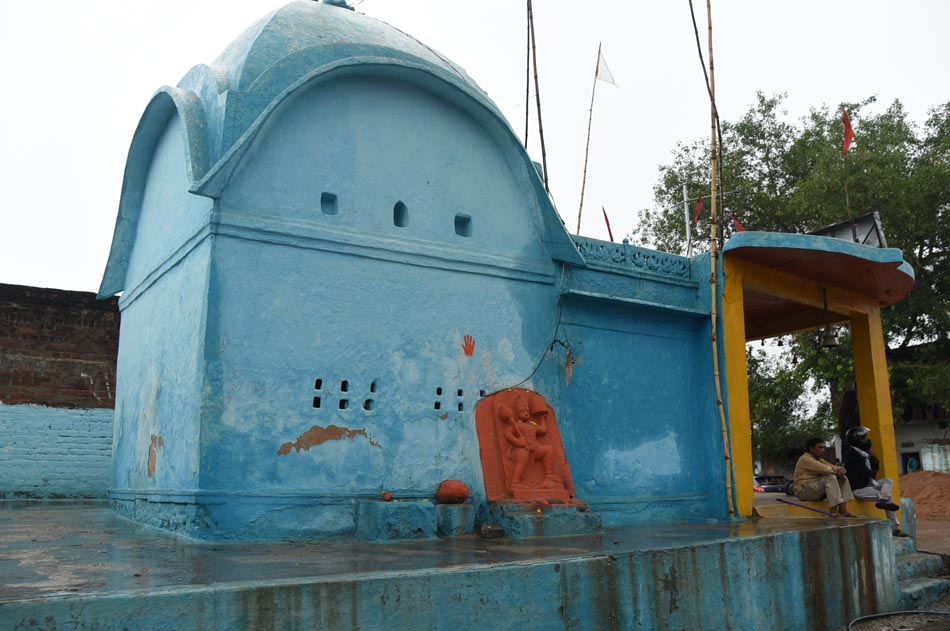
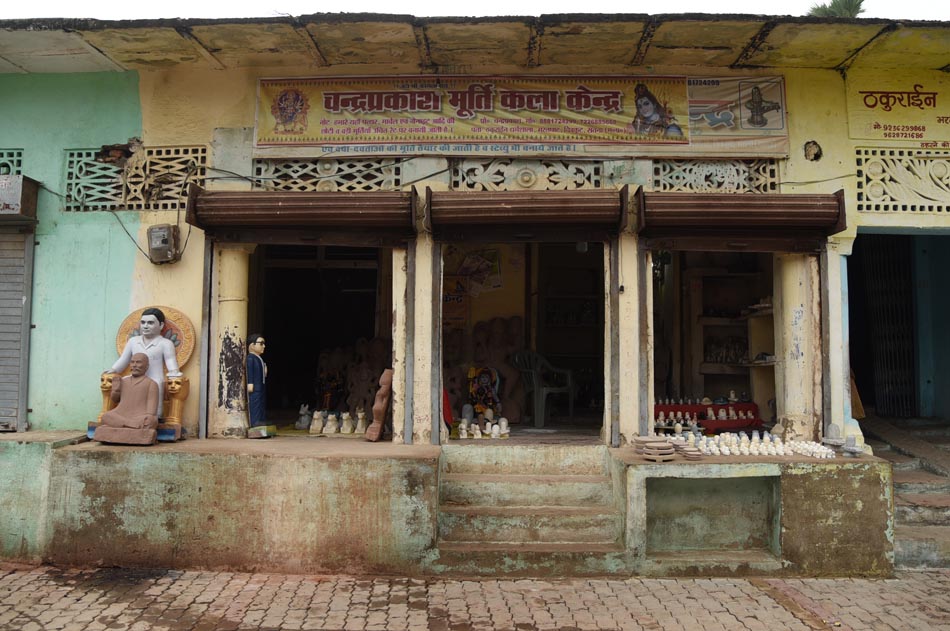
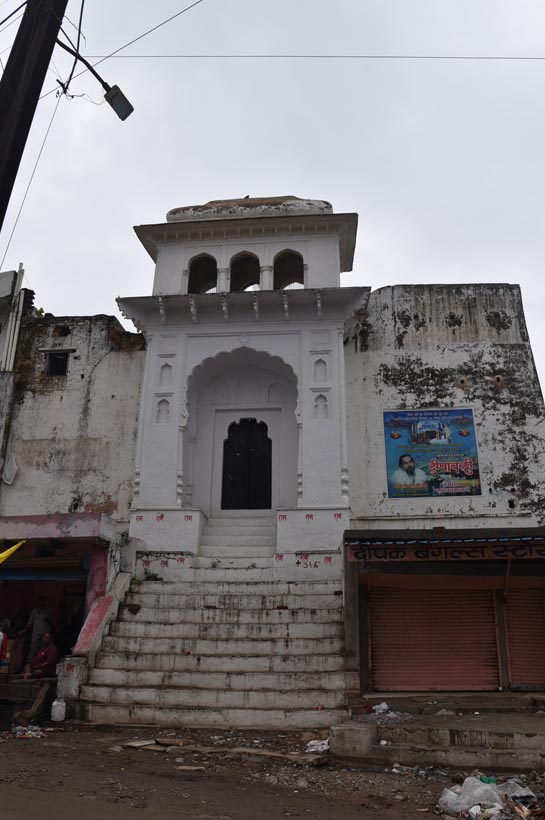
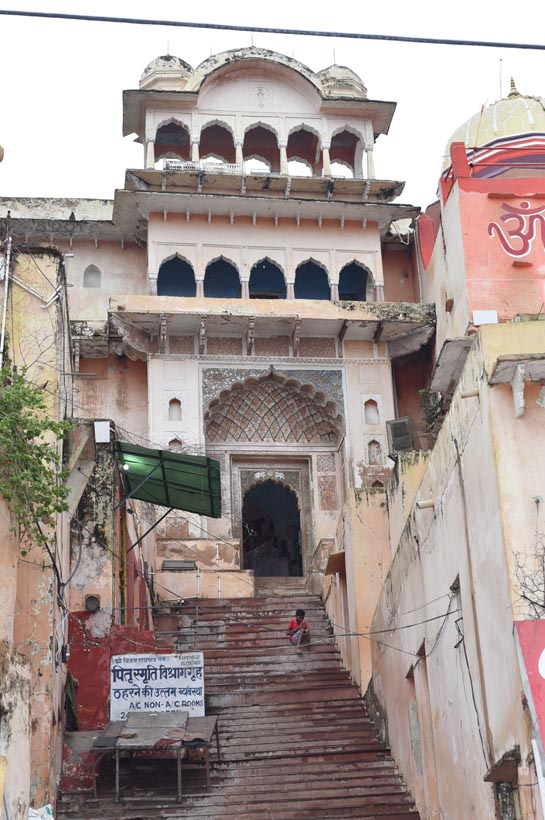
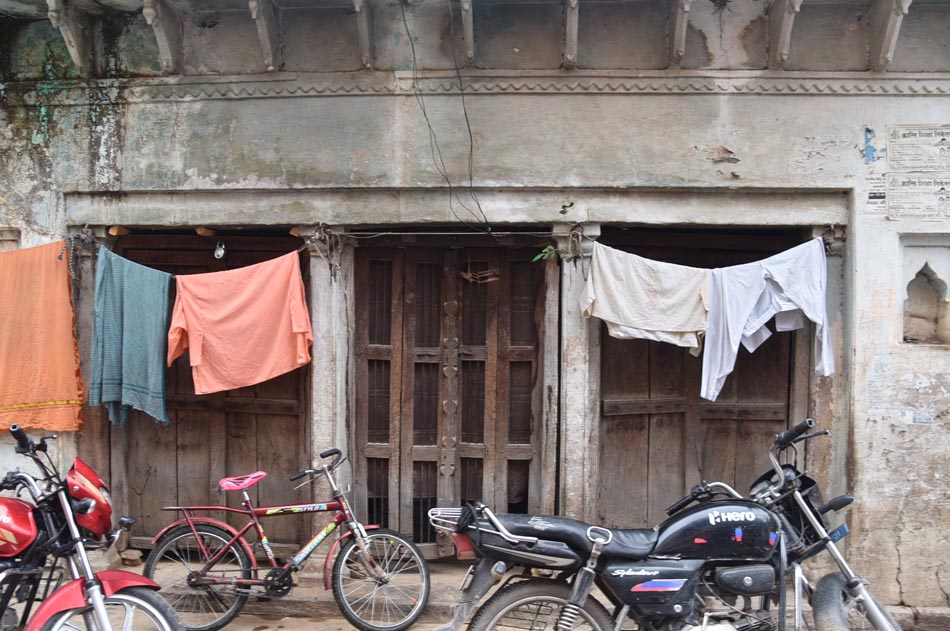
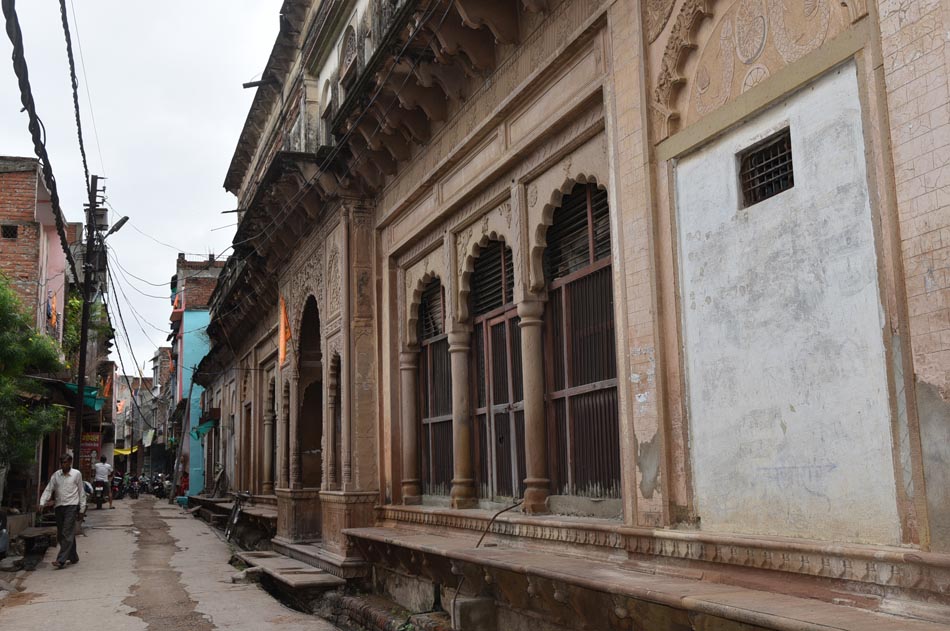
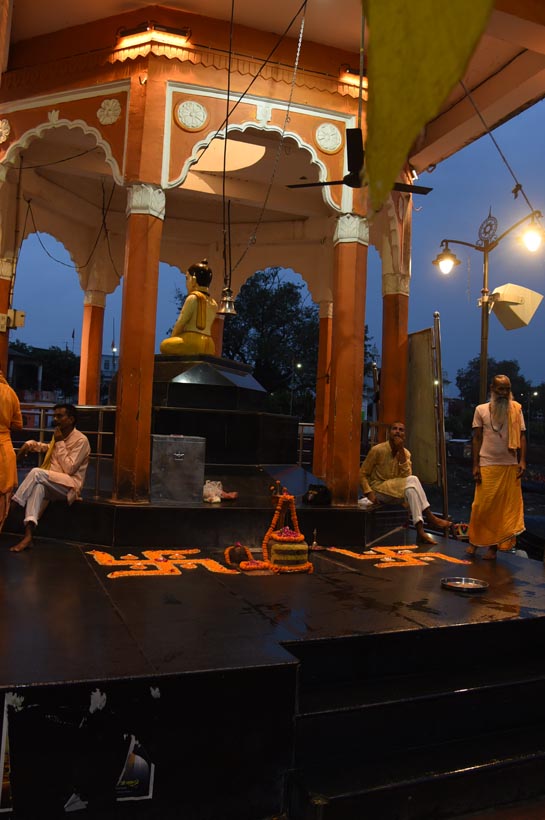
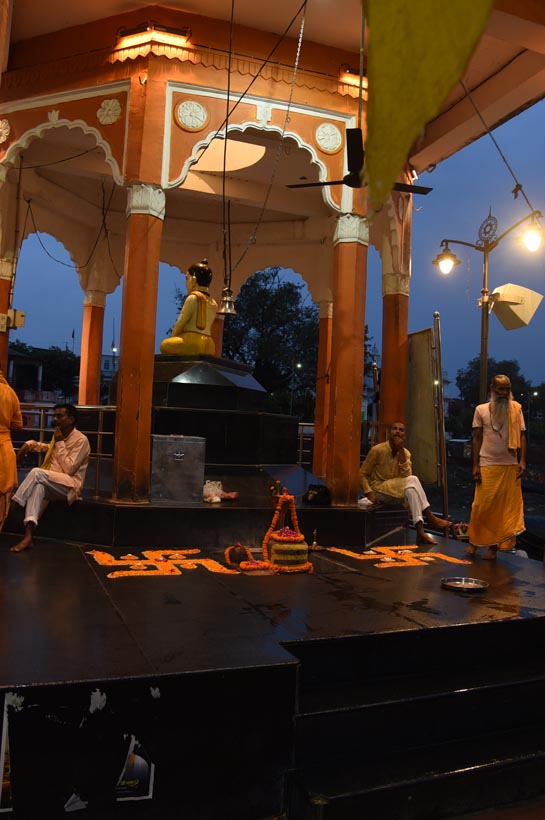
Chitrakoot’s culture is strongly connected to Hindu mythology, as it is believed that Lord Rama, Sita, and Lakshmana spent 11 years of their exile here. The Mandakini River, evening aartis at Ramghat, and the Kamadgiri Parikrama are central to the town’s religious life, making it an important pilgrimage destination.
Major festivals such as Diwali and Dussehra are celebrated with devotion, and the annual National Ramayana Fair, usually held in February or March, attracts visitors from different regions. Hindi is the main language spoken, along with regional dialects like Bundeli and Bagheli.
The region is also known for its traditional wooden toys and local folk dances such as Rai, Saira, and Dhimrai. Simple traditional foods and sweets like malpua are part of the local cuisine. Overall, daily life in Chitrakoot revolves largely around its temples, ghats, and religious activities along the Mandakini River.
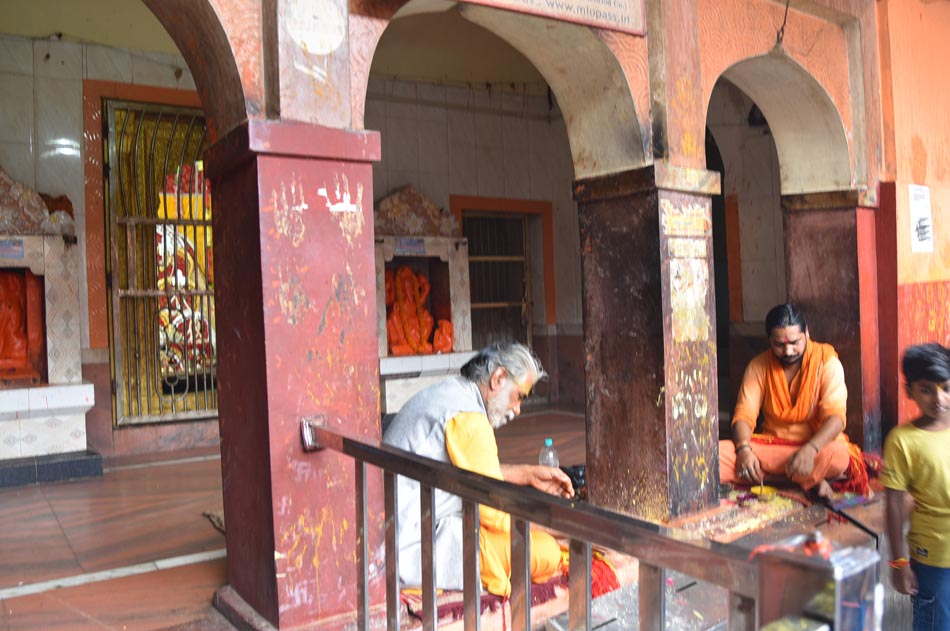
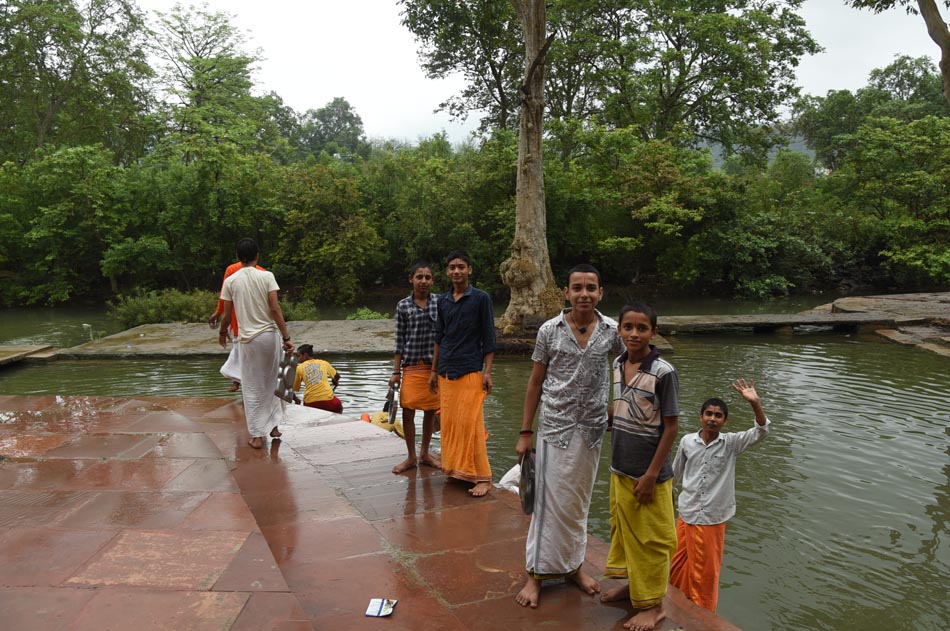
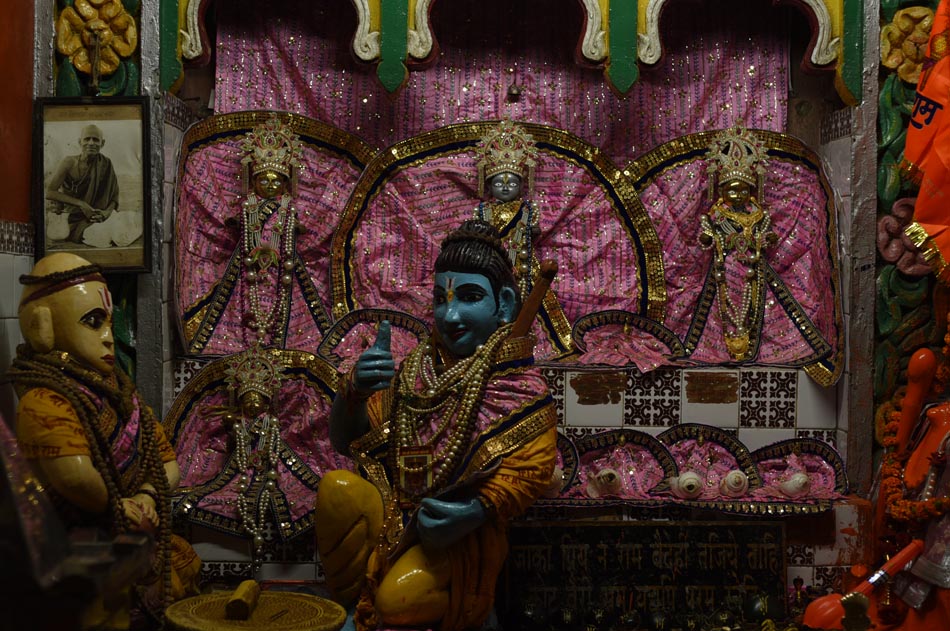
The people of Chitrakoot are mostly rural, Hindu, and dependent on agriculture, with most families living in villages and small towns. According to the 2011 Census, Chitrakoot district had a population of about 991,730, a sex ratio of 879 females per 1,000 males, and a literacy rate of around 66.52%. Most residents live in rural areas, while a much smaller share lives in towns, and the district remains relatively sparsely populated. Hinduism is the dominant religion, and the region also has a small but significant Muslim population. Daily life is closely connected to farming, monsoon rainfall, and local natural resources, while pilgrimage and temple-related activity also play an important role in the local economy and culture
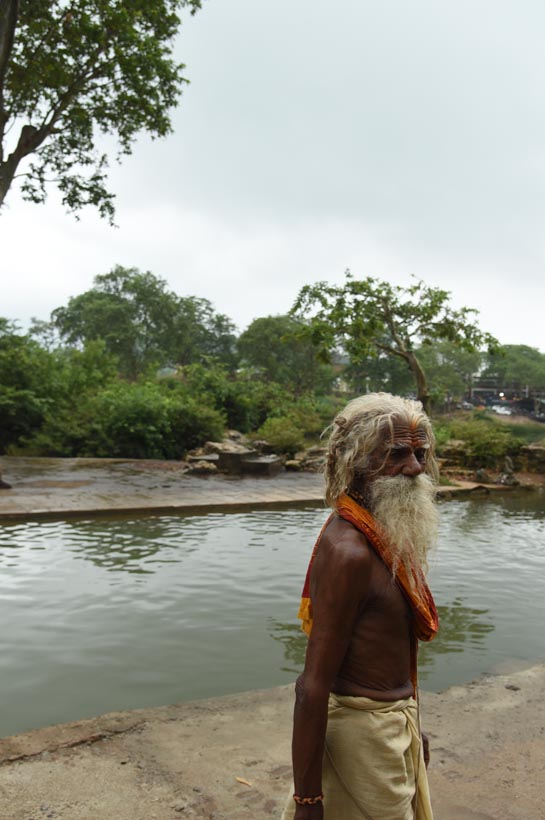
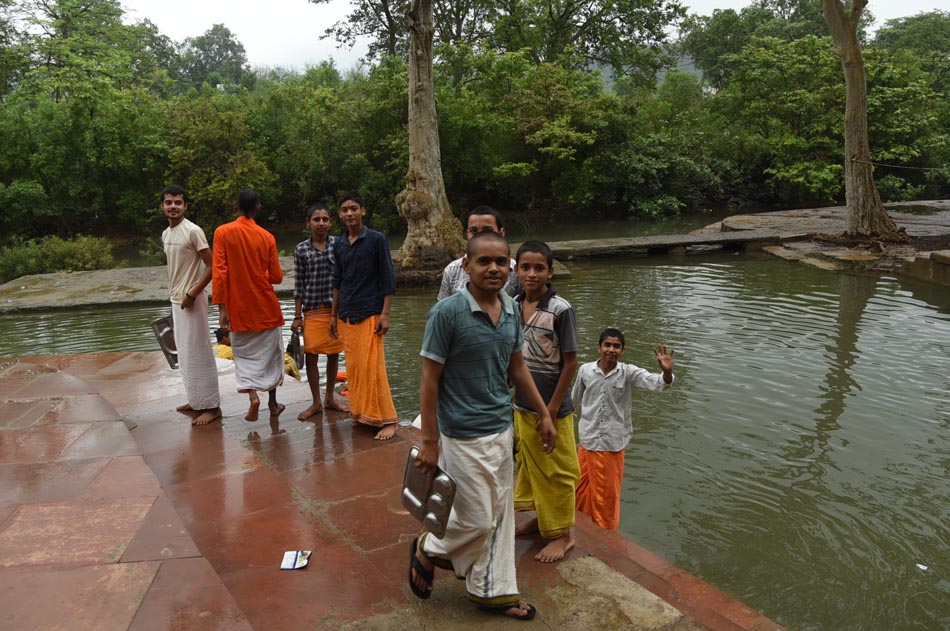
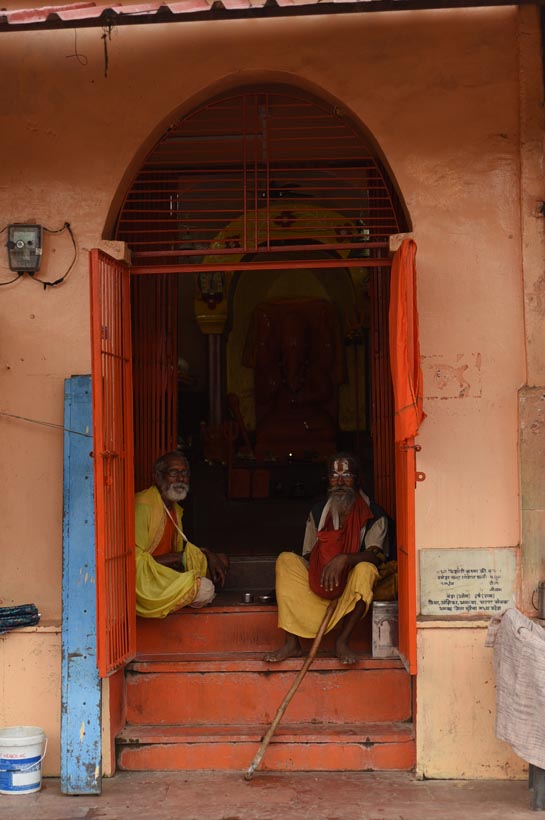
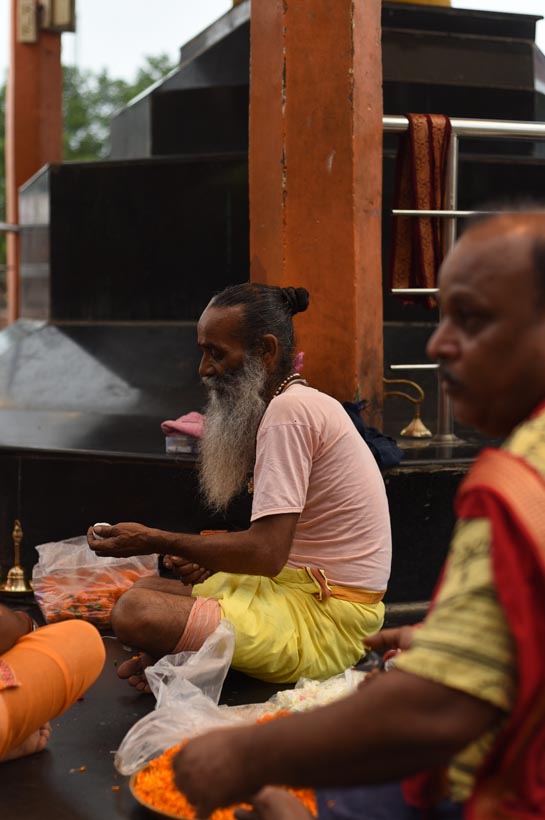
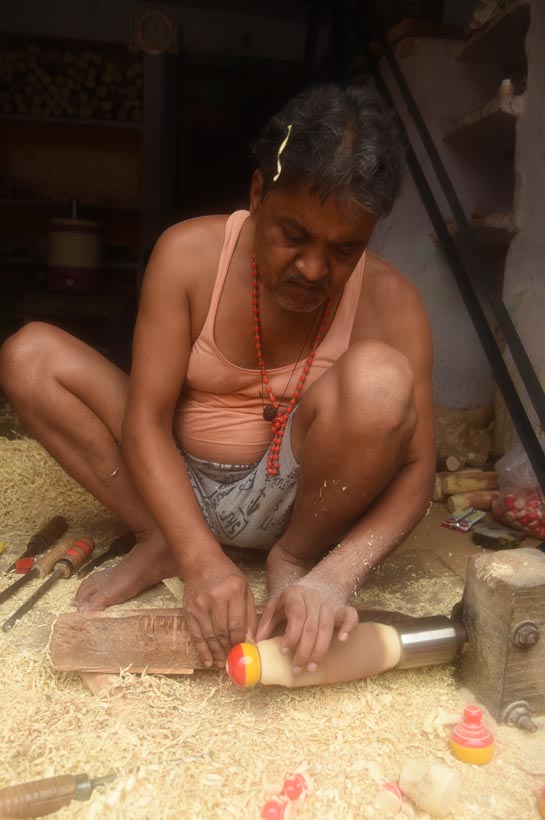
List of craftsmen.
Team Gaatha
https://www.kviconline.gov.in/pmegp/pmegpweb/docs/commonprojectprofile/WoodenToymaking.pdf
https://handicrafts.nic.in/crafts/All_Crafts/Craft_Categories/Wood/Wooden_Artware/Chitrakoot_Wooden_Craft/ChitrakootWoodenWebPage.html
https://timesofindia.indiatimes.com/travel/destinations/chitrakoot-the-forest-where-ramayana-unfolded/articleshow/103572692.cms
https://chitrakoot.nic.in/about-district/
https://www.chitrakootyatra.com/2025/12/history-of-chitrakoot.html
https://www.cansouthasia.net/wp-content/uploads/DCRP-Chitrakoot-Final.pdf
https://www.citypopulation.de/en/india/admin/uttar_pradesh/171__chitrakoot/
https://villageinfo.in/uttar-pradesh/chitrakoot/
https://www.invcity.com/india/chitrakoot
